
Reviewed · TEMPLES AND SHRINES
Best of Kyoto: Red Gates of Fushimi Inari & Kiyomizu Temple
Kyoto is best before breakfast. This three-hour morning tour pairs Fushimi Inari’s red torii gates with Kiyomizu-dera, then leads you through the old Higashiyama streets while the city is still quiet. At $58 per person, it offers a useful mix of guiding, transport, and sightseeing in a short block of time.
I especially like the early start, which gives you a better chance to enjoy both famous sites without the thickest crowds. I also like that train fares, the taxi between the two main stops, and entry fees are included. The tradeoff is simple: you will climb many stairs and walk 10,000 or more steps, while some shops and cafes may still be closed when you pass through.
The guides are a major part of the appeal. Shanda earned praise for her history stories and for allowing quiet time for photos, while Diana was singled out for clear, interesting explanations and a strong feel for the early morning pace. If you want a relaxed start, wear good shoes and arrive ready to walk.
In This Review
- Key points at a glance
- Why the early morning matters at Fushimi Inari
- Understanding Fushimi Inari beyond the red gates
- The taxi ride to Kiyomizu-dera saves valuable time
- Kiyomizu-dera delivers Kyoto’s big view
- Sannenzaka and Ninenzaka show old Kyoto at street level
- Finishing with coffee and local food advice
- What $58 buys you in practical terms
- Which guide style suits this tour
- The main drawbacks to consider before booking
- Who should book this Kyoto morning tour?
- FAQ
- How long is the tour?
- Where does the tour begin?
- Which sites does the tour visit?
- Are admission fees included?
- Is transportation included?
- Does the tour include hotel pickup?
- What languages are available?
- Is the tour private or shared?
- How much walking is involved?
- Should you book Best of Kyoto: Red Gates of Fushimi Inari and Kiyomizu Temple?
Key points at a glance
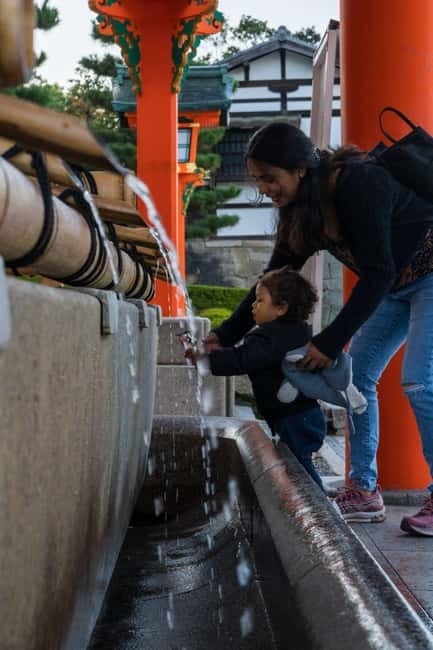
- Early access to Kyoto’s top sights: Begin at Fushimi Inari before the busiest part of the day.
- Two essential stops in three hours: See Fushimi Inari Taisha and Kiyomizu-dera without arranging the transport yourself.
- Useful transport included: Train fare, taxi fare between the sites, and entrance fees are covered.
- Strong guide element: English and French tours are available, with guides praised for warmth, clear explanations, and time for photographs.
- Old Kyoto streets included: Walk through Higashiyama, Sannenzaka, and Ninenzaka before finishing near % ARABICA Kyoto Higashiyama.
- A real walking workout: Stairs and more than 10,000 steps make this a poor fit for anyone with mobility limits.
Why the early morning matters at Fushimi Inari
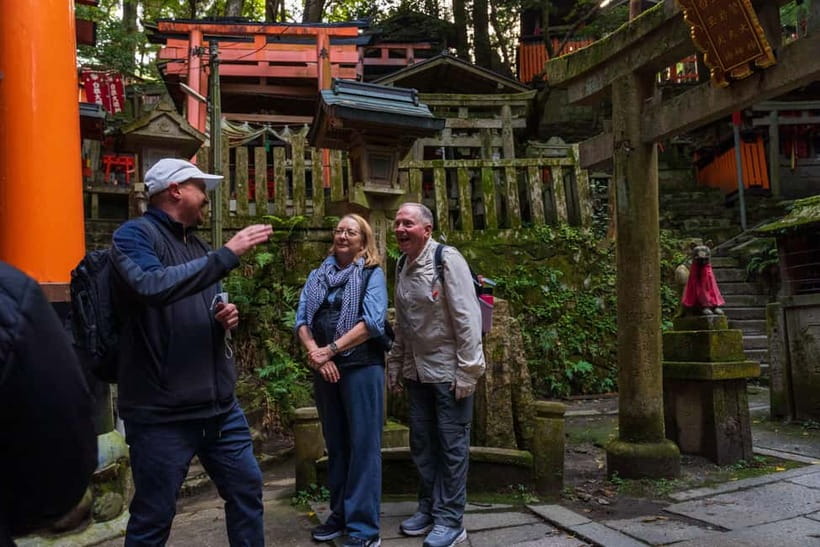
Your meeting point is in front of the entrance to JR Inari Station. Look for the small mailbox and public phone beside one another. This detail matters because the station area can feel confusing when you are trying to find a guide early in the morning, and arriving at the correct entrance keeps the beginning calm.
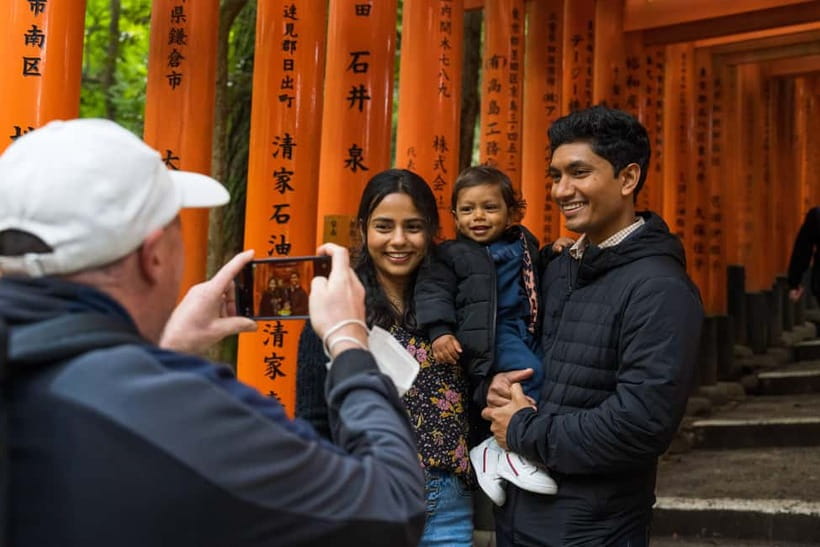
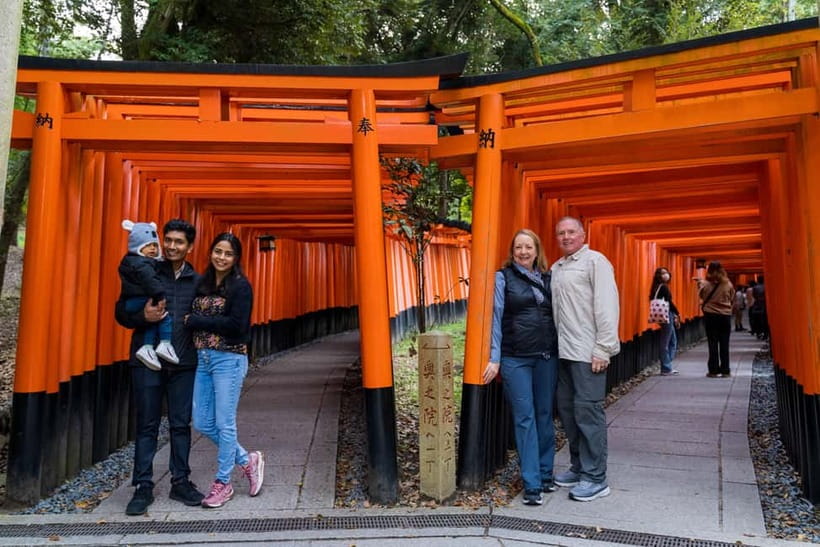
Fushimi Inari Taisha is the first major stop, with about 50 minutes of guided time. The shrine is famous for its long rows of red torii gates, which rise behind the main grounds and lead up the wooded mountain. In the soft morning light, the gates cast long shadows and create the quiet, almost dreamlike setting that makes this one of Kyoto’s most photographed places.
The early timing is the tour’s clearest advantage. Fushimi Inari is one of Japan’s most popular sightseeing spots, and the narrow passages between the gates can become difficult for slow walking and photography later in the day. Getting there early gives you more breathing room and a better chance to frame a photograph without a crowd filling every opening.
You should not expect to walk the entire mountain in 50 minutes. The tour gives you a focused introduction to the shrine and its gates, with your guide explaining the traditions and religious meaning rather than simply pointing out photo spots. That balance helps you understand why the site matters, not just why it looks good on a phone screen.
The route includes stairs, and you may walk quickly at points to make the most of the morning. Comfortable shoes are essential. If you want a relaxed visit with plenty of time at every gate, a longer independent visit may suit you better, but you would lose the tour’s efficient pacing and explanations.
More Temples and Shrines in Kyoto
- [Kyoto & Nara Day Tour] Sagano Scenic Railway & Nara Park & Fushimi Inari Taisha Thousand Torii Gates & Togetsukyo Bridge & Bamboo Grove & Kimono Forest (Departing from Osaka)
★ 4.9 · 10,942 reviews - Kyoto: Fushimi Inari, Kinkakuji, Bamboo Grove 1 Day Bus Tour
★ 4.8 · 4,316 reviews - Kyoto: Tea Ceremony in a Traditional Tea House in Kiyomizu
★ 4.9 · 3,519 reviews
Understanding Fushimi Inari beyond the red gates
The shrine is closely linked with Japanese religious traditions, and the guide helps put the visual details into context. The tour also introduces ideas connected with Buddhism and the cultural development of Kyoto, giving you more than a quick walk through a famous setting.
The best guides appear to be those who know when to talk and when to let the place work on its own. Shanda was praised for sharing history and tradition while still giving her group time to take photographs. That is an important skill here. Constant commentary can make a quiet shrine feel like a classroom, while no explanation leaves you with little more than a series of red arches.
The tour is available as a private or small-group experience. Group size can affect the pace, so check the option you are booking if personal attention matters to you. A private format should be especially appealing if you want to pause for pictures, ask questions, or move at a pace suited to your group.
The taxi ride to Kiyomizu-dera saves valuable time
After Fushimi Inari, the tour uses a taxi to reach Kiyomizu-dera. The fare is included, which is more important than it may first appear. With only three hours available, arranging your own route between the two sites could take away time better spent walking, listening, and taking photographs.
The tour also includes train fares, although the stated route begins at JR Inari Station and uses a taxi between the two major sights. Having these costs handled means you do not need to keep stopping to sort out tickets or calculate the next fare. It is a small convenience, but useful on a busy sightseeing morning.
There is no hotel pickup or drop-off. You need to reach the JR Inari Station meeting point on your own and make your own arrangements after the tour. The tour ends at % ARABICA Kyoto Higashiyama, so you can continue exploring the area, stop for coffee, or use the guide’s suggestions for food and drinks.
Kiyomizu-dera delivers Kyoto’s big view
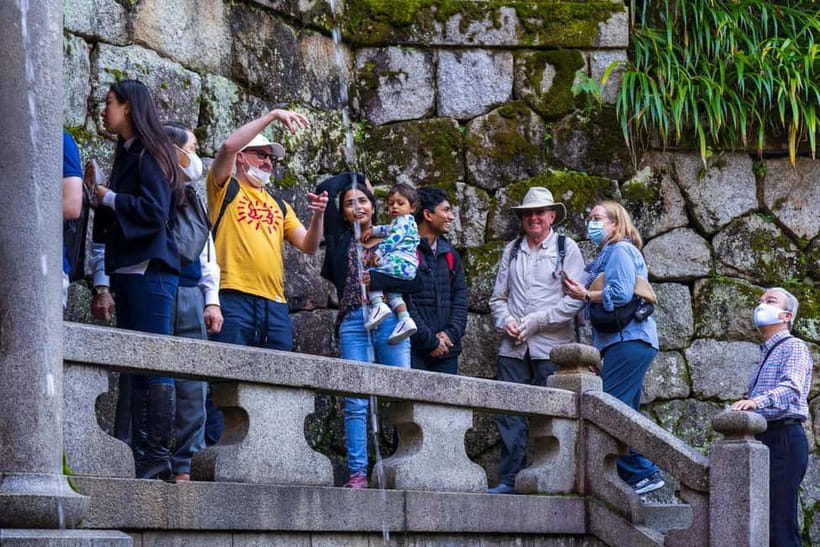
Kiyomizu-dera receives about one hour of guided attention. This is the most famous temple on the route and one of Kyoto’s defining sights, with its striking wooden design, elevated viewing area, and broad views across the city.
The temple is also a good place for your guide’s cultural explanations. You will hear about Buddhism and the traditions connected with the site, while the guide brings attention to architectural details that are easy to miss when you are focused on taking pictures. Diana was praised for making the history of both Kiyomizu and Fushimi Inari clear and interesting.
The temple visit is not just a quick photo stop. You have enough time to look around, hear the background, and enjoy the view. Still, one hour passes quickly, particularly if you want to photograph the temple, examine its design, and take in the city at the same time.
Expect more stairs here as well. This tour is not a gentle stroll between two nearby landmarks. The combination of stairs at Fushimi Inari, walking around Kiyomizu-dera, and the old streets afterward can add up to 10,000 steps or more. Anyone with mobility impairments should choose another activity.
A completely different kind of day out:
- PERFECT KYOTO 1-Day Bus Tour
★ 5.0 · 13,518 reviews - Kyoto: Gion Make Your Own Chopsticks with Engraving Option
★ 5.0 · 3,465 reviews - Kyoto Nara Day Trip │ Kiyomizu-dera Temple + Fushimi Inari-taisha Shrine + Nara Park (Departing from Osaka/Kyoto)
★ 4.7 · 3,408 reviews - Kyoto Geisha Walking Tour: Gion District & Hidden Gems
★ 4.7 · 3,273 reviews
Sannenzaka and Ninenzaka show old Kyoto at street level
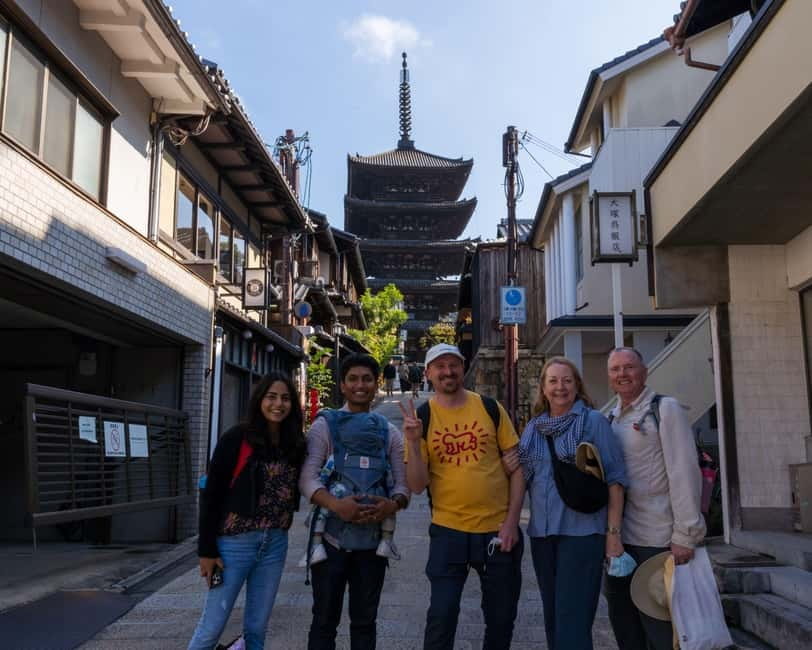
After the temple, the experience continues through preserved districts in Higashiyama, including Sannenzaka and Ninenzaka. These narrow lanes are lined with historic wooden houses and traditional-looking storefronts, offering a different view of Kyoto from the major religious sites.
This part of the walk helps connect the temple to the city around it. Instead of finishing at a gate and sending you off alone, the tour shows you how the old streets flow away from Kiyomizu-dera. Pagodas, wooden buildings, small shops, and quiet corners give the walk a strong sense of place.
There is a practical catch to the early start. Some shops may not yet be open, and one person specifically wished there had been more time to browse them. That is a fair point, but it is also the price of avoiding the crowds. You can enjoy the streets with more space, then return later if shopping is high on your list.
The itinerary includes a 30-minute photo stop. The exact emphasis can depend on your guide and the pace of your group, but it gives you extra time to enjoy the old lanes and photograph the setting instead of racing from one temple to the next.
Finishing with coffee and local food advice
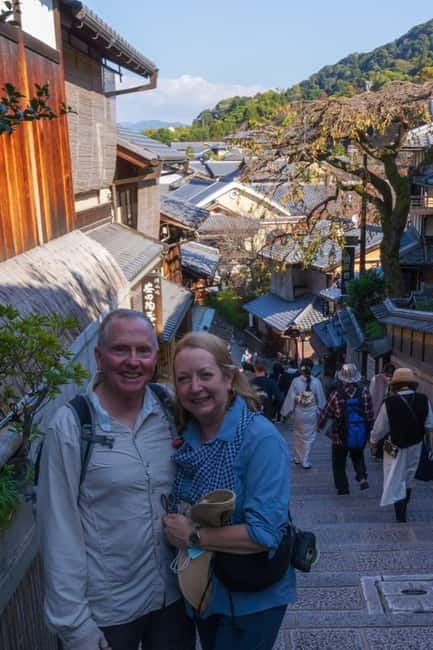
The tour ends at % ARABICA Kyoto Higashiyama, a useful finish for an early morning outing. After the stairs and long walk, you can reward yourself with coffee or breakfast. Food and drinks are not included, so plan to pay for those separately.
The guide’s local suggestions are another worthwhile part of the ending. You are encouraged to ask for tips on restaurants, cafes, and bars before leaving. This can be more useful than a generic list because you can explain what you feel like eating and where you plan to go next.
I would not treat the final stop as a formal meal. It is better viewed as a convenient place to end and gather practical advice. If you are hungry, bring enough money for breakfast and coffee, since neither is part of the $58 price.
What $58 buys you in practical terms
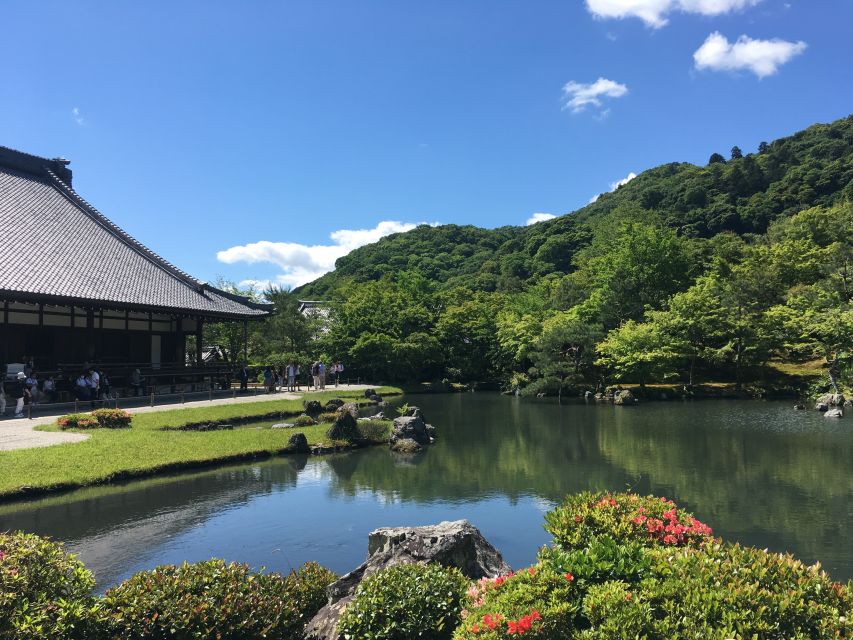
At $58 per person, the value depends on how much help you want. You are paying for a three-hour guided visit to two of Kyoto’s most important sights, entrance fees, train fares, and the taxi from Fushimi Inari to Kiyomizu-dera. You also get a guide who can explain religious customs, local traditions, and the history behind the buildings.
For an independent visitor, the admission and transport costs would be separate, and you would need to plan the order of the stops and work out how to move between them. The tour’s real value is time and organization. You arrive at one meeting point, follow a sensible route, and finish in a useful part of eastern Kyoto.
The price is less attractive if you want to linger for hours, shop extensively, or explore every path at Fushimi Inari. This is a compact introduction, not a full-day examination of either site. You are buying focus and guidance rather than unlimited time.
The free cancellation policy allows you to cancel up to 24 hours in advance for a full refund. You can also reserve now and pay later, which helps if your Kyoto schedule is still changing.
Which guide style suits this tour
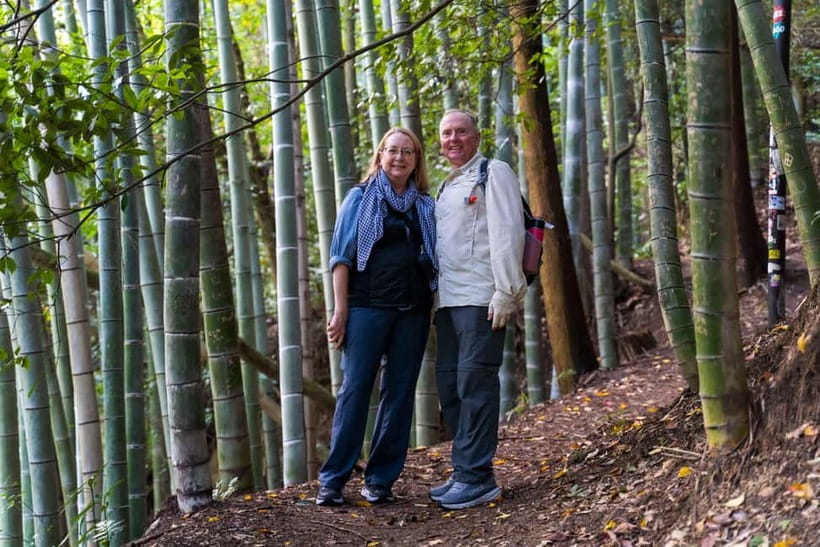
The experience depends heavily on the person leading it. The strongest feedback focuses on guides who are friendly, positive, enthusiastic, and able to explain complex history in simple terms. Shanda was praised for giving people space for photographs, and Diana for making the information about both sites engaging and easy to follow.
That combination matters at Fushimi Inari and Kiyomizu-dera. Both places are visually powerful, but a good guide helps you notice the meaning behind the gates, buildings, and religious customs. You should also feel comfortable asking questions, especially if Buddhism, shrine traditions, or Kyoto’s old neighborhoods are new to you.
English and French guiding are available. Private and small-group formats can be booked, so you have options if you prefer a more personal experience. The tour provider is Kyoto Fun, and the strong overall rating of 4.8 from 36 reviews supports the view that guiding is one of its best features.
The main drawbacks to consider before booking
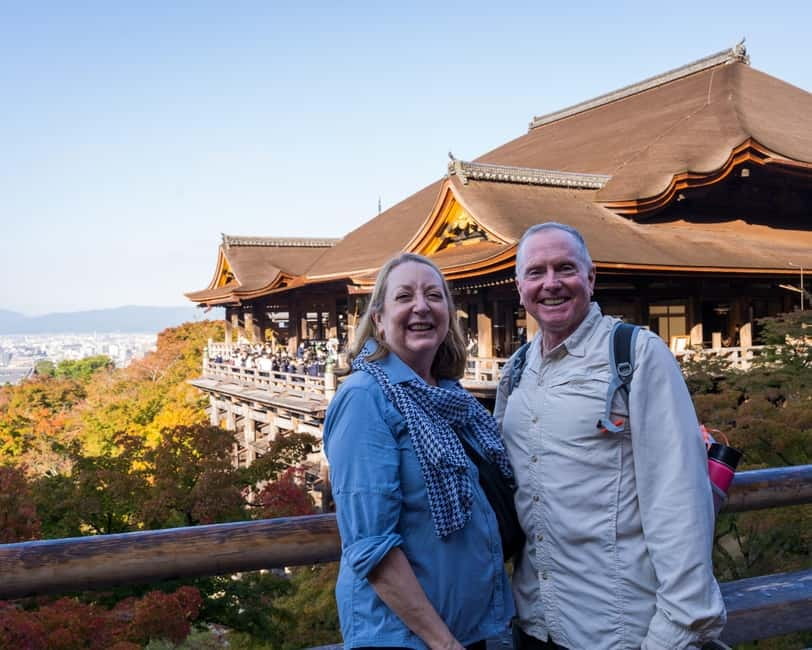
The early hour is both the selling point and the compromise. You get quieter paths and better photo conditions, but you may pass through Sannenzaka and Ninenzaka before every shop has opened. If browsing traditional stores is your main reason for visiting Higashiyama, consider returning later on your own.
The physical effort is the other serious issue. The tour includes many stairs and at least 10,000 steps, so comfortable clothing and shoes are not optional. It is not suitable for people with mobility impairments, and anyone who dislikes uphill walking should think carefully before booking.
The three-hour length also demands a steady pace. You will see the major highlights, but you will not have time to explore every corner of either site. I see this as a strength for a first morning in Kyoto, but less so if you already know both places and want a slow, detailed visit.
Who should book this Kyoto morning tour?
I would choose this tour if you are visiting Kyoto for the first time and want to see two essential sights without spending half a day working out transport. It also suits you if you value historical context, prefer a small group or private format, and are willing to get up early for a calmer experience.
It is a good match for photographers who want fewer people in the frame, provided you are happy with the stairs and a fixed schedule. Couples, families with older children, and solo visitors who want a friendly guide can all benefit from the format.
I would skip it if you need a low-effort route, want a late breakfast, or plan to spend a long time shopping in Higashiyama. You might also prefer independent sightseeing if you already understand the sites and want to set your own pace.
FAQ
How long is the tour?
The tour lasts three hours.
Where does the tour begin?
You meet in front of the entrance to JR Inari Station at the time shown on your voucher. Look for a small mailbox and a public phone next to one another.
Which sites does the tour visit?
The tour visits Fushimi Inari Taisha and Kiyomizu-dera. It also includes a walk and photo stop in the Higashiyama area, including Sannenzaka and Ninenzaka.
Are admission fees included?
Yes. Entry fees for the included sites are covered.
Is transportation included?
Yes. Train fares and the taxi fare from Fushimi Inari to Kiyomizu Temple are included.
Does the tour include hotel pickup?
No. Hotel pickup and drop-off are not included.
What languages are available?
Live guiding is available in English and French.
Is the tour private or shared?
Private and small-group options are available.
How much walking is involved?
You should expect quite a few stairs and 10,000 or more steps during the tour. Comfortable shoes and clothes are recommended, and the activity is not suitable for people with mobility impairments.
Should you book Best of Kyoto: Red Gates of Fushimi Inari and Kiyomizu Temple?
Book it if you want an efficient, early start with two major Kyoto sights, included transport, and a guide who can make the religious and historical details easier to understand. The $58 price is fair for the admissions, taxi, train fares, and personal guidance.
Choose another plan if you want to sleep late, shop when every store is open, or avoid stairs. For an active first morning in Kyoto, though, this tour offers a sensible route, strong photo opportunities, and a helpful finish with local advice for the rest of your day.
Just added in Kyoto
- The “Golden Route” and Ancient Japan by DIAMIR Erlebnisreisen – 14-Day Tour★ 2.0 · 2 reviews
- Japan: Castles & Cuisine by G Adventures – 6-Day Kyoto to Osaka Tour★ 4.5 · 4 reviews
- Cycle Japan by Explore! – 13-Day Kyoto to Tokyo Tour★ 4.7 · 12 reviews
- Cycle Japan by Intrepid Travel – 11-Day Kyoto to Tokyo Tour★ 4.8 · 2 reviews
- Classic Japan by Intrepid Travel – 11-Day Kyoto to Tokyo Tour★ 4.4 · 14 reviews
- Ancient & Modern Japan 14-Day Tour by Exodus Adventure Travels★ 4.4 · 40 reviews
- 5 Day Cultural Adventure of Kyoto, Nara & Osaka by Tourist Journey★ 2.5 · 2 reviews
- 12 Days Kinosaki Onsen Escape: A Journey Through Japan’s Timeless Towns by UME Travel★ 4.8 · 5 reviews
Temples and Shrines, compared.
![[Kyoto & Nara Day Tour] Sagano Scenic Railway & Nara Park & Fushimi Inari Taisha Thousand Torii Gates & Togetsukyo Bridge & Bamboo Grove & Kimono Forest (Departing from Osaka)](https://media.japanvisits.com/wp-content/uploads/kyoto-nara-day-tour-sagano-scenic-railway-nara-park-fushimi-inari-taisha-thousand-torii-gates-togetsukyo-bridge-bamboo-grove-kimono-forest-departing-from-osaka-k110001-400x257.jpg)
Kyushu One-Day Tour: Yufuin no Mori Train & Yufuin Town & Nyoirin-ji Temple & Dazaifu & Hell Hot Springs (Departing from Fukuoka)
Read our review →
Fushimi Inari, Kinkakuji, Bamboo Grove 1 Day Bus Tour
Read our review →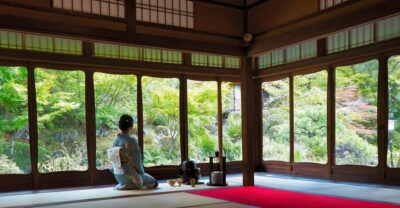
Tea Ceremony in a Traditional Tea House in Kiyomizu
Read our review →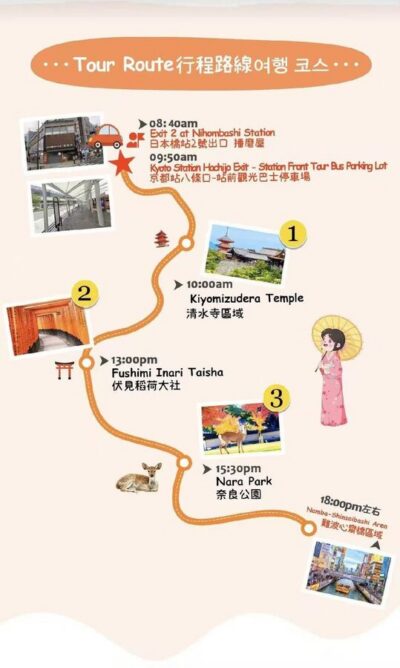
Kyoto Nara Day Trip │ Kiyomizu-dera Temple + Fushimi Inari-taisha Shrine + Nara Park (Departing from Osaka/Kyoto)
Read our review →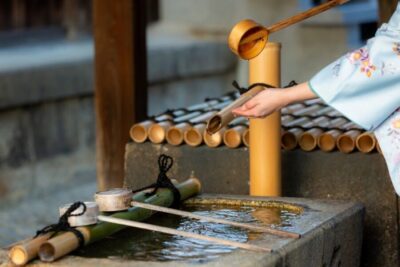
Browse the lists this tour appears in