Reviewed · KYOTO TOURS
Cycle Kyoto’s Hidden Gems & Gion Stroll
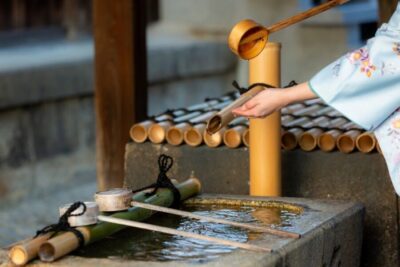
Kyoto reveals itself best at bicycle speed. This $73 tour combines a 3.5-hour ride through quieter parts of the city with a 30-minute walk in Gion or Pontocho, giving you a useful mix of major sights, local corners, and traditional culture. I especially like the peaceful riverside riding and the stop for spring water at a small shrine. I also like the tea and Japanese sweet served at a traditional snack shop, a welcome pause on a warm day.
The route includes the Imperial Palace, a Zen temple, university areas, residential streets, and Shimogamo Shrine. Guides such as Mr. Go, Benjamin, Ko, and Claire have been praised for being patient, friendly, and good at adjusting the pace. The main consideration is simple: you need to be comfortable on a bicycle, and children must be at least 9 years old. An electric bike costs an extra 1,000 yen.
In This Review
- Key points at a glance
- Why this Kyoto bike tour works
- Meeting at Sanjo Ohashi
- Riding beside the river
- The Imperial Palace and a Zen temple
- University streets and residential Kyoto
- Shimogamo Shrine and its old forest
- A distinctive river meeting point
- Tea, Japanese sweets, and a traditional snack shop
- Gion and Pontocho after the bikes
- What the $73 price delivers
- Who should book this experience?
- Final verdict: a smart way to see quieter Kyoto
- FAQ
- How long does the experience last?
- What sights are included on the bicycle route?
- Is bicycle rental included?
- Can I request an electric bike?
- Is the tour suitable for children?
- What is included besides the bike?
- Where does the tour start and finish?
- What happens if it rains?
Key points at a glance
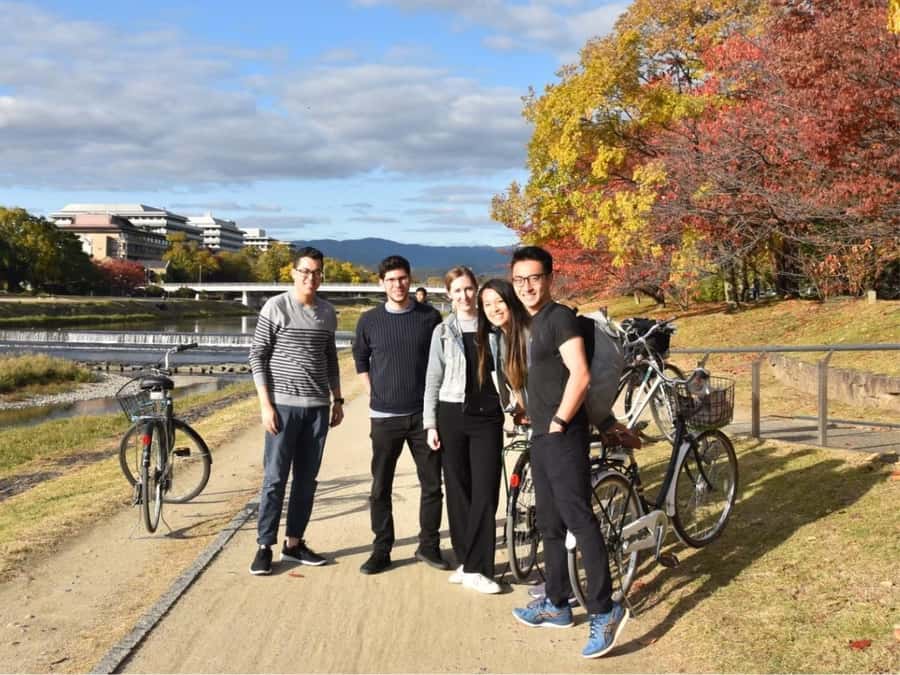
- Riverside start: Begin on a peaceful road beside the water, a pleasant way to get moving away from crowded central streets.
- Spring-water stop: Pause at a lesser-known shrine and try pure natural spring water.
- Major sights by bike: See the Imperial Palace, a Zen temple, and Shimogamo Shrine without spending the whole day on foot.
- Forest and river junction: Ride through Shimogamo’s primitive forest, then continue to a distinctive meeting point of rivers.
- Tea and Japanese sweets: Stop at a traditional snack shop for a small taste of Kyoto culture.
- Gion after the ride: Walk through the Flower Towns and receive restaurant or bar suggestions suited to your requests.
Why this Kyoto bike tour works
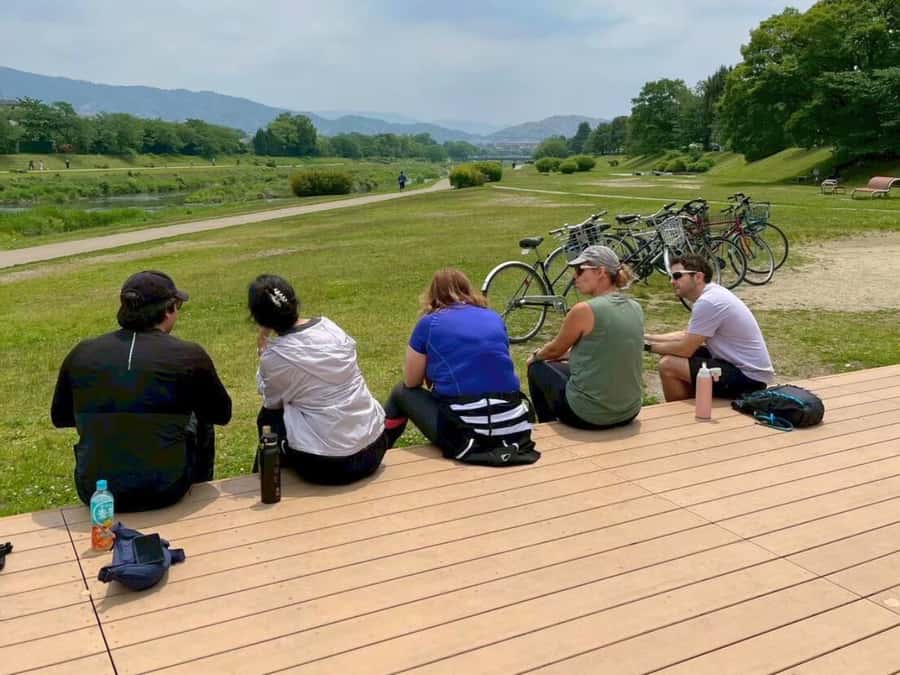
Kyoto is easy to admire and surprisingly hard to cover. The famous temples are spread across the city, buses can be crowded, and walking between districts takes time. A bicycle gives you another option. You can move through residential lanes, university areas, and riverside paths while still reaching important cultural sites.
This tour is not a hard athletic challenge. It is built around sightseeing, with regular stops and explanations. Claire is praised for choosing a comfortable frequency of stops, while other guides are noted for looking after families and showing places that are difficult to find independently. That matters in Kyoto, where the difference between a rewarding route and a tiring one can be a few well-chosen turns.
The experience lasts about four hours in total, including the ride and the town walk. It is long enough to give you a real sense of the city but short enough to fit into a busy Kyoto schedule. You return to the original meeting point, so you do not need to plan transport from a distant neighborhood.
A few more options to weigh up in Kyoto
- PERFECT KYOTO 1-Day Bus Tour
★ 5.0 · 13,518 reviews - [Kyoto & Nara Day Tour] Sagano Scenic Railway & Nara Park & Fushimi Inari Taisha Thousand Torii Gates & Togetsukyo Bridge & Bamboo Grove & Kimono Forest (Departing from Osaka)
★ 4.9 · 10,942 reviews - Kyoto: Fushimi Inari, Kinkakuji, Bamboo Grove 1 Day Bus Tour
★ 4.8 · 4,316 reviews
Meeting at Sanjo Ohashi
The tour begins at the kneeling man statue at the southeast corner of the Sanjo Ohashi intersection. From the east end of Sanjo Ohashi Bridge, cross the street and look for the statue.
If you arrive by subway, the useful tip is to come up to street level first, then find the statue. This is easier than trying to navigate from underground while watching the clock. The meeting point is central, but intersections in Kyoto can be busy, so give yourself enough time to locate the exact corner.
Your bike is provided. Wear comfortable shoes, bring water and a camera, and dress for the weather. Large bags, luggage, smoking, and pets are not allowed. Since the experience runs in rain or shine, weather-appropriate clothing is important.
Riding beside the river
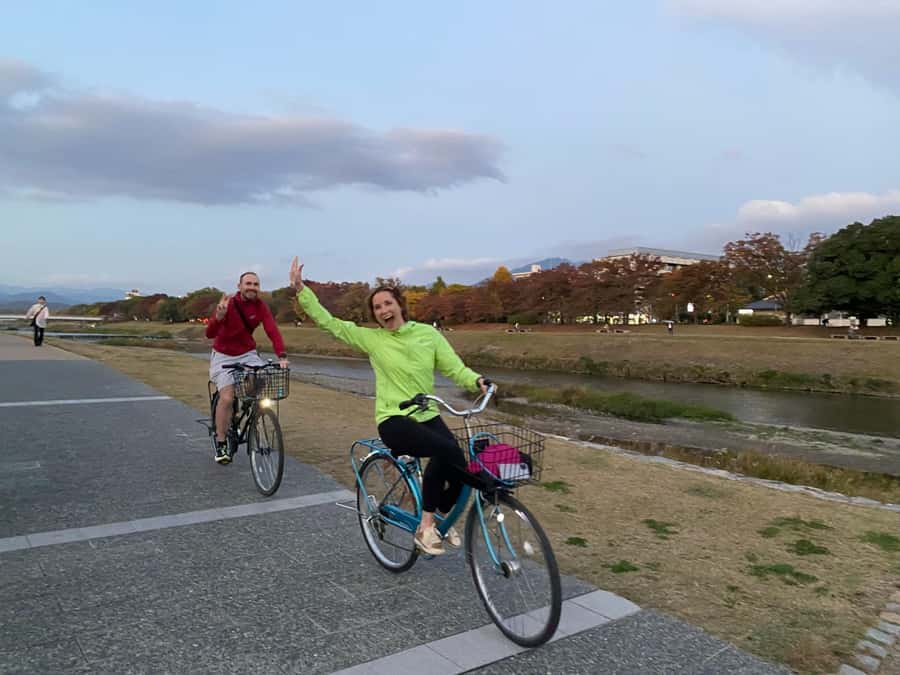
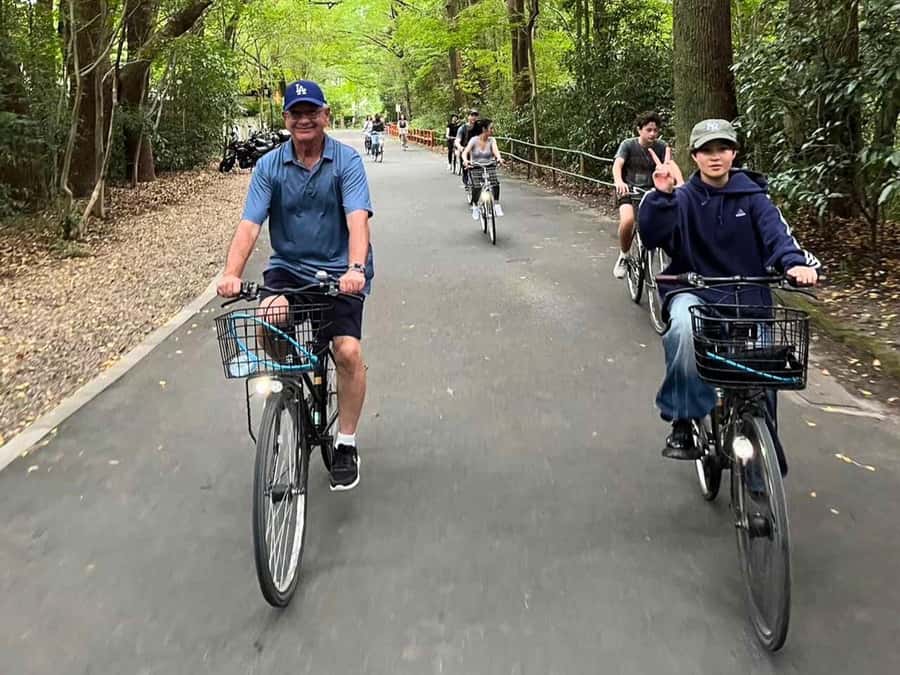
The opening section is one of the tour’s best features. You begin along a peaceful riverside road, where the open sky and moving air make a welcome change from Kyoto’s packed sightseeing lanes. On a hot and humid day, this can make the bicycle feel especially worthwhile.
The ride also gives you a gentle introduction to the city. Instead of starting with a crowded temple gate or a long explanation, you begin by pedaling and seeing Kyoto at street level. You pass through areas where daily life continues beyond the main sightseeing circuit.
A stop at a small shrine provides a quiet pause and a chance to try natural spring water. This is the kind of detail that can be hard to find on your own. It is not a headline attraction, but it adds character to the morning and gives your guide a chance to explain local customs.
The route is described as refreshing, but you should still consider the season. Kyoto summers can be hot and humid, and even an easy ride requires water and sensible clothing. The guides appear to make regular stops, though the pace can still feel demanding if you rarely cycle.
The Imperial Palace and a Zen temple
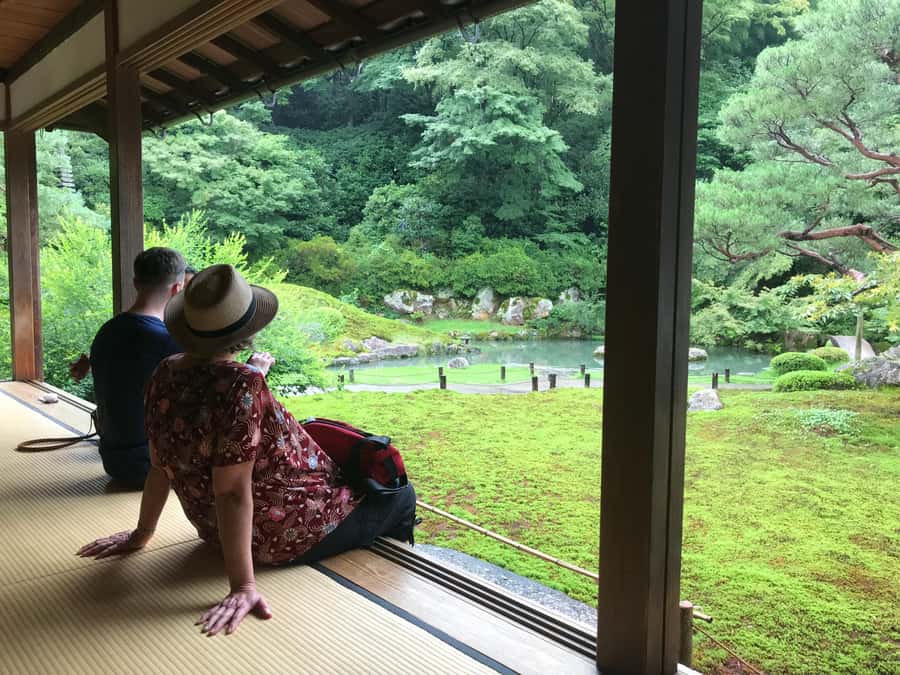
The Imperial Palace provides one of the route’s major cultural stops. Reaching it by bicycle lets you see it as part of Kyoto’s wider city rather than as a single isolated destination. The large grounds offer a sense of scale, and the contrast between open palace space and the surrounding urban streets is part of the appeal.
The tour also includes a famous Zen temple. The exact destinations can change, particularly when rain affects the planned route, so you should treat the listed stops as examples rather than a fixed promise. If an alternative temple or shrine is used on a rainy day, entrance fees are included.
The value here is the combination. You are not spending the entire ride at one major site, nor are you only seeing small local stops. The itinerary gives you recognized Kyoto sights alongside quieter places. That balance suits first-time visitors who want a broad introduction without spending every hour in a crowded tourist district.
A completely different kind of day out:
- Kyoto: Tea Ceremony in a Traditional Tea House in Kiyomizu
★ 4.9 · 3,519 reviews - Kyoto: Gion Make Your Own Chopsticks with Engraving Option
★ 5.0 · 3,465 reviews - Kyoto Nara Day Trip │ Kiyomizu-dera Temple + Fushimi Inari-taisha Shrine + Nara Park (Departing from Osaka/Kyoto)
★ 4.7 · 3,408 reviews - Kyoto Geisha Walking Tour: Gion District & Hidden Gems
★ 4.7 · 3,273 reviews
University streets and residential Kyoto
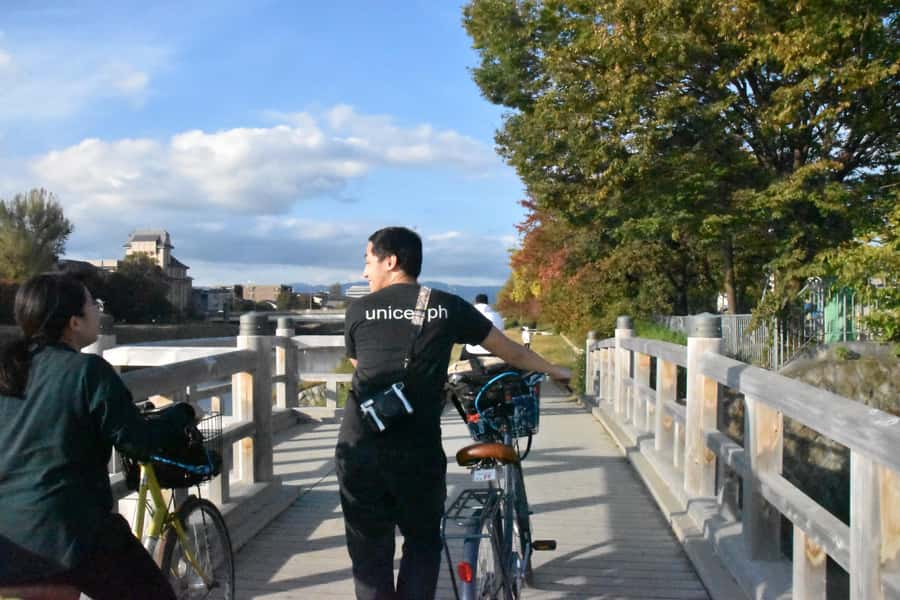
Between the major sights, the route passes through university campuses and calm residential areas. These sections may sound less important than a palace or shrine, but they help you understand how Kyoto functions as a living city.
You see streets used for ordinary routines rather than built only for sightseeing. The bicycle is particularly useful here because you can cover more ground than on foot without the enclosed feeling of a bus. The route also creates natural breaks between the formal cultural sites.
Guides are an important part of this section. Benjamin has been praised for explaining the city clearly and for keeping the outing running smoothly. Mr. Go is described as especially kind and patient with children aged 9 and 10. Those details suggest a relaxed guiding style rather than a rushed checklist of stops.
Still, do not confuse family-friendly with suitable for very young children. The minimum age is 9, and everyone must be able to ride a bike. Parents should consider both the length of the outing and the heat before booking.
Shimogamo Shrine and its old forest
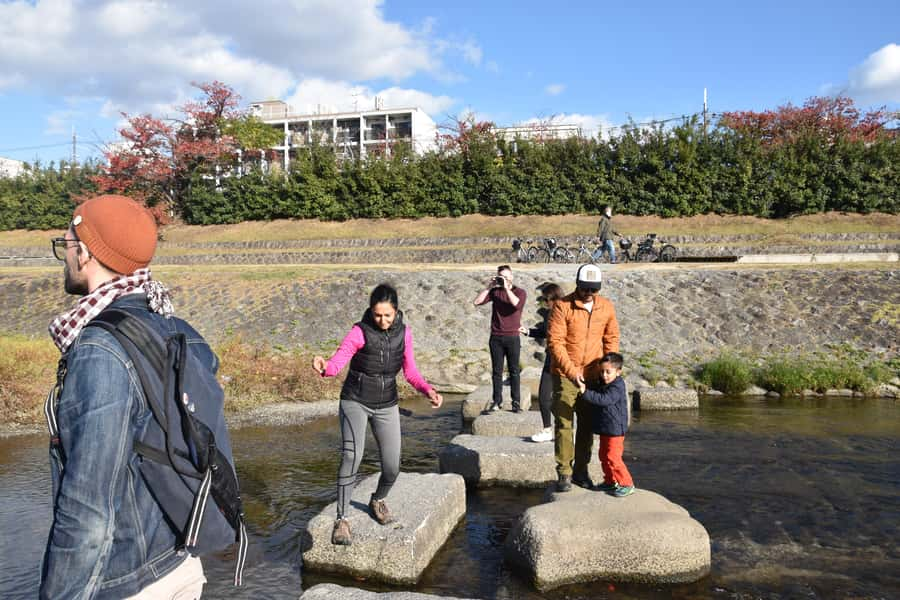
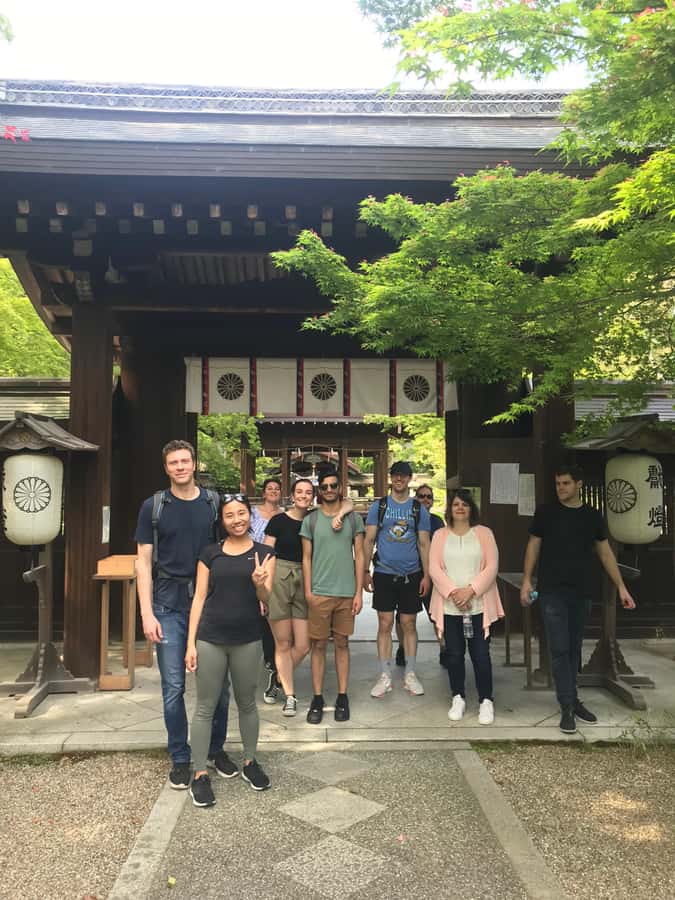
Shimogamo Shrine is one of the strongest stops on the route. It is a UNESCO World Heritage site, but the appeal is not only the formal buildings. The surrounding primitive forest gives the visit a calmer, more natural feel than many central Kyoto sights.
You arrive by bicycle after passing through quieter parts of the city, so the shrine feels like a change of setting. The forest and traditional buildings offer good photo opportunities, but the visit is also a chance to slow down and listen to the guide’s explanations.
Ko has been praised for taking participants to peaceful shrines and temples and for adding an enjoyable tea and sweet stop. Yuya also appreciated reaching places that would be difficult to find without a guide. This is where the experience earns much of its value: you are not simply paying for a bicycle rental, but for someone who links together sites that are easy to miss when planning with a map.
Entrance fees for temples or shrines are included when an alternative rainy-day plan uses them. The available information does not promise a particular paid entrance at every stop, so ask your guide about the day’s exact route if admission costs matter to your budget.
A distinctive river meeting point
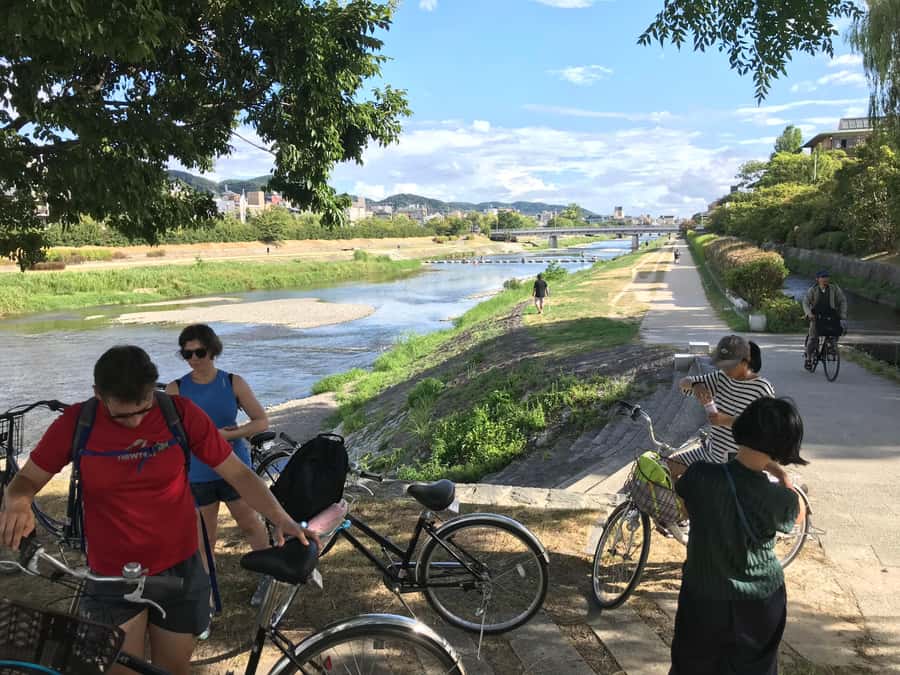
After Shimogamo Shrine, the route continues toward a unique river junction point. This provides another scenic pause before you follow the riverside back toward the starting area.
The ride back is described as scenic and refreshing, with a lighted riverside section. That final stretch helps the outing finish on an easy note rather than ending immediately after a formal temple visit. You get another look at Kyoto’s open spaces and waterways while the guide points out features you might otherwise pass without noticing.
A bicycle is especially useful for this part of the route. You are moving steadily, but the journey remains part of the sightseeing. The route appears designed to make the city itself the subject, not just a series of stops.
Tea, Japanese sweets, and a traditional snack shop
A traditional snack shop stop adds a small but memorable cultural detail. Japanese tea and sweet snacks are included, giving you a chance to sit down and enjoy something local during the ride.
This is not presented as a full meal. You should eat beforehand or plan another meal afterward, especially if you are cycling with children. The snack is best understood as a cultural pause and a chance to experience a traditional setting.
It also gives you a useful moment to ask questions. Ko, Benjamin, Claire, and the other guides are praised for being friendly and informative, so this is a natural point to discuss Kyoto food, neighborhoods, or the evening ahead.
Gion and Pontocho after the bikes
Once the bicycles are returned, the tour continues with a 30-minute walk through either Gion or Pontocho. These districts are among Kyoto’s most atmospheric areas, with narrow streets, traditional buildings, and the Flower Towns associated with geisha culture.
The walk explains the system and culture of geisha and introduces the main entertainment areas. If you are lucky, you may see a geisha, but that should be treated as a possibility rather than the purpose of the walk. The real value is learning how these districts operate and how to look respectfully while walking through them.
Gion and Pontocho are photogenic, but they can also be busy. A guide helps you understand what you are seeing instead of reducing the walk to a search for a photograph. Keep your camera ready, but follow local etiquette and do not block narrow lanes.
The tour can also include restaurant and bar recommendations based on your requests. This is a practical benefit if you are unsure where to eat after cycling. The information does not promise a meal or reservation, so you should still make your own dining arrangements.
What the $73 price delivers
At $73 per person, the price includes the rental bike, the English-speaking guide, Japanese tea, sweet snacks, and entrance fees for temple or shrine alternatives used in rainy weather. For a 3.5-hour ride plus a 30-minute walk, that is reasonable if you want personal guidance and a route that combines several parts of Kyoto.
A basic bicycle rental would cost less, but it would not provide the route planning, explanations, spring-water stop, shrine visits, or Gion orientation. The tour is most useful for people who have limited time or who prefer not to work out Kyoto’s cycling routes themselves.
The extra electric-bike charge is 1,000 yen, payable on the spot if requested. I would consider this if you are concerned about the distance, Kyoto’s heat, or keeping up with a family group. If you are a confident cyclist, the standard bike should offer better value.
The strongest value comes from the variety. You get nature, historic sites, neighborhoods, food culture, and evening planning in one compact outing. You do not get a full meal, a private vehicle, or a long guided visit inside every major site, so expectations should match the price.
Who should book this experience?
This tour suits families with children aged 9 and older, couples, and first-time visitors who want to see more than the central temple circuit. It is also a good choice if you enjoy being outdoors and prefer an active morning or afternoon to a long series of bus rides.
It works particularly well for people staying near central Kyoto, since the meeting point is at Sanjo Ohashi and the activity returns there. The English-language guiding is another reason to choose it if you want explanations during the ride rather than simply a rental bicycle and a map.
You should think twice if you dislike cycling, cannot ride confidently, or want a slow, fully pedestrian tour. The ride is intended to be accessible, but it is still several hours on a bicycle. Children under 9 cannot join, and large luggage is not permitted.
Rain does not automatically cancel the experience. The route may change, and temple or shrine alternatives can be used. Bring suitable clothing instead of assuming that poor weather will end the activity.
Final verdict: a smart way to see quieter Kyoto
I would recommend this tour if you want an active introduction to Kyoto that mixes famous places with quieter streets. The riverside riding, Shimogamo Shrine, traditional tea stop, and Gion walk give the experience more personality than a standard city sightseeing loop.
The strongest praise goes to the guides’ warmth and care. Mr. Go’s patience with children, Claire’s well-timed stops, and Benjamin’s useful restaurant advice show why the human side of this tour matters. You are paying for a route, but also for local judgment.
Book it if you are comfortable on a bicycle, want to see several districts in half a day, and appreciate practical help with the rest of your Kyoto visit. Choose the electric bike for an extra 1,000 yen if heat or stamina is a concern. Skip it if you need a completely passive outing or are traveling with children under 9.
FAQ
How long does the experience last?
The bicycle portion lasts about 3.5 hours, followed by a 30-minute walking tour in Gion or Pontocho.
What sights are included on the bicycle route?
The route can include the Imperial Palace, a famous Zen temple, Shimogamo Shrine, university campuses, residential areas, a riverside road, and a distinctive river junction point. Destinations may change, especially in rainy weather.
Is bicycle rental included?
Yes. A rental bicycle is included in the price.
Can I request an electric bike?
Yes. An electric bike is available for an additional 1,000 yen, payable on the spot.
Is the tour suitable for children?
Children must be at least 9 years old, and all participants need to be able to ride a bicycle. The experience is described as suitable for families.
What is included besides the bike?
Japanese tea and sweet snacks at a traditional snack shop are included. Entrance fees are included for temples or shrines used as an alternative plan on rainy days.
Where does the tour start and finish?
The tour starts at the kneeling man statue at the southeast corner of the Sanjo Ohashi intersection and finishes back at the same meeting point.
What happens if it rains?
The experience operates in rain or shine, but the destinations may change. An alternative temple or shrine plan may be used, with entrance fees included for those sites.
Just added in Kyoto
- The “Golden Route” and Ancient Japan by DIAMIR Erlebnisreisen – 14-Day Tour★ 2.0 · 2 reviews
- Japan: Castles & Cuisine by G Adventures – 6-Day Kyoto to Osaka Tour★ 4.5 · 4 reviews
- Cycle Japan by Explore! – 13-Day Kyoto to Tokyo Tour★ 4.7 · 12 reviews
- Cycle Japan by Intrepid Travel – 11-Day Kyoto to Tokyo Tour★ 4.8 · 2 reviews
- Classic Japan by Intrepid Travel – 11-Day Kyoto to Tokyo Tour★ 4.4 · 14 reviews
- Ancient & Modern Japan 14-Day Tour by Exodus Adventure Travels★ 4.4 · 40 reviews
- 5 Day Cultural Adventure of Kyoto, Nara & Osaka by Tourist Journey★ 2.5 · 2 reviews
- 12 Days Kinosaki Onsen Escape: A Journey Through Japan’s Timeless Towns by UME Travel★ 4.8 · 5 reviews
Kyoto Tours, compared.
![[Kyoto & Nara Day Tour] Sagano Scenic Railway & Nara Park & Fushimi Inari Taisha Thousand Torii Gates & Togetsukyo Bridge & Bamboo Grove & Kimono Forest (Departing from Osaka)](https://media.japanvisits.com/wp-content/uploads/kyoto-nara-day-tour-sagano-scenic-railway-nara-park-fushimi-inari-taisha-thousand-torii-gates-togetsukyo-bridge-bamboo-grove-kimono-forest-departing-from-osaka-k110001-400x257.jpg)
Fushimi Inari, Kinkakuji, Bamboo Grove 1 Day Bus Tour
Read our review →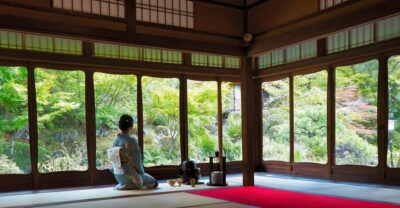
Tea Ceremony in a Traditional Tea House in Kiyomizu
Read our review →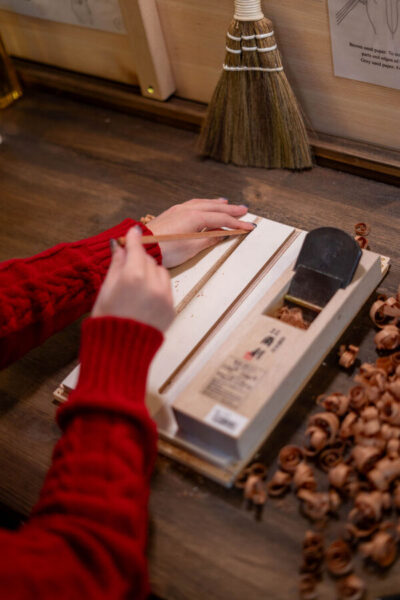
Gion Make Your Own Chopsticks with Engraving Option
Read our review →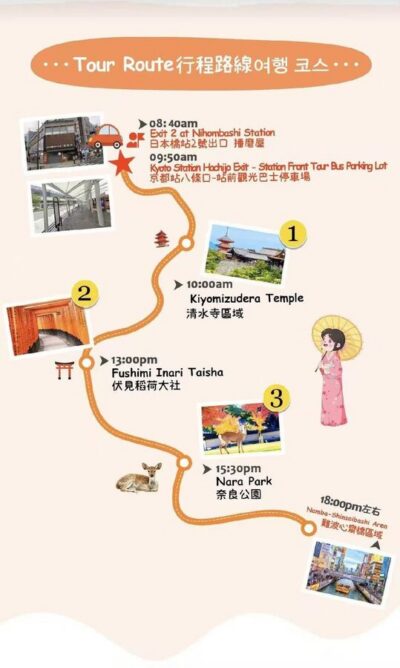
Kyoto Nara Day Trip │ Kiyomizu-dera Temple + Fushimi Inari-taisha Shrine + Nara Park (Departing from Osaka/Kyoto)
Read our review →
Kyoto Geisha Walking Tour: Gion District & Hidden Gems
Read our review →