Reviewed · KYOTO TOURS
Explore Hidden Alleyway with a Local Expert (Afternoon Tour)
Kyoto reveals itself one quiet turn at a time. This three-hour afternoon bike tour leaves the postcard routes behind and takes you through narrow lanes, old wooden houses, riverside paths, and important cultural districts with a local guide leading the way. I like the small private groups, limited to two to six people per guide, and I like the way the route mixes famous Kyoto sights with places that feel tied to daily life. The main drawback is the fixed afternoon start at 2:00 p.m., which leaves less time for the city’s major sights if you have only one day in Kyoto.
The tour costs $102.47 per person, so it is not a budget bike rental. You are paying for the guide, route planning, traffic-safety support, and a private outing rather than simply borrowing a bicycle. The e-bikes are a major plus, especially for families or anyone who does not want to work hard on Kyoto’s longer streets. A guide named Yuichi has been praised for being funny, personable, and informative, which is exactly the sort of human touch that can turn a simple ride into a useful introduction to the city.
In This Review
- Key Things to Know Before You Book
- Why a Bike Is a Smart Way to See Kyoto
- Miyagawacho Kaburenjo and Kyoto’s Old Wooden Streets
- Gion Beyond the Best-Known Photo Spots
- Tatsumi Bridge and the Willow-Lined Stream
- Cycling the Gravel Paths of Kyoto Imperial Palace
- Kashiwayacho and a Rest by the Kamo River
- The Guide Makes the Difference
- Price, Group Size, and What You Get
- Rain Plans and Other Practical Details
- Who Will Enjoy This Kyoto Ride Most?
- Should You Book the Afternoon Tour?
- FAQ
- How long does the Kyoto bike tour last?
- What time does the tour begin?
- Where does the tour start and finish?
- How many people can join one guide?
- Can children join the bike tour?
- What happens if it rains?
- Is this a private tour?
Key Things to Know Before You Book
- Quiet lanes reveal everyday Kyoto: The route uses narrow backstreets and traditional wooden homes, not just the well-worn photo stops.
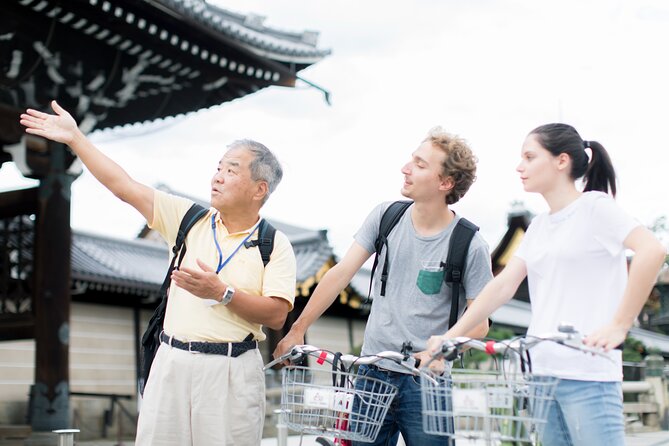
- The group stays small: Two to six people ride with one guide, making it easier to ask questions and keep a steady pace.
- The ride visits five distinct areas: Miyagawacho Kaburenjo, Gion, Tatsumi Bridge, Kyoto Imperial Palace, and Kashiwayacho by the Kamo River.
- E-bikes make the distance friendlier: One especially positive account praised the electric bikes as the best way to get around the city.
- Rain does not automatically cancel the outing: You can ride with a free rain poncho or switch to a walking tour using public transportation.
- The afternoon timing matters: The tour begins at 2:00 p.m. and lasts about three hours, returning to the starting point.
Why a Bike Is a Smart Way to See Kyoto
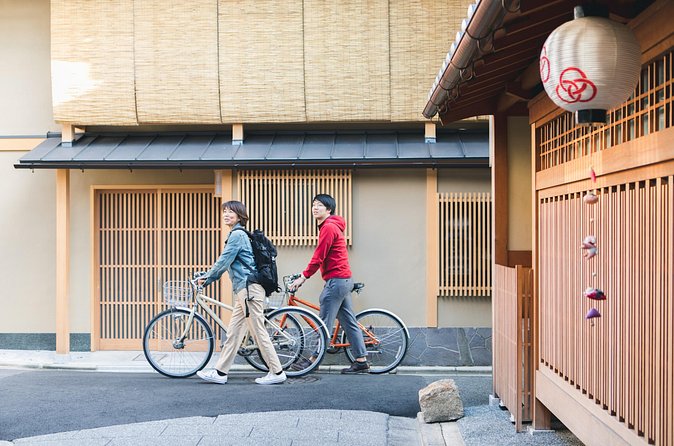
Kyoto’s famous sights are spread across a wide area. Walking between Gion, the Imperial Palace, and the Kamo River can take much of a day, while buses can be slow when roads are busy. A bicycle gives you a better sense of how the neighborhoods connect.
This tour is not a race. The route is built around short stops and slow rides through side streets. You get the movement of a city ride without having to plan every turn yourself. That matters in Kyoto, where a road can change from a main avenue to a narrow lane in the space of a few meters.
The e-bike element is especially helpful. A regular bicycle can be tiring over three hours, particularly if you are riding with children or have already spent the morning walking. The supplied experience information does not spell out the bike specifications, so you should confirm the exact model and equipment when booking. Still, the strong praise for e-bikes suggests that the electric assistance is an important part of the experience.
You should also be comfortable riding on roads without help. Children must be at least 10 years old, 145 centimeters or taller, and able to ride safely on the road by themselves. This is not a bicycle lesson or a protected park ride.
A few more options to weigh up in Kyoto
- PERFECT KYOTO 1-Day Bus Tour
★ 5.0 · 13,518 reviews - [Kyoto & Nara Day Tour] Sagano Scenic Railway & Nara Park & Fushimi Inari Taisha Thousand Torii Gates & Togetsukyo Bridge & Bamboo Grove & Kimono Forest (Departing from Osaka)
★ 4.9 · 10,942 reviews - Kyoto: Fushimi Inari, Kinkakuji, Bamboo Grove 1 Day Bus Tour
★ 4.8 · 4,316 reviews
Miyagawacho Kaburenjo and Kyoto’s Old Wooden Streets
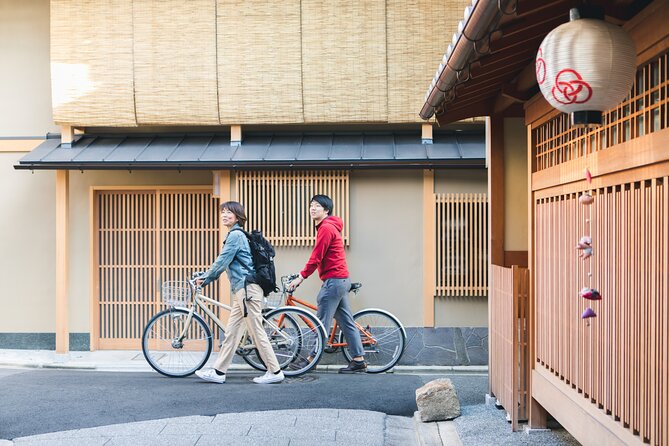
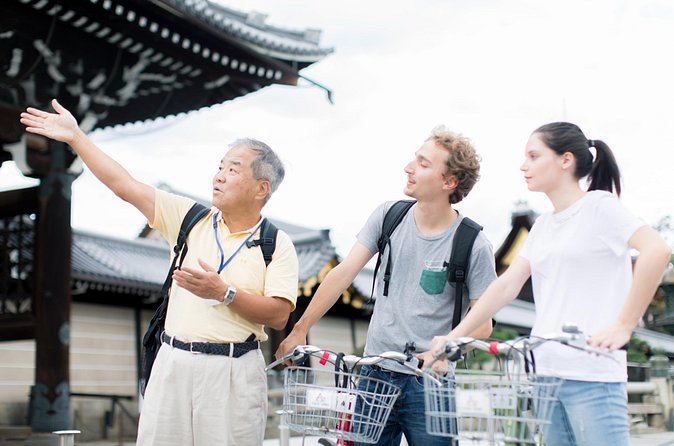
The first stop is Miyagawacho Kaburenjo, one of Kyoto’s five geisha districts and the second largest among them. The area is lined with traditional wooden houses, many of which give the lane a quiet, old-fashioned feel.
The appeal here is the setting rather than a single ticketed attraction. You are looking at a neighborhood shaped by Kyoto’s traditional entertainment culture, with low wooden buildings and a calmer pace than the city’s main shopping streets. The stop lasts about 15 minutes, so you should expect an introduction and time to look around, not a long cultural program.
This is also a good point to remember basic local manners. You are moving through a living neighborhood, not an outdoor theater. Keep your voice down, avoid blocking narrow lanes, and follow the guide’s instructions about where to stop. The guide’s role is useful here because a quick look at wooden facades will mean more when you understand why this district matters.
The short visit may disappoint you if you want a detailed explanation of geisha customs or an interior visit. No admission ticket is included because there is no scheduled paid attraction at this stop. Think of it as a carefully chosen street-level introduction.
Gion Beyond the Best-Known Photo Spots
The ride continues into Gion, Kyoto’s best-known geisha district. Gion developed around the work of maiko and geiko, and its old atmosphere remains one of the city’s main draws.
You will have about 15 minutes here. That is enough to pause, take in the traditional streets, and hear the guide explain the area, but it is not enough for a full tour of every lane. The value comes from arriving by bicycle through quieter routes rather than simply walking in from a crowded shopping street.
Gion can be busy, and the experience will depend partly on the conditions during your visit. The guide can help you move respectfully through the area and point out the difference between a scenic street and a place where people actually live and work. Do not expect guaranteed sightings of maiko or geiko. The tour promises a look at the district, not a performance or arranged encounter.
For many people, this combination is ideal. You see the Kyoto that appears in photographs, then understand it as part of a larger neighborhood rather than an isolated attraction. If Gion is your main reason for booking, though, you may want additional time there before or after the bike tour.
Tatsumi Bridge and the Willow-Lined Stream
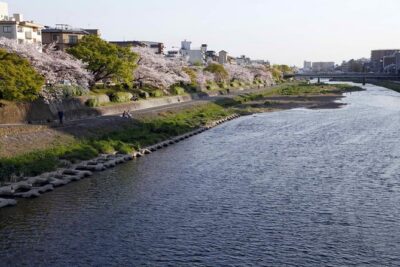
Tatsumi Bridge provides a change of mood. The route follows a narrow stream, with willow branches moving in the breeze and a quieter path beside the water. After the traditional streets of Gion, this short stop offers a softer view of the district.
The visit lasts about 15 minutes. That may sound brief, but the stop works well as a pause during a moving tour. You can take photographs, listen to the water, and let the guide explain the setting without spending another hour at a formal attraction.
This is one of the places where the bicycle format has an advantage. You can reach a small scenic corner that might be easy to miss when following only the major roads. The setting is atmospheric, but you should keep expectations sensible. It is a short riverside stop, not a long walk through a large garden.
If you are looking for quiet photographs, the exact feel will depend on the time and the number of people in the area. The tour does not promise complete solitude. It does give you a chance to see a more delicate side of Kyoto between larger stops.
A completely different kind of day out:
- Kyoto: Tea Ceremony in a Traditional Tea House in Kiyomizu
★ 4.9 · 3,519 reviews - Kyoto: Gion Make Your Own Chopsticks with Engraving Option
★ 5.0 · 3,465 reviews - Kyoto Nara Day Trip │ Kiyomizu-dera Temple + Fushimi Inari-taisha Shrine + Nara Park (Departing from Osaka/Kyoto)
★ 4.7 · 3,408 reviews - Kyoto Geisha Walking Tour: Gion District & Hidden Gems
★ 4.7 · 3,273 reviews
Cycling the Gravel Paths of Kyoto Imperial Palace
The Kyoto Imperial Palace was once the residence of Japan’s Imperial Family. Today, the palace grounds are open to the public as a national garden with seasonal flowers.
The tour spends about 20 minutes here and cycles along gravel paths. That detail is useful: this is not simply a roadside photo stop. You will ride into a broad public garden area, where the scale feels very different from Gion’s tight lanes.
The palace grounds provide a sense of space and order after the close streets of the geisha districts. Seasonal flowers add interest, although their appearance will depend on the time of year. The route is best viewed as an orientation visit. Twenty minutes is enough to enjoy the grounds and hear basic context, but not enough to inspect every corner or tour the palace buildings in depth.
The gravel is another practical point. It may make the ride slower and less smooth than pavement, so follow the guide’s pace and keep a comfortable distance. If you want a detailed palace visit, plan a separate stop on another day or before the tour. This outing uses the grounds as part of a larger city ride.
Kashiwayacho and a Rest by the Kamo River
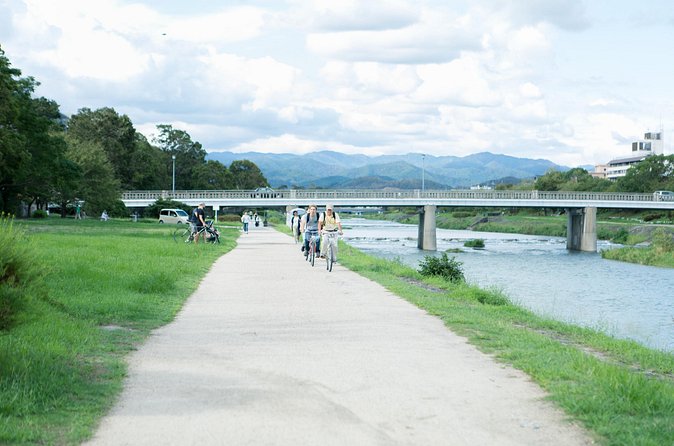
The final scheduled stop is Kashiwayacho, where you can relax beside the Kamo River, a favorite river area for local residents. The stop lasts about 20 minutes, making it one of the longer pauses on the route.
The river gives the afternoon a natural finish. You have moved through old neighborhoods, a geisha district, a bridge, and an imperial garden, then arrive at a place where people come simply to sit near the water. That contrast is one of the strongest features of the route.
This stop is also practical. A three-hour ride needs a few moments when you can get off the bicycle, stretch, and reset. The experience information marks admission as included here, although there is no separate paid attraction described. You should not expect a meal or formal refreshment stop unless the operator tells you otherwise.
After Kashiwayacho, the tour returns to the original meeting point. Since the activity ends where it begins, you can plan your next move from the same area without arranging a separate pickup.
The Guide Makes the Difference
The operator says its guides receive formal training in Kyoto culture, traffic safety, group riding, and local etiquette. That matters more on a city bike tour than a long list of historical facts.
A good guide has to do several jobs at once. The guide must choose safe places to stop, keep the group together, explain what you are seeing, and help you ride through changing road conditions. The small group size gives the guide a reasonable chance to do all of that without turning the outing into a noisy procession.
Yuichi receives special praise for being personable, funny, and informative. That combination is worth noting because a three-hour tour can feel stiff if the guide only recites dates and names. A relaxed personality helps the ride feel more like exploring with a helpful local than following a lecture on wheels.
Still, your experience will depend on the guide assigned to your date. The information does not promise Yuichi specifically, so you should not book with the expectation that he will lead every tour. The training program and maximum group size are the more reliable points.
Price, Group Size, and What You Get
At $102.47 per person, this is a midrange guided activity. You can rent a bicycle for less, but then you take responsibility for route planning, navigation, traffic, safety, and finding the quiet lanes yourself.
The price makes more sense if you value efficiency. In three hours, you cover several parts of Kyoto that are not close together, with a planned route and cultural explanation along the way. It is also a private activity, so only your own group participates. That makes the cost easier to justify for a family or small party that wants a flexible, less crowded outing.
The minimum is two people per guide, with a maximum of six. A single person cannot book the standard format. Groups of seven to 12 can arrange an additional guide, so larger families or friend groups may still be able to participate, but the booking needs to be handled in advance.
The tour is often reserved about 13 days ahead. That is a useful planning clue, especially if you are visiting during a busy season. Confirmation is sent within 48 hours, subject to availability.
Rain Plans and Other Practical Details
The tour operates in rain. You can continue by bicycle with a free rain poncho, or choose a walking tour using buses or the metro, with public transportation included in the tour fee.
That flexibility is a real strength in Kyoto, where weather can change quickly. The two options are quite different, though. The bicycle route gives you the best access to quiet lanes, while the walking version changes the pace and may alter how much ground you cover. Ask the operator how the route will work on your date if rain is likely.
The meeting point is 552-13 Higashiaburanokōjichō in Shimogyo Ward, Kyoto, and the start time is 2:00 p.m. The tour lasts about three hours and ends back at that same point. Leave enough time to reach the starting address without rushing, since the tour is built around a group departure.
The cancellation information needs careful attention. One set of booking terms says you can request a refund or rescheduling at least three days before the tour date by 6:00 p.m. Japan time, while the stated cancellation policy says the experience is non-refundable and cannot be changed. Because those terms conflict, confirm the current rule before paying.
Who Will Enjoy This Kyoto Ride Most?
I would choose this tour if you want a quick, active introduction to Kyoto and prefer local streets to a checklist of major monuments. It suits couples, families with older children, and small groups that want a guide without joining a large bus tour.
It is also a good fit if you are under time pressure. One account described it as an effective way to cover several parts of the city in a short period, and that is the central strength of the route.
You may want another type of outing if you dislike cycling on roads, need a very slow walking pace, or want long visits inside temples and palaces. The stops are short, and the tour is designed to connect neighborhoods rather than provide an in-depth visit to one site.
The 2:00 p.m. start works well after a morning arrival or an early temple visit. It is less useful if you want to spend the full afternoon at Kyoto Imperial Palace or Gion. You will need to accept a broad look at several areas instead of a detailed examination of one.
Should You Book the Afternoon Tour?
Book it if you want small-group cycling, quiet streets, and a useful overview of central Kyoto. The route is varied, the e-bikes reduce the physical strain, and the guide adds the cultural context that a self-guided rental cannot provide.
Skip it if your priority is a long palace tour, extended time in Gion, or a completely flexible schedule. At $102.47, the value comes from the route and the guide, not from admission to major attractions.
For most active visitors with at least two people in their party, this is a smart way to get your bearings. Just confirm the bike type, the weather plan, and the cancellation terms before booking.
FAQ
How long does the Kyoto bike tour last?
The tour lasts approximately three hours.
What time does the tour begin?
The tour begins at 2:00 p.m.
Where does the tour start and finish?
It starts at 552-13 Higashiaburanokōjichō, Shimogyo Ward, Kyoto, 600-8235, Japan, and finishes back at the same meeting point.
How many people can join one guide?
A guide can accept a minimum of two and a maximum of six people. Groups of seven to 12 can arrange an additional guide.
Can children join the bike tour?
Children must be at least 10 years old, at least 145 centimeters tall, and able to ride a bicycle safely on the road without assistance.
What happens if it rains?
The tour continues in rain. You can ride with a free rain poncho or switch to a walking tour using buses or the metro, with transportation included in the tour fee.
Is this a private tour?
Yes. Only your own group participates in the activity.
Just added in Kyoto
- The “Golden Route” and Ancient Japan by DIAMIR Erlebnisreisen – 14-Day Tour★ 2.0 · 2 reviews
- Japan: Castles & Cuisine by G Adventures – 6-Day Kyoto to Osaka Tour★ 4.5 · 4 reviews
- Cycle Japan by Explore! – 13-Day Kyoto to Tokyo Tour★ 4.7 · 12 reviews
- Cycle Japan by Intrepid Travel – 11-Day Kyoto to Tokyo Tour★ 4.8 · 2 reviews
- Classic Japan by Intrepid Travel – 11-Day Kyoto to Tokyo Tour★ 4.4 · 14 reviews
- Ancient & Modern Japan 14-Day Tour by Exodus Adventure Travels★ 4.4 · 40 reviews
- 5 Day Cultural Adventure of Kyoto, Nara & Osaka by Tourist Journey★ 2.5 · 2 reviews
- 12 Days Kinosaki Onsen Escape: A Journey Through Japan’s Timeless Towns by UME Travel★ 4.8 · 5 reviews
Kyoto Tours, compared.
![[Kyoto & Nara Day Tour] Sagano Scenic Railway & Nara Park & Fushimi Inari Taisha Thousand Torii Gates & Togetsukyo Bridge & Bamboo Grove & Kimono Forest (Departing from Osaka)](https://media.japanvisits.com/wp-content/uploads/kyoto-nara-day-tour-sagano-scenic-railway-nara-park-fushimi-inari-taisha-thousand-torii-gates-togetsukyo-bridge-bamboo-grove-kimono-forest-departing-from-osaka-k110001-400x257.jpg)
Fushimi Inari, Kinkakuji, Bamboo Grove 1 Day Bus Tour
Read our review →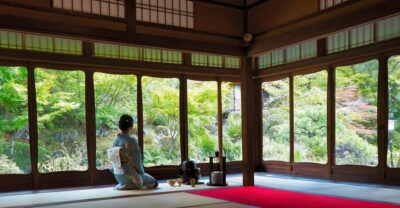
Tea Ceremony in a Traditional Tea House in Kiyomizu
Read our review →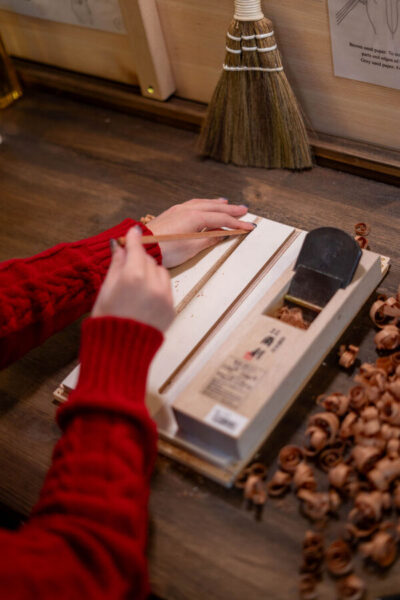
Gion Make Your Own Chopsticks with Engraving Option
Read our review →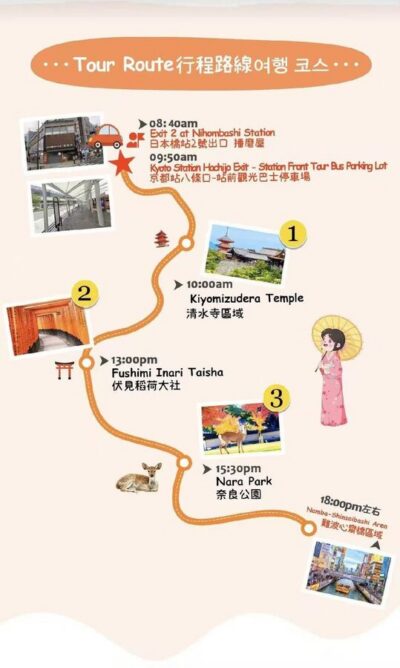
Kyoto Nara Day Trip │ Kiyomizu-dera Temple + Fushimi Inari-taisha Shrine + Nara Park (Departing from Osaka/Kyoto)
Read our review →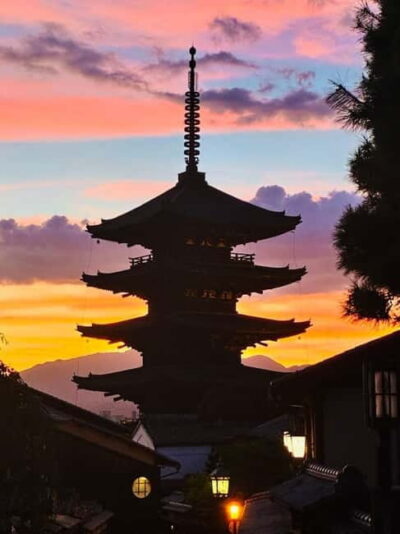
Kyoto Geisha Walking Tour: Gion District & Hidden Gems
Read our review →