Reviewed · KYOTO TOURS
Gion Nocturno: Secretos y Leyendas de las Geishas
Gion changes after sunset. This small-group walk reveals Kyoto’s famous geisha district at a calmer hour, when lanterns glow, narrow lanes feel more atmospheric, and your guide can explain the customs behind the wooden tea houses. I especially like the maximum group size of 15 and the route’s mix of famous sights and quieter corners. I also like that the tour costs about $21.80 per person, a fair price for a two-to-three-hour guided introduction to Gion.
The main drawback is that this is primarily an outdoor walking experience, with no admission included at Gion Corner. A few explanations may also depend heavily on the individual guide. One visitor found Michael polite and engaging but felt some historical details were not always accurate, while another praised Sergio’s teaching about the life and career of geishas.
In This Review
- Key points to know before booking
- Why Gion feels different at night
- Starting at Minamiza Theater on Shijo Street
- Tatsumi Bridge and the old Gion Shinbashi lanes
- Hanamikoji Street and the public face of geisha culture
- Gion Corner, the final stop
- Yasaka Shrine brings the route back to Kyoto’s spiritual side
- What the $21.80 price really buys you
- Who will enjoy this walk most
- Practical details that can affect your evening
- Should you book Gion Nocturno?
- FAQ
- Where does the Gion Nocturno tour begin?
- Where does the tour end?
- How long does the experience last?
- How many people can join the tour?
- Is admission to Gion Corner included?
- How much does the tour cost?
- Is the ticket available on a phone?
- Can I cancel for a full refund?
- Is the tour close to public transportation?
Key points to know before booking
- Gion after dark: See the district when daytime crowds have thinned and its traditional streets feel more subdued.
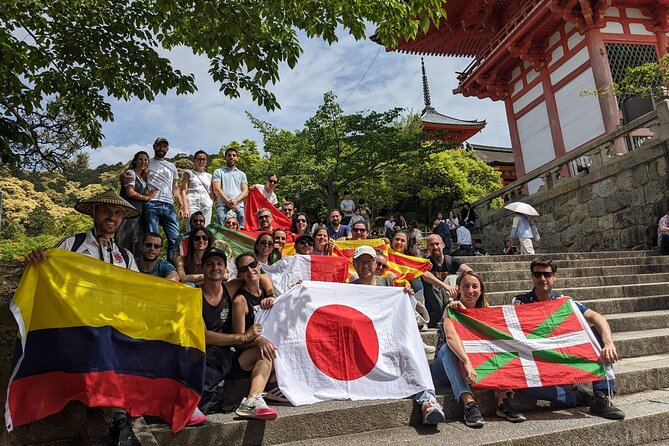
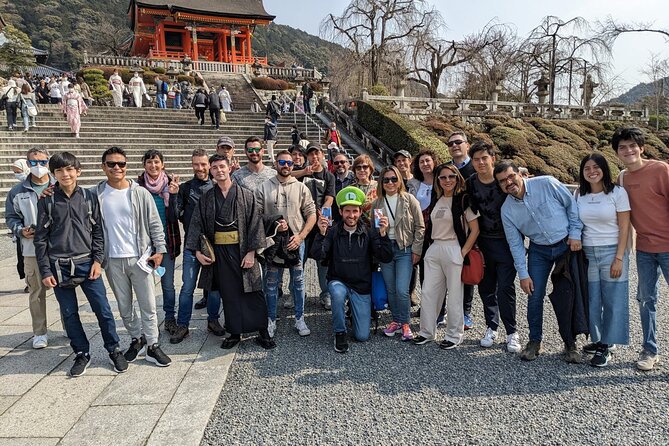
- Small group of up to 15: The size allows more room for questions and easier movement through narrow lanes.
- Five central Kyoto stops: The route links Minamiza Theater, Tatsumi Bridge, Hanamikoji Street, Gion Corner, and Yasaka Shrine.
- About two to three hours: The listed stops are brief, so much of the value comes from walking between them and hearing the guide’s explanations.
- Gion Corner admission is not included: The tour finishes outside the theater, rather than providing entry to a performance.
- Easy cancellation terms: You can cancel at least 24 hours before the start for a full refund.
Why Gion feels different at night
During the day, Gion can be packed with people holding cameras and following the same well-known streets. At night, the mood changes. The wooden buildings, stone lanes, tea houses, and softly lit entrances become easier to appreciate without the same level of daytime distraction.
That does not mean you should expect a private view into the geisha world. The tour takes you through public streets and explains the culture from outside. You might see a maiko or geisha moving between appointments, but sightings are not promised, and respectful behavior matters.
I like the basic idea here because Gion is easy to photograph but harder to understand. A guide can explain why certain streets matter, how tea-house entertainment works, and how geisha train and build their careers. Without that context, you may simply see attractive old buildings and miss the social world behind them.
The evening timing also suits people who have already spent the day visiting temples. Kyoto’s daytime attractions can be tiring, and a walking tour through Gion gives you a different kind of cultural experience without requiring a long train ride.
A few more options to weigh up in Kyoto
- PERFECT KYOTO 1-Day Bus Tour
★ 5.0 · 13,518 reviews - [Kyoto & Nara Day Tour] Sagano Scenic Railway & Nara Park & Fushimi Inari Taisha Thousand Torii Gates & Togetsukyo Bridge & Bamboo Grove & Kimono Forest (Departing from Osaka)
★ 4.9 · 10,942 reviews - Kyoto: Fushimi Inari, Kinkakuji, Bamboo Grove 1 Day Bus Tour
★ 4.8 · 4,316 reviews
Starting at Minamiza Theater on Shijo Street
The meeting point is Minamiza Theater, at the east end of Shijo Bridge in Kyoto’s Higashiyama Ward. This is a useful place to begin because the theater is easy to identify and sits close to public transportation.
Minamiza is one of Japan’s best-known Kabuki theaters. Your guide spends about 10 minutes here, introducing Kabuki and its striking stage traditions, including elaborate costumes, dramatic makeup, and emotional storytelling. Even if you do not attend a performance, the theater provides a strong opening lesson in Kyoto’s performing arts.
This stop also helps set up the rest of the evening. Geisha culture is not separate from traditional Japanese entertainment. Music, dance, theater, costume, ceremony, and storytelling all connect in ways that are easier to grasp when the tour begins with Kabuki.
The visit is listed as free admission, but that means you are seeing the theater from the tour route rather than entering for a show. If you want to attend Kabuki, you would need a separate ticket and schedule.
Arrive with the meeting point saved on your phone. The tour uses a mobile ticket, and the exact starting location is Minamiza Theater, not Gion Corner. That small distinction matters in an unfamiliar city.
Tatsumi Bridge and the old Gion Shinbashi lanes
From Minamiza, the walk continues toward Tatsumi Bridge in Gion Shinbashi. This area is one of the most atmospheric parts of the route, with stone lanes, traditional wooden buildings, and old tea houses along the Shirakawa area.
The stop lasts about 10 minutes, but you should think of it as part of a longer walk rather than a full visit. The guide’s explanation is the important part. You can learn how this part of Gion developed as an entertainment district and why its architecture has become so closely linked with the image of old Kyoto.
At night, Tatsumi Bridge is a good place to slow down. The setting is attractive without needing a major attraction or museum. You may see people heading to restaurants or tea houses, and you might catch a glimpse of geisha activity, but the tour should not be treated as a guaranteed geisha-spotting outing.
That is also where responsible conduct becomes important. Do not block narrow lanes, follow anyone, or photograph people at close range without permission. The tour’s value is greater when you observe Gion as a living neighborhood, not as a stage built for sightseeing.
Hanamikoji Street and the public face of geisha culture
Hanamikoji Street is one of Gion’s most recognizable roads. Its machiya houses, traditional restaurants, and tea houses create the classic Kyoto scene many people hope to see.
The tour gives you around 10 minutes at this stop, with time to hear about the buildings and the people who work in Gion. I would not expect a long architectural lecture, but a good guide can help you notice details you might otherwise pass without thought.
This is likely to be one of the busiest parts of the evening route, even after dark. Hanamikoji is famous, and its appearance makes it a natural photo stop. The small group helps, since 15 people are easier to keep together than a large crowd, but the street can still feel tight.
The geisha topic needs some care here. In English, people often use geisha as a broad label, while Kyoto also uses the terms geiko and maiko. The supplied tour information focuses on the secrets and legends of geisha life, and the guide may explain training and professional customs. Still, the depth and accuracy of that explanation can vary by guide.
One guide named Sergio was praised for teaching about the career and life of geishas. Michael was described as polite and engaging, although one visitor questioned some historical points. That mixed detail is useful: you can expect a friendly introduction, but you should treat the tour as a general cultural walk rather than an academic course.
A completely different kind of day out:
- Kyoto: Tea Ceremony in a Traditional Tea House in Kiyomizu
★ 4.9 · 3,519 reviews - Kyoto: Gion Make Your Own Chopsticks with Engraving Option
★ 5.0 · 3,465 reviews - Kyoto Nara Day Trip │ Kiyomizu-dera Temple + Fushimi Inari-taisha Shrine + Nara Park (Departing from Osaka/Kyoto)
★ 4.7 · 3,408 reviews - Kyoto Geisha Walking Tour: Gion District & Hidden Gems
★ 4.7 · 3,273 reviews
Gion Corner, the final stop
Gion Corner is both a cultural venue and the endpoint of the walk. The tour spends about 10 minutes in this area and finishes outside the theater at 570-2 Gionmachi Minamigawa.
Gion Corner is associated with several Japanese performing arts presented in one place. The stop gives your guide a chance to connect Gion’s streets with the traditional music, dance, and stage practices that have shaped the district.
Pay close attention to the wording here: admission to Gion Corner is not included. You are not buying a performance ticket as part of the $21.80 tour price. If you want to enter, you need to arrange that separately.
This can be either a drawback or an advantage. It is a drawback if you expected an evening show. It is an advantage if you want a short walking tour without paying for a full performance, or if you prefer to decide later whether Gion Corner fits your schedule.
Since the walk ends here, this is a convenient place to continue your evening. The information provided does not promise onward transportation or dinner arrangements, so you should make your own plans after the tour.
Yasaka Shrine brings the route back to Kyoto’s spiritual side
The final listed sight is Yasaka Shrine, also known as Yasaka Jinja or Gion Shrine. This Shinto shrine has more than 1,000 years of history and sits directly in the Gion area.
The stop lasts around 10 minutes and offers a change in tone. Earlier parts of the walk focus on theater, tea houses, streets, and geisha culture. Yasaka Shrine adds religion and local worship to the picture.
I like this contrast. Gion is not only an entertainment district for visitors. It is also part of Kyoto’s everyday cultural life, and the shrine helps show how spiritual traditions remain tied to the neighborhood.
The supplied route information lists Gion Corner as the ending point, while Yasaka Shrine appears as a stop along the walk. Because the itinerary descriptions are brief, I would confirm the exact order with the guide at the start. That small check can prevent confusion, especially if you are trying to meet someone afterward.
What the $21.80 price really buys you
At about $21.80 per person, this is priced as an accessible introduction rather than a luxury private tour. You are paying mainly for the guide’s interpretation, the evening timing, and the structure of the walk.
The five listed stops are free, apart from the fact that Gion Corner admission is not included. That means the cost does not cover major entrance tickets, a meal, or a show. The value depends on how much you want cultural explanation while walking through places you could technically visit alone.
For a first evening in Gion, I think the price is reasonable. The district is compact, but its customs are not always obvious. A guide can save you from wandering without context and point out why Minamiza, Tatsumi Bridge, Hanamikoji, and Yasaka Shrine belong in the same story.
The small group also matters. Fifteen people is not truly private, but it is far more manageable than a large coach group. You can usually hear better, stay together more easily, and ask a question without stopping an entire crowd.
The tour is booked an average of 38 days ahead, which suggests you should not leave it until the last minute if your Kyoto dates are fixed. That is especially sensible if you want a particular evening during a busy season.
Who will enjoy this walk most
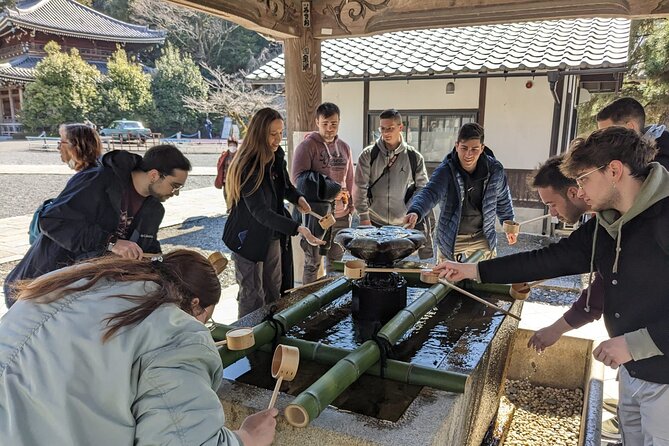
I would recommend this experience to first-time visitors who want a clear introduction to Gion without spending a large sum. It is also a good fit if you enjoy history and local customs but do not want a formal museum tour.
You will get the most from it if you are comfortable walking outdoors for two to three hours and listening while moving between short stops. Wear shoes you can walk in, and keep your phone charged for the mobile ticket and meeting details.
The tour suits couples, solo visitors, and small family groups. The group limit of 15 keeps the scale fairly personal, though it is not designed for anyone seeking a private guide.
It may be less suitable if your main goal is to meet a geisha, enter a tea house, or attend a traditional performance. None of those outcomes is guaranteed or included. Choose it for atmosphere, explanation, and an organized route through central Gion.
Practical details that can affect your evening
You receive confirmation when you book, and the tour operates near public transportation. The starting point is Minamiza Theater, while the listed endpoint is in front of Gion Corner. Plan enough time to reach the correct place, especially if you are coming from another Kyoto neighborhood.
Most people can participate, but the tour is still a walking activity. The supplied information does not give a detailed accessibility assessment, so anyone with specific mobility needs should ask the provider before booking.
Free cancellation is available if you cancel at least 24 hours before the local start time. A cancellation made within 24 hours is not refunded, and changes in that period are not accepted. The activity also requires a minimum number of participants, so if the provider cancels for that reason, you are offered another date or experience, or a full refund.
The overall rating is 4.9 from 140 ratings, with 99 percent recommending the experience. The strongest praise focuses on the guide’s coverage of the area, the time spent at the main sights, and the sense of discovering meaningful places in one evening. Keep the occasional concern about historical accuracy in mind, since guide quality can shape the experience.
Should you book Gion Nocturno?
Book this tour if you want an affordable evening orientation to Gion, a small group, and explanations about geisha culture and Kyoto’s traditional arts. The timing is appealing, the route covers several essential sights, and the price leaves room in your budget for dinner or a separate performance.
Skip it if you expect entry to Gion Corner, a guaranteed geisha sighting, or a private and highly specialized history lesson. For most first-time visitors, though, this is a sensible way to see Gion after dark and understand more than you would from a self-guided stroll.
FAQ
Where does the Gion Nocturno tour begin?
The tour begins at Minamiza Theater, located at Kyoto City Higashiyama Ward, Shijohashihigashizume, Nakanocho, Kyoto 605-0075, Japan.
Where does the tour end?
The listed endpoint is Gion Corner at 570-2 Gionmachi Minamigawa, Higashiyama Ward, Kyoto 605-0074, Japan. The tour finishes in front of the Gion Corner theater.
How long does the experience last?
The walking tour lasts approximately two to three hours.
How many people can join the tour?
The group can include a maximum of 15 participants.
Is admission to Gion Corner included?
No. Admission to Gion Corner is not included in the tour price.
How much does the tour cost?
The listed price is approximately $21.80 per person.
Is the ticket available on a phone?
Yes. The experience provides a mobile ticket.
Can I cancel for a full refund?
Yes. You can receive a full refund if you cancel at least 24 hours before the experience start time.
Is the tour close to public transportation?
Yes. The meeting area is near public transportation, and most people can participate in the activity.
Just added in Kyoto
- The “Golden Route” and Ancient Japan by DIAMIR Erlebnisreisen – 14-Day Tour★ 2.0 · 2 reviews
- Japan: Castles & Cuisine by G Adventures – 6-Day Kyoto to Osaka Tour★ 4.5 · 4 reviews
- Cycle Japan by Explore! – 13-Day Kyoto to Tokyo Tour★ 4.7 · 12 reviews
- Cycle Japan by Intrepid Travel – 11-Day Kyoto to Tokyo Tour★ 4.8 · 2 reviews
- Classic Japan by Intrepid Travel – 11-Day Kyoto to Tokyo Tour★ 4.4 · 14 reviews
- Ancient & Modern Japan 14-Day Tour by Exodus Adventure Travels★ 4.4 · 40 reviews
- 5 Day Cultural Adventure of Kyoto, Nara & Osaka by Tourist Journey★ 2.5 · 2 reviews
- 12 Days Kinosaki Onsen Escape: A Journey Through Japan’s Timeless Towns by UME Travel★ 4.8 · 5 reviews
Kyoto Tours, compared.
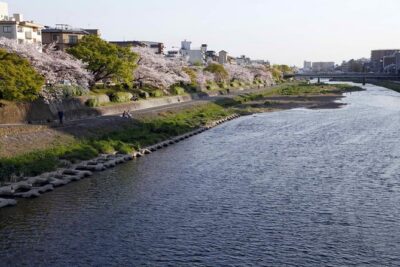
![[Kyoto & Nara Day Tour] Sagano Scenic Railway & Nara Park & Fushimi Inari Taisha Thousand Torii Gates & Togetsukyo Bridge & Bamboo Grove & Kimono Forest (Departing from Osaka)](https://media.japanvisits.com/wp-content/uploads/kyoto-nara-day-tour-sagano-scenic-railway-nara-park-fushimi-inari-taisha-thousand-torii-gates-togetsukyo-bridge-bamboo-grove-kimono-forest-departing-from-osaka-k110001-400x257.jpg)
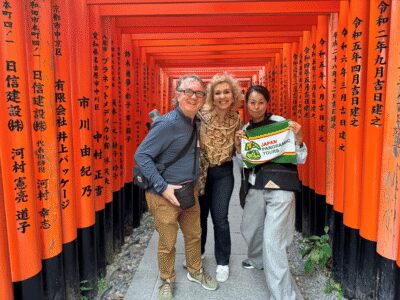
Fushimi Inari, Kinkakuji, Bamboo Grove 1 Day Bus Tour
Read our review →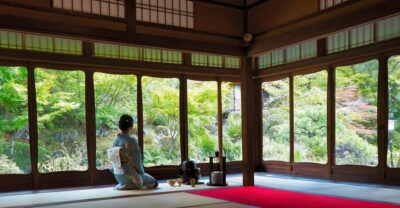
Tea Ceremony in a Traditional Tea House in Kiyomizu
Read our review →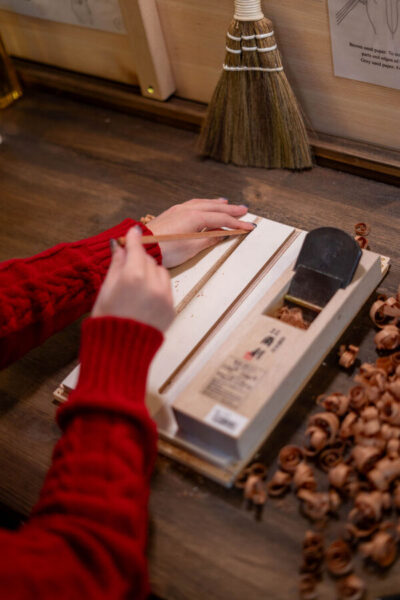
Gion Make Your Own Chopsticks with Engraving Option
Read our review →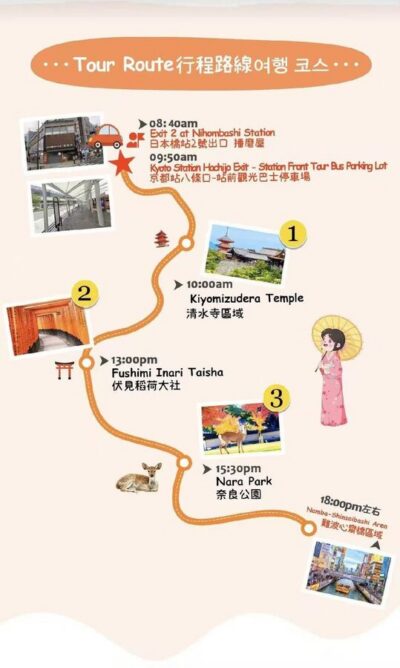
Kyoto Nara Day Trip │ Kiyomizu-dera Temple + Fushimi Inari-taisha Shrine + Nara Park (Departing from Osaka/Kyoto)
Read our review →
Kyoto Geisha Walking Tour: Gion District & Hidden Gems
Read our review →