
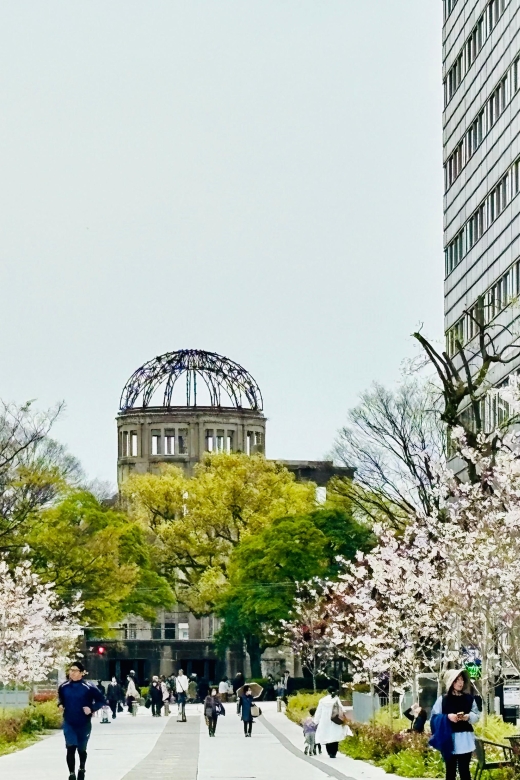
Reviewed · WALKING TOURS
Hiroshima: History of Hiroshima Group Walking Tour
History feels close here. This two-hour Hiroshima walking tour links the city’s major peace memorials with clear explanations of what happened before, during, and after August 6, 1945. I especially like the route’s focus on lesser-known monuments and the guides’ use of survivor accounts. The main consideration is group size, as one participant found a larger group harder to follow.
I also like the price: at $35 per person, you get a guided walk and entry to the Hiroshima National Peace Memorial Hall for Atomic Bomb Victims. The subject is painful, and the tour can be emotional, but the best guides, including Tomas, Cva, Moe, Aya, and Sada, combine care with warmth, patience, and room for questions.
In This Review
- Key Details Before You Go
- Starting at the Gates of Peace
- Mother and Baby in the Storm
- Prayer Fountain and the Cenotaph
- The Flame of Peace and a Message That Continues
- Inside the Hiroshima National Peace Memorial Hall
- Children’s Peace Monument and the Stories of Young Lives
- Burial Mound and the Korean Victims Cenotaph
- The Peace Bell and the Symbolism of Sound
- The Atomic Bomb Dome at the End of the Route
- The Hypocenter and the Final Reflection
- Guides Who Make the Difference
- Is $35 a Good Price?
- Practical Advice for the Walk
- Who Should Book This Hiroshima Tour?
- FAQ
- How long does the Hiroshima history walking tour last?
- What language is the tour conducted in?
- Where does the tour begin?
- Where does the tour finish?
- Is admission to the Hiroshima National Peace Memorial Hall included?
- Is the tour wheelchair accessible?
Key Details Before You Go
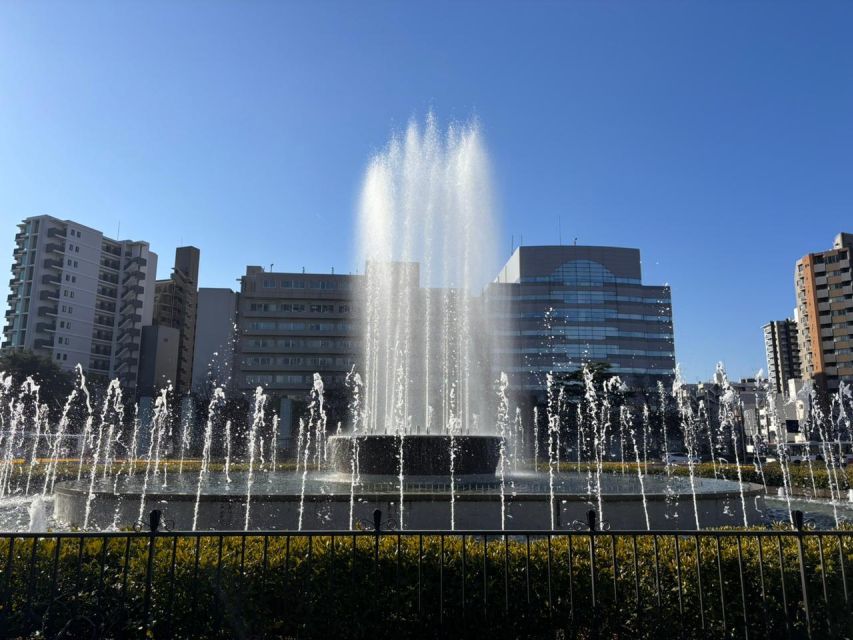
- Personal stories give the history a human voice: Several guides, including Moe and Aya, have shared family connections to Hiroshima survivors.
- The route covers major and lesser-known memorials: You visit the Cenotaph, Peace Flame, Children’s Peace Monument, Korean Victims Cenotaph, Atomic Bomb Dome, and more.
- The Atomic Bomb Dome comes near the end: The preserved ruin provides a powerful final landmark before the tour finishes at the hypocenter.
- The pace is generally comfortable: The route takes about two hours, with time for explanation, questions, sightseeing, and a short period of free time.
- The tour is conducted in English: Guides are described as fluent, friendly, and able to handle detailed questions.
- Prepare for an outdoor walk: Wear comfortable shoes and dress for the weather. The tour is wheelchair accessible.
Starting at the Gates of Peace
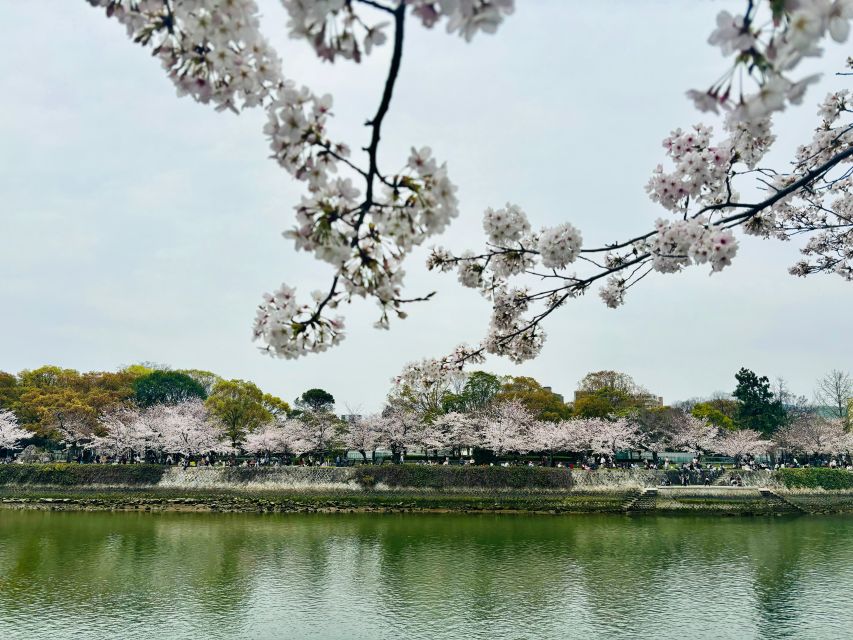
Your meeting point is in front of the Gates of Peace, next to the Italian restaurant Mario. This is a useful place to begin because the gates introduce the tour’s central idea: Hiroshima’s memorial park is not only a place of mourning, but also a public appeal for peace.
From here, you follow your guide through the Peace Memorial Park. The route is compact enough to cover on foot, and one of the practical strengths is that the major sites are connected rather than scattered across different parts of the city.
Your guide sets the tone early. This is not a tour built around quick photographs and a list of dates. The aim is to explain what Hiroshima was like before the bombing, why it became the primary target, what happened on August 6, 1945, and how the city rebuilt afterward.
That wider framing matters. If you visit only the Atomic Bomb Dome, you see an unforgettable ruin but miss much of the story around it. The walking tour gives the memorials context and shows how each one contributes to Hiroshima’s message.
More Walking Tours in Hiroshima
- Hiroshima Historical Walking Tour – Why A-Bomb was Dropped
★ 4.8 · 893 reviews - Hiroshima Peace (Heiwa) Walking Tour at World Heritage Sites
★ 5.0 · 872 reviews - Hiroshima City 4hr Private Walking Tour with Licensed Guide
★ 5.0 · 437 reviews
Mother and Baby in the Storm
One of the first stops is the Mother and Baby in the Storm monument. You spend about five minutes here with the guide, who explains its meaning and its place within the park.
This is a brief stop, but it helps shift the story away from military decisions and toward ordinary people. The bombing is often taught through maps, aircraft, and political history. Memorials such as this bring attention back to families and the personal cost of the attack.
You will hear many details during the tour, so do not worry if you cannot remember every name or date. The value is in seeing the memorials while someone explains the people and ideas behind them.
Prayer Fountain and the Cenotaph
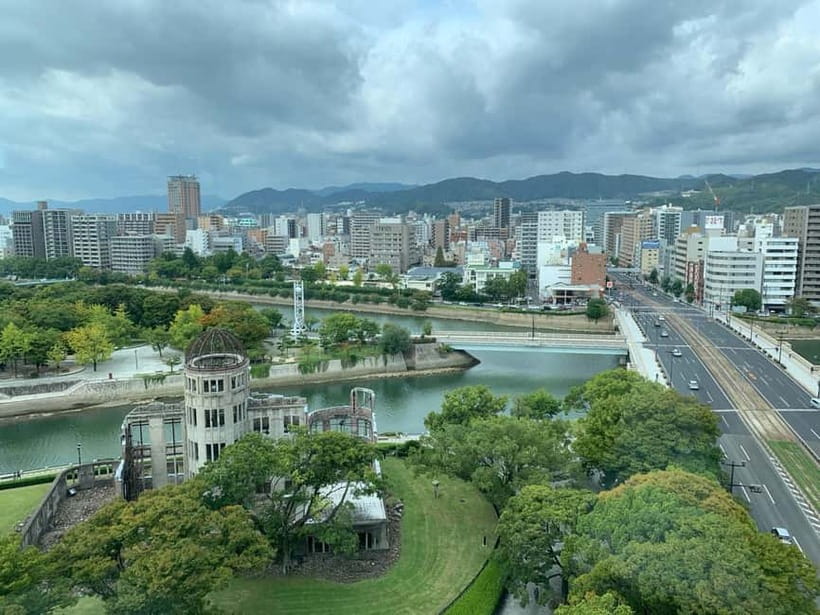
The walk continues to the Prayer Fountain, where the guide talks for roughly ten minutes. Along the way, there are views across the park and opportunities to understand how the memorial grounds were arranged.
The fountain has a particularly sorrowful meaning connected with the desperate thirst suffered by bombing victims. Your guide can help explain why water appears so often in Hiroshima’s memorial spaces, giving this part of the route a meaning that is easy to miss if you walk through alone.
Next comes the Hiroshima Victims Memorial Cenotaph, officially the Cenotaph for the A-Bomb Victims. This is one of the park’s central memorials, and the guide explains its purpose and symbolism.
Expect this stop to be quiet and reflective. The tour does not treat the cenotaph as a simple photo stop. It connects the memorial with the names and experiences of those who died, including people who were affected indirectly as well as those killed immediately.
The guide’s delivery matters here. Several participants praised the balance between factual detail and sensitivity. Cva, in particular, was praised for leaving space for reflection during the more difficult moments rather than rushing from one monument to the next.
The Flame of Peace and a Message That Continues
The Flame of Peace is another short stop, lasting about five minutes. It is one of the park’s best-known symbols, and your guide explains what it represents and why it remains lit.
The flame gives the tour a clear link between past events and present responsibility. Hiroshima is not presented as a place frozen in 1945. Instead, the tour shows how the city uses its memorials to speak about nuclear weapons, peace, and the future.
This is also where the tour’s tone becomes clearer. It is serious, but not cold. Guides such as Cva have been praised for making people laugh at appropriate moments while still treating the subject with respect. That balance can help you stay attentive during a subject that might otherwise feel overwhelming.
A completely different kind of day out:
- Peaceful Hiroshima & Miyajima UNESCO 1 Day Bus Tour
★ 5.0 · 5,309 reviews - Hiroshima: Hiroshima and Miyajima UNESCO Sites 1-Day Tour
★ 4.9 · 2,330 reviews - Hiroshima / Miyajima Full-day Private Tour with Government Licensed Guide
★ 5.0 · 1,298 reviews - Hiroshima in a Nutshell: Morning Bike Adventure
★ 5.0 · 524 reviews
Inside the Hiroshima National Peace Memorial Hall
The tour includes admission to the Hiroshima National Peace Memorial Hall for Atomic Bomb Victims, with about 15 minutes inside. This is an important benefit at $35 because you are not only walking around outdoor monuments.
The hall adds personal testimony and remembrance to the larger story. Your guide helps you understand why it was created and how it honors people who died in the bombing. This stop gives the tour a more intimate focus after the open spaces of the park.
Fifteen minutes is enough for an introduction, but not enough for a full museum visit. If you want to read every display carefully, you may need to return on your own at another time. Think of the guided visit as a strong orientation rather than a complete museum study.
There is also a separate part of the route with around 20 minutes for a visit and free time. The exact focus of this stop is not specified, so use it as a chance to pause, look around, and ask your guide about anything that has caught your attention.
Children’s Peace Monument and the Stories of Young Lives
The Children’s Peace Monument receives about ten minutes. You can take photographs here, but the guide keeps the focus on the children remembered by the monument and the wider story of young victims of the bombing.
This is one of the park’s most recognizable sites, yet the details behind it are easy to miss. The guide explains the symbols, the memorial’s purpose, and the story connected with the children it represents.
The stop can be especially affecting for families. It also gives adults a clearer sense of how the bombing changed the lives of schoolchildren, parents, and entire communities. This is not just a monument about the past. It asks you to think about how war affects people who had no say in the decisions that caused it.
Burial Mound and the Korean Victims Cenotaph
The Atomic Bomb Memorial Burial Mound is a quieter and less familiar stop. You spend about ten minutes here learning why the mound was created and what it represents.
This part of the tour is valuable because it broadens the story beyond the most famous names and structures. Hiroshima’s victims included people from different backgrounds, and the park’s memorials do not all carry the same level of international attention.
The Korean Atomic Bomb Victims Cenotaph follows, with about five minutes for a guided visit. Its inclusion is one of the tour’s strongest features. It points to the Korean people who were in Hiroshima at the time of the bombing and reminds you that the human effects crossed national borders.
The stop is short, but it adds an important layer to the tour. If you explored the park alone, you might walk past it without knowing its significance.
The Peace Bell and the Symbolism of Sound
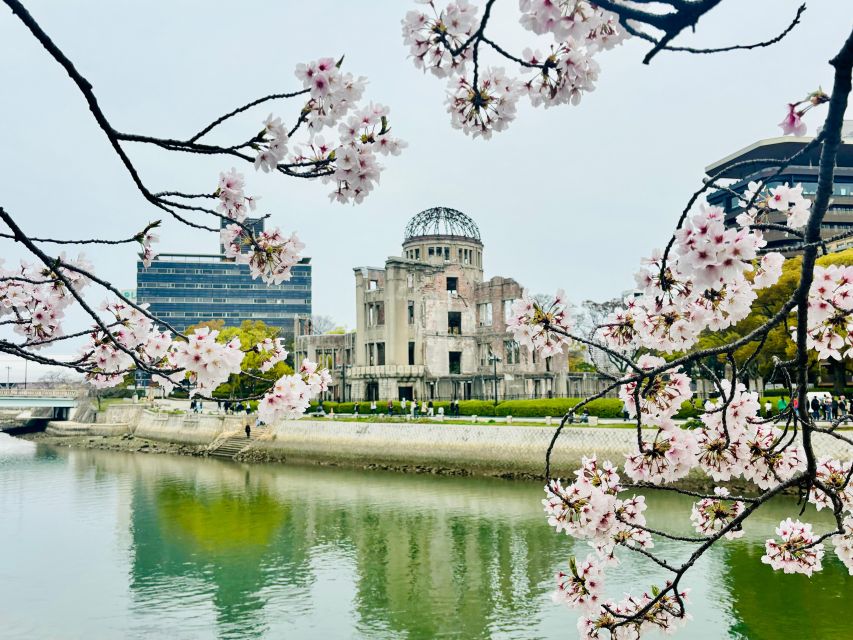
At the Peace Bell, you have about ten minutes for a visit and photographs. Your guide explains the bell’s symbolism and its role in Hiroshima’s peace message.
This is a good moment to ask questions. The strongest guides on this tour invite participation rather than giving a nonstop speech. Cva was praised for asking the group questions, listening closely, and making space for different perspectives.
That interactive style is useful in a place with many monuments. You are more likely to remember a symbol when you have discussed it than when you have simply heard another date. It also makes the walk feel less like a lecture and more like a thoughtful conversation.
The Atomic Bomb Dome at the End of the Route
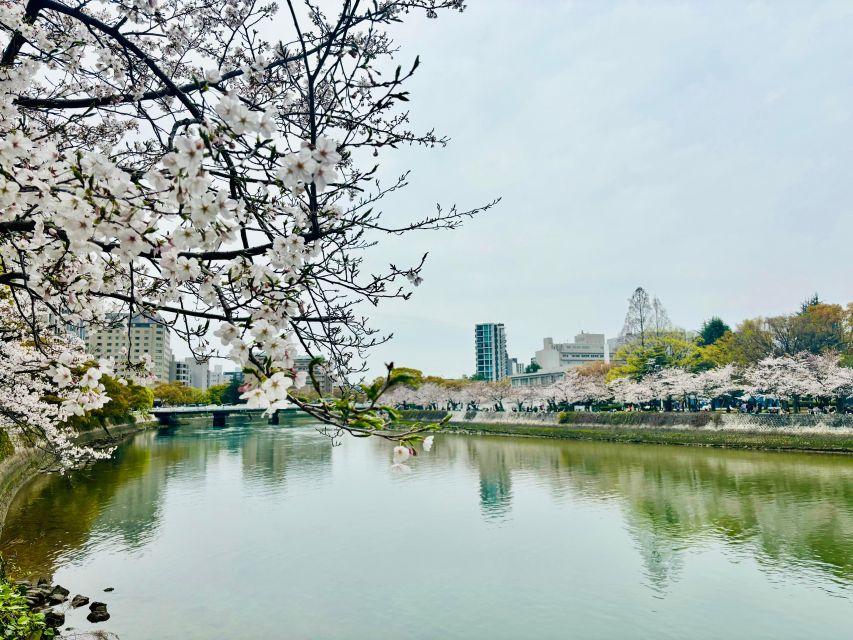
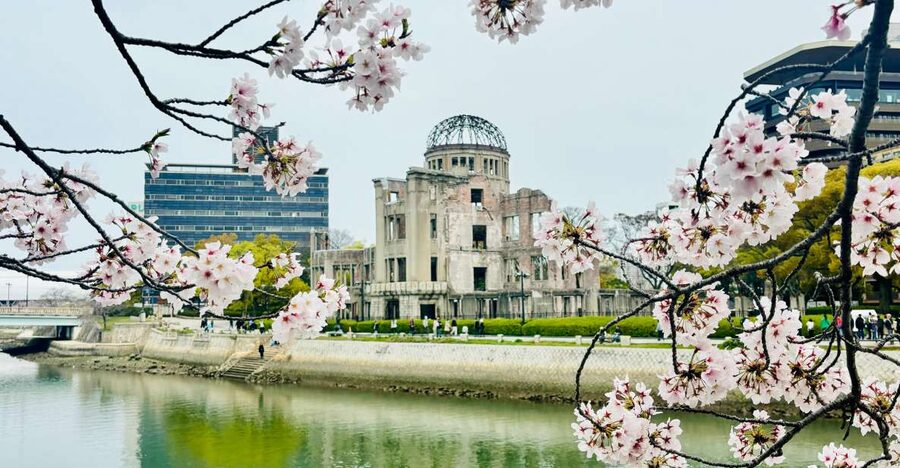
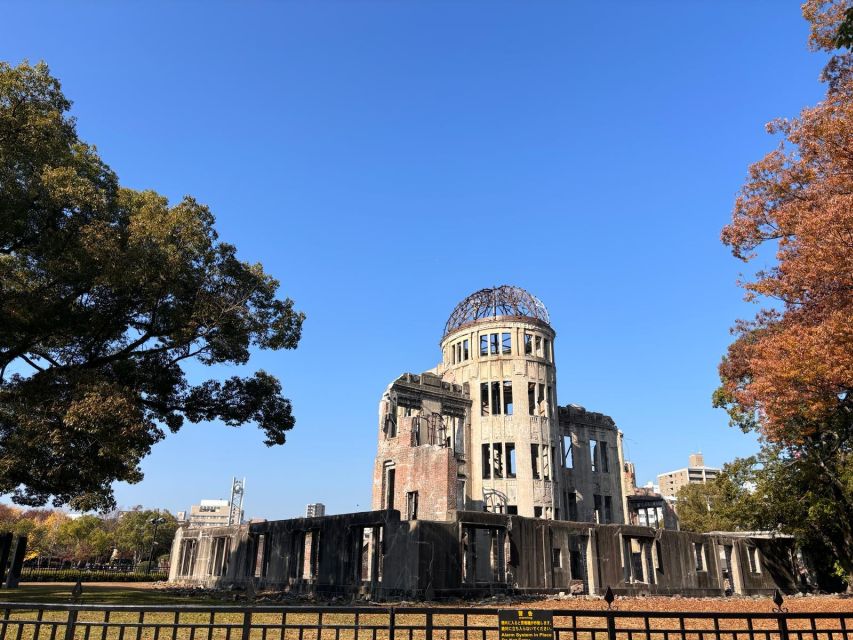
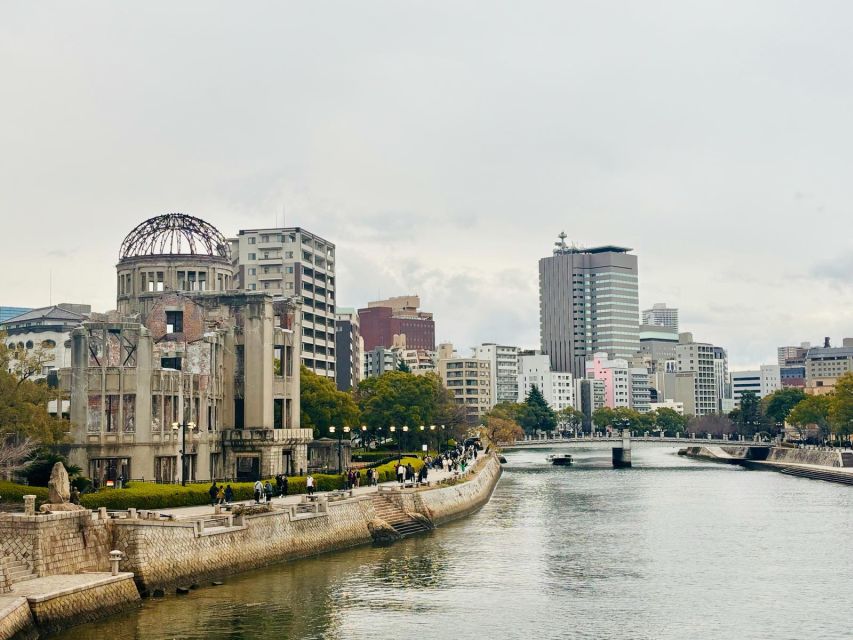
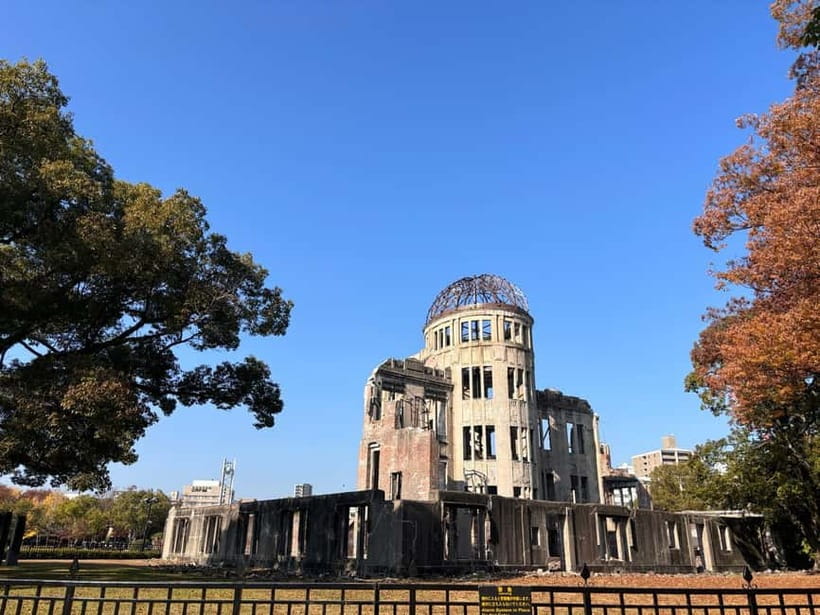
The Atomic Bomb Dome is the emotional centerpiece of the walk. You spend around 15 minutes here, with time for sightseeing, photographs, and explanation.
The building was formerly the Hiroshima Prefectural Industrial Promotion Hall. It was close to the atomic bomb’s hypocenter and remained as a ruin after the blast. The tour presents it as the only structure left standing in the area, a stark physical reminder of the destruction.
Seeing the Dome after visiting the memorials gives it more meaning. By this point, you have heard about victims, survivors, children, foreign residents, medical workers, and the city’s recovery. The ruin is no longer just an old building with exposed steel. It becomes part of a much larger human story.
Your guide also explains why the structure was preserved. That is an important question, since the Dome could easily have been demolished during reconstruction. Its condition is difficult to look at, but that discomfort is part of its purpose.
One practical note: this is a popular place for photographs, so your guide may need to position the group carefully. A larger group can make it harder to hear, especially outdoors. One participant specifically felt the group was too large for comfort, although the guide still handled the route well.
The Hypocenter and the Final Reflection
The tour finishes at the Atomic Bomb Hypocenter Monument, with about ten minutes for a guided visit and photographs. This marks the location directly associated with the explosion.
Ending here is effective. The tour begins with the city’s wider peace message and finishes at the precise point where the atomic bomb detonated. The movement from broad memorials to one exact place gives the walk a strong structure.
Your guide brings together the main questions of the morning: what Hiroshima was before the bombing, why it was targeted, what happened that day, how survivors suffered in the years afterward, and how the city rebuilt itself.
Do not expect a light final stop. The hypocenter is a quiet place, and the subject can feel heavy. The best part of the experience is that the tour does not leave you only with grief. It also explains how Hiroshima turned remembrance into a continuing call for peace.
Guides Who Make the Difference
The guide is the most important part of this experience. The company uses English-speaking guides with backgrounds in tourism, anthropology, history, peace studies, and related fields. Some hold master’s or doctoral degrees, and several have lived in Hiroshima for years.
In practice, the strongest praise centers on four qualities: clear English, careful storytelling, personal connection, and an ability to answer questions. Tomas was praised for his passion and storytelling. Cva was repeatedly described as engaging, respectful, and well prepared. Moe and Aya brought family stories connected with survivors, while Sada was praised for discussing Hiroshima’s culture, food, recovery, and present-day life.
Those personal accounts can make a major difference. Hearing that a guide’s relatives survived the bombing gives the subject a direct human link, though each guide’s background will be different. You should not book expecting one specific guide, but you can expect a range of perspectives.
The reviews also point to good pacing. People often had enough time to listen, ask questions, and look around. One person even wished the tour lasted longer, which is a useful warning: two hours gives you a strong introduction, not every detail Hiroshima can offer.
Is $35 a Good Price?
At $35 per person, I consider this a fair price for a two-hour guided walk that includes entry to the Peace Memorial Hall. You could visit the park without paying for a guide, but you would need to research each monument and work out the connections yourself.
The value is not just the number of stops. It is the explanation between them. A guide helps you understand why the Prayer Fountain matters, why the Korean Victims Cenotaph belongs in the story, and how the Atomic Bomb Dome relates to the hypocenter.
The price is especially reasonable for a first visit. If you already know Hiroshima’s history well, you may learn less from the basic timeline, but the personal stories and questions can still add something. One participant who already had extensive background knowledge said the guide still taught them new details.
The tour allows free cancellation up to 24 hours before departure and offers reserve-now, pay-later booking. Check the available start times when booking, since the tour lasts two hours and includes outdoor walking.
Practical Advice for the Walk
Wear comfortable shoes. The route includes many stops across the park, and you will spend much of the two hours walking or standing.
Dress for the weather. The experience is largely outdoors, and one group completed it during heavy snow. Rain, heat, or cold can change how comfortable the walk feels, so weather-appropriate clothing is not a minor detail.
The tour is wheelchair accessible, which makes the connected park route more manageable for many visitors. Still, if you have specific mobility needs, confirm the details at booking.
Arrive at the Gates of Peace next to Mario. The meeting point is specific, but one person suggested that a message confirming the exact location the night before would be useful. I would allow extra time to find the restaurant and gates, particularly if you are unfamiliar with the park.
This is a serious tour. You may laugh at moments because some guides use gentle humor to keep the group engaged, but the central subject is death, grief, and nuclear destruction. Give yourself some quiet time afterward if you need it.
Who Should Book This Hiroshima Tour?
I recommend this walk to first-time visitors who want a clear, human introduction to Hiroshima Peace Memorial Park. It also suits families with older children, history students, and anyone who wants to understand more than the Atomic Bomb Dome alone can show.
You will get the most from it if you ask questions and listen for the connections between the monuments. The route is compact, the English is reported to be strong, and the guides make an effort to involve the whole group.
You may prefer to explore independently if you need long stretches of silence, want to spend extended time inside the Peace Memorial Hall, or dislike group walking tours. Large groups can make outdoor listening less comfortable, though the guide quality appears to soften that problem.
For most people, I would book it early in a Hiroshima visit. It gives you a framework for the Peace Memorial Park, and you can return later to spend more time at the sites that affected you most. At $35, it offers a thoughtful introduction without taking up an entire day.
FAQ
How long does the Hiroshima history walking tour last?
The tour lasts two hours.
What language is the tour conducted in?
The tour is conducted in English with a live English-speaking guide.
Where does the tour begin?
You meet in front of the Gates of Peace, next to the Italian restaurant Mario.
Where does the tour finish?
The tour finishes at the Hiroshima Atomic Bomb Hypocenter Monument.
Is admission to the Hiroshima National Peace Memorial Hall included?
Yes. Entry to the Hiroshima National Peace Memorial Hall for Atomic Bomb Victims is included.
Is the tour wheelchair accessible?
Yes, the activity is listed as wheelchair accessible.
Just added in Hiroshima
- Private Full Day Hiroshima Tour★ 4.5 · 29 reviews
- The Peace Memorial to Miyajima : Icons of Peace and Beauty★ 4.5 · 31 reviews
- Shore Excursion from Hiroshima Port : Private Tour in Hiroshima★ 5.0 · 17 reviews
- Hiroshima & Miyajima All-Inclusive Tour w/Licensed guide Pancho★ 5.0 · 54 reviews
- Hiroshima Country Cycling: Explore Rural Life 1 HR from City★ 5.0 · 22 reviews
- Hiroshima Saijo Sake Tasting Tour with visit to 7 Breweries★ 5.0 · 104 reviews
- Okunoshima Rabbit Island Cycling Tour with Local Guide★ 4.5 · 17 reviews
- Miyajima Guided Tour and Fresh Oyster Farm Tour★ 5.0 · 20 reviews
Walking Tours, compared.
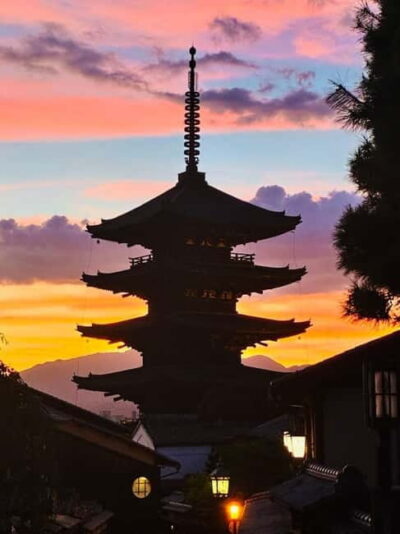
Kyoto Geisha Walking Tour: Gion District & Hidden Gems
Read our review →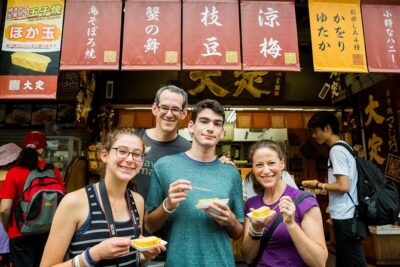
Tokyo Tsukiji Fish Market Food and Culture Walking Tour
Read our review →
Gion Magical Night Walking Tour with Geisha Trivia
Read our review →
Imperial Palace and Shogun Historical Walking Tour
Read our review →
Gion Geisha District Walking Tour – Stories of Geisha
Read our review →
Shinjuku Local Bar and Izakaya Guided Walking Tour
Read our review →
Browse the lists this tour appears in