
Reviewed · WALKING TOURS
Hiroshima: Miyajima Half-day Historical Walking Tour
Miyajima rewards slow feet. This small-group walk combines Itsukushima Shrine and Daisho-in with local food, island history, and fine Seto Inland Sea views. I especially like the chance to try Hiroshima oysters and fried momiji dumplings, and the small groups of no more than seven make it easier to ask questions and keep a relaxed pace. The main drawback is the amount of walking, with some uneven paths and places that do not suit wheelchairs or strollers.
The tour also earns high marks for its guides. Yuji, Kiki, Eri, Hika, Shun, and others are praised for warm personalities, clear English, and stories that connect shrine customs with ordinary Japanese life. You should allow extra time for meals, carry cash for the ferry, and expect the day to run longer if restaurant service is slow.
In This Review
- Key points to know before you go
- Meeting at Miyajimaguchi and crossing to the island
- O-Torii Gate and the changing tide
- Itsukushima Shrine and Heian-period design
- Miyajima Museum and a lunch built around Hiroshima food
- Daisho-in, the island’s oldest temple complex
- Momijidani, Senjokaku, and the island’s quieter corners
- What the small group changes
- Price, pace, and practical value
- Who should book this Miyajima walk?
- Should you book it?
- FAQ
- Where does the Miyajima walking tour meet?
- How do I reach the meeting point from Hiroshima?
- Is the ferry ticket included?
- What food is included?
- Are vegetarian and vegan meals available?
- Is the tour suitable for wheelchairs or strollers?
Key points to know before you go
- Ferry views begin the experience: The ride from Miyajimaguchi opens onto the Seto Inland Sea and gives you your first look at the O-Torii Gate.
- Food is part of the tour: Lunch uses ingredients from Hiroshima Prefecture, with local oysters and fried momiji dumplings among the island specialties.
- The sacred sites are explained, not rushed: You visit Itsukushima Shrine, Daisho-in, Senjokaku Pavilion, and other cultural stops with an English-speaking guide.
- The group stays small: With a maximum of seven people, the guide can answer questions and adjust the pace more easily than on a large coach tour.
- You cover plenty of ground: The 330-minute walk includes coastal paths, town streets, temple grounds, gardens, and a mountain route.
- Weather matters: Summer heat and humidity can be hard on a long walking day, so bring water, wear a hat, and choose sturdy shoes.
Meeting at Miyajimaguchi and crossing to the island
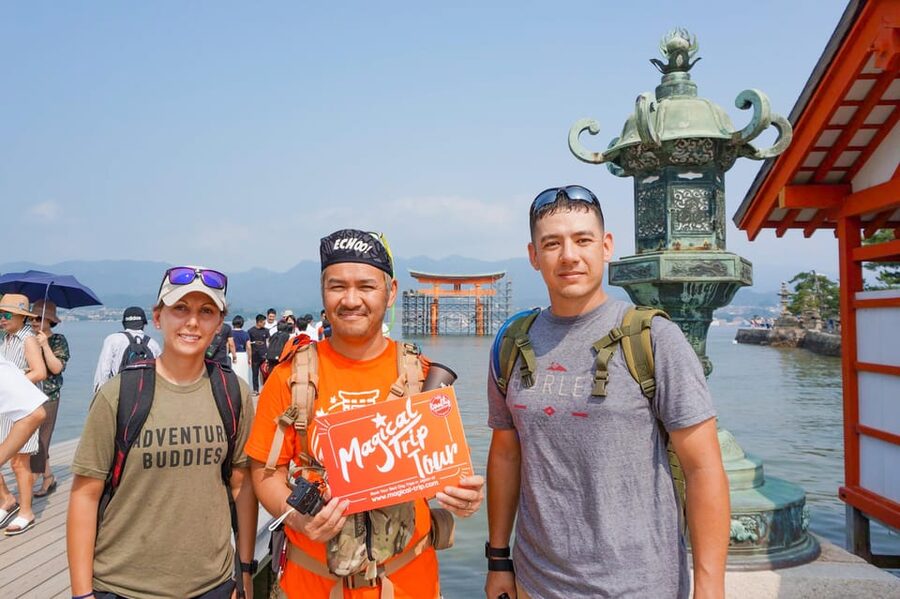
Your day begins outside JR Miyajimaguchi Station, in front of the coin-operated lockers. Look for a guide holding a MagicalTrip sign. From JR Hiroshima Station, the train ride to Miyajimaguchi takes about 30 minutes on the JR Sanyo Line.
The ferry is not included in the tour price. Bring cash, since the information for this experience gives a ferry cost of either ¥360 or ¥500, depending on the applicable fare. It is wise to carry the higher amount so you are not caught short.
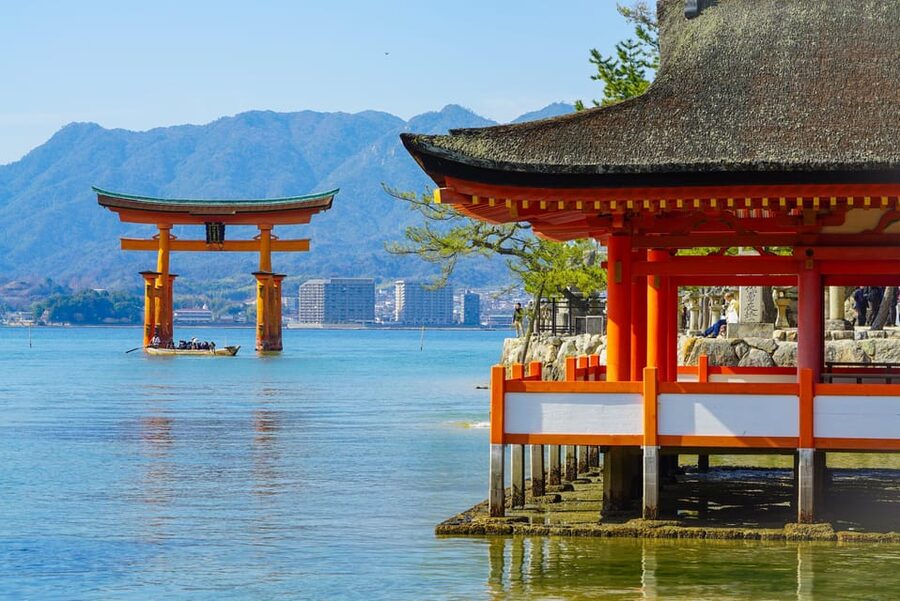
The crossing is brief, but it sets the mood. You get broad views across the Seto Inland Sea and a memorable approach to Miyajima, often called the island of the gods. The O-Torii Gate sits offshore, and seeing it from the ferry explains why it has become the island’s best-known image.
Deer greet you near the arrival area. They are accustomed to people, but you should still treat them as wild animals and keep food out of reach. The waterfront can be busy, especially around popular visiting hours, so stay close to your guide when the group moves through the main streets.
More Walking Tours in Hiroshima
- Hiroshima Historical Walking Tour – Why A-Bomb was Dropped
★ 4.8 · 893 reviews - Hiroshima Peace (Heiwa) Walking Tour at World Heritage Sites
★ 5.0 · 872 reviews - Hiroshima City 4hr Private Walking Tour with Licensed Guide
★ 5.0 · 437 reviews
O-Torii Gate and the changing tide
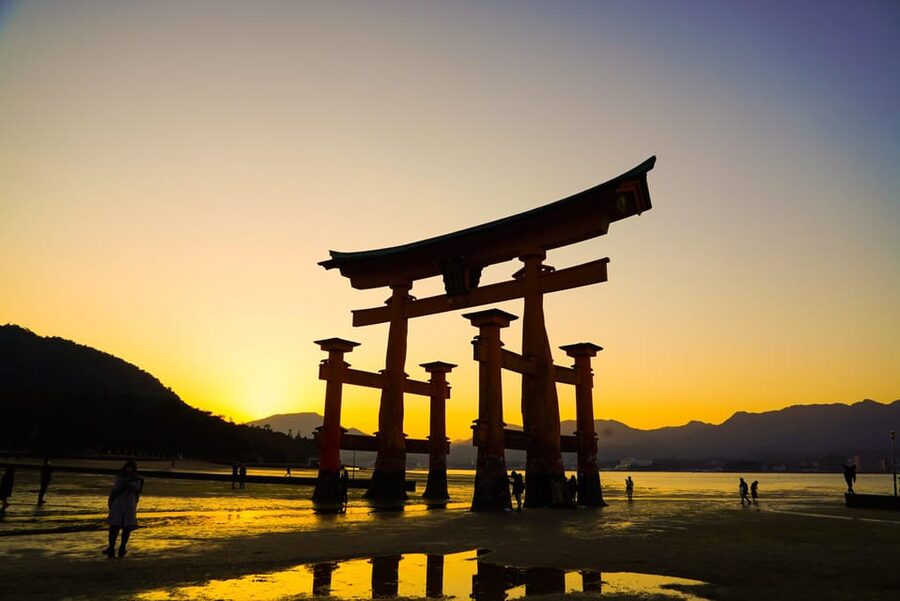
The walk follows the coast toward the O-Torii before entering Itsukushima Shrine. The gate appears to float offshore at higher water, then becomes reachable on foot when the tide falls. That change is one of Miyajima’s great visual pleasures.
The guide helps you understand more than the usual photo stop. The O-Torii marks the approach to a sacred island, and its position in the water is tied to the shrine’s unusual design. Your view will depend on the tide and the timing of the visit, so do not expect the gate to look identical from one departure to another.
At low tide, you may see people walking toward the gate. At higher water, the gate has the more familiar floating appearance. One visitor specifically appreciated seeing both the shrine and gate in the water and again at low tide, but that kind of timing cannot be promised on every departure.
Itsukushima Shrine and Heian-period design
Itsukushima Shrine receives about 40 minutes on the schedule. That is enough to see the main spaces and hear the key explanations, though not enough for an unhurried study of every detail.
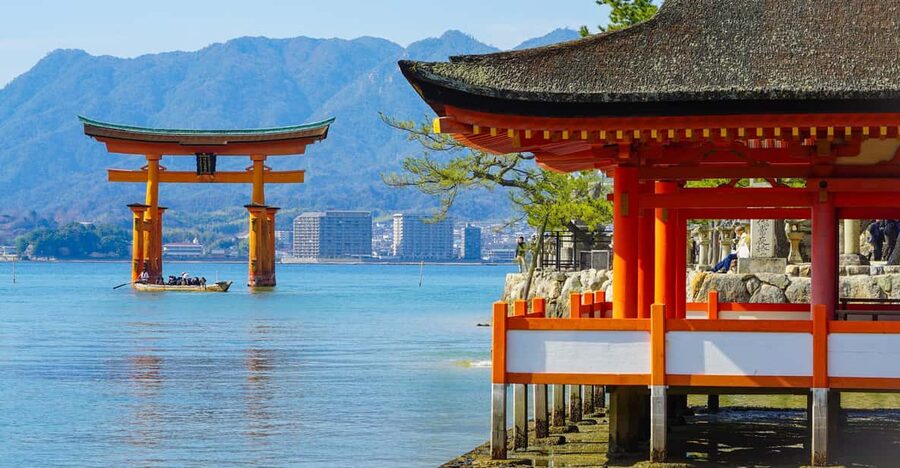
The shrine was built in the Heian period, from 794 to 1192. Its most striking feature is the way the buildings extend over the water, allowing the tide to flow beneath and around them. Your guide explains how the structure responds to the ebb and flow rather than treating the shrine as just another photogenic stop.
This is where a guide adds real value. Shinto practices, sacred boundaries, prayer customs, and the relationship between the island and the shrine can be confusing if you are exploring alone. Guides such as Yuji, Eri, Shun, and Hika are praised for explaining these ideas in clear English and for answering questions about Japanese daily life alongside the formal history.
The shrine is beautiful, but it can also be crowded. A small group helps you stay organized, though it cannot remove the crowds entirely. Wear shoes that are comfortable for standing and walking, and keep your camera ready without allowing photography to distract from the architecture itself.
Miyajima Museum and a lunch built around Hiroshima food
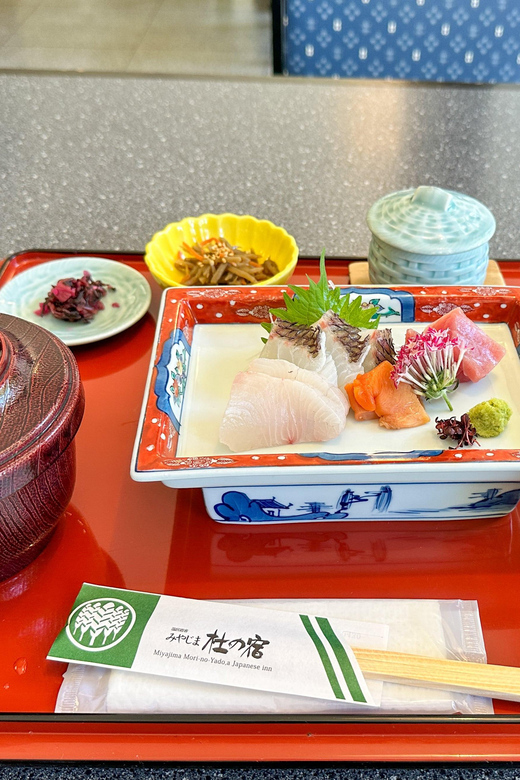
The museum visit gives the tour a useful change of pace. Instead of looking only at grand religious buildings, you learn about island life and culture, from the Edo period to the present. This helps you see Miyajima as a lived-in community rather than a shrine setting surrounded by souvenir shops.
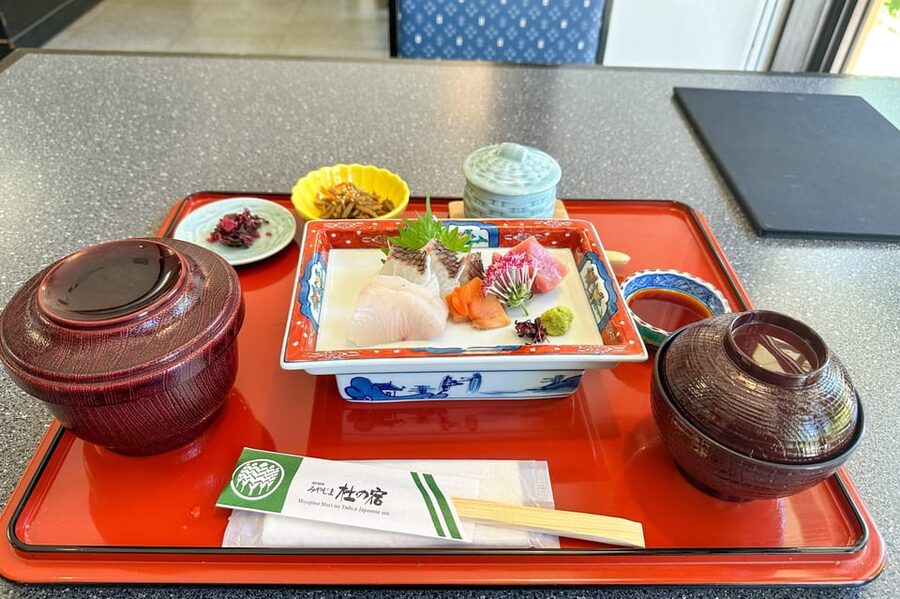
Lunch is included and uses local ingredients from Hiroshima Prefecture. Fresh oysters are a major attraction, and several people particularly enjoyed grilled oysters with butter and soy. Other island specialties include fried momiji dumplings, a sweet snack shaped like a maple leaf.
The meal is one of the tour’s strongest features because your guide can explain how to order, eat, and finish a Japanese meal. One participant valued learning the proper dining manners at the table, while others praised the food and the choice of restaurant.
Do not expect a fully flexible food tour. Extra food and drinks are not included, and vegetarian and vegan choices are available but limited. The operator cannot promise an allergy-free meal or guarantee that every dietary request can be met, since the food is prepared in independent restaurant kitchens. If you have gluten intolerance, this experience is listed as unsuitable.
Restaurant service can also be slow. Staffing problems may extend the tour beyond its planned 330 minutes. That is not ideal if you have a train reservation or another timed activity immediately afterward, so leave a buffer at the end of the day.
A completely different kind of day out:
- Peaceful Hiroshima & Miyajima UNESCO 1 Day Bus Tour
★ 5.0 · 5,309 reviews - Hiroshima Peace Memorial Museum Ticket
★ 4.8 · 2,727 reviews - Hiroshima: Hiroshima and Miyajima UNESCO Sites 1-Day Tour
★ 4.9 · 2,330 reviews - Hiroshima Peace Memorial Museum Admission
★ 4.6 · 1,308 reviews
Daisho-in, the island’s oldest temple complex
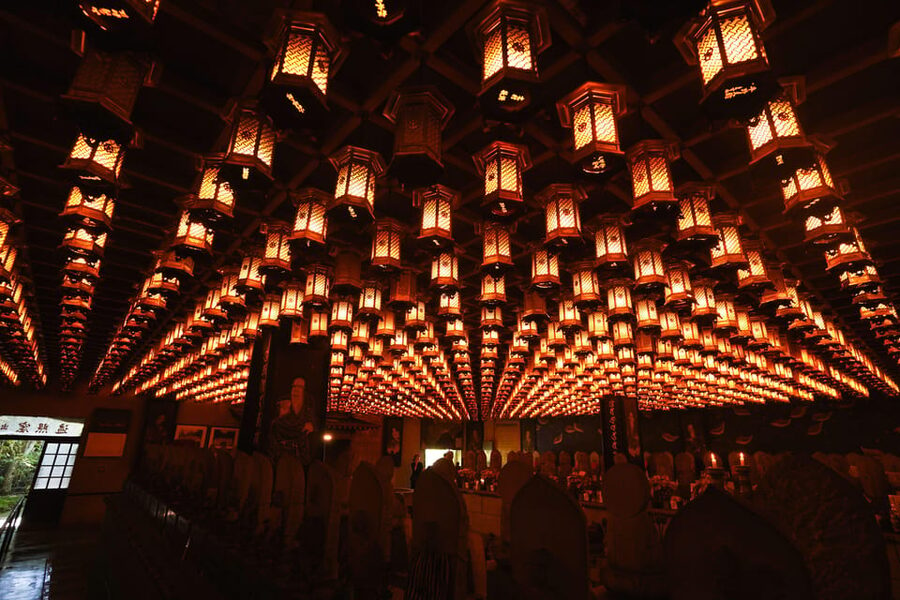
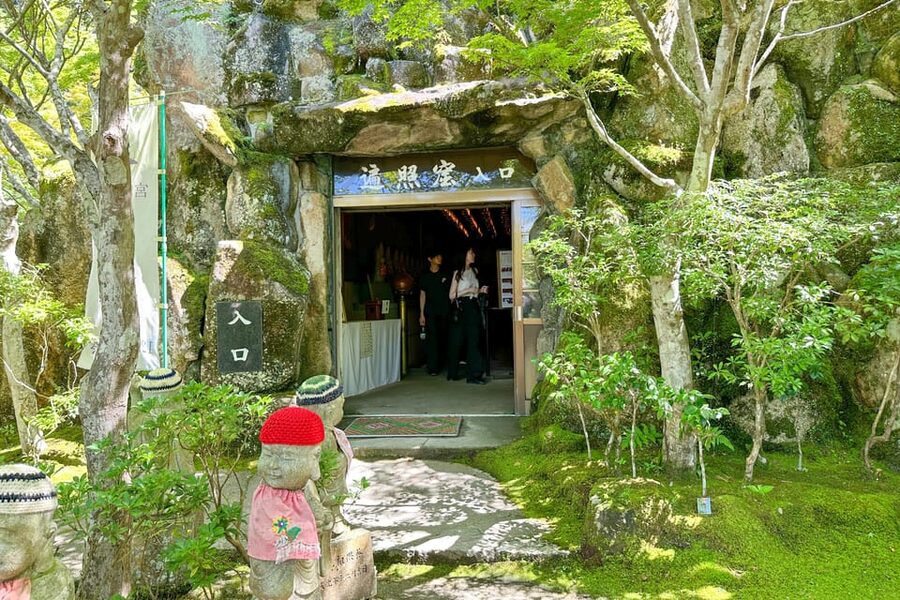
Daisho-in receives about an hour, making it the most substantial cultural stop after the shrine. The temple complex is described as the oldest on Miyajima, with 1,200 years of history. Here you encounter several temples, statues, gardens, and religious details spread across a hillside setting.
The route to Daisho-in follows a picturesque mountain path through forest. It is not a demanding mountain hike in the usual sense, but this remains an active walking tour. You need reasonable fitness, especially in hot weather or after a large lunch.
Daisho-in gives you a different view of island religion. Itsukushima Shrine introduces Shinto traditions, while Daisho-in lets you learn about Buddhist practice and the way faith on Miyajima developed over time. Guides have been praised for discussing both religions without reducing them to a list of dates and names.
The temple grounds also reward simple observation. Look at the many statues, the traditional buildings, and the way the path moves through trees and gardens. Some of the best moments here are quieter than the grand shrine scenes. You may find this portion more peaceful, although the slopes and steps are a concern for anyone with back or heart problems, limited fitness, or mobility needs.
Momijidani, Senjokaku, and the island’s quieter corners
The scheduled stop at Momijidani lasts about 10 minutes. It is brief, but it adds a natural break to a day otherwise shaped by religious buildings and town streets. The scenery is especially appealing when the trees are colorful, though the tour information does not promise a particular seasonal display.
Senjokaku Pavilion receives about 20 minutes. Its open traditional architecture gives you another way to appreciate Miyajima’s religious and cultural setting. The stop is short, so your guide will focus on the most useful background rather than trying to cover every detail.
There is also about an hour set aside for a less obvious location. The exact place is not specified in the available details, which is part of the appeal but also means you should not book expecting a named attraction. Guides have taken groups away from the most familiar sights and introduced them to parts of the island that are easy to miss when walking independently.
A final tea or coffee stop provides a chance to rest among the island’s forests and natural surroundings. The tour ends on a souvenir shop street, giving you time to browse before returning to the ferry area and the original meeting point.
What the small group changes
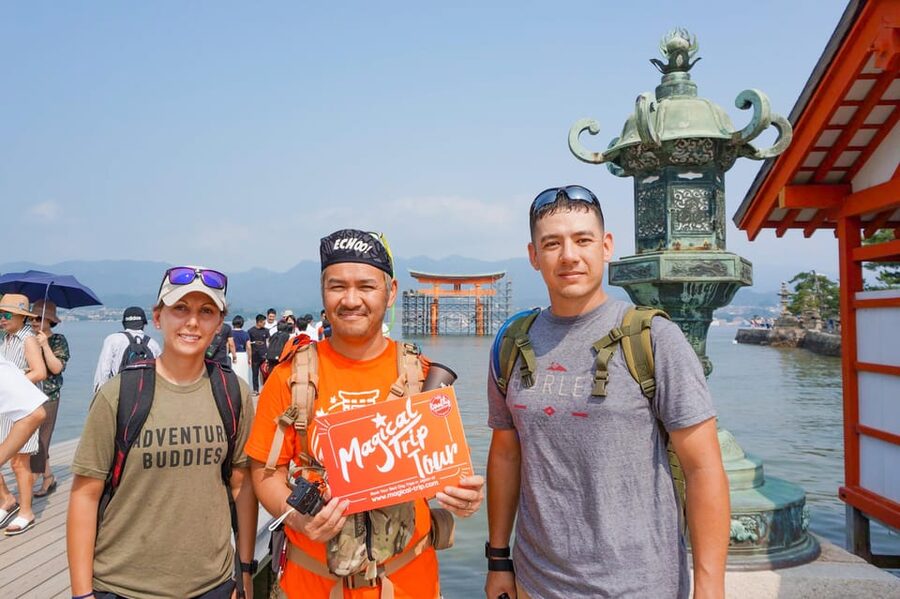
The maximum group size is seven. In practice, groups can be smaller, and one solo participant found the experience felt almost private. Another group of six enjoyed how easy it was to speak with the guide and get to know the other people.
This format suits you if you want conversation rather than a lecture. Guides have adjusted rest breaks, answered individual questions, and changed the amount of attention given to particular temples when a group showed special interest.
The personal approach is a repeated strength. Yuji is praised for excellent English, stories, and warmth. Kiki receives high marks for hospitality and food choices. Eri is described as energetic and well prepared, while Hika is praised for explaining history, culture, and differences between Japanese and Western customs.
Guide quality can vary from person to person, as it does on any guided tour. The consistent pattern is friendly service and strong local knowledge, but you cannot request a specific guide as part of the information provided. The tour is conducted in English.
Price, pace, and practical value
At $106 per person, this is not the cheapest way to see Miyajima. You also pay for the ferry, and you may want money for extra snacks and drinks. Still, the price includes a local guide, entrance fees to the shrines, temples, and museum visited, lunch, and tour photos.
That package makes better value if you care about context. You could reach Miyajima on your own, walk to the main shrine, and eat at a restaurant for less. The tradeoff is that you would need to organize the route, understand the religious sites, choose a suitable lunch, and find the quieter corners yourself.
I think the price is easier to justify for a first visit to Miyajima, especially if you have only one day in the Hiroshima area. The guide ties together the ferry, tide, shrine design, Buddhist temple, food, and ordinary island life. You are paying for a clear introduction, not just transport from one photo stop to another.
The tour lasts 5.5 hours, but the day can run longer if lunch service slows down. It is best placed on a day when you are not racing to catch a flight or a long-distance train. Summer requires extra care because heat and humidity can make the walking feel harder than the distance suggests.
Free cancellation is available up to 24 hours before departure, and you can reserve without paying immediately. That flexibility helps if your Hiroshima schedule depends on weather or train connections.
Who should book this Miyajima walk?
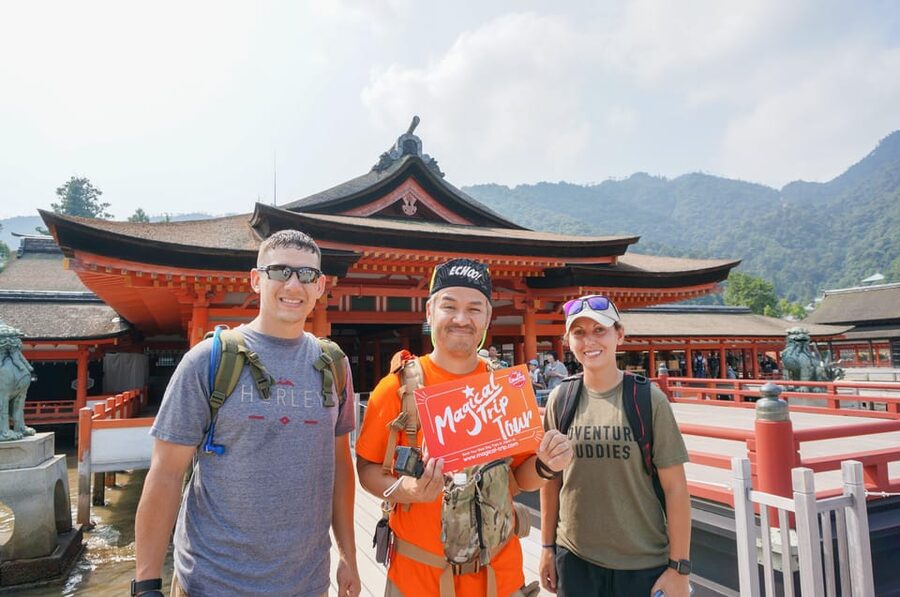
I would choose this tour if you want the major sights explained in plain English and also want to try local food without spending time planning every stop. It is a strong fit for first-time visitors, solo visitors who like company, couples, and families with adult children who can manage a long walk.
You should think twice if you have back or heart problems, low fitness, serious mobility needs, or a strong tendency toward seasickness. The tour includes a ferry, coastal walking, temple grounds, a mountain path, and locations that are not suitable for wheelchairs or strollers.
Bring cash, water, a hat, and comfortable shoes. In wet weather, muddy sections are possible, so shoes with good grip are a smart choice. If food allergies or strict dietary rules shape your trip, the limited substitutions make this a risky choice.
Should you book it?
Book this tour if you want Miyajima to make sense, not just look beautiful. The shrine and O-Torii are the headline sights, but the best part is the connection between sacred buildings, tide patterns, local food, Buddhist practice, and everyday island life.
Skip it if you prefer setting your own pace, need guaranteed dietary flexibility, or want a short and effortless outing. For most reasonably fit visitors with half a day to spare, the small group, included lunch, and consistently warm guiding make the $106 price a fair buy. Just keep the ferry cash handy and leave room in your schedule for the island to take its time.
FAQ
Where does the Miyajima walking tour meet?
Meet in front of the coin-operated locker outside JR Miyajimaguchi Station. Your English-speaking guide will hold a board marked MagicalTrip.
How do I reach the meeting point from Hiroshima?
The journey from JR Hiroshima Station to JR Miyajimaguchi Station takes about 30 minutes on the JR Sanyo Line.
Is the ferry ticket included?
No. You need to pay the ferry fare separately and should bring cash. The provided information lists the fare as ¥360 in one place and ¥500 in another, so carrying ¥500 is sensible.
What food is included?
The tour includes a local lunch made with ingredients from Hiroshima Prefecture. Possible specialties include fresh oysters and fried momiji dumplings. Extra food and drinks cost more.
Are vegetarian and vegan meals available?
Vegetarian and vegan options are available but limited. Allergy-free meals and all dietary substitutions cannot be guaranteed because independent restaurants prepare the food.
Is the tour suitable for wheelchairs or strollers?
No, not for every part of the route. Some locations are inaccessible to wheelchairs or strollers, and the tour is also not suited to people with low fitness, back problems, heart problems, or babies under one year.
Just added in Hiroshima
- Hiroshima Peace Memorial Museum Ticket★ 4.8 · 2,727 reviews
- Hiroshima Peace Memorial Museum Admission★ 4.6 · 1,308 reviews
- Private Full Day Hiroshima Tour★ 4.5 · 29 reviews
- The Peace Memorial to Miyajima : Icons of Peace and Beauty★ 4.5 · 31 reviews
- Shore Excursion from Hiroshima Port : Private Tour in Hiroshima★ 5.0 · 17 reviews
- Hiroshima & Miyajima All-Inclusive Tour w/Licensed guide Pancho★ 5.0 · 54 reviews
- Hiroshima Country Cycling: Explore Rural Life 1 HR from City★ 5.0 · 22 reviews
- Hiroshima Saijo Sake Tasting Tour with visit to 7 Breweries★ 5.0 · 104 reviews
Walking Tours, compared.
Kyoto Geisha Walking Tour: Gion District & Hidden Gems
Read our review →
Tokyo Tsukiji Fish Market Food and Culture Walking Tour
Read our review →
Gion Magical Night Walking Tour with Geisha Trivia
Read our review →
Imperial Palace and Shogun Historical Walking Tour
Read our review →
Gion Geisha District Walking Tour – Stories of Geisha
Read our review →
Shinjuku Local Bar and Izakaya Guided Walking Tour
Read our review →
Browse the lists this tour appears in