
Reviewed · WALKING TOURS
Hiroshima Peace Park & Atomic Bomb Dome Guided Walk
History feels close here. I like the careful route through Hiroshima Peace Memorial Park, and I especially value the chance to visit both the Peace Memorial Museum and Atomic Bomb Dome in one guided walk. The main drawback is the brisk pace: with many stops packed into two hours, some places receive only a short explanation.
Guide Adina has earned praise for patience, clear explanations, and a strong grasp of the science behind the atomic bomb. I also like the flexible booking terms and low price of $21, though you should confirm accessibility before booking because the information describes the tour as wheelchair accessible but also says it is not suitable for wheelchair users or people with mobility impairments.
In This Review
- Key points at a glance
- Why this Hiroshima walking tour is worth your time
- Starting at the Gates of Peace
- The Fountain of Prayer and Flame of Peace
- The Peace Memorial Museum in a short guided visit
- The Cenotaph and Hiroshima National Peace Memorial
- Dr. Marcel Junod and the Rest House
- Remembering children and Korean victims
- Ringing the Peace Bell and visiting the Peace Tower
- The Atomic Bomb Dome and Hypocenter Monument
- What Adina adds to the walk
- Price, pace, and practical comfort
- Who should book this Hiroshima tour?
- Should you book the Hiroshima Peace Park guided walk?
- FAQ
- How long does the Hiroshima Peace Park guided walk last?
- How much does the tour cost?
- Where does the tour meet?
- Is the Peace Memorial Museum included?
- Which languages are available?
- Is hotel pickup provided?
- Can I cancel for a full refund?
- Is the tour wheelchair accessible?
Key points at a glance
- A two-hour route through Hiroshima’s central memorial park: You visit the main monuments without needing to plan the walking order yourself.
- The Peace Memorial Museum is included: Even though the guided portion there is brief, museum entry adds useful value to the low $21 price.
- Adina brings scientific detail: His background as a PhD student has helped explain nuclear reactions and the bomb’s history in clear terms.
- The route covers more than the famous dome: You also see the Fountain of Prayer, Flame of Peace, Children’s Peace Monument, Korean Victims Memorial, Peace Bell, and Hypocenter Monument.
- A serious tour with a personal touch: You can ring the Peace Bell and pause at memorials for children, Korean victims, and medical workers.
- Come prepared for sun and walking: Comfortable shoes, water, sunscreen, and a camera are useful, while food and drinks cannot enter the museum.
Why this Hiroshima walking tour is worth your time
Hiroshima Peace Memorial Park is not simply a collection of monuments. It is a carefully arranged place of mourning, education, and hope. A guide helps you understand why each memorial exists, which matters because several sites can look similar if you visit without context.
This tour costs $21 per person and lasts two hours. That is a fair price for a guided introduction, especially because entry to the Hiroshima Peace Memorial Museum is included. You also get the practical benefit of an organized route through a large park, with the Atomic Bomb Dome and Hypocenter Monument included rather than left for you to find later.
I would not treat this as a full museum visit and complete park study in one go. The schedule lists roughly ten minutes at many stops, so the tour is best viewed as a focused orientation. You will see the major sites, learn the basic story, and leave with a better idea of where you may want to spend more time afterward.
The subject is heavy. You will encounter memorials to people who died, including children and Korean victims, as well as displays connected to the bomb’s effects. The guide’s role is important here, and Adina’s patient manner and detailed explanations have been singled out as particular strengths.
More Walking Tours in Hiroshima
- Hiroshima Historical Walking Tour – Why A-Bomb was Dropped
★ 4.8 · 893 reviews - Hiroshima Peace (Heiwa) Walking Tour at World Heritage Sites
★ 5.0 · 872 reviews - Hiroshima City 4hr Private Walking Tour with Licensed Guide
★ 5.0 · 437 reviews
Starting at the Gates of Peace
Meet at the Gates of Peace, in front of an Italian restaurant, at coordinates 34.3906308, 132.4516662. This is a useful place to begin because the gates introduce the park’s message of international unity before the route moves into more painful parts of the story.
Allow extra time to locate the meeting point. The supplied directions are clear on the landmark and coordinates, but no hotel pickup is provided. You will need to make your own way there.
The opening guided talk lasts about ten minutes. I like this kind of beginning because it gives you a frame for the visit. Hiroshima is not presented only as a historical event from 1945. The park also expresses a continuing call for global peace and a world without nuclear weapons.
The Fountain of Prayer and Flame of Peace
The Fountain of Prayer offers one of the quieter moments early in the walk. It is a place to reflect on the victims of the bombing, and the guide can give the memorial a human meaning before you move on to the larger monuments.
You then visit the Flame of Peace. Its message is tied to the hope for a nuclear-free world, so it adds a forward-looking note to the park. I find this pairing effective: the fountain turns your attention toward those who suffered, while the flame points toward the responsibility of people living today.
Each stop is listed at about ten minutes. That gives enough time for a short explanation and a pause, but not for a long, private period of reflection. If you prefer to move slowly and read every inscription, plan to return after the tour.
The Peace Memorial Museum in a short guided visit
The Hiroshima Peace Memorial Museum is the emotional center of the walk. It explains August 6, 1945, and shows the human effects of the atomic bombing through historical material and exhibits.
Museum entry is included, which is a strong point at this price. The planned guided visit is only about ten minutes, however. That is enough for an introduction, but it is not enough to inspect the museum carefully. I would treat the guide’s museum stop as a short orientation, then return later if your schedule allows.
Food and drinks are not allowed inside the museum. Bring water for the walk, but finish it or keep it outside before entering. The park route may feel manageable on paper, yet Hiroshima’s summer heat can make two hours outdoors tiring, so sunscreen and sensible shoes matter.
The museum can be difficult emotionally. You should expect serious subject matter rather than a light sightseeing stop. A guide can help place the exhibits in context, but you may still want quiet time afterward.
A completely different kind of day out:
- Peaceful Hiroshima & Miyajima UNESCO 1 Day Bus Tour
★ 5.0 · 5,309 reviews - Hiroshima Peace Memorial Museum Ticket
★ 4.8 · 2,727 reviews - Hiroshima: Hiroshima and Miyajima UNESCO Sites 1-Day Tour
★ 4.9 · 2,330 reviews - Hiroshima Peace Memorial Museum Admission
★ 4.6 · 1,308 reviews
The Cenotaph and Hiroshima National Peace Memorial
The Hiroshima Victims Memorial Cenotaph honors those who died in the bombing. This is one of the key places to pause, and the guide’s explanation helps connect the monument to the wider memorial purpose of the park.
The Hiroshima National Peace Memorial is another important stop dedicated to remembrance. Together, these memorials show how Hiroshima commemorates both individual loss and the wider civilian tragedy.
The route does not appear designed for lengthy ceremonial pauses. You will receive a guided explanation of roughly ten minutes at each listed point, then continue. I like the efficiency for a first visit, but I would not choose this tour if your main goal is extended quiet reflection at every memorial.
Dr. Marcel Junod and the Rest House
The Monument of Dr. Marcel Junod honors a Swiss doctor who helped survivors. This detail broadens the story beyond the blast itself. It reminds you that medical care, relief work, and human action continued after the bombing.
The Rest House also provides a link to the past. It is described as a witness to what happened, making it one of the places where the park’s present-day setting connects with the city’s earlier life.
These stops are easy to overlook when you visit alone because the Atomic Bomb Dome naturally draws most attention. I value their inclusion because they add people and personal action to a story that can otherwise feel dominated by buildings, dates, and statistics.
Adina’s scientific background may be especially useful here and elsewhere on the route. One participant noted that he explained nuclear reactions in detail. You do not need a science background to follow the tour, but you can ask for more technical information if that is important to you.
Remembering children and Korean victims
The Children’s Peace Monument honors young people who died as a result of the bombing. It is one of the most affecting stops because it presents the event through the loss of children, not only through military or political history.
The Korean Atomic Bomb Victims Cenotaph is also included. This memorial recognizes Koreans who perished in Hiroshima. Its presence helps you see that the bombing affected people from more than one national community.
I consider this part of the walk essential. A short tour can never explain every aspect of Hiroshima’s past, but including both memorials encourages a broader view. You are asked to remember the victims as individuals and communities, not as an anonymous number.
The pace may be a challenge here. Ten minutes can pass quickly when you want to read, think, and ask questions. Take note of the locations so you can revisit them after the guided walk.
Ringing the Peace Bell and visiting the Peace Tower
The Peace Bell gives you a chance to take part rather than only observe. Ringing it for global harmony is a simple act, but it fits the park’s message of peace and personal responsibility.
The Peace Tower is also included in the route. The supplied information does not give a separate description of the tower, so you should expect a guided visit rather than a long climb or extended activity. The Bell of Peace is the clearly identified hands-on moment.
This portion adds some balance to the memorials. The walk is not only about looking backward at August 6, 1945. It also asks what peace means now. I appreciate that the tour gives you a small, respectful action to remember the message.
The Atomic Bomb Dome and Hypocenter Monument
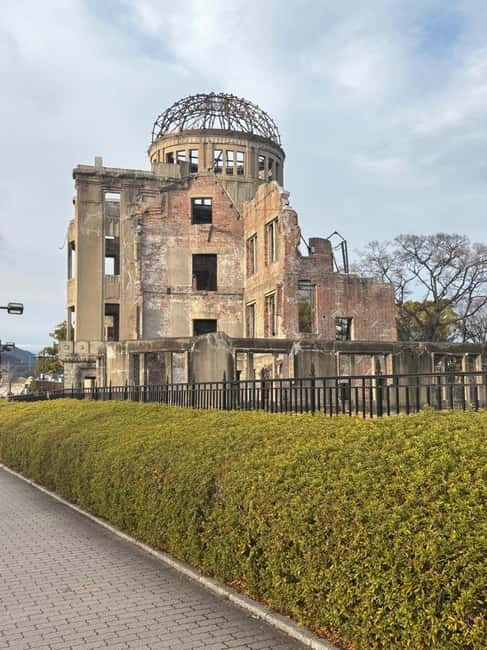
The Atomic Bomb Dome is the sight most closely linked with Hiroshima in photographs. Its damaged structure remains a solemn reminder of the destruction caused by the atomic bomb. Seeing it after visiting the memorials gives the building greater meaning than it would have as an isolated photo stop.
The tour ends with the Atomic Bomb Dome and the Hypocenter Monument. At the Hypocenter Monument, you pause at the point connected with the moment the bomb changed Hiroshima’s history.
The order works well. By the time you reach the dome and hypocenter, you have already heard about victims, survivors, medical aid, children, Korean victims, and the call for peace. The final stops are therefore not just visual highlights. They bring the earlier explanations together.
Again, the time is limited. You may want to stay near the dome or return to the hypocenter after the tour. The guide gives you the framework, while a second visit lets you set your own pace.
What Adina adds to the walk
The guide can make or break a memorial tour. Adina is described as kind, patient, passionate, and attentive to questions. One participant particularly valued the extra details that would have been easy to miss without a guide.
His reported strength is explanation. He has discussed nuclear reactions and the history of the Hiroshima bombing in detail, while also keeping the tour accessible to people who simply want a clear account of what happened.
The available language options are English, Urdu, and Hindi. That makes the tour useful for a wider range of visitors, but you should select the language you need when checking availability.
The praise for Adina is consistent on the points that matter most here: patience, preparation, and enthusiasm. Still, a guide’s style is personal, and the two-hour format limits how much any guide can cover. You are booking a concise guided walk, not a private seminar.
Price, pace, and practical comfort
At $21, this is good value if you want a guided introduction to the park and museum. The included museum entry strengthens the deal, and the route covers many of the main memorials in one organized visit.
The tradeoff is time. About ten minutes at each point means you will keep moving. I would recommend this tour for a first visit, a short stay in Hiroshima, or anyone who wants help understanding the park before exploring alone.
Wear comfortable walking shoes. Bring water, sunscreen, and a camera if you want photographs of the park’s architecture and memorials. Food and drinks are not permitted inside the museum, so plan around that rule.
The tour offers free cancellation up to 24 hours before the start time, and you can reserve now and pay later. These terms help if your Japan plans are still changing, but they do not solve the central practical question: can you comfortably walk between the sites?
There is conflicting information about accessibility. The activity details describe it as wheelchair accessible, while the suitability notice says it is not for wheelchair users or people with mobility impairments. I would contact the provider before paying if this affects you. Do not rely on the general accessibility label alone.
Who should book this Hiroshima tour?
I think this walk suits you if you want:
- A clear introduction to Hiroshima’s memorial sites
- A guide who can explain both historical events and nuclear science
- A short tour that fits into a busy Japan itinerary
- Museum entry included in a low-cost booking
- A route that includes less obvious memorials, including Dr. Junod’s monument and the Korean Victims Memorial
- A respectful activity focused on remembrance and peace
You may prefer to visit independently if you want hours inside the museum, long periods of silence, or complete control over the pace. You should also reconsider it if walking is difficult until the accessibility issue is confirmed.
Should you book the Hiroshima Peace Park guided walk?
I would book this tour for a first look at Hiroshima Peace Memorial Park, especially if you have only a few hours and want the major sites explained in a sensible order. The $21 cost is reasonable because museum entry is included, and Adina’s patient, detailed approach adds real value.
I would then return to the museum or individual memorials on my own if time permits. Think of the tour as a thoughtful introduction, not the final word on Hiroshima. If you understand that distinction, this is a respectful and useful way to begin your visit.
FAQ
How long does the Hiroshima Peace Park guided walk last?
The tour lasts two hours.
How much does the tour cost?
The price is $21 per person.
Where does the tour meet?
It meets at the Gates of Peace, in front of an Italian restaurant. The listed coordinates are 34.3906308, 132.4516662.
Is the Peace Memorial Museum included?
Yes. Entry to the Hiroshima Peace Memorial Museum is included in the tour.
Which languages are available?
The live guide is available in English, Urdu, and Hindi.
Is hotel pickup provided?
No. Hotel pickup and drop-off are not included.
Can I cancel for a full refund?
Yes. You can cancel up to 24 hours in advance for a full refund.
Is the tour wheelchair accessible?
The information is conflicting. One section describes the activity as wheelchair accessible, while another says it is not suitable for wheelchair users or people with mobility impairments. Contact the provider to confirm before booking.
Just added in Hiroshima
- Hiroshima Peace Memorial Museum Ticket★ 4.8 · 2,727 reviews
- Hiroshima Peace Memorial Museum Admission★ 4.6 · 1,308 reviews
- Private Full Day Hiroshima Tour★ 4.5 · 29 reviews
- The Peace Memorial to Miyajima : Icons of Peace and Beauty★ 4.5 · 31 reviews
- Shore Excursion from Hiroshima Port : Private Tour in Hiroshima★ 5.0 · 17 reviews
- Hiroshima & Miyajima All-Inclusive Tour w/Licensed guide Pancho★ 5.0 · 54 reviews
- Hiroshima Country Cycling: Explore Rural Life 1 HR from City★ 5.0 · 22 reviews
- Hiroshima Saijo Sake Tasting Tour with visit to 7 Breweries★ 5.0 · 104 reviews
Walking Tours, compared.
Kyoto Geisha Walking Tour: Gion District & Hidden Gems
Read our review →
Tokyo Tsukiji Fish Market Food and Culture Walking Tour
Read our review →
Gion Magical Night Walking Tour with Geisha Trivia
Read our review →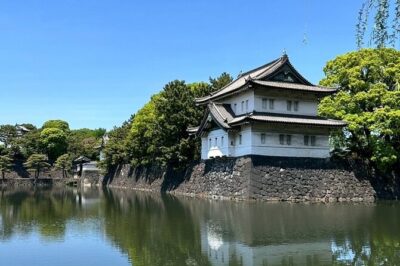
Imperial Palace and Shogun Historical Walking Tour
Read our review →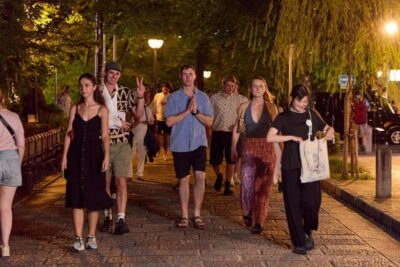
Gion Geisha District Walking Tour – Stories of Geisha
Read our review →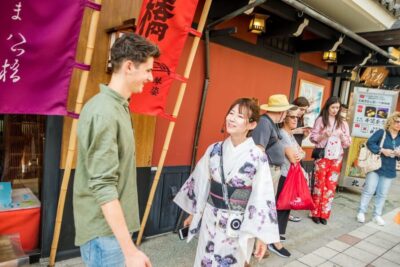
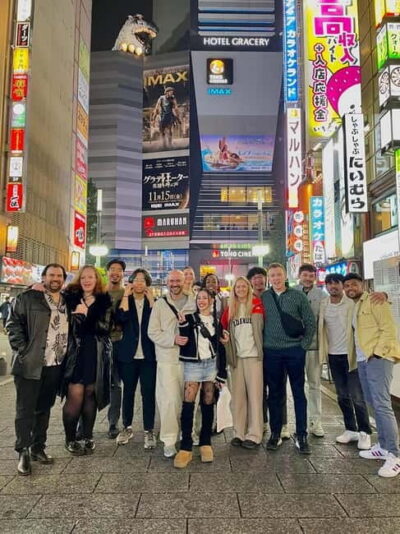
Shinjuku Local Bar and Izakaya Guided Walking Tour
Read our review →
Browse the lists this tour appears in