Reviewed · KYOTO TOURS
Home style Ramen and Homemade Gyoza in Kyoto
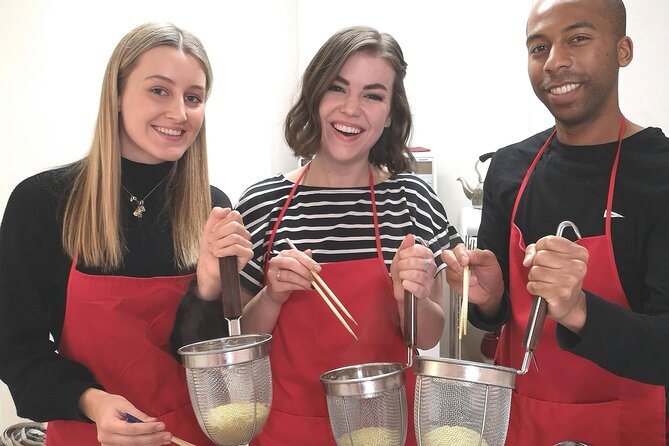
Good food makes Kyoto feel personal. This three-and-a-half-hour cooking class takes you into Nariko’s home kitchen to prepare ramen soup, gyoza with handmade wrappers, cucumber pickles, and a full meal you eat yourself. It is less about watching a chef perform and more about learning useful Japanese cooking skills.
I especially like the small class size, which allows Nariko to show each person the steps without turning the lesson into a crowded demonstration. I also like the practical recipes, including her mother’s ramen soup, because you can make them again at home. The main limitation is dietary: the ramen broth uses dried fish, so this is not a vegetarian class.
In This Review
- Key points before you book
- Arriving at Nariko’s Kyoto kitchen
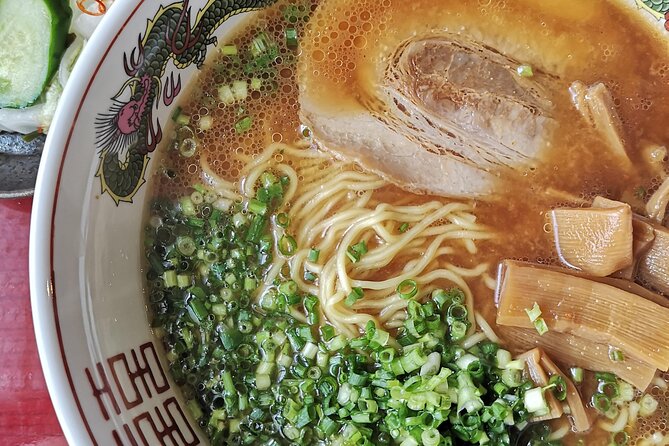
- Making ramen soup from a family recipe
- Rolling gyoza dough and folding dumplings
- Adding cucumber pickles to the meal
- Sitting down to eat what you prepared
- Why the small group makes a difference
- The practical value of $118.92
- Age, dietary needs, and booking details
- Who will enjoy this Kyoto cooking class
- Should you book Nariko’s Kitchen?
- FAQ
- Where does the cooking class begin?
- What time does the class start?
- How long does the experience last?
- Do you make ramen noodles during the class?
- Do you make gyoza wrappers from scratch?
- Can vegetarians take this class?
- What is the minimum age for participants?
Key points before you book
- You make gyoza wrappers from scratch, not just the filling and folding.
- The ramen noodles are not homemade, but you prepare the soup from Nariko’s family recipe.
- Nariko teaches in her own home, creating a relaxed setting rather than a commercial cooking studio.
- The class includes cucumber pickles, adding a simple side dish to the meal.
- Groups are capped at eight people, with many sessions operating at a smaller size.
- The class costs $118.92 per person and lasts about three hours and 30 minutes.
Arriving at Nariko’s Kyoto kitchen
The class begins at 10:00 a.m. at 5-6 Matsugasaki Rokunotsubochō in Sakyo Ward, Kyoto. The meeting point is near public transportation, and you should allow enough time to find the address without rushing. The activity ends back at the same point, so it fits neatly into a Kyoto morning followed by afternoon sightseeing.
The home setting is a major part of the appeal. You are not simply seated at a counter while someone prepares food for you. You work in a real kitchen arranged for teaching, with ingredients ready and enough room for a small group to prepare food together.
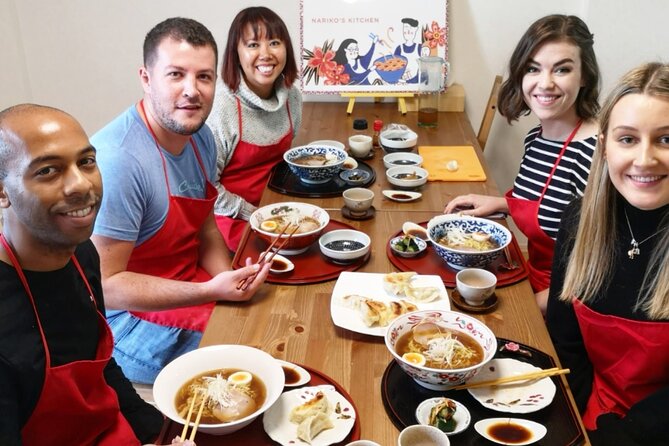
That setting also shapes the mood. The class feels social and informal, and you may share the table with people from different countries. The group limit of eight keeps the experience from becoming a large production. A class of four or six gives you more personal attention, while a full group of eight still remains manageable.
Nariko’s manner is one of the strongest parts of the experience. She is patient, warm, and comfortable explaining each task step by step. She also makes conversation easy, so the class becomes a chance to learn about Japanese home cooking and daily life, not just a sequence of recipes.
A few more options to weigh up in Kyoto
- PERFECT KYOTO 1-Day Bus Tour
★ 5.0 · 13,518 reviews - [Kyoto & Nara Day Tour] Sagano Scenic Railway & Nara Park & Fushimi Inari Taisha Thousand Torii Gates & Togetsukyo Bridge & Bamboo Grove & Kimono Forest (Departing from Osaka)
★ 4.9 · 10,942 reviews - Kyoto: Fushimi Inari, Kinkakuji, Bamboo Grove 1 Day Bus Tour
★ 4.8 · 4,316 reviews
Making ramen soup from a family recipe
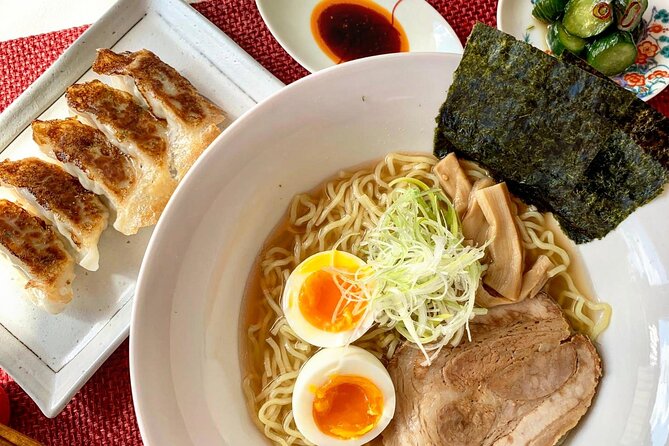
The ramen portion begins with the soup. Nariko uses her mother’s recipe, which gives the lesson a personal touch that you will not get from a generic cooking demonstration. You work with simple ingredients and learn how the broth comes together before adding the noodles.
The class does not include making ramen noodles. That detail matters. If your dream is to pull and cut noodles by hand, this is not that kind of workshop. You use prepared noodles, while the focus stays on the soup, toppings, preparation, and serving.
Still, the broth is the heart of a ramen bowl, and learning that part has real value. You can repeat the process at home without special equipment or a long list of hard-to-find ingredients. The aim is home-style cooking, not restaurant-level showmanship.
You should also pay attention to the dried fish in the broth. It is a common ingredient in ramen soup, but it means the class cannot be made vegetarian. If you have allergies, religious food rules, or other restrictions, contact Nariko before booking. She may be able to adjust some parts of the menu, but the ramen soup cannot be prepared without dried fish.
The useful lesson here is restraint. Home cooking often depends on building flavor from ordinary ingredients and handling them correctly. Nariko explains the process in a way that helps you understand what you are doing, rather than asking you to follow unexplained instructions.
Rolling gyoza dough and folding dumplings
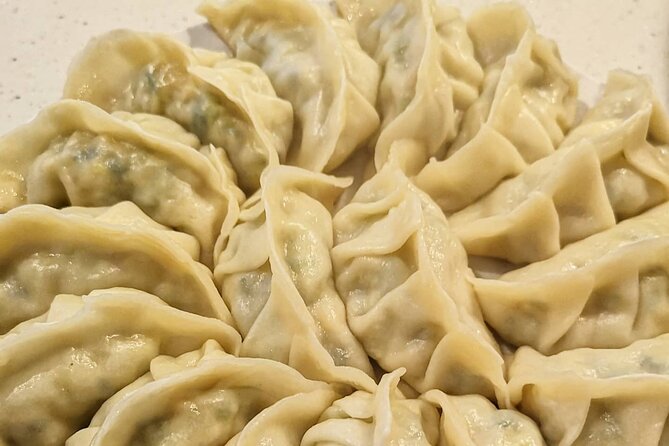
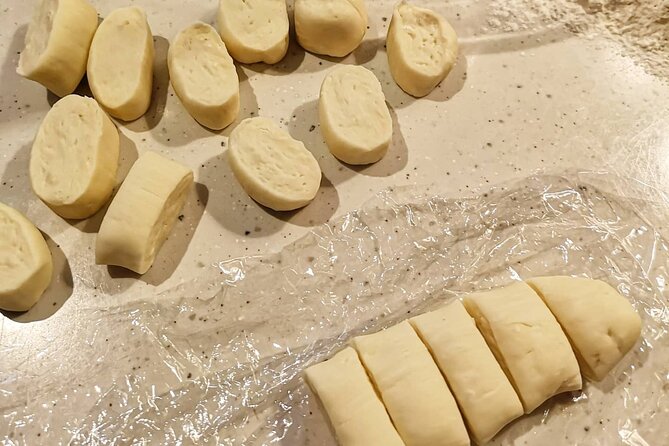
The gyoza is the hands-on centerpiece. You prepare the filling, make the dough, roll the wrappers, and fold the dumplings yourself. For many people, making the wrapper is the part they remember most, since it turns a familiar restaurant dish into something you can understand from the inside out.
Gyoza wrappers need to be thin enough to fold but sturdy enough to hold the filling. Nariko demonstrates the technique and then gives you time to try it. Do not worry if your first few wrappers look uneven. The class is designed for beginners, and the small steps make the work approachable.
Folding is another practical skill. The dumplings need to close properly before cooking, and you get immediate feedback when one is too full or the edge is not sealed. It is a satisfying sort of kitchen problem: simple to understand, but easier after a little practice.
The dumplings are fried rather than boiled. That gives them a crisp base and a contrast between the browned outside and soft filling. The result is also useful for home cooks, since pan-fried gyoza is a realistic dish to recreate after your trip.
One important point: a description of the class calls the meal scratch-made, while one account notes that it is not entirely from scratch. The clearest way to understand this is that you make the gyoza skins and prepare the main components, but not every ingredient or ramen noodle begins as a raw product. That is normal for a three-and-a-half-hour home cooking class and keeps the pace sensible.
Adding cucumber pickles to the meal
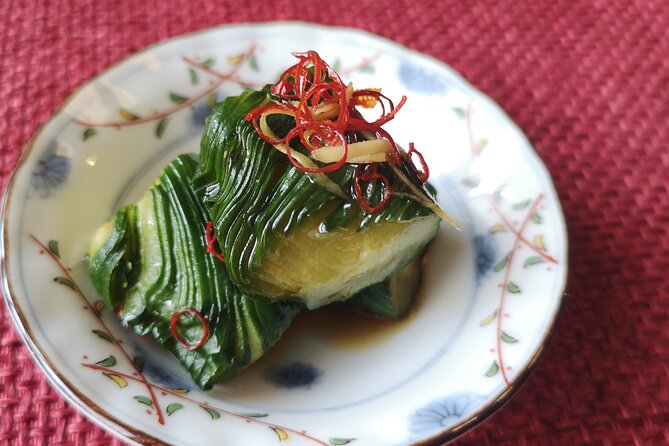
The cucumber pickles may seem like a small part of the menu, but they give the meal balance. Ramen and fried gyoza are both filling, while the cucumber side adds a cool, sharp element.
This is also the kind of recipe that makes sense after you return home. You do not need a large kitchen, advanced tools, or an entire afternoon. Nariko shows you how a few straightforward steps can turn a basic vegetable into a side dish that works with a Japanese meal.
The pickles help the class feel like a complete home lunch rather than two separate cooking projects. You prepare the main dish, the dumplings, and the accompaniment, then sit down to eat everything together.
A completely different kind of day out:
- Kyoto: Tea Ceremony in a Traditional Tea House in Kiyomizu
★ 4.9 · 3,519 reviews - Kyoto: Gion Make Your Own Chopsticks with Engraving Option
★ 5.0 · 3,465 reviews - Kyoto Nara Day Trip │ Kiyomizu-dera Temple + Fushimi Inari-taisha Shrine + Nara Park (Departing from Osaka/Kyoto)
★ 4.7 · 3,408 reviews - Kyoto Geisha Walking Tour: Gion District & Hidden Gems
★ 4.7 · 3,273 reviews
Sitting down to eat what you prepared
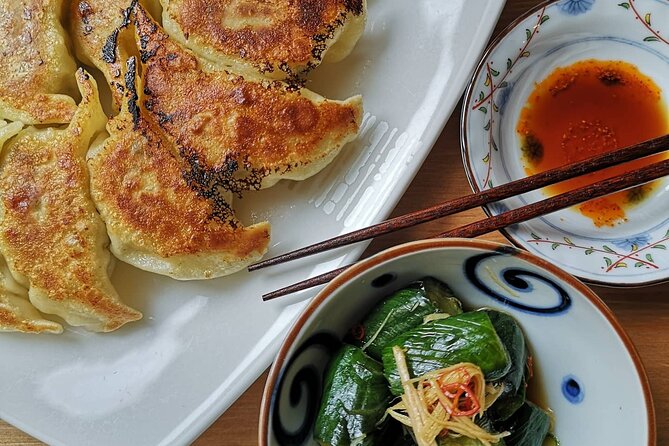
The meal at the end is not an afterthought. You have spent the morning preparing each part, so tasting it gives the class a clear payoff. The table is set in the home, and the atmosphere remains calm and friendly rather than rushed.
The food is described as plentiful, with a portion size intended to make a proper meal. That is important at this price. You are not paying only for a short lesson and a token sample. You receive a full lunch built from the work you completed during the session.
I also like the way the meal turns technique into memory. You may forget a measurement, but you are more likely to remember how a wrapper felt in your hands, how the gyoza browned, or how the broth changed as it cooked. Those physical details make the recipes easier to repeat.
Nariko shares the recipes afterward, giving you a useful reference at home. That improves the value of the class, especially if you buy ingredients and try to recreate the meal soon after returning.
Why the small group makes a difference
Cooking classes can become frustrating when the instructor demonstrates everything once and then moves too quickly. That is less of a concern here. Nariko is praised for including everyone in the small steps, showing techniques clearly, and keeping the pace comfortable.
A class of four is likely to feel especially personal. With six or eight people, you still get a social experience while working at your own station. The group size also gives you a chance to talk with people who may be visiting Kyoto for different reasons.
This is not a silent lesson. Conversation is part of the appeal, and Nariko is personable enough to make the room feel welcoming. She has also helped participants with dinner reservations during their stay, a thoughtful touch, though you should view that as hospitality rather than a promised part of the paid service.
The home environment has one tradeoff: space is limited. Only people taking part in the class may attend, and spectators are not allowed. That rule is reasonable in a private kitchen, but it means a family member who does not want to cook cannot simply tag along to watch.
The practical value of $118.92
At $118.92 per person, this is not a cheap lunch. You can find ramen and gyoza for far less in Kyoto. The question is not whether the meal alone justifies the price. It does not, and it is not meant to.
You are paying for several things at once: about three hours and 30 minutes of instruction, hands-on preparation, a meal, recipe guidance, a small group, and time in a Japanese home. The handmade gyoza wrappers add real work to the class, while the family ramen recipe gives it a personal angle.
For me, the price makes the most sense if you care about learning and cultural contact. If you only want to eat ramen, spend your money at a neighborhood restaurant. If you want to understand how the dishes are made and have a chance to reproduce them, the fee is easier to defend.
The class also offers value for couples and families who want one shared activity. Everyone has a task, and the meal rewards the group at the end. Solo participants should also fit comfortably, since the small class format encourages conversation.
Age, dietary needs, and booking details
The stated minimum age is over 10, and children should be able to use a knife safely. Because chopping and food preparation are involved, this rule should be taken seriously.
One account describes a seven-year-old taking part, but that does not change the stated policy. If you are planning to bring a younger child, ask Nariko before booking rather than assuming an exception will be available.
Dietary restrictions should also be discussed before you reserve. The class cannot provide vegetarian ramen because dried fish is used in the soup. The host may or may not be able to accommodate other needs, so this is not the right activity for anyone who needs guaranteed menu substitutions without prior confirmation.
Only paying participants may enter the class. There are no spectator places, and the maximum group size is eight. Confirmation is sent within 48 hours, subject to availability. The experience is non-refundable and cannot be changed after booking, so check your schedule and food requirements first.
Who will enjoy this Kyoto cooking class
I would choose this class for you if you like practical activities, small groups, and food with a personal story. It is especially suitable for:
- Couples who want a relaxed morning activity
- Families with children over 10 who can handle a knife
- First-time cooks who prefer patient instruction
- People who want recipes they can repeat at home
- Visitors looking for a home setting instead of a restaurant meal
- Anyone who enjoys meeting people from different places while working together
You may want another activity if you need a vegetarian ramen option, dislike group participation, or specifically want to make ramen noodles. The lesson is also less suitable if you are looking for a fast, polished demonstration with little hands-on work. Here, you are expected to chop, roll, fill, fold, and cook.
Should you book Nariko’s Kitchen?
Yes, if you want to do more than take a photo of ramen in Kyoto. This class gives you a real cooking task, a family recipe, handmade gyoza dough, pickles, and a satisfying meal at the end.
The strongest reasons to book are Nariko’s patient teaching, the home setting, and the chance to repeat the recipes later. Just confirm the dried-fish broth works for you, remember that ramen noodles are not made from scratch, and be comfortable with the firm cancellation terms.
For food-focused visitors, couples, and families who meet the age requirement, this is a thoughtful use of a Kyoto morning. You leave with more than a full stomach. You leave knowing how the meal came together and with a fair chance of making it again.
FAQ
Where does the cooking class begin?
The class begins at 5-6 Matsugasaki Rokunotsubochō, Sakyo Ward, Kyoto, 606-0915, Japan. It is near public transportation.
What time does the class start?
The start time is 10:00 a.m.
How long does the experience last?
The class lasts approximately three hours and 30 minutes.
Do you make ramen noodles during the class?
No. The class uses ramen noodles that are not made during the session. You do prepare the ramen soup using Nariko’s mother’s recipe.
Do you make gyoza wrappers from scratch?
Yes. You make homemade gyoza skins as well as preparing and folding the dumplings.
Can vegetarians take this class?
No. The ramen soup uses dried fish, and the host cannot make the ramen broth without it.
What is the minimum age for participants?
Participants must be older than 10. Children should also be able to use a knife because the class involves cutting and food preparation.
Just added in Kyoto
- The “Golden Route” and Ancient Japan by DIAMIR Erlebnisreisen – 14-Day Tour★ 2.0 · 2 reviews
- Japan: Castles & Cuisine by G Adventures – 6-Day Kyoto to Osaka Tour★ 4.5 · 4 reviews
- Cycle Japan by Explore! – 13-Day Kyoto to Tokyo Tour★ 4.7 · 12 reviews
- Cycle Japan by Intrepid Travel – 11-Day Kyoto to Tokyo Tour★ 4.8 · 2 reviews
- Classic Japan by Intrepid Travel – 11-Day Kyoto to Tokyo Tour★ 4.4 · 14 reviews
- Ancient & Modern Japan 14-Day Tour by Exodus Adventure Travels★ 4.4 · 40 reviews
- 5 Day Cultural Adventure of Kyoto, Nara & Osaka by Tourist Journey★ 2.5 · 2 reviews
- 12 Days Kinosaki Onsen Escape: A Journey Through Japan’s Timeless Towns by UME Travel★ 4.8 · 5 reviews
Kyoto Tours, compared.

![[Kyoto & Nara Day Tour] Sagano Scenic Railway & Nara Park & Fushimi Inari Taisha Thousand Torii Gates & Togetsukyo Bridge & Bamboo Grove & Kimono Forest (Departing from Osaka)](https://media.japanvisits.com/wp-content/uploads/kyoto-nara-day-tour-sagano-scenic-railway-nara-park-fushimi-inari-taisha-thousand-torii-gates-togetsukyo-bridge-bamboo-grove-kimono-forest-departing-from-osaka-k110001-400x257.jpg)
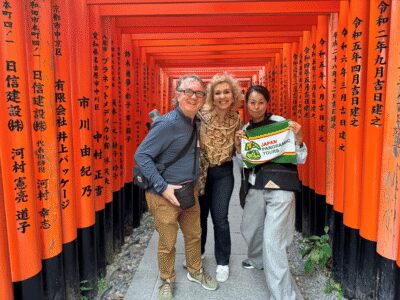
Fushimi Inari, Kinkakuji, Bamboo Grove 1 Day Bus Tour
Read our review →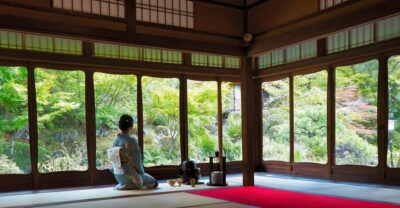
Tea Ceremony in a Traditional Tea House in Kiyomizu
Read our review →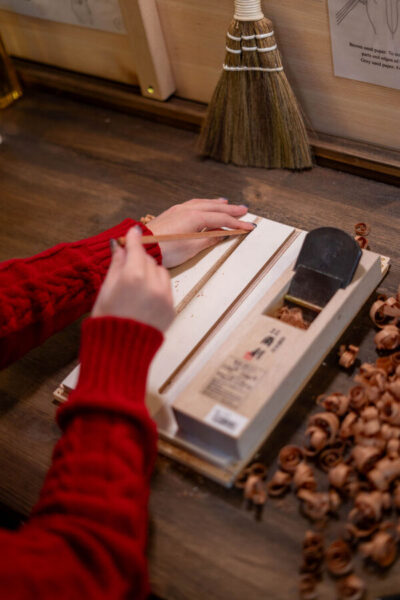
Gion Make Your Own Chopsticks with Engraving Option
Read our review →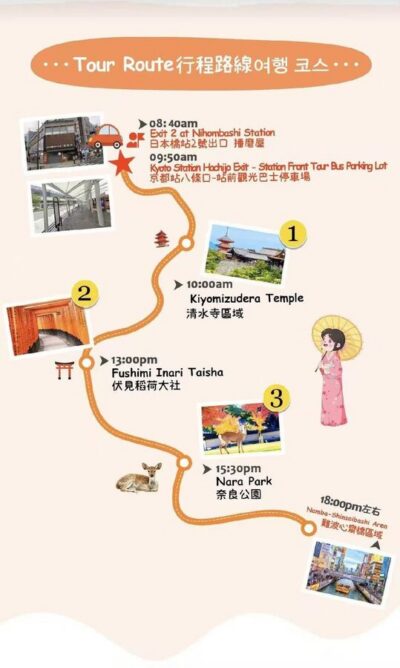
Kyoto Nara Day Trip │ Kiyomizu-dera Temple + Fushimi Inari-taisha Shrine + Nara Park (Departing from Osaka/Kyoto)
Read our review →
Kyoto Geisha Walking Tour: Gion District & Hidden Gems
Read our review →