
Reviewed · WALKING TOURS
Kamakura 6hr Private Walking Tour with Government-Licensed Guide
Kamakura rewards a slow day. This private six-hour tour pairs custom planning with a licensed English-speaking guide, so you can focus on four sights instead of wrestling with train maps and temple choices. I like the chance to see the Great Buddha, Hasedera, Tsurugaoka Hachimangu, or quieter Zen temples in one well-shaped outing.
I also like the human touch. Guides such as Shinji, Masa, Takako, Koba, Sam, and Noripy have helped visitors adjust walking speed, find food, navigate public transport, and swap a strenuous route for an easier one. The main consideration is stamina: six hours includes transport, and Kamakura’s hills, stations, temple paths, and shrine approaches can add up.
In This Review
- Key points to know before booking
- Why a private guide helps in Kamakura
- Tsurugaoka Hachimangu begins the story
- The Great Buddha delivers the iconic moment
- Hasedera adds gardens, views, and a wish
- Hokoku-ji offers a quiet bamboo pause
- Enoshima changes the day from temples to sea
- Kamakura’s five great Zen temples
- Quieter temples reward a tailored route
- Six hours requires honest planning
- Guides make the difference
- Is $155.22 per person fair value?
- Who should book this Kamakura day
- Should you book it?
- FAQ
- How long is the Kamakura private walking tour?
- How many sights can I visit?
- Where does the tour meet?
- Is transportation included in the price?
- Are temple and shrine admission fees included?
- Is lunch included?
- Is this a private tour?
- Can I cancel for a full refund?
Key points to know before booking
- Choose three or four sights: Your guide contacts you after booking to shape the day around your interests.
- Public transport is part of the experience: Trains and buses connect Kamakura’s spread-out sights, with fares paid separately.
- The Great Buddha is not free: Kotokuin admission, along with most temple entrance fees, costs extra.
- Pickup is on foot: Meet your guide within the designated Kamakura or Yokohama area, with no private vehicle included.
- The pace can be adjusted: Past guiding experiences show that routes can be softened for older people or anyone with knee trouble.
- Plan ahead: The tour averages 82 days of advance booking, and free cancellation is available up to 24 hours before departure.
Why a private guide helps in Kamakura
Kamakura is easy to reach from Tokyo and Yokohama, but its sights are scattered across a compact yet hilly area. A first-time visitor can spend much of the day checking train platforms, locating bus stops, and deciding which temples deserve the limited time.
A private guide changes that equation. You still use ordinary trains and buses, but someone helps you make sense of the system. Sam met a cruise passenger at Yokohama’s Osanbashi terminal and guided the group through public transport to Kamakura. Shinji did the same for a couple who felt uneasy about navigating trains from their hotel.
That practical help is one of the strongest reasons to book. You are not sealed inside a tour bus. You get a local day out, with the guide explaining what you are seeing as you move through the town.
The private format also matters. Only your group participates, so the guide can slow down at a shrine, shorten a walk, allow time for shopping, or change the order of the day. Guides have adjusted plans for older parents, guests recovering from knee surgery, and groups that wanted time for lunch and browsing.
The tradeoff is cost. At $155.22 per person, this is not the cheapest way to visit Kamakura. It becomes better value when you split the planning among several people, want a flexible route, or need help with transport. Entrance fees, fares, lunch, and personal purchases are separate, so budget for those on top.
More Private Tours in Yokohama
- Tokyo 8hr Private Tour with Licensed Guide from Yokohama
★ 5.0 · 94 reviews - Yokohama 4hr Private Tour with Government-Licensed Guide
★ 5.0 · 34 reviews - Tokyo Full Day Tour with Licensed Guide and Vehicle from Yokohama
★ 5.0 · 26 reviews
Tsurugaoka Hachimangu begins the story
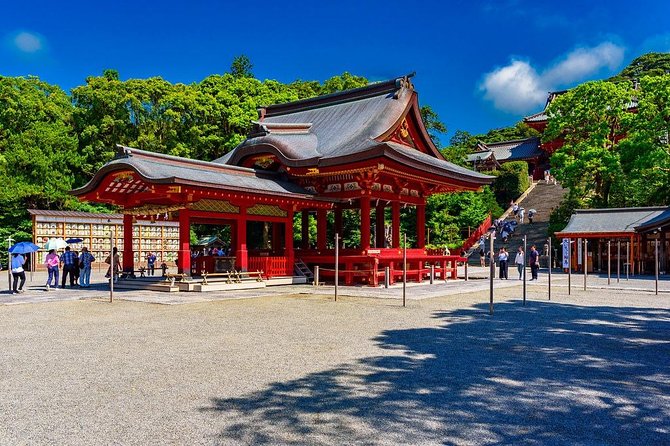
Tsurugaoka Hachimangu is one of the most important places in central Kamakura. The shrine honors Hachiman, associated with Emperor Ojin and long linked with the Minamoto family and the samurai tradition.
The approach gives the visit a sense of ceremony. Your guide can explain why this shrine mattered to the military government that made Kamakura its base, rather than leaving you with only a pretty view and a few unfamiliar buildings.
The scheduled visit is listed as about 15 minutes, which is brief for a large shrine complex. That timing works if you are using it as a historical introduction, but you may want to ask for longer if you care about architecture, religious customs, or photography.
The shrine is also a sensible first stop because it places you near Komachi Street. Afterward, you can browse snacks and small souvenirs, including Hatosabure, the local dove-shaped biscuit mentioned in the tour description.
The Great Buddha delivers the iconic moment
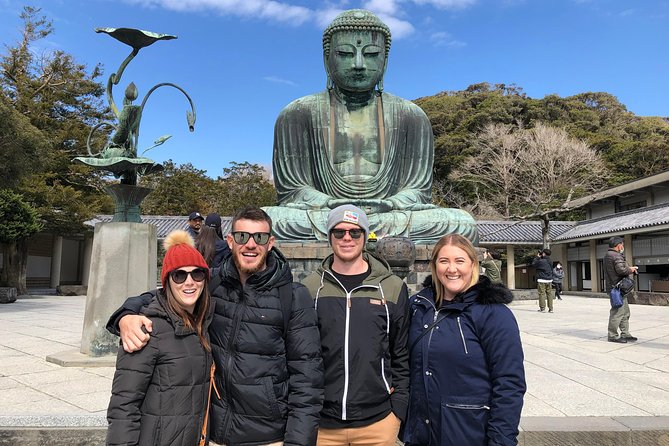
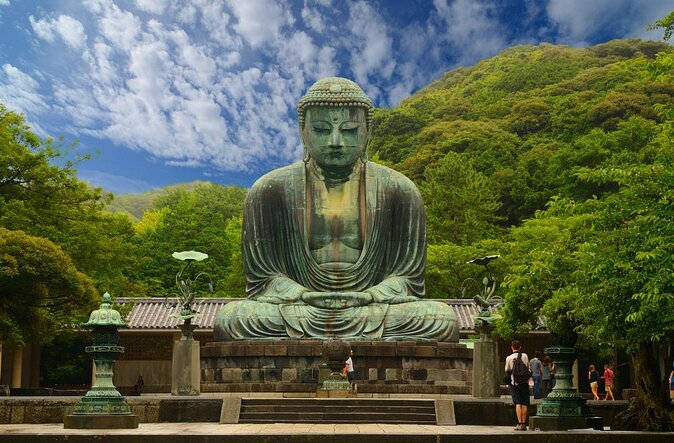
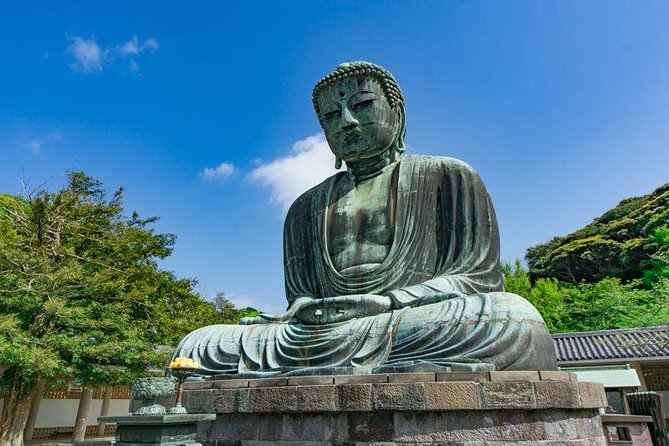
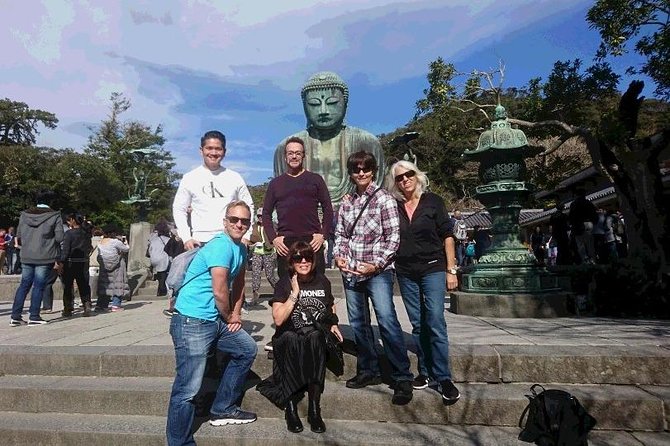
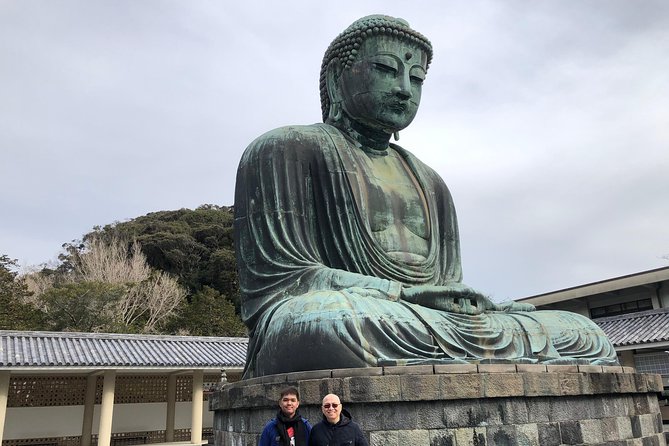
Kotoku-in Temple contains Kamakura’s bronze Great Buddha, an Amida Buddha measuring 11.4 meters high. It is the image most closely tied to the town, and seeing it in person gives the day a clear focal point.
The listed stop is only 15 minutes. That is enough for a look, photographs, and a short explanation, but it leaves little time if you want to study the statue closely or enter the interior, where available. Admission is not included.
I would place this stop high on your list if it is your first visit. It is also a good choice for anyone who wants a famous landmark without committing the whole day to temple architecture.
Hasedera adds gardens, views, and a wish
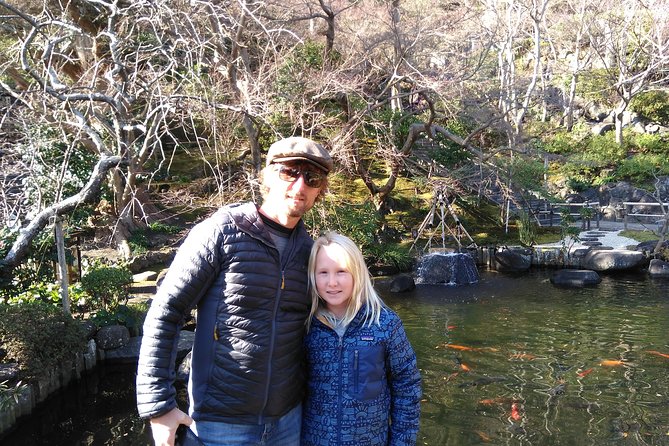
Hasedera is a Jodo Buddhist temple known for its eleven-headed Kannon statue, a gilded wooden figure about 9.18 meters tall. The temple is also prized for its garden and its position above the town.
The tour description highlights the ocean view from the highest point of the temple grounds. It also mentions writing a wish on an oyster shell, a small act that gives the visit a personal touch beyond sightseeing.
Allow about 30 minutes here, though the temple’s steps and upper paths can make that feel short. The admission fee is extra. If you want flowers, garden details, and time for the view, tell your guide before the day begins so Hasedera receives the attention it deserves.
Hasedera pairs naturally with the Great Buddha because both are in the same general part of Kamakura. That can reduce backtracking and create a strong half-day core.
More Walking Tours in Yokohama:
- Kyoto Geisha Walking Tour: Gion District & Hidden Gems
★ 4.7 · 3,273 reviews - Tokyo Tsukiji Fish Market Food and Culture Walking Tour
★ 5.0 · 3,184 reviews - Kyoto: Gion Magical Night Walking Tour with Geisha Trivia
★ 4.9 · 2,393 reviews - Tokyo: Imperial Palace and Shogun Historical Walking Tour
★ 5.0 · 2,251 reviews
Hokoku-ji offers a quiet bamboo pause
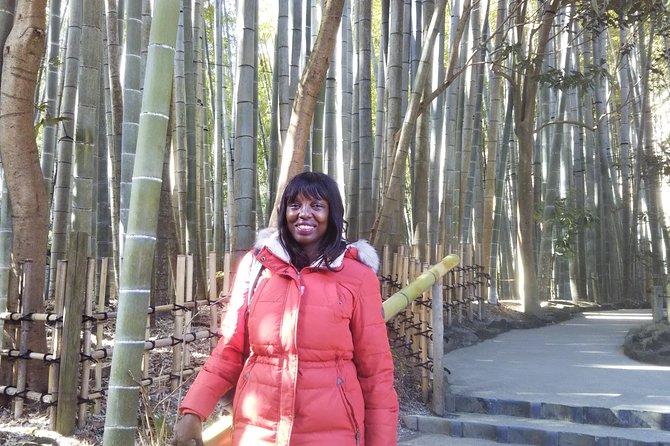
Hokoku-ji is known for a small bamboo grove behind its main hall. More than 2,000 dark green stalks line narrow paths, making this a calmer stop than the major shrine and Buddha.
The listed visit is about 15 minutes, and admission is extra. That is enough to walk the grove, but not much more. If you want to linger in the peaceful setting, ask whether the schedule can give it additional time.
This temple is a good pick for photographers and for anyone who wants a change of mood. It is also useful in a private tour because your guide can explain how it fits into Kamakura’s Zen tradition instead of treating it as a quick photo stop.
Enoshima changes the day from temples to sea
Enoshima is a short train ride west of Kamakura, connected to the mainland by a bridge. The island has a shrine and other attractions, with a more tourist-oriented feel than the quieter temple districts.
The tour allows about 15 minutes here, and there is no admission fee listed for the stop. That makes Enoshima more of a scenic add-on than a full island visit. The timing will not let you explore every corner, so choose it for a taste of the coast rather than an in-depth island day.
If the ocean matters more to you than another temple, Enoshima may be the right swap. If you want gardens, Buddhist art, or Zen architecture, keep the focus inland.
Kamakura’s five great Zen temples
Several choices on the menu belong to Kamakura’s celebrated group of five great Zen temples. Engaku-ji is ranked number two and was founded in 1282 by Hojo Tokimune. Kencho-ji ranks number one and dates to 1253, making it the oldest Zen temple in Kamakura.
Both are allotted about 30 minutes, with admission fees extra. That gives you time to see the grounds and hear the basic story, but a serious student of Zen architecture may want to choose just one and give it more room.
Jomyo-ji is ranked fifth among the five great Zen temples. Its setting in the eastern hills and connection with the Ashikaga family make it a useful choice for people interested in political and religious history. The listed visit is 15 minutes, so it works well as a shorter stop.
Jochiji, ranked fourth, belongs to the Rinzai Zen tradition and is connected with Engaku-ji. Its 15-minute slot makes it a compact alternative near the northern temple area.
Jufukuji, ranked third, was founded by order of Hojo Masako, the wife of Minamoto Yoritomo. It is another 15-minute option, near central Kamakura.
These temples can blur together if you visit too many in one day. I would choose one or two based on your interests, then use the remaining time for the Great Buddha, Hasedera, or a less familiar site.
Quieter temples reward a tailored route
Zeniarai Benten Shrine offers a different kind of visit. Its name refers to washing money, and local belief holds that coins washed in the spring will multiply. The shrine is free to enter and receives about 30 minutes in the suggested schedule.
That small ritual can be fun for families and first-time visitors. It also gives your guide a chance to explain local religious customs in a direct, memorable way.
Meigetsuin is called Hydrangea Temple because hydrangeas bloom across its grounds. Founded in 1160 as a Rinzai Zen temple, it is especially appealing when flowers are a priority. The suggested time is 30 minutes, and admission is extra.
Zuisen-ji sits in a narrow valley surrounded by wooded hills in eastern Kamakura. It is a branch temple of Engaku-ji, with a quieter setting than the central sights. A guide can help you decide if the extra transport and walking are worth it for your group.
Ankokuronji and Myohonji are Nichiren temples in the southeastern hills. Ankokuronji is linked with Nichiren’s arrival in Kamakura around 1253, while Myohonji was founded in 1260. Both are listed for 30 or 15 minutes, depending on the site.
Eishoji is the only surviving nunnery in Kamakura. Founded in the early Edo period by a woman connected with the Tokugawa family, it is known as a temple with a strong connection to women’s religious life. The shorter 15-minute visit makes it easy to add near Tsurugaoka Hachimangu.
Six hours requires honest planning
The tour promises three or four sights, not all 17 places in the full selection. The long list is a menu for customization, not a route you can complete in one afternoon.
Transport time counts toward the six hours. A route combining Tsurugaoka Hachimangu, Hasedera, the Great Buddha, and Komachi Street is likely to feel very different from one reaching Zuisen-ji, Hokoku-ji, or Enoshima.
When your guide contacts you, be clear about priorities. Say if you want famous sights, quiet temples, gardens, ocean views, food, shopping, or minimal walking. Guests have enjoyed guides who let them set the pace, and that flexibility is the main advantage of booking privately.
The walking is real. One group described a day that included Zuisen-ji, Tsurugaoka Hachimangu, Kencho-ji, and the Great Buddha, with plenty of walking between rural and central areas. Another group included a parent in her late 80s, and the guide helped make public transport and sightseeing manageable.
Wear comfortable shoes and expect stairs or sloped approaches at some temple sites. The tour is described as suitable for most people, and service animals are allowed, but it is not a vehicle-based sightseeing trip.
Guides make the difference
The experience depends heavily on the individual guide. The named guides associated with especially strong outings include Shinji, Masa, Takako, Koba, Sam, Noripy, Kenzo, Taka, Hiro Chikata, and Kiro.
Their strengths vary in useful ways. Shinji helped with trains, buses, food, and route changes. Masa allowed time for lunch and shopping. Takako was praised for clear English and shaping the day around a specific request. Taka helped a guest with hearing aids follow the explanations and guided the group through the train system.
That does not mean every guide will offer the same personality or route. It does mean you should use the pre-tour contact well. Explain your preferred pace, language needs, mobility concerns, and must-see places before meeting.
The guide’s entry fees are covered only at sights included under the expected stops, while your own entrance fees remain separate according to the pricing information. Ask for the exact fee plan when your route is confirmed.
Is $155.22 per person fair value?
The price is reasonable for a private six-hour service if you value planning help and personal attention. It is less attractive if you are comfortable with Japanese trains and buses, want only one or two famous sights, or prefer to move independently.
The tour does not include transportation, admissions, lunch, or personal spending. It also does not include a private vehicle, and separate tour groups cannot be combined. Those costs and limits should be part of your calculation.
For a family or small group, the private format can make sense because you are paying for a tailored day rather than a fixed bus route. Group discounts are offered, though the exact savings are not specified.
The free cancellation policy is forgiving if you cancel at least 24 hours before the local start time. Changes or cancellations inside that window are not accepted for a refund.
Who should book this Kamakura day
I would choose this tour if you are arriving at Yokohama by cruise ship, feel unsure about public transport, or want a guide to connect religious sites with Kamakura’s samurai-era story. It also suits families and mixed-age groups because the route can be adjusted.
It is a particularly good match for first-time visitors who want four meaningful stops without spending hours on research. You can ask for the Great Buddha and Hasedera, then add a shrine or bamboo grove.
Independent museum and temple fans may prefer to build their own day. The extra fees, six-hour limit, and walking demands also make this less appealing if you want a slow stay at every temple.
Should you book it?
Book this private Kamakura tour if you want a flexible four-stop day and help with trains, buses, pacing, and local context. The strongest value comes from the guide, not from the transport itself.
Before confirming, decide on your top three sights and tell the guide how much walking your group can manage. Choose the tour for the personal planning and human guidance, not because it promises to cover all of Kamakura. Done that way, $155.22 per person can buy a far more relaxed and useful day than navigating this spread-out historic town alone.
FAQ
How long is the Kamakura private walking tour?
The tour lasts approximately six hours. Transportation time is included in those six hours.
How many sights can I visit?
The tour is designed around three to four sights. Your guide helps customize the route after booking.
Where does the tour meet?
You meet the guide on foot within the designated Kamakura or Yokohama area. Pickup is offered on foot, not by private vehicle.
Is transportation included in the price?
No. Train, bus, taxi, or other transportation fees are not included. The tour uses public transportation and walking.
Are temple and shrine admission fees included?
Most entrance fees are not included. The information specifically notes that admission to Kotoku-in is extra, and the guide’s entry fees are covered only for sights listed under the expected stops.
Is lunch included?
No. Lunch and other personal expenses are separate.
Is this a private tour?
Yes. Only your own group participates, and separate tour groups cannot be combined.
Can I cancel for a full refund?
You can cancel up to 24 hours before the experience start time for a full refund. Cancellations or changes made less than 24 hours before the local start time are not accepted for a refund.
Just added in Yokohama
- Tokyo/Yokohama: Private JDM Daikoku/大黒 Car Meet With Driver★ 4.7 · 20 reviews
- 【R34 GTR Over 400 hp】Tokyo: Private Daikoku Tour in R34 GTR★ 5.0 · 25 reviews
- Tokyo: Fast & Furious Authentic Drift and JDM Experience★ 4.9 · 21 reviews
- Tokyo: Best Price Daikoku Parking Area JDM Car Meet★ 4.9 · 192 reviews
- R34Skyline Daikoku PA Fast & Furious Private Experience★ 5.0 · 63 reviews
- Daikoku & Tokyo Private JDM Tour by 700HP R34 GT-R★ 4.9 · 101 reviews
- Daikoku & Tokyo JDM Night Tour in R34 or TopSecret R35 GT-R★ 4.8 · 27 reviews
- Yokohama: Guided Cup Noodles Museum Tour & Make Your Own Cup★ 4.9 · 27 reviews
Walking Tours, compared.
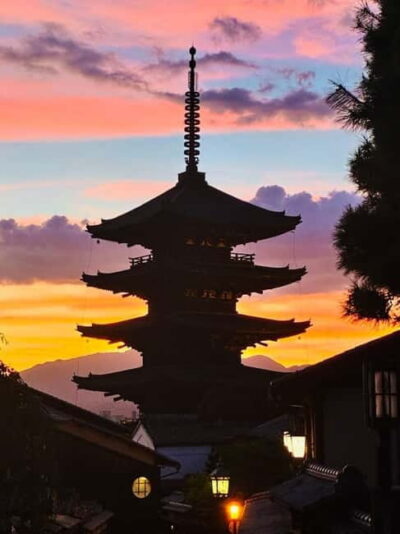
Kyoto Geisha Walking Tour: Gion District & Hidden Gems
Read our review →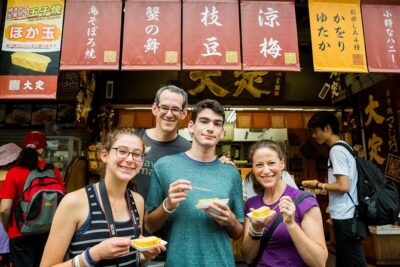
Tokyo Tsukiji Fish Market Food and Culture Walking Tour
Read our review →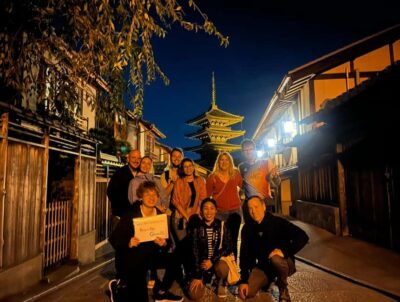
Gion Magical Night Walking Tour with Geisha Trivia
Read our review →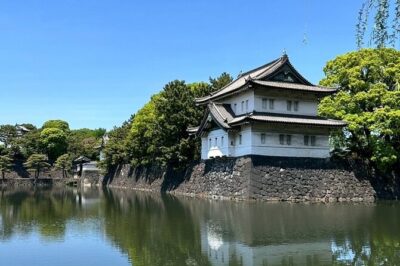
Imperial Palace and Shogun Historical Walking Tour
Read our review →
Gion Geisha District Walking Tour – Stories of Geisha
Read our review →
Shinjuku Local Bar and Izakaya Guided Walking Tour
Read our review →
Browse the lists this tour appears in