
Reviewed · TEMPLES AND SHRINES
Kiyomizu Temple and Backstreets of Gion, Half Day Group Tour
Kyoto reveals itself on foot. This four-hour walk links Kiyomizu-dera and Kennin-ji with the old lanes of Higashiyama and Gion, giving you temples, shrines, views, and local cultural context in one well-packed morning or afternoon. I like the small maximum of eight people, and I like that guides such as Mitsuhiko, Mika, Takuma, Kiyoto, and Toshi have been praised for clear explanations, good pacing, and flexibility.
The main tradeoff is the walking. You climb toward Kiyomizu-dera, then work your way down through sloping lanes and crowded streets. The tour is described as private and customizable, but it is also sold as a group experience with a maximum of eight people, so confirm the format when booking if that distinction matters to you.
In This Review
- Key points to know before you book
- Starting at the Kyoto Ceramic Center
- Climbing toward Kiyomizu-dera
- Sannenzaka and Ninenzaka, Kyoto’s sloping old streets
- Yasaka Pagoda and a small garden stop
- Yasaka Koshin-do and its colorful charms
- Yasui-Konpiragu and the custom of cutting ties
- Kennin-ji, a calmer side of Kyoto
- Walking through Gion and Hanamikoji
- How the four-hour schedule feels
- What the guides add
- Is $59.45 a fair price?
- Who should book this walk?
- Should you book the Kiyomizu Temple and Gion tour?
- FAQ
- How long does the tour last?
- Where does the tour begin?
- Where does the tour end?
- Is admission included?
- How many people can join the tour?
- Is this a walking tour?
- Does the tour run in bad weather?
- What happens if I need to cancel?
Key points to know before you book
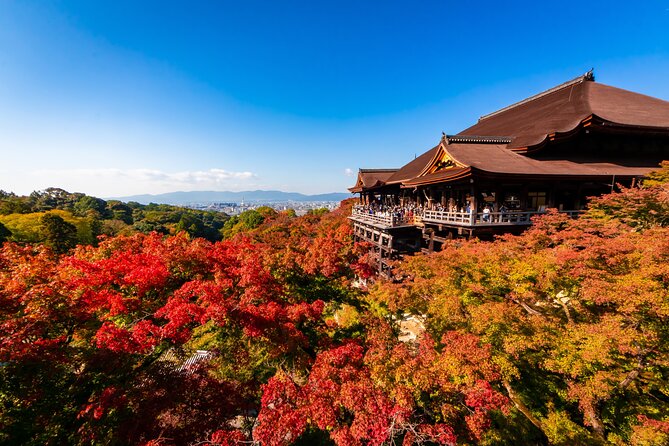
- Kiyomizu-dera anchors the route: You spend about an hour at Kyoto’s famous hillside temple, with admission included.
- The walk links major sights naturally: Sannenzaka, Ninenzaka, Yasaka Pagoda, Yasaka Koshin-do, Yasui-Konpiragu, and Gion fit into one route.
- Kennin-ji provides a quiet finish: About 50 minutes here brings Zen Buddhism and calm temple grounds after the busy streets.
- Small groups make a difference: The maximum is eight people, useful in narrow lanes and crowded temple approaches.
- Guides adapt to the group: Past tours have included children, solo visitors, and people interested in food, history, religion, and local customs.
- The price includes key temple admissions: At $59.45 per person, the value rests mainly in the guide’s time, route planning, and cultural explanation.
Starting at the Kyoto Ceramic Center
The meeting point is in front of the Kyoto Ceramic Center, officially the Kyoto Ceramic Art Association Official Shop and Gallery, at 583-1 Yūgyōmaechō in Higashiyama Ward. The first stop takes about 10 minutes and has no admission charge.
This is a useful starting point because it puts you near the Kiyomizu area rather than wasting tour time on a long transfer. You begin close to the neighborhood you came to see, then move into the temple approach on foot.
The exact meeting point matters in Kyoto. Higashiyama has many similar-looking streets, shops, and temple entrances, so save the address before you leave your hotel. The tour uses a mobile ticket, and confirmation arrives when you book.
More Temples and Shrines in Kyoto
- [Kyoto & Nara Day Tour] Sagano Scenic Railway & Nara Park & Fushimi Inari Taisha Thousand Torii Gates & Togetsukyo Bridge & Bamboo Grove & Kimono Forest (Departing from Osaka)
★ 4.9 · 10,942 reviews - Kyoto: Fushimi Inari, Kinkakuji, Bamboo Grove 1 Day Bus Tour
★ 4.8 · 4,316 reviews - Kyoto: Tea Ceremony in a Traditional Tea House in Kiyomizu
★ 4.9 · 3,519 reviews
Climbing toward Kiyomizu-dera
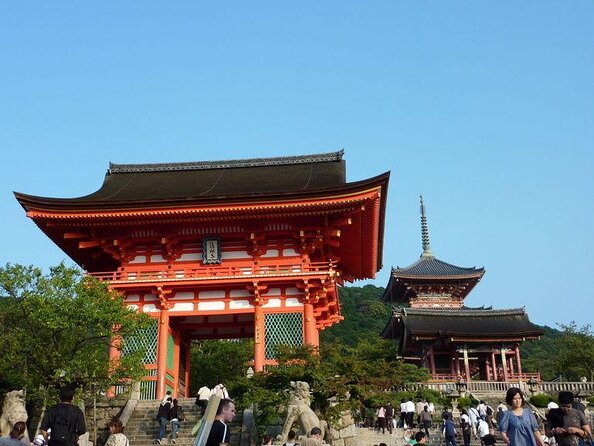
Kiyomizu-dera receives about an hour, including time for the guide to explain its cultural and religious importance. Admission is included, which simplifies the visit and makes the $59.45 price easier to assess.
The temple is a UNESCO World Heritage Site and one of Kyoto’s most visited places. That popularity has a cost: the approach can be crowded, especially around the shops and slopes leading upward. This is where a guide earns the fee. Toshi was praised for handling the packed area and helping the group avoid wasting time, while Mika was noted for calmly guiding people through heavy foot traffic.
You should expect an uphill walk before you reach the temple. Comfortable shoes are not a polite suggestion here. The route is manageable for most people, but the combination of slopes, crowds, and several hours on foot can tire anyone carrying luggage or wearing stiff shoes.
A good guide adds more than directions. At Kiyomizu-dera, the value comes from learning how the temple connects to Japanese culture, Buddhist practice, and Kyoto’s past. The site can be beautiful when seen alone, but it is easy to leave with only photographs if you do not understand what you are looking at.
The hour is long enough for a useful visit without turning the tour into a single-site excursion. Still, do not expect a slow, exhaustive study of every building. This is an introduction to Kyoto, not a full temple seminar.
Sannenzaka and Ninenzaka, Kyoto’s sloping old streets
After Kiyomizu-dera, the route spends about 30 minutes on Sannenzaka and Ninenzaka. These historic streets lead toward the temple and are lined with traditional wooden buildings, shops, snack counters, and places selling Kyoto goods.
Sannenzaka, also called Three-Year Slope, is the longer and steeper stretch. Ninenzaka, or Two-Year Slope, is a little gentler. Their names are tied to old beliefs about luck and misfortune, which gives the guide a natural opening to explain how folklore fits into daily life.
This section is one of the most enjoyable parts of the route because it puts Kyoto’s temple district in a living neighborhood rather than isolating each religious site. You can look at old wooden facades, browse small shops, and see how tourism and local tradition share the same narrow streets.
The drawback is crowding. These lanes are popular, and stopping for photographs can slow the group. Stay close to your guide and watch your footing on the slopes. The route is not suited to someone hoping for a silent stroll through empty streets.
One guide was especially praised for adding Japanese snacks to the experience. Food is not listed as a guaranteed part of the tour, so do not book it as a tasting walk. Still, the route leaves room for useful food recommendations or a snack stop if your guide and schedule allow.
Yasaka Pagoda and a small garden stop
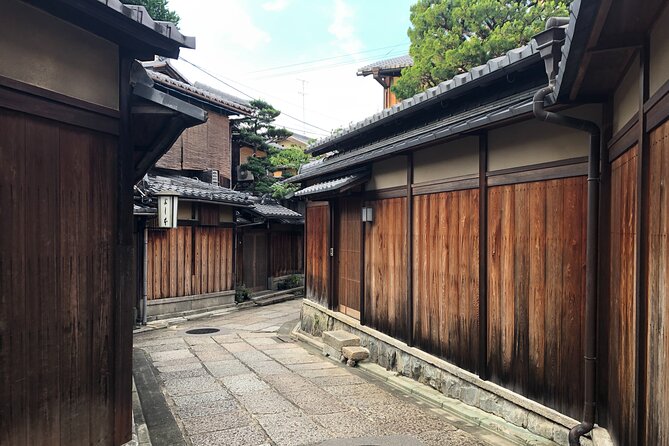
The route also includes views or visits around Yasaka Pagoda and a Japanese garden near Kiyomizu-dera. The pagoda is a five-story landmark and one of the most recognizable sights in this part of Kyoto.
Yasaka Pagoda works well as a visual pause. After the larger temple complex and busy shopping streets, its traditional form gives you a clear sense of the area’s older character. The surrounding wooden buildings help explain why this part of Higashiyama is so often pictured in guides to Kyoto.
The garden stop is described as a peaceful Japanese garden with ponds, wooden bridges, and carefully placed plants. The supplied schedule does not give it a separate stop number or a precise visit length, so the amount of time may depend on the day, walking speed, and group interests.
That uncertainty is worth noting. The tour covers many places in four hours, so some minor points may be brief or viewed along the route rather than explored at length. If the garden is a top priority, tell the guide at the beginning.
A completely different kind of day out:
- PERFECT KYOTO 1-Day Bus Tour
★ 5.0 · 13,518 reviews - Kyoto: Gion Make Your Own Chopsticks with Engraving Option
★ 5.0 · 3,465 reviews - Kyoto Nara Day Trip │ Kiyomizu-dera Temple + Fushimi Inari-taisha Shrine + Nara Park (Departing from Osaka/Kyoto)
★ 4.7 · 3,408 reviews - Kyoto Geisha Walking Tour: Gion District & Hidden Gems
★ 4.7 · 3,273 reviews
Yasaka Koshin-do and its colorful charms
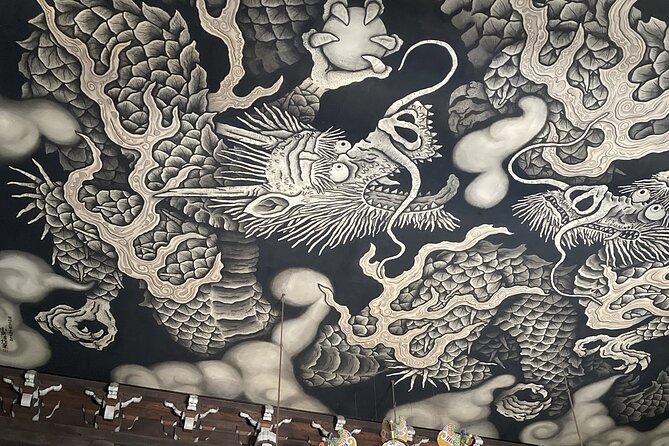
Yasaka Koshin-do takes about 10 minutes and is free to enter. It is a small temple near Yasaka Shrine, dedicated to Koshin, a guardian deity associated with protection from illness and misfortune.
The site is known for colorful kukurizaru, small hanging charms shaped like round, bound monkeys. The bright display makes this a quick but memorable stop, especially after the grand scale of Kiyomizu-dera.
Ten minutes is enough to hear the basic story and take in the visual details. It is not enough for a long religious discussion, so think of this as a focused introduction. I like this sort of stop because it shows you a smaller place with a distinct local tradition, not only Kyoto’s most famous monuments.
Yasui-Konpiragu and the custom of cutting ties
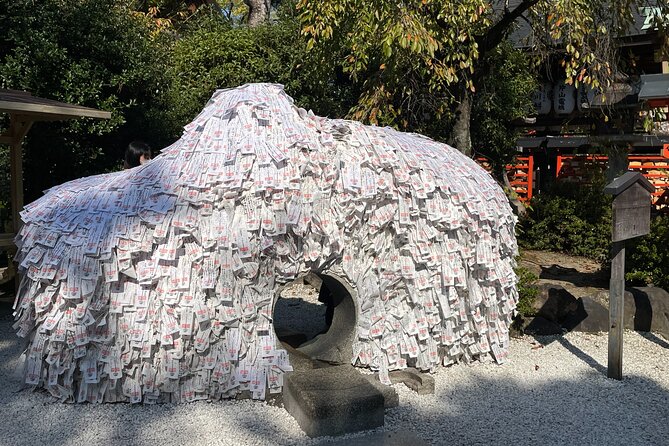
Next comes Yasui-Konpiragu, a Shinto shrine visited by people who want to cut negative relationships and form positive ones. The shrine is famous for a distinctive ritual involving a large stone covered with written wishes and prayers.
The guide can explain the meaning behind the practice and the difference between Shinto customs and Buddhist traditions you encountered earlier. That contrast is one reason a guided route works better than a checklist of buildings. You are not simply moving from one photo stop to the next.
The visit lasts about 10 minutes and is free. Lines can form for the shrine’s ritual, so your actual time there may feel short. If you want to take part rather than simply observe, ask your guide how much time is available.
Kennin-ji, a calmer side of Kyoto
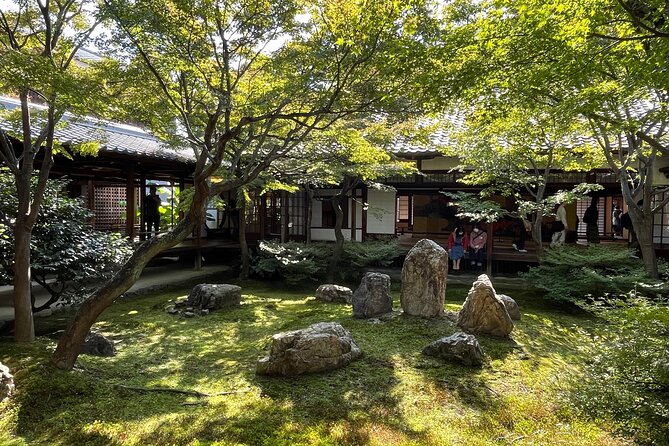
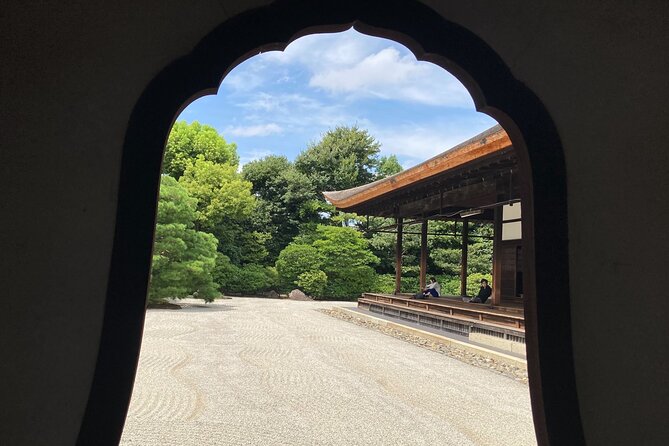
Kennin-ji receives about 50 minutes, with admission included. Founded in 1202, it is Kyoto’s oldest Zen temple, and its central location makes its quiet grounds feel like a welcome change after Higashiyama’s crowded lanes.
The Dharma Hall is one of the key sights. Inside and around the temple, the focus shifts from the busy commercial approach to Zen ideas, temple design, and deliberate quiet. This is where guides such as Takuma and Kiyoto can add real value by explaining Buddhist practice in plain language and answering questions.
Kiyoto was praised for tailoring the walk to personal interests and offering broader advice about Japan. That kind of flexibility is especially useful at Kennin-ji, where you may want more explanation about Zen, art, architecture, or the role of temples in Kyoto life.
The 50-minute visit gives the temple room to breathe. Even so, you should not expect complete solitude. Kennin-ji is a popular sight, and the tour moves on to Gion afterward.
Walking through Gion and Hanamikoji
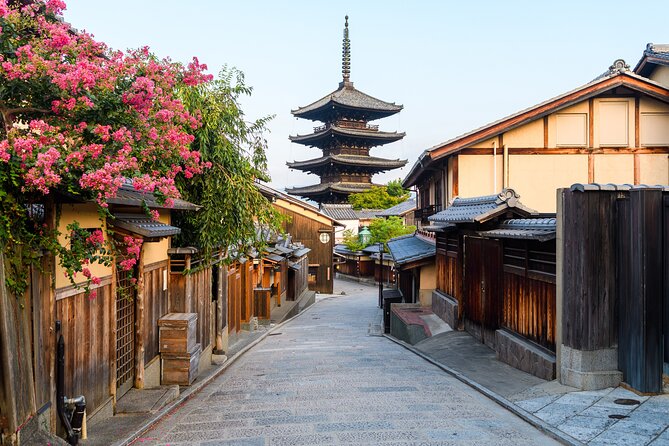
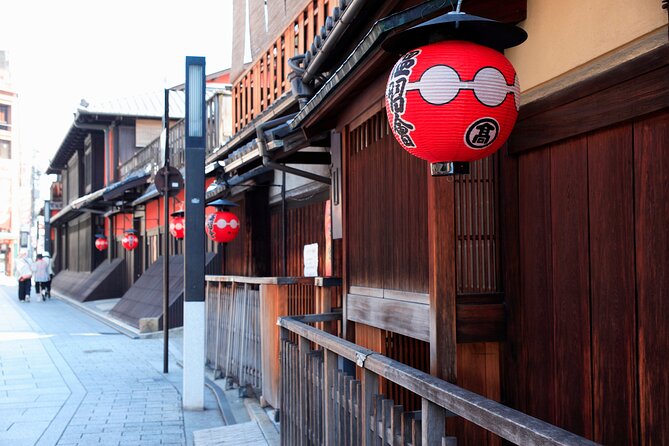
The final section leads through Gion, Japan’s largest geisha district, including Hanamikoji. The street is lined with traditional machiya houses, teahouses, shops, and restaurants.
This is a place to slow down and observe. Gion is not a theme park, and the wooden facades are not simply scenery for photographs. They are part of a working district with residents, businesses, and strict expectations about respectful behavior.
Your guide can help explain the difference between what you see from the street and what happens inside the teahouses. You may also learn about geisha culture, though the tour does not promise a performance or a meeting with geisha.
The end point is at 571 Gionmachi Minamigawa in Higashiyama Ward. Finishing in Gion is practical because you can continue exploring, find a meal, or use nearby public transportation. One past participant especially enjoyed sharing ramen after the walk, but that meal is not part of the tour, so treat it as a possible follow-up idea rather than an included feature.
How the four-hour schedule feels
The listed stops add up to roughly 160 minutes of formal sightseeing, plus the initial meeting and time spent walking between locations. That fits a four-hour experience, but the schedule is full.
You will climb first, visit Kiyomizu-dera, descend through the old streets, pause at several small religious sites, spend nearly an hour at Kennin-ji, and finish in Gion. The route makes geographic sense, but it is not a lazy walk.
That pace has an advantage: you can cover several major Kyoto sights in half a day. It also means you should not schedule a tight appointment immediately afterward. The operator warns that the finish can be delayed, and that is sensible advice in a crowded walking district.
The tour runs rain or shine. Bring suitable clothing for the forecast, since much of the experience takes place outdoors. Public transportation is nearby, but the tour itself is a walking experience rather than a vehicle-based sightseeing trip.
What the guides add
The strongest part of this experience is the human element. Mitsuhiko was praised for organization, information, and a steady pace. Mika received praise for guiding calmly through crowded areas and making the history and culture easy to follow.
Takuma was described as warm, engaging, and especially good at making temple history interesting. Another guide, also identified as Takuma Goda, was praised for organizing the uphill temple visit, the downhill walk, and the final meditative stop in a clear order.
Kiyoto’s strength was personal attention. He adjusted the tour to individual interests, answered questions about Japan, and offered recommendations beyond the route. That is useful if this is your first day in Kyoto and you need help deciding what to see next.
A family with two children found the guide willing to adjust the pace and follow the children’s interests. That suggests the tour can work for families, although the hills and four-hour duration still require reasonable stamina.
Guide quality can vary because several guides lead the experience. The consistent pattern is friendliness, cultural explanation, flexible pacing, and local route knowledge. If you have a strong interest in Zen, food, architecture, or family-friendly pacing, say so early.
Is $59.45 a fair price?
At $59.45 per person, the tour is not the cheapest way to walk around Higashiyama. Several stops are free, including Sannenzaka, Ninenzaka, Yasaka Koshin-do, and Yasui-Konpiragu.
The value comes from the route and the guide. Admission is included at Kiyomizu-dera and Kennin-ji, the two main temple visits. You also avoid spending time figuring out the best order, finding entrances, and working out how to move through crowded streets.
For a first visit, I think the price is fair if you want context and efficiency. A solo visitor coming to Kyoto for one day may find it especially useful. The route covers the main Higashiyama sights without requiring separate planning, and the small group keeps the experience more personal than a large coach tour.
If you already know Kyoto well, speak Japanese, and prefer to wander at your own speed, the fee may be harder to justify. You can walk many of these streets independently, though you will give up the explanations and local guidance.
Who should book this walk?
I would recommend it to first-time visitors, history and culture fans, solo visitors with limited time, and families who want a guide willing to adjust the pace. It is also a good fit if you want to understand the difference between Buddhist temples and Shinto shrines while seeing several of both.
You should be comfortable walking uphill and downhill for several hours. The tour is not ideal if you want a quiet, uncrowded experience, a slow photography session, or a vehicle ride between sights.
Free cancellation is available up to 24 hours before the start time. Changes or cancellations made later are not accepted for a refund, so keep that deadline in mind when arranging your Kyoto schedule.
Should you book the Kiyomizu Temple and Gion tour?
Book it if you want a well-planned introduction to Kyoto’s Higashiyama and Gion districts, with a guide who can explain religion, history, food, and local customs along the way. The strongest reasons are the small group, the included temple admissions, the sensible uphill-then-downhill route, and the guides’ record of good pacing and personal attention.
Skip it if you prefer to explore independently or if four hours of slopes and crowds sounds tiring. For most first-time visitors, though, $59.45 buys more than entry tickets. It buys a clear route through one of Kyoto’s most confusing and rewarding districts, with someone nearby to explain what you are seeing.
FAQ
How long does the tour last?
The tour lasts approximately four hours.
Where does the tour begin?
It begins in front of the Kyoto Ceramic Center, at 583-1 Yūgyōmaechō, Higashiyama Ward, Kyoto, 605-0864, Japan.
Where does the tour end?
It ends at 571 Gionmachi Minamigawa, Higashiyama Ward, Kyoto, 605-0074, Japan.
Is admission included?
Admission is included for Kiyomizu-dera and Kennin-ji. The listed stops at the Kyoto Ceramic Center, Sannenzaka and Ninenzaka, Yasaka Koshin-do, and Yasui-Konpiragu have no admission charge.
How many people can join the tour?
The activity has a maximum of eight participants.
Is this a walking tour?
Yes. The experience takes place on foot and includes an uphill walk toward Kiyomizu-dera, followed by streets, temples, shrines, and Gion.
Does the tour run in bad weather?
Yes. The tour takes place rain or shine.
What happens if I need to cancel?
You can cancel up to 24 hours before the start time for a full refund. Cancellations or changes made less than 24 hours before the experience are not accepted for a refund.
Just added in Kyoto
- The “Golden Route” and Ancient Japan by DIAMIR Erlebnisreisen – 14-Day Tour★ 2.0 · 2 reviews
- Japan: Castles & Cuisine by G Adventures – 6-Day Kyoto to Osaka Tour★ 4.5 · 4 reviews
- Cycle Japan by Explore! – 13-Day Kyoto to Tokyo Tour★ 4.7 · 12 reviews
- Cycle Japan by Intrepid Travel – 11-Day Kyoto to Tokyo Tour★ 4.8 · 2 reviews
- Classic Japan by Intrepid Travel – 11-Day Kyoto to Tokyo Tour★ 4.4 · 14 reviews
- Ancient & Modern Japan 14-Day Tour by Exodus Adventure Travels★ 4.4 · 40 reviews
- 5 Day Cultural Adventure of Kyoto, Nara & Osaka by Tourist Journey★ 2.5 · 2 reviews
- 12 Days Kinosaki Onsen Escape: A Journey Through Japan’s Timeless Towns by UME Travel★ 4.8 · 5 reviews
Temples and Shrines, compared.
![[Kyoto & Nara Day Tour] Sagano Scenic Railway & Nara Park & Fushimi Inari Taisha Thousand Torii Gates & Togetsukyo Bridge & Bamboo Grove & Kimono Forest (Departing from Osaka)](https://media.japanvisits.com/wp-content/uploads/kyoto-nara-day-tour-sagano-scenic-railway-nara-park-fushimi-inari-taisha-thousand-torii-gates-togetsukyo-bridge-bamboo-grove-kimono-forest-departing-from-osaka-k110001-400x257.jpg)
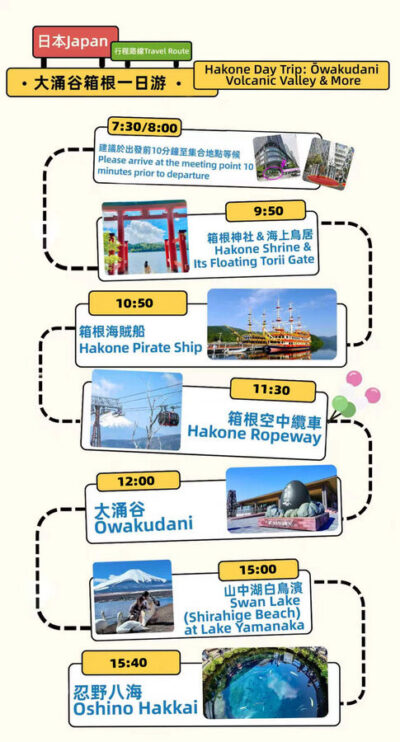
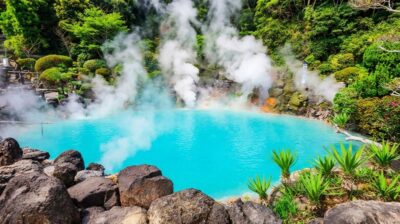
Kyushu One-Day Tour: Yufuin no Mori Train & Yufuin Town & Nyoirin-ji Temple & Dazaifu & Hell Hot Springs (Departing from Fukuoka)
Read our review →
Fushimi Inari, Kinkakuji, Bamboo Grove 1 Day Bus Tour
Read our review →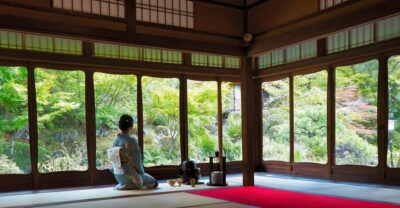
Tea Ceremony in a Traditional Tea House in Kiyomizu
Read our review →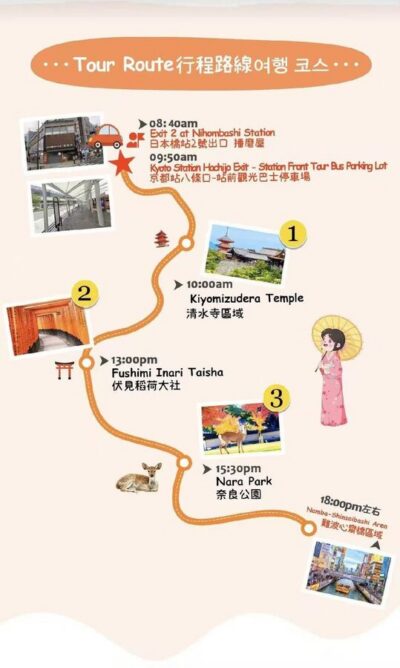
Kyoto Nara Day Trip │ Kiyomizu-dera Temple + Fushimi Inari-taisha Shrine + Nara Park (Departing from Osaka/Kyoto)
Read our review →
Browse the lists this tour appears in