
Reviewed · PRIVATE TOURS IN KYOTO
KIYOTO’s Kyoto Private Tour: Highlights & Hidden Gems
Kyoto rewards a well-planned first day. I like the private format, which gives your group a guide’s full attention, and I like the mix of famous sights and quieter corners, from Pontocho to Tatsumi Bridge. The main catch is scope: fitting 14 stops into 4 to 8 hours means some visits are brief, and admission fees and transport costs are extra.
The route covers a remarkable amount of ground, from Fushimi Inari and Kiyomizu-dera to the Golden Pavilion and Arashiyama. Guides such as Yuhey, Akiyo, Paren, and Kiyoto-san have been praised for flexibility, warm service, useful suggestions, and excellent photos.
This tour suits first-time visitors who want help finding their way through Kyoto’s spread-out sights. It is less suited to anyone who wants long, quiet temple visits, since the schedule works best as a broad introduction rather than a slow study of each place.
In This Review
- Five useful things to know before booking
- Why a private Kyoto guide can be worth the price
- Starting at Kyoto Station and finding your bearings
- Pontocho and the old lanes beside the Kamo River
- Fushimi Inari’s vermilion tunnel
- Kiyomizu-dera, Sannenzaka, and Ninenzaka
- Gion, Hanamikoji, and Tatsumi Bridge
- Nishiki Market and Kyoto’s food culture
- Kinkaku-ji, the Golden Pavilion
- Tenryuji and the Arashiyama bamboo path
- Kimono Forest and Togetsukyo Bridge
- The guides and the human side of the experience
- Timing, walking, and who should book
- Is this Kyoto tour a good buy?
- FAQ
- How long does the Kyoto private tour last?
- Where does the tour begin and end?
- Are attraction tickets included?
- Is transportation included?
- Is this a private activity?
- What is the cancellation policy?
Five useful things to know before booking
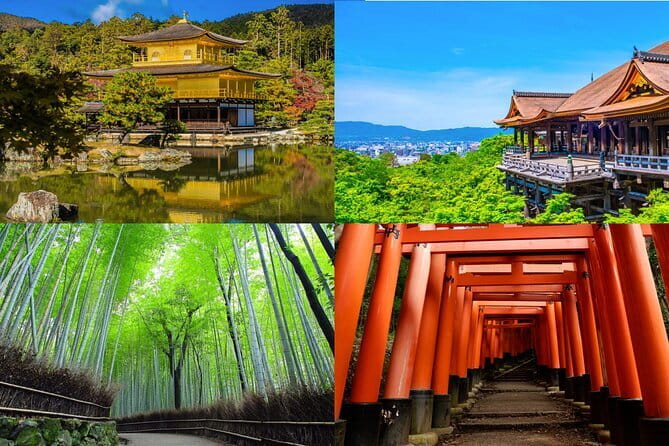
- Fourteen stops create a big-picture Kyoto day: You see shrine paths, temple grounds, old streets, food stalls, river views, and bamboo in one private outing.
- The private guide changes the pace: You can ask questions, adjust your interests, and spend more time where your group is most engaged.
- Admission and transport are extra: Kiyomizu-dera, Kinkaku-ji, and Tenryuji require separate entry fees, while public transport may add to the cost.
- Photography is part of the service: The guides are specifically selected for their friendly approach and ability to take appealing photos and short videos.
- The route is ambitious: A 4-hour version will need sharper choices, while the longer version gives you more breathing room.
Why a private Kyoto guide can be worth the price
At $177.90 per person, this is not a bargain walking tour in the usual sense. The value comes from having one guide for your own group, rather than sharing explanations and decisions with a large crowd.
You are paying for orientation as much as sightseeing. Kyoto’s major sights are spread across several districts, and a first visit can quickly turn into a day of checking train maps, searching for entrances, and wondering which lane leads to the temple you meant to see. A guide removes much of that friction.
The price makes the most sense for a small group that wants personal attention. If several people share the cost, the private arrangement can feel more reasonable, especially when you want help with photos, food choices, cultural questions, or a family-friendly pace.
The tour includes a passionate guide who aims to practice omotenashi, the Japanese idea of thoughtful hospitality. Food, drinks, attraction tickets, and transport are not included. You are also asked to cover those costs for the guide as well as for yourself, so keep that in your budget.
More Private Tours in Kyoto
- Kyoto 6hr Private Tour with Government-Licensed Guide
★ 5.0 · 1,369 reviews - 10 Must-see Spots in Kyoto One Day Private Tour (up to 7 people)
★ 5.0 · 1,108 reviews - Kyoto 4hr Private Tour with Government-Licensed Guide
★ 5.0 · 629 reviews
Starting at Kyoto Station and finding your bearings
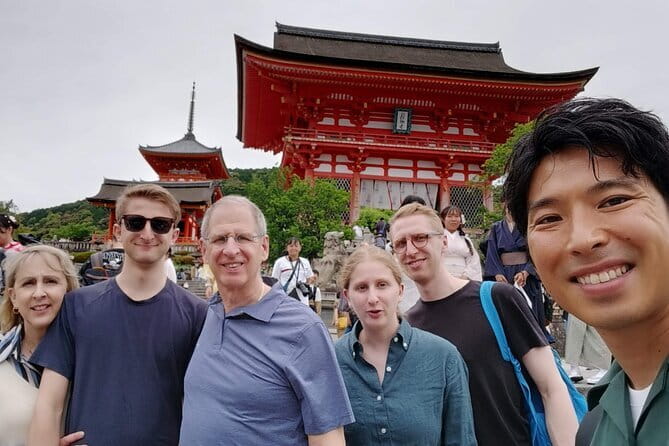
The meeting point is the Kyoto Tourist Information Center, Kyo-Navi, on the second floor of Kyoto Station Building. This is a practical place to begin because the station is a major transport hub and an easy reference point for anyone staying near central Kyoto.
The tour ends back at the same meeting point. That return arrangement is useful if you have evening plans, though the large route means you should confirm the day’s timing with your guide before setting a tight dinner reservation.
Because the published duration ranges from 4 to 8 hours, the exact experience can vary greatly. A shorter outing cannot give equal attention to all 14 stops. Ask early which sights matter most to you, especially if your group has children, older relatives, photography interests, or a strong preference for temples over shopping streets.
Pontocho and the old lanes beside the Kamo River
The first stop is Pontocho, a narrow lane running between Sanjo and Shijo streets along the Kamo River. It is one of Kyoto’s five geisha districts, with traditional buildings, restaurants, and tea houses.
The scheduled visit is only about 10 minutes, so think of this as an introduction rather than a full exploration. Your guide can help you notice the district’s old wooden facades and explain its place in Kyoto’s entertainment culture.
Pontocho is especially useful at the start because it gives you a quick sense of old Kyoto before the larger temple stops. The drawback is simple: the lane deserves more time than the schedule allows, and many restaurants are aimed at evening dining rather than casual daytime eating.
Fushimi Inari’s vermilion tunnel
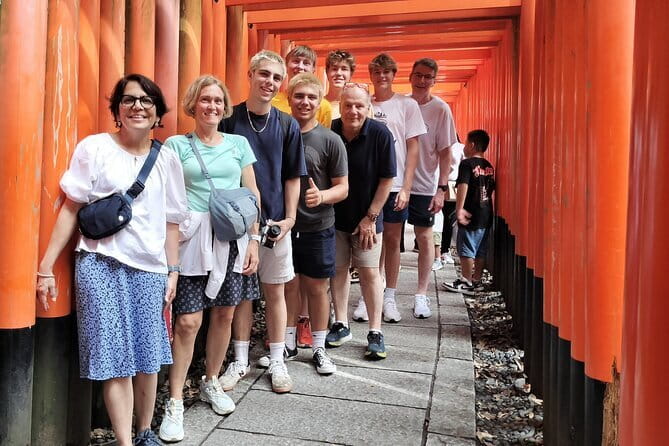
At Fushimi Inari-taisha, you enter the famous Senbon Torii, the long series of vermilion gates that climb the wooded slopes behind the shrine. The gates were donated over time, and their close-set rows create one of Kyoto’s most recognizable walks.
The planned visit is about an hour. That is enough to see the lower shrine area and walk through a meaningful section of the torii, but not enough for every path on the mountain.
This is one of the tour’s strongest early stops. It gives you a major Kyoto symbol, a dose of nature, and a chance to ask about Shinto customs while your guide is beside you. Wear shoes suitable for slopes and steps, and tell your guide if your group prefers a shorter walk.
A completely different kind of day out:
- PERFECT KYOTO 1-Day Bus Tour
★ 5.0 · 13,518 reviews - [Kyoto & Nara Day Tour] Sagano Scenic Railway & Nara Park & Fushimi Inari Taisha Thousand Torii Gates & Togetsukyo Bridge & Bamboo Grove & Kimono Forest (Departing from Osaka)
★ 4.9 · 10,942 reviews - Kyoto: Fushimi Inari, Kinkakuji, Bamboo Grove 1 Day Bus Tour
★ 4.8 · 4,316 reviews - Kyoto: Tea Ceremony in a Traditional Tea House in Kiyomizu
★ 4.9 · 3,519 reviews
Kiyomizu-dera, Sannenzaka, and Ninenzaka
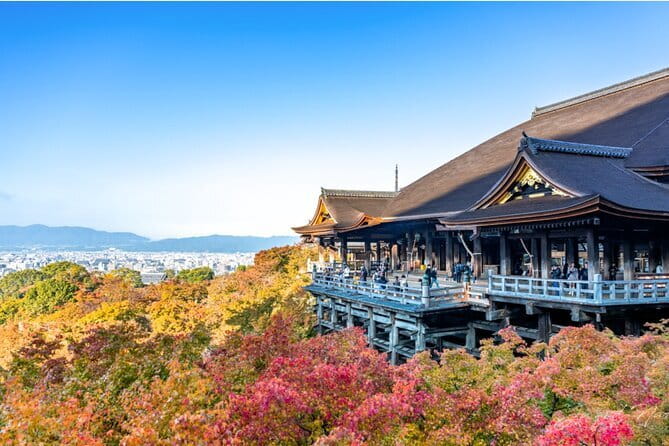
Kiyomizu-dera sits on the wooded slopes of Mount Otowa and is known for its large wooden stage and broad views over Kyoto. The temple visit lasts about an hour, but admission is not included.
This is a place where a private guide can add real value. The grounds contain several areas, and a guide can help you understand what you are seeing instead of leaving you to follow the crowd from one photo stop to the next.
Afterward, the route moves through Sannenzaka and Ninenzaka, stone-paved slopes lined with traditional-style shops and eateries. The streets are atmospheric, but they can be crowded and tiring, particularly because the route includes several walking districts in one day.
The five-minute stop at the machiya Starbucks is a novelty rather than a major cultural visit. The café occupies a traditional townhouse, and you can return later if you want to stay, but the tour continues. Treat it as a quick look at an unusual reuse of an old-style building, not as a coffee break.
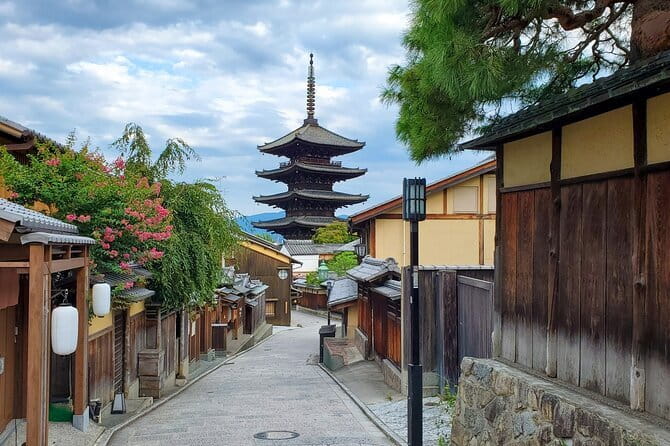
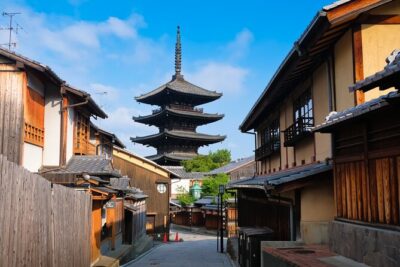
Nearby, the five-minute view of Yasaka Pagoda offers one of Kyoto’s most familiar photo settings. Hokan-ji Temple’s pagoda rises above the Higashiyama streets, creating a strong old-Kyoto image, though the short timing means you will mainly pause for photos.
Gion, Hanamikoji, and Tatsumi Bridge
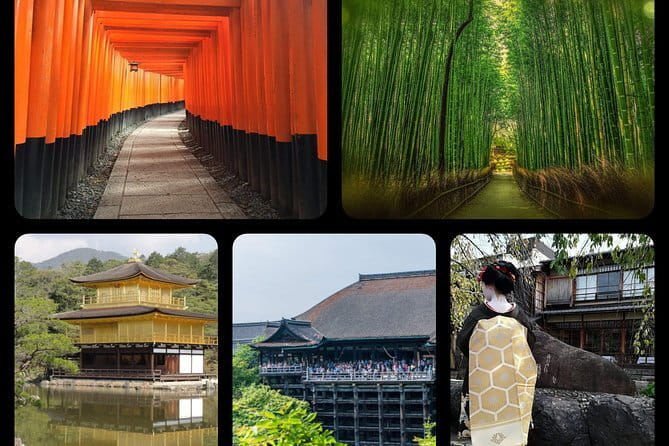
Hanamikoji Street runs through Gion, Kyoto’s best-known geisha district. Its stone paving and traditional buildings make it one of the most photogenic parts of the route.
The visit is scheduled for about five minutes, so your guide will likely point out the main details and keep the group moving. Remember that Gion is a working neighborhood, not a theme park. Walk quietly, avoid blocking entrances, and do not photograph people without permission.
Tatsumi Bridge is a smaller stop with a gentler mood. It crosses the Shirakawa River and offers a pleasant view of the water, wooden buildings, and narrow streets around it. Ten minutes is enough for a pause and a few pictures, but you will not be lingering beside the river for long.
These stops show why the private format helps. You can ask your guide to explain the difference between a geisha and an apprentice geisha, or ask for suggestions for returning to Gion later. The guide’s personal knowledge may vary, however. One piece of feedback praised a guide’s kindness and photography while noting that the guide was new to Japan and had limited cultural and language knowledge. If detailed historical interpretation is essential to you, ask about your guide’s background before booking.
Nishiki Market and Kyoto’s food culture
Nishiki Market is known as Kyoto’s Kitchen, a narrow food market filled with ingredients, snacks, pickles, seafood, sweets, and other Japanese specialties. The planned hour here is more generous than the time at Gion’s short photo stops.
Food is not included, so bring money if you want to sample anything. A guide can help you understand unfamiliar foods and avoid wasting time on stalls that do not interest your group.
Nishiki is also a good place to tell your guide what you like. You might want to focus on sweets, regional ingredients, small bites, or gifts. The market can feel crowded, and it is not the easiest place for a large group to move together, but a private guide can keep the visit focused.
Kinkaku-ji, the Golden Pavilion
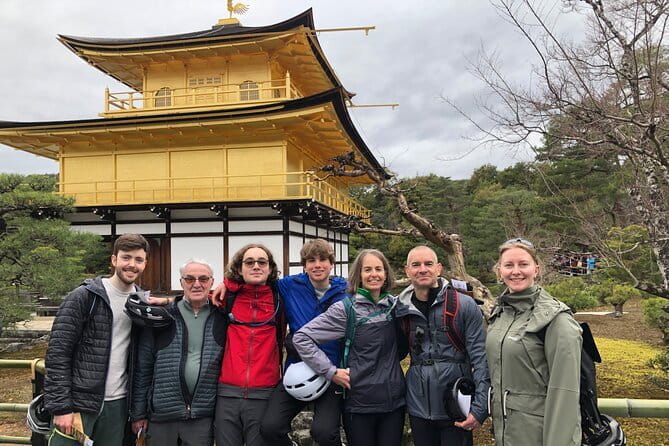
Kinkaku-ji, or the Golden Pavilion, is one of Kyoto’s essential sights. Its upper floors are covered in gold leaf, and the pavilion reflects in the pond in front of it.
The visit lasts about an hour, with admission charged separately. The main view is memorable, but the grounds also offer paths and garden views that deserve attention if time allows.
This stop is popular for good reason, though it is not a quiet experience. You will share the approach with many other people, and the visit is arranged around a set route. A guide helps by providing context and by keeping your schedule on track, but no private tour can make the pavilion empty.
Tenryuji and the Arashiyama bamboo path
Tenryuji is a Zen temple founded in 1339 by Ashikaga Takauji on the site of a former imperial villa. It honors Emperor Go-Daigo and has an important place in Arashiyama’s religious and political past.
The scheduled temple visit is 30 minutes, and admission is extra. That is enough for a compact look, but a longer stay would suit anyone interested in garden design, Zen temples, or the site’s past.
The Arashiyama Bamboo Forest follows, with about 30 minutes on the famous path. Bamboo rises on both sides, creating a striking green corridor. The path is not very long, but it is one of Kyoto’s most photographed places, so expect other people and keep your expectations realistic.
The private guide is helpful here because the bamboo path itself is easy to follow, while the surrounding Arashiyama area is less simple to fit into a first visit. You can ask for help with photos or decide if your group wants to give more time to Tenryuji instead.
Kimono Forest and Togetsukyo Bridge
The Arashiyama Kimono Forest is an art installation near Randen Arashiyama Station. Around 600 cylindrical pillars, each about two meters tall, display kimono textiles.
This is a quick 10-minute stop and works well as a colorful change after the temple and bamboo path. It is not an old shrine or temple, but it shows a modern way of presenting Japanese textile design.
Togetsukyo Bridge crosses the Oi River for 155 meters. Its name means Moon-Crossing Bridge, and the surrounding river views give Arashiyama a more open, natural finish.
The bridge stop lasts about 10 minutes. You will get the main view and a few photographs, but the schedule may leave you wishing for extra time along the river. If this is one of your priorities, say so before the day begins.
The guides and the human side of the experience
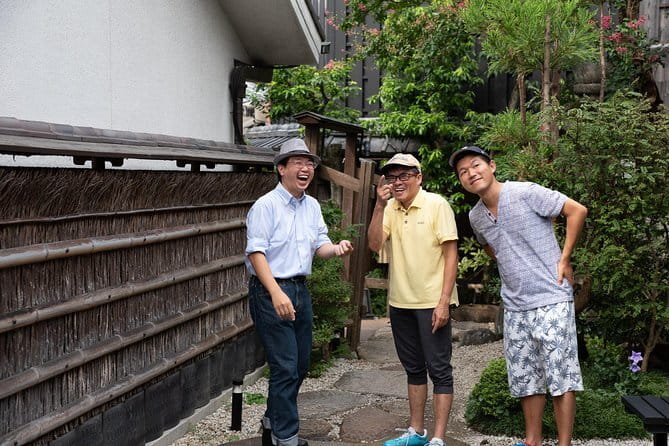
The strongest part of this tour is the guide relationship. Yuhey has been praised for an easygoing manner, broad knowledge, and a willingness to change course when a group became interested in something unexpected.
Akiyo was especially praised for balancing major sights with less familiar places, including an introduction to a master pottery maker. That kind of personal connection cannot be promised on every departure, but it shows what a flexible private day can make possible.
Paren guided a family on a rainy afternoon and kept the outing casual, informative, and adaptable to different interests. Kiyoto-san has also handled customized multi-day planning, offered suggestions for time after the tour, and created photos and a short video for the group.
The important point is that guide quality may differ. Warmth, patience, and photo help appear to be central aims, but historical depth and language ability are not identical across every guide. If you want a specialist in Japanese religion, architecture, food, or photography, make that request clearly.
Timing, walking, and who should book
This is primarily a walking experience. Public transport may be used at an additional cost, and the guide’s transport costs are also your responsibility.
The route includes slopes at Fushimi Inari, temple grounds, stone streets around Kiyomizu-dera, market lanes, and several districts spread across Kyoto. You should be comfortable with a full day of movement, though the private setup lets you discuss adjustments.
I would choose this tour if you have limited time in Kyoto and want a broad introduction without managing every transfer yourself. It also suits families and couples who want photos and a more relaxed conversation than a large group can offer.
I would hesitate if you already know Kyoto well, want to spend half a day at one temple, or dislike a packed schedule. In that case, ask for a shorter custom route built around two or three districts.
Free cancellation is available up to 24 hours before the local start time. Confirmation arrives at booking, service animals are allowed, and the activity is near public transport. Most people can participate, but the walking and slopes still make it sensible to discuss mobility needs in advance.
Is this Kyoto tour a good buy?
Book it if you want to see Kyoto’s major sights efficiently, value a guide who can take photos, and like having room to ask questions or adjust the day. The private arrangement, friendly service, and strong record of positive feedback make the $177.90 price easier to justify for a small group.
Before paying, clarify the planned duration, the stops that will receive the most time, the guide’s background, and the expected transport and admission costs. That small conversation can turn an overfull checklist into a day that fits your interests.
Skip it if your main goal is slow temple study or independent wandering. For a first visit, though, this is a useful way to get oriented, see a wide sweep of Kyoto, and learn which places deserve your return.
FAQ
How long does the Kyoto private tour last?
The experience lasts approximately 4 to 8 hours. The available time affects how long you can spend at each of the 14 listed stops.
Where does the tour begin and end?
It begins at the Kyoto Tourist Information Center Kyo-Navi on the second floor of Kyoto Station Building. The activity ends back at the same meeting point.
Are attraction tickets included?
No. Admission to Kiyomizu-dera, Kinkaku-ji, and Tenryuji is not included. Food, drinks, and other attraction tickets are also separate.
Is transportation included?
No. The experience is primarily on foot. Public transport may be used at an additional cost, and you are asked to cover the guide’s related costs as well.
Is this a private activity?
Yes. Only your group participates, so you have the guide’s attention and can ask for flexibility during the day.
What is the cancellation policy?
You can cancel at least 24 hours before the local start time for a full refund. Cancellations or changes made less than 24 hours before the start time are not accepted for a refund.
Just added in Kyoto
- The “Golden Route” and Ancient Japan by DIAMIR Erlebnisreisen – 14-Day Tour★ 2.0 · 2 reviews
- Japan: Castles & Cuisine by G Adventures – 6-Day Kyoto to Osaka Tour★ 4.5 · 4 reviews
- Cycle Japan by Explore! – 13-Day Kyoto to Tokyo Tour★ 4.7 · 12 reviews
- Cycle Japan by Intrepid Travel – 11-Day Kyoto to Tokyo Tour★ 4.8 · 2 reviews
- Classic Japan by Intrepid Travel – 11-Day Kyoto to Tokyo Tour★ 4.4 · 14 reviews
- Ancient & Modern Japan 14-Day Tour by Exodus Adventure Travels★ 4.4 · 40 reviews
- 5 Day Cultural Adventure of Kyoto, Nara & Osaka by Tourist Journey★ 2.5 · 2 reviews
- 12 Days Kinosaki Onsen Escape: A Journey Through Japan’s Timeless Towns by UME Travel★ 4.8 · 5 reviews
Private Tours in Kyoto, compared.
Kyoto 6hr Private Tour with Government-Licensed Guide
Read our review →
10 Must-see Spots in Kyoto One Day Private Tour (up to 7 people)
Read our review →
Kyoto 4hr Private Tour with Government-Licensed Guide
Read our review →
Private Kyoto Tour with Licensed Guide & Vehicle (Max 15 persons)
Read our review →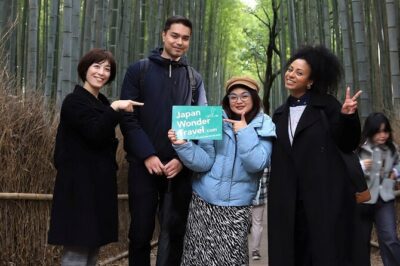
Kyoto Customized Private Tour: See Top Attractions in 1 Day
Read our review →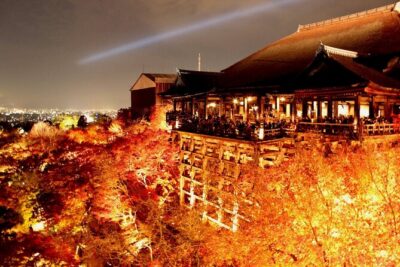
Explore Kyoto | Private Tour – Local English Driver(guide option)
Read our review →
Highlights & Hidden Gems With Locals: Best of Kyoto Private Tour
Read our review →Browse the lists this tour appears in