
Reviewed · PRIVATE TOURS IN KYOTO
Kyoto 4hr Private Tour with Government-Licensed Guide
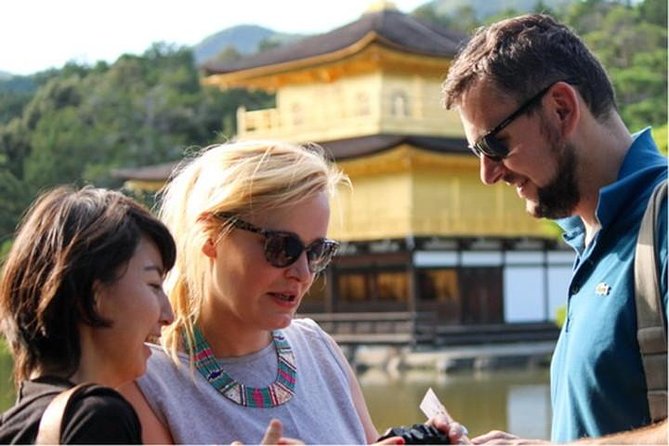
Kyoto rewards a smart plan. This private half-day tour gives you a nationally licensed English-speaking guide and the freedom to choose two or three places that fit your interests, rather than racing through a fixed checklist. I like the personal hotel pickup on foot, and I like that guides such as Yuri, Yuka, Nabet, and Tomy help you handle Kyoto’s trains, buses, taxis, and confusing station signs.
The main consideration is time. Four hours is enough for a focused introduction, but not enough to combine Fushimi Inari, Arashiyama, Kinkakuji, Gion, and several temples without rushing. You also pay entrance fees and transportation costs separately, and a private vehicle requires an additional upgrade.
In This Review
- The best reasons to book this Kyoto tour
- Why a private guide helps in Kyoto
- Four hours means choosing carefully
- Fushimi Inari and Kyoto’s eastern side
- Markets, food, and evening Kyoto
- Nijo Castle, the Imperial Palace, and formal Kyoto
- Kinkakuji, Ryoanji, and northwest Kyoto
- Arashiyama deserves more than a quick photograph
- The northern mountains and Uji option
- Transport, walking, and extra costs
- Who will get the most from this tour
- Should you book the Kyoto private tour?
- FAQ
- How long is the Kyoto private tour?
- How many sights can I visit?
- Is hotel pickup included?
- Is transportation included in the price?
- Are entrance fees included?
- Is this a private tour?
- Can I visit Arashiyama during the tour?
- Can the tour include Byodoin Temple?
- What is the cancellation policy?
The best reasons to book this Kyoto tour
- Choose two or three sights: Build the afternoon around temples, shrines, markets, gardens, or historic neighborhoods that interest you most.
- Meet at your hotel: Your guide comes to the front door on foot within the designated Kyoto pickup area.
- Use Kyoto like a local: Public transportation and taxis are part of the experience, with a private car available at extra cost.
- Get help with cultural context: Guides explain temple customs, religious traditions, Japanese history, food, and local etiquette.
- Make the day work for your group: Guides have adjusted routes for children, heat, rain, tight schedules, and changing energy levels.
- Expect a strong satisfaction record: The experience carries a 4.9 rating from 629 ratings, with 97 percent recommending it.
Why a private guide helps in Kyoto
Kyoto is easy to admire and surprisingly easy to mismanage. Its major sights are scattered across the city, and two locations that look close on a map may require a train, bus, or taxi between them. A guide can help you avoid wasting the first hour figuring out which platform, bus stop, or station exit to use.
The real value is not simply being led from one gate to another. A good guide explains what you are looking at and why it matters. A shrine visit can become a lesson in Shinto customs. A Zen garden can make more sense when someone explains its design. A market stop can reveal how Kyoto cooks and shops, rather than becoming a quick parade of snacks.
The private format also changes the pace. You can ask questions, stop for photographs, shorten a visit, or spend longer at a place that catches your attention. A family can slow down for a child, while a history-minded couple can spend more time on architecture and religion.
This flexibility has been especially useful for families. Guide Ken adjusted a route around children’s energy, found a kimono rental activity for a daughter, pointed out samurai connections for a seven-year-old, and made time for lunch when the children needed a break. That is the kind of practical help a fixed group tour rarely provides.
More Private Tours in Kyoto
- Kyoto 6hr Private Tour with Government-Licensed Guide
★ 5.0 · 1,369 reviews - 10 Must-see Spots in Kyoto One Day Private Tour (up to 7 people)
★ 5.0 · 1,108 reviews - Kyoto: Private Tour with Local Licensed Guide
★ 4.8 · 463 reviews
Four hours means choosing carefully
The tour includes a customizable itinerary of two or three sites from a long list of Kyoto attractions. That sounds broad, but it is not an invitation to visit everything listed. Kyoto’s geography makes that impossible in four hours.
A smart plan groups nearby sights. For example, Fushimi Inari works well with Tofukuji or Toji. Gion, Kenninji, Kiyomizudera, and parts of Higashiyama can form an eastern Kyoto route. Nishiki Market pairs naturally with Pontocho and Gion. Kinkakuji can be combined with Ryoanji or Ninnaji, though even that route requires attention to transport time.
Arashiyama deserves its own focused half-day. You might combine Tenryuji, the Togetsukyo Bridge, and the bamboo paths, but adding several smaller temples can make the afternoon feel rushed. The northern mountain choices, such as Kibune, Kurama, and Shugakuin Imperial Villa, require even more planning because they sit farther from central Kyoto.
Before the tour, decide what matters most:
- Major landmarks and first-time Kyoto highlights
- Buddhist temples and Zen gardens
- Shinto shrines and religious customs
- Food, markets, and traditional neighborhoods
- Gardens, imperial villas, and architecture
- A route suitable for children or limited walking
Tell the guide your priorities clearly. The best experiences described here began with advance communication and a realistic plan.
Fushimi Inari and Kyoto’s eastern side
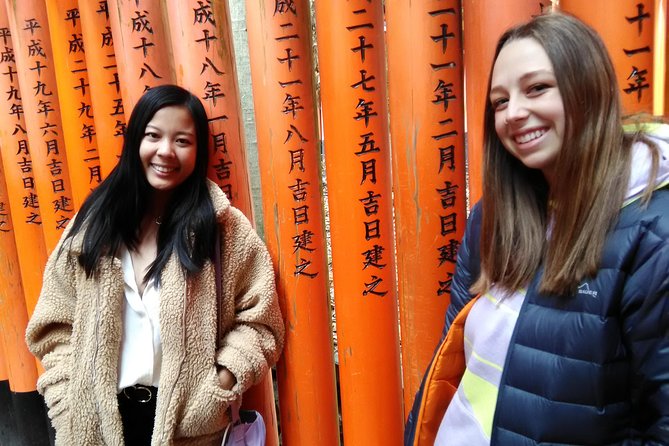
Fushimi Inari Taisha is the obvious choice for many first visits. Its long rows of vermilion torii gates climb into the wooded hills, creating one of Kyoto’s most recognizable walks. The gates are memorable, but the shrine is more than a photo stop. A licensed guide can explain the shrine’s stories, customs, and the meaning behind its many features.
The practical catch is crowding. One guide helped a couple begin at Fushimi Inari and then move away from the busy areas toward quieter eastern Kyoto sites. That is a useful strategy: see the famous gates, then let the guide show you another side of the district.
Tofukuji is nearby and is especially known for autumn colors. Its Zen setting gives the route a calmer counterpoint to Fushimi Inari. It is a good choice if you want scenery and temple grounds without making the entire tour about Kyoto’s biggest names.
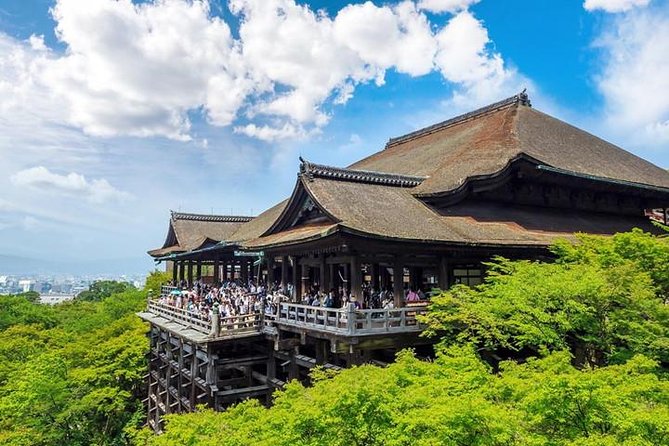
Kiyomizudera is one of the city’s essential temples. Its hillside setting and broad views make it a strong choice for first-time visitors, but the approach can be crowded and involves walking. Pair it with Gion or Higashiyama if you want old streets and traditional city scenery in the same part of town.
Higashiyama is one of the best areas for experiencing old Kyoto. Its preserved streets and lower mountain setting reward slow walking, though you should wear comfortable shoes. One guest reported more than 20,000 steps on a longer day built around several destinations, so do not mistake a private tour for a low-effort outing.
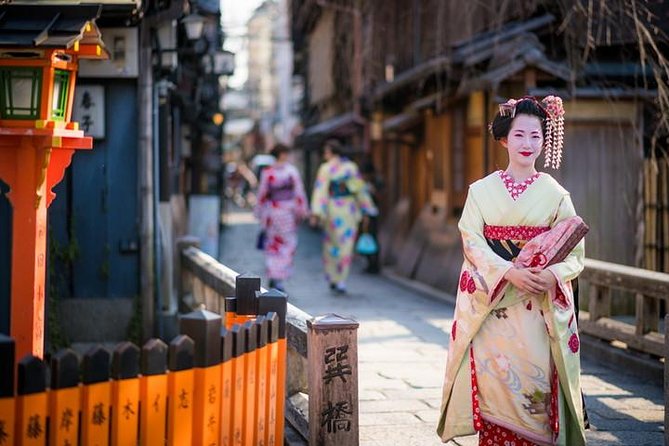
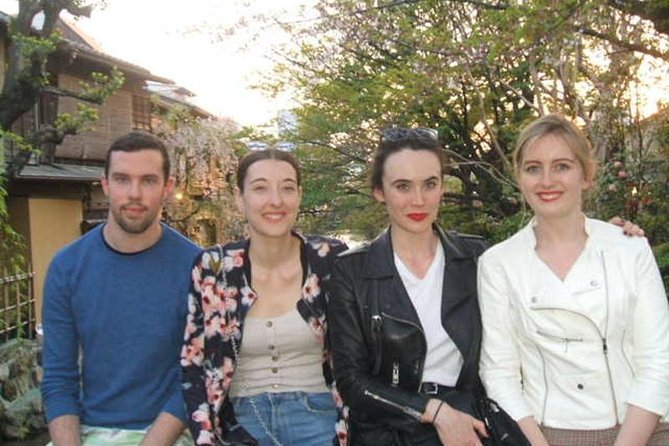
Gion offers narrow lanes, traditional buildings, and a chance to learn about Kyoto’s geisha district with someone who understands local etiquette. Your guide can help you explore respectfully and avoid treating residential streets as a photo set. Nearby Kenninji Temple has pleasant grounds and dry gardens, making it a sensible addition for visitors who want a temple without leaving the Gion area.
Markets, food, and evening Kyoto
Nishiki Market is a narrow shopping street stretching for about five blocks, with more than one hundred shops and restaurants. It is known as Kyoto’s Kitchen, and it gives you a useful look at local food culture. You can browse ingredients, prepared foods, sweets, and small specialties while your guide explains what you are seeing.
The market is not a formal tasting tour, and food purchases are your responsibility. Still, it is a good choice if temples are beginning to blur together. A guide can help identify unfamiliar foods and suggest places to eat afterward.
Pontocho runs in a narrow lane between Shijo and Sanjo, close to the Kamogawa River. It is one of Kyoto’s atmospheric dining areas, particularly useful as a place to explore after the tour. Guides have also offered dinner recommendations, which can be valuable when you want something better than choosing at random near a station.
A four-hour route built around Nishiki Market, Pontocho, Gion, or nearby Kenninji is likely to feel more relaxed than one that crosses the entire city. It also gives you more contact with daily Kyoto rather than only famous monuments.
A completely different kind of day out:
- PERFECT KYOTO 1-Day Bus Tour
★ 5.0 · 13,518 reviews - [Kyoto & Nara Day Tour] Sagano Scenic Railway & Nara Park & Fushimi Inari Taisha Thousand Torii Gates & Togetsukyo Bridge & Bamboo Grove & Kimono Forest (Departing from Osaka)
★ 4.9 · 10,942 reviews - Kyoto: Fushimi Inari, Kinkakuji, Bamboo Grove 1 Day Bus Tour
★ 4.8 · 4,316 reviews - Kyoto: Tea Ceremony in a Traditional Tea House in Kiyomizu
★ 4.9 · 3,519 reviews
Nijo Castle, the Imperial Palace, and formal Kyoto
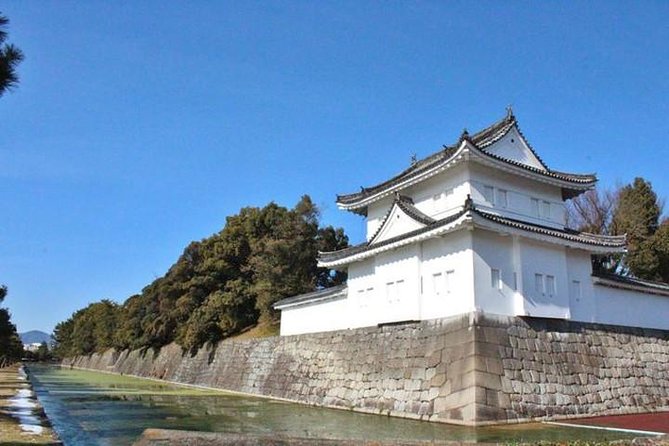
Nijo Castle was built in 1603 as the Kyoto residence of Tokugawa Ieyasu, the first shogun of the Edo period. It is an excellent choice if you want political history, castle architecture, and a clearer understanding of how Japan was governed during the shogunate.
The Kyoto Imperial Palace served as the Imperial Family’s residence until 1868, when the capital moved to Tokyo. Its spacious grounds offer a different kind of experience from Kyoto’s compact temples. Here, the story is imperial ceremony and court life rather than Zen practice or merchant culture.
Katsura Imperial Villa and Shugakuin Imperial Villa appeal to visitors interested in garden design and formal architecture. Both are farther-reaching choices for a four-hour tour and should be discussed carefully before booking. They are not natural add-ons to a central Kyoto route.
A guide is particularly useful at these sites because the meaning often lies in layout, proportion, ceremony, and historical use. Without context, you may appreciate the gardens but miss why they were designed that way.
Kinkakuji, Ryoanji, and northwest Kyoto
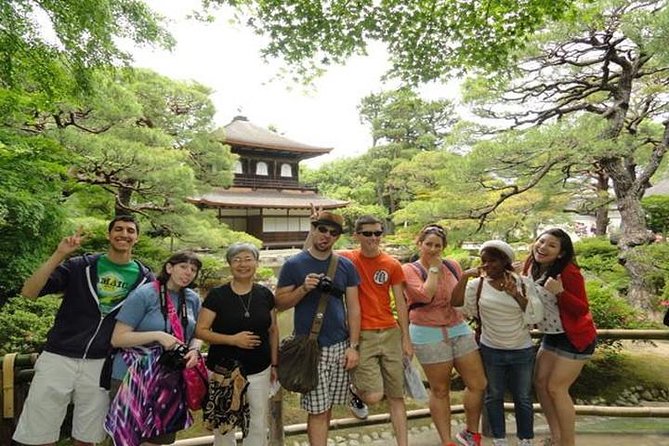
Kinkakuji, the Golden Pavilion, is one of Kyoto’s most famous sights. Its upper two floors are covered in gold leaf, and the building is reflected in the surrounding pond. The visual impact is immediate, but the site can be crowded and the visit is generally more about viewing and photography than wandering freely.
One guide used pictures and explanations to make the Golden Pavilion’s history easier to understand. That preparation can help, since the actual viewing route is structured and the time at the pavilion itself may be fairly brief.
Ryoanji is home to Japan’s best-known rock garden. It is a strong pick if you prefer quiet observation, Zen design, and questions without easy answers. The garden is compact, so your guide’s explanation can add a great deal to what might otherwise be a short stop.
Ninnaji offers another World Heritage temple with connections to the Omuro school of Shingon Buddhism. It works well for visitors who want religious history and large temple grounds. Kinkakuji, Ryoanji, and Ninnaji are geographically related, but fitting all three into four hours may leave little room for unhurried exploration.
Arashiyama deserves more than a quick photograph
Arashiyama is a popular district on Kyoto’s western edge, known for the bamboo groves, the Togetsukyo Bridge, and a long list of temples and gardens. The bamboo paths make a pleasant walk, especially when the stalks sway in a light breeze, but the area can become crowded.
Tenryuji is the district’s principal temple and one of Kyoto’s important Zen temples. Its garden and temple grounds give you more substance than a short stop at the bamboo grove alone. The Togetsukyo Bridge adds a broad scenic view and a recognizable Arashiyama landmark.
If you want quieter temple grounds, the route can continue toward Jojakkoji, Nisonin, Gioji, Adashino Nenbutsuji, or Otagi Nenbutsuji. These places offer moss, wooded paths, smaller buildings, and distinctive stone figures. The tradeoff is time. Each additional temple reduces the time available for the bridge, bamboo, or a relaxed meal.
Okochi Sanso Garden is the former villa of actor Okochi Denjiro. It includes gardens and buildings within the bamboo area and can add a more peaceful, refined stop. Admission is not included, so account for that when comparing options.
For a first visit, I would choose Tenryuji plus the bridge and bamboo paths rather than trying to collect every Arashiyama temple. For a repeat visit, the quieter western temples may be the better use of a private guide.
The northern mountains and Uji option
Kibune and Kurama offer a different Kyoto, with forested mountain settings far from the city’s central streets. Kibune developed around Kifune Shrine, while Kurama is known for Kuramadera and its hot spring. Both can be rewarding, but the extra travel time matters greatly during a four-hour tour.
Yoshiminedera sits in Kyoto’s western mountains and is built along a hillside. It is a scenic choice for visitors who do not mind walking and want a less central temple experience. As with Kurama and Kibune, confirm the route before the day begins.
Byodoin Temple is in Uji, within Kyoto Prefecture rather than central Kyoto. Its Phoenix Hall is a National Treasure and part of a UNESCO World Heritage site, but extra travel time is expected. It makes more sense as a dedicated Uji outing than as a casual addition to a central Kyoto half-day.
Transport, walking, and extra costs
The tour is a walking experience, with pickup at your hotel on foot within the designated area. You and your guide may use trains, buses, or taxis during the day. Transportation fares are not included, and entrance fees are generally extra.
This arrangement is practical because Kyoto’s public transport can be faster than a car in congested areas. Several guides have been praised for making trains and buses easy to use, explaining signage, and helping groups get around without losing time. Taxis may be used between sites when the route or weather calls for it.
A private vehicle is available as an upgrade. It may suit families, guests carrying luggage, or anyone who wants to reduce walking, but do not assume it is part of the $109.43 per-person price.
The price is reasonable if you are sharing the cost among several people and want a guide who can shape the day around you. For one person, it is a larger spend. For a couple or family, the cost buys advice, cultural explanation, route planning, and help with transport, not just four hours of walking.
Wear supportive shoes and bring water. Summer heat has tested groups, and rain has not stopped the tours, but weather can change how much ground you comfortably cover. Cash in yen is also useful, since not every small food stall or shop accepts cards.
Who will get the most from this tour
This tour suits first-time Kyoto visitors who want help making sense of a large, historic city. It is also useful for cruise passengers, families, couples with limited time, and anyone who wants a guide to adjust the route around personal interests.
It is less suitable if you want a slow, unstructured day at one temple or a fully inclusive package with transport and admissions covered. You will need to make choices, walk, pay separate costs, and accept that some famous sights must wait for another visit.
English ability can vary by guide. Most feedback praises clear explanations and warm communication, but one lower rating raised concerns about historical detail and a language barrier. If precise academic history is your priority, ask about guide matching and explain your interests before the tour.
Should you book the Kyoto private tour?
Book it if you want a focused introduction to Kyoto and value personal guidance more than a fixed sightseeing list. The strongest reasons are the flexible route, hotel pickup, help with public transportation, and guides who bring history, religion, food, and local customs into the day.
Choose only two or three realistic stops. Fushimi Inari with eastern Kyoto, Gion with Kiyomizudera, Nishiki with Pontocho, or Kinkakuji with Ryoanji are sensible combinations. Arashiyama, Uji, Kurama, and the northern mountains need special planning.
At $109.43 per person, it offers good value for a couple or family that wants to use limited time wisely. I would skip it if you prefer to explore independently and already understand Kyoto’s transport system. For most first visits, though, a thoughtful guide can turn a beautiful but confusing day into one you actually understand.
FAQ
How long is the Kyoto private tour?
The tour lasts approximately four hours.
How many sights can I visit?
The tour includes a customizable itinerary covering two or three sites from the available attraction list.
Is hotel pickup included?
Yes. A guide meets you at the front door of your hotel on foot within the designated Kyoto pickup area.
Is transportation included in the price?
No. Transportation fees are not included. You may travel by public transportation or taxi with your guide, and a private vehicle is available for an additional cost.
Are entrance fees included?
Entrance fees are not included for the attractions. Guide entry fees are covered only for sights listed under the tour’s included expectations.
Is this a private tour?
Yes. Only your group participates, and multiple tour groups cannot be combined.
Can I visit Arashiyama during the tour?
Yes, Arashiyama is one of the available choices. Because it is on Kyoto’s western edge, discuss the route in advance and limit the number of additional stops.
Can the tour include Byodoin Temple?
Yes, but Byodoin is in Uji, and extra travel time is expected.
What is the cancellation policy?
You can cancel up to 24 hours before the start time for a full refund. Cancellations or changes made less than 24 hours before the start time are not accepted for a refund.
Just added in Kyoto
- The “Golden Route” and Ancient Japan by DIAMIR Erlebnisreisen – 14-Day Tour★ 2.0 · 2 reviews
- Japan: Castles & Cuisine by G Adventures – 6-Day Kyoto to Osaka Tour★ 4.5 · 4 reviews
- Cycle Japan by Explore! – 13-Day Kyoto to Tokyo Tour★ 4.7 · 12 reviews
- Cycle Japan by Intrepid Travel – 11-Day Kyoto to Tokyo Tour★ 4.8 · 2 reviews
- Classic Japan by Intrepid Travel – 11-Day Kyoto to Tokyo Tour★ 4.4 · 14 reviews
- Ancient & Modern Japan 14-Day Tour by Exodus Adventure Travels★ 4.4 · 40 reviews
- 5 Day Cultural Adventure of Kyoto, Nara & Osaka by Tourist Journey★ 2.5 · 2 reviews
- 12 Days Kinosaki Onsen Escape: A Journey Through Japan’s Timeless Towns by UME Travel★ 4.8 · 5 reviews
Private Tours in Kyoto, compared.
Kyoto 6hr Private Tour with Government-Licensed Guide
Read our review →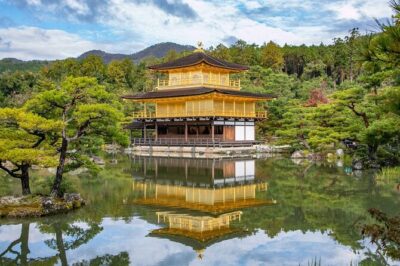
10 Must-see Spots in Kyoto One Day Private Tour (up to 7 people)
Read our review →
Private Kyoto Tour with Licensed Guide & Vehicle (Max 15 persons)
Read our review →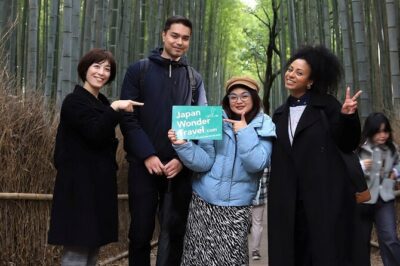
Kyoto Customized Private Tour: See Top Attractions in 1 Day
Read our review →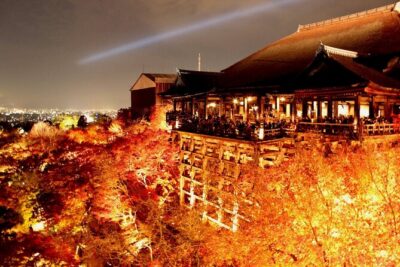
Explore Kyoto | Private Tour – Local English Driver(guide option)
Read our review →
Highlights & Hidden Gems With Locals: Best of Kyoto Private Tour
Read our review →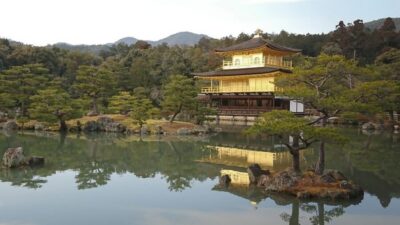
Browse the lists this tour appears in