
Reviewed · WALKING TOURS
Kyoto: Private Walking Tour with a Local
Kyoto rewards curiosity, not just checklists. This private Lokafy walk is built around your interests, giving you a local companion rather than a fixed script. I like the one-to-one format and the chance to shape the route around food, neighborhoods, temples, shopping, or practical transport advice. I also like that guides have helped visitors find quieter places, such as a lesser-known temple during autumn color season.
The main drawback is that the tour does not include entrance fees, meals, or transportation. At $82 per person, it can be good value for a couple or small family, but the cost rises quickly if you add taxis, trains, and paid sights. You also need to communicate clearly before the walk, since the quality of the day depends on how well your interests match your guide.
In This Review
- Key points to know before you book
- A Kyoto walk that starts with your priorities
- Meeting in central Kyoto
- Three to six hours on foot
- What your customized route might include
- Fushimi Inari and the value of practical guidance
- Quieter temples and local corners
- Food, cafés, markets, and shopping help
- Friendly guides, with different strengths
- How much value do you get for $82?
- Accessibility and family planning
- Cancellation and booking advice
- Is this Kyoto tour right for you?
- FAQ
- How long does the private Kyoto walking tour last?
- What languages are available?
- Is the tour private?
- Where can the tour begin?
- Are entrance fees and transportation included?
- Is the tour suitable for children and wheelchair users?
Key points to know before you book
- Your route is made for you: Tell the guide what you want to see, eat, shop for, or understand, and the walk can be shaped around those goals.
- It is a private experience: You will not be folded into a large group or pushed through a standard schedule.
- Local advice is a major benefit: Guides can help with restaurants, cafés, shopping, public transport, and places away from the busiest paths.
- The length is flexible: You can book between three and six hours, depending on availability and your energy.
- The guides have earned strong praise: Nicolo, Maha, Agustin, Toan, Iago, and others were praised for patience, friendliness, route planning, and practical help.
- Extra costs are easy to overlook: Attractions, food, drinks, taxis, public transport, and the guide’s entrance fee are not included.
A Kyoto walk that starts with your priorities
Kyoto has too much to see in one neat route. A fixed tour may give you famous temples and a few useful facts, but it cannot easily adjust when you mention that you collect Japanese art, need wheelchair-friendly planning, have a baby with you, or want help using local trains.
That is where this experience makes sense. Before the walk, you can explain what matters to you. You might ask for first-day orientation, a food-focused afternoon, a route through traditional neighborhoods, help with public transportation, or a quieter look at Kyoto away from the main crowds.
The guide is called a Lokafyer, and the idea is closer to meeting a friendly local companion than joining a formal sightseeing lecture. You will still receive information about Kyoto, but the day is meant to feel conversational and responsive.
I would send a short, useful wish list before booking. Name the sights you care about, your walking pace, any mobility needs, your food interests, and the sort of places you would rather skip. That gives the guide something concrete to work with and reduces the chance of spending half the tour deciding what to do.
More Private Tours in Kyoto
- Kyoto 6hr Private Tour with Government-Licensed Guide
★ 5.0 · 1,369 reviews - 10 Must-see Spots in Kyoto One Day Private Tour (up to 7 people)
★ 5.0 · 1,108 reviews - Kyoto 4hr Private Tour with Government-Licensed Guide
★ 5.0 · 629 reviews
Meeting in central Kyoto
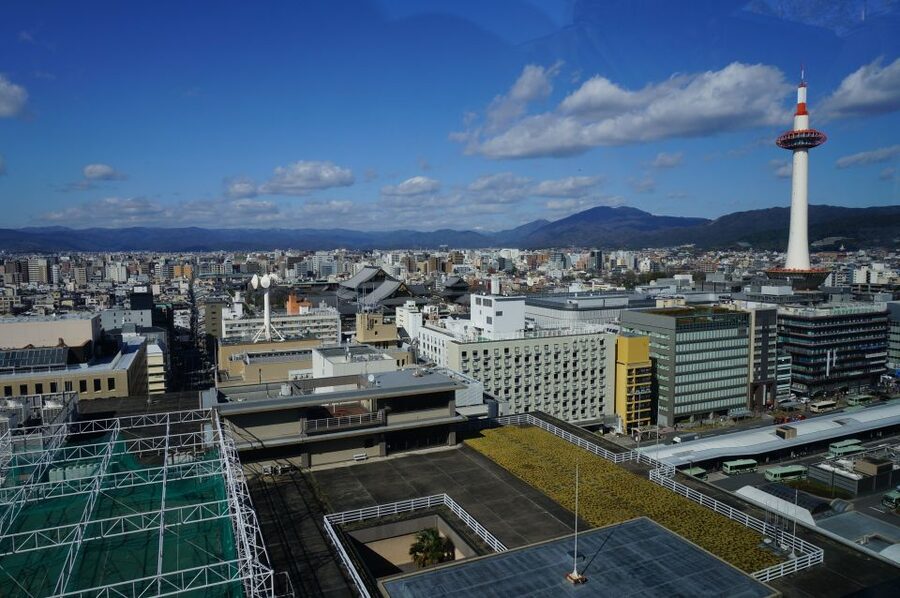
The listed meeting choices include Maccha House Kyoto Kawaramachi and the Kyoto City Office for Gender Equality. You may also arrange to begin at your hotel lobby or just outside your Airbnb if it is in the city center, or if you can meet at a central landmark or intersection.
That flexibility is helpful after a long journey, but the wording matters. A hotel outside the central area may not qualify for direct pickup. Confirm the meeting point in advance, especially if you are arriving by train, carrying luggage, or meeting with children.
One guide, Heather’s, helped a visitor understand the meeting place and train arrangements. That kind of practical support can be as useful as a temple explanation on your first day in Kyoto. If you have trouble identifying the meeting spot, ask for a clear landmark and a simple route before the tour begins.
The experience is private, so you are not waiting for a bus full of people. You can also request a specific start time, although you still need to check availability.
Three to six hours on foot
The tour lasts from three to six hours. Three hours works well for a focused introduction or for fitting a walk around another Kyoto plan. Six hours gives you more room to combine neighborhoods, stop for food, ask transport questions, and adjust the pace.
You should wear comfortable shoes. Kyoto walks can cover more ground than the description first suggests, especially if you want to connect several sights. Lisa appreciated that guide Kokoro covered a lot of ground, while other visitors valued slower planning around a wheelchair, a baby, or a young child.
The length is one of the tour’s useful features, but it also creates a decision for you. Do not book six hours simply because more time sounds better. If you are traveling with a 13-year-old, a five-month-old baby, or someone with limited mobility, tell the guide how much walking is realistic. Maha was praised for being careful with a baby, and she also prepared a route for a wheelchair user with limited mobility.
Public transportation or a taxi may be used during the walk at your expense. If you want a private car included, you need to request it. The tour price itself does not cover these rides.
What your customized route might include
There is no guaranteed sightseeing sequence, and that is both the appeal and the catch. The published route simply centers on Kyoto, with photo stops, guided sightseeing, scenic views, and walking between places.
Your actual route could be shaped around examples that past guides have handled:
- Fushimi Inari Shrine, including the uphill walk toward the top
- Higashi Honganji Temple
- Nishiki Market
- A temple and shrine away from the main tourist route
- A small café favored by locals
- A restaurant in a village beside the river
- Shopping for Japanese netsuke or other antiques
- Street art and local culture
- Public transportation planning for the rest of your stay
These are examples, not promises. If you have your heart set on Fushimi Inari, Nishiki Market, or a particular temple, say so when arranging the tour. If you want lesser-known places, say that too. The guide can then decide what fits within your time and walking pace.
One of the best uses of this tour is to combine a famous place with something less obvious. For instance, you might ask to see a major shrine and then spend time in a nearby area where the guide can explain daily life, food, or local customs. That gives you both orientation and a sense of how Kyoto works beyond its postcard views.
More Walking Tours in Kyoto
- Kyoto Geisha Walking Tour: Gion District & Hidden Gems
★ 4.7 · 3,273 reviews - Kyoto: Gion Magical Night Walking Tour with Geisha Trivia
★ 4.9 · 2,393 reviews - Kyoto: Gion Geisha District Walking Tour – Stories of Geisha
★ 4.7 · 2,187 reviews - Night Walk in Gion: Kyoto’s Geisha District
★ 4.5 · 2,003 reviews
Fushimi Inari and the value of practical guidance
A visit to Fushimi Inari can be simple if you only want the lower gates. It becomes a different outing if you want to hike toward the top. Toan helped one visitor with the climb, then included Higashi Honganji Temple and Nishiki Market in the same day.
That example shows why a private guide can be useful. A guide can discuss how much time to allow, help you judge the walk, and connect the shrine with other parts of the city. You are not just collecting names. You are learning how the pieces fit together.
Still, you should be realistic. A three-hour walk cannot cover every major sight in Kyoto, and adding an attraction may require entrance fees for both you and the guide. Ask about the route before the day begins if you want a paid temple, museum, or special exhibition included.
Quieter temples and local corners
Kyoto is famous for crowded sights, particularly during the autumn color season. Agustin took one visitor to a lovely temple away from the main tourist route, providing a break from the crowds and a more peaceful setting.
That sort of change is one of the strongest reasons to choose this format. You are not guaranteed a secret spot, but you can ask for a calmer route. A local guide may know which nearby streets or smaller religious sites fit your interests and schedule.
The value is not only avoiding people. A quieter place gives you more time to ask questions and notice details. You can discuss customs, architecture, local routines, or the meaning of a site without trying to keep up with a group.
I would not book this tour solely in hopes of discovering an unknown temple. Kyoto’s less-visited places are not automatically better, and the guide’s personal knowledge will vary. Book it because you want a flexible conversation and route, with the possibility of finding a more personal side of the city.
Food, cafés, markets, and shopping help
If food matters to you, put it near the top of your request. Guides can suggest places to eat, cafés, and shopping areas, but meals and drinks are your responsibility.
Maha took one visitor to a favorite restaurant in a village near the river, where the sashimi was highly praised. Another guide showed a small café that became a preferred spot for the rest of the stay. These are useful moments because the guide is not just pointing to a famous address. You are getting a personal suggestion that may fit your taste and route.
Nishiki Market is another possible stop. It can be useful for understanding Kyoto food and browsing, but your experience will depend on timing, crowd levels, and your interests. If you want to eat during the walk, allow time for that rather than treating lunch as an afterthought.
The same applies to shopping. One visitor interested in Japanese netsuke received follow-up information about a museum exhibition and an antique shop after the walk. If you have a specific collecting interest, tell the guide in advance. A narrow request can produce a much more useful route than simply asking to see the best of Kyoto.
Friendly guides, with different strengths
The praise for the guides is consistent in one important way: people valued their warmth and willingness to adjust. Nicolo was praised for being helpful, accommodating, and pleasant. Maha received repeated praise for her kindness, route planning, sense of humor, and care with family needs.
Other guides brought different strengths. Toan helped with a demanding walking route. Iago assisted with supermarket shopping. Cristobal helped revise a Kyoto sightseeing plan and sort out transportation in a short session. Jason was described as easygoing and attentive to Japanese culture.
You should not expect every guide to have the same personality or the same specialty. This is a people-centered service, so the match matters. Tell the provider what kind of guide you want: history-focused, food-oriented, practical, relaxed, family-friendly, or focused on art and shopping.
The language options are English, Spanish, and German. That is especially useful if you want to ask detailed questions or discuss a complicated interest. A private setting also makes it easier to pause and clarify instead of nodding politely through a group explanation.
How much value do you get for $82?
At $82 per person, this is not the cheapest way to walk around Kyoto. You can visit many public streets and neighborhoods on your own, and Kyoto’s transport system makes independent sightseeing possible with planning.
The price becomes easier to justify when you value time and personal attention. A private guide can help you avoid wasting an afternoon on the wrong route, explain how to reach your next stop, adjust plans for a child or wheelchair user, and recommend food or shopping that matches your interests.
For a couple, family, or small private group, the cost may feel reasonable because you are paying for a customized service rather than a standard group tour. For a solo visitor, $82 is a larger share of the day’s budget. Consider booking the shorter option if you mainly need orientation and transport advice.
Budget for extras. You pay for meals and drinks, personal expenses, optional activities, entrance fees, and any train, bus, taxi, or private car costs. If you visit a paid attraction, you also need to cover the guide’s entrance fee. Ask about likely extra costs when you discuss your plan.
Accessibility and family planning
The tour is listed as wheelchair accessible, but accessibility still needs to be discussed in practical terms. Kyoto routes can include uneven surfaces, stairs, slopes, and long walking stretches depending on the places you choose.
The strongest evidence here is the planning provided for a visitor who used a wheelchair with limited mobility. Andrew’s guide, Maha, prepared the visit carefully. That suggests the service can respond well when you explain your needs early, but you should not leave the details until the meeting time.
Children under three join free. Children aged three to twelve receive a 50 percent discount. Families should also mention stroller use, rest needs, meal timing, and the number of sights they hope to cover.
The experience can suit families particularly well because you control the pace. It can also suit older visitors or anyone who prefers fewer stops and more time at each one. Just remember that a private tour is not automatically a low-walking tour.
Cancellation and booking advice
You can cancel up to 24 hours in advance for a full refund. That gives you useful protection if your Kyoto schedule changes, but check the exact availability and start times before you commit.
When you book, send a short plan with three parts:
- The places you most want to see
- The interests you want the guide to build around
- Your walking, food, language, and mobility needs
Also ask whether your preferred attraction can fit the time available and what entrance fees or transport costs you should expect. If you want a private car, request it in advance rather than assuming it is part of the $82 price.
Is this Kyoto tour right for you?
I would book this walk if you want a personal introduction to Kyoto, have specific interests, or need help making a busy day work. It is especially useful on a first visit, when transport and neighborhood planning can feel confusing, but repeat visitors can benefit just as much by asking for food, art, shopping, or quieter places.
I would skip it if you prefer to sightsee alone, already know Kyoto well, or want a fixed list of guaranteed attractions at the lowest possible price. The experience depends on communication and guide fit, and the extra costs can add up.
For the best value, book three to four hours, send a clear wish list, and use the guide for orientation, local suggestions, and route planning. Choose six hours only if you have the energy and several interests to combine. With that approach, the tour can turn Kyoto from a set of famous names into a city you understand a little better.
FAQ
How long does the private Kyoto walking tour last?
You can book a tour lasting between three and six hours. Available starting times depend on the date, and you can request a specific time.
What languages are available?
The live guides are available in English, Spanish, and German.
Is the tour private?
Yes. It is a private group experience with a customized walking route and a local guide.
Where can the tour begin?
Listed meeting options include Maccha House Kyoto Kawaramachi and the Kyoto City Office for Gender Equality. You may also begin at your hotel lobby or outside your Airbnb if it is centrally located, or meet at a central landmark or intersection within Kyoto city center.
Are entrance fees and transportation included?
No. Entrance fees, meals, drinks, personal expenses, optional activities, public transportation, taxis, and private car costs are not included. If you visit a paid attraction, you must also pay the guide’s entrance fee.
Is the tour suitable for children and wheelchair users?
The tour is listed as wheelchair accessible. Children under three can join free, and children aged three to twelve receive a 50 percent discount. Explain mobility needs and family requirements when arranging the route.
Just added in Kyoto
- The “Golden Route” and Ancient Japan by DIAMIR Erlebnisreisen – 14-Day Tour★ 2.0 · 2 reviews
- Japan: Castles & Cuisine by G Adventures – 6-Day Kyoto to Osaka Tour★ 4.5 · 4 reviews
- Cycle Japan by Explore! – 13-Day Kyoto to Tokyo Tour★ 4.7 · 12 reviews
- Cycle Japan by Intrepid Travel – 11-Day Kyoto to Tokyo Tour★ 4.8 · 2 reviews
- Classic Japan by Intrepid Travel – 11-Day Kyoto to Tokyo Tour★ 4.4 · 14 reviews
- Ancient & Modern Japan 14-Day Tour by Exodus Adventure Travels★ 4.4 · 40 reviews
- 5 Day Cultural Adventure of Kyoto, Nara & Osaka by Tourist Journey★ 2.5 · 2 reviews
- 12 Days Kinosaki Onsen Escape: A Journey Through Japan’s Timeless Towns by UME Travel★ 4.8 · 5 reviews
Walking Tours, compared.
Kyoto Geisha Walking Tour: Gion District & Hidden Gems
Read our review →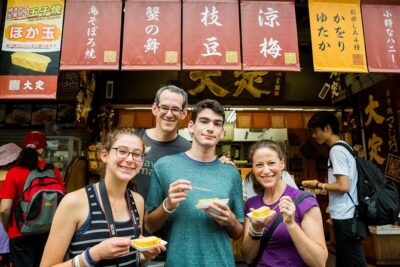
Tokyo Tsukiji Fish Market Food and Culture Walking Tour
Read our review →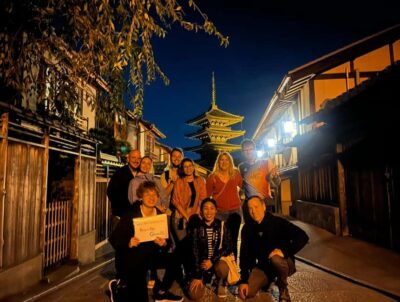
Gion Magical Night Walking Tour with Geisha Trivia
Read our review →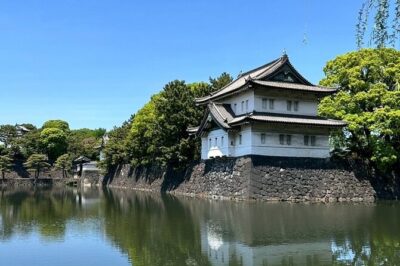
Imperial Palace and Shogun Historical Walking Tour
Read our review →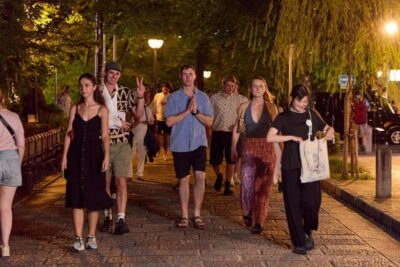
Gion Geisha District Walking Tour – Stories of Geisha
Read our review →
Shinjuku Local Bar and Izakaya Guided Walking Tour
Read our review →
Browse the lists this tour appears in