Reviewed · KYOTO TOURS
Kyoto Full Course Tour: Explore 10 Must-See Sights & Hidden Gems
Kyoto rewards a fast start. This nine-and-a-half-hour outing links Arashiyama, major temples, Fushimi Inari, Kiyomizu, and Gion while a local guide handles Kyoto’s tricky buses and trains. I especially like the wide range of sights and the chance to learn how to use public transport instead of simply riding in a private vehicle. The small group, limited to 10 people, also gives the day a more personal feel.
I also like that the route mixes famous places with ordinary Kyoto moments: a Randen tram ride, a conveyor-belt sushi lunch, souvenir streets, and a walk through Gion. The tradeoff is clear: this is a high-speed sightseeing workout, often exceeding 20,000 steps, with about 30 minutes at each major stop. You see a lot, but you will not study every temple at length.
In This Review
- Key facts before you book
- What this Kyoto day is really designed to do
- Arashiyama starts the morning with bamboo and mountain views
- The Randen tram adds a local touch
- Ryoan-ji offers a brief look at Zen design
- Kinkaku-ji gives you Kyoto’s most recognizable view
- Conveyor-belt sushi keeps lunch flexible
- Fushimi Inari brings the day’s most dramatic walk
- Kiyomizu-zaka and Sanneizaka turn walking into the attraction
- Kiyomizu-dera supplies the classic wooden stage
- Yasaka Pagoda gives you a classic Kyoto street scene
- Gion closes the route with historic streets
- The price is fair if you value planning
- Pace, comfort, and accessibility deserve serious thought
- Who will get the most from this tour
- Should you book the Kyoto Full Course Tour?
- FAQ
- How long does the Kyoto Full Course Tour last?
- Where does the tour begin?
- What time should I arrive?
- Where does the tour end?
- Is transportation included in the tour price?
- Is lunch included?
- Are temple entrance fees included?
- How much walking is involved?
- Can children join the tour?
Key facts before you book
- More than 20,000 steps: Comfortable shoes are essential, and this is not a relaxed stroll.
- Ten major Kyoto areas in one day: Arashiyama, Ryoan-ji, Kinkaku-ji, Fushimi Inari, Kiyomizu, Yasaka Pagoda, and Gion all fit into the route.
- Public transportation is part of the lesson: You use buses and trains with help from a Japan-born local guide.
- Lunch is at a conveyor-belt sushi restaurant: Sushi, vegetable sushi, ramen, kara-age, beer, and mochi are listed as possible choices.
- Extra costs come to about $28: Plan roughly $10 for transport, $6.80 to $14 for food, and $11 for temple admission.
- The best fit is a first-time visitor with limited time: The pace is demanding, but it can save hours of route planning.
What this Kyoto day is really designed to do
This tour is not built around long temple talks or quiet contemplation. It is a practical orientation to Kyoto, giving you a quick look at many of the city’s signature places while teaching you how the transport system works.
That distinction matters. Kyoto’s sights are spread across different districts. Arashiyama lies in the west, Fushimi Inari in the south, and Kiyomizu and Gion in the east. Connecting them in a single day takes careful timing and several changes of public transport. A local guide can reduce the confusion, especially if you are unfamiliar with Japanese bus stops, station layouts, and transit cards.
The group size is capped at 10 people. That is small enough to stay together without the feel of a large coach party. Guides named in the feedback include Megumi, Masako, Masa, and Megumi again in several especially warm comments. The strongest praise focuses on their kindness, clear explanations, humor, patience, and help with navigation.
Do not expect a slow, reflective visit at each site. The schedule allows about 30 minutes at most stops. Think of the experience as a well-planned first pass through Kyoto, followed by a chance to return independently to the places that catch your interest.
A few more options to weigh up in Kyoto
- PERFECT KYOTO 1-Day Bus Tour
★ 5.0 · 13,518 reviews - [Kyoto & Nara Day Tour] Sagano Scenic Railway & Nara Park & Fushimi Inari Taisha Thousand Torii Gates & Togetsukyo Bridge & Bamboo Grove & Kimono Forest (Departing from Osaka)
★ 4.9 · 10,942 reviews - Kyoto: Fushimi Inari, Kinkakuji, Bamboo Grove 1 Day Bus Tour
★ 4.8 · 4,316 reviews
Arashiyama starts the morning with bamboo and mountain views
The meeting point is Saga-Arashiyama Station, with instructions emphasizing an 8:50 meeting time. The information also gives an 8:30 start time, so you should check the final confirmation carefully and arrive early. Late arrivals are not accepted, and there is no refund for missing the departure.
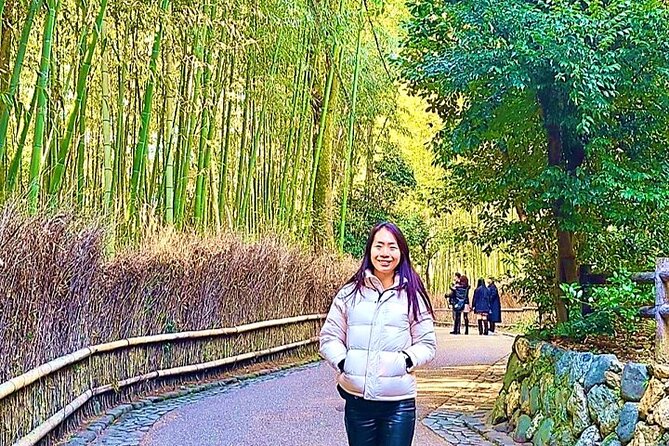
Arashiyama opens the day with its famous bamboo forest and a view toward Japan’s forested hills. The bamboo path is photogenic, but the real value of having a guide here is efficiency. You can get oriented quickly, see the main section, and move on without losing the morning to wandering.
Thirty minutes is enough for a taste, not a full exploration of the district. Arashiyama contains far more than bamboo, but this schedule treats it as the opening scene rather than the main event. If you want temple interiors, river walks, or a longer look at the neighborhood, save those for another visit.
The Randen tram adds a local touch
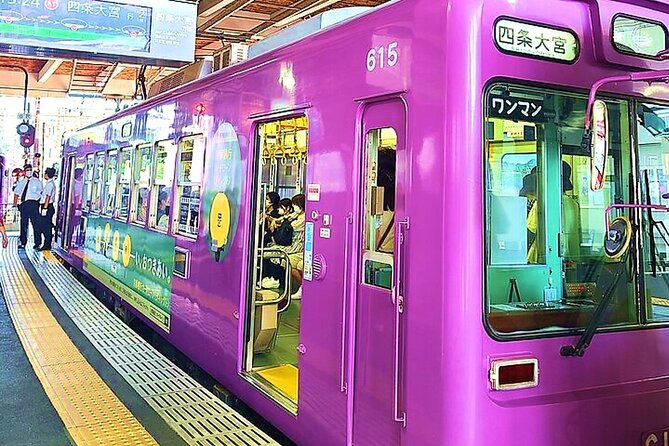
The Randen tram line is one of the more distinctive parts of the route. It gives you a short look at Kyoto’s everyday transport rather than moving between attractions in a tour bus.
That may sound like a small detail, but it is one of the tour’s useful lessons. You learn how the city connects its districts and gain confidence using public transit on later days. The tour fee does not cover transportation, so budget about ¥1,340, or roughly $10, per person.
Bring a loaded IC card such as Suica or PASMO if you have one. You are specifically advised to prepare an IC card in advance, and carrying some cash is wise as well. Transport changes can be tiring, but the guide’s role is especially valuable during these transitions.
Ryoan-ji offers a brief look at Zen design
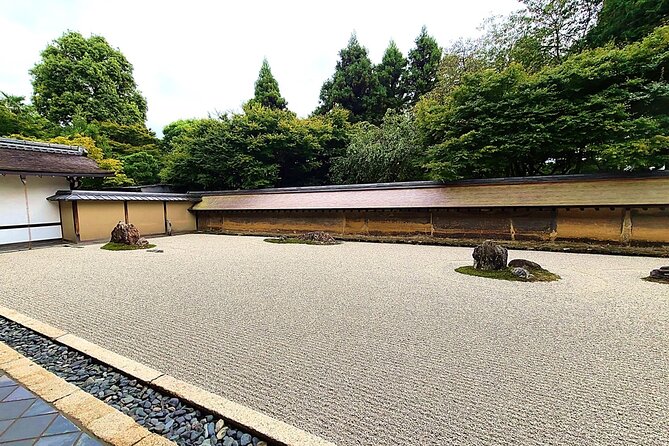
Ryoan-ji is famous for its spare stone garden, praised internationally after Queen Elizabeth visited. Its appeal comes from restraint: carefully placed stones, pale gravel, and open space invite you to look rather than consume a room full of objects.
The visit is short, around 30 minutes, and admission is not included. The listed total for entrance fees is about ¥1,600, or roughly $11 per person. That figure covers the paid sites on the route, but keep a little flexibility in your budget.
This stop works best if you understand its limits. You will have time to see the garden and hear some context, but not to linger in silence or explore every corner of the temple grounds. The benefit is that you get a clear introduction without sacrificing the rest of the day.
A completely different kind of day out:
- Kyoto: Tea Ceremony in a Traditional Tea House in Kiyomizu
★ 4.9 · 3,519 reviews - Kyoto: Gion Make Your Own Chopsticks with Engraving Option
★ 5.0 · 3,465 reviews - Kyoto Nara Day Trip │ Kiyomizu-dera Temple + Fushimi Inari-taisha Shrine + Nara Park (Departing from Osaka/Kyoto)
★ 4.7 · 3,408 reviews - Kyoto Geisha Walking Tour: Gion District & Hidden Gems
★ 4.7 · 3,273 reviews
Kinkaku-ji gives you Kyoto’s most recognizable view
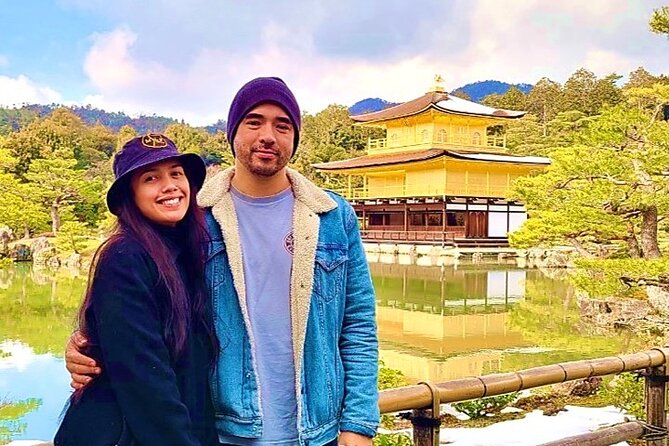
Kinkaku-ji, the Golden Pavilion, is the visual star of the morning. The gold-covered building reflected in its pond is one of Kyoto’s essential sights, and the tour gives you a direct look without asking you to figure out the route alone.
Again, the stop lasts about 30 minutes. That is enough to take in the pavilion, walk through the principal viewing area, and hear the guide’s explanation. Admission is extra and included within the approximate ¥1,600 temple-fee estimate.
The main drawback is crowd pressure. The pavilion is one of Kyoto’s most popular places, so this will not feel like a private discovery. Still, if you have only one day, skipping it would leave a noticeable hole in your first impression of the city.
Conveyor-belt sushi keeps lunch flexible
Lunch takes place at a conveyor-belt sushi restaurant. The available choices can include sushi, vegetable sushi, ramen, kara-age, beer, and mochi, with food costing about $6.80 to $14 depending on your order.
I like this arrangement for a group moving on a tight schedule. You choose what you want, see the food as it passes, and avoid a long formal meal. It also lets you control your spending better than a fixed menu.
Vegetarian diners should pay close attention. One complaint about the experience came from a vegetarian who found the restaurant unsuitable. The tour information does explain the lunch setting and notes that only some menu items might work for vegetarians, so this is not a guaranteed vegetarian meal. If you have strict dietary needs, contact the operator before booking rather than assuming the restaurant can accommodate you.
Fushimi Inari brings the day’s most dramatic walk
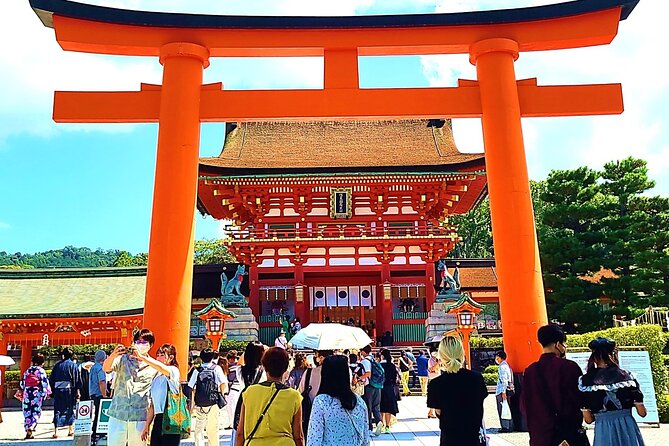
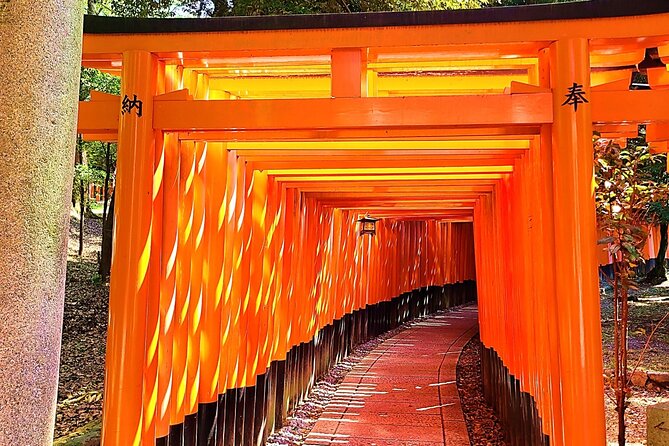
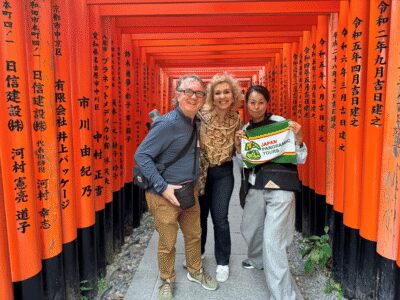
Fushimi Inari Taisha is known for its long tunnel of more than 1,000 red torii gates. The gates climb through wooded slopes, creating one of Kyoto’s most memorable visual sequences.
The scheduled visit is about 30 minutes, so you will see the striking lower section rather than complete the entire mountain route. That is sensible within a day this full. Even the first section gives you the classic experience, while the full climb would take much longer and add a serious physical demand.
The shrine is one of the day’s strongest photo stops, but it can also be crowded. Stay close to the guide and do not break away. The rules state that if you separate from the group, the host cannot search for you, and no refund is provided.
Kiyomizu-zaka and Sanneizaka turn walking into the attraction
The approach to Kiyomizu-dera runs along Kiyomizu-zaka and Sanneizaka, two pedestrian slopes lined with souvenir shops and local food spots. Here, the streets are as important as the destination.
You can browse Kyoto sweets, small gifts, and traditional-style goods while moving toward the temple. The slopes are attractive, but they are not flat. Add crowds and uneven walking surfaces, and you can see why the tour requires moderate physical fitness.
This is also where the pace may feel most demanding. You are not simply visiting one site, resting, and moving on. You are walking uphill through commercial streets, stopping for photographs, and keeping up with the group.
Kiyomizu-dera supplies the classic wooden stage
Kiyomizu-dera is one of Kyoto’s best-known temples and a major stop for visitors from across Japan. Its wooden stage and hillside setting make it instantly recognizable.
The tour allows about 30 minutes, with admission extra. You can take in the main view, listen to the guide’s explanation, and see why the temple matters, but you should not expect a complete visit to the extensive grounds.
This short stop is a good example of the tour’s central bargain. You get a strong first look at an important place, then move on to see several more. If Kiyomizu-dera becomes your favorite, return later with more time and less pressure.
Yasaka Pagoda gives you a classic Kyoto street scene
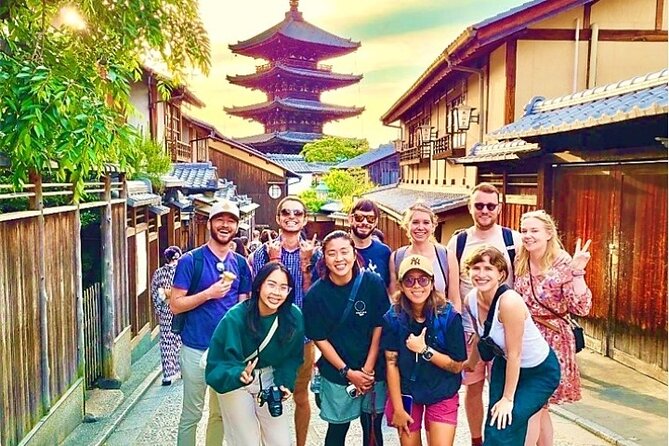
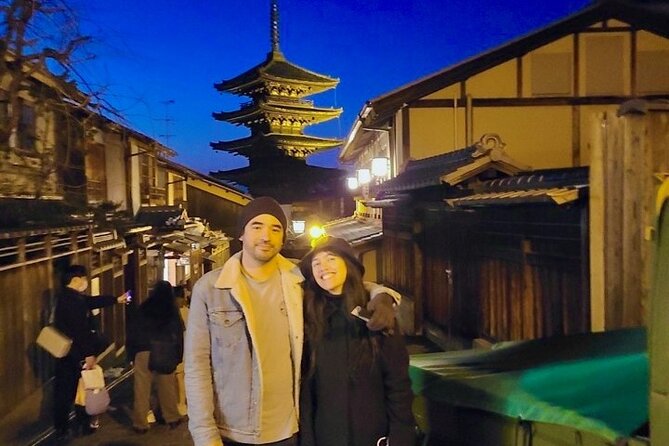
Hokan-ji Temple, better known through its Yasaka Pagoda, is one of the city’s visual symbols. The pagoda rises above the traditional streets near Higashiyama, creating the sort of Kyoto view many people hope to see before arriving.
The stop is free according to the schedule and lasts about 30 minutes. Its value comes less from an extended temple visit and more from seeing the pagoda in its neighborhood setting.
The surrounding streets can be crowded and commercial, but the combination of sloping lanes, old-style buildings, and the pagoda makes this one of the day’s most atmospheric sections. Keep your camera ready, but also watch your footing and the group.
Gion closes the route with historic streets
The day ends in Gion, Kyoto’s famous historic district, at Gion Shopping Street. The route finishes here rather than returning you to Saga-Arashiyama, so plan your evening from the eastern side of the city.
Gion is a fitting final stop because it pulls together many of the ideas introduced earlier: traditional streets, local customs, etiquette, and the visible contrast between a working city and a major sightseeing center. One particularly memorable account describes seeing a geisha during the day, though that is not something you should count on.
The tour can also help you identify areas worth revisiting. One guide, Megumi, was praised for giving useful suggestions for the following day. That kind of advice can be more valuable than another hurried photograph, especially if this is your first Kyoto visit.
The price is fair if you value planning
The advertised price is $98.83 per person. Add about $10 for transport, $6.80 to $14 for lunch, and approximately $11 for entrance fees. Your practical total is therefore around $126 to $134 per person, depending on what you eat.
That is a reasonable price for a small-group day with a local guide, particularly if you have only two or three days in Kyoto. The value is not just admission to temples. You are paying for route planning, timing, transit help, and the ability to connect distant districts in one day.
The value drops if you have a long stay and enjoy planning independently. With several days, you can visit Arashiyama, northern Kyoto, Fushimi, and Higashiyama at a slower pace. This tour is strongest when your time is limited and you want an efficient first look.
Pace, comfort, and accessibility deserve serious thought
The physical demand is the main issue. More than 20,000 steps, hills, temple grounds, stairs, public transport, and constant movement make this a poor match for anyone seeking a gentle day.
A wheelchair user may find parts of the route difficult because several major sights are not fully accessible. One person joined specifically to see Kyoto’s highlights with a parent who used a wheelchair, but the access limits remained a concern. If mobility is important to your group, ask about a private arrangement before booking. Children under 13 require a request for a private tour, and anyone under 18 must be accompanied by a guardian.
You also need to remain with the host. This is not a hop-on, hop-off outing where you can leave for a coffee and reconnect later. The group moves according to a strict schedule, and late arrivals are not admitted.
Who will get the most from this tour
I would choose this experience if you are visiting Kyoto for the first time, have one spare day, and want help with public transport. It is particularly useful if the thought of planning nine or ten famous sights feels like a full-time job.
You will also benefit if you want cultural context beyond photographs. The guide explains Japanese history, customs, social values, etiquette, daily life, and transit habits. The strongest guide feedback names Masako, Megumi, and Masa as warm, funny, patient, and attentive.
I would not choose it for a slow family day, a deep temple study, or a trip built around long meals. The vegetarian lunch issue also requires advance planning. Bring water, wear supportive shoes, carry cash, prepare your IC card, and arrive early.
Should you book the Kyoto Full Course Tour?
Book it if you want to get your bearings fast and accept a demanding schedule. For roughly $126 to $134 all in, you can see the city’s headline sights, learn the transport system, and leave with a clear idea of where to spend more time later.
Skip it if you prefer quiet visits, have mobility concerns, or can give Kyoto several unhurried days. The tour’s success depends on matching its purpose to your plans. It is not a leisurely portrait of Kyoto. It is an energetic introduction, guided by locals who can keep a complicated day moving.
FAQ
How long does the Kyoto Full Course Tour last?
The tour lasts approximately 9 hours and 30 minutes.
Where does the tour begin?
It begins at Saga-Arashiyama Station, at 11-1 Sagatenryuji Kurumamichicho in Kyoto’s Ukyo Ward.
What time should I arrive?
The instructions emphasize an 8:50 start, while the meeting information also shows 8:30 am. Check your confirmation and arrive early because late arrivals are not accepted.
Where does the tour end?
The tour ends at Gion Shopping Street Promotion Associates in Gionmachi Minamigawa, Higashiyama Ward.
Is transportation included in the tour price?
No. Transportation costs are separate and total about ¥1,340, or roughly $10 per person.
Is lunch included?
No. Food and drinks are separate. Lunch is at a conveyor-belt sushi restaurant, with estimated costs of about $6.80 to $14 depending on your order.
Are temple entrance fees included?
No. Entrance fees are separate and total approximately ¥1,600, or about $11 per person.
How much walking is involved?
The tour requires a moderate level of physical fitness, and the experience information warns that you may walk more than 20,000 steps.
Can children join the tour?
People under 18 must be accompanied by a guardian. If anyone under 13 is included, you must request a private tour.
Just added in Kyoto
- The “Golden Route” and Ancient Japan by DIAMIR Erlebnisreisen – 14-Day Tour★ 2.0 · 2 reviews
- Japan: Castles & Cuisine by G Adventures – 6-Day Kyoto to Osaka Tour★ 4.5 · 4 reviews
- Cycle Japan by Explore! – 13-Day Kyoto to Tokyo Tour★ 4.7 · 12 reviews
- Cycle Japan by Intrepid Travel – 11-Day Kyoto to Tokyo Tour★ 4.8 · 2 reviews
- Classic Japan by Intrepid Travel – 11-Day Kyoto to Tokyo Tour★ 4.4 · 14 reviews
- Ancient & Modern Japan 14-Day Tour by Exodus Adventure Travels★ 4.4 · 40 reviews
- 5 Day Cultural Adventure of Kyoto, Nara & Osaka by Tourist Journey★ 2.5 · 2 reviews
- 12 Days Kinosaki Onsen Escape: A Journey Through Japan’s Timeless Towns by UME Travel★ 4.8 · 5 reviews
Kyoto Tours, compared.
![[Kyoto & Nara Day Tour] Sagano Scenic Railway & Nara Park & Fushimi Inari Taisha Thousand Torii Gates & Togetsukyo Bridge & Bamboo Grove & Kimono Forest (Departing from Osaka)](https://media.japanvisits.com/wp-content/uploads/kyoto-nara-day-tour-sagano-scenic-railway-nara-park-fushimi-inari-taisha-thousand-torii-gates-togetsukyo-bridge-bamboo-grove-kimono-forest-departing-from-osaka-k110001-400x257.jpg)
Fushimi Inari, Kinkakuji, Bamboo Grove 1 Day Bus Tour
Read our review →
Tea Ceremony in a Traditional Tea House in Kiyomizu
Read our review →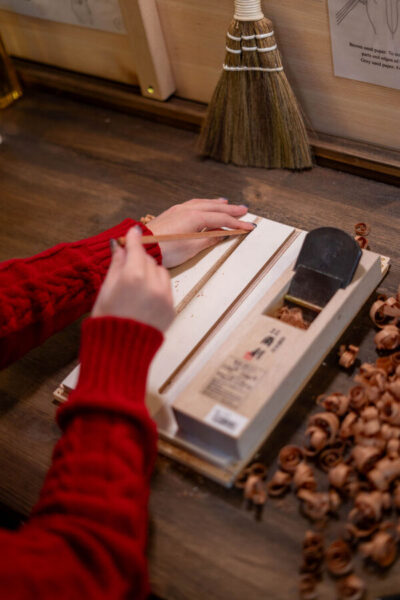
Gion Make Your Own Chopsticks with Engraving Option
Read our review →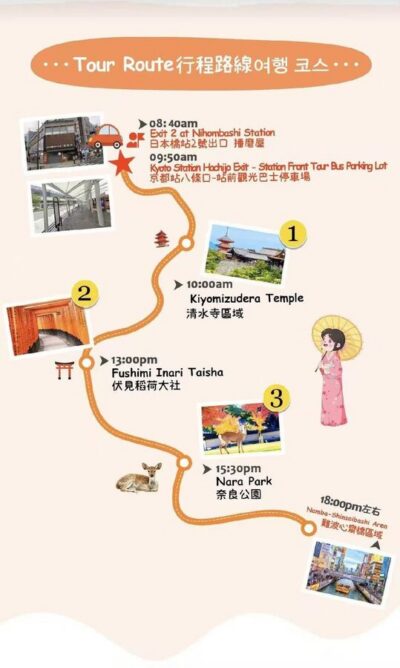
Kyoto Nara Day Trip │ Kiyomizu-dera Temple + Fushimi Inari-taisha Shrine + Nara Park (Departing from Osaka/Kyoto)
Read our review →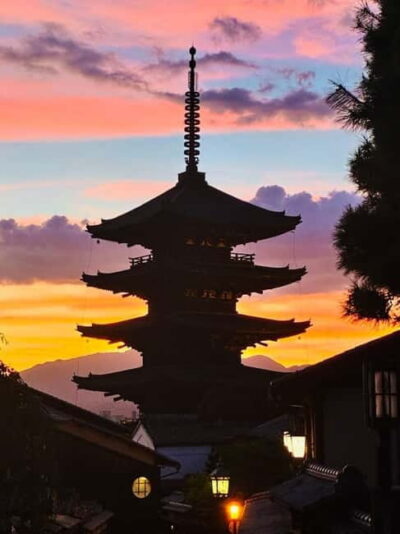
Kyoto Geisha Walking Tour: Gion District & Hidden Gems
Read our review →