
Reviewed · MARKETS AND FOOD HALLS
Kyoto: Nishiki Market and Depachika Food Tour with a Local
Come hungry, leave curious. This compact Kyoto food walk pairs Nishiki Market with the basement food hall at Daimaru Kyoto, giving you two very different views of Japanese eating in only two hours. One is a narrow market lined with specialist stalls and old family businesses. The other is a polished department-store food hall where presentation, packaging, and seasonal treats are part of the show.
I especially like the chance to taste foods you might otherwise walk past, including yuba sashimi, a soy milk donut, Nishiki gyoza, and tempura hamo fish. I also like the small-group format, limited to nine people, since guides such as Mao, Jasmine, Boris, Ai, and Kats have been praised for answering questions and adjusting the pace.
The main thing to consider is the short running time. The advertised duration is two hours, and the market can easily tempt you into stopping at every stall. One direct review also found the tastings less structured than expected, so tell your guide early that tasting the included foods is a priority.
In This Review
- Key points to know before booking
- Starting at Apple Kyoto near Daimaru
- Daimaru Kyoto’s basement food hall
- Walking through Kyoto’s Kitchen
- What the guides add to the market visit
- A quiet pause at Nishiki-Tenmangu Shrine
- Is $42 a fair price?
- Timing, comfort, and who should book
- Should you book the Nishiki Market food tour?
- FAQ
- How long does the Kyoto food tour last?
- Where does the tour meet?
- Where does the tour finish?
- What food tastings are included?
- Are extra food and drinks included?
- Is the tour conducted in English?
- How large is the group?
- What should I bring?
Key points to know before booking
- Four named tastings are included: yuba sashimi, a soy milk donut, Nishiki gyoza, and tempura hamo fish.
- Daimaru Kyoto comes first: You begin in a department-store food hall, not at the street market.
- Nishiki Market is more than food: Expect stalls selling Kyoto specialties, seasonal produce, knives, and cookware.
- The group is limited to nine: This makes it easier to ask questions and stay close to the guide.
- The final stop is Nishiki-Tenmangu Shrine: You get a short cultural pause after the food stops.
- The price is $42 per person: That is a fair rate if you value guidance and tastings, but extra purchases cost more.
Starting at Apple Kyoto near Daimaru
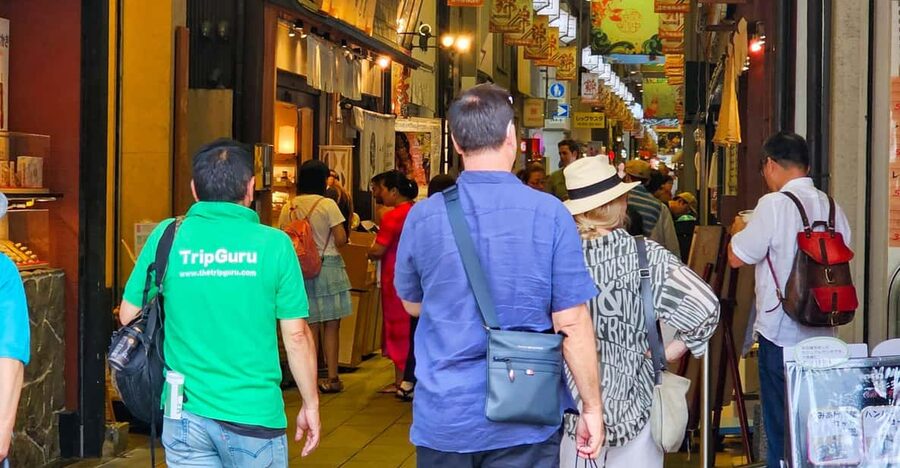
The meeting point is Apple Kyoto. Your guide should be wearing a TripGuru shirt or holding a TripGuru sign, so look for that rather than assuming every person nearby is part of the tour.
Arrive at least 10 minutes early. Guides wait only about 10 minutes before moving on, and city traffic can take longer than navigation apps suggest. This matters in Kyoto, where a small delay can turn into a missed start.
The tour ends at Kyoto-Kawaramachi Station. That is useful if you plan to continue shopping, explore the Gion area, or make your own way to another part of central Kyoto. There is no hotel pickup or drop-off, so you handle the journey to Apple Kyoto yourself.
The tour has several starting times, which makes it easier to fit around temple visits or a train arrival. Same-day booking is also possible when space remains. I would still book before your morning begins, since the group is small and available start times can change.
More Food Tours in Kyoto
- Kyoto Night Foodie Tour in Gion (9+ dishes + 6 Sake tastings)
★ 5.0 · 1,762 reviews - Kyoto: Gion Food Tour 13 Dishes at 4 Eateries
★ 5.0 · 408 reviews - Kyoto Foodie Night Tour
★ 5.0 · 376 reviews
Daimaru Kyoto’s basement food hall
The first major stop is the depachika food hall beneath Daimaru Kyoto. The word refers to a department-store basement devoted to food, and this is a useful introduction to a side of Japanese food culture that can be easy to miss.
You will find carefully arranged displays of prepared meals, sweets, ingredients, and gift foods. The selection includes traditional Japanese items as well as international gourmet products. The point is not simply to grab lunch. It is to see how food is packaged, presented, and sold in a high-end Japanese department store.
This stop helps you compare two types of food shopping. At Nishiki, you browse small specialist stalls in a market setting. At Daimaru, you see a more polished retail environment, with food that may be bought for a meal at home, a gift, or a special occasion.
The included tasting here is a soy milk donut. The tour also lists yuba sashimi, although the exact order of tastings can depend on the guide and the pace of the group. Yuba is the delicate skin that forms on the surface of heated soy milk, and it is closely associated with Kyoto-style vegetarian cooking. It has a soft, subtle texture rather than the firm bite of ordinary tofu.
You may be tempted to buy far more than you planned. One person specifically described losing their mind at Daimaru, which is an understandable risk in a food hall full of neat boxes and unfamiliar treats. Your guide can point out what is worth considering, but the price of anything beyond the included samples is your responsibility.
This is also where a guide can save you from buying something simply because it looks impressive. Ai was praised for explaining what to buy and what to skip, including a warning about expensive cantaloupes. That kind of practical advice is more useful than a long speech about Japanese food in general.
Walking through Kyoto’s Kitchen
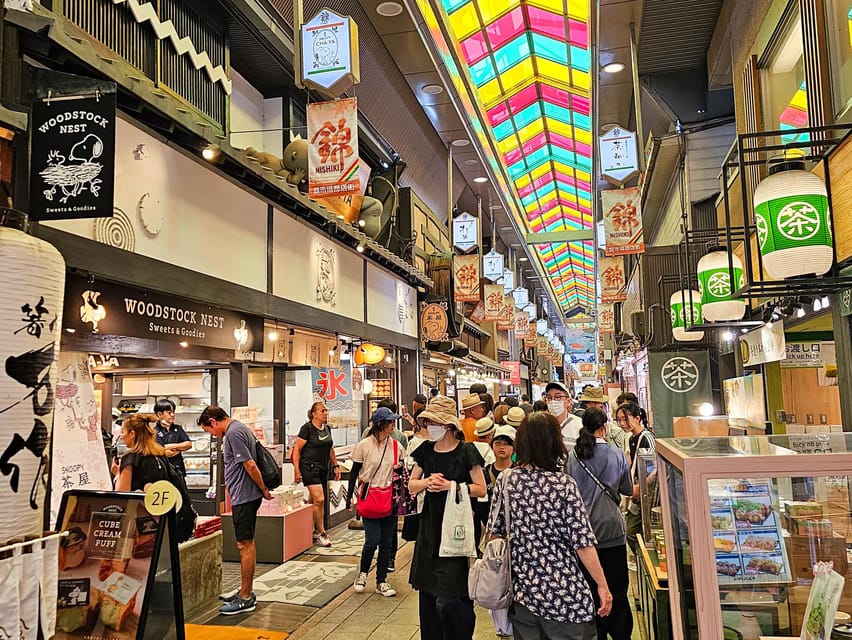
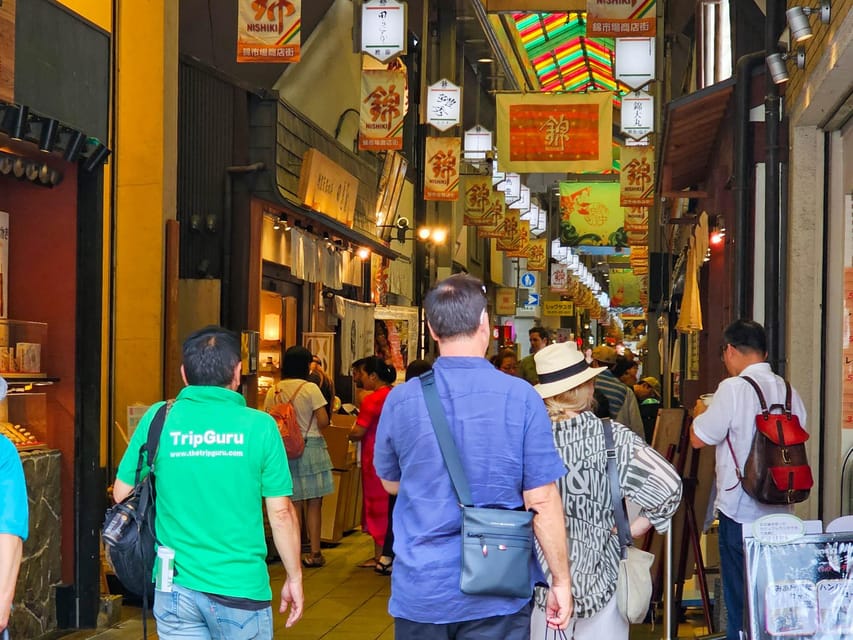
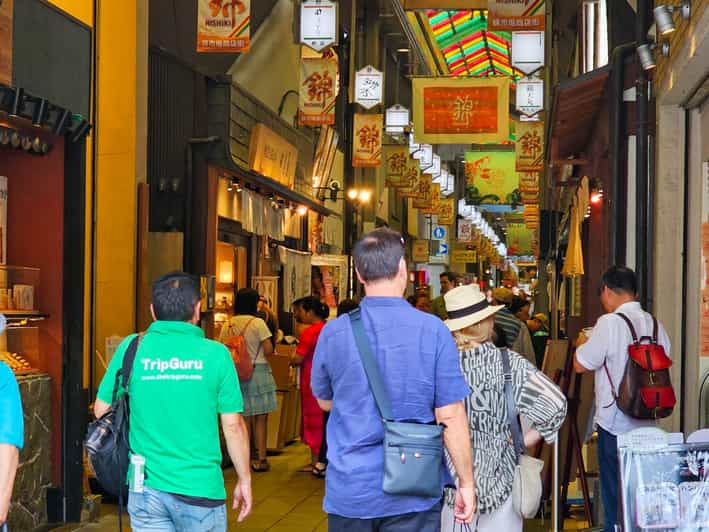
From Daimaru, the tour moves to Nishiki Market, often called Kyoto’s Kitchen. The market runs through a covered shopping street, with food vendors packed close together. It can be busy, narrow, and full of competing smells, so comfortable shoes are a must.
Nishiki is not one giant food stall. It is a collection of specialist shops, many with family connections stretching across generations. You may see seasonal foods, pickles, seafood, sweets, produce, knives, cooking tools, and other items tied to Kyoto’s kitchen traditions.
The guide’s role is especially valuable here. Without help, you may recognize very little and spend your time trying to work out what is for sale. A good guide explains ingredients, shows you how certain foods are eaten, and points out stalls that match your interests.
The listed tastings include Nishiki gyoza and tempura hamo fish. Hamo is a conger pike eel that is prepared with fine cuts through the flesh so it can be eaten more easily. You do not need prior knowledge of Japanese food to enjoy the tasting, but you should tell the guide if you have strong dislikes or want to try something more adventurous.
The food is not the only reason to visit. Nishiki gives you a glimpse of Kyoto’s everyday food culture, from ingredients used in home cooking to regional specialties sold as gifts. It is a place where shopping and eating overlap, and you can move from a snack to a cooking knife within a few steps.
There is one practical drawback: the tour does not include unlimited food. The four specified tasting items are covered, while additional food and drinks are not. If you spot something else that looks good, bring cash and treat the tour as an introduction rather than a full meal.
What the guides add to the market visit
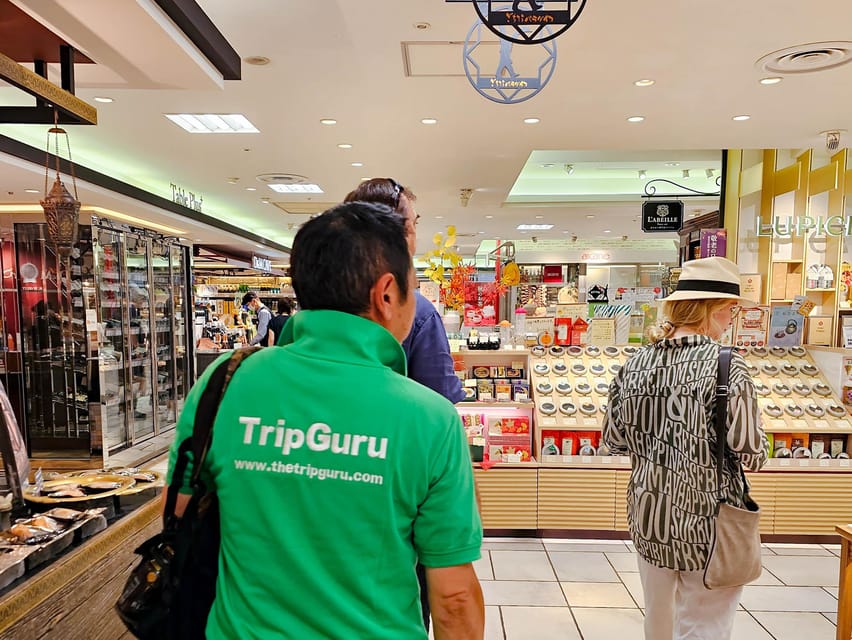
The strongest part of this experience is the human explanation. The food displays are interesting, but a guide gives them context and helps you make choices without guesswork.
Boris was praised for explaining food, culture, and history in detail, while also making room for a child with fussier tastes. That is encouraging if you are traveling as a family. The experience can include people who want to be adventurous and people who need a gentler introduction.
Richard was valued for food and drink recommendations, and for taking people into shops they would not have tried alone. Jasmine was praised for explaining both the market and the foods being sampled. Ai received similar praise for making people comfortable while sharing buying tips.
Several guides were singled out for their English and friendly manner, including Vincent, Mao, Yoku, and Kats. One guide named Katz was described as a Kyoto native with excellent English and useful advice for the rest of a stay. Guide assignments can vary, so you should not book solely to meet one particular person. Still, the pattern is clear: the guide is a major part of the value.
The small group helps. With no more than nine participants, you have a better chance of hearing the explanations and asking about ingredients. It also makes it easier for the guide to organize tastings without losing people in the market.
The only caution is structure. One participant expected the guide to announce each tasting, while the guide was waiting for the participant to ask for food. That suggests you should speak up. At the beginning, say plainly that you want to try all the included items. Do not wait for the perfect invitation.
More Markets and Food Halls in Kyoto
- Nishiki Market Brunch Walking Tour (7 Tastings + Brunch)
★ 5.0 · 1,355 reviews - Kimono Tea Ceremony at Kyoto Maikoya, NISHIKI
★ 5.0 · 911 reviews - Kyoto Nishiki Market Food and Culture Walking Tour
★ 5.0 · 412 reviews - Kyoto: Nishiki Market Tea Ceremony with Koto Performance
★ 4.8 · 294 reviews
A quiet pause at Nishiki-Tenmangu Shrine
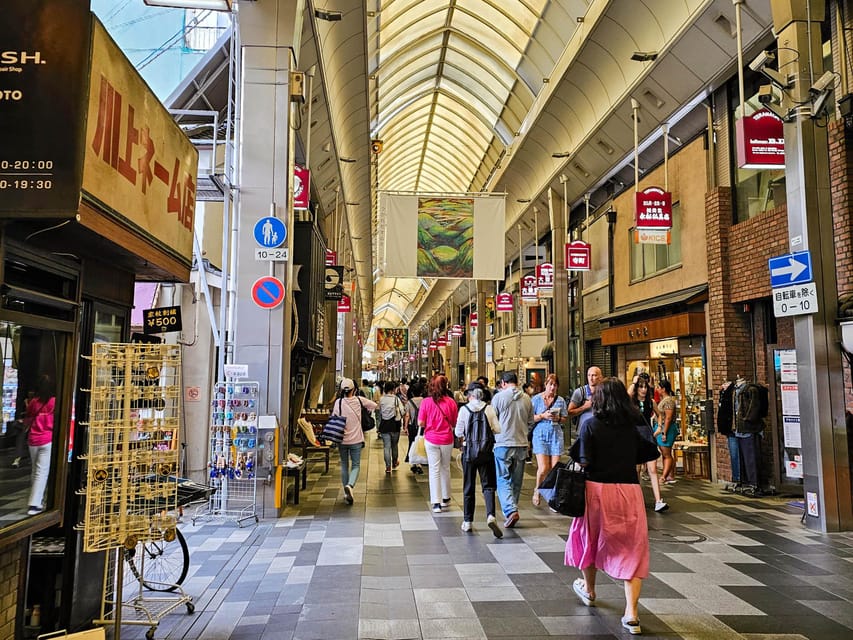
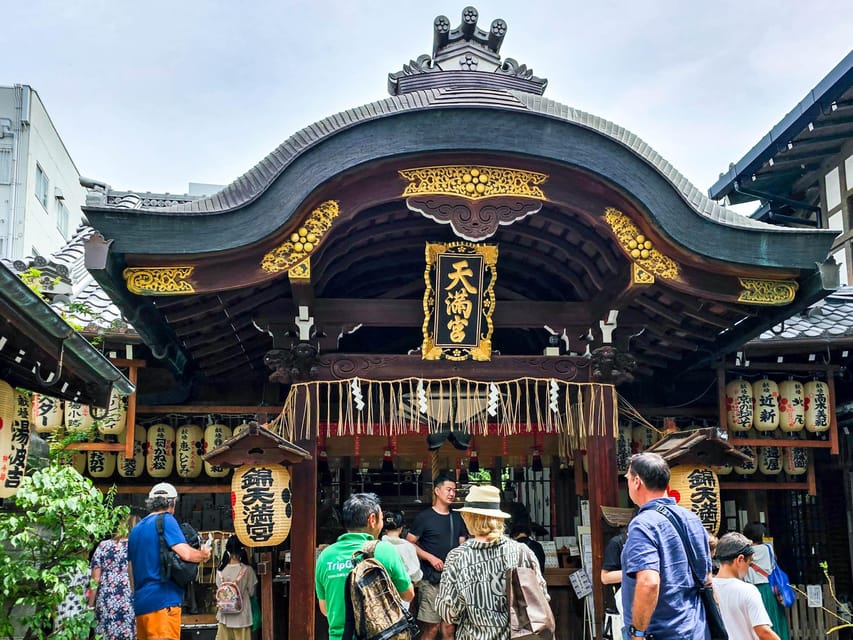
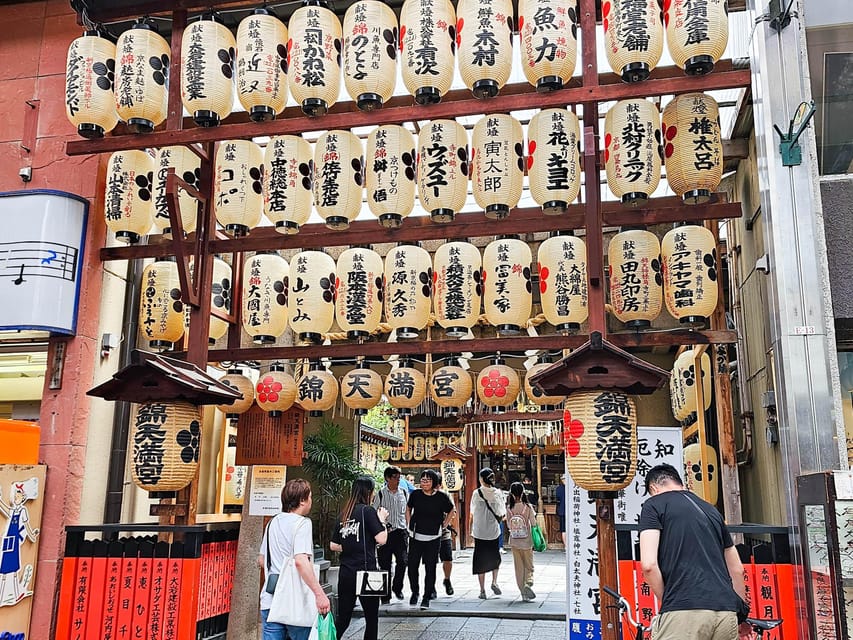
After the market, the walk continues to Nishiki-Tenmangu Shrine. It is a small Shinto shrine near the shopping area, dedicated to the deity of learning.
This stop changes the mood. After tight market aisles and food displays, you get a moment to slow down and look at the shrine architecture. The guide explains the basic customs, including cleansing your hands at the sacred water fountain, which is associated with good fortune and blessings.
The shrine visit lasts about 30 minutes in the stated itinerary, though the overall activity is advertised as two hours. The supplied stop times add up to longer than two hours, so I would treat those figures as approximate rather than a strict schedule. The actual amount of time at each place may depend on the start time, group pace, and how long tastings take.
This is a modest cultural addition, not a full shrine tour. That is useful to know. If your main goal is food, it gives the walk a welcome change of pace. If you want detailed Shinto history or a lengthy architectural tour, this experience will likely feel too brief.
Is $42 a fair price?
At $42 per person, the tour is reasonably priced for a two-hour guided walk with four listed tastings and a small group. You are paying for the guide’s local knowledge, translation help, food selection, and the convenience of moving between two very different food settings.
The value is strongest for first-time visitors to Kyoto, people unfamiliar with Japanese cuisine, and anyone who wants a quick orientation before exploring alone. Several people went back to foods they had discovered on the tour, including the yuba tofu-skin sushi. That is a good sign that the experience can lead you toward personal favorites rather than simply filling a short afternoon.
The value is weaker if you already know Nishiki Market well or prefer to choose every bite yourself. You will need to pay for extra food and drinks, and two hours is not enough for a leisurely meal at every appealing stall.
Think of the $42 as an introductory tasting and orientation fee. It is not a complete food crawl. If you use the guide to learn what to buy later, the price makes more sense.
Timing, comfort, and who should book
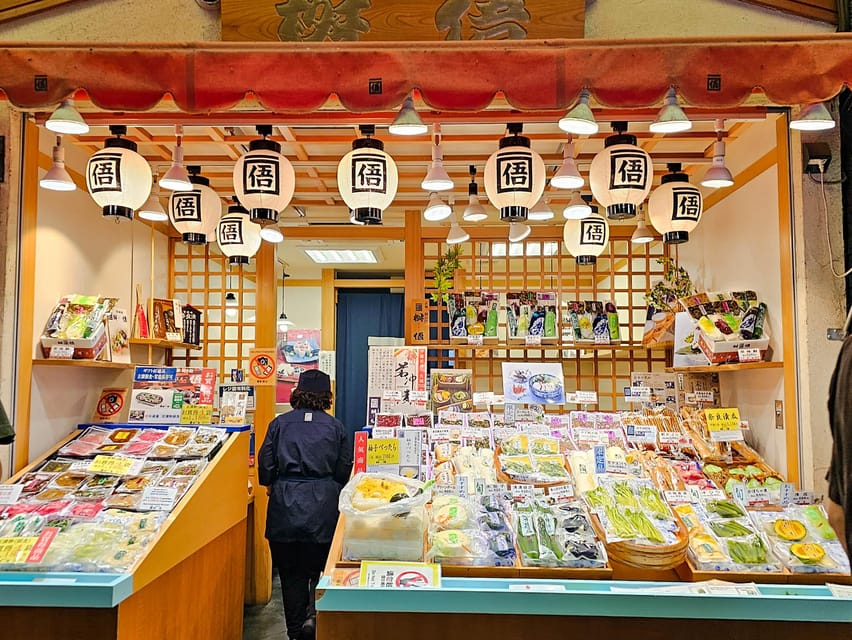
This is a walking tour with time on your feet in crowded food areas. Wear comfortable shoes and bring cash. A camera is useful, though you should follow stall rules and avoid blocking narrow paths while taking pictures.
The experience is not recommended for pregnant women, people with mobility impairments, or people with heart or respiratory problems. The supplied information does not describe seating or a slower route, so anyone concerned about stamina should ask before booking.
I think the tour suits:
- First-time visitors who want a quick food introduction
- People unsure how to order or identify Japanese specialties
- Families with mixed food preferences
- Solo visitors who want company without a large group
- Food lovers with only a short free window
- Shoppers interested in packaged gifts, kitchen tools, and local ingredients
It is less suited to you if you want a large number of full portions, a sit-down meal, or a tightly scripted tasting sequence. The guide may adjust the order and pace, and you should be willing to ask questions and express your priorities.
Free cancellation is available up to 24 hours before the start time, and you can reserve now and pay later. Those terms are handy when your Kyoto schedule is still shifting, but they do not remove the need to arrive on time.
Should you book the Nishiki Market food tour?
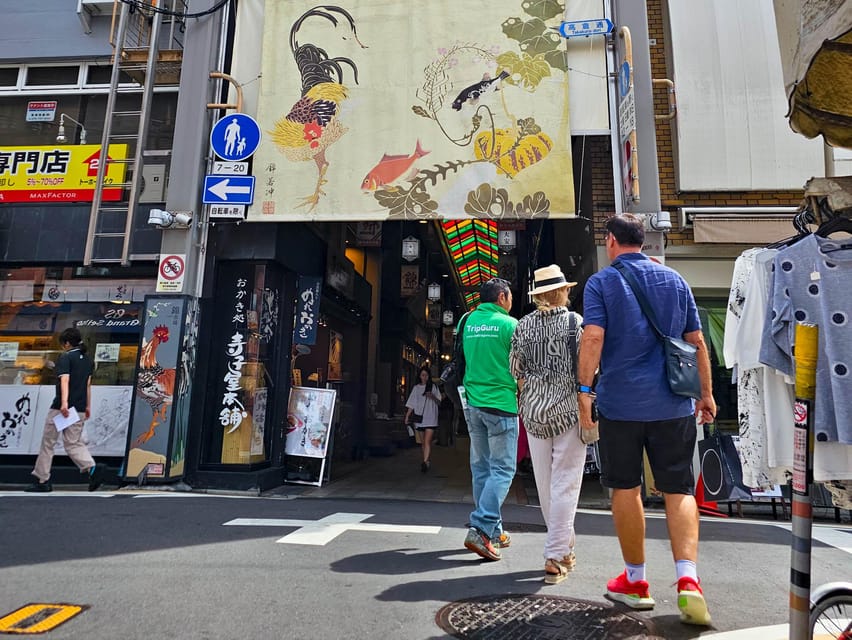
I would book this tour if I had two hours, wanted a friendly introduction to Kyoto food, and did not know how to approach Nishiki Market on my own. The combination of Daimaru’s depachika, Nishiki’s specialist stalls, and Nishiki-Tenmangu Shrine gives you more variety than a market-only walk.
Book it especially if you want help choosing unfamiliar foods. Guides such as Mao, Boris, Ai, Richard, Jasmine, and Kats have been praised for explaining ingredients, answering questions, and adapting to different tastes. Just tell your guide at the outset that you want the full set of included tastings.
I would skip it if you already have a detailed Nishiki food plan or want to spend the afternoon eating independently. For most first-time Kyoto visitors, though, $42 buys a useful start, a few distinctive tastes, and enough local guidance to keep exploring after the tour ends.
FAQ
How long does the Kyoto food tour last?
The activity is advertised as two hours. The listed stop timings add up to longer than two hours, so the time spent at each location may vary with the group and tasting pace.
Where does the tour meet?
The meeting point is Apple Kyoto. The guide will wear a TripGuru shirt or hold a TripGuru sign.
Where does the tour finish?
The tour finishes at Kyoto-Kawaramachi Station.
What food tastings are included?
The listed tastings are yuba sashimi, a soy milk donut, Nishiki gyoza, and tempura hamo fish.
Are extra food and drinks included?
No. Additional food, drinks, and personal expenses are not included.
Is the tour conducted in English?
Yes. It includes a live English-speaking guide.
How large is the group?
The experience is limited to nine participants.
What should I bring?
Bring comfortable shoes, a camera, and cash. Arrive at least 10 minutes before the stated meeting time because guides wait a maximum of about 10 minutes.
Just added in Kyoto
- The “Golden Route” and Ancient Japan by DIAMIR Erlebnisreisen – 14-Day Tour★ 2.0 · 2 reviews
- Japan: Castles & Cuisine by G Adventures – 6-Day Kyoto to Osaka Tour★ 4.5 · 4 reviews
- Cycle Japan by Explore! – 13-Day Kyoto to Tokyo Tour★ 4.7 · 12 reviews
- Cycle Japan by Intrepid Travel – 11-Day Kyoto to Tokyo Tour★ 4.8 · 2 reviews
- Classic Japan by Intrepid Travel – 11-Day Kyoto to Tokyo Tour★ 4.4 · 14 reviews
- Ancient & Modern Japan 14-Day Tour by Exodus Adventure Travels★ 4.4 · 40 reviews
- 5 Day Cultural Adventure of Kyoto, Nara & Osaka by Tourist Journey★ 2.5 · 2 reviews
- 12 Days Kinosaki Onsen Escape: A Journey Through Japan’s Timeless Towns by UME Travel★ 4.8 · 5 reviews
Markets and Food Halls, compared.
Tokyo Tsukiji Fish Market Food and Culture Walking Tour
Read our review →
Senkyaku Banrai Toyosu Manyo Club Onsen Experience in Tokyo
Read our review →
Nishiki Market Brunch Walking Tour (7 Tastings + Brunch)
Read our review →
Tokyo Sushi Making Class in Tsukiji with Professional Chef
Read our review →
Tsukiji Fish Market Guided Tour and Sushi Making with Pro Chef
Read our review →Browse the lists this tour appears in