
Reviewed · MARKETS AND FOOD HALLS
Kyoto Nishiki Market Food and Culture Walking Tour
Kyoto’s best bites hide in plain sight. This three-hour walk through Nishiki Market and downtown Kyoto pairs local food tastings with shrine customs, shopping streets, and everyday culture. I like the small maximum of six people and the way guides such as Keiko, Takuma, Miku, and Toshi explain not just what you eat, but why it matters. The main drawback is value: at $80.92, the tour can feel expensive if your group receives only a few paid tastings.
I also like that the food is meant to replace a meal, and that the route moves beyond the market into Nishiki Tenmangu, Shinkyogoku, Takoyakushido Eifukuji Temple, and Teramachi-dori. You should arrive hungry, wear comfortable shoes, and confirm the meeting point carefully, since unclear directions have caused problems for some bookings.
In This Review
- Key points to know before booking
- What this Nishiki Market tour is really like
- Entering the 400-year-old Nishiki Market
- Learning shrine customs at Nishiki Tenmangu
- Shinkyogoku, a modern shopping arcade with local flavor
- A small Buddhist temple at Takoyakushido Eifukuji
- Teramachi-dori and time to shop
- How good is the food value at $80.92?
- The guide makes or breaks the experience
- Practical points that affect your day
- Who should book this Kyoto food walk?
- Should you book it?
- FAQ
- How long does the Kyoto Nishiki Market Food and Culture Walking Tour last?
- How many people can join the tour?
- What places does the tour visit?
- Does the tour include enough food for a meal?
- Can dietary restrictions be accommodated?
- Is the tour available in bad weather?
- What is the cancellation policy?
Key points to know before booking
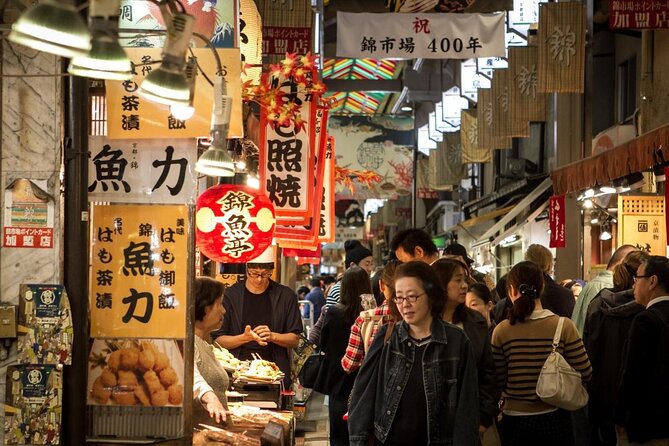
- Nishiki Market is the main event: Spend about 1 hour and 40 minutes among roughly 130 shops on a narrow, five-block street known as Kyoto’s Kitchen.
- Food and culture share equal billing: Tastings may include yuba, soy doughnuts, pickles, omelette, gyoza, eel tempura, fruit, minced-meat sandwiches, and other local bites.
- The group is capped at six: That makes it easier to ask questions, pause at shops, and get personal recommendations.
- The walk continues downtown: Shrine etiquette, Buddhist temple life, Shinkyogoku, and Teramachi-dori add context beyond eating.
- The value depends on the day: Some groups report enough food to feel full, while others receive fewer paid samples than expected.
- Dietary restrictions are not supported: Vegetarian, halal, kosher, gluten-free, and allergy-related requests cannot be accommodated.
What this Nishiki Market tour is really like
Nishiki Market is easy to visit on your own. That is both the strength and the challenge of the place. The street is packed with food stalls, established shops, and displays that can leave you wondering what to buy, how to eat it, or if you are even allowed to touch it.
A guide gives the market some order. Instead of wandering past unfamiliar ingredients, you can ask questions and get an explanation before trying something. That help matters most if you have only a short time in Kyoto or feel unsure about Japanese food customs.
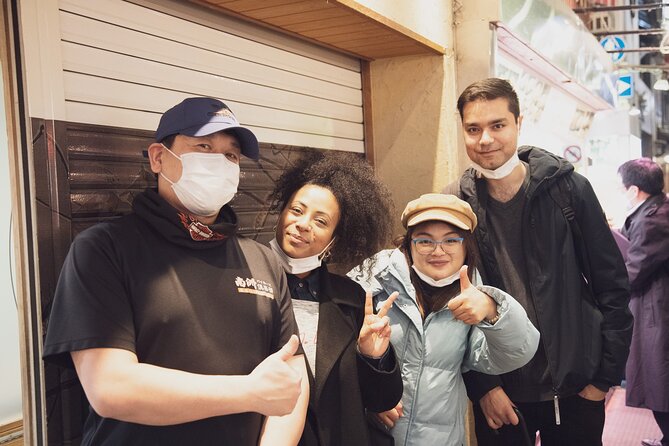
The tour is designed for a small group of no more than six people. This is a useful size for a narrow market street. You are less likely to lose the guide in the crowd, and the guide can adjust the pace or answer individual questions. Several guides have been praised for doing exactly that. Chizuko connected the walk to one participant’s food interests, while another guide adapted the route around the group’s curiosity and shopping plans.
The experience has earned a 4.9 rating from 412 ratings, with 97 percent recommending it. That strong response reflects the guides more than any single menu. Names that receive especially warm praise include Atsu, Annie, Akiko, Saeko, Toshi, Takuma, Yoko, and Nagi. Guide quality can shape the day, since the food shops themselves are open to everyone.
More Markets and Food Halls in Kyoto
- Nishiki Market Brunch Walking Tour (7 Tastings + Brunch)
★ 5.0 · 1,355 reviews - Kimono Tea Ceremony at Kyoto Maikoya, NISHIKI
★ 5.0 · 911 reviews - Kyoto: Nishiki Market Tea Ceremony with Koto Performance
★ 4.8 · 294 reviews
Entering the 400-year-old Nishiki Market
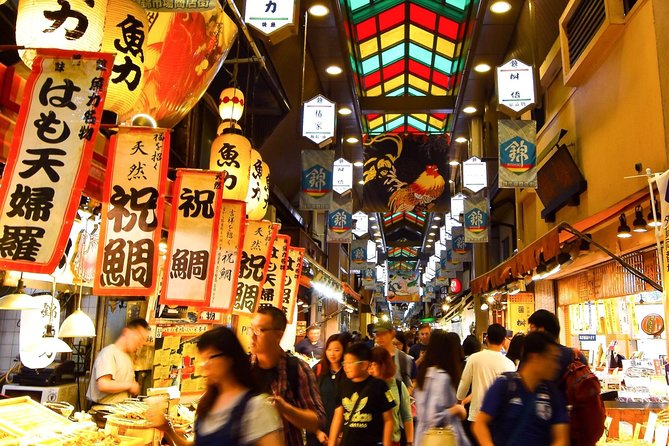
The first stop takes about 1 hour and 40 minutes, making up the largest part of the walk. Nishiki Market stretches along a narrow, five-block shopping street and includes around 130 shops. It has served as an important food center for about 400 years, and its nickname, Kyoto’s Kitchen, gives you a clear idea of its role.
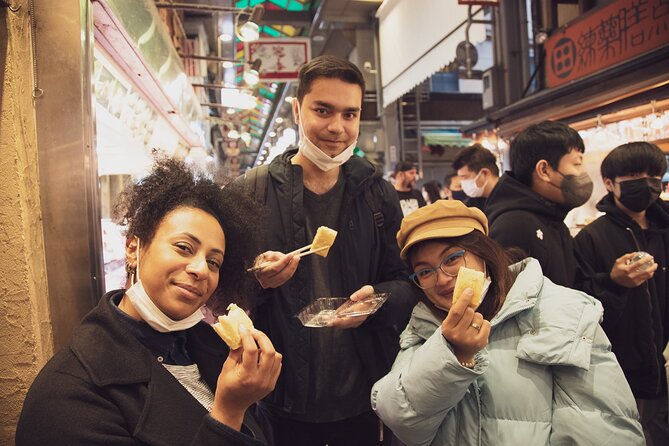
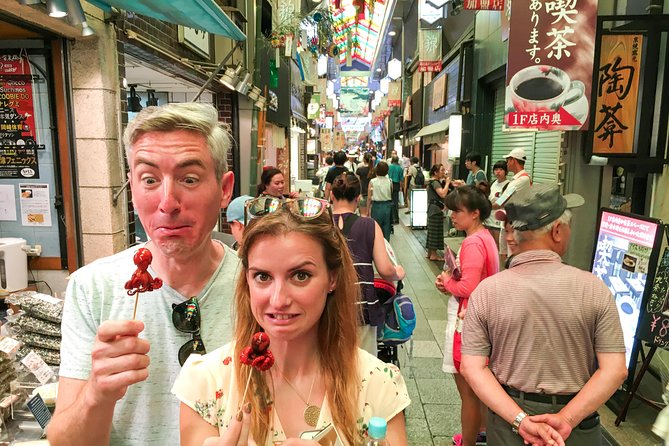
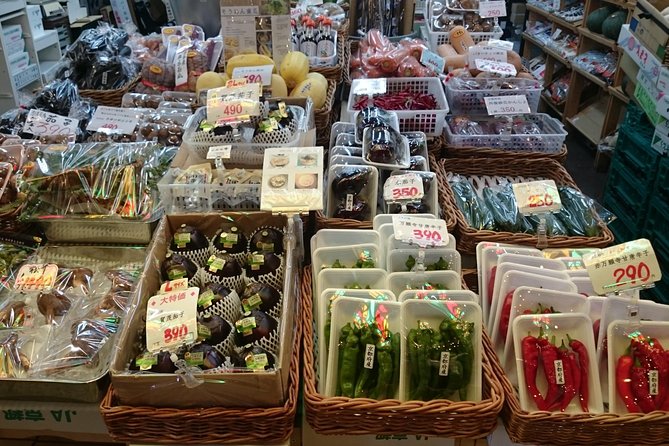
You can expect a close look at Kyoto ingredients, prepared foods, snacks, pickles, sweets, seafood, and seasonings. The exact tastings can vary, but the reported range is wide. Examples include yuba, soy doughnuts, rolled omelette, pickled cucumber, gyoza, wheat starch sweets, honey yuzu lemonade, fruit, strawberries, wagyu, eel tempura, and minced-meat sandwiches.
One especially memorable item mentioned is a Kobe-style minced-meat pie or sandwich, described as almost like a fried hamburger patty. Other food discoveries include matcha salt and drink concentrates that make useful souvenirs. The point is not simply to eat familiar Japanese dishes. It is to sample items you might overlook when every sign is in Japanese and every stall looks tempting.
The food portion is also where expectations need care. The tour description says the samples should fill you up in place of a meal. Some itineraries do seem generous, with one account listing many separate bites and another describing enough food to leave the group very full. Other experiences include only three market items plus three samples at a sit-down restaurant.
That difference is important. A guided tasting is not the same as buying every appealing snack yourself. If your goal is maximum food for minimum cost, wandering independently will probably be cheaper. If you want explanations, help choosing unfamiliar foods, and a sensible route through the choices, the fee becomes easier to justify.
You may also receive free samples from vendors along the way. Those extras can add up, but they are not something you should treat as guaranteed. The best approach is to view the included food as a guided introduction, then bring some extra yen or a payment card for anything you want to buy yourself.
Learning shrine customs at Nishiki Tenmangu
The short stop at Nishiki Tenmangu lasts about 15 minutes. This local Shinto shrine gives the walk a welcome change of pace after the market’s food displays and tight corridors.
Your guide explains the basic features you see at a shrine and how to pray. You can learn the general order of worship and gain a better sense of how Shinto practice fits into daily life in Japan. This is a brief introduction, not a long religious lecture, but it gives meaning to details you might otherwise pass without noticing.
I like this stop because it keeps the tour from becoming a simple eating circuit. Food is a strong entry point into Kyoto, but the shrine helps connect the market to local customs and beliefs. Toshi was praised for linking food, culture, and religious life into one clear experience, and that broader approach is one of the tour’s main strengths.
Shinkyogoku, a modern shopping arcade with local flavor
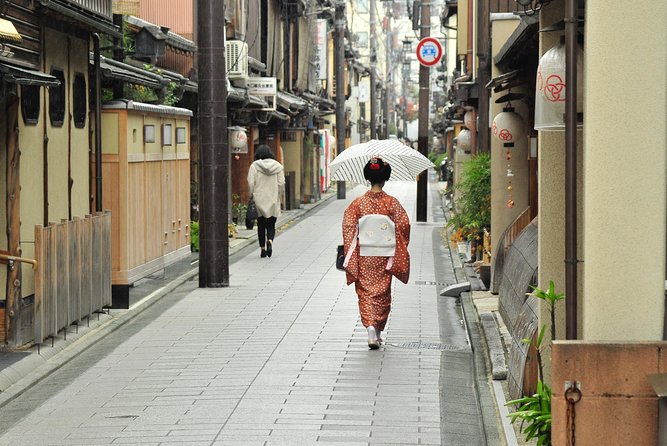
The route then moves into Shinkyogoku Shopping District for about 20 minutes. This pedestrian-only arcade blends older Kyoto traditions with modern shops and commercial life.
It is not another market in the same sense as Nishiki. Instead, it shows you how residents and visitors share the same downtown shopping area. You may see a mix of established businesses and newer stores, giving the walk a more current feel.
This section is useful after the concentrated market experience. It opens up the surroundings and gives you time to look at the city beyond food stalls. Guides may also point out places worth returning to later, especially if you want to shop for snacks, seasonings, or small souvenirs.
Do not expect a major attraction here. The value comes from the contrast. Nishiki focuses on food and ingredients, while Shinkyogoku shows the commercial rhythm of central Kyoto.
More Walking Tours in Kyoto
- Kyoto Geisha Walking Tour: Gion District & Hidden Gems
★ 4.7 · 3,273 reviews - Kyoto: Gion Magical Night Walking Tour with Geisha Trivia
★ 4.9 · 2,393 reviews - Kyoto: Gion Geisha District Walking Tour – Stories of Geisha
★ 4.7 · 2,187 reviews - Night Walk in Gion: Kyoto’s Geisha District
★ 4.5 · 2,003 reviews
A small Buddhist temple at Takoyakushido Eifukuji
Takoyakushido Eifukuji Temple receives about 10 minutes. It is a small Buddhist temple on the corner of the shopping street, and that location makes it interesting.
Kyoto has famous temple complexes that require dedicated visits. This stop offers something different: a modest temple sitting close to ordinary shops and foot traffic. Your guide can explain how temples form part of the city’s daily setting, rather than existing only as grand sightseeing sites.
The visit is quick, so keep your expectations modest. You will not have time for a full temple tour. Still, this small stop helps show how religious places can sit beside shopping streets and remain part of normal city life.
Teramachi-dori and time to shop
The final scheduled stop is Teramachi-dori, where the walk lasts about 15 minutes. Shops range from long-established businesses to newer stores, giving you another look at downtown Kyoto’s mix of old and new.
This is also where the tour can become more personal. Guides have helped participants find particular ingredients, souvenirs, and food products, including matcha salt and concentrated drinks. Chizuko was praised for steering a shopper toward products they might not have found alone.
You should tell your guide early if shopping matters to you. The standard route includes time for browsing, but the exact balance between tasting, explanation, and shopping can depend on the group. One guide adjusted the experience to suit a participant’s interests, while another made time for shopping without rushing the food stops.
How good is the food value at $80.92?
At $80.92 per person, this is not a cheap way to eat in Kyoto. Nishiki Market offers plenty of opportunities to buy small portions independently, and you can often try more items for less money if you are comfortable choosing on your own.
The fee pays for more than food. You are paying for a local guide, a planned route, explanations of ingredients and customs, help navigating a crowded market, and a small group capped at six. You also avoid wasting time on stalls that may not suit your tastes.
I would consider the price reasonable for a first visit if the included samples are generous and your guide is active in helping you understand the market. It is harder to defend if you receive only a handful of small bites and already know how to explore Japanese food streets.
The uneven food descriptions mean you should clarify what is included when you book or contact the provider. The food can replace lunch, but do not assume every departure includes the same number of tastings. Bring money for extra purchases, especially if you enjoy trying food at your own pace.
The tour also includes admission-free stops, so there are no separate attraction tickets to factor in. Transportation to and from the area, hotel pickup, extra food and drinks, and personal purchases are not included.
The guide makes or breaks the experience
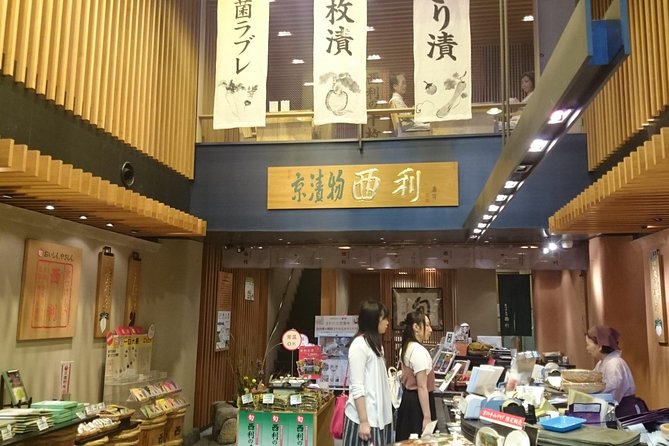
The strongest part of this tour is the human element. A good guide can turn a row of unfamiliar stalls into a clear lesson in Kyoto food and manners. The best guides appear to explain local ingredients, recommend what to try, share useful Japanese phrases, and connect food to family or regional traditions.
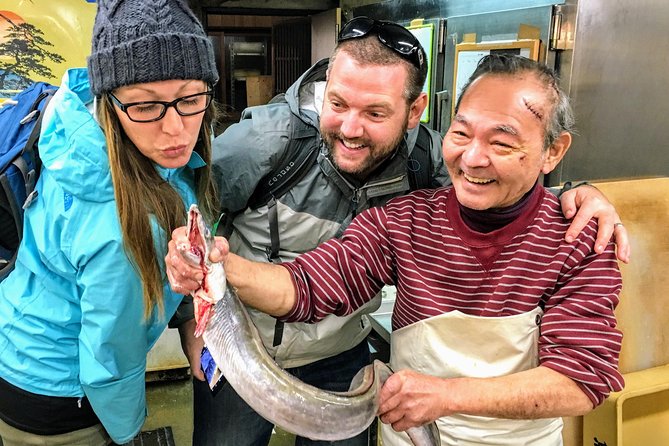
Toshi has been praised for sharing childhood foods and the Kyoto dialect phrase okini, meaning thank you. Takuma received praise for clear English, cultural explanations, and a comfortable pace. Atsu worked well with a multigenerational group, and Saeko adjusted food choices to match what the group wanted to try.
Several people also appreciated that the walk was not rushed. The three hours include a mix of standing, walking, tasting, and sitting. One participant with back problems found the balance comfortable, though you should still expect plenty of time on your feet in a crowded shopping area.
The guide may also help you avoid ordering something unsuitable or explain how to eat it. That is a real benefit in Nishiki, where a quick purchase can otherwise become an expensive guess.
Practical points that affect your day
The market can become very crowded, especially around the narrow central street. If you are bringing a stroller, notify the provider in advance. Maneuvering through the market may be difficult at busy times.
The tour runs in rain or shine, and the walking route is outdoors. Wear shoes that can handle three hours of movement and bring weather protection. The experience is listed as suitable for most people and takes place near public transportation, but hotel pickup and drop-off are not included.
Diet is the biggest restriction. The provider cannot accommodate vegetarian, halal, kosher, gluten-free, or allergy-related requests. If you have severe dietary needs, this tour may not be workable, even if you are willing to skip certain samples.
Japan’s legal drinking age is 20. Any alcohol-related tasting or purchase should be considered with that rule in mind.
Free cancellation is available up to 24 hours before the start time for a full refund. Cancellations or changes made inside that window are not accepted, and a weather cancellation offers a different date or a full refund.
One practical warning deserves extra attention: verify the meeting point before the morning of the tour. A past communication problem sent one participant toward the ending location, causing a long delay. Even though the guide was still waiting, this is exactly the sort of avoidable stress that can spoil a short Kyoto visit.
Who should book this Kyoto food walk?
I would recommend it to a first-time Kyoto visitor who wants help making sense of Nishiki Market. It suits solo visitors particularly well, since a small group provides company without the formality of a large bus tour.
Families can also do well here. Yoko was praised for keeping a family group engaged while they tried unfamiliar foods and browsed unusual products. Multigenerational groups may appreciate the mix of food, short cultural stops, and sitting time.
This is less suitable for an experienced market shopper who wants to make every decision alone. It is also a poor match for strict dietary restrictions or anyone measuring value only by the number of bites received.
Should you book it?
Book this tour if you want a friendly local guide, a manageable route through Kyoto’s food center, and cultural explanation alongside the tastings. The small group, strong guide record, shrine visit, and shopping advice make it more useful than simply following a market map.
Skip it if you are comfortable navigating Nishiki Market independently, want the lowest possible food cost, or expect a long list of substantial restaurant-size portions. Before paying, confirm the meeting point, ask what tastings are planned for that departure, and tell the provider what interests you most.
For the right visitor, this is a practical three-hour introduction to Kyoto food culture. Just treat the price as payment for guidance and context, not as an all-you-can-eat ticket.
FAQ
How long does the Kyoto Nishiki Market Food and Culture Walking Tour last?
The tour lasts approximately three hours.
How many people can join the tour?
The maximum group size is six people.
What places does the tour visit?
The route includes Nishiki Market, Nishiki Tenmangu, Shinkyogoku Shopping District, Takoyakushido Eifukuji Temple, and Teramachi-dori Street.
Does the tour include enough food for a meal?
The tour is intended to include enough samples to fill you up in place of a meal. The exact number of tastings can vary, so you should confirm the plan when booking.
Can dietary restrictions be accommodated?
No. Vegetarian, halal, kosher, gluten-free, and allergy-related requests cannot be accommodated. Severe dietary restrictions may make the tour unsuitable.
Is the tour available in bad weather?
The tour operates rain or shine. If the provider cancels because of poor weather, you will be offered another date or a full refund.
What is the cancellation policy?
You can cancel at least 24 hours before the start time for a full refund. Cancellations or changes made less than 24 hours before the start time are not accepted.
Just added in Kyoto
- The “Golden Route” and Ancient Japan by DIAMIR Erlebnisreisen – 14-Day Tour★ 2.0 · 2 reviews
- Japan: Castles & Cuisine by G Adventures – 6-Day Kyoto to Osaka Tour★ 4.5 · 4 reviews
- Cycle Japan by Explore! – 13-Day Kyoto to Tokyo Tour★ 4.7 · 12 reviews
- Cycle Japan by Intrepid Travel – 11-Day Kyoto to Tokyo Tour★ 4.8 · 2 reviews
- Classic Japan by Intrepid Travel – 11-Day Kyoto to Tokyo Tour★ 4.4 · 14 reviews
- Ancient & Modern Japan 14-Day Tour by Exodus Adventure Travels★ 4.4 · 40 reviews
- 5 Day Cultural Adventure of Kyoto, Nara & Osaka by Tourist Journey★ 2.5 · 2 reviews
- 12 Days Kinosaki Onsen Escape: A Journey Through Japan’s Timeless Towns by UME Travel★ 4.8 · 5 reviews
Markets and Food Halls, compared.
Tokyo Tsukiji Fish Market Food and Culture Walking Tour
Read our review →

Senkyaku Banrai Toyosu Manyo Club Onsen Experience in Tokyo
Read our review →
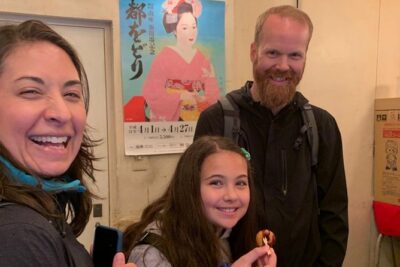
Nishiki Market Brunch Walking Tour (7 Tastings + Brunch)
Read our review →
Tokyo Sushi Making Class in Tsukiji with Professional Chef
Read our review →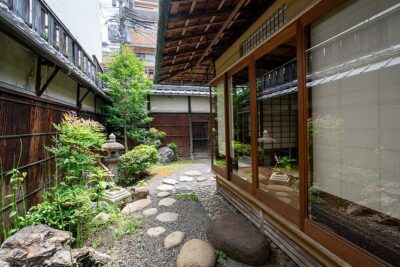
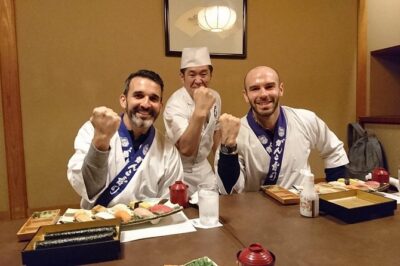
Tsukiji Fish Market Guided Tour and Sushi Making with Pro Chef
Read our review →Browse the lists this tour appears in