Reviewed · KYOTO TOURS
Kyoto: Replica food making experience
Fake food, real fun. Kyoto’s replica food workshop gives you a hands-on look at the plastic and wax dishes displayed outside Japanese restaurants, then lets you make your own. I especially like the small groups of up to four and the chance to take home a convincing tempura bowl rather than another generic souvenir.
The workshop also offers real cultural context. You learn how wax becomes shrimp, pumpkin, and optional lettuce, with friendly instruction in English or Japanese. The main drawback is simple: hot wax needs care, so younger children need help, and anyone under six cannot join.
The activity lasts about an hour, though one participant found it took closer to 45 minutes. At $22, it is a strong value for families, couples, and anyone who wants a short creative break near Nishiki Market. Just remember, your finished food is for display only, no matter how tasty it looks.
In This Review
- Key points at a glance
- Why Kyoto’s fake food deserves a closer look
- Finding the studio beside the giant crab sign
- The first lesson: wax, water, and timing
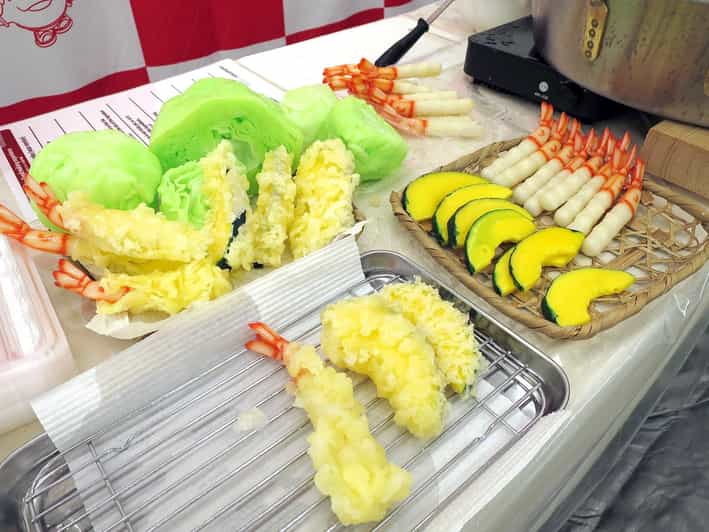
- Making the shrimp and pumpkin tempura
- Adding lettuce for another Japanese food-display trick
- Friendly instruction in a group of four
- What families should know about hot wax
- A clever souvenir that survives the trip home
- Is $22 a fair price?
- How to fit it into a Kyoto day
- The main limitations to keep in mind
- Who should book this workshop?
- FAQ
- Where is the replica food workshop in Kyoto?
- How long does the activity last?
- How much does the experience cost?
- What food will I make?
- Is the workshop offered in English?
- Can children take part?
- Can I eat the finished food?
- Can I cancel my booking?
- Should you book the Kyoto replica food workshop?
Key points at a glance
- Make shrimp and pumpkin tempura: Shape melted wax in hot water, then build a realistic batter coating around each piece.
- Optional lettuce replica: Add a lettuce sample if you want another classic Japanese food-display trick.
- Small group setting: With no more than four participants, the instructor can give patient, close guidance.
- Easy central location: Meet diagonally across from Kani Douraku, marked by its giant crab sign, in the Sanjo Meiten-gai shopping arcade.
- Take-home souvenir included: Your replica is packaged like a supermarket food item, ready to carry home.
- Good family activity: Children six and older can take part, though adults may need to assist with the hot wax.
Why Kyoto’s fake food deserves a closer look
Before you make anything, it helps to understand what you are copying. Japanese restaurants often place realistic food models outside their entrances so customers can see the menu before sitting down. These displays show portion size, ingredients, and presentation without requiring a shared language.
The replicas are not simply decoration. They are a practical part of Japanese dining culture, especially useful when you cannot read the menu or want to know what your meal will look like. A bowl of noodles, a plate of tempura, or a colorful parfait can often be understood at a glance.
That makes this workshop more than a craft class. You are learning a small piece of how Japanese restaurants communicate with customers. Afterward, you will probably notice replica dishes more often as you walk around Kyoto.
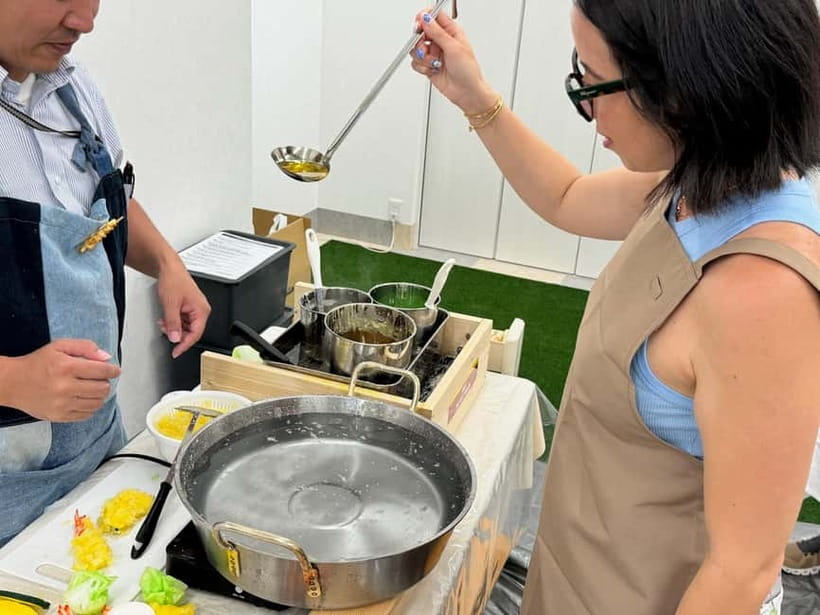
The workshop uses melted wax rather than ordinary craft clay. You pour the wax into hot water, shape it while it is soft, and then work it into a food form. The method is quick and slightly nerve-racking because the material changes as it cools.
A few more options to weigh up in Kyoto
- PERFECT KYOTO 1-Day Bus Tour
★ 5.0 · 13,518 reviews - [Kyoto & Nara Day Tour] Sagano Scenic Railway & Nara Park & Fushimi Inari Taisha Thousand Torii Gates & Togetsukyo Bridge & Bamboo Grove & Kimono Forest (Departing from Osaka)
★ 4.9 · 10,942 reviews - Kyoto: Fushimi Inari, Kinkakuji, Bamboo Grove 1 Day Bus Tour
★ 4.8 · 4,316 reviews
Finding the studio beside the giant crab sign
The meeting point is diagonally across from Kani Douraku, the restaurant recognized by its large crab signboard. That landmark is useful because the area has many shops and signs, and a giant crab is easier to spot than a small workshop entrance.
The studio is in the Sanjo Meiten-gai shopping arcade, a convenient setting for a one-hour activity. It is also not far from Nishiki Market, making it easy to pair the workshop with food stalls, shopping, or a meal afterward.
You should arrive at your reserved time. The staff may explain the process to everyone at once, so arriving late could mean missing the opening instructions. This matters more here than it might at a simple drop-in craft stall because the wax technique has several steps.
The workshop is a useful rainy-day or midday plan. It gives you a seat, a focused activity, and a break from walking through Kyoto’s busier shopping streets. The setting is practical rather than grand, but that suits the activity. The food replica itself is the star.
The first lesson: wax, water, and timing
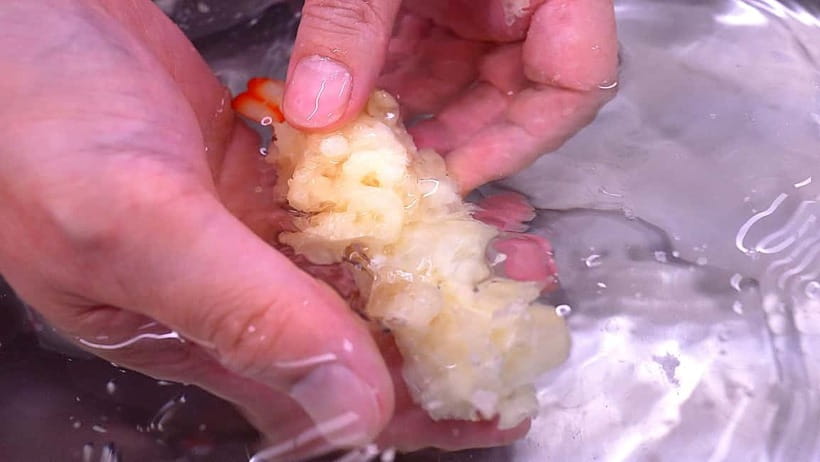
The instructor begins by showing you how the material behaves. Melted wax is poured into hot water, where it spreads and cools into a thin shape. You then work with it before it hardens completely.
The timing takes some practice. You need to move with purpose, but not panic. One participant noted that changing the height from which the wax is dropped can create different textures. That small trick helps produce an uneven, natural-looking surface instead of a flat, artificial coating.
You will likely get time to try the technique before making the piece you take home. That practice is important. The first attempt helps you understand how quickly the wax sets and how much control you have over the shape.
The process is not difficult in a technical sense, but it is hands-on. You are not just decorating a ready-made model. You are shaping the basic material and learning how small changes affect the result.
Making the shrimp and pumpkin tempura
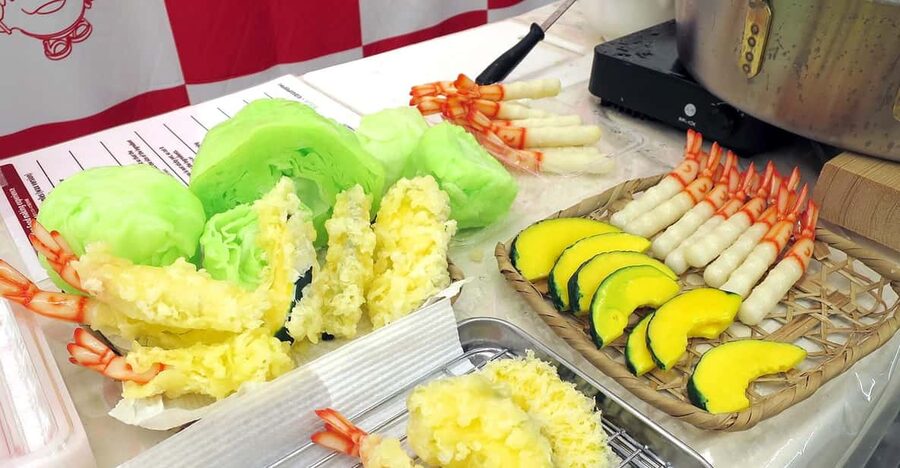
The main project is shrimp and pumpkin tempura. You first create the food pieces, then wrap them in a wax coating that resembles the crisp batter used for tempura.
Shrimp is a good choice for this kind of workshop because its shape is easy to recognize, but getting the batter to look natural takes care. Pumpkin gives you a different form and color, so the finished bowl has more variety.
The instructor demonstrates the movements and then lets you try. English and Japanese are available, and the staff are used to helping people who do not speak much Japanese. One participant described using a translation app along with simple directions, without trouble completing the activity.
That is useful to know. You do not need advanced Japanese to enjoy the class, but you should be prepared to watch closely and copy the demonstration. The method is visual, so careful observation matters as much as spoken explanation.
The result may not look exactly like a professional restaurant display. That is part of the fun. You get a handmade souvenir with your own small imperfections, and those details make it more personal than a factory-made trinket.
A completely different kind of day out:
- Kyoto: Tea Ceremony in a Traditional Tea House in Kiyomizu
★ 4.9 · 3,519 reviews - Kyoto: Gion Make Your Own Chopsticks with Engraving Option
★ 5.0 · 3,465 reviews - Kyoto Nara Day Trip │ Kiyomizu-dera Temple + Fushimi Inari-taisha Shrine + Nara Park (Departing from Osaka/Kyoto)
★ 4.7 · 3,408 reviews - Kyoto Geisha Walking Tour: Gion District & Hidden Gems
★ 4.7 · 3,273 reviews
Adding lettuce for another Japanese food-display trick
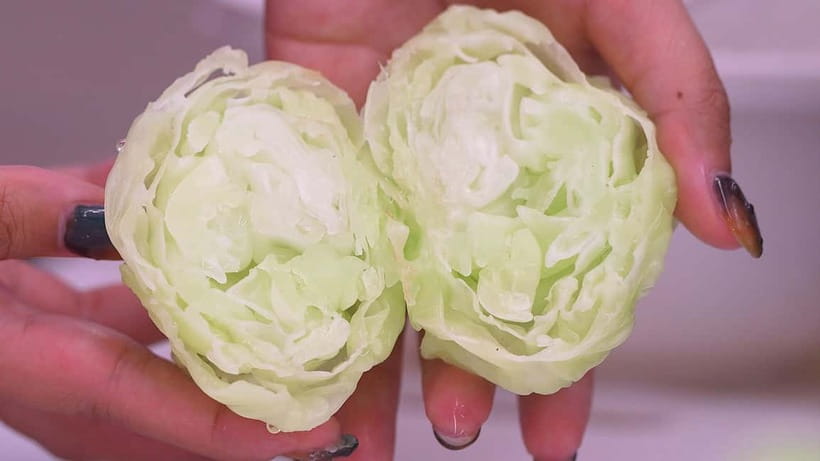
You can also choose to make a lettuce replica. The workshop description lists it as an option, and one participant made lettuce along with shrimp and pumpkin tempura.
Lettuce is a clever addition because its thin, crinkled leaves show how replica food makers create texture with simple materials. It also gives you a different type of task from shaping tempura.
If you are booking for a family or group, check what each person wants to make. The central project focuses on shrimp and pumpkin tempura, while lettuce may be available as an extra choice. The available format can depend on the workshop arrangement, so it is sensible to confirm your preferred combination when you arrive.
Some participants also noticed other replica-food examples in the studio, including oversized items suitable for photos. These displays help you see how much detail can go into food models, even if your own project is smaller.
Friendly instruction in a group of four
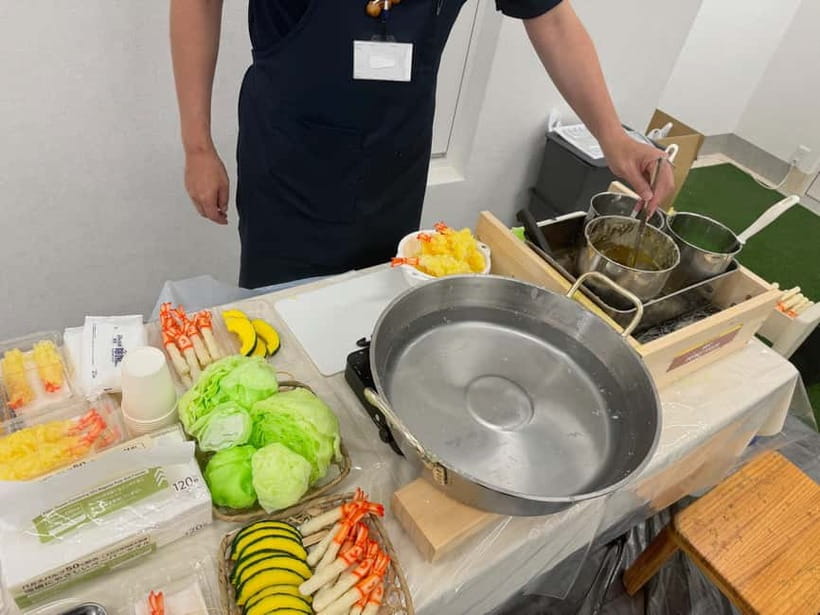
The limited group size is one of the strongest features. With no more than four participants, the instructor can watch what you are doing and offer corrections before the wax sets.
The teaching style is patient and encouraging. Several people praised the staff for explaining each stage clearly, giving tips, and allowing time to practice. That kind of support matters because the process can feel awkward at first.
The staff also appear comfortable working across a language gap. English instruction is available, and translation apps can fill in any missing details. The activity depends heavily on demonstration, so communication does not need to be perfect for you to follow along.
Some sessions may feel almost one-on-one if the group is small. That can be a bonus for couples or families who want personal help. It also means you should be ready to take part rather than simply watch. The instructors are there to guide your hands, not make the food for you.
What families should know about hot wax
This is a good choice for children six and older, particularly those who enjoy making things with their hands. Children aged nine and eleven were described as highly engaged, and families with teenagers also found the workshop enjoyable.
Adults may need to help younger children. Hot wax is part of the process, so children should follow instructions carefully and stay close to the instructor’s guidance.
The workshop is not suited to children under six. That restriction is sensible because the activity involves hot materials and timing. If your child is close to the age limit, consider how well they can listen, wait, and work carefully.
For families, the finished replica adds value. Everyone leaves with something connected to the activity, rather than a souvenir that sits forgotten in a suitcase. The packaging also makes the result fun to show friends at home, provided you clearly label it as fake food.
A clever souvenir that survives the trip home
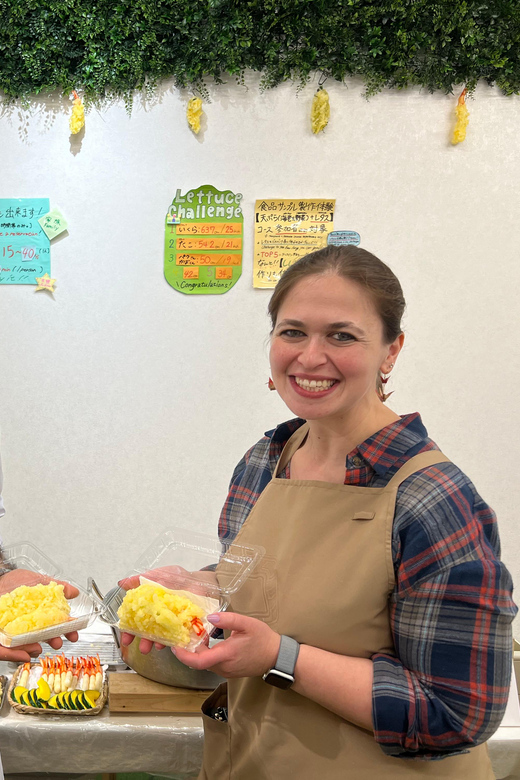
The finished food sample is packaged to resemble something from a supermarket or takeaway counter. That presentation is part of the joke and part of the charm.
A replica tempura bowl is also easy to understand when you return home. It tells a story about Japan’s restaurant culture and the activity you did in Kyoto. That makes it more meaningful than a souvenir chosen in a hurry.
You should still pack it with some care. The provided information does not specify how sturdy every finished item is, so avoid treating it like an indestructible toy. Keeping it in its packaging during your journey is the sensible choice.
The food looks realistic enough to fool someone at a quick glance. Several participants enjoyed the idea of using it to trick friends and family. A small warning tag or note is wise if you leave it in a kitchen, especially around children.
Is $22 a fair price?
At $22 per person, the workshop offers good value for a one-hour Kyoto activity. The fee covers the instruction, materials, and the replica food you make. You are paying for both the craft lesson and the souvenir.
The value is strongest if you want something beyond temples and shopping. Kyoto has plenty of major sights, but a short workshop can add variety to a packed itinerary. It also works well when you need an indoor activity or a break from sightseeing on foot.
The price may feel less compelling if you only want a cheap souvenir. You could buy a small gift for less, but you would not get the making process, cultural explanation, or personal connection.
The small group helps justify the cost. Personal guidance is more useful here than a large demonstration because the wax technique changes quickly. You are paying for a chance to try the process yourself, with help nearby.
Free cancellation is available up to 24 hours before the scheduled time, and you can reserve first and pay later. Those terms help if your Kyoto plans are still shifting, but you should still arrive on time once you commit to a session.
How to fit it into a Kyoto day
This workshop works best alongside central Kyoto plans. The location near the Sanjo Meiten-gai arcade and Nishiki Market gives you plenty to do before or afterward.
A practical plan is to visit Nishiki Market, have lunch nearby, and attend the replica food class after eating. The order is useful because making fake tempura may leave you craving the real thing. One participant finished the activity and immediately wanted to visit a tempura restaurant.
You can also place it between shopping stops. The workshop lasts about an hour, so it does not consume a full morning or afternoon. Leave enough time to find the meeting point and arrive a few minutes early.
Do not schedule it too tightly against a distant sightseeing appointment. The stated duration is one hour, but sessions have been described as lasting around 45 minutes, and timing can vary slightly. A little breathing room will make the day more pleasant.
The main limitations to keep in mind
The workshop is short. If you want a long cooking lesson or a full afternoon craft course, this will feel modest. Its strength is the unusual subject and quick format, not a broad survey of Japanese food art.
The activity also requires hands-on work with hot wax. That makes it less suitable for very young children or anyone who cannot follow close instructions. Parents should expect to assist rather than sit back.
The finished piece is for display only. It may look like tempura, lettuce, or another dish, but it cannot be eaten. That sounds obvious, yet the replicas are deliberately convincing, so keep the souvenir separate from real food at home.
Finally, the central location can be busy. The workshop itself offers a calm pause, but reaching it means navigating a shopping arcade and finding the correct landmark. Use the giant crab sign as your anchor and arrive with time to spare.
Who should book this workshop?
I would recommend it most strongly to families with children six and older, couples seeking a memorable souvenir, and first-time visitors who want a small cultural activity outside the usual sightseeing list.
It also suits anyone interested in Japanese design, restaurant customs, or practical crafts. You do not need artistic skill. The instructors provide the structure, and the challenge comes from controlling the wax rather than drawing or sculpting perfectly.
This is less ideal for anyone looking for a serious culinary lesson. You will not cook or eat food, and the activity focuses on visual realism. It is also not the right pick for children under six or for visitors who dislike messy, hands-on work.
FAQ
Where is the replica food workshop in Kyoto?
The meeting point is diagonally across from Kani Douraku, the restaurant with the large crab signboard. It is located in the Sanjo Meiten-gai shopping arcade, not far from Nishiki Market.
How long does the activity last?
The scheduled duration is one hour. One participant described completing the workshop in about 45 minutes, so the exact timing may vary slightly.
How much does the experience cost?
The listed price is $22 per person. Materials, instruction, and the replica food you make as a souvenir are included.
What food will I make?
The main activity involves making shrimp and pumpkin tempura replicas with melted wax. Lettuce is also available as an optional replica.
Is the workshop offered in English?
Yes. Instruction is available in English and Japanese. Translation apps may also help if you need extra clarification.
Can children take part?
Children under six cannot join. Children six and older may participate, and parents may be asked to help with parts of the activity.
Can I eat the finished food?
No. The replica food is for display only. It is packaged to resemble real supermarket food, so keep it clearly separate from edible items.
Can I cancel my booking?
You can cancel up to 24 hours in advance for a full refund. You can also reserve now and pay later.
Should you book the Kyoto replica food workshop?
Yes, if you want a short, unusual, and highly practical cultural activity. For $22, you get a small-group lesson, all materials, friendly instruction, and a souvenir you made yourself.
I especially like the way the workshop connects an everyday Japanese sight, restaurant food displays, with a craft you can try in person. The hot wax adds just enough challenge to make the final tempura feel earned.
Book it if you are near Nishiki Market, traveling with children, or tired of collecting ordinary souvenirs. Skip it only if you want edible food, a longer class, or an activity without hot materials. For most visitors with an hour to spare in central Kyoto, this is a playful and worthwhile addition to the itinerary.
Just added in Kyoto
- The “Golden Route” and Ancient Japan by DIAMIR Erlebnisreisen – 14-Day Tour★ 2.0 · 2 reviews
- Japan: Castles & Cuisine by G Adventures – 6-Day Kyoto to Osaka Tour★ 4.5 · 4 reviews
- Cycle Japan by Explore! – 13-Day Kyoto to Tokyo Tour★ 4.7 · 12 reviews
- Cycle Japan by Intrepid Travel – 11-Day Kyoto to Tokyo Tour★ 4.8 · 2 reviews
- Classic Japan by Intrepid Travel – 11-Day Kyoto to Tokyo Tour★ 4.4 · 14 reviews
- Ancient & Modern Japan 14-Day Tour by Exodus Adventure Travels★ 4.4 · 40 reviews
- 5 Day Cultural Adventure of Kyoto, Nara & Osaka by Tourist Journey★ 2.5 · 2 reviews
- 12 Days Kinosaki Onsen Escape: A Journey Through Japan’s Timeless Towns by UME Travel★ 4.8 · 5 reviews
Kyoto Tours, compared.

![[Kyoto & Nara Day Tour] Sagano Scenic Railway & Nara Park & Fushimi Inari Taisha Thousand Torii Gates & Togetsukyo Bridge & Bamboo Grove & Kimono Forest (Departing from Osaka)](https://media.japanvisits.com/wp-content/uploads/kyoto-nara-day-tour-sagano-scenic-railway-nara-park-fushimi-inari-taisha-thousand-torii-gates-togetsukyo-bridge-bamboo-grove-kimono-forest-departing-from-osaka-k110001-400x257.jpg)
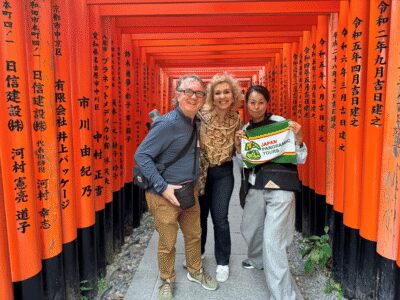
Fushimi Inari, Kinkakuji, Bamboo Grove 1 Day Bus Tour
Read our review →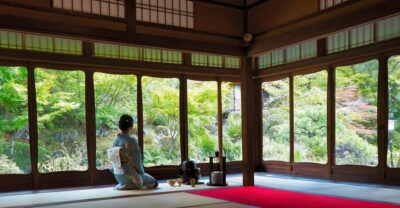
Tea Ceremony in a Traditional Tea House in Kiyomizu
Read our review →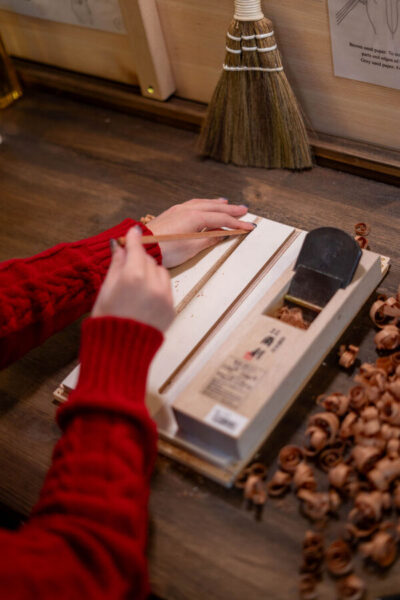
Gion Make Your Own Chopsticks with Engraving Option
Read our review →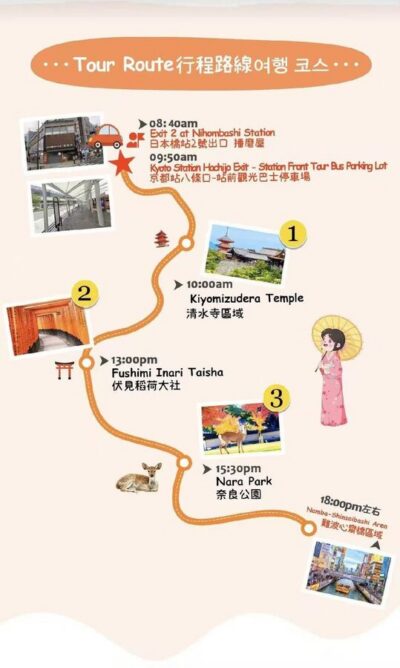
Kyoto Nara Day Trip │ Kiyomizu-dera Temple + Fushimi Inari-taisha Shrine + Nara Park (Departing from Osaka/Kyoto)
Read our review →
Kyoto Geisha Walking Tour: Gion District & Hidden Gems
Read our review →