
Reviewed · TEMPLES AND SHRINES
KYOTO: Tempio Kiyomizu Pagode Gion “Geisya” (Guida Italiana)
Kyoto rewards a slower, uphill look. This five-hour walk links Kiyomizu-dera, Sannenzaka, Ninenzaka, and Gion in one tidy route, with an Italian-speaking guide to explain the details that are easy to miss. I especially like that transport and entrance tickets are included, and that guide Omae is praised for his warm manner, clear Italian, and careful answers. The main consideration is pace: this is a walking tour through old lanes, stairs, and crowded shopping streets, so comfortable shoes matter.
The meeting point at Kyoto Station is practical, and the finish at Pontocho puts you near one of Kyoto’s best evening areas. I also like the option to request a flexible schedule or adjusted route when possible. Still, the tour covers several major sights in five hours, so you should expect a well-planned introduction rather than a long, quiet visit at each temple.
In This Review
- Key points to know before booking
- Why this five-hour Kyoto route works
- Meeting at Kyoto Station without a mix-up
- The short ride to Kiyomizu-dera
- Kiyomizu-dera, the main historical anchor
- Sannenzaka and Ninenzaka, Kyoto’s old approach streets
- Gion after the temple district
- A brief look at Minami-za before Pontocho
- How the Italian guide changes the experience
- Who gets the best value for $117
- Practical details worth knowing
- Should you book this Kyoto tour?
- FAQ
- How long does the tour last?
- Where does the tour begin?
- What is the exact meeting point at Kyoto Station?
- How will the meeting point be confirmed?
- What language does the guide speak?
- Is transport included?
- Are entrance tickets included?
- Is the tour wheelchair accessible?
- Can the itinerary or start time be changed?
Key points to know before booking
- Italian guidance throughout: Guide Omae explains Kyoto’s religious, cultural, and historical details in Italian and makes time for questions.
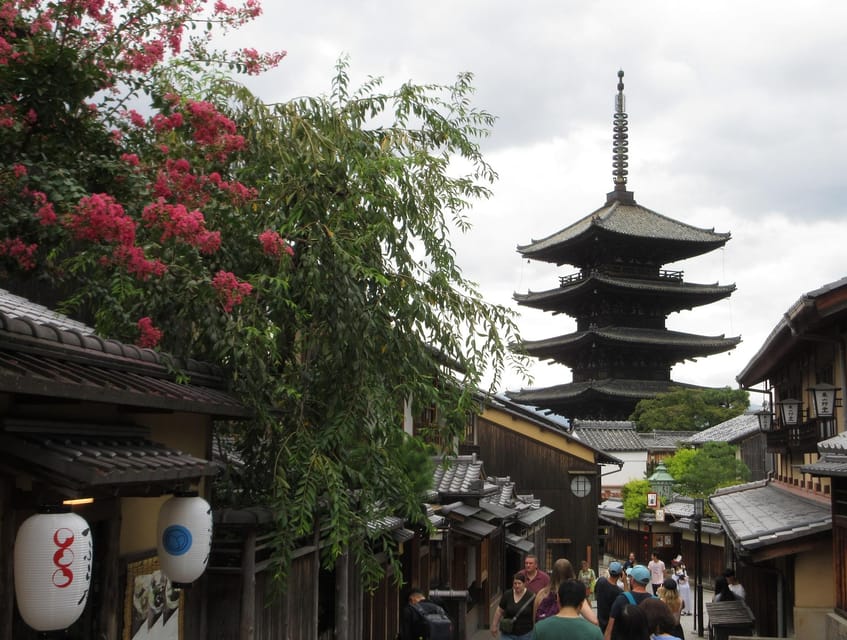
- Four classic Kyoto areas in one route: The tour connects Kiyomizu-dera, Sannenzaka, Ninenzaka, Gion, and Pontocho without leaving you to piece together the route alone.
- Transport and entry tickets included: The price covers the scheduled bus or coach ride and admissions to the listed monuments.
- A strong choice for first-time Kyoto visits: You get an efficient look at some of the city’s best-known old streets and temple scenery.
- Starts and ends near useful transport points: Meet at Kyoto Station and finish in Pontocho, a handy place to continue your evening.
- Flexible requests are possible: The operator can adjust times and itineraries as far as practical, though changes are not guaranteed.
Why this five-hour Kyoto route works
At $117 per person, this is not a bargain-priced stroll. Its value comes from combining a guide in Italian, local transport, and entrance fees in one half-day plan. If you would otherwise spend time working out the bus, locating the temple entrance, and trying to understand what you are seeing, the package can save effort.
I would look at this tour as a focused orientation to eastern Kyoto. It does not attempt to cover every famous temple in the city. Instead, it follows one of the most rewarding old routes, beginning at Kiyomizu-dera and moving downhill through historic lanes toward Gion and Pontocho.
That route matters. Kiyomizu-dera gives you the major religious and architectural setting, while Sannenzaka and Ninenzaka show how Kyoto’s approach streets developed around temple visits. Gion then shifts the mood toward traditional city life, and Pontocho gives you a natural place to continue after the guide leaves.
The Italian language is the key reason to choose this particular experience. Kyoto’s Buddhist customs, pilgrimage traditions, architecture, and social history can be hard to grasp from signs alone. A guide who can explain those subjects in your own language can make the same streets feel far less confusing.
Feedback about Omae highlights a useful mix of personality and precision. He is described as friendly, lively, attentive to small details, and ready to answer questions. That combination suits Kyoto well. You want enough explanation to understand the place, but not a lecture that drains the fun from the walk.
More Temples and Shrines in Kyoto
- [Kyoto & Nara Day Tour] Sagano Scenic Railway & Nara Park & Fushimi Inari Taisha Thousand Torii Gates & Togetsukyo Bridge & Bamboo Grove & Kimono Forest (Departing from Osaka)
★ 4.9 · 10,942 reviews - Kyoto: Fushimi Inari, Kinkakuji, Bamboo Grove 1 Day Bus Tour
★ 4.8 · 4,316 reviews - Kyoto: Tea Ceremony in a Traditional Tea House in Kiyomizu
★ 4.9 · 3,519 reviews
Meeting at Kyoto Station without a mix-up
The tour begins at Kyoto Station’s North Entry, also called the Karasuma-Guchi side. The precise meeting point is the open space between the four escalators in front of the taxi terminal, not the bus terminal.
Use the Kyoto Tower as your visual check. From the meeting area, the tower should be in front of you toward the upper left, not the upper right. That small instruction is worth remembering because Kyoto Station is large, busy, and full of signs pointing in several directions.
An email is sent by the day before with confirmation and more detailed meeting instructions. I would still arrive early. The tour includes transport, so a late arrival could create more trouble than simply missing a meeting on a quiet street.
Starting at the station also makes this outing easy to fit into a larger Kyoto plan. You can reach the station by train or local transport, meet the guide, and then leave your route planning to someone who knows the city. For an independent visitor, that can be a welcome change of pace.
The short ride to Kiyomizu-dera
From Kyoto Station, the group takes a bus or coach for about 15 minutes. The ride is brief, but it saves you from beginning the experience with a longer urban walk before reaching the old temple district.
Public transport in Kyoto can become crowded, especially around popular sights and busy times. Since transport is included, you do not need to search for the correct fare or decide which stop is best. The guide can handle the route as part of the scheduled visit.
The description does not promise a private vehicle, so you should think of this as included local transport rather than a private car service. That distinction matters if you want complete control over timing or a quiet ride.
The ride brings you to the approach for Kiyomizu-dera. From there, the character of the tour changes quickly. Modern Kyoto gives way to a pedestrian route lined with shops, cafés, sweets, and souvenir stalls.
Kiyomizu-dera, the main historical anchor
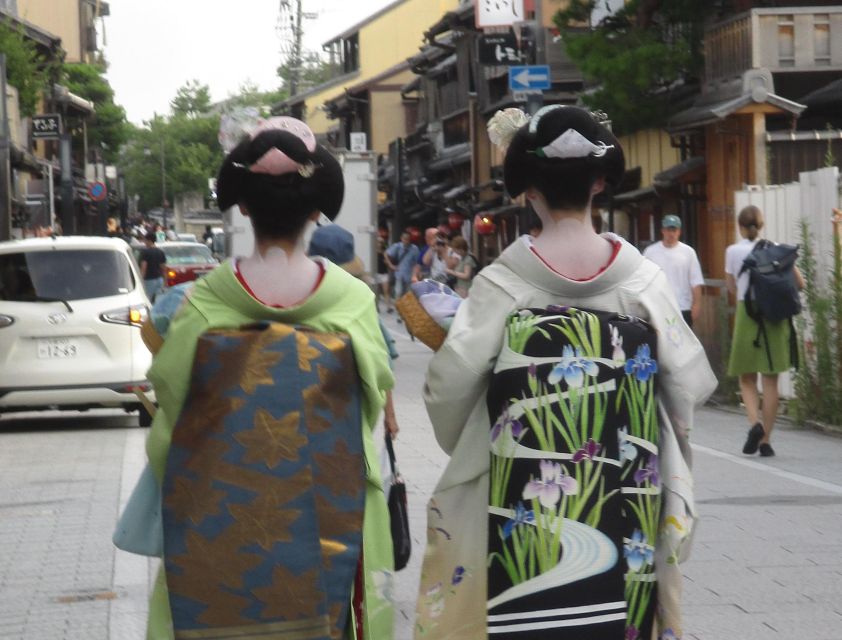
Kiyomizu-dera receives about an hour of guided sightseeing. That makes it the longest single stop on the route, and rightly so. This Buddhist temple is the central reason many people come to this part of Kyoto.
The approach is part of the experience. Pilgrims have followed routes toward the temple for centuries, and the surrounding streets grew as places where visitors could eat, shop, rest, and prepare for worship. You will see that old pattern in today’s stores and cafés, even though the area now serves visitors from across Japan and around the world.
An hour is enough for a guided introduction to the temple and its setting. It is not enough for a slow study of every building, sign, shop, and viewpoint. I would treat this as a first look, with the guide helping you understand what deserves your attention.
The Italian explanation is particularly useful here. A Buddhist temple can look beautiful without being easy to interpret. The guide can explain religious details, customs, and historical points in a way that connects the architecture to the people who came here over the centuries.
Expect a popular setting rather than a secluded one. The temple approach is known for its many shops and cafés, which makes it entertaining and convenient but also means you will share the route with plenty of other visitors. If you prefer quiet temples, this will not be the calmest stop of your trip.
A completely different kind of day out:
- PERFECT KYOTO 1-Day Bus Tour
★ 5.0 · 13,518 reviews - Kyoto: Gion Make Your Own Chopsticks with Engraving Option
★ 5.0 · 3,465 reviews - Kyoto Nara Day Trip │ Kiyomizu-dera Temple + Fushimi Inari-taisha Shrine + Nara Park (Departing from Osaka/Kyoto)
★ 4.7 · 3,408 reviews - Kyoto Geisha Walking Tour: Gion District & Hidden Gems
★ 4.7 · 3,273 reviews
Sannenzaka and Ninenzaka, Kyoto’s old approach streets
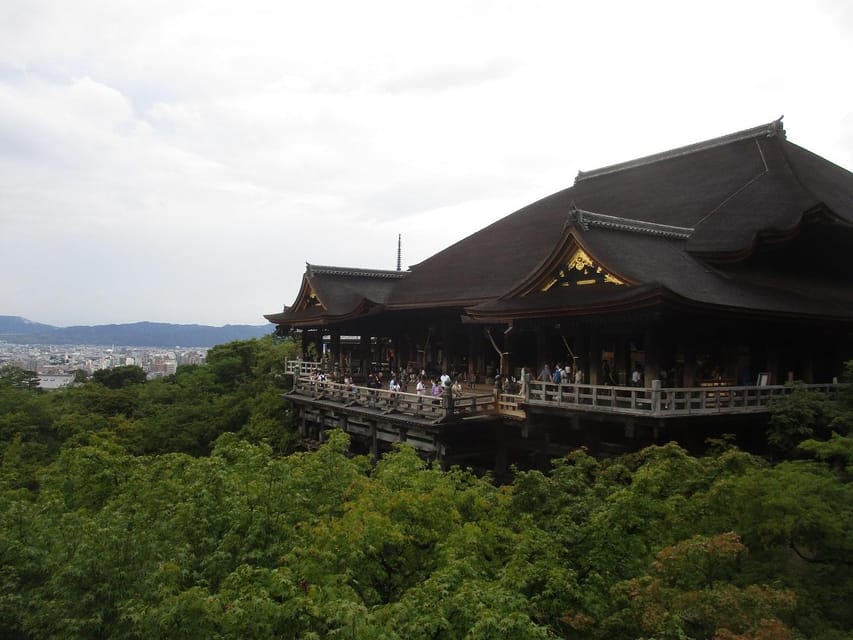
After Kiyomizu-dera, the route continues on foot to Sannenzaka. The walk from the temple is listed as about five minutes, followed by a three-minute stroll through the area. You then walk another five minutes to Ninenzaka, with about two minutes set aside there.
These time estimates suggest short guided passes rather than long shopping breaks. That is useful if your priority is seeing the route and learning its background. It is less ideal if you want to browse every shop or stop for a full café break.
Sannenzaka and Ninenzaka are among the most recognizable old streets in this part of Kyoto. Their appeal comes from the combination of traditional-looking buildings, sloping lanes, small shops, sweets, cafés, and the steady movement toward Kiyomizu-dera.
I like this part of the tour because it connects the temple to everyday visitor life. You are not simply being taken from one monument to another. You are walking through the commercial streets that grew around religious travel and still serve the same basic purpose today: food, gifts, refreshments, and a pleasant route for the journey.
The slopes and walking surfaces deserve attention. The tour is listed as wheelchair accessible, but this is still an old temple district with walking routes and changes in level. If you use a wheelchair or have limited mobility, discuss the exact route and any adjustments with the operator before booking. The stated flexibility is helpful, but the practical details should be confirmed for your needs.
Gion after the temple district
From Ninenzaka, the group walks for about 15 minutes toward Gion. This is the longest continuous walk shown in the schedule, so it helps to pace yourself earlier rather than spending all your energy at the temple.
Gion receives about 30 minutes of guided sightseeing. The stop offers a useful contrast to Kiyomizu-dera and the old approach streets. Here, the focus shifts from temple pilgrimage and shopping lanes to one of Kyoto’s best-known traditional districts.
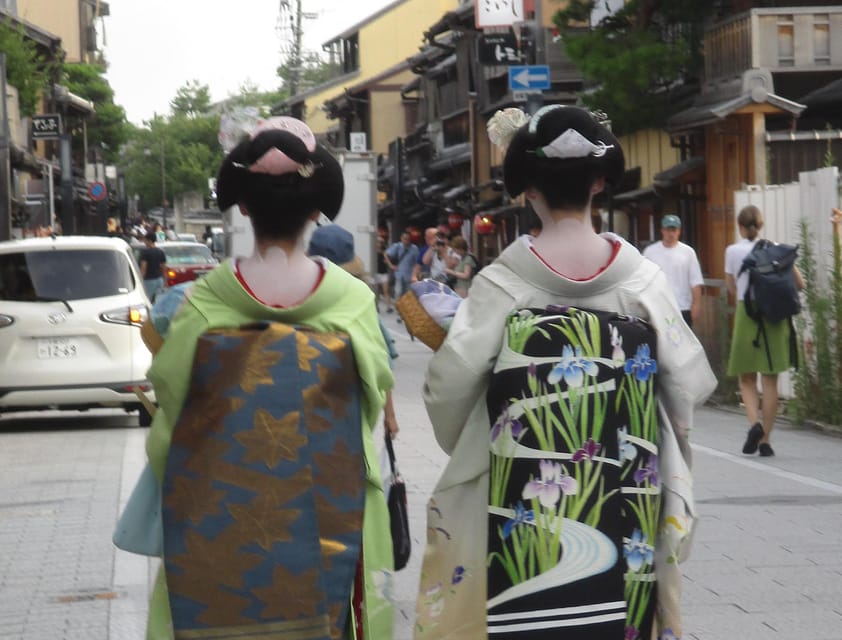
The tour title refers to geisha culture, but you should keep your expectations sensible. The information provided promises a visit and guided sightseeing in Gion, not a private performance, a meeting with a geisha, or a guarantee of seeing one on the street. The value is in learning about the area and its cultural setting, not in chasing a staged encounter.
Omae’s Italian explanations are likely to be most useful here when you have questions. Gion can raise plenty of them: how the district developed, what kinds of traditional arts are associated with it, and how visitors should behave in a historic neighborhood. The tour includes assistance during the itinerary, so you can ask rather than guess.
Thirty minutes is a compact visit. You will get an introduction and a look around, but not an exhaustive exploration of every lane. If Gion is your main reason for visiting Kyoto, plan a separate return at another time.
A brief look at Minami-za before Pontocho
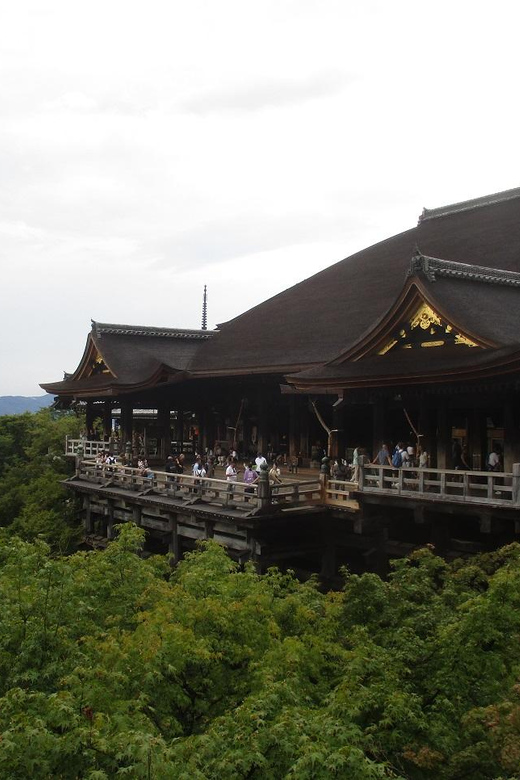
After Gion, the route continues on foot for about five minutes and passes by Kyoto Minami-za. The stop lasts around three minutes, so this is a quick exterior look rather than a theater visit.
Minami-za adds another cultural note to the route. It prevents the afternoon from being only temples and old streets by pointing toward Kyoto’s traditional stage arts. Since the schedule only says pass by, do not expect an included performance or interior tour.
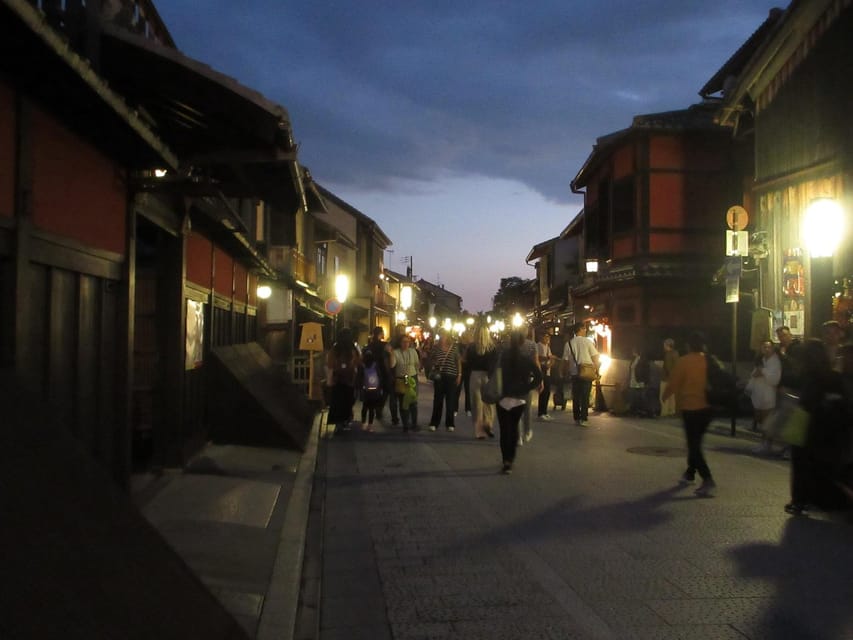
The final three-minute walk leads to Pontocho, where the tour ends. This is a smart finish because Pontocho is well placed for an evening meal or another walk through central Kyoto. The tour does not include dinner or a restaurant reservation, but you are left in an area where you can continue your plans.
Ending in Pontocho also gives the route a pleasing shape. You begin at a major station, climb into Kyoto’s temple quarter, move through historic streets and Gion, then finish in a central dining and nightlife district. The day feels like a progression through several sides of the city.
How the Italian guide changes the experience
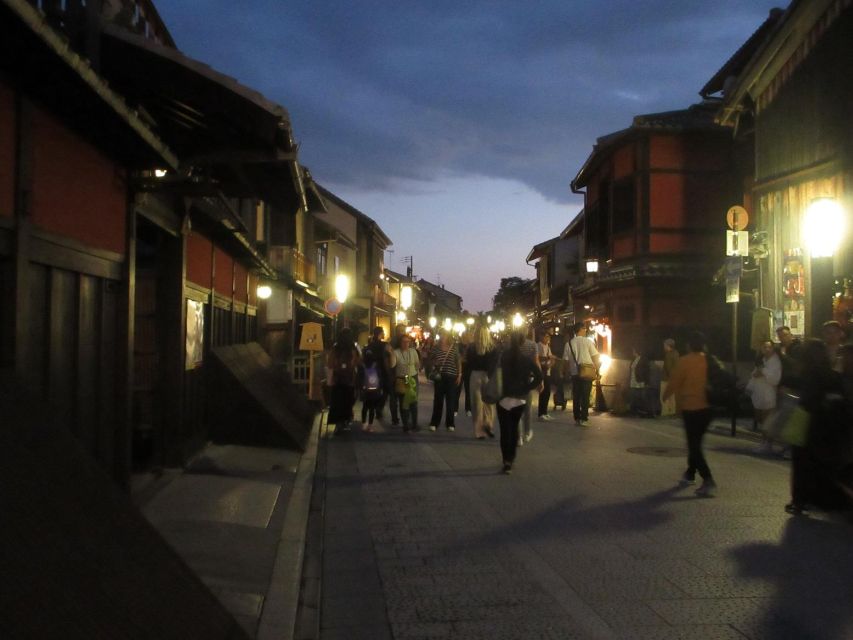
A guide in your own language is not just a convenience here. Kyoto’s sights often depend on context. You can see a temple roof, a stone path, or a shop-lined street, but the reason it matters may not be obvious.
Omae is repeatedly praised for being both personable and accurate. That matters on a five-hour tour. A stiff guide can make a busy route feel tiring, while an entertaining guide who skips details can leave you with pretty photos but little understanding. The strongest descriptions of Omae point to a useful middle ground.
You can ask questions throughout the route, and the guide is expected to provide assistance when needed. That makes this a good match if you want direct explanations instead of relying on translation apps or guidebook paragraphs while walking.
I would also use the flexible scheduling option wisely. You can request a different starting time or itinerary adjustment as far as possible, but the operator does not promise every request. Ask before you assume that a change is available, especially if you are coordinating trains, meals, or another booked activity.
Who gets the best value for $117
I think the price makes the most sense for several types of visitor:
- You want a guided Kyoto introduction in Italian.
- You are visiting Kyoto for the first time and want the major eastern sights organized for you.
- You value included transport and entry tickets.
- You prefer asking questions instead of reading signs and guidebooks alone.
- You want a half-day activity that finishes in a useful central district.
The cost is harder to justify if you already know Kiyomizu-dera, Sannenzaka, Ninenzaka, Gion, and Pontocho well. Independent visitors who enjoy planning local buses, buying their own tickets, and setting their own pace may prefer to do this route alone.
The tour is also not ideal for someone who wants extended time at every stop. The schedule gives an hour to Kiyomizu-dera, short periods through Sannenzaka and Ninenzaka, half an hour in Gion, and only a brief pass by Minami-za. You get range and interpretation, not a slow afternoon at one site.
The five-hour length is a good compromise for many people. It is long enough to feel substantial, but short enough to leave room for dinner or another Kyoto sight. Just remember that the route includes a fair amount of walking, even though the station-to-temple transfer is handled by bus or coach.
Practical details worth knowing
The tour can be booked as a group or individual experience, and the guide speaks Italian. Transport and scheduled monument entry fees are included in the stated price, so you should not need to budget separately for those parts.
Cancellation is free up to 24 hours before the start for a full refund. You can also reserve now and pay later, which helps if your Kyoto schedule is still shifting.
The activity is listed as wheelchair accessible. Because the route includes old pilgrimage streets and walking between stops, contact the operator in advance if you need a specific accessibility arrangement. The operator says assistance is available during the itinerary.
The overall rating is 4.7 from 17 ratings, with especially strong praise for Omae’s Italian, friendliness, attention to detail, and willingness to answer questions. Those qualities are central to the tour’s appeal, not a minor extra.
Should you book this Kyoto tour?
I would book it if you want to understand Kyoto’s famous eastern sights without handling every transport detail yourself, and if an Italian guide is important to you. The combination of Omae’s approachable style, included entries, short bus transfer, and well-connected finish at Pontocho gives the tour solid practical value.
I would skip it if you want a private, unhurried visit to each place, or if you have already explored this route independently. For most Italian-speaking visitors making a first pass through Kyoto, though, this is a sensible way to connect the temple, old streets, Gion, and central Kyoto in one clearly organized morning or afternoon.
FAQ
How long does the tour last?
The tour lasts five hours.
Where does the tour begin?
It begins at Kyoto Station, at the North Entry, also called Karasuma-Guchi.
What is the exact meeting point at Kyoto Station?
Meet in the space between the four escalators in front of the taxi terminal, not the bus terminal. The area is just outside the central north entrance. Kyoto Tower should appear in front of you toward the upper left.
How will the meeting point be confirmed?
Participants receive an email by the day before the tour confirming and detailing the meeting point.
What language does the guide speak?
The live tour guide speaks Italian.
Is transport included?
Yes. The scheduled means of transport, including the bus or coach from Kyoto Station, are included in the price.
Are entrance tickets included?
Yes. Entry fees for the monuments scheduled during the itinerary are included.
Is the tour wheelchair accessible?
The activity is listed as wheelchair accessible. Since the route includes walking through old pilgrimage streets, you should contact the operator about your specific needs.
Can the itinerary or start time be changed?
Flexible itineraries and times can be requested when possible. Adjustments are subject to practical availability and are not guaranteed.
Just added in Kyoto
- The “Golden Route” and Ancient Japan by DIAMIR Erlebnisreisen – 14-Day Tour★ 2.0 · 2 reviews
- Japan: Castles & Cuisine by G Adventures – 6-Day Kyoto to Osaka Tour★ 4.5 · 4 reviews
- Cycle Japan by Explore! – 13-Day Kyoto to Tokyo Tour★ 4.7 · 12 reviews
- Cycle Japan by Intrepid Travel – 11-Day Kyoto to Tokyo Tour★ 4.8 · 2 reviews
- Classic Japan by Intrepid Travel – 11-Day Kyoto to Tokyo Tour★ 4.4 · 14 reviews
- Ancient & Modern Japan 14-Day Tour by Exodus Adventure Travels★ 4.4 · 40 reviews
- 5 Day Cultural Adventure of Kyoto, Nara & Osaka by Tourist Journey★ 2.5 · 2 reviews
- 12 Days Kinosaki Onsen Escape: A Journey Through Japan’s Timeless Towns by UME Travel★ 4.8 · 5 reviews
Temples and Shrines, compared.
![[Kyoto & Nara Day Tour] Sagano Scenic Railway & Nara Park & Fushimi Inari Taisha Thousand Torii Gates & Togetsukyo Bridge & Bamboo Grove & Kimono Forest (Departing from Osaka)](https://media.japanvisits.com/wp-content/uploads/kyoto-nara-day-tour-sagano-scenic-railway-nara-park-fushimi-inari-taisha-thousand-torii-gates-togetsukyo-bridge-bamboo-grove-kimono-forest-departing-from-osaka-k110001-400x257.jpg)
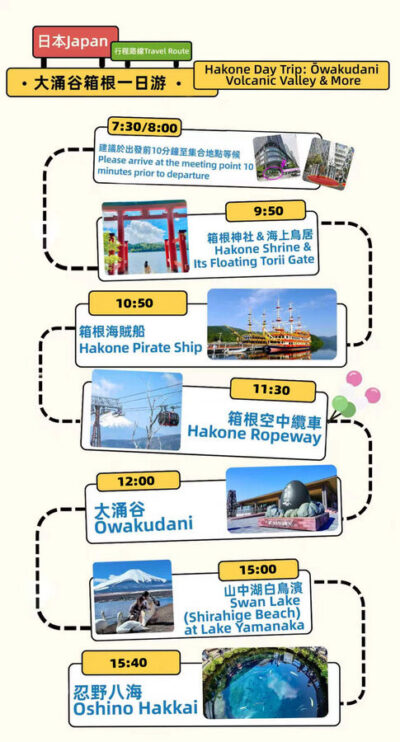
Kyushu One-Day Tour: Yufuin no Mori Train & Yufuin Town & Nyoirin-ji Temple & Dazaifu & Hell Hot Springs (Departing from Fukuoka)
Read our review →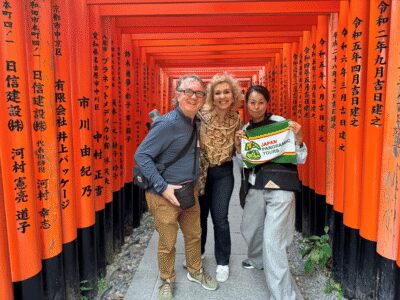
Fushimi Inari, Kinkakuji, Bamboo Grove 1 Day Bus Tour
Read our review →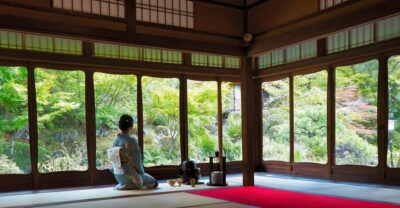
Tea Ceremony in a Traditional Tea House in Kiyomizu
Read our review →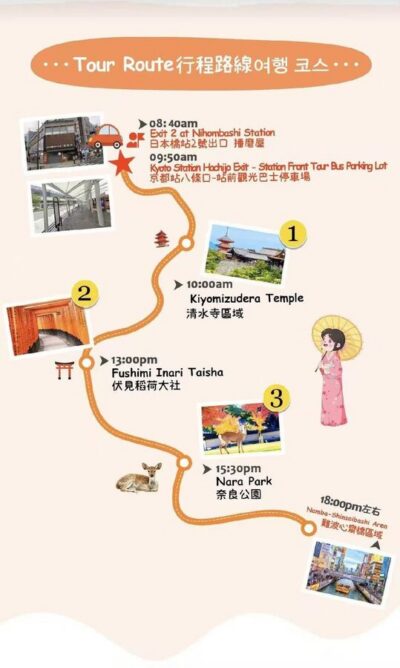
Kyoto Nara Day Trip │ Kiyomizu-dera Temple + Fushimi Inari-taisha Shrine + Nara Park (Departing from Osaka/Kyoto)
Read our review →
Browse the lists this tour appears in