Reviewed · KYOTO TOURS
Kyoto: Traditional Yuzen Dyeing Experience
Kyoto’s finest souvenir is one you make yourself. In a quiet machiya in the historic Nishijin district, you learn the basics of Kyoto Yuzen dyeing from an artisan, choose your colors, and paint a silk design to take home. I like the small-group setting, limited to six people, and the chance to work inside the artisan’s own traditional home. I also like that the master helps balance your color choices instead of leaving you alone with a brush and a blank table.
The main drawback is the price: $161 per person for two hours is a serious spend for a short activity. Design choices may also be limited, with one participant noting only three options, and you need to be comfortable sitting for much of the session. Still, if you value personal instruction, local craft, and a useful keepsake over a quick tourist souvenir, this is a strong Kyoto choice.
In This Review
- Key points to know before booking
- Entering a Kyoto machiya in Nishijin
- Choosing a design and planning your colors
- Learning from Master Shin’Ichiro
- Painting the silk, one section at a time
- What you take home at the end
- Why Yuzen matters in Kyoto
- Who will enjoy this two-hour class most?
- Timing, price, and practical value
- Small details that improve your session
- Should you book the Kyoto Yuzen dyeing experience?
- FAQ
- Where does the Yuzen dyeing experience take place?
- How long does the activity last?
- How much does it cost?
- What languages are available?
- How many people can join the group?
- What will I make?
- Do I need to know how to draw or paint?
- What should I wear?
- Is the activity suitable for children?
- Is transportation included?
- Can I buy additional artwork?
- Can I cancel for a refund?
Key points to know before booking
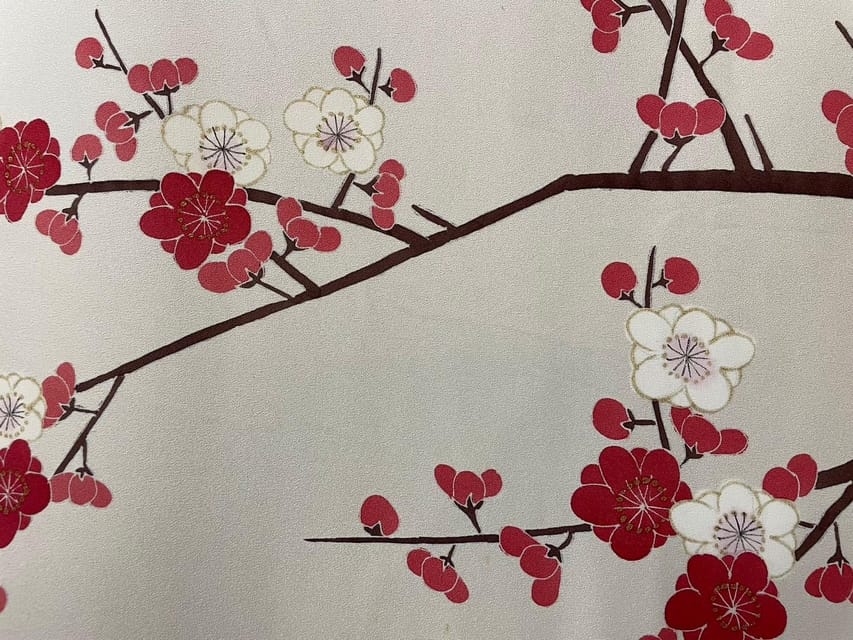
- You paint on prepared silk: The design is already marked with golden outlines, so you are coloring rather than drawing from scratch.
- The artisan mixes your colors: Master Shin’Ichiro selects and prepares the shades, often showing you how they will look before you apply them.
- The setting is part of the experience: You work inside a traditional machiya home and can view the artisan’s Kyoto Yuzen pieces.
- The session is calm and personal: Groups are capped at six, and some time slots may feel almost private.
- English and Chinese support is available: An interpreter helps explain the process and translates the artisan’s guidance.
- Wear expendable clothes: Dye can get on fabric, and the activity may involve chemicals that matter if you have allergies or sensitivities.
Entering a Kyoto machiya in Nishijin
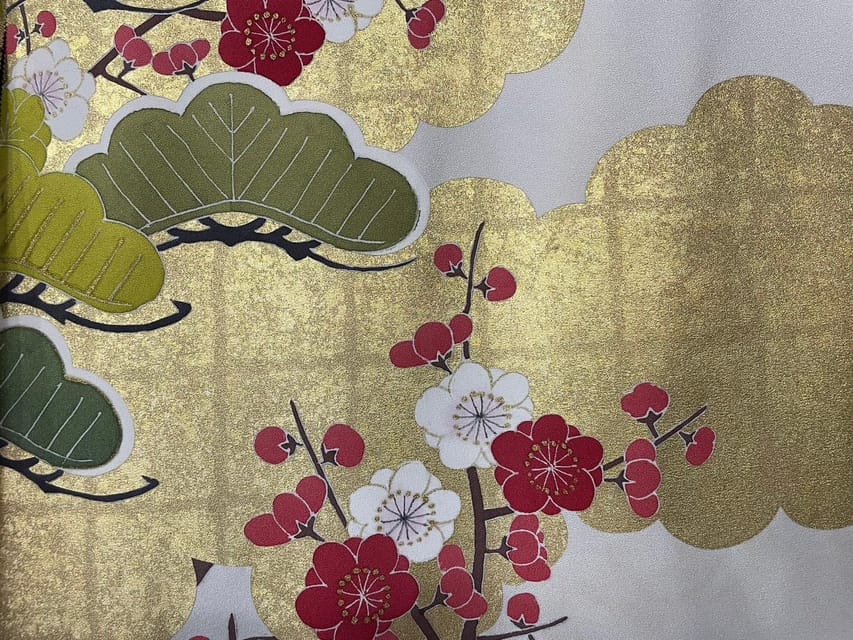
The experience takes place in Kyoto’s Nishijin district, an area long associated with textile work. Your meeting point is a traditional machiya townhouse, not a large craft school or a busy production hall. That matters because the building gives you a direct look at the kind of domestic setting where Kyoto’s handwork has been practiced and preserved.
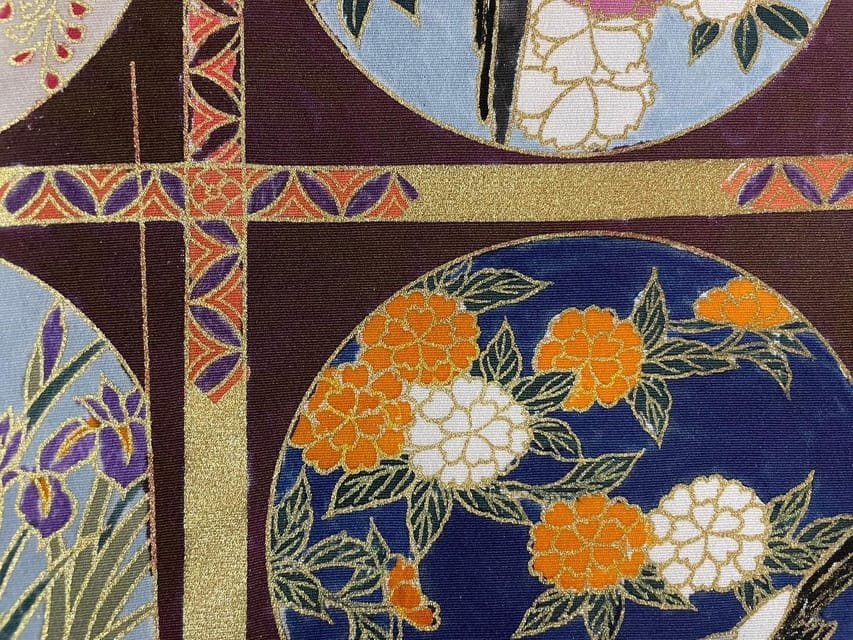
Inside, the atmosphere is quiet and home-like. You can view finished Kyoto Yuzen artwork and see the artisan’s own work before beginning your project. One participant described a studio looking onto a zen garden, while another appreciated being able to see the master’s finished pieces up close.
I like this opening because it gives the class a sense of place. You are not simply attending a generic fabric-painting activity with a Japanese label attached. The home, the tools, the finished artwork, and the artisan’s presence all help explain why Yuzen is treated as a serious art form.
There is also a practical benefit to the small setting. With no more than six participants, the instructor can watch how you hold the brush, correct a mistake, and respond to your color choices. If only two people book your time, the class can feel almost like a private lesson.
A few more options to weigh up in Kyoto
- PERFECT KYOTO 1-Day Bus Tour
★ 5.0 · 13,518 reviews - [Kyoto & Nara Day Tour] Sagano Scenic Railway & Nara Park & Fushimi Inari Taisha Thousand Torii Gates & Togetsukyo Bridge & Bamboo Grove & Kimono Forest (Departing from Osaka)
★ 4.9 · 10,942 reviews - Kyoto: Fushimi Inari, Kinkakuji, Bamboo Grove 1 Day Bus Tour
★ 4.8 · 4,316 reviews
Choosing a design and planning your colors
The first creative decision is usually the design. The available patterns have included phoenixes, cranes, fans, and other traditional images. Participants have also worked with a phoenix before a crescent moon, a popular and striking choice.
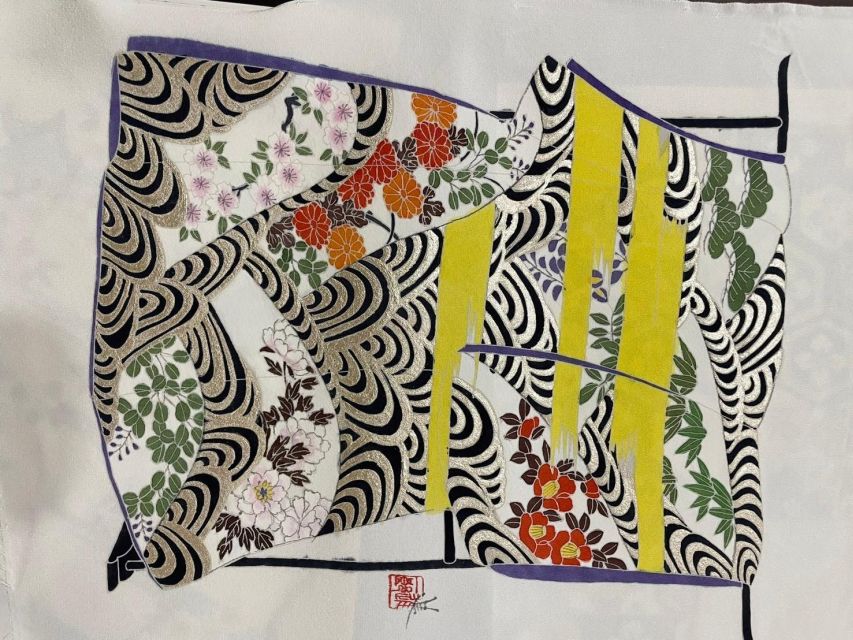
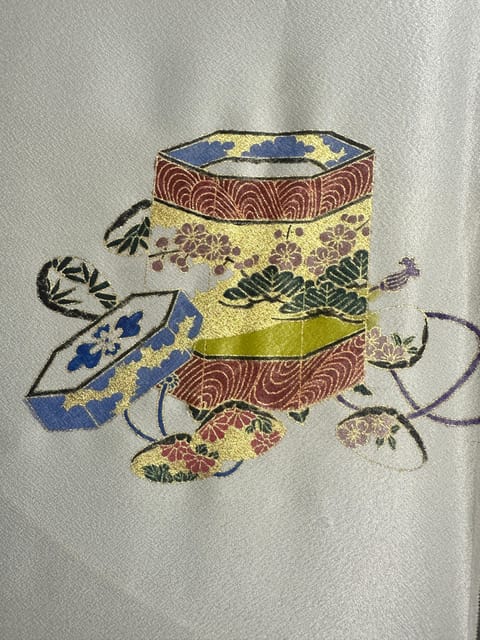
Your silk is prepared in advance with the design already placed on the fabric. Golden outlines mark the sections, giving you clear boundaries to follow. This makes the activity accessible even if you do not consider yourself artistic. You are not expected to sketch a bird, fan, or moon by hand.
The number of designs may be limited. One person found only three options available, so do not expect the selection found in a large commercial art workshop. If choosing is important to you, ask about the current pattern range when you book or arrive early enough to look carefully at the samples.
Once you select a design, you choose one or two colors that appeal to you. The artisan then helps decide the remaining shades so the finished piece has balance. This is one of the best parts of the class. You keep a personal say in the work, but you also benefit from someone who understands how dye behaves on silk.
I would not spend half the session agonizing over the pattern. One participant offered sensible advice: choose fairly quickly, because the painting itself needs your time and attention. A color that looks strong in a small sample may behave differently across a larger section of fabric, so the master’s help is useful here.
Learning from Master Shin’Ichiro
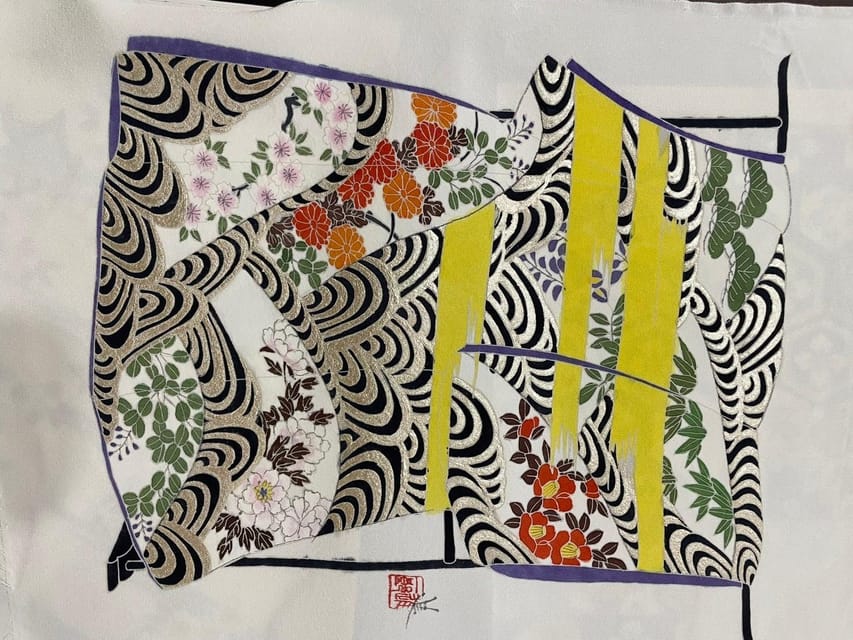
Master Shin’Ichiro guides the dyeing process and prepares the colors. He has been described as a retired kimono artisan, and his experience shows in the practical details. He knows how much dye and water to mix for a particular tone, and he can show you an example of how a shade should appear on the fabric.
That precision changes the activity from simple coloring into a lesson in textile craft. You may arrive thinking the main task is to fill in shapes. Soon you see that the amount of liquid, the pressure of the brush, and the speed of your work all affect the result.
The interpreter is an important part of the class. English and Chinese interpretation are available, and individual sessions have included friendly, helpful interpreters who translate the artisan’s instructions and answer questions. An interpreter named Ha was praised for translating clearly and helping take photos during the session.
Master Shin’Ichiro does not speak English well, so the interpreter is not just a convenience. The translation allows you to understand why a color is mixed in a particular way and how to avoid applying too much dye. It also lets you ask about Yuzen, the materials, and the meaning of the designs.
The tone appears to be encouraging rather than strict. The master guides you closely but does not take over your project. That balance is valuable. Your final piece may not be perfect, but it will be yours, made with professional help rather than produced entirely by the instructor.
Painting the silk, one section at a time
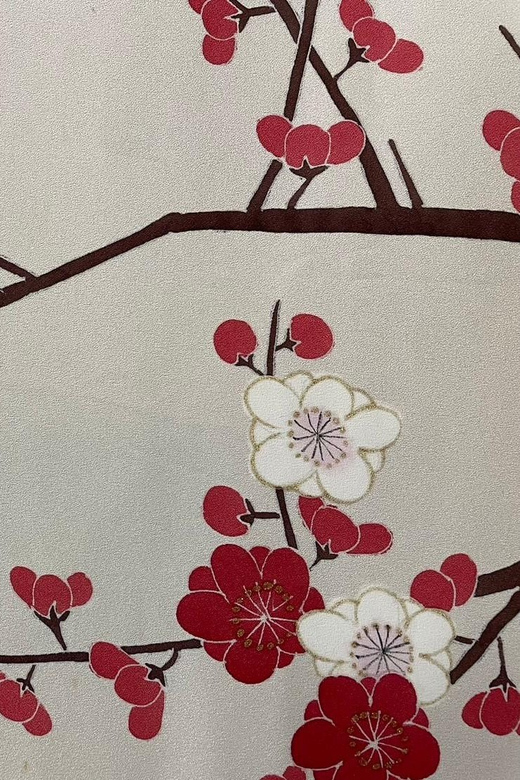
The actual painting is done on silk marked with the chosen design. You fill the outlined areas with the colors prepared by the artisan. This is closer to careful brush painting than to the tie-dye activity many people know from school or summer camps.
The work is simple to follow, but it rewards patience. Lisa, one participant, described it as painting inside the lines with minimal skill required. Her advice is worth remembering: do not overload the brush, because excess dye can bleed beyond the outline.
You may find the first few strokes slightly tense. Silk is delicate, and a dark mark can feel permanent. The master’s demonstrations and color samples take away much of that worry. He can show the expected tone before you apply it, then adjust the mixture if your preference changes.
The process also slows you down in a pleasant way. Several people described the two hours as calming, therapeutic, or meditative. You sit, work through the pattern, and watch the image develop without the pressure of a fast-moving sightseeing schedule.
That calm pace is a benefit, but it has one small catch. Some sessions have gone beyond the scheduled two hours because participants wanted to finish. That extra time was welcomed in individual cases, but you should not assume every session can run long. If you have a train, dinner reservation, or another timed activity afterward, leave a buffer.
You should also wear clothes you do not mind staining. The activity uses dye and may involve chemicals, so tell the provider ahead of time about allergies or sensitivities. Alcohol, drugs, fireworks, and party groups are not allowed, which tells you something about the intended atmosphere: quiet, focused, and craft-centered.
A completely different kind of day out:
- Kyoto: Tea Ceremony in a Traditional Tea House in Kiyomizu
★ 4.9 · 3,519 reviews - Kyoto: Gion Make Your Own Chopsticks with Engraving Option
★ 5.0 · 3,465 reviews - Kyoto Nara Day Trip │ Kiyomizu-dera Temple + Fushimi Inari-taisha Shrine + Nara Park (Departing from Osaka/Kyoto)
★ 4.7 · 3,408 reviews - Kyoto Geisha Walking Tour: Gion District & Hidden Gems
★ 4.7 · 3,273 reviews
What you take home at the end
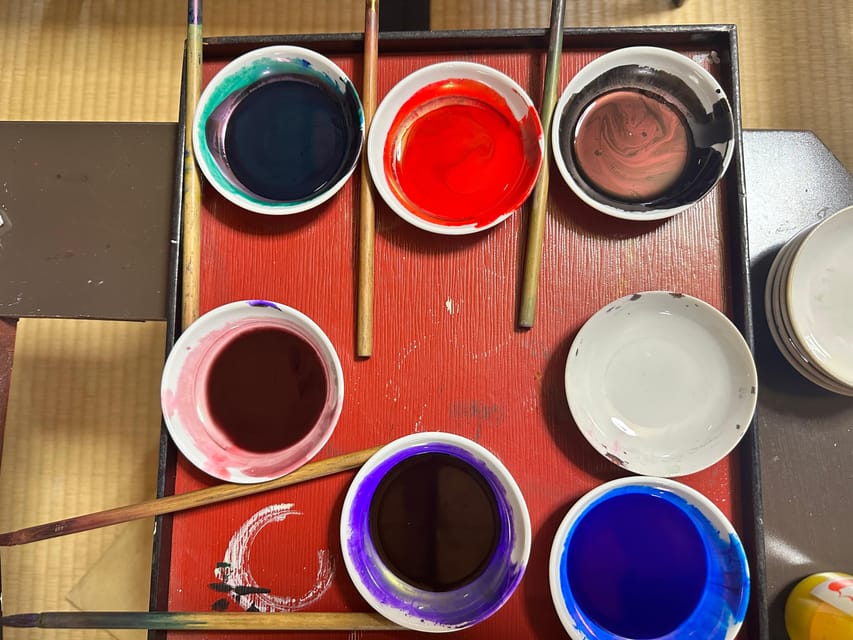
The finished silk piece is the main reward. You take home a work of Japanese textile art that reflects your own color choices and the artisan’s guidance. The master may iron the piece so it is dry and ready to carry away.
This is a better souvenir than something picked from a crowded shop if you want an object with a story. You will remember the design you chose, the colors you changed, and the moment the pattern finally came together. It can be displayed as a small wall piece or kept as a personal memento from Kyoto.
You should keep your expectations sensible. You are not becoming a professional Yuzen artist in two hours, and the finished item will be a collaboration rather than a fully handmade kimono panel. The prepared outline makes the class approachable, but it also limits how much of the design is your own.
The experience includes a view of the artisan’s Yuzen works, but buying additional pieces is not included. Extra purchases may be possible and require cash. If you are interested in taking home one of the master’s own works, bring cash and treat that as a separate expense.
Why Yuzen matters in Kyoto
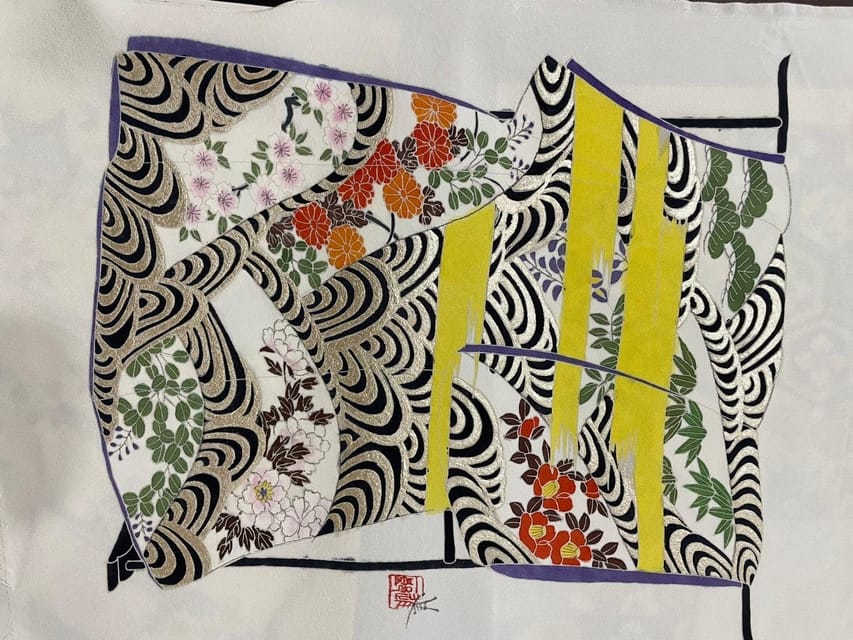
Yuzen dyeing is one of Kyoto’s celebrated textile arts. It is closely linked with the city’s kimono tradition, where careful color work and fine patterning matter as much as the finished garment.
A short workshop cannot teach the full craft. It can, however, show you why the work demands control and patience. You see how colors are selected, mixed, and applied to silk, and you gain a better sense of the difference between factory printing and hand-guided dye work.
There is also a cultural reason to choose this class. One participant valued the chance to support an artisan and help preserve an art form that is in decline. That gives the $161 price more weight than a basic two-hour craft class, though the cost will still feel high to anyone comparing it with ordinary souvenir activities.
I think the value is strongest for people who want time with a craftsperson. You are paying for the setting, the instruction, the translation, the prepared materials, the finished silk, and access to the artisan’s own work. If you only want a quick activity for children or a cheap memento, you can find less expensive options elsewhere.
Who will enjoy this two-hour class most?
This experience suits adults, couples, friends, solo visitors, and families with older children. The minimum age is 10, and one mixed-age group ranging from 12 to 55 had a good time. Babies under one year and children younger than 10 are not suitable for the activity.
It is especially good for:
- People who enjoy hands-on art
- Visitors interested in kimono and Japanese textile culture
- Couples looking for a quiet shared activity
- Solo visitors who appreciate personal instruction
- Anyone who wants a small piece of art rather than a standard souvenir
- Visitors seeking an activity away from Kyoto’s major temple routes
You need to be able to sit for about two hours, possibly on the floor. One participant specifically advised against booking if floor sitting is difficult. The activity is wheelchair accessible, but it is still wise to confirm the exact seating arrangement if you need particular support.
This is not a party class. It also is not a loud, fast family attraction with many games or constant movement. You will get the most from it if you enjoy concentration, conversation, and careful handwork.
Timing, price, and practical value
The listed price is $161 per person, with a duration of two hours. At first glance, that is expensive. The price makes more sense when you count the elements included: direct instruction from an artisan, an interpreter, access to the machiya, a look at the master’s work, and a finished silk piece to take home.
The small group also affects the value. A six-person maximum allows more attention than a large workshop, and a partly empty booking can feel very personal. That makes this a better fit for a special morning or afternoon than for an activity you book casually between several free attractions.
Transportation to and from the meeting point is not included, so plan your route separately. The activity is in Nishijin, and you should allow enough time to find the townhouse without arriving rushed. A calm arrival will help you appreciate the setting from the start.
Cancellation is flexible if your plans change: you can cancel up to three days in advance for a full refund. Starting times vary, so check availability for the date you want. English and Chinese support are offered.
Small details that improve your session
A few simple choices can make the experience smoother:
- Wear older, comfortable clothing.
- Tell the provider about allergies or chemical sensitivities before arriving.
- Choose your design without using too much painting time.
- Listen carefully to the brush and dye instructions.
- Keep your brush lightly loaded to reduce bleeding.
- Ask to see a color sample if you are unsure.
- Leave extra time afterward in case you work slowly.
- Bring cash if you may want to buy an additional artwork.
Do not judge your piece too early. The colors may look different while wet, and the master’s finishing process helps the fabric dry properly. Your goal is not factory-level uniformity. It is to make something personal under the hand of someone who has spent years learning the craft.
Should you book the Kyoto Yuzen dyeing experience?
I would book it if you want an authentic, quiet craft session and are comfortable paying a premium for personal instruction. The traditional machiya, the artisan’s guidance, the interpreter, and the silk artwork give the two hours a clear purpose.
I would skip it if you need a low-cost activity, dislike sitting still, want a large choice of designs, or have a tight schedule immediately afterward. The experience is best treated as a special part of your Kyoto visit, not a filler activity.
For art lovers and hobbyists, it is an excellent choice. You leave with more than a souvenir: you carry home a small record of your own time in Kyoto, shaped by your choices and refined by Master Shin’Ichiro’s eye.
FAQ
Where does the Yuzen dyeing experience take place?
It takes place inside a traditional machiya townhouse in Kyoto’s historic Nishijin district.
How long does the activity last?
The scheduled duration is two hours, though some sessions may run longer if participants need extra time to finish.
How much does it cost?
The listed price is $161 per person.
What languages are available?
Live guidance and interpretation are available in English and Chinese.
How many people can join the group?
The experience is limited to six participants.
What will I make?
You will create your own Yuzen-dyed silk fabric piece using a prepared design and take it home as a souvenir.
Do I need to know how to draw or paint?
No advanced skill is required. The design is already outlined on the silk, and the artisan guides you through applying the colors.
What should I wear?
Wear comfortable clothes that you do not mind getting dye on.
Is the activity suitable for children?
Children under 10 are not suitable for the experience, and babies under one year are not permitted. One mixed-age group including children from age 12 had a positive experience.
Is transportation included?
No. Transportation to and from the meeting point is not included.
Can I buy additional artwork?
Additional works may be available for purchase from the artisan, but those purchases are not included and require cash.
Can I cancel for a refund?
Yes. You can cancel up to three days in advance for a full refund.
Just added in Kyoto
- The “Golden Route” and Ancient Japan by DIAMIR Erlebnisreisen – 14-Day Tour★ 2.0 · 2 reviews
- Japan: Castles & Cuisine by G Adventures – 6-Day Kyoto to Osaka Tour★ 4.5 · 4 reviews
- Cycle Japan by Explore! – 13-Day Kyoto to Tokyo Tour★ 4.7 · 12 reviews
- Cycle Japan by Intrepid Travel – 11-Day Kyoto to Tokyo Tour★ 4.8 · 2 reviews
- Classic Japan by Intrepid Travel – 11-Day Kyoto to Tokyo Tour★ 4.4 · 14 reviews
- Ancient & Modern Japan 14-Day Tour by Exodus Adventure Travels★ 4.4 · 40 reviews
- 5 Day Cultural Adventure of Kyoto, Nara & Osaka by Tourist Journey★ 2.5 · 2 reviews
- 12 Days Kinosaki Onsen Escape: A Journey Through Japan’s Timeless Towns by UME Travel★ 4.8 · 5 reviews
Kyoto Tours, compared.

![[Kyoto & Nara Day Tour] Sagano Scenic Railway & Nara Park & Fushimi Inari Taisha Thousand Torii Gates & Togetsukyo Bridge & Bamboo Grove & Kimono Forest (Departing from Osaka)](https://media.japanvisits.com/wp-content/uploads/kyoto-nara-day-tour-sagano-scenic-railway-nara-park-fushimi-inari-taisha-thousand-torii-gates-togetsukyo-bridge-bamboo-grove-kimono-forest-departing-from-osaka-k110001-400x257.jpg)
Fushimi Inari, Kinkakuji, Bamboo Grove 1 Day Bus Tour
Read our review →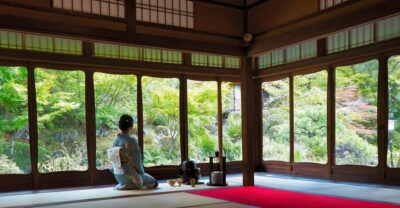
Tea Ceremony in a Traditional Tea House in Kiyomizu
Read our review →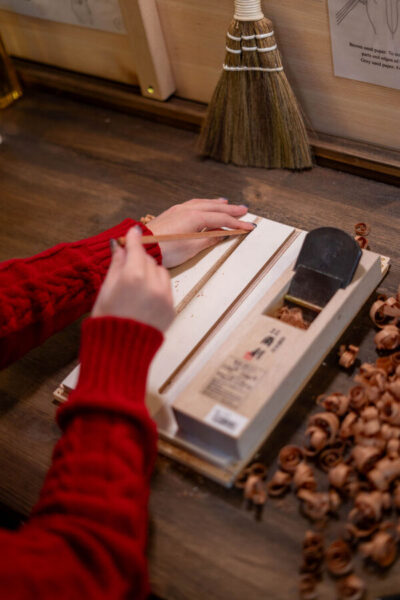
Gion Make Your Own Chopsticks with Engraving Option
Read our review →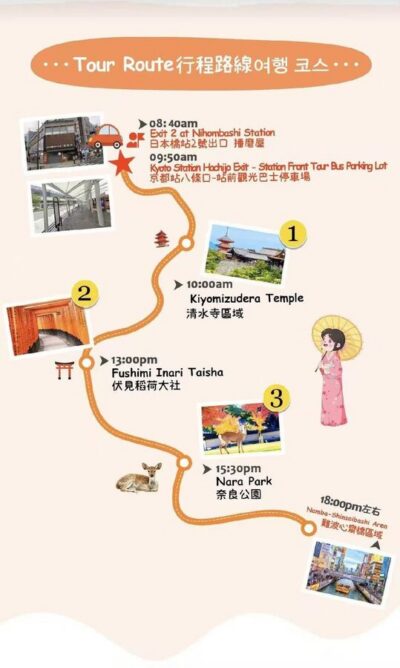
Kyoto Nara Day Trip │ Kiyomizu-dera Temple + Fushimi Inari-taisha Shrine + Nara Park (Departing from Osaka/Kyoto)
Read our review →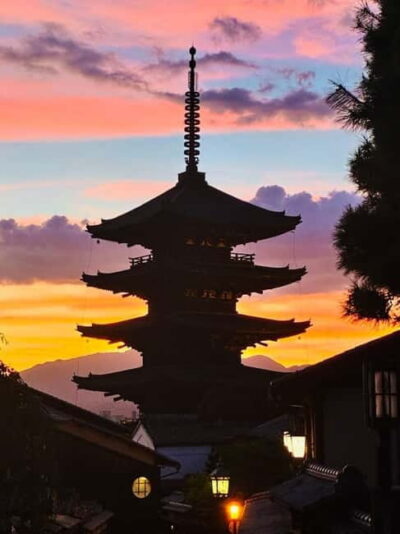
Kyoto Geisha Walking Tour: Gion District & Hidden Gems
Read our review →