
Reviewed · TEMPLES AND SHRINES
Kyoto: Zen Experience in a Hidden Temple
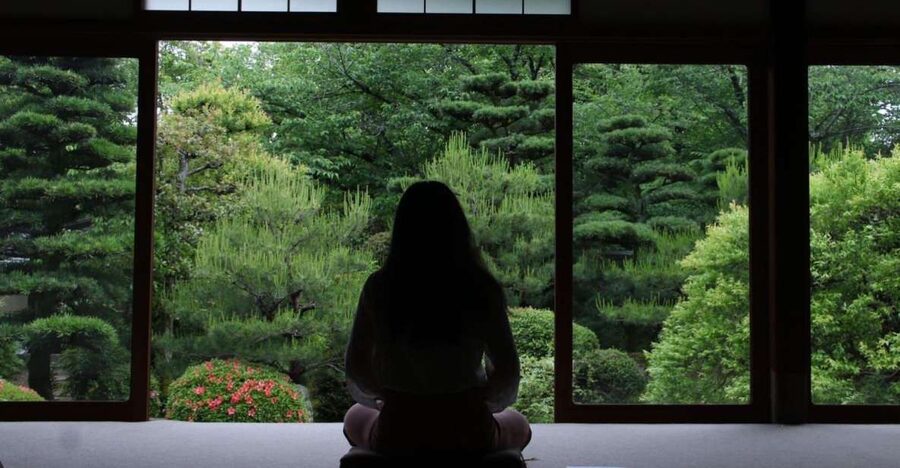
Quiet Kyoto still exists. This two-hour visit to Jusho-in Temple offers a calm break from crowded streets, with guided zazen meditation, matcha, seasonal sweets, and time in a beautiful garden. The setting is special, but the real appeal is meeting Eitetsu Nishida, the temple’s 16th-generation abbot, whose friendly teaching makes Zen feel approachable rather than mysterious.
I like the structure: two 20-minute meditation sessions with time to stretch and ask questions in between. I also like the care given to the tea portion, where matcha and traditional sweets are chosen and served as part of the lesson, not simply handed over as refreshments.
The main consideration is sitting still for 20 minutes, twice. Chairs are available, but this is not a sightseeing stop where you wander freely. You need to accept quiet, formal moments, and the abbot’s English can sometimes be difficult to follow without the interpreter.
In This Review
- Key points before you book
- Finding Jusho-in inside Myoshin-ji
- Meeting the 16th-generation abbot
- What two 20-minute zazen sessions feel like
- The garden gives the meditation a setting
- Matcha, seasonal sweets, and the Zen connection
- Why the two-hour format works
- Who will enjoy this experience most
- Useful planning advice for your Kyoto day
- Should you book the Jusho-in Zen experience?
- FAQ
- How long does the Kyoto Zen experience last?
- Where does the experience begin?
- Is the experience conducted in English?
- Who leads the meditation?
- How long are the meditation sessions?
- Do I need meditation experience?
- Are chairs available during meditation?
- Is the temple wheelchair accessible?
- What happens if I need to cancel?
Key points before you book
- A 1599 temple within Myoshin-ji: Jusho-in is one of 46 sub-temples in Japan’s largest Zen temple complex.
- Two guided zazen sessions: You receive instruction before practicing for two 20-minute periods.
- A living Zen lesson: Eitetsu Nishida, the 16th-generation abbot, explains Zen, meditation, and the connection between tea and Zen.
- A 400-year-old garden: The garden is attributed to painter Eitoku Kano and changes character with the seasons.
- Small-group or private format: The experience is available for private groups and small groups, with an English-speaking guide.
- Photographs included: A photographer uses a single-lens reflex camera and sends the finished photo data within a few days.
Finding Jusho-in inside Myoshin-ji
You meet at the north gate of Myoshin-ji Temple, at 18 Taniguchisonomachi. A guide leads you from the gate to Jusho-in, which matters because Myoshin-ji is a large complex with many smaller temple buildings. Without help, you could easily spend your first minutes wondering which entrance is yours.
Myoshin-ji contains 46 sub-temples, and Jusho-in dates to 1599. That gives the visit a sense of place beyond the usual quick temple photo stop. You are not simply entering a decorative building. You are visiting a functioning Zen temple with a long connection to Rinzai Buddhism.
The walk from the north gate is part of the experience. The busy Kyoto sightseeing circuit feels far away, even though you are still in the city. If you arrive early, you can also consider allowing extra time before or after the activity to walk around the wider Myoshin-ji grounds. The experience itself lasts two hours, but the temple complex deserves more than a rushed arrival and departure.
Your exact meeting point can vary by booking option, so check the confirmation carefully. Hotel pickup and drop-off are not included.
More Temples and Shrines in Kyoto
- [Kyoto & Nara Day Tour] Sagano Scenic Railway & Nara Park & Fushimi Inari Taisha Thousand Torii Gates & Togetsukyo Bridge & Bamboo Grove & Kimono Forest (Departing from Osaka)
★ 4.9 · 10,942 reviews - Kyoto: Fushimi Inari, Kinkakuji, Bamboo Grove 1 Day Bus Tour
★ 4.8 · 4,316 reviews - Kyoto: Tea Ceremony in a Traditional Tea House in Kiyomizu
★ 4.9 · 3,519 reviews
Meeting the 16th-generation abbot
Eitetsu Nishida is the chief priest of Jusho-in and the 16th generation of his family or temple line to hold that role. Before becoming a monk, he worked as a national public servant for ten years. He later completed three and a half years of demanding monastic training.
That background helps explain the balance of the session. You receive real instruction in Zen practice, but the tone is not stiff. Nishida is known for his cheerful personality, humor, and affection for animals. His relaxed manner helps first-time visitors ask questions without feeling they need to understand Buddhist terms in advance.
The lesson introduces Zen as a branch of Mahayana Buddhism that places strong weight on direct experience and zazen, or seated meditation. Rinzai Zen, the tradition practiced here, is linked with sudden insight, often called satori, and disciplined practice.
You should not expect a complete course in Buddhist philosophy in two hours. What you get is a clear starting point: how to sit, how to settle your attention, what makes the practice difficult, and why Zen places such importance on experience rather than simply reading religious texts.
English interpretation is provided. The guides are patient and help explain the abbot’s teaching, but Nishida’s strong accent can occasionally make his English hard to catch. If a point is important to you, ask the interpreter to repeat it. The staff are accustomed to questions, and the atmosphere is open rather than hurried.
What two 20-minute zazen sessions feel like
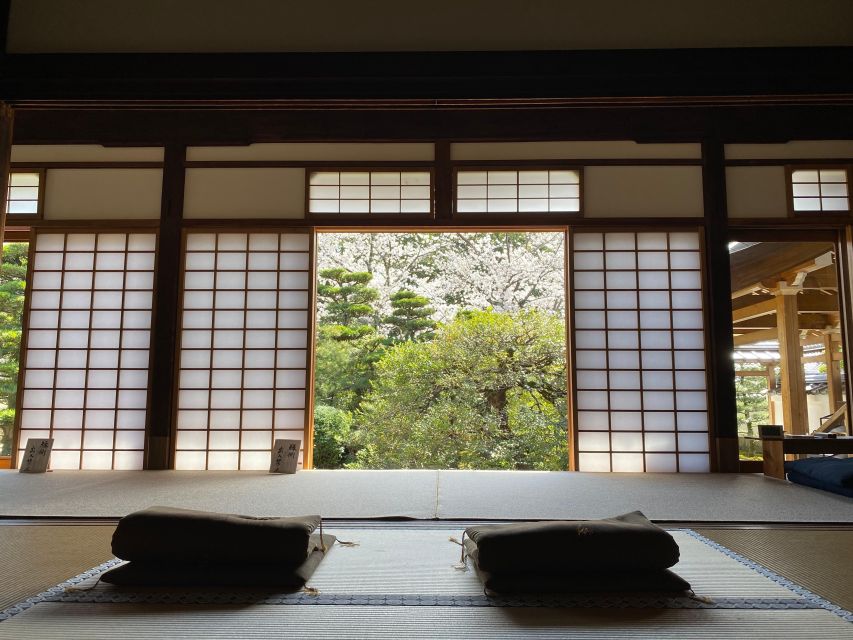
The meditation is divided into two sessions of about 20 minutes each. This is a smart choice for beginners. A single long sitting could feel daunting, while the break gives you time to stretch, ask questions, and understand what you are trying to do.
Before sitting, the temple assistants explain the basic points of zazen. You learn how to position yourself, keep your back upright, and work with the wandering mind. The goal is not to force yourself into perfect silence. For many people, the first surprise is how difficult it is to stop chasing every thought.
You may sit cross-legged if that works for you. If it does not, chairs are available. This is useful for older participants, people with stiff knees, and anyone who wants to focus on the practice instead of enduring pain.
The room opens toward the garden, and the connection with the outside world is part of the appeal. Depending on the weather, the doors may remain open. That can bring in cold air, rain sounds, or the changing feel of the season. Blankets may be offered when needed, but you should still dress comfortably.
A rented kimono is not a good choice for this activity. The clothing can make it hard to sit and meditate comfortably. Wear something that lets you bend your legs and sit upright without fuss.
The practice takes place rain or shine. That is worth remembering if you are hoping only for a sunny garden visit. Rain can make the room feel especially quiet, but you should be prepared for cooler temperatures and an outdoor atmosphere.
The garden gives the meditation a setting
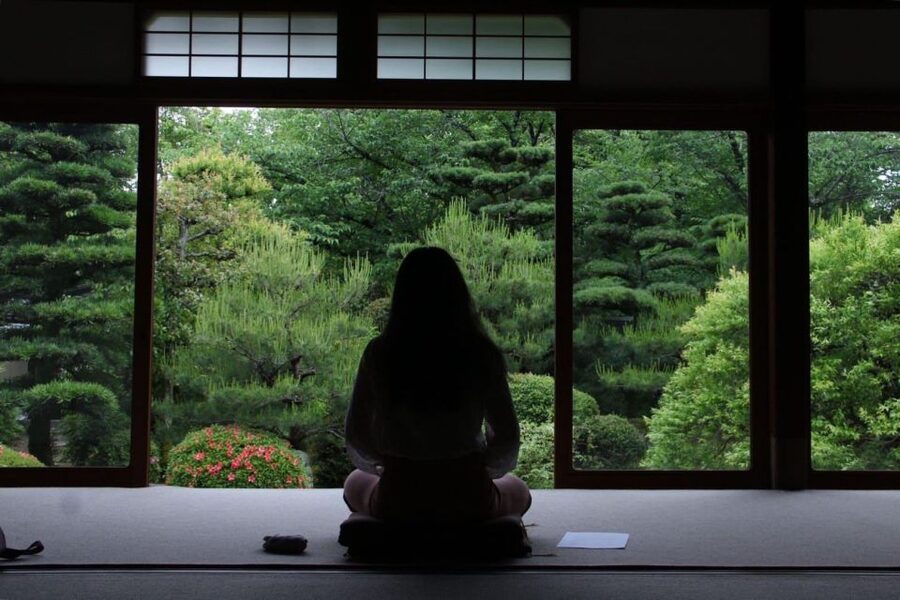
Jusho-in’s garden is attributed to Eitoku Kano, a major 16th-century painter. Its design has remained unchanged since it was created, and it provides the visual center of the experience.
You see a different garden depending on when you visit. Spring brings cherry blossoms. Summer brings fresh green foliage. Autumn adds colored leaves, while winter can bring snow. The garden is not just a backdrop for photographs. Looking toward it gives you a fixed, natural point of attention during the sitting.
The view also helps explain the relationship between Zen and ordinary perception. You are encouraged to notice what is in front of you rather than rush to the next attraction. That sounds simple, but after a morning of trains, signs, maps, and crowded temple paths, the change of pace can feel substantial.
Photography is handled separately so you can concentrate during meditation. A photographer captures moments during the experience and later sends the photo data, usually within a few days. The photographs are a useful keepsake, especially because you may not want to interrupt the quiet session by taking pictures yourself.
A completely different kind of day out:
- PERFECT KYOTO 1-Day Bus Tour
★ 5.0 · 13,518 reviews - Kyoto: Gion Make Your Own Chopsticks with Engraving Option
★ 5.0 · 3,465 reviews - Kyoto Nara Day Trip │ Kiyomizu-dera Temple + Fushimi Inari-taisha Shrine + Nara Park (Departing from Osaka/Kyoto)
★ 4.7 · 3,408 reviews - Kyoto Geisha Walking Tour: Gion District & Hidden Gems
★ 4.7 · 3,273 reviews
Matcha, seasonal sweets, and the Zen connection
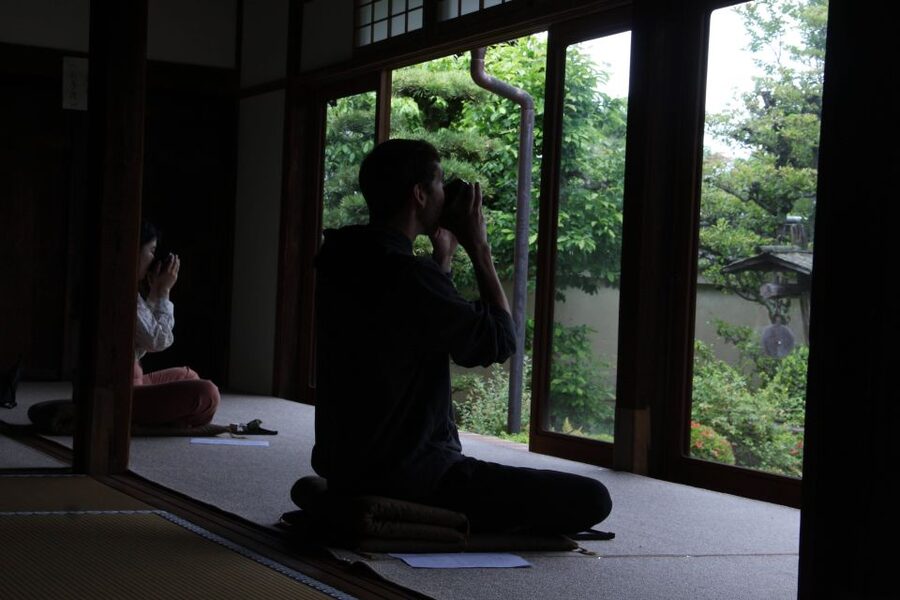
After meditation, Eitetsu Nishida explains matcha and its place in Japanese culture. You then learn how to receive and drink the tea, along with the etiquette surrounding traditional sweets.
The tea portion is more than a snack at the end. Zen and tea developed a close cultural relationship in Japan, with attention, simplicity, and careful movement shared by both practices. The preparation and serving of matcha give you another way to focus on the present moment, this time through taste, gesture, and hospitality.
The sweets are seasonal wagashi. Their flavors and appearance are selected to pair with the tea, and the presentation is treated with care. For many people, this becomes one of the most memorable parts of the visit because it combines food, art, manners, and conversation.
You may drink matcha in the garden or while looking out over it, depending on how the session is arranged. There is also time to talk with the monk and ask follow-up questions. That informal conversation is valuable. It lets you move from formal instruction to a more personal exchange about Zen practice and temple life.
If you have never had matcha, do not worry about getting the etiquette wrong. The tea team explains what to do. You are there to learn, not to perform a perfect ceremony.
Why the two-hour format works
At $109 per person, this is not the least expensive way to spend two hours in Kyoto. You can visit many temples for a much smaller admission fee, and matcha alone does not justify the price.
The value comes from the access and structure. Your fee includes the guide, temple entry, the abbot’s sermon and instruction, two meditation sessions, tea, sweets, interpretation, and a dedicated photography session. You are also paying for a small-group or private experience in a working temple, rather than simply entering a public sightseeing site.
I think the price makes the most sense if you want personal contact and a guided cultural lesson. It is less appealing if you mainly want a quick look at a garden or a formal tea ceremony without meditation.
The timing is also efficient. In two hours, you learn the basics of zazen, practice it twice, speak with the abbot, receive a tea lesson, eat seasonal sweets, and leave with photographs. That is a lot of content, but the pauses keep it from feeling like a lecture.
Seating is assigned in reservation order. If sitting near a particular part of the room matters to you, there is no promise that you can choose your place.
Who will enjoy this experience most
I would recommend Jusho-in to you if you want a quieter, more personal side of Kyoto. It suits people who are curious about Buddhism, meditation, Japanese manners, or temple life, even if they have never meditated before.
It also works well for couples, families with older children, and mixed-age groups. The experience is open to all ages, and the use of chairs makes the sitting more manageable. Children still need to handle quiet periods, so you should judge their comfort with 20 minutes of stillness.
You do not need to be religious. You do not need yoga or meditation experience. The instruction is designed to make the practice approachable, and the abbot’s humor keeps the atmosphere human.
I would be more cautious about booking if you have significant mobility needs because the site is not wheelchair accessible. I would also think twice if you dislike sitting on the floor, dislike quiet group activities, or want a flexible schedule that allows you to leave at any point.
For photographers, the included pictures are a pleasant bonus, but this is not a photo tour. The point is to put the camera away and pay attention.
Useful planning advice for your Kyoto day
Book this experience for a morning when you do not have to sprint to another appointment. The two-hour schedule is fixed, and the quiet mood works best when you are not watching the clock.
Wear comfortable clothing rather than a rented kimono. Bring nothing special, but dress for the season because the garden-facing room can feel cool when the doors are open.
You may want to pair the visit with more time at Myoshin-ji. The wider complex has many temple buildings and offers a calmer walk than Kyoto’s most famous central sights. Keep in mind that entry to other parts of Myoshin-ji may involve separate admission, and the main temple’s interior has areas where photography is not allowed.
The tour operates in all weather. Cancellation is free up to 24 hours before the start time, with a full refund. You can also reserve and pay later, which helps if your Kyoto schedule is still changing.
Should you book the Jusho-in Zen experience?
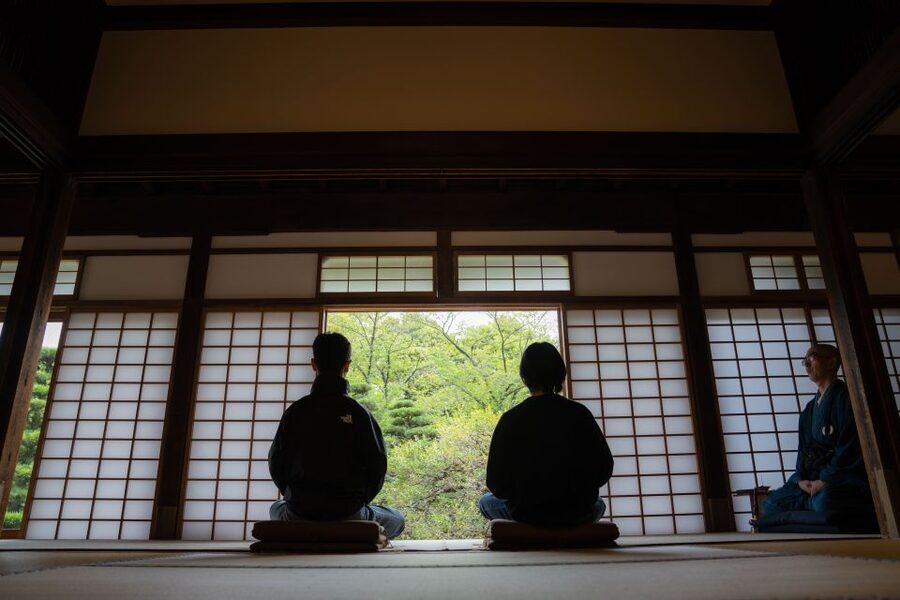
Book it if you want to slow down and learn something you can take home with you. The strongest parts are the abbot’s warm teaching, the carefully divided meditation sessions, the garden view, and the thoughtful matcha and wagashi pairing.
I especially like that the experience does not pretend meditation is effortless. You are given a real chance to sit still, notice your restless mind, and try again after a break. That honesty makes the session useful for beginners.
Skip it if you want nonstop sightseeing, dislike formal quiet, or cannot sit comfortably even with a chair. At $109, the cost is justified by the small-group access, instruction, tea lesson, and photography, but only if those elements matter to you.
For a meaningful pause in Kyoto, Jusho-in offers a rare combination: a historic temple, direct time with a Zen abbot, a beautiful garden, and enough guidance to help you understand what you are doing.
FAQ
How long does the Kyoto Zen experience last?
The experience lasts about two hours, including the explanations, two zazen sessions, tea lesson, matcha, sweets, and commemorative photo.
Where does the experience begin?
You meet at the north gate of Myoshin-ji Temple, at 18 Taniguchisonomachi. The exact meeting point may vary according to the option booked.
Is the experience conducted in English?
Yes. An English-speaking live guide and interpreter support the experience.
Who leads the meditation?
Eitetsu Nishida, the 16th-generation abbot of Jusho-in Temple, leads the meditation instruction and explains Zen philosophy.
How long are the meditation sessions?
There are two zazen sessions, each lasting about 20 minutes, with a break between them for stretching and questions.
Do I need meditation experience?
No. The activity is open to beginners, and the guides explain the basic points of zazen before you sit.
Are chairs available during meditation?
Yes. Chairs are available for people who need help sitting on the floor.
Is the temple wheelchair accessible?
No. The experience is not wheelchair accessible.
What happens if I need to cancel?
You can receive a full refund if you cancel at least 24 hours before the experience. Cancellations made after that point are not refunded.
Just added in Kyoto
- The “Golden Route” and Ancient Japan by DIAMIR Erlebnisreisen – 14-Day Tour★ 2.0 · 2 reviews
- Japan: Castles & Cuisine by G Adventures – 6-Day Kyoto to Osaka Tour★ 4.5 · 4 reviews
- Cycle Japan by Explore! – 13-Day Kyoto to Tokyo Tour★ 4.7 · 12 reviews
- Cycle Japan by Intrepid Travel – 11-Day Kyoto to Tokyo Tour★ 4.8 · 2 reviews
- Classic Japan by Intrepid Travel – 11-Day Kyoto to Tokyo Tour★ 4.4 · 14 reviews
- Ancient & Modern Japan 14-Day Tour by Exodus Adventure Travels★ 4.4 · 40 reviews
- 5 Day Cultural Adventure of Kyoto, Nara & Osaka by Tourist Journey★ 2.5 · 2 reviews
- 12 Days Kinosaki Onsen Escape: A Journey Through Japan’s Timeless Towns by UME Travel★ 4.8 · 5 reviews
Temples and Shrines, compared.
![[Kyoto & Nara Day Tour] Sagano Scenic Railway & Nara Park & Fushimi Inari Taisha Thousand Torii Gates & Togetsukyo Bridge & Bamboo Grove & Kimono Forest (Departing from Osaka)](https://media.japanvisits.com/wp-content/uploads/kyoto-nara-day-tour-sagano-scenic-railway-nara-park-fushimi-inari-taisha-thousand-torii-gates-togetsukyo-bridge-bamboo-grove-kimono-forest-departing-from-osaka-k110001-400x257.jpg)
Kyushu One-Day Tour: Yufuin no Mori Train & Yufuin Town & Nyoirin-ji Temple & Dazaifu & Hell Hot Springs (Departing from Fukuoka)
Read our review →
Fushimi Inari, Kinkakuji, Bamboo Grove 1 Day Bus Tour
Read our review →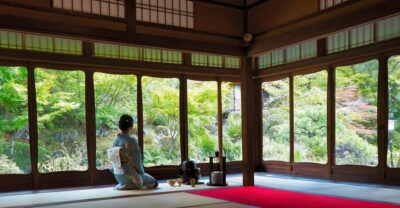
Tea Ceremony in a Traditional Tea House in Kiyomizu
Read our review →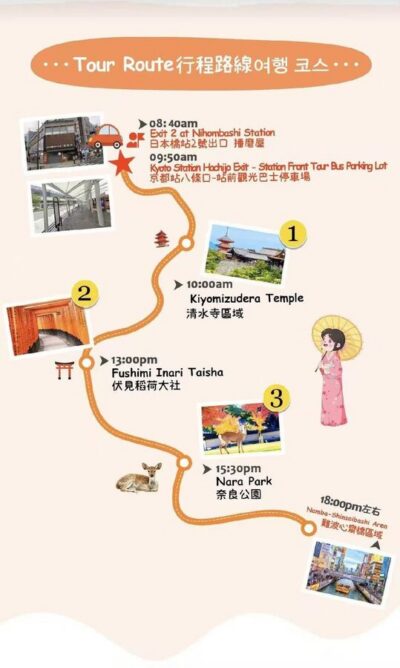
Kyoto Nara Day Trip │ Kiyomizu-dera Temple + Fushimi Inari-taisha Shrine + Nara Park (Departing from Osaka/Kyoto)
Read our review →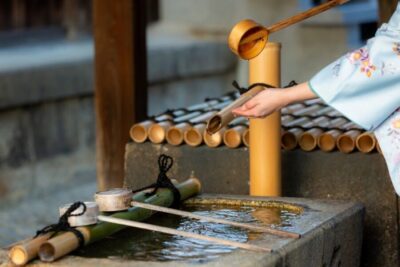
Browse the lists this tour appears in