
Reviewed · TEMPLES AND SHRINES
Kyoto: Zen Meditation at a Private Temple with a Monk
Slow down before Kyoto sweeps you along. This 90-minute experience takes you from Kodaiji Park to a private temple not open to the general public, where a monk explains and leads Zazen meditation. I especially like the quiet setting and the chance to ask direct questions about Buddhist practice, rather than simply touring a temple from the outside.
I also like the thoughtful finish: matcha tea, sweets, garden time, and photographs with the monk. Guides such as Satoru, Soma, Kohtaro, and Ruko have been praised for clear English and careful interpretation. The main drawback is practical: the meeting point at the north side of the toilet in Kodaiji Park can be confusing, and $91 is a serious price for 90 minutes.
In This Review
- Key points at a glance
- Walking from Kodaiji Park to a private temple
- What makes the temple visit different
- Learning Zazen before you sit
- The meditation itself: quiet, focused, and not always easy
- Tea, sweets, and questions with the monk
- A garden ending and time for photographs
- How much value do you get for $91?
- Who will enjoy this Kyoto experience?
- Practical tips for a smoother visit
- Should you book it?
- FAQ
- How long does the Kyoto Zen meditation experience last?
- Where is the meeting point?
- Is transportation included?
- Is the experience conducted in English?
- Do I need previous meditation experience?
- Can children take part?
- Can I cancel for a full refund?
Key points at a glance
- A private Kyoto temple: You enter a religious space normally closed to the public, giving the visit a personal feel.
- Zazen made accessible: The monk explains posture, breathing, purpose, and technique before you sit in meditation.
- English interpretation: The monk may teach in Japanese, with the guide translating the talk and your questions.
- Matcha and garden time: Tea, sweets, and a walk through the peaceful garden give the session an easy, human ending.
- Good for beginners: You do not need previous meditation experience to take part.
- A small-group atmosphere: Private and small-group options are available, with some sessions feeling almost one-to-one.
Walking from Kodaiji Park to a private temple
The activity begins at Kodaiji Park, near Kyoto’s well-known Nene no Michi area. You meet the guide at the toilet, specifically on its northern side. That detail matters. The map location can place you in the middle of the park rather than right beside the meeting point, so read the guide’s message carefully before setting out.
From there, you walk for about 10 minutes. This is not a sightseeing walk with a long commentary program. It is a short transition from Kyoto’s public streets into a quieter corner of the Higashiyama area. The change in mood is part of the appeal.
The walk is manageable for most people who are comfortable on foot, but this activity is not suitable for people with mobility impairments. The supplied details also exclude people with claustrophobia or a fear of heights. Those last two restrictions may relate to the private temple setting or access route, though the precise reason is not stated.
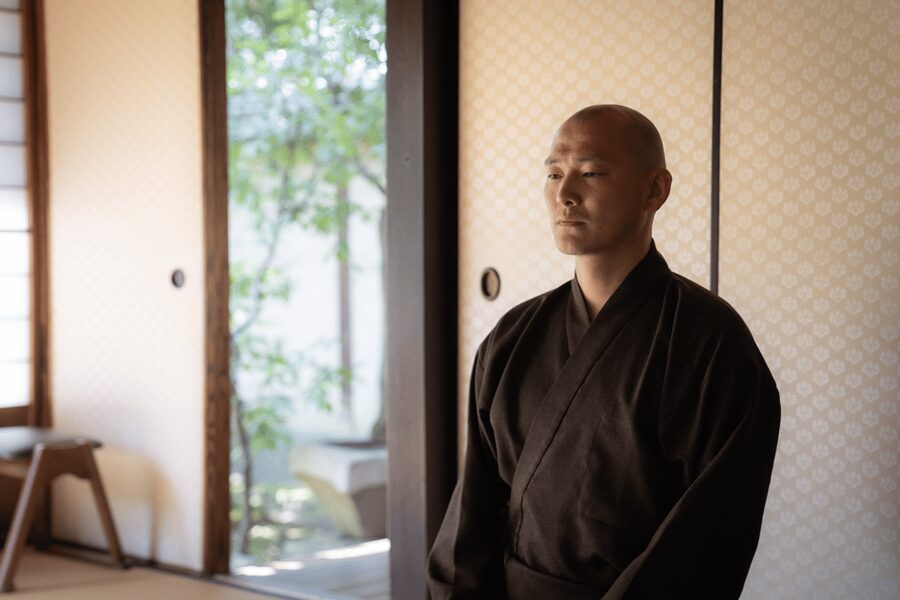
Your guide brings you into the temple and helps bridge the cultural gap. That role is important because the monk may speak in Japanese, while the guide explains his words in English. Several guides have received praise for fluent English, warmth, and accurate interpretation. Satoru and Soma appear often in the feedback, while Kohtaro and Ruko are also singled out for friendly, capable help.
More Temples and Shrines in Kyoto
- [Kyoto & Nara Day Tour] Sagano Scenic Railway & Nara Park & Fushimi Inari Taisha Thousand Torii Gates & Togetsukyo Bridge & Bamboo Grove & Kimono Forest (Departing from Osaka)
★ 4.9 · 10,942 reviews - Kyoto: Fushimi Inari, Kinkakuji, Bamboo Grove 1 Day Bus Tour
★ 4.8 · 4,316 reviews - Kyoto: Tea Ceremony in a Traditional Tea House in Kiyomizu
★ 4.9 · 3,519 reviews
What makes the temple visit different
Kyoto has no shortage of famous temples. Many are beautiful, but they can also be crowded, highly organized, and viewed mainly from marked paths. This visit offers something else: access to a private temple where the monk’s home, practice, and garden are part of the encounter.
The temple is identified in the supplied experiences as Korin-in. It sits close to the famous stone-paved streets around Kodaiji, yet the atmosphere feels removed from the sightseeing flow. Some sessions take place early in the morning, when the surrounding streets are especially quiet. An evening option has also been offered.
You should not expect a grand temple complex with a long list of buildings and exhibits. The attraction is the calm setting and personal exchange. You see the temple and its garden, learn how the monk approaches Zen, and have time to ask about his life and Buddhist practice.
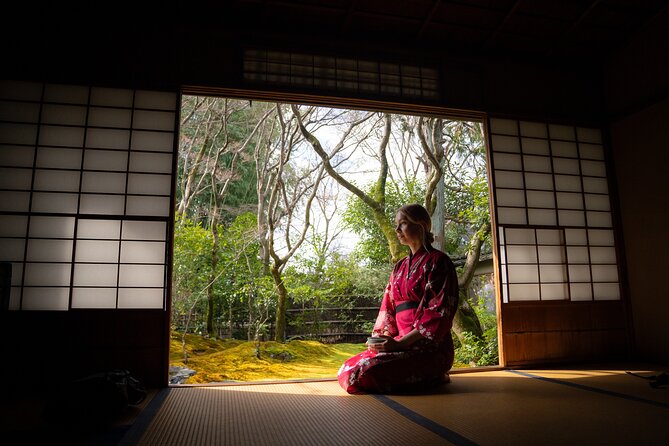
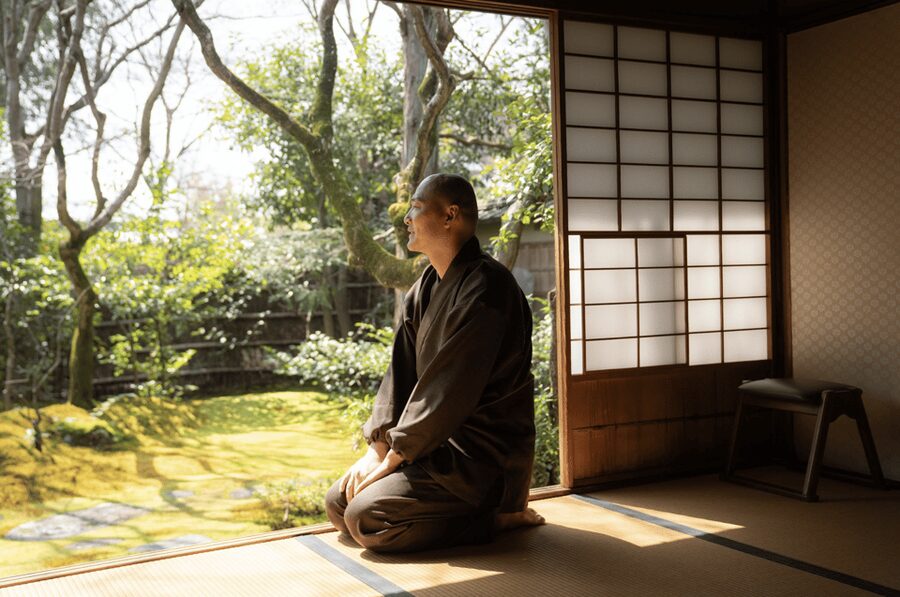
The garden is a major part of the experience. It has been described as a moss garden with a quiet, green setting. You can stroll through it after meditation, enjoy the view with tea, and take photographs inside the temple and with the monk. Photography is a pleasant extra, but the garden works best when you first give yourself time to look without reaching for your phone.
Learning Zazen before you sit
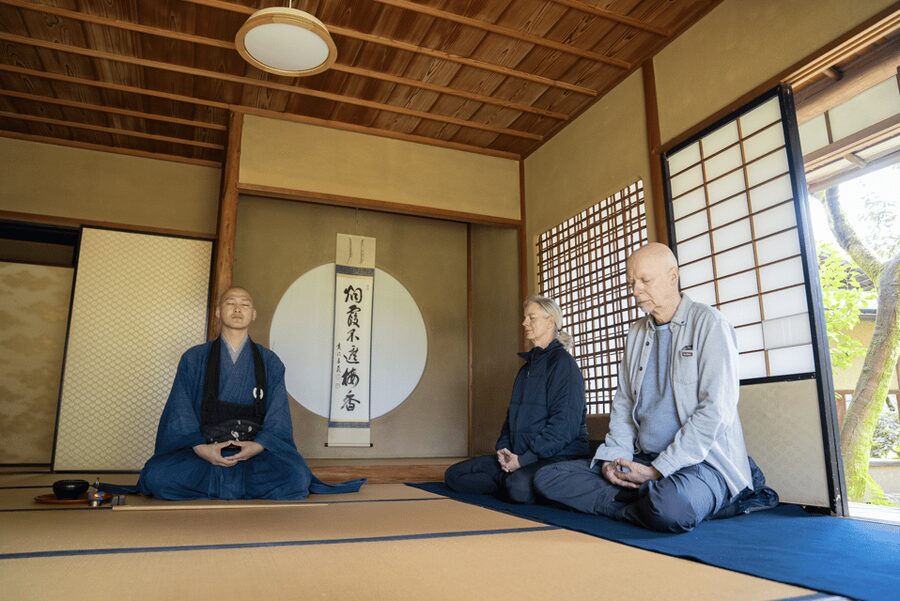
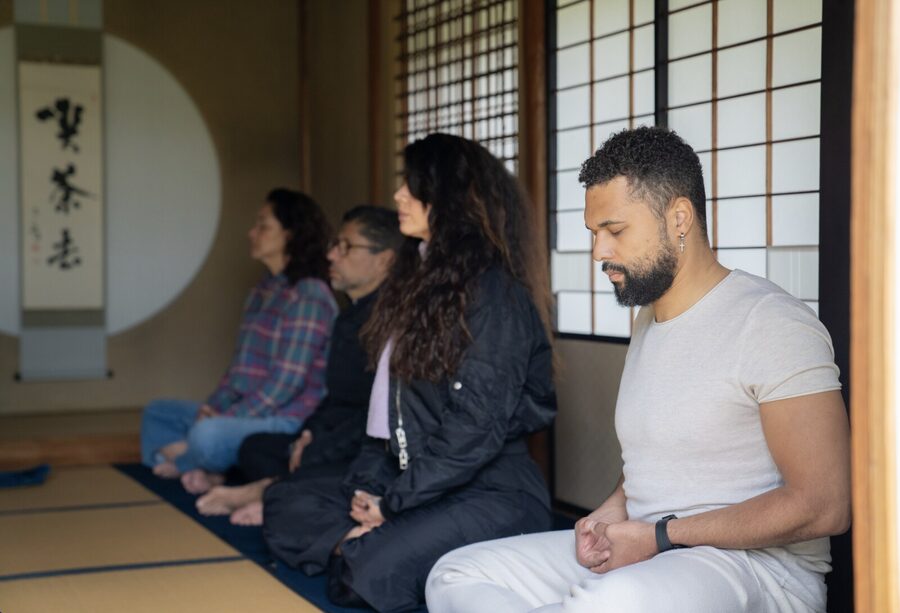
The monk begins with an explanation of Zen and Zazen, the seated meditation practice at the center of the session. This is not presented as a test of spiritual achievement. Instead, you learn the basic purpose of the practice and the physical points that help you sit with more care.
The instruction covers posture, breathing, and meditation technique. You are encouraged to breathe rhythmically and bring your attention back to the present rather than chasing every thought. That makes the session suitable for a first-time meditator, while still giving experienced practitioners something to consider.
A useful point here is that Zazen is not simply an attempt to empty your mind. The supplied descriptions focus on confronting yourself, loosening your attachment to ego and worldly concerns, and bringing the mind into greater unity. For a beginner, that can sound grand at first. The monk’s practical guidance makes it easier to understand through the act of sitting.
You may meditate for around 20 minutes, based on the experiences described. The exact structure can vary, so I would not book this expecting a long retreat or an advanced monastic training session. It is a short introduction that gives you a method you can continue at home.
The atmosphere is solemn but not stiff. The monk has been described as friendly, open, and willing to answer questions. That combination matters. A formal religious practice can feel intimidating if the teacher is distant. Here, the guide and monk work to make the session approachable without turning it into a stage show.
The meditation itself: quiet, focused, and not always easy
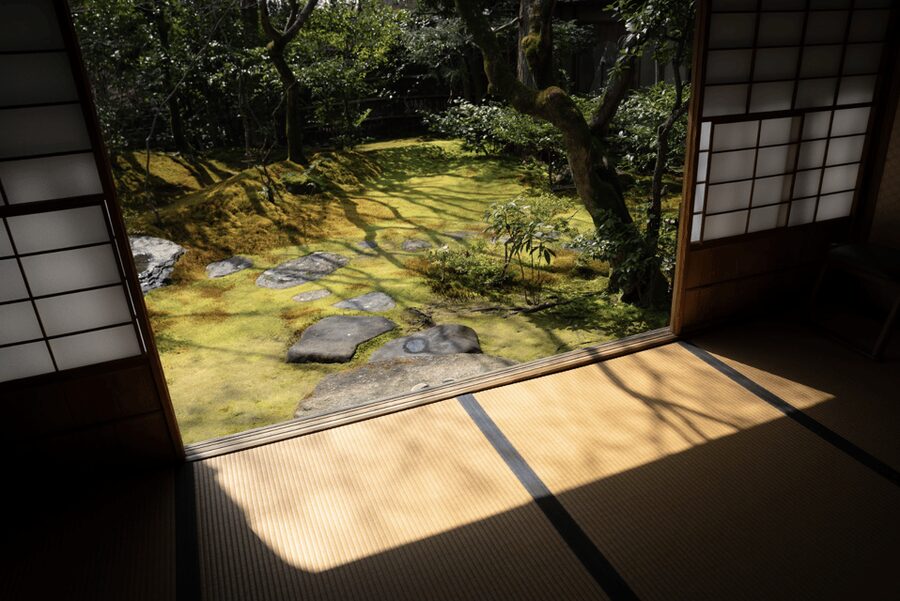
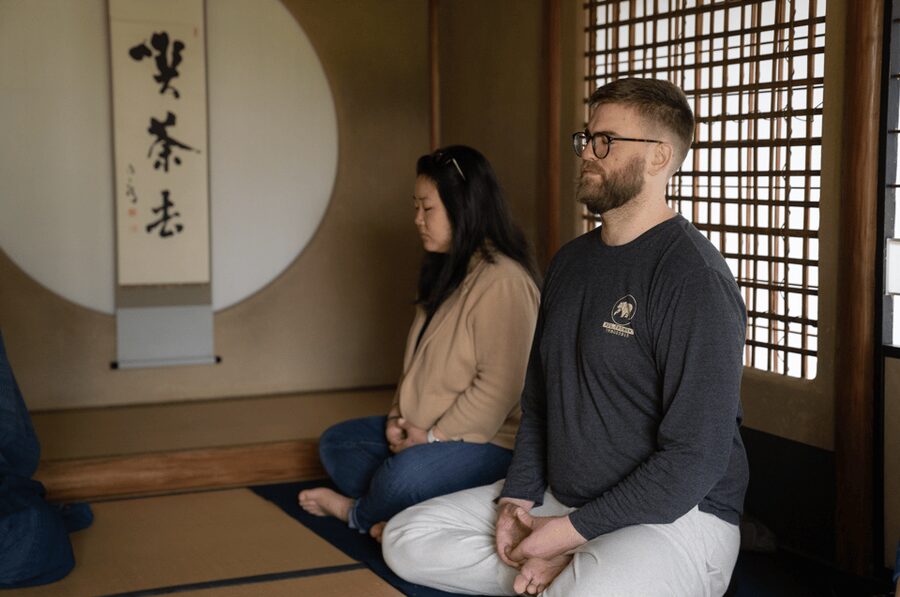
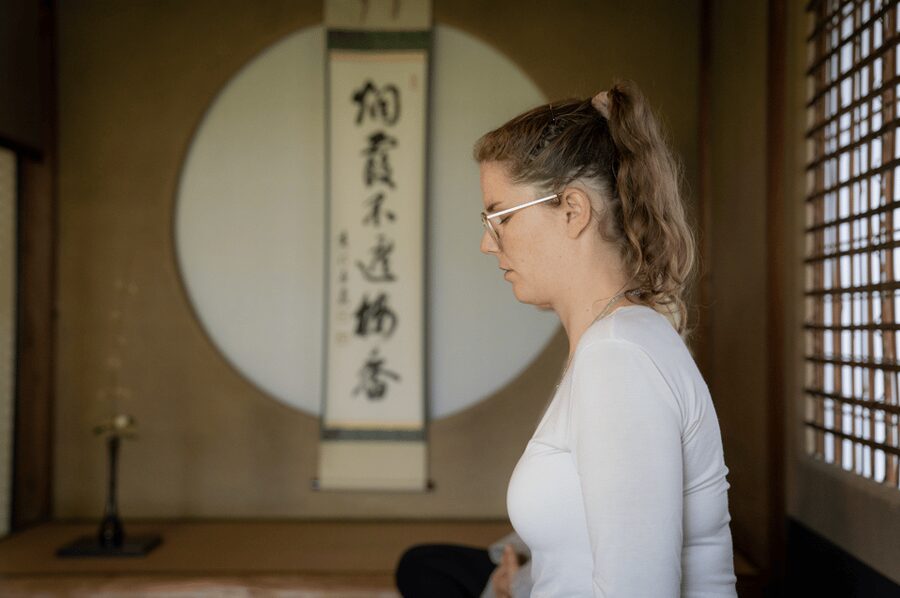
The best part of the session may be the simplest: you sit quietly in the temple and pay attention to breathing. For many people, especially after flights, trains, and Kyoto sightseeing, 20 minutes without movement or conversation can feel surprisingly substantial.
You should also keep your expectations realistic. Meditation does not guarantee instant peace, and sitting still can be uncomfortable if you are unused to it. The experience gives you instruction and a calm place to practice, but your response will depend on your energy, concentration, and comfort with silence.
Several experiences describe the meditation as soothing, focused, and calming. One first-time participant left intending to continue the practice at home. Another person with prior meditation experience appreciated learning a different method and sitting in complete silence for about 20 minutes.
That range is encouraging. You do not need to arrive with a spiritual goal. You can simply use the session as a pause in a busy trip. You may leave feeling rested, reflective, or merely curious. All three are reasonable results.
The guide’s translation is especially important during this part. If the monk teaches in Japanese, the guide explains the principles and instructions in English. Satoru, Soma, and Ruko have been praised for translating clearly and respectfully, allowing English speakers to follow both the practical directions and the wider discussion.
A completely different kind of day out:
- PERFECT KYOTO 1-Day Bus Tour
★ 5.0 · 13,518 reviews - Kyoto: Gion Make Your Own Chopsticks with Engraving Option
★ 5.0 · 3,465 reviews - Kyoto Nara Day Trip │ Kiyomizu-dera Temple + Fushimi Inari-taisha Shrine + Nara Park (Departing from Osaka/Kyoto)
★ 4.7 · 3,408 reviews - Kyoto Geisha Walking Tour: Gion District & Hidden Gems
★ 4.7 · 3,273 reviews
Tea, sweets, and questions with the monk
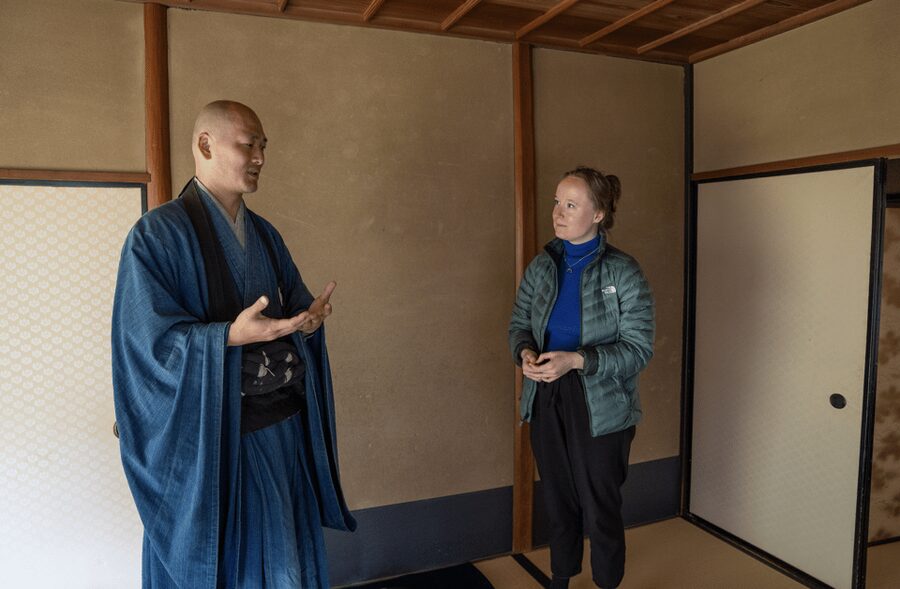
After meditation, the mood becomes more conversational. You drink matcha tea, often with sweets or snacks, and talk with the monk. This is where the experience moves beyond a standard meditation class.
The tea ceremony element is modest rather than a full formal tea ceremony with a lengthy sequence of procedures. Think of it as traditional tea served in a quiet temple setting, followed by conversation and garden views. The sweets provide a welcome change after sitting still, and several people considered them a memorable touch.
The question period gives you a chance to ask about Zen, meditation, Japanese Buddhist life, and the monk’s daily experience. The supplied experiences describe discussions about the purpose of Zazen, monastery life, the monk’s personal path, and practical ways to meditate at home.
This conversation may be the most valuable part for you if you enjoy cultural exchange. A temple visit can show you architecture and gardens. Here, you also hear how a person connected to the temple thinks about practice and daily life. The guide helps translate the exchange, so you can ask questions even if you speak no Japanese.
The tone appears warm and informal. Some sessions have included light conversation, group photos, and extra time for questions when schedules allowed. Do not count on a private extended counseling session, but the monk seems open to genuine questions within the time available.
A garden ending and time for photographs
The garden gives the session a graceful final chapter. After the formal meditation, you can look around, enjoy the setting, and take photographs. The moss, temple buildings, and quiet paths create a very different backdrop from Kyoto’s crowded central sights.
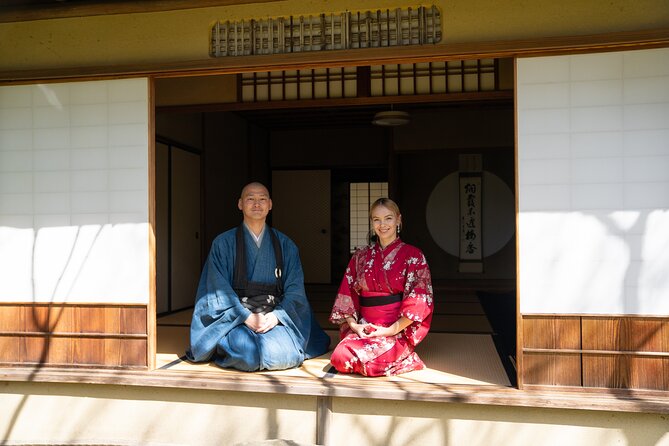
You can also take photos with the monk. This is a nice memory, though it is best to follow the guide’s lead and respect the setting. You are visiting a working religious space, not a photo studio.
Morning sessions may be especially appealing if you want a quiet start to the day. One person described beginning a first day in Kyoto with this activity, while another found it helpful after a tiring international journey. Evening sessions are also available at some times, and one person preferred a 7 p.m. start.
Check the available time before booking because the calm of the experience depends partly on what you want from it. Morning may leave you refreshed for temple sightseeing. Evening may help you step away from a full day of crowds and walking.
How much value do you get for $91?
At $91 per person, this is not a budget activity. You are paying for more than 90 minutes of sitting. The fee covers temple entry, the Zen session, the monk’s instruction, English interpretation, tea, garden access, and a small-group or private setting.
The price makes more sense if you value access and conversation. You could visit many Kyoto temples for far less, but you would not normally receive a lesson from a monk in a private temple or have a structured chance to ask questions about Zazen.
It makes less sense if you mainly want to see a garden or try five minutes of meditation. Kyoto offers plenty of scenic places at lower cost. The value here lies in the personal setting, the translation, and the guided practice.
I would compare it with the cost of a special cultural workshop rather than with a temple admission ticket. For a couple or family seeking one distinctive activity, the price may feel fair. For a solo visitor on a tight budget, it deserves more thought.
Free cancellation up to 24 hours before the start and a reserve-now, pay-later option reduce some booking risk. Transportation is not included, but the meeting point is reached on foot from Kodaiji Park.
Who will enjoy this Kyoto experience?
This is a strong choice for you if:
- You are new to meditation and want patient instruction.
- You already meditate and would like to learn a Zen approach.
- You want a quieter cultural activity between major Kyoto sights.
- You enjoy asking questions rather than only taking photographs.
- You value a small group and personal contact with a local religious teacher.
- You are traveling with a teenager aged 12 or older who is interested in Japanese culture.
It is less suitable if you dislike silence, sitting still, or structured spiritual instruction. It is also not a good match for anyone excluded by the mobility, claustrophobia, or height restrictions.
Children under 12 cannot take part. Families with older children should consider whether the child will appreciate a calm, reflective session. The setting is beautiful, but this is not an entertainment program designed to keep young children busy.
Practical tips for a smoother visit
Read the meeting instructions on the day before the activity. Go to the toilet in Kodaiji Park and wait on its northern side, rather than relying only on the map pin. This was the one repeated practical concern in the supplied experiences.
Wear clothing that allows you to sit comfortably. No special meditation background is required, but you should arrive ready to listen and remain quiet during the practice.
Keep your schedule flexible after the session. The planned temple visit and class take about an hour within the 90-minute experience, but conversation and photographs can make the ending feel less rushed. Do not book a tight connection immediately afterward.
Bring questions. You might ask how to continue Zazen at home, how the monk handles distracting thoughts, or what daily monastic life is like. The conversation is where the session becomes more than a demonstration.
Finally, treat the temple with care. Speak softly, follow photography guidance, and remember that the private setting is part of what you are paying to enter.
Should you book it?
Book this experience if you want a personal, quiet encounter with Kyoto rather than another quick temple stop. The combination of Zazen instruction, a monk-led meditation, English interpretation, matcha, and a private garden is unusual, and the consistently perfect rating reflects how well those pieces fit together.
I would especially recommend it for first-time meditators, couples, solo visitors, and anyone feeling worn out by a packed Japan itinerary. At $91, it is a splurge, but a sensible one if direct cultural contact matters more to you than ticking off another famous sight.
Skip it if you want a low-cost activity, a long meditation retreat, or an elaborate tea ceremony. Also allow extra time to find the meeting point. Once you are at the right side of the park, this offers one of Kyoto’s better chances to sit quietly, listen carefully, and meet Japan through a living practice.
FAQ
How long does the Kyoto Zen meditation experience last?
The experience lasts 90 minutes. The temple visit, guided class, and meditation portion take about one hour, with time also allocated for tea, discussion, and photographs.
Where is the meeting point?
Meet at the toilet in Kodaiji Park. The guide waits on the northern side of the toilet.
Is transportation included?
No. Transportation is not included. The itinerary involves walking for about 10 minutes from Kodaiji Park to the private temple and returning afterward.
Is the experience conducted in English?
Yes. The live guide speaks English. The monk may lead the meditation and discussion in Japanese, with the guide providing English interpretation.
Do I need previous meditation experience?
No. The monk explains the principles and techniques of Zazen before you practice. The experience is suitable for beginners as well as people who already meditate.
Can children take part?
Children under 12 are not permitted to join this activity.
Can I cancel for a full refund?
Yes. You can cancel up to 24 hours before the experience for a full refund. A reserve-now, pay-later option is also available.
Just added in Kyoto
- The “Golden Route” and Ancient Japan by DIAMIR Erlebnisreisen – 14-Day Tour★ 2.0 · 2 reviews
- Japan: Castles & Cuisine by G Adventures – 6-Day Kyoto to Osaka Tour★ 4.5 · 4 reviews
- Cycle Japan by Explore! – 13-Day Kyoto to Tokyo Tour★ 4.7 · 12 reviews
- Cycle Japan by Intrepid Travel – 11-Day Kyoto to Tokyo Tour★ 4.8 · 2 reviews
- Classic Japan by Intrepid Travel – 11-Day Kyoto to Tokyo Tour★ 4.4 · 14 reviews
- Ancient & Modern Japan 14-Day Tour by Exodus Adventure Travels★ 4.4 · 40 reviews
- 5 Day Cultural Adventure of Kyoto, Nara & Osaka by Tourist Journey★ 2.5 · 2 reviews
- 12 Days Kinosaki Onsen Escape: A Journey Through Japan’s Timeless Towns by UME Travel★ 4.8 · 5 reviews
Temples and Shrines, compared.
![[Kyoto & Nara Day Tour] Sagano Scenic Railway & Nara Park & Fushimi Inari Taisha Thousand Torii Gates & Togetsukyo Bridge & Bamboo Grove & Kimono Forest (Departing from Osaka)](https://media.japanvisits.com/wp-content/uploads/kyoto-nara-day-tour-sagano-scenic-railway-nara-park-fushimi-inari-taisha-thousand-torii-gates-togetsukyo-bridge-bamboo-grove-kimono-forest-departing-from-osaka-k110001-400x257.jpg)
Kyushu One-Day Tour: Yufuin no Mori Train & Yufuin Town & Nyoirin-ji Temple & Dazaifu & Hell Hot Springs (Departing from Fukuoka)
Read our review →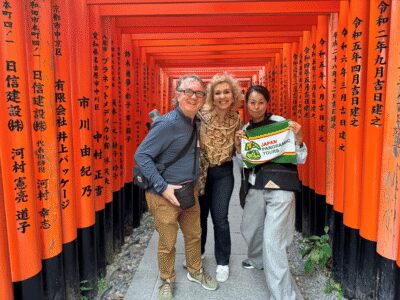
Fushimi Inari, Kinkakuji, Bamboo Grove 1 Day Bus Tour
Read our review →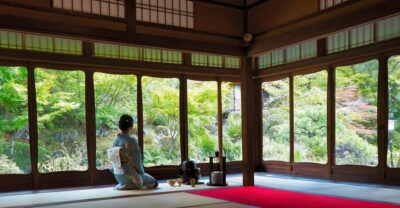
Tea Ceremony in a Traditional Tea House in Kiyomizu
Read our review →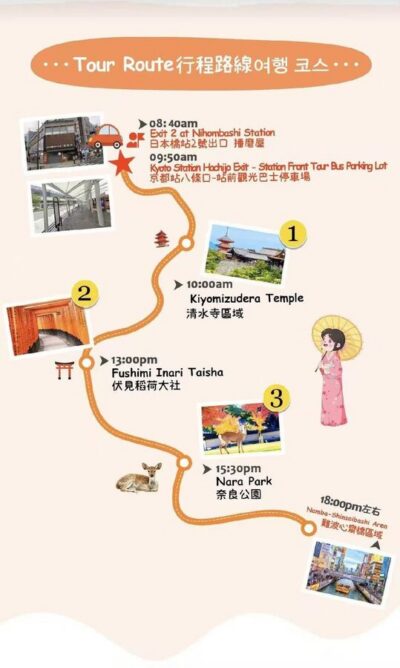
Kyoto Nara Day Trip │ Kiyomizu-dera Temple + Fushimi Inari-taisha Shrine + Nara Park (Departing from Osaka/Kyoto)
Read our review →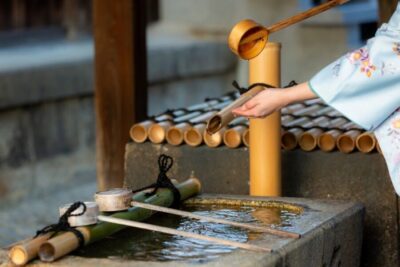
Browse the lists this tour appears in