
Reviewed · TEMPLES AND SHRINES
Mt. Fuji, Oishi Park & Arakurayama Pagoda Bus Tour with Lunch
Fuji views are never guaranteed. This nine-hour bus tour makes a strong case for leaving Tokyo, combining Mt. Fuji’s 5th Station, Lake Kawaguchi, Oishi Park, lunch, and the famous Chureito Pagoda in one organized day. I especially like the simple round-trip transport from Shinjuku and the choice of Japanese or vegetarian lunch. Guides such as Makoto, Atsushi, and Saiki-San have also been praised for making the long day both informative and fun.
The main catch is weather. Mt. Fuji may hide behind clouds, and the tour still runs without a refund. Traffic can also stretch the day, while the final stop requires a ten-minute walk and 398 stair steps. If you want an efficient introduction to the Fuji area and do not want to wrestle with regional trains and buses, this is a practical choice.
In This Review
- Key Points Before You Book
- Why This Fuji Day Trip Makes Sense From Tokyo
- Starting at Shinjuku Station’s West Exit
- Mt. Fuji 5th Station at 2,300 Meters
- Oishi Park and the Lake Kawaguchi View
- Lunch in Fujikawaguchiko
- Crossing Lake Kawaguchi by Bus
- Climbing to Chureito Pagoda at Arakurayama Sengen Park
- The Guides Can Make or Break the Day
- Weather, Road Changes and Backup Stops
- Who Will Get the Most From This Tour
- Is $99.10 a Fair Price?
- Cancellation and Booking Details
- Should You Book It?
- FAQ
- Where does the tour start and finish?
- How long does the tour last?
- Is lunch included?
- Can I choose a vegetarian lunch?
- What happens if Mt. Fuji is covered by clouds?
- How difficult is the Chureito Pagoda stop?
- Are young children allowed on the tour?
Key Points Before You Book
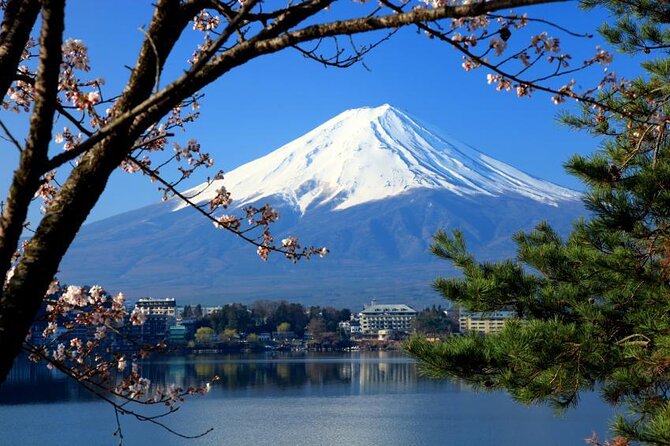
- Five Fuji-area stops in one day: You visit the 5th Station, Oishi Park, Fujikawaguchiko, and Arakurayama Sengen Park, with views of Lake Kawaguchi along the way.
- The 5th Station sits at 2,300 meters: You get mountain air and high viewpoints without taking on a full hiking route.
- The Chureito Pagoda requires 398 steps: The famous photograph comes with a real climb, plus a ten-minute walk each way from the bus stop.
- Lunch is included: Choose a standard Japanese meal with meat and fish, or book the separate vegetarian option.
- Shinjuku pickup keeps the logistics simple: The bus leaves from and returns to Shinjuku Station’s West Exit, not your hotel.
- The weather is part of the gamble: A cloudy day can block Fuji, but the tour continues and no refund is offered for poor visibility.
Why This Fuji Day Trip Makes Sense From Tokyo
At $99.10 per person, this is not the cheapest possible way to reach the Fuji Five Lakes area. It is, however, a fair price for a full-day outing that includes round-trip bus fare, an English-speaking national government licensed guide, and lunch.
Going independently means working out the right combination of trains, local buses, and walking routes. That can be rewarding if you have time and enjoy planning, but it can also eat up the day. This bus tour handles the long transfers and takes you directly to several of the area’s most photographed places.
I see the main value in the variety. You are not spending nine hours at one viewpoint hoping Fuji appears. You get a high mountain stop, a lakeside park, a meal, and a cultural site with a classic pagoda view. Even if the summit disappears, the day still has several different experiences.
The bus can hold up to 40 people. Groups with an odd number may share seats with another person, so do not expect a private row for two if your party has an odd count. The operator also turns off the bus engine and climate control while waiting as part of its environmental policy.
More Temples and Shrines in Tokyo
- Tokyo: Meiji Shrine, Asakusa, Skytree Bus Tour and Cruise
★ 4.7 · 1,986 reviews - Tokyo: Asakusa Walking Tour with Sensoji Temple Visit
★ 4.8 · 1,583 reviews - Nikko: Kegon Falls, Lake Chuzenji & Toshogu Temple
★ 4.6 · 1,577 reviews
Starting at Shinjuku Station’s West Exit
The meeting point is at Shinjuku Station, West 1 Chome, near the West Exit. This is a central and useful starting point, but it is not hotel pickup. Allow extra time to find the correct meeting place, since Shinjuku is a large station with many exits and underground passages.
The tour returns to the same Shinjuku area at about 5:30 p.m. It does not return to Tokyo Station. That matters if you have an evening train, a theater booking, or dinner reservation elsewhere. Traffic around Tokyo and the Fuji area can be slow, and arrival at each stop may shift with the season and day of the week.
You should treat the nine-hour duration as an estimate rather than a promise. The schedule is designed to fit several stops into one day, but a congested road can shorten time at one site or delay the return.
Mt. Fuji 5th Station at 2,300 Meters
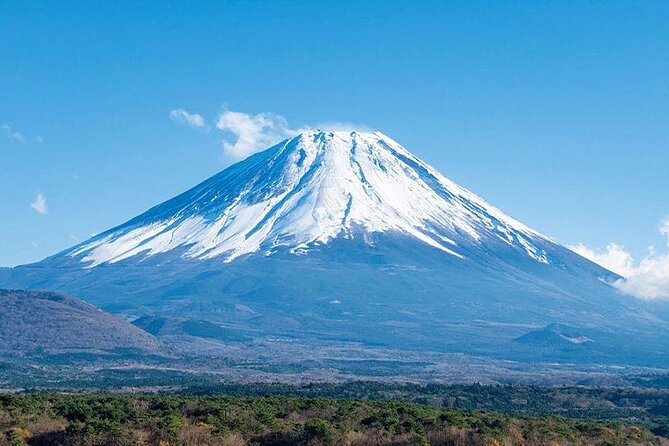
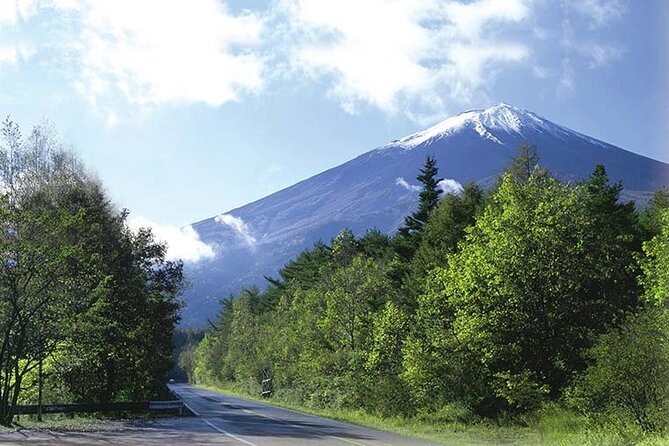
The first major stop is Mt. Fuji’s 5th Station, reached by bus along the Subaru Line. At 2,300 meters, or 7,546 feet, this is high enough to feel very different from Tokyo. You are close to the upper part of the mountain without committing to a strenuous climb.
The planned stop lasts about 40 minutes. That gives you time to take in the views, photograph the slopes, and look around the station area. It is not enough time for a serious walk, so think of this as a viewpoint and mountain stop rather than a hiking visit.
The height brings one important caution. Weather can change quickly, and the 5th Station may be inaccessible because of frozen road surfaces, an accident on the Subaru Line, or other conditions. If that happens, the tour may substitute Oshino Hakkai or the Fujisan World Heritage Center.
Fuji itself may also be hidden. The tour does not cancel simply because clouds cover the mountain, and there is no refund for poor visibility. I would book this day for the overall Fuji region, not for a guaranteed summit photograph.
Oishi Park and the Lake Kawaguchi View
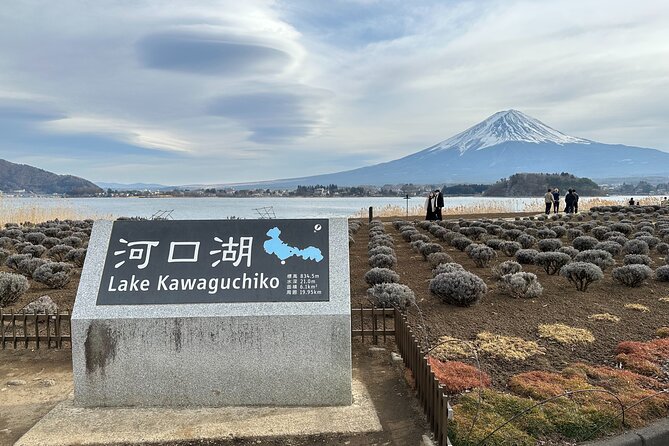
Oishi Park is a short 30-minute stop and one of the strongest photo opportunities on the route. Mt. Fuji rises beyond Lake Kawaguchi, creating the kind of layered view that has made this area famous.
The park gives you a different perspective from the 5th Station. Instead of looking out from high on the mountain, you see Fuji across the water, with open space between you and the peak. That contrast makes the itinerary feel less repetitive.
Thirty minutes is enough for photographs and a quick look around, but not for a slow park visit. Keep an eye on the guide and bus schedule. If you are hoping for a relaxed lakeside walk, this stop may feel brief.
The view depends heavily on visibility. Oishi Park can still be pleasant under cloud, but its main appeal is the Fuji-and-lake composition. I would keep your camera ready, yet avoid building the entire day around one perfect image.
A completely different kind of day out:
- Tokyo Disney Resort – Tokyo Disneyland & Tokyo DisneySea Park Tickets
★ 4.8 · 99,488 reviews - SHIBUYA SKY Ticket
★ 4.7 · 46,509 reviews - JR Whole Japan Rail Pass
★ 4.8 · 29,150 reviews - Mt Fuji and Hakone 1-Day Bus Tour Return by Bullet Train
★ 5.0 · 26,383 reviews
Lunch in Fujikawaguchiko
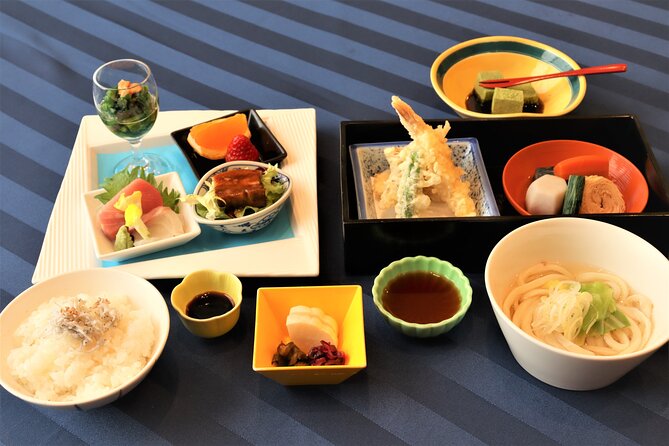
Lunch lasts about 50 minutes and takes place at either Hotel Regina Kawaguchiko or Highland Resort Hotel & Spa. The venue can change according to restaurant conditions, so you should not treat the named hotel as fixed.
The standard meal is Japanese cuisine with meat and fish. A vegetarian meal is available, but it requires booking the separate vegetarian tour code. You cannot simply switch meals on the day. Muslim-friendly, allergy-friendly, and gluten-free meals are not available, so this is a key point for anyone with dietary restrictions.
Including lunch is useful because the schedule leaves little time for finding a restaurant on your own. You can sit down, eat, and continue without spending part of the day searching for food. Previous praise has focused on the meal, with one particularly popular suggestion being the Mt. Fuji ice cream soda drink.
Still, lunch is a fixed part of a group schedule. If you prefer choosing your own restaurant or need a tightly controlled diet, this arrangement may not suit you. For most people who want an easy day, the included meal is a worthwhile convenience.
Crossing Lake Kawaguchi by Bus
The route crosses the Lake Kawaguchi Ohashi Bridge. You view the lake from the bus window rather than making a separate walking stop.
This is a small detail, but it helps connect the stops. You move from the lakeside park toward the lunch venue while getting another look at the water and surrounding scenery. Do not count on a long photo break here. The bridge crossing is part of the drive, not a standalone attraction.
If you want a full Lake Kawaguchi experience, with time beside the shore or on the water, you would need a different tour or extra time in the area. Here, the lake works as part of a wider one-day route.
Climbing to Chureito Pagoda at Arakurayama Sengen Park
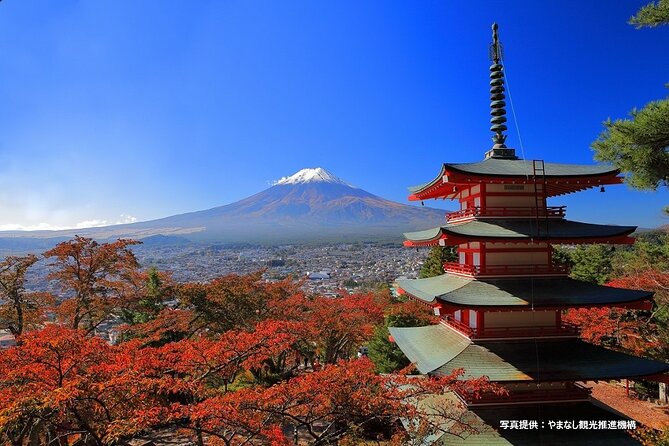
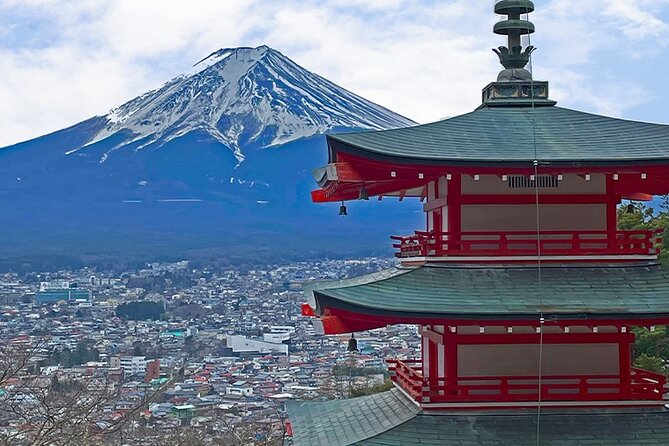
The final sightseeing stop is Arakurayama Sengen Park, home to Chureito Pagoda. This is the image many people associate with Fuji: a red pagoda, the town below, and Mt. Fuji behind it when the weather cooperates.
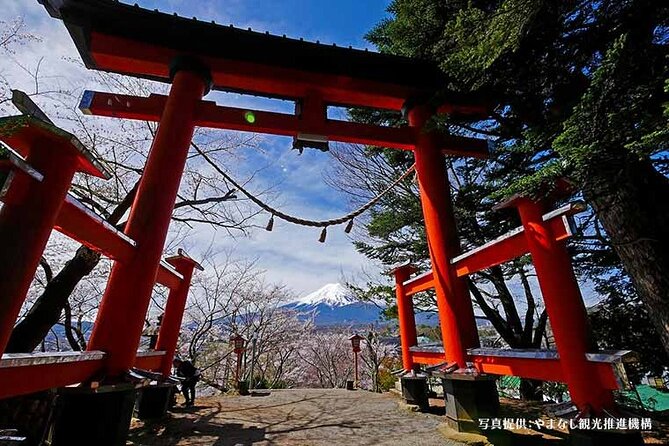
The bus does not pull up directly beside the pagoda. You get off near Shimo-Yoshida Station on the Fujikyuko Line, then walk about ten minutes each way to Sengen Shrine. From there, the climb to the scenic viewpoint involves about 398 steps and takes roughly 15 minutes each way.
The full stop lasts around one hour and 20 minutes. That sounds generous, but the walking and stairs use much of it. Wear comfortable shoes and keep your pace realistic. The stairway can be a serious effort for anyone with limited stamina, especially after several hours on the road.
If the steps are too much, you may be able to wait near Sengen Shrine for a few minutes while others continue. You should not expect the pagoda view without making the climb, though. This is the one part of the day where fitness affects what you can see.
The reward is a cultural setting rather than just another overlook. Sengen Shrine connects the visit to Japanese religious traditions, while the pagoda and Fuji create the classic visual pairing. Cherry blossom season is especially attractive, but the tour does not promise blossoms or a clear mountain.
The Guides Can Make or Break the Day
A nine-hour bus tour needs a guide who can keep the group informed without filling every minute with talk. The strongest guide feedback has centered on clear explanations, humor, and practical help at each stop.
Makoto has been praised for being thorough and educational. Atsushi has been singled out for his personality, humor, and even a singing performance during the ride. Saiki-San has been remembered for explaining Mt. Fuji and Japanese culture, including teaching basic Japanese symbols.
Those details matter because much of the day is spent in transit. A guide can turn the bus rides into useful context about the mountain, Japanese customs, and the places ahead. You should still expect a group format, not a private conversation tailored only to your interests.
The guide is also useful when the schedule changes. Road conditions can force a different order, and the bus may arrive later than planned. An organized explanation helps the day feel less uncertain.
Weather, Road Changes and Backup Stops
The most important booking warning is simple: Fuji may not be visible. This is not unusual for a mountain, and the operator does not cancel or refund the tour when clouds block the view.
The route may also change because of traffic, weather, frozen roads, or accidents. If the bus cannot reach the 4th or 5th Station, the replacement may be Oshino Hakkai or the Fujisan World Heritage Center. These are sensible alternatives, but they are not the same experience as standing high on Fuji.
I recommend checking the forecast before you go, while accepting that even a good forecast cannot guarantee a clear summit. If a perfect Fuji photograph is your main reason for booking, the risk is significant. If you want a broad day in the Fuji area, the backup plan makes the tour more dependable.
Who Will Get the Most From This Tour
I would recommend this outing to you if you have limited time in Tokyo and want to see several major Fuji-area sights without arranging transport yourself. It suits first-time visitors, families who prefer a planned route, and anyone who values an included meal and a guide.
It is also a good fit if you want both natural scenery and culture. The 5th Station and Oishi Park cover the mountain and lake views, while Sengen Shrine and Chureito Pagoda add a distinctly Japanese setting.
You may want another plan if you dislike fixed schedules, need extensive walking time, or have dietary requirements outside the Japanese and vegetarian options. It is also less suitable if you cannot manage the 398 steps and consider the pagoda viewpoint essential.
Children up to five can join free without a bus seat. If your child needs a seat, you must book the child rate. Anyone under 18 needs written parental permission, and anyone under 15, or not yet in middle school, must be accompanied by a parent or guardian.
Is $99.10 a Fair Price?
For $99.10, you are paying for transport, a licensed English guide, lunch, and a full day of sightseeing. The price is easier to justify if you would otherwise need several regional connections and a separate meal.
The value drops if you mainly want one Fuji viewpoint and would rather spend hours there. A bus tour gives you range, but it also means short stops, fixed departure times, and limited freedom to linger.
The 96 percent recommendation rate and 4.8 rating from 128 reviews suggest a strong record, with particular praise for the guides, lunch, and the chance to cover the main sights in one day. Those figures cannot remove the weather risk, but they do support the tour’s basic design.
Cancellation and Booking Details
You can cancel for a full refund up to 24 hours before the start time. Changes or cancellations made less than 24 hours before departure are not accepted or refunded.
Confirmation is issued within 48 hours, subject to availability. The tour requires at least two participants, and it may be canceled if that minimum is not reached four days before departure or because of operational reasons.
The experience uses a mobile ticket. The bus operator is Hato Bus Co., Ltd., and the maximum group size is 40 people.
Should You Book It?
Book this tour if you want a practical, guided introduction to Mt. Fuji without spending your Tokyo visit planning regional transport. The mix of the 5th Station, Oishi Park, Lake Kawaguchi, lunch, and Chureito Pagoda gives you plenty for one day.
Go in with the right expectations. Fuji can vanish behind clouds, traffic can delay the return, and the pagoda requires a genuine climb. If you accept those limits, this is a well-priced way to see the area’s headline sights and learn more from guides such as Makoto, Atsushi, or Saiki-San.
FAQ
Where does the tour start and finish?
The tour starts and finishes near Shinjuku Station’s West Exit at West 1 Chome, Nishishinjuku. It does not provide hotel pickup or return to Tokyo Station.
How long does the tour last?
The tour lasts approximately nine hours. The planned return to the Shinjuku area is around 5:30 p.m., but traffic and seasonal road conditions can cause delays.
Is lunch included?
Yes. Lunch is included at either Hotel Regina Kawaguchiko or Highland Resort Hotel & Spa. The venue may change depending on restaurant conditions.
Can I choose a vegetarian lunch?
Yes, but you must book the separate tour option for a vegetarian meal. Changes cannot be made on the day. Muslim-friendly, allergy-friendly, and gluten-free meals are not available.
What happens if Mt. Fuji is covered by clouds?
The tour continues even if Mt. Fuji is not visible, and no refund is given for weather-related poor visibility. If the 4th or 5th Station cannot be reached, the itinerary may change to Oshino Hakkai or the Fujisan World Heritage Center.
How difficult is the Chureito Pagoda stop?
You walk about ten minutes each way from the bus stop to Sengen Shrine, then climb approximately 398 steps to the Chureito Pagoda viewpoint. The stairway takes about 15 minutes each way, and people who are not confident with the climb may wait near the shrine.
Are young children allowed on the tour?
Children up to five years old may join free, but they do not receive a bus seat unless you book the child rate. Participants under 18 need written parental permission, and anyone under 15, or not yet in middle school, must travel with a parent or guardian.
More Lunch Experiences in Tokyo
- Tokyo: Mt.Fuji & Lake Kawaguchiko 1-Day Bus Tour w/Optional Lunch
★ 4.5 · 839 reviews - Tokyo: Sumo Experience and Chanko Nabe Lunch
★ 4.8 · 257 reviews - Tokyo: Tsukiji Fish Market Tour with 6 Stops & Seafood Lunch
★ 4.5 · 165 reviews - Tokyo: 1 Day Bus Tour with Meiji-Jingu,Odaiba,lunch&Skytree
★ 4.6 · 156 reviews
Just added in Tokyo
- Very popular in Harajuku♡Animal petting zoo★ 4.6 · 39 reviews
- Yokohama Port: Private Customizable Tour with Transfer★ 5.0 · 19 reviews
- Wagyu & Sake 8 Course Tasting Dinner in Shinjuku★ 4.9 · 20 reviews
- Warner Bros. Studio Tour Tokyo – The Making of Harry Potter★ 4.8 · 181 reviews
- Yanaka District: Historical Walking Tour in Tokyo’s Old Town★ 4.8 · 117 reviews
- Tokyo: Classic Tsukiji Food Tour★ 4.9 · 78 reviews
- Tokyo: Tsukiji Fish Market Tour with 6 Stops & Seafood Lunch★ 4.5 · 165 reviews
- Tokyo Wagyu & Sake Pairing Tasting Experience with Local Flavors★ 5.0 · 108 reviews
Temples and Shrines, compared.
Kyushu One-Day Tour: Yufuin no Mori Train & Yufuin Town & Nyoirin-ji Temple & Dazaifu & Hell Hot Springs (Departing from Fukuoka)
Read our review →
Fushimi Inari, Kinkakuji, Bamboo Grove 1 Day Bus Tour
Read our review →
Tea Ceremony in a Traditional Tea House in Kiyomizu
Read our review →
Kyoto Nara Day Trip │ Kiyomizu-dera Temple + Fushimi Inari-taisha Shrine + Nara Park (Departing from Osaka/Kyoto)
Read our review →
Browse the lists this tour appears in