Reviewed · KYOTO TOURS
Nara Afternoon Tour from Kyoto or Osaka
Nara’s deer are only half the story. This five-hour-40-minute afternoon tour pairs the animals of Nara Park with Todaiji Temple and Kasuga Grand Shrine, making it an easy way to see the city’s main sights without arranging trains, buses, and temple tickets yourself. I like the included transport and admission, and I especially like having an English-speaking guide explain why Nara became Japan’s first permanent capital. The main drawback is time: the walk from the bus parking area to Todaiji takes about 25 minutes each way, so the stops can feel rushed.
I also like the route’s focus. You get the enormous Great Buddha at Todaiji, the lantern-lined Kasuga Shrine, and the deer park in one compact outing. Guides such as Yuki, KC, Mo Mo, and Yoshitara have been praised for clear explanations, humor, and careful organization. Still, a group of up to 40 people can slow things down, and this is not the tour for lingering over every temple detail or spending a long afternoon feeding deer.
In This Review
- Key points at a glance
- Why Nara deserves an afternoon from Kyoto
- Todaiji Temple and the Great Buddha
- Nara Park and its famously polite deer
- Kasuga Grand Shrine and its lanterns
- How the pacing really feels
- What the $102.38 price buys you
- Who will enjoy this organized Nara visit
- Small details that make a big difference
- Should you book the Nara afternoon tour?
- FAQ
- How long does the Nara afternoon tour last?
- Where does the Kyoto departure begin?
- Is transportation from Kyoto to Nara included?
- Is transportation from Osaka available?
- Are entrance fees included?
- How much walking is required?
- Can children join the tour?
- What happens if the Kasuga Shrine special visit area is closed?
- Can I cancel for a full refund?
Key points at a glance
- The Great Buddha is the main event: Todaiji’s huge bronze Buddha sits inside one of the world’s largest wooden buildings.
- Expect a long approach on foot: The walk from the coach parking lot to Todaiji is about 25 minutes each way.
- Nara Park is more than a quick photo stop: More than 1,000 deer roam across its 1,250 acres, though your free time is limited.
- Kasuga Shrine adds a quieter, more atmospheric stop: Its stone and bronze lanterns give the visit a different feel from Todaiji.
- The January 2025 route adds access near the main sanctuary: If operational conditions prevent entry, another museum visit may replace it.
- The tour is easiest for organized first-time visitors: Transport, entrance fees, and a licensed English guide are included, but independent visitors may prefer more freedom.
Why Nara deserves an afternoon from Kyoto
Nara was Japan’s first permanent capital, founded in 710 under the name Heijo. For much of the eighth century, it was the center of government and Buddhist religious life. The capital later moved to Nagaoka in 784, but Nara kept its major temples, shrines, and ceremonial importance.
That background gives the tour more weight than a simple deer outing. The deer are charming, sometimes pushy, and often the first thing you notice. Yet Todaiji and Kasuga show why Nara mattered long before visitors arrived with cameras and bags of crackers.
From Kyoto, the trip begins at the Avanti Tour Desk near Kyoto Station. The Osaka departure option includes an English-speaking assistant from Hotel Granvia Osaka to Kyoto Avanti, then again from Kintetsu Nara Station to Osaka Namba Station. That makes the Osaka version useful if you want a single arranged outing rather than piecing together the transfer yourself.
The vehicle ride takes time, roughly an hour each way according to the timing described by several participants. That is a real part of the calculation. You are paying for ease and guidance, not simply entrance to two religious sites.
A few more options to weigh up in Kyoto
- PERFECT KYOTO 1-Day Bus Tour
★ 5.0 · 13,518 reviews - [Kyoto & Nara Day Tour] Sagano Scenic Railway & Nara Park & Fushimi Inari Taisha Thousand Torii Gates & Togetsukyo Bridge & Bamboo Grove & Kimono Forest (Departing from Osaka)
★ 4.9 · 10,942 reviews - Kyoto: Fushimi Inari, Kinkakuji, Bamboo Grove 1 Day Bus Tour
★ 4.8 · 4,316 reviews
Todaiji Temple and the Great Buddha
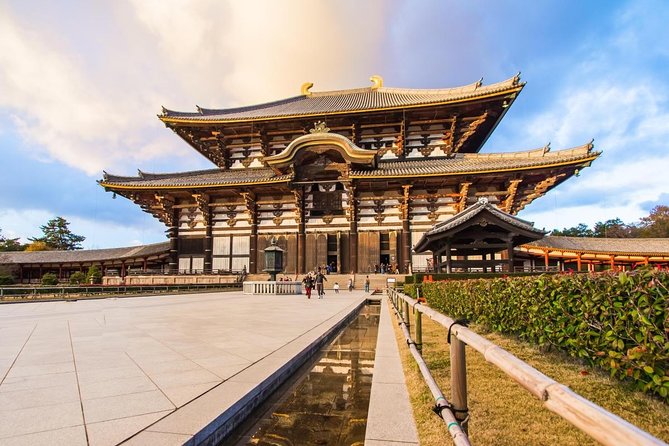
Todaiji is the emotional high point of the tour. Built in the eighth century, the temple is a World Heritage site and a symbol of the Nara period. Its main hall, the Daibutsuden, is a vast wooden structure. Inside is the bronze Great Buddha, an immense figure that makes the surrounding visitors look very small.
The size is not the only reason Todaiji matters. The temple reflects the political role Buddhism played when Nara was the capital. This was not a small neighborhood temple. It was built to project religious power and national importance, and the scale still communicates that purpose clearly.
Admission is included, along with the English guide and transport. The listed stop lasts about 1 hour and 10 minutes, but that does not mean all of that time is spent inside the hall. The walk from the coach parking area takes around 25 minutes one way, and the group must return to the vehicle afterward.
That walk is the tour’s most important practical warning. It is not presented as a difficult hike, but it adds up, especially in hot weather, rain, or if you move slowly. Several low-rated experiences focused on the distance and the short amount of time left for the temple and deer park.
Once inside, you will want time to look up at the wooden roof, take in the Buddha, and listen to the guide. The best guides make this stop much more rewarding. Yuki has been praised for clear historical explanations and an organized pace. KC received similar praise for explaining Japanese culture in an approachable way, while Mo Mo was singled out for making the visit lively and informative.
The tradeoff is control. You cannot decide to skip Todaiji and use the time entirely for deer. The temple is the central cultural stop, so everyone follows the same plan.
Nara Park and its famously polite deer
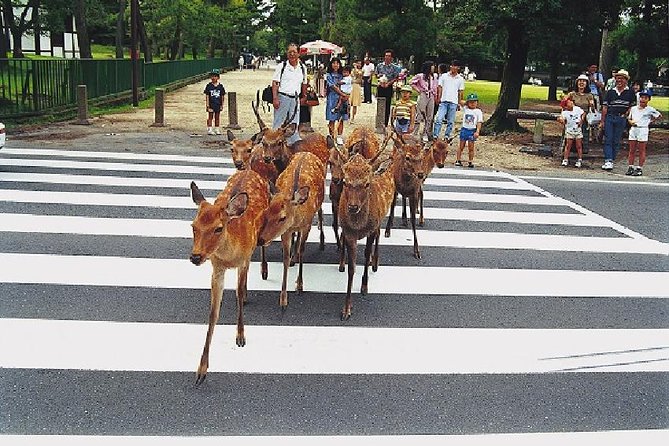
Nara Park covers about 1,250 acres and is home to more than 1,000 deer. The animals roam freely, and their connection to Kasuga Shrine gives them a religious role as the shrine’s messengers.
The deer are used to people and may approach when food is available. They are famous for bowing, though you should not expect every animal to perform on command. Some are gentle and patient. Others can become aggressive when they see food, so keep paper, maps, and anything edible secure.
Rice crackers for deer are sold in the park, but the tour information does not promise a dedicated feeding session or extended free time. One of the sharpest complaints about the outing came from a visitor who wanted to feed the deer but was not shown where to buy the crackers before entering the park.
My advice is simple: if feeding deer is your main goal, ask the guide early where to buy the crackers and how much free time you will have. Do not assume the itinerary allows an hour of relaxed animal watching. You may get memorable encounters, but the temple and shrine must also fit into the afternoon.
The deer park is also the place where the tour can feel most hurried. You may be moving between the coach parking area, Todaiji, the deer grounds, and the next meeting point rather than wandering wherever you wish. A map may be provided to help you find your way back, but you still need to watch the time carefully.
Kasuga Grand Shrine and its lanterns

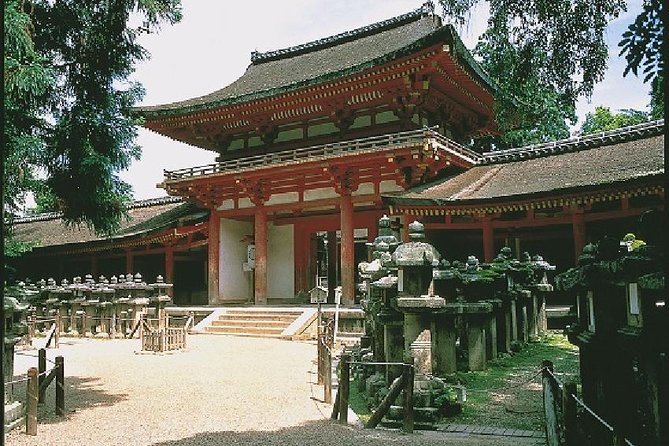
Kasuga Grand Shrine brings a different mood. Todaiji is enormous and imposing. Kasuga is more intimate, with Shinto buildings, forest paths, and thousands of antique stone and bronze lanterns. The deer are traditionally regarded as messengers of the shrine, linking the animals you see in the park to the spiritual setting.
The scheduled stop lasts about one hour, and admission is included for the areas covered by the tour. From January 2025, the route is intended to include the Main Sanctuary special visit area. This lets you get closer to the sanctuary and see hanging lanterns along the corridor.
That change may make Kasuga more satisfying than a quick exterior visit. Still, the special area can be unavailable because of events or operating conditions. If that happens, the group may visit the Kasuga Taisha Museum or Todaiji Museum instead. The tour does not provide a refund when this substitution occurs.
Two other areas are specifically excluded: the Treasures Hall and Manyo Botanical Gardens at Kasuga Shrine. This distinction matters because included admission does not mean every paid site within the shrine complex is covered.
Kasuga is also the stop most affected by delays earlier in the afternoon. If people return late from Todaiji or the deer park, the shrine visit can become shorter. Keep that in mind if you are hoping for quiet time among the lanterns.
A completely different kind of day out:
- Kyoto: Tea Ceremony in a Traditional Tea House in Kiyomizu
★ 4.9 · 3,519 reviews - Kyoto: Gion Make Your Own Chopsticks with Engraving Option
★ 5.0 · 3,465 reviews - Kyoto Nara Day Trip │ Kiyomizu-dera Temple + Fushimi Inari-taisha Shrine + Nara Park (Departing from Osaka/Kyoto)
★ 4.7 · 3,408 reviews - Kyoto Geisha Walking Tour: Gion District & Hidden Gems
★ 4.7 · 3,273 reviews
How the pacing really feels
The advertised duration is about 5 hours and 40 minutes. That sounds generous until you subtract the ride to and from Nara, the walk to Todaiji, group movement, and the transfer between sights.
Some visitors found the schedule efficient and felt they saw everything promised. Others felt they had only 45 minutes for the temple, deer, and walk back to the coach. Both reactions make sense. The tour covers the headline sights, but it does so on a fixed clock.
A group of up to 40 people is allowed. That is not a small private outing. The size can make the guide easier to spot, but it also means waiting at gates, crossings, and meeting points. A few late returns can reduce time for everyone else.
The guide’s ability matters here. Yuki has been praised for keeping people informed in rain and hot weather. Other guides received strong marks for kindness, humor, and historical explanations. At the same time, some experiences described unclear meeting instructions or English explanations that were less detailed than expected.
You can improve your own day by staying close to the guide at each stop, listening for the return instructions, and keeping your watch visible. Do not spend all your free time at the first deer group you see. The coach will not wait indefinitely, and a delay can affect the final shrine visit.
What the $102.38 price buys you
At $102.38 per person, this is not the cheapest way to reach Nara. You can arrange transport independently, pay for the sights you choose, and set your own pace. The train option may suit you better if you want a full day in Nara or hope to add other locations.
The price becomes easier to justify if you value structure. Transportation from Kyoto is included, as are admission fees and a National Government Licensed English Guide Interpreter. You do not need to work out the Nara bus network, locate the major entrances, or read up on the background before arrival.
The value is strongest for a first visit with limited time. You see Todaiji, Nara Park, and Kasuga in one organized route. The value is weaker if you mainly want deer, a slow lunch, or time to photograph the lanterns. Lunch and drinks are not included, and no hotel pickup or drop-off is provided.
Bring your own water and plan to eat before or after the tour. Since the afternoon schedule is tight, stopping for a full meal during the outing could make the timing uncomfortable.
Who will enjoy this organized Nara visit
I would choose this tour for a first-time visitor staying in Kyoto who wants the essential Nara sights without handling the transport. It also suits people who prefer a guide’s explanation at major religious sites, especially if Japanese temple and shrine customs are new to you.
Families can join, but note the age rules. Children up to five years old may participate free, but they do not receive a bus seat unless booked at the child rate. Anyone under 18 needs written parental permission. Anyone under 15, or not yet enrolled in middle school, must be accompanied by a parent or guardian.
Most people can take part, and service animals are allowed. However, the walking distance should be taken seriously. If you have trouble walking for 25 minutes from a parking area to a temple, or standing and moving with a group, the schedule may feel demanding.
Solo visitors can book, but you must take responsibility for staying with the group. One serious complaint involved someone being separated from the party. That is not a reason to reject the tour automatically, but it is a reason to pay close attention at every meeting point.
Small details that make a big difference
Wear comfortable shoes. The route involves more walking than the short stop descriptions suggest, especially around Todaiji.
Carry rain protection, though the driver may have spare umbrellas. That small touch helped on at least one wet afternoon, but you should still come prepared.
Keep the meeting point clear in your mind. If the guide gives a map or return directions, take a moment to confirm them before wandering toward the deer.
Ask about deer crackers before you enter the park. If you want to feed the animals, this is more reliable than hoping the guide notices your interest later.
Do not expect assigned bus seats. Seats may not be designated, so arrive at the meeting point on time and follow the staff’s instructions.
The tour runs with a maximum of 40 people, and the activity order or arrival times can change with traffic and road conditions. Nara is close enough for an afternoon visit, but traffic can still reshape the schedule.
Should you book the Nara afternoon tour?
Book it if you want a guided introduction to Nara’s essential sights, value included transport and admission, and can accept a brisk schedule. The Great Buddha is unforgettable, Kasuga adds real cultural depth, and the deer make the outing distinctive. Strong guides, including Yuki, KC, Mo Mo, and Yoshitara, can turn the fixed route into a lively lesson in Japanese history and culture.
Skip it if you want to spend most of your day feeding deer, exploring every corner of Todaiji, or adding museums and gardens at your own pace. Independent transport will give you more freedom and may cost less, though you will handle the planning yourself.
For many first-time visitors based in Kyoto, this works as a practical snapshot of Nara. Think of it as an efficient introduction, not a leisurely full-day visit. Cancel at least 24 hours before the start time for a full refund, and remember that late changes are not accepted.
FAQ
How long does the Nara afternoon tour last?
The tour lasts approximately 5 hours and 40 minutes, including transportation between Kyoto and Nara.
Where does the Kyoto departure begin?
The Kyoto departure begins at the Avanti Tour Desk near Kyoto Station.
Is transportation from Kyoto to Nara included?
Yes. Return transportation and the related transportation costs are included.
Is transportation from Osaka available?
Yes. The Osaka departure option includes an English-speaking assistant from Hotel Granvia Osaka to the Sunrise Tours Desk in Kyoto Avanti, and from Kintetsu Nara Station to Osaka Namba Station.
Are entrance fees included?
Admission fees for the included tour stops are included. The Treasures Hall and Manyo Botanical Gardens at Kasuga Shrine are not included.
How much walking is required?
You will walk from the coach parking area to Todaiji Temple, approximately 25 minutes each way.
Can children join the tour?
Children up to five years old may join free of charge, but they will not receive a bus seat unless you book the child rate. Participants under 18 need written parental permission, and anyone under 15 or not yet enrolled in middle school must travel with a parent or guardian.
What happens if the Kasuga Shrine special visit area is closed?
The group may visit the Kasuga Taisha Museum or Todaiji Museum instead. No refund is issued if one of these alternative destinations replaces the special visit area.
Can I cancel for a full refund?
Yes. You must cancel at least 24 hours before the experience start time for a full refund. Cancellations or changes made less than 24 hours in advance are not accepted for a refund.
Just added in Kyoto
- The “Golden Route” and Ancient Japan by DIAMIR Erlebnisreisen – 14-Day Tour★ 2.0 · 2 reviews
- Japan: Castles & Cuisine by G Adventures – 6-Day Kyoto to Osaka Tour★ 4.5 · 4 reviews
- Cycle Japan by Explore! – 13-Day Kyoto to Tokyo Tour★ 4.7 · 12 reviews
- Cycle Japan by Intrepid Travel – 11-Day Kyoto to Tokyo Tour★ 4.8 · 2 reviews
- Classic Japan by Intrepid Travel – 11-Day Kyoto to Tokyo Tour★ 4.4 · 14 reviews
- Ancient & Modern Japan 14-Day Tour by Exodus Adventure Travels★ 4.4 · 40 reviews
- 5 Day Cultural Adventure of Kyoto, Nara & Osaka by Tourist Journey★ 2.5 · 2 reviews
- 12 Days Kinosaki Onsen Escape: A Journey Through Japan’s Timeless Towns by UME Travel★ 4.8 · 5 reviews
Kyoto Tours, compared.
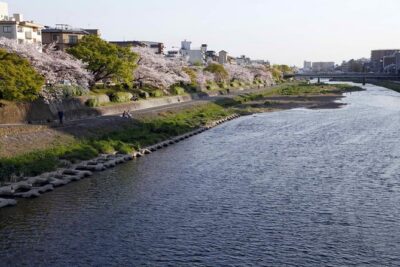
![[Kyoto & Nara Day Tour] Sagano Scenic Railway & Nara Park & Fushimi Inari Taisha Thousand Torii Gates & Togetsukyo Bridge & Bamboo Grove & Kimono Forest (Departing from Osaka)](https://media.japanvisits.com/wp-content/uploads/kyoto-nara-day-tour-sagano-scenic-railway-nara-park-fushimi-inari-taisha-thousand-torii-gates-togetsukyo-bridge-bamboo-grove-kimono-forest-departing-from-osaka-k110001-400x257.jpg)
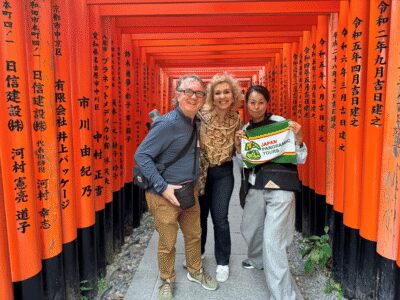
Fushimi Inari, Kinkakuji, Bamboo Grove 1 Day Bus Tour
Read our review →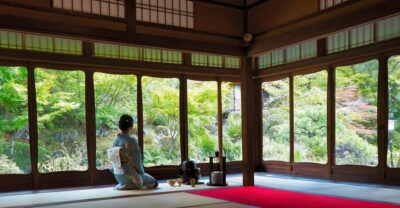
Tea Ceremony in a Traditional Tea House in Kiyomizu
Read our review →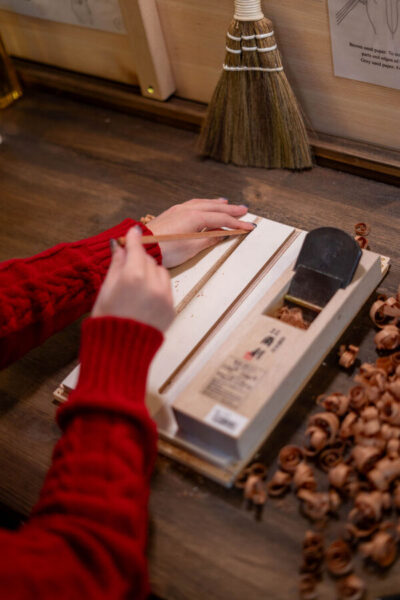
Gion Make Your Own Chopsticks with Engraving Option
Read our review →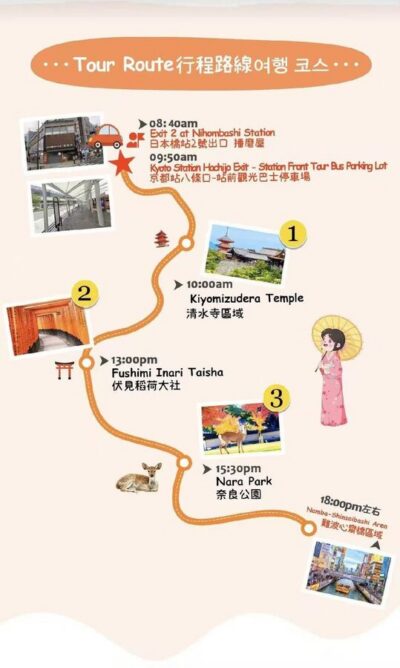
Kyoto Nara Day Trip │ Kiyomizu-dera Temple + Fushimi Inari-taisha Shrine + Nara Park (Departing from Osaka/Kyoto)
Read our review →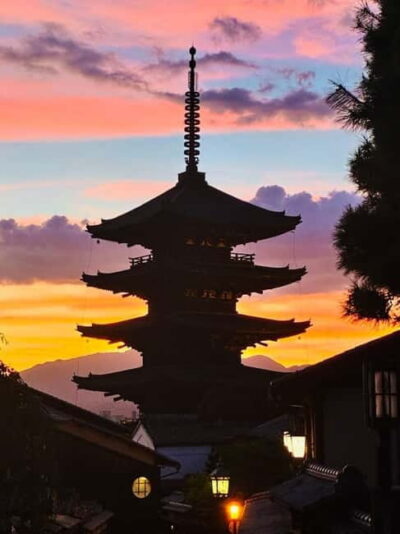
Kyoto Geisha Walking Tour: Gion District & Hidden Gems
Read our review →