Reviewed · KYOTO TOURS
Natural Indigo Dyeing with Local Masters (Private Atelier)
Color comes alive in your hands. This two-hour workshop takes you into a real 300-year-old indigo studio in western Kyoto, where a multigenerational family still works with fermented indigo, known as sukumo. I like the small maximum of six people, which gives you time with the artisans, and I like that your cloth changes from green to blue through oxidation right in front of you. The main consideration is access: the studio has wooden floors, no wheelchair access, and the exact address arrives only after booking.
I also like the calm rhythm of the visit. You learn the craft, make something useful, sip indigo leaf tea, and leave with a piece of Kyoto rather than a factory-made souvenir. English support is available, and Sakura has provided especially clear translation during the demonstrations. If you want a large scarf or a more luxurious fabric, bring extra money for an upgrade.
In This Review
- Key points at a glance
- Why this Kyoto craft workshop feels different
- The 15-minute welcome and studio tour
- Folding, binding, and the first dip into the vat
- Watching green cloth turn blue
- Indigo leaf tea and furoshiki wrapping
- What the $95 price really covers
- Getting there and preparing for the studio
- Who will enjoy this most
- The good and the less convenient parts
- Should you book this indigo workshop?
- FAQ
- How long does the natural indigo workshop last?
- Where is the indigo studio located?
- What item is included in the workshop price?
- Can I choose a scarf instead?
- Is the dye natural?
- Is the activity offered in English?
- How many people can join the workshop?
- What should I wear?
- Is the studio wheelchair accessible?
Key points at a glance
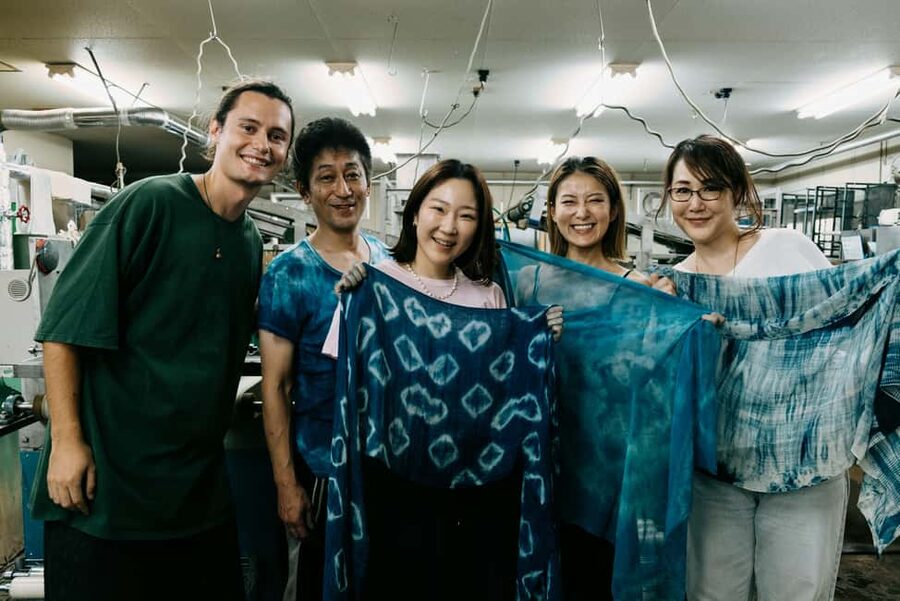
- A working 300-year-old studio: You see real vats, tools, and production spaces rather than a recreated workshop.
- Natural fermented indigo: The artisans use sukumo, not chemical dye, so the color develops through the traditional oxidation process.
- Small groups of six or fewer: The size allows practical help with folding, binding, and dipping.
- A useful included keepsake: The standard activity includes one cotton furoshiki cloth measuring about 45 to 50 centimeters.
- English cultural support: A bilingual host helps explain the artisans’ work, while staff such as Sakura assist with translation.
- Upgrade choices on site: Cotton and silk scarves, plus a Mongolian wool stole, are available for an additional fee.
Why this Kyoto craft workshop feels different
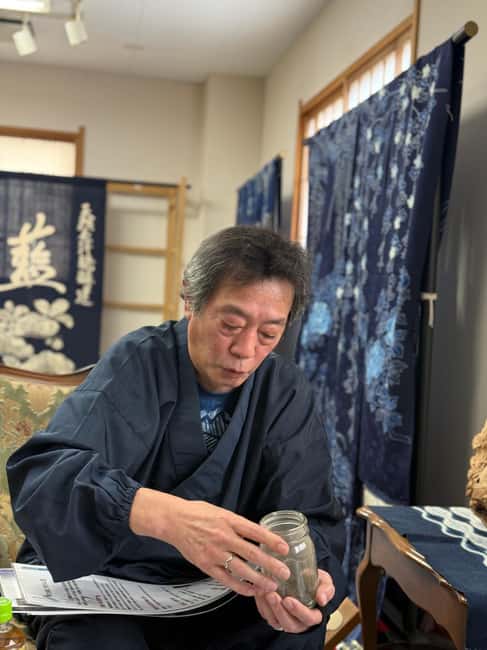
Kyoto offers plenty of hands-on activities, but this one has a clear advantage: you enter a functioning indigo dye house. The studio is said to be 300 years old, and the setting matters. Wooden floorboards, large dye vats, traditional tools, and displayed kimono fabrics give the workshop a sense of place that a modern classroom cannot copy.
The family’s work centers on aizome, or natural indigo dyeing. The indigo is fermented into sukumo, then prepared in vats that artisans maintain with care. This process takes patience and judgment. The color is not simply brushed onto fabric. You fold or bind the cloth, place it into the vat, lift it out, and watch it shift from green to blue as it meets the air.
That small change is one of the best parts of the activity. You get a visible lesson in the chemistry and craft, but it never feels like a school lecture. The artisans show you what to do, then give you a chance to make your own choices.
The experience is offered in English and Japanese, with a bilingual cultural host helping connect the explanations to the practical work. Sakura has been praised for translating clearly and keeping the process easy to follow. That support matters because the craft has many small steps, and a vague explanation can leave you guessing.
A few more options to weigh up in Kyoto
- PERFECT KYOTO 1-Day Bus Tour
★ 5.0 · 13,518 reviews - [Kyoto & Nara Day Tour] Sagano Scenic Railway & Nara Park & Fushimi Inari Taisha Thousand Torii Gates & Togetsukyo Bridge & Bamboo Grove & Kimono Forest (Departing from Osaka)
★ 4.9 · 10,942 reviews - Kyoto: Fushimi Inari, Kinkakuji, Bamboo Grove 1 Day Bus Tour
★ 4.8 · 4,316 reviews
The 15-minute welcome and studio tour
The visit begins with an introduction to the history of indigo in Japan and its role in ordinary life. You also get a look at the studio’s tools and vats before touching the fabric yourself.
This short tour gives useful context. Indigo was not simply a fashionable color for special occasions. It was part of daily clothing and household life, and the dyeing method carries generations of technical knowledge. The family’s work also shows why natural dyeing is demanding. Maintaining the vat and producing consistent color requires close attention.
You might find the studio more practical than polished. That is part of the appeal, but it also means you should arrive ready for a working craft space rather than a museum exhibit. The floorboards are traditional, and the setting may feel less accessible than a purpose-built activity center.
The artisans and host explain the process from indigo plant to finished cloth. One of the strongest parts is seeing the large vats used for substantial kimono fabrics. They make your small project feel connected to a much larger tradition.
Folding, binding, and the first dip into the vat

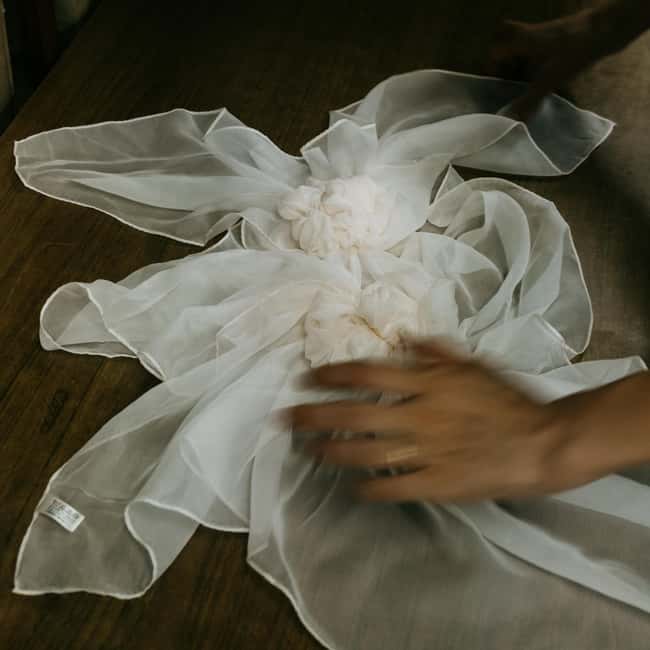
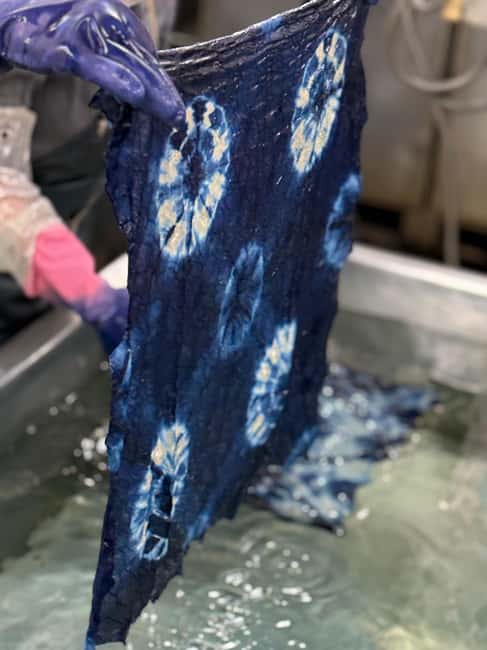
The hands-on portion takes about an hour. You choose one item, then learn how folding and binding create patterns in the finished cloth. The standard included piece is a cotton furoshiki, about 45 to 50 centimeters across. A furoshiki is a traditional wrapping cloth, so you leave with something practical as well as decorative.
You may instead choose an available handkerchief with cherry-blossom embroidery or a traditional tenugui, depending on the options offered during your session. The information for the experience also lists cotton and silk scarves and a Mongolian wool stole as upgrade choices. These cost extra on site, with the exact additional price depending on the item.
I would think about your choice before you arrive. The included furoshiki keeps the price straightforward and gives you a good first project. A scarf offers more room to show the pattern and becomes something you can wear, but it raises the total cost. If you already care about textiles or natural dyeing, the upgrade may feel worthwhile. If you mainly want to try the technique, the included cloth is enough.
The artisans guide you through the folding and binding rather than leaving you alone with instructions. This is important for families and first-time crafters. The minimum age is eight, and one of the strongest aspects of the activity is how well it suits both children and adults.
Before the dyeing begins, you receive an apron. Gloves and shoe covers have also been provided during sessions, helping protect clothing and footwear. Still, wear casual clothes that can get dirty. There is no clothing change room, and natural dye can be stubborn if it reaches the wrong sleeve.
Watching green cloth turn blue
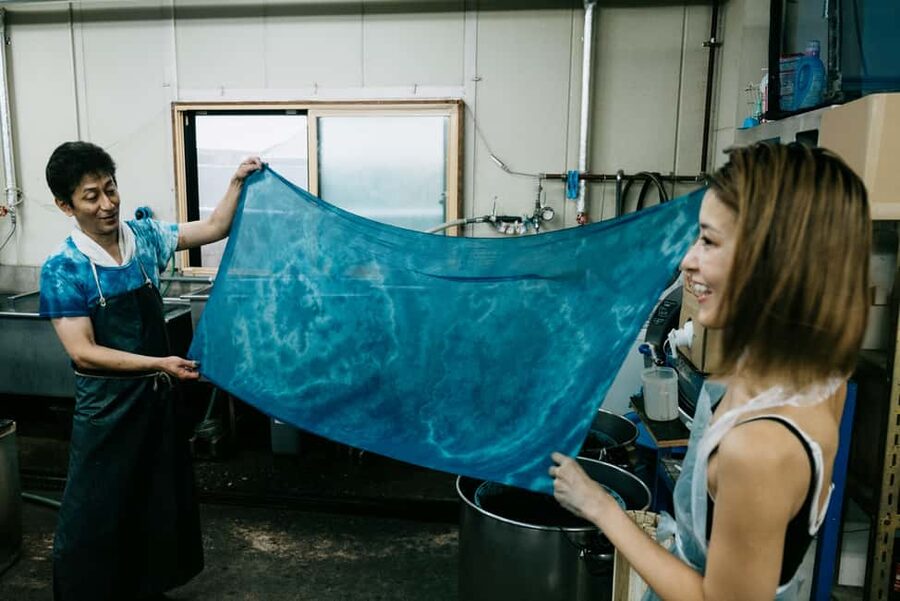
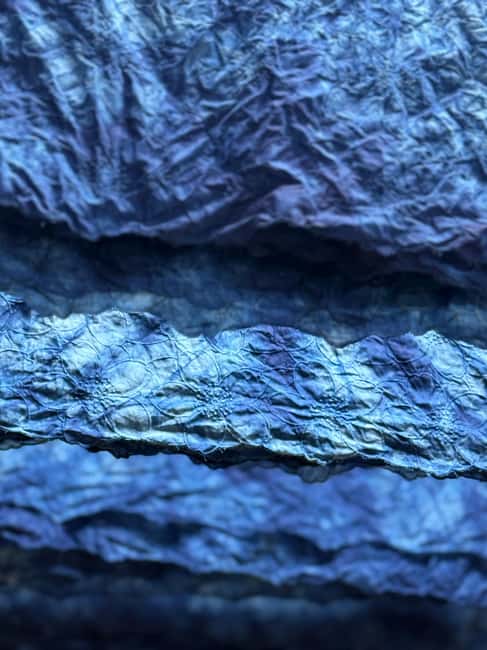
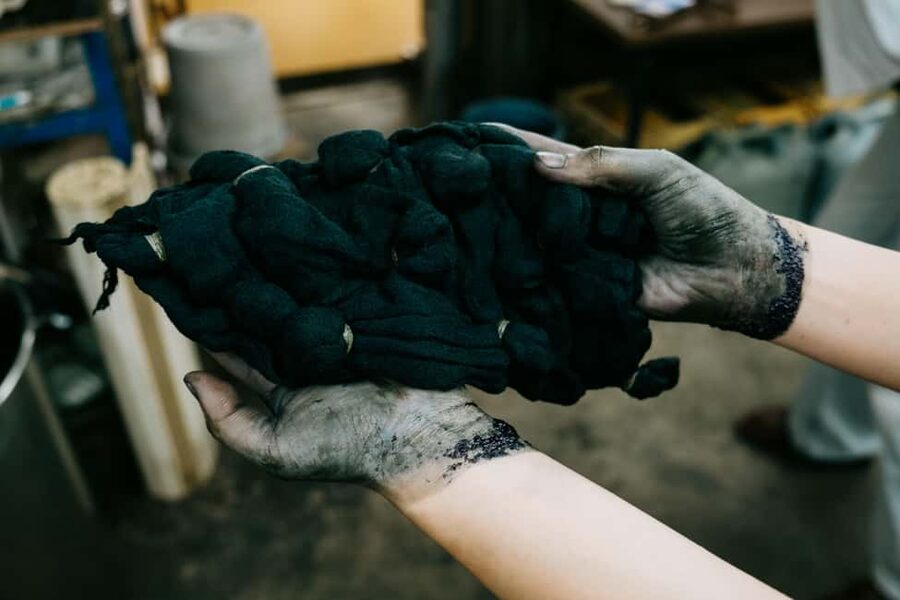
The actual vat work is the memorable center of the session. You dip the prepared cloth into the fermented indigo, then remove it and expose it to air. At first, the fabric can look greenish. Oxidation brings out the familiar blue.
This is not a fast, push-button craft. The color depends on how the cloth is handled and how long it stays in the vat. The artisans help you work through the stages, and you can ask questions as the pattern develops. Their patience is one reason the workshop earns such high praise.
The process also makes a useful point about natural dye. The finished color has character because it comes from a living, carefully maintained vat rather than a uniform chemical mix. You should not expect every piece to look identical. That variation is part of the charm, though anyone seeking a perfectly controlled print may prefer a shop-bought textile.
You also get time for photos with your finished work. The studio has a gallery and displays of dyed items, including kimono-related work. You may be able to browse and buy additional pieces, but purchases are separate from the workshop fee. If you are interested in Japanese textiles, bring extra spending money, since the finished work can be tempting.
A completely different kind of day out:
- Kyoto: Tea Ceremony in a Traditional Tea House in Kiyomizu
★ 4.9 · 3,519 reviews - Kyoto: Gion Make Your Own Chopsticks with Engraving Option
★ 5.0 · 3,465 reviews - Kyoto Nara Day Trip │ Kiyomizu-dera Temple + Fushimi Inari-taisha Shrine + Nara Park (Departing from Osaka/Kyoto)
★ 4.7 · 3,408 reviews - Kyoto Geisha Walking Tour: Gion District & Hidden Gems
★ 4.7 · 3,273 reviews
Indigo leaf tea and furoshiki wrapping
After the dyeing, you slow down with a cup of indigo leaf tea. It is a modest touch, but it gives the session a pleasant finish. You can ask questions, look again at the studio, and admire the cloth once the color has settled.
The tea is herbal, not a meal or snack. Plan to eat before or after the activity if you need more than a drink. The closing conversation also gives the host a chance to explain cultural details that may not fit naturally into the practical work.
A folding demonstration introduces traditional furoshiki wrapping. This adds value to the included cloth because you learn how to use it, not just how to dye it. You can wrap a small item, carry something without disposable packaging, or use the fabric at home as a simple decorative cloth.
You also receive a small souvenir gift. It is not the main reason to book, but it rounds out the visit nicely. The best keepsake remains the piece you dye yourself.
What the $95 price really covers
At $95 per person, this is not the cheapest craft activity in Kyoto. It is also not a basic drop-in class. The price includes the workshop, tools, materials, one cotton furoshiki, use of the natural indigo vats, artisan instruction, bilingual cultural support, indigo leaf tea, an apron, the wrapping demonstration, a small souvenir, and time for photographs.
The strongest value comes from the setting and access. You are not only paying for fabric and dye. You are paying for a small-group visit to a private historical studio, plus direct instruction from artisans who still use the traditional method.
The group limit of six makes the price easier to justify. With a large class, the vat work could become a quick demonstration from the back of the room. Here, you should have a better chance to receive help with your own folds, ties, and dips.
The price becomes less attractive if you want a scarf or stole, since upgrades cost extra. Shipping is also not included. If you cannot carry your finished item, shipping may be available by request for an additional fee.
For me, the activity offers good value if you care about Japanese craft, textiles, or local traditions. It is less compelling if you only want a quick souvenir or a low-cost rainy-day activity.
Getting there and preparing for the studio
The studio is in western Kyoto, around 30 minutes from Kyoto Station by train and on foot. Transportation is not included, and the exact address is shared after booking. Allow enough time for the journey, since arriving late could cut into the short workshop schedule.
Wear comfortable shoes because you will walk from the train and spend time in a traditional space. Comfortable clothing is also important, and you should choose clothes that can get dirty. The studio supplies an apron, and protective items may be provided, but the activity is not the place for your best white shirt.
There is a restroom on site. Wheelchair access is not available, and the wooden floorboards may be difficult for anyone with mobility concerns. The experience is best for people who can manage a traditional workshop setting without step-free access.
The session lasts about 1.5 to 2 hours, depending on the pace of the group. The published schedule describes roughly 15 minutes for the welcome and tour, 60 minutes for dyeing, and 15 to 20 minutes for tea and closing questions. That leaves enough time to work without feeling rushed, but not enough time for a full textile-production course.
Who will enjoy this most
I would recommend this workshop to anyone who enjoys making things with their hands. It works particularly well for families with children aged eight and up, couples looking for a quieter cultural activity, and anyone interested in fabric, kimono, natural dyes, or Japanese design.
It is also a good choice if you have already visited Kyoto’s major temples and want to see another side of the city. The western district setting and private studio create a different kind of cultural experience. You are not just looking at old objects. You are learning how a living craft is practiced today.
The activity may not suit you if you dislike getting messy, need full wheelchair access, or want a large garment dyed during the session. Only one included furoshiki is provided, and large-size fabric or garment dyeing is not part of the workshop.
Language support is available in English and Japanese. The bilingual host makes the activity accessible, but it is not advertised with multilingual support beyond those languages.
The good and the less convenient parts
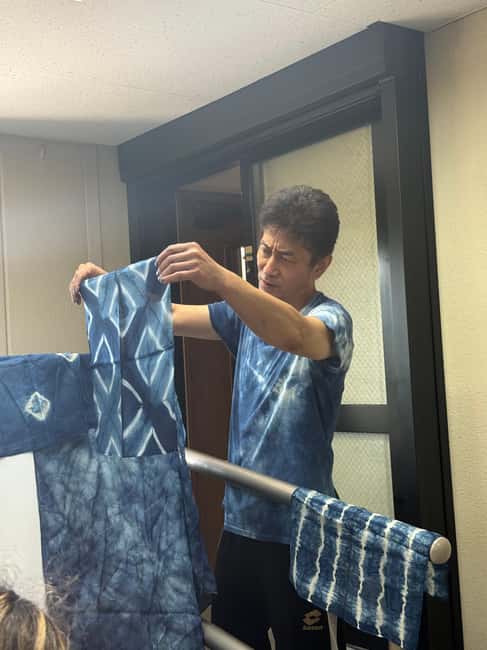
The best feature is the contact with the artisans. The staff are patient and eager to help, and the small group keeps the work personal. You can ask about the tools, the vat, the fabric, and the patterns without treating the visit like a rushed demonstration.
The natural dye is another major strength. Seeing the cloth change color through oxidation gives you a direct sense of how traditional indigo works. The result is not just a printed design. You helped create it.
The main drawbacks are practical. The venue is not wheelchair accessible, transport takes about half an hour from Kyoto Station, and upgrades can push the cost above $95. You also need to dress for possible stains and accept that natural dyeing produces variations rather than exact results.
The workshop has earned a perfect 5.0 rating from 19 reviews, and the praise focuses on the same points: kind staff, clear translation, strong explanations, hands-on work, and the thrill of seeing the large vats. That consistency makes the experience easier to trust.
Should you book this indigo workshop?
Book it if you want a small, personal look at Kyoto’s textile traditions and like the idea of making a useful cloth with your own hands. The 300-year-old studio, natural sukumo vats, artisan guidance, and tea at the end give the activity substance beyond a standard souvenir class.
Choose the included furoshiki if you want to keep the cost at $95. Upgrade to a cotton or silk scarf, or the wool stole, only if you truly want a larger finished piece and are prepared to pay extra. Bring comfortable clothes, plan your route to western Kyoto, and leave room in your schedule for a slow, careful craft session.
For a visitor who values real workshops over polished tourist replicas, this is a strong pick. For anyone needing step-free access or wanting a bargain activity, it is better to consider another option.
FAQ
How long does the natural indigo workshop last?
The activity lasts about 1.5 to 2 hours. The planned schedule includes a 15-minute welcome and studio tour, about 60 minutes of dyeing, and 15 to 20 minutes for tea, questions, and photos.
Where is the indigo studio located?
The studio is in the western part of Kyoto, about 30 minutes from Kyoto Station by train and on foot. The exact address is provided after booking.
What item is included in the workshop price?
One cotton furoshiki cloth, approximately 45 to 50 centimeters, is included. The experience information also describes a large handkerchief with cherry-blossom embroidery or a traditional tenugui as standard options, depending on what is available on site.
Can I choose a scarf instead?
Yes. Cotton and silk scarves, along with a Mongolian wool stole, are available as upgrades. You pay the additional fee on site.
Is the dye natural?
Yes. The studio uses natural fermented indigo called sukumo and does not use chemical dye for the workshop.
Is the activity offered in English?
Yes. The activity is available in English and Japanese, with a bilingual cultural host providing English-language support.
How many people can join the workshop?
The group is limited to six participants.
What should I wear?
Wear comfortable clothes and shoes, and choose clothing that can get dirty. An apron is provided, and protective items such as gloves and shoe covers may be supplied during the dyeing process.
Is the studio wheelchair accessible?
No. The studio is a traditional space with wooden floorboards and does not have wheelchair access.
Just added in Kyoto
- The “Golden Route” and Ancient Japan by DIAMIR Erlebnisreisen – 14-Day Tour★ 2.0 · 2 reviews
- Japan: Castles & Cuisine by G Adventures – 6-Day Kyoto to Osaka Tour★ 4.5 · 4 reviews
- Cycle Japan by Explore! – 13-Day Kyoto to Tokyo Tour★ 4.7 · 12 reviews
- Cycle Japan by Intrepid Travel – 11-Day Kyoto to Tokyo Tour★ 4.8 · 2 reviews
- Classic Japan by Intrepid Travel – 11-Day Kyoto to Tokyo Tour★ 4.4 · 14 reviews
- Ancient & Modern Japan 14-Day Tour by Exodus Adventure Travels★ 4.4 · 40 reviews
- 5 Day Cultural Adventure of Kyoto, Nara & Osaka by Tourist Journey★ 2.5 · 2 reviews
- 12 Days Kinosaki Onsen Escape: A Journey Through Japan’s Timeless Towns by UME Travel★ 4.8 · 5 reviews
Kyoto Tours, compared.

![[Kyoto & Nara Day Tour] Sagano Scenic Railway & Nara Park & Fushimi Inari Taisha Thousand Torii Gates & Togetsukyo Bridge & Bamboo Grove & Kimono Forest (Departing from Osaka)](https://media.japanvisits.com/wp-content/uploads/kyoto-nara-day-tour-sagano-scenic-railway-nara-park-fushimi-inari-taisha-thousand-torii-gates-togetsukyo-bridge-bamboo-grove-kimono-forest-departing-from-osaka-k110001-400x257.jpg)
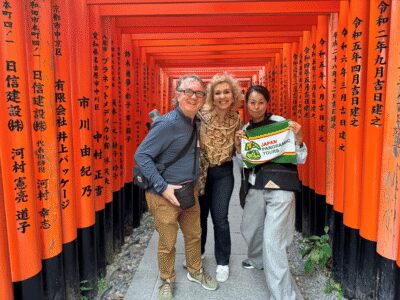
Fushimi Inari, Kinkakuji, Bamboo Grove 1 Day Bus Tour
Read our review →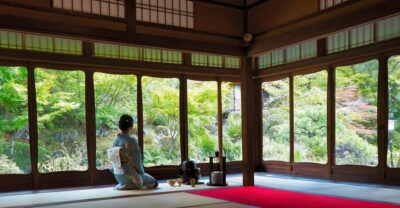
Tea Ceremony in a Traditional Tea House in Kiyomizu
Read our review →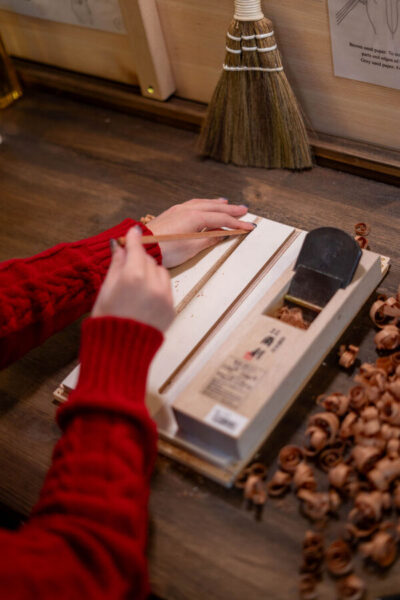
Gion Make Your Own Chopsticks with Engraving Option
Read our review →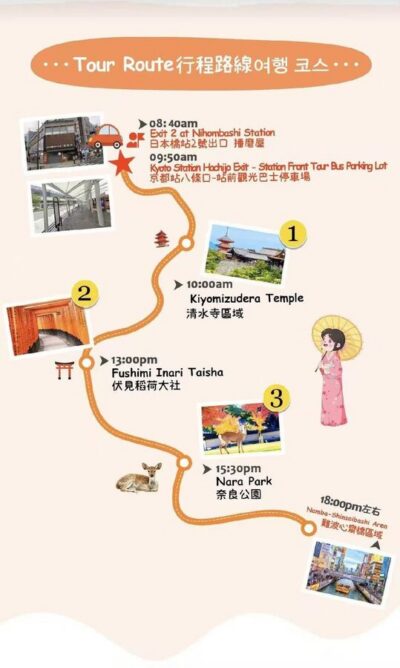
Kyoto Nara Day Trip │ Kiyomizu-dera Temple + Fushimi Inari-taisha Shrine + Nara Park (Departing from Osaka/Kyoto)
Read our review →
Kyoto Geisha Walking Tour: Gion District & Hidden Gems
Read our review →