
Reviewed · WALKING TOURS
Osaka: Namba Local Food Walking Tour (Taste 15 Dishes)
Osaka eats best after sunset. I like that this three-hour evening walk leaves the famous Dotonbori crowds behind for small local restaurants, and I like that the food comes with useful context about Japanese customs, history, and daily life. The main consideration is that the evening includes plenty of eating, so arrive hungry and expect to walk between several stops.
At $74 per person, the value is strongest if you want dinner and guidance in one booking. Three drinks, a full dinner, and 15 tastes cover a lot, while a group capped at 15 keeps the outing more personal than a large coach-style food trip. The route begins at 6:30 p.m. near Namba Station and returns to the same meeting point.
In This Review
- Key points to know before booking
- Why this Osaka food walk feels different
- Meeting Jay at 6:30 p.m. in Namba
- Stop One: a local Namba restaurant
- Stop Two: a second taste of Namba dining
- Stop Three: Nanbanaka and the final hour
- What you are really paying for at $74
- Food, culture, and the value of a local guide
- Who should book this evening tour?
- Booking and cancellation details
- The final call: a smart first-night food choice
- FAQ
- How long is the Osaka food walking tour?
- Where does the tour begin?
- Where does the tour end?
- How many restaurants are included?
- How many dishes are included?
- Are drinks included?
- What is the maximum group size?
- Is the tour available by mobile ticket?
- Can I cancel for a refund?
Key points to know before booking
- Three local restaurant stops: You spend about an hour at each of two Namba eateries, then continue to a third restaurant in Nanbanaka.
- Fifteen Osaka tastes: The menu includes examples such as crispy kushikatsu, juicy gyoza, and fresh sashimi, with the full dinner served across the evening.
- Three drinks included: You do not need to order drinks separately during the tour.
- Jay brings the history: Jay is praised for clear English, friendly conversation, and strong knowledge of Japanese culture and history.
- Small-group format: The maximum group size is 15 people, a useful middle ground between private touring and a large group.
- Simple evening logistics: Meet at Doutor, 1-chōme-8-2 Namba, at 6:30 p.m., then finish back at the same spot.
Why this Osaka food walk feels different
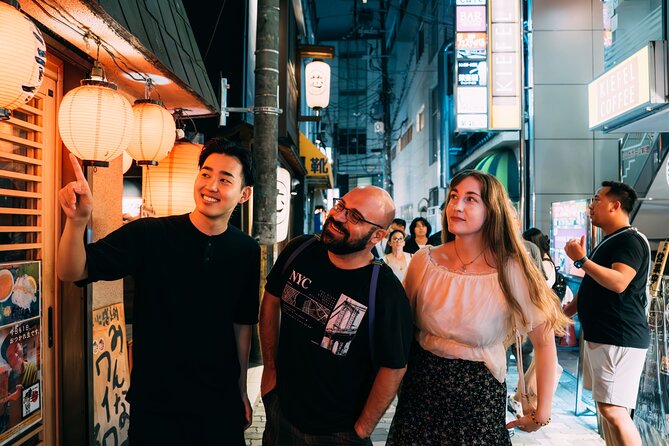
Namba is one of Osaka’s best bases for eating, but the most famous streets can make the city feel like one long row of signs and queues. This tour takes a different approach. Rather than staying around the biggest tourist sights, you move through less tourist-focused streets and enter small restaurants where local dining is the point.
That matters because Osaka food is not only about famous dishes. It is also about how people order, share, snack, drink, and spend an ordinary evening. A guide can explain those small customs while you eat, which gives the meal more meaning than simply checking off kushikatsu or gyoza.
The tour runs for about three hours, beginning at 6:30 p.m. That timing suits a proper dinner, and it lets you see Namba after the working day has ended. You should still remember that this is a walking tour, not a single seated meal. Comfortable shoes and an empty stomach will make the night easier.
More Walking Tours in Osaka
- Osaka Bar Hopping Night Walking Tour in Namba (3 bars, 6 tastes)
★ 5.0 · 958 reviews - Osaka 6hr Private Walking Tour with Government Licensed Guide
★ 5.0 · 174 reviews - 1 Day Takoyaki Making and Osaka Castle Walking Tour
★ 5.0 · 15 reviews
Meeting Jay at 6:30 p.m. in Namba
The starting point is the Doutor at 1-chōme-8-2 Namba, in Chuo Ward. The meeting point is specific, which helps in a dense part of Osaka, but you should still allow time to find it before the 6:30 p.m. start. Your mobile ticket provides the booking details, and confirmation is sent when you book.
Jay is an important part of the experience. He is praised for speaking excellent English, answering questions clearly, and making the evening informal and friendly. His role is not limited to naming the dishes. He explains Japanese culture, food customs, and the story of the area, giving you something to think about between bites.
I especially like that the guide is described as personable rather than stiff or overly scripted. That can make a difference in a small food tour. You can ask about a dish, a local habit, or a place you pass on the walk, then get an answer in plain English instead of a memorized speech.
The maximum group size is 15 people. That is not the same as a private tour, but it is small enough for a guide to keep the group together and handle questions. If everyone arrives with the same appetite, the evening should feel social without becoming unwieldy.
Stop One: a local Namba restaurant
The first hour takes place at a local restaurant in Namba. The exact restaurant name and menu are not specified, so you should not book this expecting a fixed, published tasting list for every date. The useful promise is the format: you sit down for the opening part of a full dinner and begin working through several Osaka favorites.
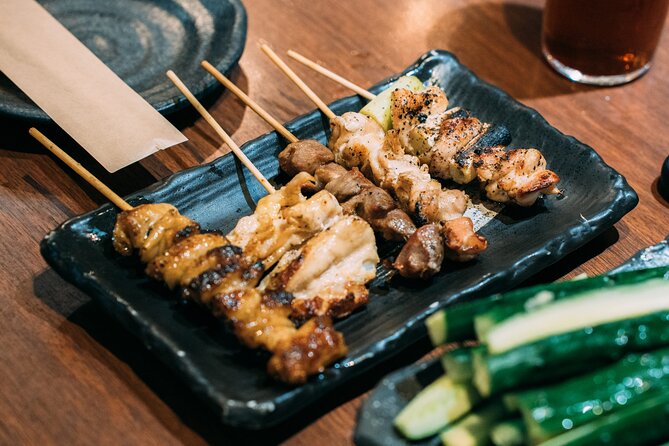
Kushikatsu is one of the named examples. These deep-fried skewers are associated with Osaka and are an easy way to understand the city’s fondness for casual, filling food. The appeal is immediate: crisp coating, hot food, and small portions that let you try several items rather than committing to one large plate.
This first stop is also where your appetite matters. The evening includes 15 dishes in total, so it is better to pace yourself than to treat the first plate as a race. You might find the menu lighter or heavier depending on the dishes served, but the overall plan is a full dinner rather than a token sample.
The restaurant setting is part of the value. Instead of being rushed through a row of stalls, you have time for the guide to explain what you are eating. That makes the first stop a good introduction for anyone who has not ordered Japanese food outside the most familiar sushi and ramen choices.
Stop Two: a second taste of Namba dining
The second hour takes you to another local restaurant in Namba. This change of setting is useful because it shows that Osaka food is not one single style. Different small restaurants have different specialties, rhythms, and ways of serving a meal.
Gyoza is another named dish, described as juicy and satisfying. It is familiar enough for cautious eaters but still worth trying in a local setting. After a crisp fried skewer, a hot dumpling provides a different texture and flavor, and the variety helps explain how the 15-dish count works.
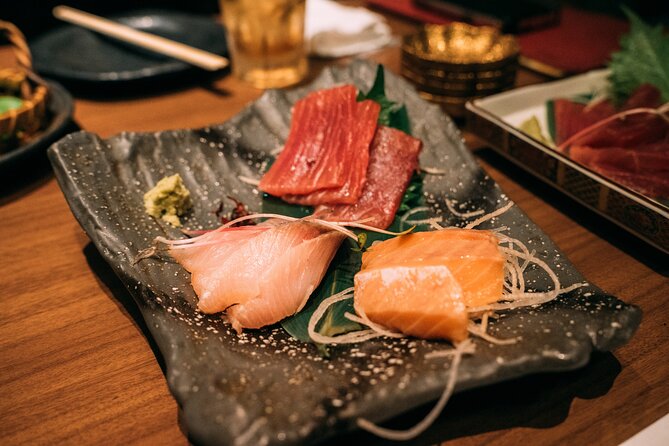
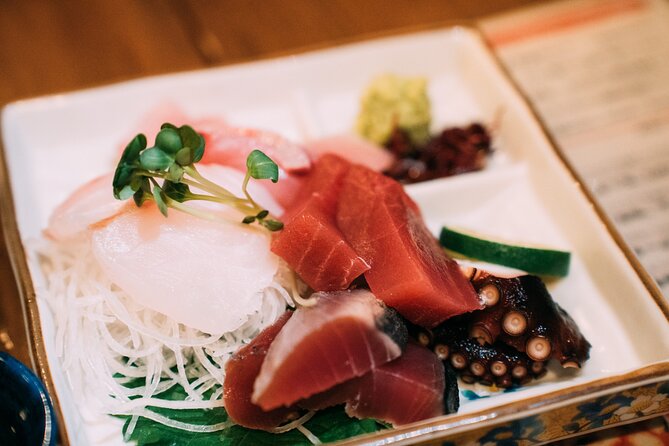
Fresh sashimi is also included among the examples of what you may taste. That gives the meal a contrast to the fried food. If you are comfortable with seafood, sashimi adds a clean, simple element to an evening that could otherwise lean heavily toward rich dishes.
Three drinks are included across the tour. That is a practical benefit, especially during a dinner that lasts three hours. The supplied details do not specify the drink choices, so you should not assume a particular beer, sake, soft drink, or other beverage. If you have dietary or drink preferences, ask Jay or the operator before ordering.
The second restaurant is also a good point to ask questions. Jay’s value is not only in selecting places you might not find yourself. He can explain the background of dishes and customs, and his strong English makes those explanations accessible to visitors who do not know much about Japan.
More Walking Tours in Namba:
- Kyoto Geisha Walking Tour: Gion District & Hidden Gems
★ 4.7 · 3,273 reviews - Tokyo Tsukiji Fish Market Food and Culture Walking Tour
★ 5.0 · 3,184 reviews - Kyoto: Gion Magical Night Walking Tour with Geisha Trivia
★ 4.9 · 2,393 reviews - Tokyo: Imperial Palace and Shogun Historical Walking Tour
★ 5.0 · 2,251 reviews
Stop Three: Nanbanaka and the final hour
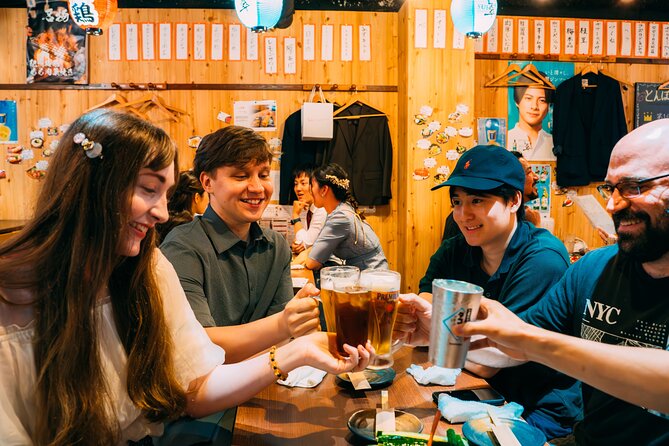
The final stop is in Nanbanaka, another part of the Namba area. You spend about an hour at a third local restaurant, completing the dinner and the tasting sequence before walking back to the starting point.
Ending at a new neighborhood rather than returning immediately to the first restaurant keeps the route varied. You get a broader sense of the area and see more of the streets around Namba. The details do not identify a specific attraction at Nanbanaka, so the focus here remains food, conversation, and the local setting rather than sightseeing.
By this stage, the meal should feel substantial. The tour includes a full dinner, 15 dishes, and three drinks, so this is not the right choice if you want only a quick snack before another reservation. The final hour also gives Jay more time to answer questions and connect the food with Japanese history and everyday habits.
The end point is back at the original meeting point. That is convenient if you are staying near Namba or want to continue exploring the area afterward. It also removes the need to navigate to a different neighborhood at the end of a food-heavy evening.
What you are really paying for at $74
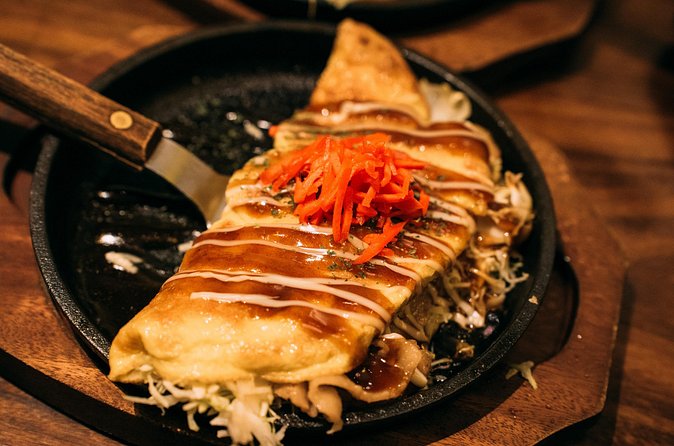
The $74 price needs to be judged as the cost of dinner, drinks, a walking route, and a guide. If you bought 15 separate tastes and three drinks on your own, the food alone could take a substantial portion of that budget. You are also paying for access to small restaurants and for someone to make ordering and cultural explanations easier.
The price is less compelling if you already know Namba well, speak Japanese comfortably, and prefer choosing every dish yourself. Independent eating can be cheaper, especially if you order only one or two items at each stop. You would also have more control over timing and portion size.
For a first Osaka visit, I think the price is reasonable. The tour saves you from guessing which local places to enter, gives you a complete dinner, and adds background that you would not necessarily get from a menu. The maximum group size of 15 keeps the cost below a private tour while preserving a guided experience.
Gratuity is listed as not included, so allow for that extra cost if tipping is expected or requested. The tour price itself includes the walking tour, full dinner, and three drinks, but the supplied details do not list any other extras.
Food, culture, and the value of a local guide
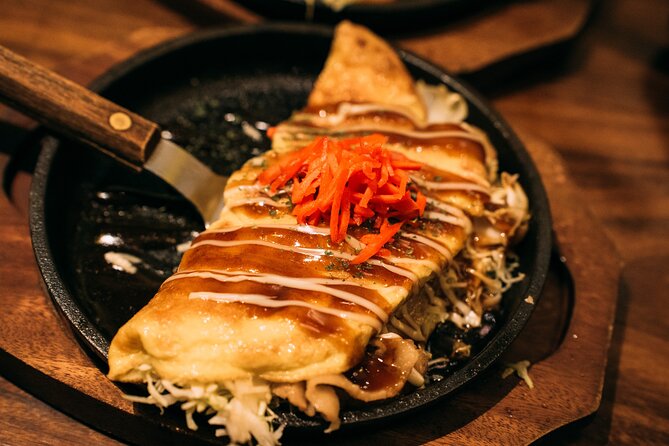
The strongest part of the experience is the link between food and place. Jay has studied Japanese history, and his explanations cover more than the dishes on the table. You can expect the evening to include stories about the area, customs, and traditions, not just a rapid list of ingredients.
That approach suits curious eaters. If you want to know why a dish is served in a certain way, how local dining differs from restaurant meals aimed at tourists, or how Osaka’s food culture fits into Japanese life, the guide adds real value.
The tone also sounds relaxed and humorous. That matters when a group is eating together. A formal lecture would be tiring after three restaurants, but friendly conversation helps the history stay connected to the food.
Still, no guide can remove every uncertainty from a group tasting. You may not love every one of the 15 dishes, and the menu may not suit every appetite. Anyone with allergies, strict dietary rules, or strong dislikes should contact the operator before booking, because the supplied information does not describe substitutions or special menus.
Who should book this evening tour?
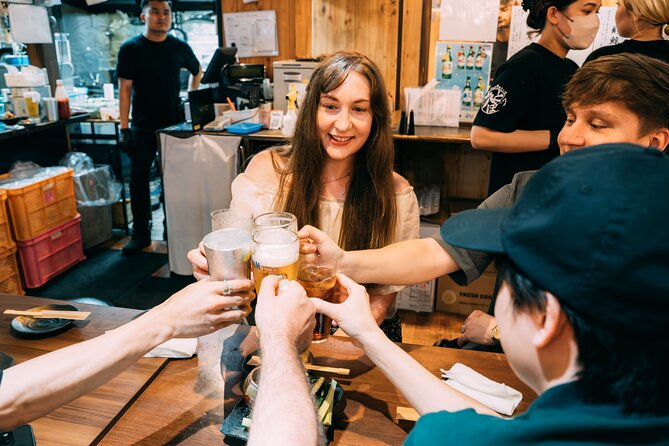
I would recommend it most strongly to first-time visitors who want an easy introduction to Osaka food. It is also a good fit if you are nervous about entering small Japanese restaurants alone, or if you want a local person to explain the menu and dining customs.
Couples, friends, and solo visitors who enjoy conversation should fit well in the group setting. The 15-person limit offers a chance to meet other people without turning the evening into a huge organized outing.
This may not be ideal for you if you prefer a private, quiet dinner or if you need to choose every ingredient in advance. It is also a poor match for anyone planning a late dinner afterward. Three hours, 15 dishes, and three drinks add up to a proper evening meal.
The tour requires a 6:30 p.m. start, so check that timing against your plans. Most people can participate, according to the supplied details, but the experience involves walking between restaurants and spending time eating in three different places.
Booking and cancellation details
Confirmation arrives at booking, and the experience uses a mobile ticket. The tour requires a minimum number of participants, so if that number is not reached, you will be offered another date or experience, or a full refund.
You can cancel for a full refund up to 24 hours before the local start time. Cancellations or changes made less than 24 hours before the 6:30 p.m. start are not refunded or accepted, so keep that deadline in mind when making dinner plans.
The final call: a smart first-night food choice
I would book this tour if I wanted a guided introduction to Osaka on my first evening in the city. The combination of 15 dishes, three drinks, three local restaurants, and Jay’s clear explanations gives you more than a meal. It gives you a practical way to understand how Osaka eats.
The main drawbacks are the fixed start time, group format, unknown exact menu, and the possibility that some dishes will not suit you. If those limits do not bother you, $74 is a fair price for a full dinner and an informed local companion.
Come hungry, wear comfortable shoes, and keep the rest of the evening open. You should finish back in Namba with a full stomach, a better sense of Osaka’s food culture, and a few ideas for what to order next time on your own.
FAQ
How long is the Osaka food walking tour?
The tour lasts approximately three hours, from the 6:30 p.m. start until it returns to the meeting point.
Where does the tour begin?
It begins at Doutor, 1-chōme-8-2 Namba, Chuo Ward, Osaka, 542-0076, Japan.
Where does the tour end?
The activity ends back at the same meeting point where it begins.
How many restaurants are included?
The route includes three local restaurants: two in Namba and one in Nanbanaka.
How many dishes are included?
The experience includes tastes of 15 dishes. Named examples include kushikatsu, gyoza, and sashimi.
Are drinks included?
Yes. Three drinks are included with the full dinner.
What is the maximum group size?
The tour has a maximum of 15 participants.
Is the tour available by mobile ticket?
Yes. A mobile ticket is provided, and confirmation is received when you book.
Can I cancel for a refund?
Yes. You can cancel up to 24 hours before the experience start time for a full refund. Cancellations made less than 24 hours before the start are not refunded.
Just added in Namba
- Discover Real Osaka: A Cultural Walk with Food & Drink★ 5.0 · 13 reviews
- Private Airport transfer Kansai Intl. Airport(KIX) to OSAKA CITY★ 4.5 · 12 reviews
- From Osaka/Kyoto: Kyoto & Nara Day Trip with Optional Lunch★ 4.5 · 79 reviews
- From Osaka or Kyoto: Kyoto and Nara 1-Day Bus Tour★ 3.5 · 141 reviews
- Osaka Delights: Traditional Japanese Food Tour★ 4.5 · 33 reviews
- Osaka Private Tour with a Local Guide (Must See Places in 1 Day)★ 5.0 · 57 reviews
- Airport Transfer from Osaka city to Kansai airport★ 4.5 · 73 reviews
- Badminton in Osaka & Kyoto with Locals!★ 5.0 · 15 reviews
Walking Tours, compared.
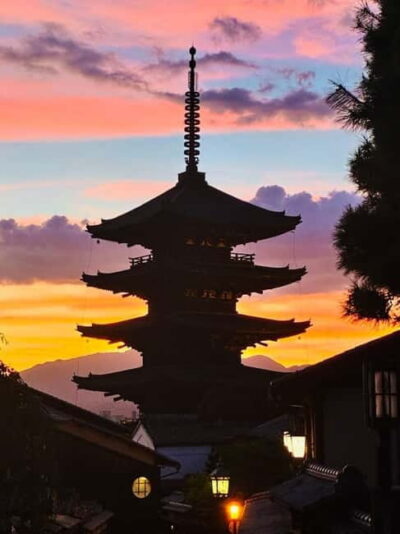
Kyoto Geisha Walking Tour: Gion District & Hidden Gems
Read our review →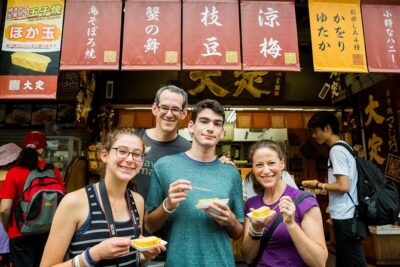
Tokyo Tsukiji Fish Market Food and Culture Walking Tour
Read our review →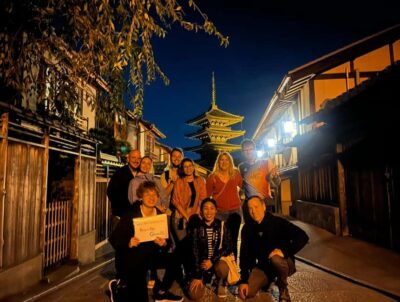
Gion Magical Night Walking Tour with Geisha Trivia
Read our review →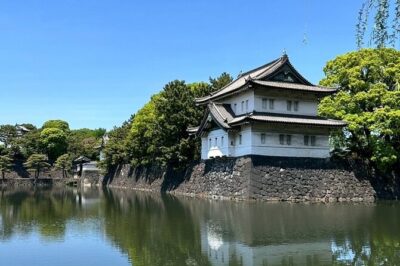
Imperial Palace and Shogun Historical Walking Tour
Read our review →
Gion Geisha District Walking Tour – Stories of Geisha
Read our review →
Shinjuku Local Bar and Izakaya Guided Walking Tour
Read our review →
Browse the lists this tour appears in