Reviewed · KYOTO TOURS
Private Custom Tour: Kyoto in One Day
Kyoto rewards a smart plan. This private tour lets you shape an eight-hour day around the temples, shrines, food, and neighborhoods you care about most. I like the one-to-one attention and the freedom to choose four or five major stops instead of being pushed through a fixed route. I also like that your guide handles Kyoto’s buses and trains, which saves time and removes a layer of stress.
The main catch is pace. Kyoto’s sights are spread across the city, and fitting five places into one day means plenty of walking and transport changes. Guide quality can also vary. Names praised in past bookings include Oki, Katsuko, Yoko, Juraj, Kazu, Lulu, Rebecca, Michael, and Pepijn, but your guide is assigned rather than guaranteed.
In This Review
- Key points to know before booking
- Why a private day can work well in Kyoto
- Building an itinerary that fits eight hours
- Kinkaku-ji, the Golden Pavilion
- Nijo Castle and the world of the shoguns
- Fushimi Inari and its red torii gates
- Tenryu-ji and the gardens of Arashiyama
- Kiyomizu-dera and Kyoto’s eastern hills
- Lunch and the everyday side of Kyoto
- Public transport or private vehicle?
- The guide makes or breaks the day
- Optional experiences and extra costs
- Is the $181.69 price fair?
- Who should book this Kyoto day?
- FAQ
- Is hotel pickup included?
- How long is the tour?
- How many places can I visit?
- Is lunch included?
- Are entrance fees included?
- Can I add a tea ceremony or other activity?
- Should you book the Private Custom Tour: Kyoto in One Day?
Key points to know before booking
- Choose your own Kyoto priorities: Build a half-day or full-day route around temples, shrines, gardens, markets, food, or shopping.
- Four or five stops in eight hours: The full-day plan can cover major sights, while the half-day option usually suits two or three places.
- Public transport is part of the experience: Buses, trains, and subways help you see how Kyoto works, but expect walking and transfers.
- Lunch is included on the full-day option: Your guide takes you to a local Japanese restaurant, though the exact restaurant depends on the route.
- Extra activities cost more: Tea ceremonies, calligraphy, aikido, sake tastings, and bike rides can be added at your expense.
- A private tour with a mixed record: The score is 4.7 from 79 ratings, with 92 percent recommending it, but a few complaints focus on English ability, explanations, and meeting arrangements.
Why a private day can work well in Kyoto
Kyoto is not difficult because its buses and trains are poor. They are useful and efficient. It is difficult because its best sights sit in different parts of town, crowds can change the feel of a place, and a short visit gives you little room for wrong turns.
That is where this tour earns its keep. You tell the guide what matters to you, then work out a sensible route together. If this is your first day in Kyoto, you can ask for an introduction to the city’s main religious and historic sites. If you have already seen the famous temples, you can shift the focus to markets, sake, gardens, preserved streets, or local food.
I especially like the orientation value. Several guides have helped people learn the public transport system well enough to travel independently afterward. That is more useful than simply being driven from gate to gate. You get a practical lesson in Kyoto as well as a day of sightseeing.
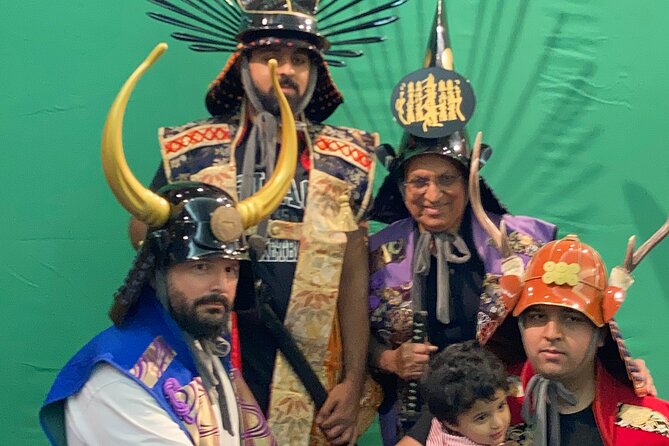
The private format also helps with different interests within one group. One family added a samurai museum for a child. Another group looked for Japanese knives and visited a sake brewery. A guide can adjust the day when your interests are specific, though admission charges and special activities are generally extra.
A few more options to weigh up in Kyoto
- PERFECT KYOTO 1-Day Bus Tour
★ 5.0 · 13,518 reviews - [Kyoto & Nara Day Tour] Sagano Scenic Railway & Nara Park & Fushimi Inari Taisha Thousand Torii Gates & Togetsukyo Bridge & Bamboo Grove & Kimono Forest (Departing from Osaka)
★ 4.9 · 10,942 reviews - Kyoto: Fushimi Inari, Kinkakuji, Bamboo Grove 1 Day Bus Tour
★ 4.8 · 4,316 reviews
Building an itinerary that fits eight hours
Before the pickup, send a clear wish list. Do not simply write temples and food. Name the places you most want, then identify two or three backups. Ask the guide to group sights by area, since crossing Kyoto repeatedly can turn a sightseeing day into a transport day.
A full day generally allows four or five places. A half day allows two or three. That sounds generous, but each major stop can take an hour, and you also need time for hotel pickup, walking to stations, transfers, lunch, photos, and pauses.
I would not try to combine every famous site in Kyoto. Fushimi Inari in the southeast, Kinkaku-ji in the northwest, Arashiyama in the west, and Kiyomizu-dera in the east can make for a tiring route. A good guide should help you choose between seeing more places quickly and seeing fewer places with better explanations.
The strongest itineraries are built around a theme or a compact section of the city. You might pair Kinkaku-ji with Nijo Castle and central Kyoto. Or you might focus on Fushimi Inari, the Fushimi sake district, and Kiyomizu-dera. An Arashiyama day could include Tenryu-ji and the bamboo area rather than trying to add distant sights.
Kinkaku-ji, the Golden Pavilion
Kinkaku-ji is the classic Kyoto image: a gold-covered pavilion reflected in a garden pond. The building itself is the photo stop, but the garden gives the visit its shape. You follow a set path through landscaped grounds, viewing the pavilion from several angles before moving onward.
The listed visit allows about an hour, which is reasonable for the grounds and photographs. Admission is not included, so budget separately for the entrance fee. Also remember that this is one of Kyoto’s most visited sights. A private guide can help you arrive at a better time, but the tour cannot guarantee an empty view.
Kinkaku-ji works well for first-time visitors who want one unmistakably Japanese scene. It is less suitable if you want a quiet, slow garden visit. The route is controlled, and the pavilion attracts plenty of attention.
Nijo Castle and the world of the shoguns
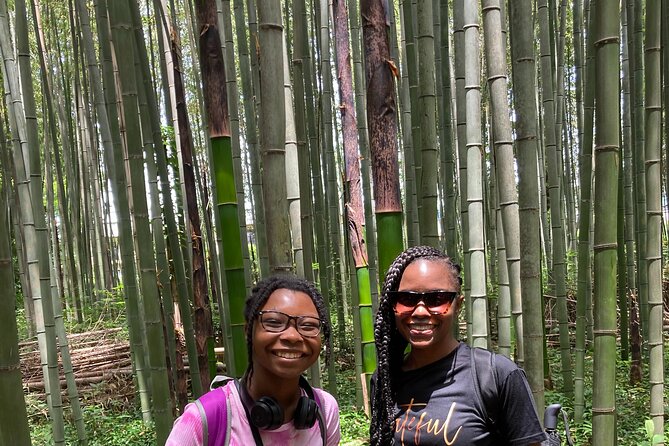
Nijo Castle offers a different side of Kyoto. Instead of religious buildings and forest paths, you get a formal castle complex tied to the Tokugawa shoguns, who ruled Japan for nearly 300 years.
The castle is a useful stop if you want political history and samurai-era context. The interiors, gardens, and defensive design help explain how power worked in early modern Japan. A guide can also give meaning to details you might otherwise pass without noticing, although the quality of those explanations depends heavily on the individual assigned to you.
Plan around an hour, with admission extra. This is a good companion to Kinkaku-ji because the two places feel quite different. One offers a polished religious image and garden setting. The other shows authority, ceremony, and military government.
A completely different kind of day out:
- Kyoto: Tea Ceremony in a Traditional Tea House in Kiyomizu
★ 4.9 · 3,519 reviews - Kyoto: Gion Make Your Own Chopsticks with Engraving Option
★ 5.0 · 3,465 reviews - Kyoto Nara Day Trip │ Kiyomizu-dera Temple + Fushimi Inari-taisha Shrine + Nara Park (Departing from Osaka/Kyoto)
★ 4.7 · 3,408 reviews - Kyoto Geisha Walking Tour: Gion District & Hidden Gems
★ 4.7 · 3,273 reviews
Fushimi Inari and its red torii gates
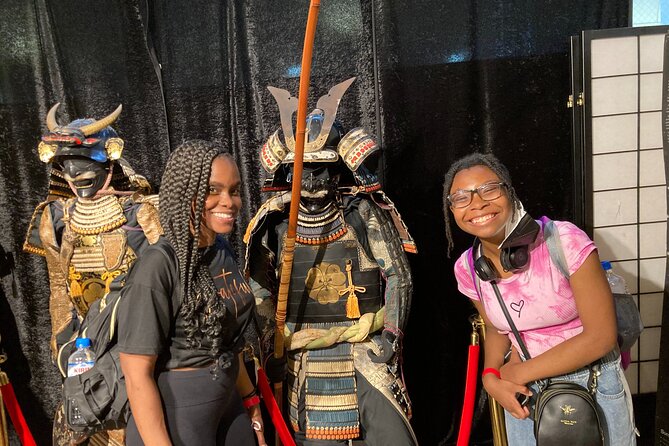
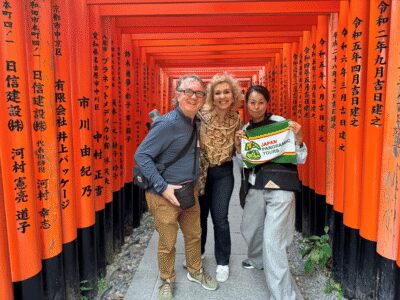
Fushimi Inari-taisha is free to enter and easy to reach by train. Its famous path climbs through wooded slopes beneath thousands of red torii gates, donated over time by individuals and businesses.
You do not need to walk the entire mountain to enjoy the shrine. The first section is the most photographed and can be crowded. If you keep walking, you might find quieter paths and smaller shrines, though the climb becomes more demanding.
Allowing one hour gives you a taste of the route, not a complete mountain visit. Wear shoes with good support. The steps, slopes, and uneven sections make this the stop where comfortable footwear matters most.
I like Fushimi Inari for the way it combines a major religious site with a walk through the hills. It also gives your guide a chance to explain Shinto customs, shrine architecture, and the meaning of the gates. Some guides have pointed out less obvious paths and small shrines beyond the main photo area.
Tenryu-ji and the gardens of Arashiyama
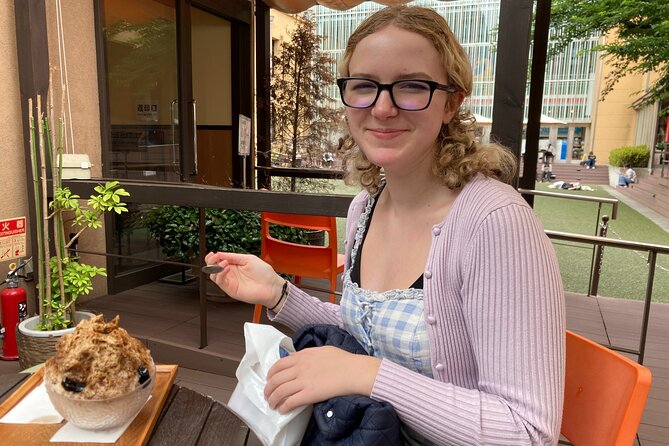
Tenryu-ji is a World Cultural Heritage site in Arashiyama, an area known for its bamboo grove and scenic setting. Its strolling garden, with ponds and borrowed views of the surrounding hills, is the main reason to visit.
The temple makes sense for garden lovers and for anyone already planning to see the bamboo forest. You can combine both, as one four-hour custom route did, but you need to be realistic about time. Arashiyama sits away from central Kyoto, and moving there from a distant temple can consume a large part of the day.
Admission to Tenryu-ji is extra. The bamboo grove itself is not a private or secluded walk, so do not expect solitude. Still, the garden gives you a calmer place to look closely at Japanese design after the more crowded streets.
Kiyomizu-dera and Kyoto’s eastern hills
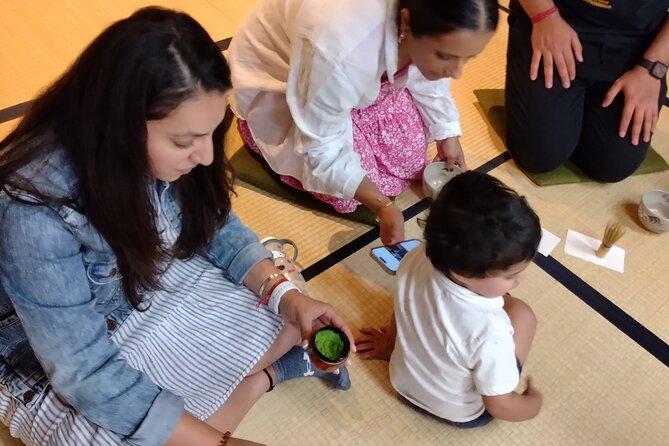
Kiyomizu-dera is one of Kyoto’s essential stops. The temple sits on a hillside, with views across the city and a large wooden stage associated with the complex. The site is also connected with Kannon Bodhisattva, a figure of compassion in Buddhist tradition.
The temple visit often extends into the surrounding lanes. Sannenzaka, Ninenzaka, and Ishibei-koji offer preserved streets, small shops, sweets, and souvenirs. This is where the tour can feel less like a checklist and more like a walk through old Kyoto.
Admission is not included. Expect slopes, stairs, and crowds, especially around the popular approach streets. If you want shopping or food, tell your guide early so the visit does not end at the temple gate.
Kiyomizu-dera pairs well with Fushimi Inari because both are in Kyoto’s eastern half. It also works for a group that wants culture, photographs, and time to browse. A guide may help with translation in shops and point out food stops, but shopping purchases are your own expense.
Lunch and the everyday side of Kyoto
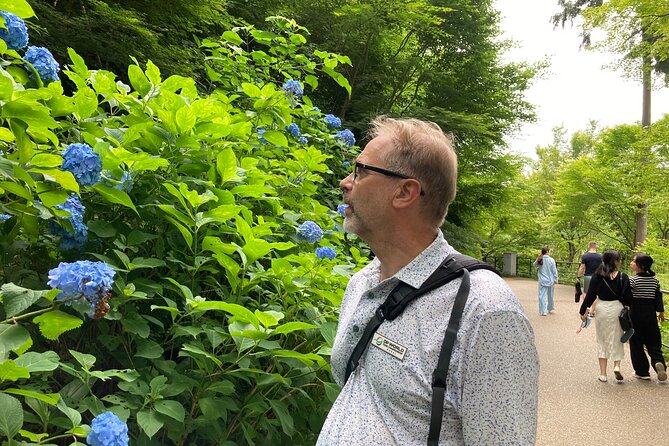
Lunch is included with the full-day option, along with a drink. The meal takes place at a local Japanese restaurant, and the exact choice depends on the route and the guide.
This is valuable because lunch becomes part of the day rather than a separate problem to solve. Past itineraries have included noodles, ramen, sushi, tonkatsu, and a riverside meal. A guide may also suggest sweets, such as a wafer with red bean and cream cheese, or help you try something you would not have ordered alone.
Do not expect a formal food tour. The meal is a practical break within a sightseeing day. If you have allergies, dietary restrictions, or strong preferences, communicate them before the tour so your route and restaurant choice can be discussed.
The half-day option does not include lunch. One past half-day group enjoyed a restaurant after the scheduled tour, but that meal was at its own cost. Build in extra time if you plan to eat afterward.
Public transport or private vehicle?
The standard arrangement uses Kyoto’s public transport. Your guide accompanies you on buses, trains, and subways, pays the transport fares when included under the selected option, and helps you understand the system.
I see this as a strength for most independent-minded visitors. You learn how to move around Kyoto, and the city itself becomes part of the experience. You also avoid spending the entire day sealed inside a vehicle.
There is a transport option involving a private vehicle, but the information is not perfectly consistent. One section lists private transport when that option is selected, while the additional details say private car service is not included and that the guide will normally meet you at a central Kyoto hotel before using public transport. Confirm the exact transport arrangement and any cost difference before paying.
Public transport also means you must handle stairs, station corridors, crowded buses, and walks between stops. The tour involves a moderate amount of walking, so comfortable shoes are essential.
The guide makes or breaks the day
The best guide reports describe much more than navigation. Oki helped shape routes in advance and explained cultural details. Katsuko was praised for fitting a long wish list into a half day. Yoko handled tickets, transport, lunch, photo stops, and restaurant suggestions. Juraj was noted for his history knowledge, Japanese language ability, flexibility, and help with translation during shopping.
Other strong guides have included Rebecca, who explained Buddhism and Shinto clearly, Michael, who helped a solo visitor learn Kyoto’s transport system, and Kazu, who assisted with practical tasks such as using the metro and a SIM card.
That range matters because this is not a single-guide tour. English ability and guiding style can differ. Some people received detailed explanations about architecture, religion, samurai, geisha traditions, and local food. Others found the commentary too brief or hard to hear, or felt the guide relied too much on brochures.
I recommend stating what you want from the guide. Say if you prefer history, architecture, religion, photography, food, or simple navigation. Ask for explanations at each site, not just directions between them. If you need a particular language level or a specialist subject, ask about it before booking.
Optional experiences and extra costs
The tour can include additional activities, but they cost extra. Possible choices include:
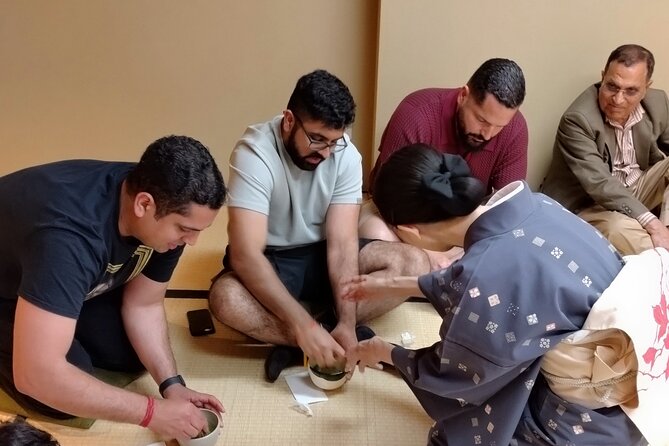
- Tea ceremony
- Calligraphy workshop
- Aikido class
- Sake brewery tour and tasting
- Bike ride through Kyoto’s back streets
These can be worthwhile if you have already seen the main sights or want a hands-on introduction to Japanese culture. They are not small add-ons in terms of time, so adding one may mean dropping a temple.
Admission to Kinkaku-ji, Nijo Castle, Tenryu-ji, and Kiyomizu-dera is also not included. Fushimi Inari has no admission charge. Ask your guide or the operator to confirm current entrance costs and the price of any activity you add.
Is the $181.69 price fair?
At $181.69 per person, this is not a budget sightseeing day. The value depends on group size, itinerary, and how much help you need.
For a couple or small family, the price buys private planning, hotel pickup and drop-off within Kyoto city, an English-speaking guide, transport fares when using the public transport option, lunch on the full-day plan, and the ability to change the day around your interests. That can be good value if you would otherwise lose hours navigating or miss key cultural details.
It is less attractive if you are happy to use Kyoto’s transport system alone, already know the city, or want a slow day at only one or two sights. Admission fees are extra, and special activities add more.
The score of 4.7 from 79 ratings and the 92 percent recommendation rate suggest a strong overall record. I would treat those numbers as encouragement, not a guarantee. The few low ratings point to real risks: unclear meeting arrangements, quiet or limited English, weak site explanations, and guides who may not know a route well.
Who should book this Kyoto day?
I would choose this tour if you have only one or two days in Kyoto, want the major sights organized efficiently, or feel uneasy about using Japanese public transport. It is also a strong choice for families and groups with a clear but unusual wish list.
Solo visitors can benefit from the help with navigation, translation, photos, and restaurant choices. People interested in food, sake, shopping, gardens, samurai history, or religious traditions can shape the day around those subjects.
I would skip it if your ideal Kyoto day means sitting quietly in one garden, lingering for hours at a single temple, or wandering without a schedule. An eight-hour custom route rewards planning and energy. It does not remove Kyoto’s crowds, hills, or long distances.
Book at least 24 hours before the start time if you need flexibility. Free cancellation is available up to 24 hours before the experience, while later cancellations and changes are not accepted. Poor weather may lead to a new date or a full refund.
FAQ
Is hotel pickup included?
Yes. Pickup and drop-off are included for hotels within Kyoto city. The guide is scheduled to meet you at your centrally located Kyoto hotel.
How long is the tour?
The full-day tour lasts approximately eight hours. A half-day version is also available.
How many places can I visit?
The full-day option usually allows four or five places. The half-day option generally allows two or three places, depending on distance, walking, transport, and the time spent at each site.
Is lunch included?
Lunch is included with the full-day option only. A drink is also included. Lunch is not included with the half-day option.
Are entrance fees included?
Not all admission fees are included. Kinkaku-ji, Nijo Castle, Tenryu-ji, and Kiyomizu-dera list admission tickets as extra. Fushimi Inari-taisha has free admission.
Can I add a tea ceremony or other activity?
Yes. The itinerary can include activities such as a tea ceremony, calligraphy workshop, aikido class, sake brewery visit, or bike ride. Each additional activity is at your own expense.
Should you book the Private Custom Tour: Kyoto in One Day?
I would book it for a first Kyoto visit when time is tight and you want both famous sights and practical help getting around. Send a focused wish list, ask for clear site explanations, and confirm the transport setup before booking.
The tour’s greatest strength is not simply seeing Kinkaku-ji, Fushimi Inari, or Kiyomizu-dera. It is having someone adjust the day to your interests while guiding you through a city that can easily consume time between attractions. Just keep your route realistic, wear good shoes, and remember that the guide you receive will shape the experience.
Just added in Kyoto
- The “Golden Route” and Ancient Japan by DIAMIR Erlebnisreisen – 14-Day Tour★ 2.0 · 2 reviews
- Japan: Castles & Cuisine by G Adventures – 6-Day Kyoto to Osaka Tour★ 4.5 · 4 reviews
- Cycle Japan by Explore! – 13-Day Kyoto to Tokyo Tour★ 4.7 · 12 reviews
- Cycle Japan by Intrepid Travel – 11-Day Kyoto to Tokyo Tour★ 4.8 · 2 reviews
- Classic Japan by Intrepid Travel – 11-Day Kyoto to Tokyo Tour★ 4.4 · 14 reviews
- Ancient & Modern Japan 14-Day Tour by Exodus Adventure Travels★ 4.4 · 40 reviews
- 5 Day Cultural Adventure of Kyoto, Nara & Osaka by Tourist Journey★ 2.5 · 2 reviews
- 12 Days Kinosaki Onsen Escape: A Journey Through Japan’s Timeless Towns by UME Travel★ 4.8 · 5 reviews
Kyoto Tours, compared.
![[Kyoto & Nara Day Tour] Sagano Scenic Railway & Nara Park & Fushimi Inari Taisha Thousand Torii Gates & Togetsukyo Bridge & Bamboo Grove & Kimono Forest (Departing from Osaka)](https://media.japanvisits.com/wp-content/uploads/kyoto-nara-day-tour-sagano-scenic-railway-nara-park-fushimi-inari-taisha-thousand-torii-gates-togetsukyo-bridge-bamboo-grove-kimono-forest-departing-from-osaka-k110001-400x257.jpg)
Fushimi Inari, Kinkakuji, Bamboo Grove 1 Day Bus Tour
Read our review →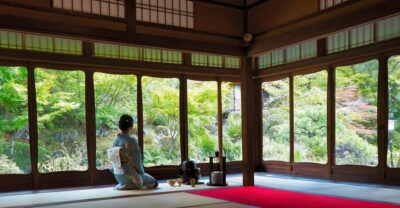
Tea Ceremony in a Traditional Tea House in Kiyomizu
Read our review →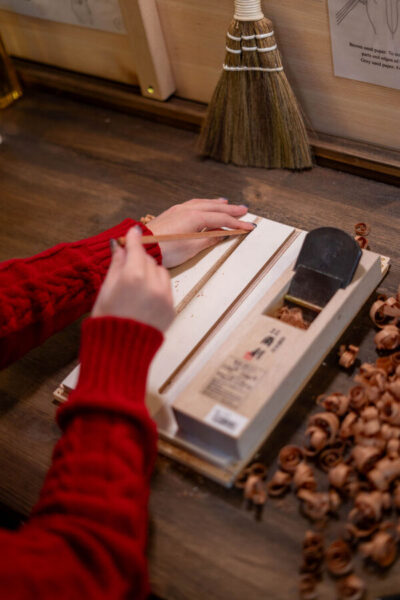
Gion Make Your Own Chopsticks with Engraving Option
Read our review →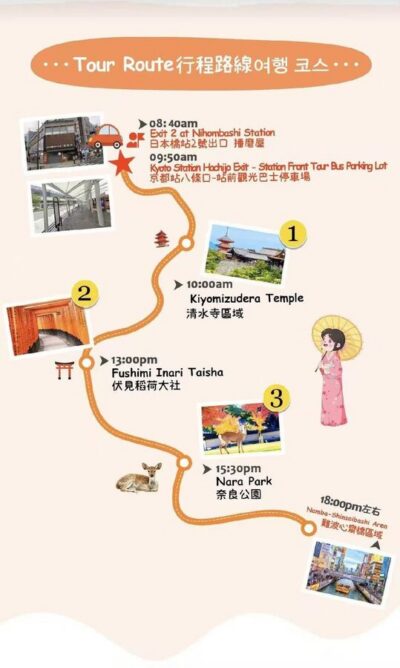
Kyoto Nara Day Trip │ Kiyomizu-dera Temple + Fushimi Inari-taisha Shrine + Nara Park (Departing from Osaka/Kyoto)
Read our review →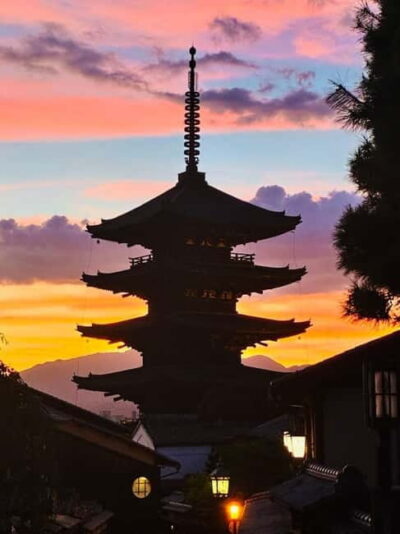
Kyoto Geisha Walking Tour: Gion District & Hidden Gems
Read our review →