Reviewed · KYOTO TOURS
Private Highlights of Kyoto Tour
Kyoto rewards a well-planned day. This private tour makes a strong first introduction by pairing major temples with a personal guide, local buses, trains, and two route choices. I especially like the small private format and the chance to shape the day around your interests. The biggest catch is simple: seven hours is a lot of ground to cover, and the $151.20 per-person price may feel high if you are traveling alone or as a couple.
I also like that the tour uses public transportation rather than keeping you behind a vehicle window. You see Kyoto as a working city, not just a string of famous photo stops. The main consideration is pace. You will walk, climb slopes, change transport, and deal with crowds at the best-known sights.
In This Review
- Five useful things to know before booking
- Picking the right Kyoto route
- Meeting at Kyoto Station at 9 a.m.
- Northwest route: Arashiyama and the bamboo forest
- Ryoan-ji and Kyoto’s spare Zen style
- Kinkaku-ji, the Golden Pavilion
- Nishiki Market or Nijo Castle
- Southeast route: sake and Fushimi Inari
- Sanjusangendo and its 1,001 statues
- Kiyomizu-dera and Kyoto’s hillside streets
- Ending in Gion
- What the private guide adds
- Walking, transport, lunch, and group size
- Who should book this Kyoto day?
- FAQ
- Where does the tour begin?
- How long does the tour last?
- What route choices are available?
- Is transportation included?
- Is lunch included?
- Does the tour include hotel pickup?
- Can I cancel for a full refund?
- Should you book it?
Five useful things to know before booking
- Two routes give you a real choice: Head northwest for Arashiyama, the bamboo forest, Ryoan-ji, Kinkaku-ji, and either Nishiki Market or Nijo Castle. Head southeast for sake, Fushimi Inari, Sanjusangendo, Kiyomizu-dera, and Gion.
- The day begins at 9 a.m. at Hotel Granvia Kyoto: The meeting point is by Kyoto Station, at the Central Entrance, not at your hotel.
- Public transport is part of the experience: Your guide leads you by local buses and trains, and a one-day city bus pass remains usable after the tour.
- Lunch is not included: You pay for your own food and drinks, but the private format gives your guide a chance to suggest a place that fits your taste.
- Expect a maximum of eight people: The tour is private, but the supplied information lists a maximum group size of eight, so confirm how your booking will be arranged.
Picking the right Kyoto route
The northwest-bound route is the better choice if Arashiyama is high on your list. It combines the famous bamboo grove with Ryoan-ji and Kinkaku-ji, also called the Golden Pavilion. You can then choose between Nishiki Food Market and Nijo Castle, depending on whether food or architecture matters more to you.
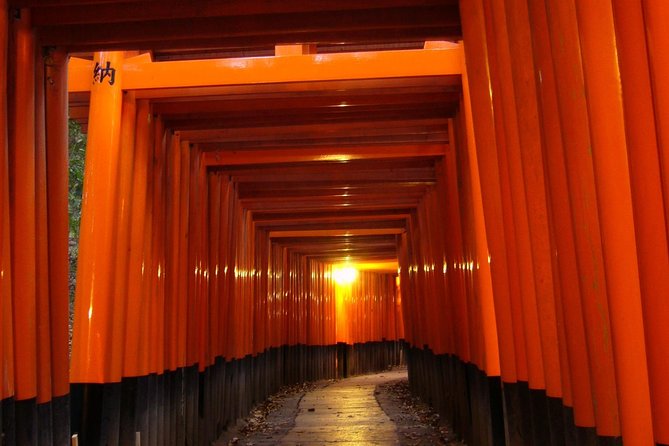
The southeast-bound route offers a different side of Kyoto. Fushimi Inari-taisha brings its long run of red torii gates and fox imagery. Kiyomizu-dera gives you a classic city view, while the Gion area provides a fitting finish among traditional streets and Kyoto’s geisha tradition.
The southeast route also includes the Gekkeikan Okura Sake Museum and Sanjusangendo. If Japanese food and drink interest you, this route may offer the more varied day. If you have dreamed of walking through the bamboo forest, choose northwest.
There is some overlap in the advertised highlights, especially Kiyomizu-dera and Nijo Castle. Ask for a clear route plan before the morning begins. The private setup should make small adjustments possible, but you cannot expect every major sight in Kyoto to fit comfortably into one seven-hour outing.
A few more options to weigh up in Kyoto
- PERFECT KYOTO 1-Day Bus Tour
★ 5.0 · 13,518 reviews - [Kyoto & Nara Day Tour] Sagano Scenic Railway & Nara Park & Fushimi Inari Taisha Thousand Torii Gates & Togetsukyo Bridge & Bamboo Grove & Kimono Forest (Departing from Osaka)
★ 4.9 · 10,942 reviews - Kyoto: Fushimi Inari, Kinkakuji, Bamboo Grove 1 Day Bus Tour
★ 4.8 · 4,316 reviews
Meeting at Kyoto Station at 9 a.m.
You meet your guide at Hotel Granvia Kyoto, beside Kyoto Station. The listed location is the JR Kyoto Station Central Entrance, at Higashishiokōjichō in Shimogyo Ward. This is a practical starting point because Kyoto Station is one of the city’s main transport hubs.
The tour includes public transportation, so the first part of the day also teaches you how Kyoto works. That has real value. After the tour, you may feel more comfortable using local buses and trains on your own instead of relying on taxis.
You do not receive hotel pickup or drop-off. Plan to reach Kyoto Station on your own and allow enough time to find the Central Entrance. Confirmation arrives within 48 hours of booking, subject to availability, so do not leave all your planning until the last minute.
Northwest route: Arashiyama and the bamboo forest
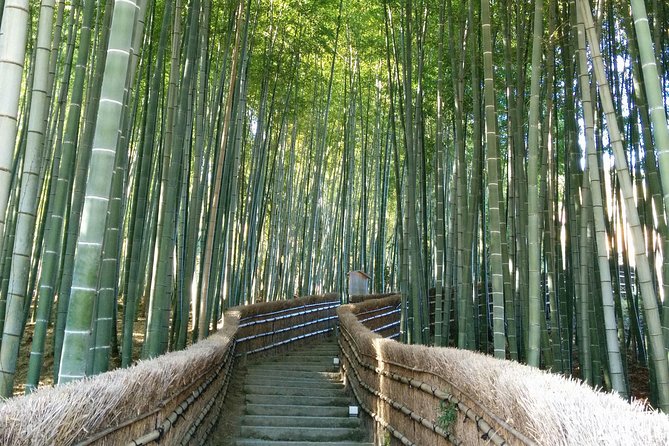
Arashiyama is usually the most anticipated part of the northwest route, and the tour allows about 30 minutes in the Bamboo Forest Street area. The tall bamboo is the star, but the area also has temples, paths, and the nearby Togetsukyo Bridge.
A short walk through the grove can be striking, especially if this is your first time seeing Kyoto’s bamboo landscape. The drawback is that the famous path can be crowded. Thirty minutes is enough for a taste and photographs, but not enough for a long, quiet wander through every corner of Arashiyama.
The nearby Togetsukyo Bridge is another useful stop. Its broad wooden span and river setting give you a different view from the enclosed bamboo path. Your guide can help connect the district’s temples, bridge, and walking routes instead of treating the bamboo as an isolated backdrop.
Arashiyama requires walking, and the day is still young when you leave. Wear shoes that can handle uneven paths and keep your expectations realistic. You are sampling the district, not spending a full day there.
Ryoan-ji and Kyoto’s spare Zen style
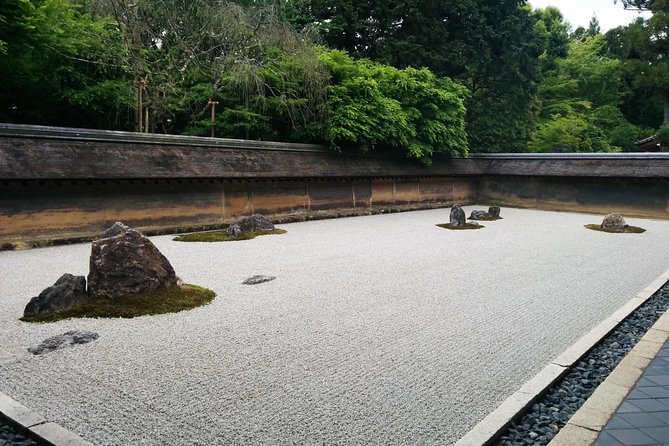
Ryoan-ji is allotted about 30 minutes and is famous for its rock garden, represented by 15 stones. Its appeal is not decoration or spectacle. The garden asks you to sit, look, and notice how much can be expressed with so little.
That short stop works well for a first visit, though people who care deeply about Zen gardens may want more time. Your guide’s explanation is especially useful here because the garden can seem simple until someone points out its design, symbolism, and the way it is meant to be viewed.
The limited time also reflects the larger nature of this tour. You get a broad introduction rather than long, unhurried visits. If you prefer to spend an hour quietly contemplating one garden, a private day arranged around fewer sites would suit you better.
A completely different kind of day out:
- Kyoto: Tea Ceremony in a Traditional Tea House in Kiyomizu
★ 4.9 · 3,519 reviews - Kyoto: Gion Make Your Own Chopsticks with Engraving Option
★ 5.0 · 3,465 reviews - Kyoto Nara Day Trip │ Kiyomizu-dera Temple + Fushimi Inari-taisha Shrine + Nara Park (Departing from Osaka/Kyoto)
★ 4.7 · 3,408 reviews - Kyoto Geisha Walking Tour: Gion District & Hidden Gems
★ 4.7 · 3,273 reviews
Kinkaku-ji, the Golden Pavilion
Kinkaku-ji receives about 50 minutes, with admission included. The three-story pavilion is covered in gold leaf and sits beside a reflective pond surrounded by trees. It is one of Kyoto’s most recognizable sights for good reason.
The pavilion is a visual knockout, but your guide adds the context that a photograph cannot provide. The surrounding grounds, the pond, and the building’s layered architectural design make the stop more than a quick picture.
Crowds can make the main viewing area feel compressed. Your guide can help you move through the grounds efficiently and explain what you are seeing without wasting the available time. Admission is included here, along with the listed tickets for the other principal temples and castle stops.
The spelling sometimes appears as Kinkaku-ji and sometimes as the Golden Pavilion. They refer to the same place. Allow your guide to set the pace, since lingering too long here can make the later parts of the route feel rushed.
Nishiki Market or Nijo Castle
After lunch, the northwest itinerary gives you a choice between Nishiki Food Market and Nijo Castle. This is one of the most useful private-tour features because the two stops serve very different interests.
Nishiki is the choice for food, ingredients, and everyday Kyoto culture. You can browse the culinary stalls and use lunch as part of the sightseeing rather than treating it as a break from the tour. Food and drinks are your own expense.
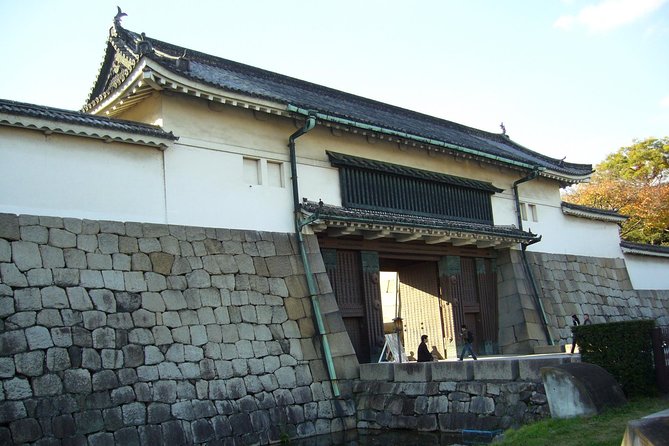
Nijo Castle suits you better if you want political history and lavish interiors. It was built during the Tokugawa Shogunate in the early 17th century and is the only castle in Kyoto associated with that period. The original living quarters of the shogun are the key attraction, with gold leaf and elaborate designs inside.
The tour description indicates that Nijo Castle may also appear as a main highlight on an itinerary. Confirm your chosen route and final stop list so you know if this is your planned visit or an optional substitute.
Southeast route: sake and Fushimi Inari
The southeast route begins with the Gekkeikan Okura Sake Museum, where you learn about one of Japan’s oldest sake brands. The visit lasts about 50 minutes and admission is included. This adds a useful food and drink angle to a day otherwise dominated by temples and shrines.
Sake can seem mysterious if you have never learned how rice becomes Japan’s best-known traditional drink. A museum visit gives the process a clear setting, and the supplied experience details include a sake tasting as a possible highlight. If you do not drink alcohol, ask your guide how much of the stop can still be enjoyed for its cultural and production background.
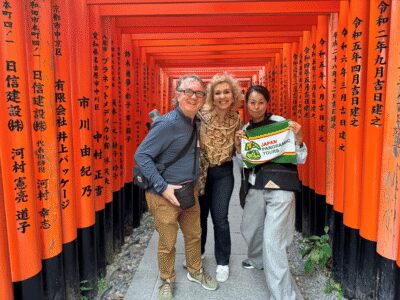
Next comes Fushimi Inari-taisha, with about 50 minutes listed. Its thousands of red torii gates climb the mountain behind the shrine, creating one of Kyoto’s most memorable walks. Stone foxes and smaller shrines add meaning to the route, since foxes are associated with Inari.
Fifty minutes lets you see the lower shrine grounds and walk beneath a section of gates. It does not allow a full climb over the mountain. That is not a flaw, but you should know what you are buying: an introduction to Fushimi Inari, not the complete hiking route.
Sanjusangendo and its 1,001 statues
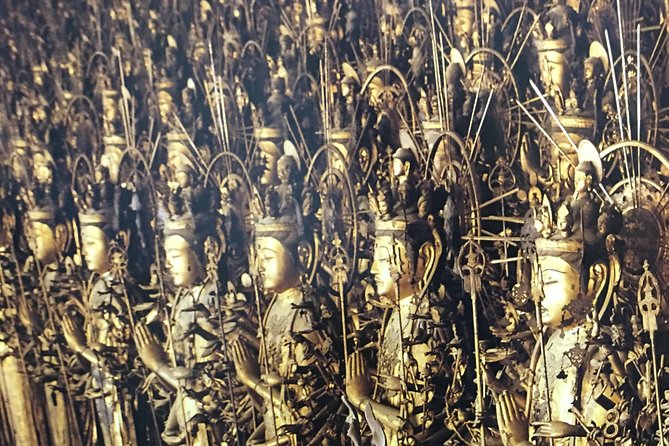
Sanjusangendo receives about 50 minutes and offers a sharp change in mood. Inside, you see 1,001 Kannon statues arranged in long rows. The effect is powerful and far more atmospheric than a simple exterior temple visit.
Photography rules and interior conditions can affect how long you spend looking around, but the main attraction needs no embellishment. This is a good stop for anyone interested in Buddhist sculpture, religious art, or the sheer scale of a carefully arranged collection.
The visit also provides a calmer counterpoint to Fushimi Inari and Kiyomizu-dera. You move from red gates and outdoor walking to a focused indoor viewing experience.
Kiyomizu-dera and Kyoto’s hillside streets
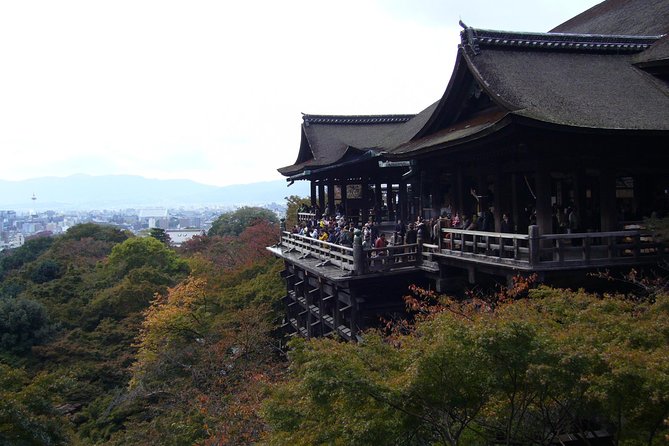
Kiyomizu-dera is included on the southeast route and is also identified as one of the tour’s central Kyoto highlights. Admission is included, and the stop lasts about 50 minutes.
The temple dates back to the eighth century and is known for its wooden balcony and broad view over Kyoto. This is the postcard scene, but the setting is more enjoyable when your guide explains the temple’s place in Kyoto’s religious life and points out details you might otherwise pass.
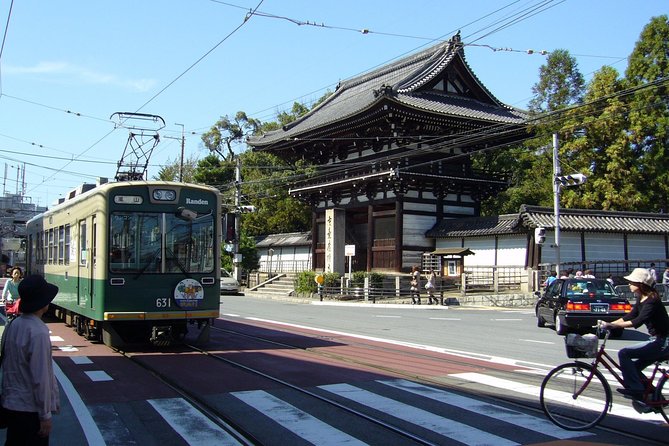
Getting there involves uphill streets. After the temple, you walk through the steep Ninenzaka and Sannenzaka neighborhoods. These historic lanes are lined with traditional buildings and shops, and they connect Kiyomizu-dera with the older side of Kyoto that many first-time visitors hope to see.
The slopes are manageable for most people who can participate in a typical walking tour, but they are not flat. Rain can make the streets less comfortable, and summer heat can add strain. Bring water, wear practical shoes, and do not treat this as a low-effort sightseeing day.
Ending in Gion
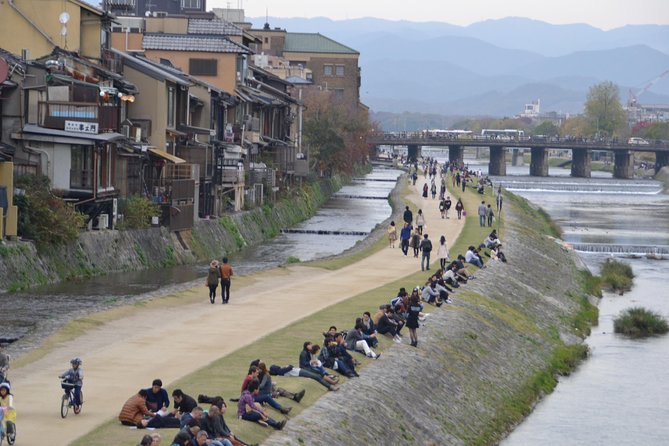
Both routes finish in Gion. That is a smart ending because Gion gives you a chance to continue exploring after the formal tour ends. The district is strongly associated with Kyoto’s geisha tradition, traditional architecture, and evening atmosphere.
The tour does not include a separate Gion walking program, but another Gion-focused tour begins at 6 p.m. according to the supplied details. If you plan to continue into the evening, leave yourself enough time for dinner and a rest before joining anything else.
Ending in Gion also gives you flexibility. You can remain in the area, make your own way back to Kyoto Station, or continue with another plan. The included one-day city bus pass can be used after the tour, which is a practical bonus for independent sightseeing.
What the private guide adds
The strongest part of this experience is the guide. Guides named Mie, Mia, Chako, Choco, Mai, Hiseko, and Chouka have been praised for clear English, friendly conversation, historical detail, flexibility, and help with children.
That range matters. A good Kyoto guide does more than point toward a gate. The guide can explain temple symbolism, shogun-era architecture, Japanese customs, local transport, and the difference between a shrine and a temple. Several bookings also received help choosing lunch, including ramen and okonomiyaki restaurants.
The private format can also make the day more personal. Guides have adjusted pacing for young children, answered questions at length, suggested extra places to visit later, helped with Japanese phrases, and taken photographs. One particularly useful detail is that guides may bring documents or images to clarify what you are seeing.
The experience is not perfect for every booking. One low score described a guide who moved the group from place to place without enough explanation. That is a useful warning. At the start, tell your guide what you want most: history, food, photography, architecture, shopping, or a gentle pace. A private tour works best when you speak up.
Walking, transport, lunch, and group size
Seven hours gives you a broad look at Kyoto, but it is an active day. You will walk through temple grounds, forest paths, shrine approaches, market streets, and hillside neighborhoods. The route also uses public buses and trains, so allow for station walking and transfers.
Lunch is not included. This keeps the price lower than an all-inclusive arrangement and lets you choose what you want to eat. It also means you should not expect a long restaurant stop unless you and your guide agree on one.
The price is $151.20 per person. For a private group of several people, that can be reasonable because you are paying for a dedicated English-speaking guide, public transport, a city bus pass, and included admission at the listed ticketed sites. For one person or a couple, the cost feels less attractive, particularly since lunch and hotel transfers are extra.
The child rate applies only when a child shares with two paying adults. Children must be accompanied by an adult. Service animals are allowed, and the experience is near public transportation. Most people who can manage a normal full-day walking tour should be able to take part, but the hills and long day deserve honest consideration.
Free cancellation is available up to 24 hours before the start time for a full refund. Changes or cancellations inside that window are not accepted for a refund. The experience requires good weather, and a weather cancellation brings the choice of another date or a full refund.
Who should book this Kyoto day?
I would choose this tour for a first Kyoto visit, especially if you have only one full day. It covers famous places efficiently and gives you a human guide to explain what you are seeing. It is also a good fit for families, since guides have shown patience with children and adjusted the pace.
It suits you if you want help with buses, trains, temple etiquette, history, and lunch choices. It is less suitable if you want a slow day at one or two sites, dislike walking, or prefer to plan every stop yourself.
The northwest route is best for bamboo, Zen gardens, the Golden Pavilion, and the choice between food and castle history. The southeast route is best for sake, torii gates, Buddhist statues, Kiyomizu-dera, and Gion. Tell the guide your priorities at the start, and use the private format to make the day feel like your own.
FAQ
Where does the tour begin?
The tour begins at 9 a.m. at Hotel Granvia Kyoto, by the JR Kyoto Station Central Entrance in Kyoto’s Shimogyo Ward.
How long does the tour last?
The tour lasts approximately seven hours.
What route choices are available?
You can choose a northwest-bound route featuring Arashiyama, the Bamboo Forest Street, Ryoan-ji, Kinkaku-ji, and either Nishiki Food Market or Nijo Castle. The southeast-bound route includes the Gekkeikan Okura Sake Museum, Fushimi Inari-taisha, Sanjusangendo, Kiyomizu-dera, and Gion.
Is transportation included?
Yes. Public transportation and a one-day city bus pass are included. The bus pass can continue to be used after the tour.
Is lunch included?
No. Lunch, food, and drinks are not included. You pay for your own meal.
Does the tour include hotel pickup?
No. Hotel pickup and drop-off are not included. You must meet the guide at Hotel Granvia Kyoto.
Can I cancel for a full refund?
Yes, if you cancel at least 24 hours before the experience start time. Cancellations or changes made less than 24 hours before the start time are not eligible for a refund. If poor weather cancels the experience, you can choose another date or receive a full refund.
Should you book it?
Book this private Kyoto tour if you want to see major sights in one day without spending hours sorting out transport, temple context, and lunch on your own. The best reason to choose it is the guide, not simply the number of stops. Guides such as Mie, Mia, Chako, Mai, and Hiseko have made the day more personal through clear explanations, flexibility, humor, family-friendly pacing, and useful local suggestions.
Choose your route carefully, wear good shoes, and accept that the day will be busy. For a first look at Kyoto, that tradeoff is worthwhile. For a slower, more meditative visit, build your own itinerary around fewer temples instead.
Just added in Kyoto
- The “Golden Route” and Ancient Japan by DIAMIR Erlebnisreisen – 14-Day Tour★ 2.0 · 2 reviews
- Japan: Castles & Cuisine by G Adventures – 6-Day Kyoto to Osaka Tour★ 4.5 · 4 reviews
- Cycle Japan by Explore! – 13-Day Kyoto to Tokyo Tour★ 4.7 · 12 reviews
- Cycle Japan by Intrepid Travel – 11-Day Kyoto to Tokyo Tour★ 4.8 · 2 reviews
- Classic Japan by Intrepid Travel – 11-Day Kyoto to Tokyo Tour★ 4.4 · 14 reviews
- Ancient & Modern Japan 14-Day Tour by Exodus Adventure Travels★ 4.4 · 40 reviews
- 5 Day Cultural Adventure of Kyoto, Nara & Osaka by Tourist Journey★ 2.5 · 2 reviews
- 12 Days Kinosaki Onsen Escape: A Journey Through Japan’s Timeless Towns by UME Travel★ 4.8 · 5 reviews
Kyoto Tours, compared.
![[Kyoto & Nara Day Tour] Sagano Scenic Railway & Nara Park & Fushimi Inari Taisha Thousand Torii Gates & Togetsukyo Bridge & Bamboo Grove & Kimono Forest (Departing from Osaka)](https://media.japanvisits.com/wp-content/uploads/kyoto-nara-day-tour-sagano-scenic-railway-nara-park-fushimi-inari-taisha-thousand-torii-gates-togetsukyo-bridge-bamboo-grove-kimono-forest-departing-from-osaka-k110001-400x257.jpg)
Fushimi Inari, Kinkakuji, Bamboo Grove 1 Day Bus Tour
Read our review →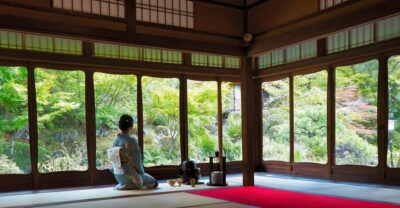
Tea Ceremony in a Traditional Tea House in Kiyomizu
Read our review →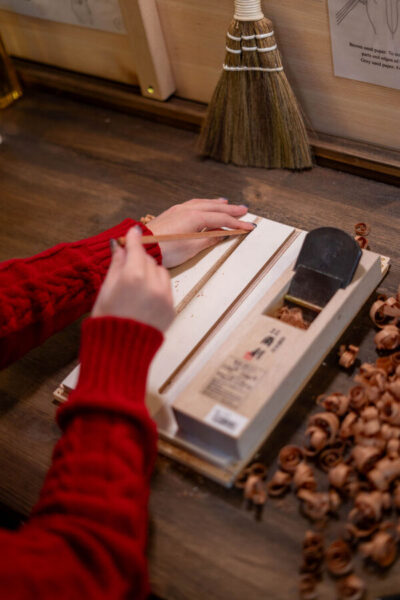
Gion Make Your Own Chopsticks with Engraving Option
Read our review →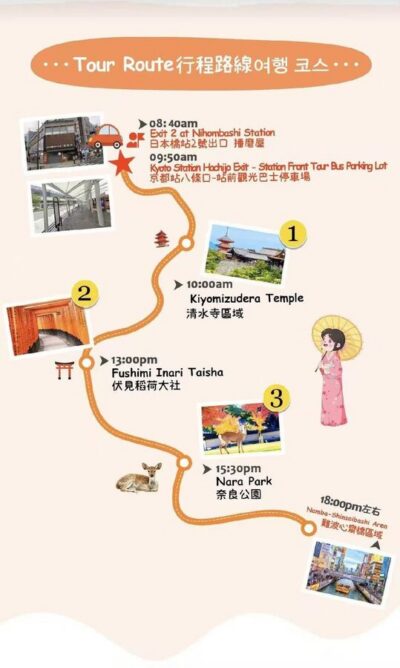
Kyoto Nara Day Trip │ Kiyomizu-dera Temple + Fushimi Inari-taisha Shrine + Nara Park (Departing from Osaka/Kyoto)
Read our review →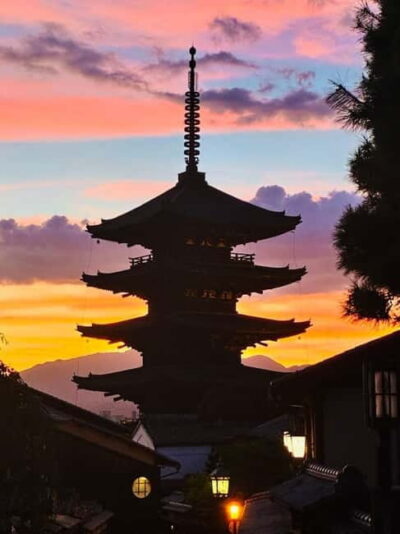
Kyoto Geisha Walking Tour: Gion District & Hidden Gems
Read our review →