Reviewed · KYOTO TOURS
Private Japanese Calligraphy in Kyoto – Learn Shodō with a Master
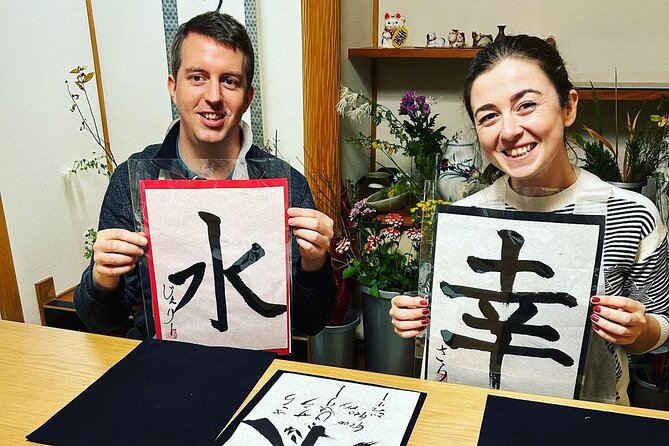
Brushes change the pace of a Kyoto day. I like the private setting in a local home and the patient, hands-on teaching from Aya, a calligraphy instructor with more than 55 years of practice. I also like that you create artwork to take home, not just watch a demonstration. The main drawback is the short one-hour format, which can feel rushed if you want to write a long name or spend much time on calligraphy’s background.
This is a quiet cultural activity near Nijo Castle, offered in English and Japanese. You choose a kanji character, learn the brush movements, and write your name in Japanese if time allows. Bring clean socks for the tatami room, and plan your route carefully because the home can be confusing to find if you follow street-view images instead of the map pin.
In This Review
- Key points to know before booking
- What this Kyoto calligraphy class is really like
- Inside the private home near Nijo Castle
- The one-hour lesson, step by step
- A short introduction to Shodō
- Practice with brush, ink, and paper
- Choosing your kanji
- What you take home
- Is $77.51 a fair price?
- Who will enjoy this activity most?
- English, communication, and arrival advice
- Small details that make the visit better
- Should you book the SAKURA calligraphy class?
- FAQ
- Where does the calligraphy class take place?
- Is the class near Nijo Castle?
- How long does the experience last?
- Is this a private activity?
- What languages are available?
- Are calligraphy materials included?
- Can I take my artwork home?
- Can children attend?
- Do I need to bring socks?
- What happens if I arrive more than 15 minutes late?
Key points to know before booking
- A truly private lesson: Only your own group takes part, so Aya can correct your brush position and stroke technique directly.
- A local home near Nijo Castle: The class takes place about 200 meters west of Nijo Castle, not in a large commercial studio.
- A short introduction to Shodō: You learn basic movements, kanji structure, and some cultural background before making your own pieces.
- A keepsake you actually create: Paper, brushes, ink, and other class tools are provided, and your finished work goes home with you.
- A calm activity for older children and adults: Children under 12 cannot be accommodated, while motivated children aged 13 and up have enjoyed the class.
- Strict timing matters: Arriving more than 15 minutes late can mean losing the class without a refund.
What this Kyoto calligraphy class is really like
Shodō means the way of writing, and that phrase tells you something about the activity. This is not simply Japanese lettering with a souvenir at the end. The lesson introduces the controlled movement, pressure, rhythm, and concentration behind each brushstroke.
You begin at SAKURA Experience Japanese Culture Nijo Home, a private residence in central Kyoto. The setting gives the class a personal feel. You are not sitting in a room packed with strangers, waiting for a turn at the ink. Your group receives the teacher’s attention throughout the session.
Aya leads the lesson. Her long practice matters because beginners need more than a sample character to copy. A brush does not behave like a pencil, and small changes in pressure can alter the thickness and shape of a line. Aya shows you how to hold and move the brush, then helps you adjust as you practice.
The mood is gentle rather than competitive. That is useful if you arrive convinced you have no artistic skill. The goal is not perfect penmanship on the first attempt. You are learning to make deliberate strokes and to understand why the character looks the way it does.
A few more options to weigh up in Kyoto
- PERFECT KYOTO 1-Day Bus Tour
★ 5.0 · 13,518 reviews - [Kyoto & Nara Day Tour] Sagano Scenic Railway & Nara Park & Fushimi Inari Taisha Thousand Torii Gates & Togetsukyo Bridge & Bamboo Grove & Kimono Forest (Departing from Osaka)
★ 4.9 · 10,942 reviews - Kyoto: Fushimi Inari, Kinkakuji, Bamboo Grove 1 Day Bus Tour
★ 4.8 · 4,316 reviews
Inside the private home near Nijo Castle
The meeting point is at 660 Izumichō, Nakagyo Ward, Kyoto, postal code 604-0015. The home is close to Nijo Castle, roughly 200 meters straight west from the castle’s front area, which makes it practical to pair with sightseeing in that part of town.
The location also requires a little care. Some mapping information has caused confusion between the accurate map pin and street-view images from another place. I would use the exact map pin and read any arrival message carefully. If the operator sends a photo of the entrance or directions by WhatsApp, save them before leaving your hotel.
Kyoto’s orderly streets can still look similar when you are hurrying to an appointment. Give yourself extra time, especially if you are coming from another part of the city or dealing with rain. The class has a firm late-arrival rule, so this is not an activity to schedule with a tight connection.
Inside, the lesson takes place in a tatami room. Clean socks are required. Bare feet are considered impolite in the room, so bring a pair if you have been walking around Kyoto in sandals.
This small point is part of the cultural lesson. You are entering someone’s home and a traditional Japanese room, not merely stepping into a tourist attraction. Basic courtesy helps keep the visit comfortable for both you and the hosts.
The one-hour lesson, step by step
The experience is listed at about one hour, and that hour usually follows a clear pattern. You receive an introduction to Japanese calligraphy, learn about the tools and brush technique, practice several strokes or characters, and then create pieces of your own.
The exact balance depends on your group. Some sessions give more time to practice. Others focus on producing a finished character quickly. If you want a long name written in Japanese, mention that early, since one participant found that an hour was not enough to complete a lengthy name.
A short introduction to Shodō
The opening explanation gives context to the activity. You learn that Japanese calligraphy is an old traditional art, not just a decorative way to write kanji. The teacher explains the basic movements and shows how the artist’s state of mind can affect the result.
The class is aimed at beginners, so you do not need prior experience. You may receive a printed handout with background information as well. If you want more explanation about the cultural side, ask questions at the start rather than waiting until the last few minutes.
That timing point is important. One participant felt the session concentrated heavily on copying and left little time for spoken background. The experience works best if you see it as a practical introduction with some cultural teaching, not as a full lecture on Japanese art.
A completely different kind of day out:
- Kyoto: Tea Ceremony in a Traditional Tea House in Kiyomizu
★ 4.9 · 3,519 reviews - Kyoto: Gion Make Your Own Chopsticks with Engraving Option
★ 5.0 · 3,465 reviews - Kyoto Nara Day Trip │ Kiyomizu-dera Temple + Fushimi Inari-taisha Shrine + Nara Park (Departing from Osaka/Kyoto)
★ 4.7 · 3,408 reviews - Kyoto Geisha Walking Tour: Gion District & Hidden Gems
★ 4.7 · 3,273 reviews
Practice with brush, ink, and paper
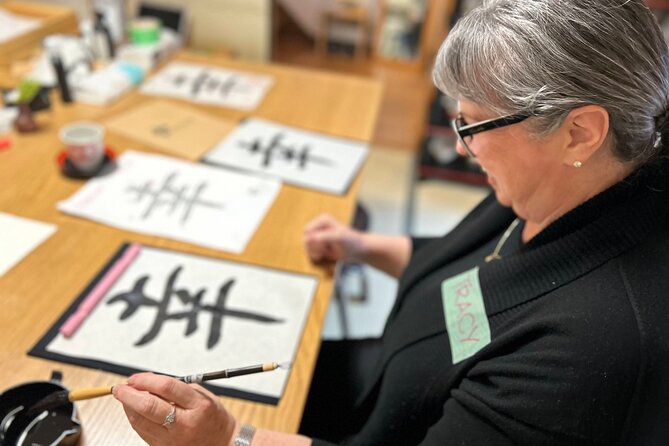
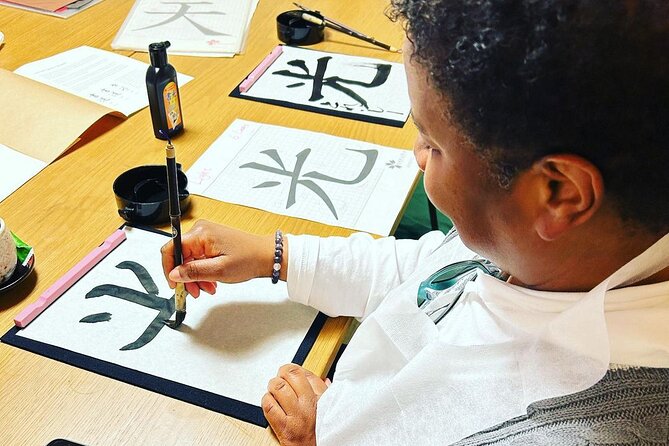
The hands-on section is the heart of the class. You practice the brush movements required to form attractive kanji. The teacher guides your hand position and helps you understand how the brush creates thick and thin lines.
Expect to make several attempts. Your first stroke may look uncertain, and that is normal. Calligraphy rewards control, but beginners need time to discover how much ink, pressure, and speed feel right.
You may produce more than one example. Some participants have taken home several pieces, including work made for family members. One beginner completed three pieces for grandchildren, while another planned to frame the artwork at home.
The class tools and paper are included. You do not need to arrive with a brush or ink, and there is no equipment rental chore to handle separately. If the activity inspires you to continue, the hosts have recommended a shop where you can buy your own calligraphy tools.
Choosing your kanji
You select a favorite kanji character to write. This choice gives the lesson a personal purpose, though it is worth choosing something manageable within the time available.
You can also write your name in Japanese. Keep in mind that a long name may take up much of the lesson, especially if you want careful instruction rather than a quick translation. I would decide before the class whether your priority is a meaningful kanji, your name, or several practice examples.
A character with personal meaning makes the final piece more memorable. You might choose a word connected to family, courage, peace, or another idea that matters to you, but the supplied information does not promise a specific translation service or an extensive consultation. Ask Aya what is practical for your time and skill level.
What you take home
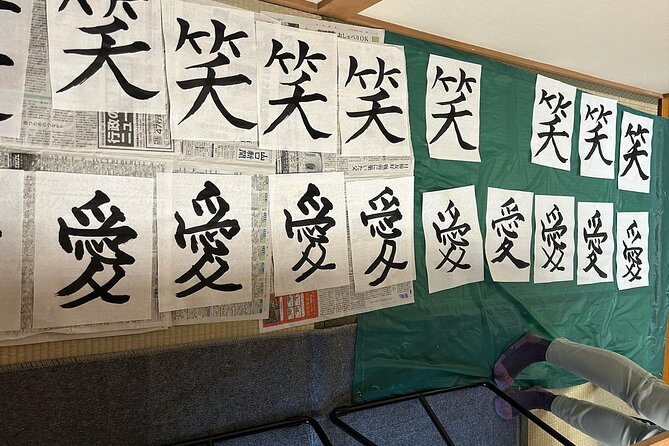
Your finished calligraphy is included, which gives the $77.51 price more weight than a simple observation class. You leave with an object you made yourself, complete with the uneven strokes and small imperfections that prove it was created during your visit.
That makes the souvenir more personal than a ready-made print. You can frame it, give it to a family member, or keep it with your Kyoto photographs. The artwork is light and easy to pack, though you should protect it from bending in your luggage.
Some visitors also receive photographs from the session. Aya and her husband have taken pictures of participants practicing and later shared them. This is not the central product of the class, but it adds a useful record of the experience.
Do not assume that a demonstration piece written by Aya is included as a free souvenir. Her own works are sold separately. The class provides your materials and your artwork, not necessarily the instructor’s finished calligraphy.
Is $77.51 a fair price?
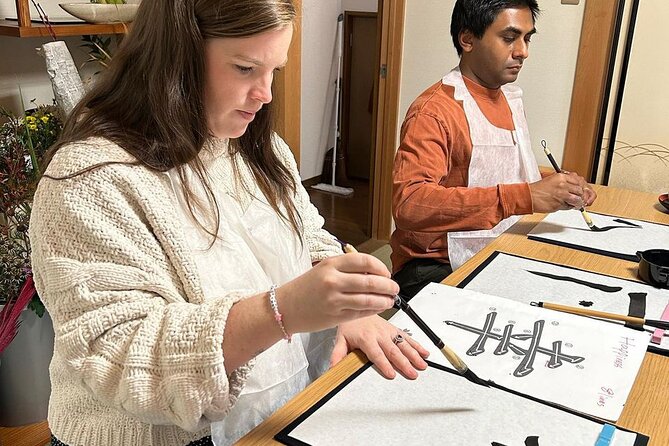
At $77.51 per person, this is not the cheapest one-hour activity in Kyoto. The value comes from the private format, the experienced instructor, the use of all tools, the finished artwork, and the chance to enter a real home rather than attend a large public workshop.
For a couple or small group, the personal attention is the key benefit. You are not paying only for access to ink and paper. You are paying for correction, encouragement, and a teacher who can respond to your level.
Group discounts may improve the cost for larger parties. Since only your group participates, the activity can also suit families or friends who want to share one cultural experience without being mixed with strangers.
Still, keep expectations realistic. One hour is enough for a satisfying first taste, but not enough to develop polished calligraphy skills. If you want a long lesson, detailed art theory, or a slow process of refining one major piece, this may feel too brief.
The strong overall rating of 4.8 from 39 reviews and a 97 percent recommendation rate support the idea that the class generally delivers what it promises. The less positive comments point to practical limits rather than a major flaw: finding the house, feeling rushed, or expecting more artistic depth than a short beginner class can offer.
Who will enjoy this activity most?
I would recommend it to adults, couples, small groups, and families with children aged 12 or older. It is a good choice if you want a calm break from temples, shops, and crowded streets.
It also works well on a rainy day. You spend the session indoors, and the activity gives you something active to do without requiring athletic ability or a long ride outside the city center.
You do not need to be artistic. Several accounts describe apprehensive beginners receiving patient encouragement and leaving with work they felt proud enough to frame. That is a real strength of the class.
The experience may be less satisfying if you want a formal art course. It is also not suitable for children under 12, since the quiet learning environment cannot accommodate them. Children aged 13 and 15 have enjoyed the class, but motivation matters. A bored child may find the careful brush practice slow.
English, communication, and arrival advice
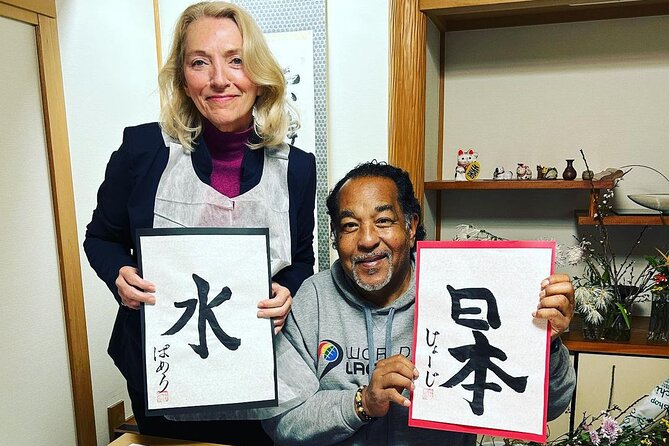
The class is offered in English and Japanese. Aya has been praised for communicating well in English, which is important when a teacher is explaining brush pressure and stroke order.
Communication before arrival can also help. If public transportation or bad weather delays you, contact the operator as soon as possible. A late arrival of more than 15 minutes may mean the class cannot begin, and the payment may not be refunded.
The activity has no private transportation included. You make your own way to the home using public transportation or another local option. Since the experience is near Nijo Castle, you can combine it with sightseeing, but leave a generous buffer between this appointment and anything that cannot be changed.
Cancellation is free up to 24 hours before the start time. Changes or cancellations inside that window are not accepted for a refund.
Small details that make the visit better
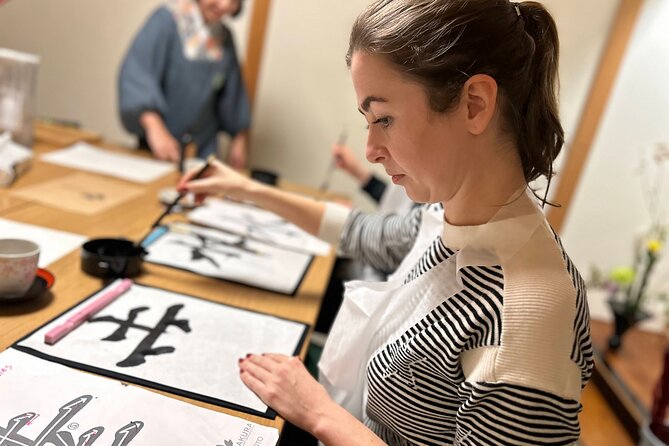
Choose your character before you arrive, but keep a second option in mind. If your first choice is complicated, Aya can help you select something more manageable for the time available.
Wear clothing you can sit comfortably in. The provided information does not specify a dress code beyond clean socks, but a tatami-room lesson is easier when you are not distracted by uncomfortable clothes.
Ask questions early. You can learn about the history of calligraphy, the meaning of your chosen kanji, or where to find tools in Kyoto, but a short class moves quickly.
Treat the home as a home. Remove footwear as directed, bring clean socks, and avoid treating the entrance area as luggage storage. Small courtesies matter in a private setting.
Should you book the SAKURA calligraphy class?
Book it if you want a personal Kyoto memory, prefer hands-on activities, and like the idea of making your own souvenir. The private home, Aya’s long experience, and patient instruction give this one-hour class warmth that a larger workshop may lack.
Skip it if you need a long, serious study of Shodō or if your schedule leaves no room for possible navigation delays. Families with children under 12 should choose another activity, and anyone arriving late risks losing the booking.
For most adults and older children, I see this as a worthwhile short cultural experience. It will not make you a calligrapher in an hour, but it can give you a better feel for the discipline behind Japanese brush writing, along with a piece of Kyoto you made yourself.
FAQ
Where does the calligraphy class take place?
The class takes place at SAKURA Experience Japanese Culture Nijo Home, at 660 Izumichō, Nakagyo Ward, Kyoto, 604-0015, Japan.
Is the class near Nijo Castle?
Yes. The home is located about 200 meters west of the front of Nijo Castle.
How long does the experience last?
The class lasts approximately one hour.
Is this a private activity?
Yes. Only your group participates, and no other guests join the lesson.
What languages are available?
The class is offered in English and Japanese.
Are calligraphy materials included?
Yes. Brush, ink, paper, and other calligraphy tools needed for the lesson are provided.
Can I take my artwork home?
Yes. Your finished calligraphy artwork is included as a keepsake to take home.
Can children attend?
Children under 12 cannot be accommodated. Older children may participate, and motivated children aged 13 and 15 have taken part.
Do I need to bring socks?
Yes. You must wear or bring clean socks because entering the tatami room barefoot is not permitted.
What happens if I arrive more than 15 minutes late?
The class may not be able to start, and a refund cannot be offered for an arrival more than 15 minutes late. Contact the operator as soon as possible if public transportation or weather causes a delay.
Just added in Kyoto
- The “Golden Route” and Ancient Japan by DIAMIR Erlebnisreisen – 14-Day Tour★ 2.0 · 2 reviews
- Japan: Castles & Cuisine by G Adventures – 6-Day Kyoto to Osaka Tour★ 4.5 · 4 reviews
- Cycle Japan by Explore! – 13-Day Kyoto to Tokyo Tour★ 4.7 · 12 reviews
- Cycle Japan by Intrepid Travel – 11-Day Kyoto to Tokyo Tour★ 4.8 · 2 reviews
- Classic Japan by Intrepid Travel – 11-Day Kyoto to Tokyo Tour★ 4.4 · 14 reviews
- Ancient & Modern Japan 14-Day Tour by Exodus Adventure Travels★ 4.4 · 40 reviews
- 5 Day Cultural Adventure of Kyoto, Nara & Osaka by Tourist Journey★ 2.5 · 2 reviews
- 12 Days Kinosaki Onsen Escape: A Journey Through Japan’s Timeless Towns by UME Travel★ 4.8 · 5 reviews
Kyoto Tours, compared.
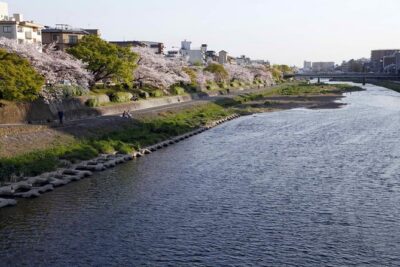
![[Kyoto & Nara Day Tour] Sagano Scenic Railway & Nara Park & Fushimi Inari Taisha Thousand Torii Gates & Togetsukyo Bridge & Bamboo Grove & Kimono Forest (Departing from Osaka)](https://media.japanvisits.com/wp-content/uploads/kyoto-nara-day-tour-sagano-scenic-railway-nara-park-fushimi-inari-taisha-thousand-torii-gates-togetsukyo-bridge-bamboo-grove-kimono-forest-departing-from-osaka-k110001-400x257.jpg)
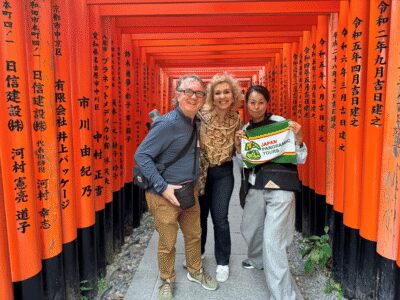
Fushimi Inari, Kinkakuji, Bamboo Grove 1 Day Bus Tour
Read our review →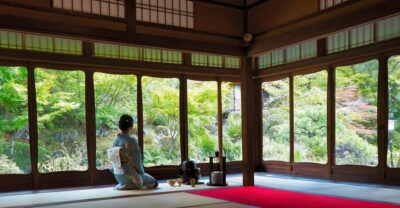
Tea Ceremony in a Traditional Tea House in Kiyomizu
Read our review →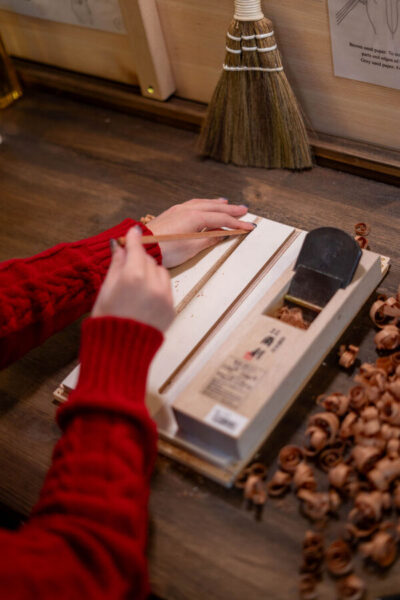
Gion Make Your Own Chopsticks with Engraving Option
Read our review →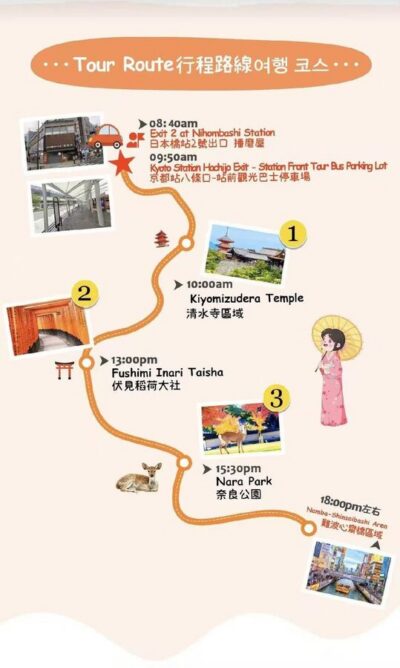
Kyoto Nara Day Trip │ Kiyomizu-dera Temple + Fushimi Inari-taisha Shrine + Nara Park (Departing from Osaka/Kyoto)
Read our review →
Kyoto Geisha Walking Tour: Gion District & Hidden Gems
Read our review →