Reviewed · KYOTO TOURS
Private Nara Tour from Osaka – Meet at Your Hotel
Nara makes Osaka feel far away. This six-hour private outing gives you a clear path through Japan’s first permanent capital, with Todai-ji and its 15-meter Great Buddha as the grand finish. I like the hotel pickup and private format, and I especially like that guide Masa has adjusted visits, answered endless questions, and even prepared Spanish information for one group. The main drawback is cost: $514 covers up to six people, but trains, lunch, and drinks are extra.
I also like the range of stops. You get temples, a shrine, deer-filled parkland, a shopping street, lunch, and a garden without having to plan the route yourself. Still, six hours goes quickly, and the 70-minute train ride each way leaves limited time for lingering, shopping, or adding many extra sights.
In This Review
- Key points to know before booking
- Why this private Nara trip works from Osaka
- The 70-minute train ride from Osaka
- Higashimuki Shopping Street gives you a gentle start
- Kofuku-ji and the difference between temples and shrines
- Nara Park puts the deer at center stage
- Lunch adds a needed pause
- Himuro Shrine offers a quieter religious stop
- Todai-ji delivers the Great Buddha moment
- Yoshikien Garden closes the sightseeing route
- Returning to Osaka after a full half-day
- Is $514 good value for six people?
- Who will enjoy this Nara tour most?
- Should you book it?
- FAQ
- How long does the private Nara tour last?
- Where does the tour begin?
- How many people can join the private group?
- Is transportation included in the tour price?
- Is lunch included?
- Which major temples and religious sites are visited?
- Can you feed the deer at Nara Park?
- What languages are available?
- Can you cancel for a full refund?
Key points to know before booking
- A private group of up to six: The price works best when shared by a family or small group, with a guide able to shape the day around your interests.
- Masa earns especially warm praise: He is described as patient, friendly, punctual, flexible, and clear in English. He has also helped explain Nara’s temples and shrines in detail.
- The Great Buddha is the main event: Todai-ji gives the tour its biggest cultural moment, inside one of Japan’s most famous temple complexes.
- Deer feeding is fun but not the whole experience: Nara Park adds a playful break between serious historic sites, plus plenty of photo chances.
- Transportation is not included: The train journey takes about 70 minutes each way, and you pay train fares, lunch, and drinks separately.
- This is a brisk half-day: The schedule includes seven guided stops, so you see a lot, but you should not expect long, unplanned visits everywhere.
Why this private Nara trip works from Osaka
Nara is close enough to visit from Osaka but different enough to feel like a new chapter of your Japan trip. It was Japan’s first permanent capital, and its temples, shrines, gardens, and sacred deer still shape the city’s character.
I like the private setup because Nara rewards questions. You may want to know why one building is a temple and another is a shrine, why deer are treated with such respect, or how Buddhism shaped the city. A private guide can pause for those questions instead of following a fixed group pace.
The tour lasts six hours, including the train ride from Osaka and the return journey. That makes it a useful choice if you want Nara’s key sights without giving up a full evening in Osaka. It is not a slow, scholarly day, though. The schedule is planned tightly enough to cover the major stops.
The guide is an important part of the experience. Masa is repeatedly praised for his English, patience, hospitality, and ability to adapt. One group wanted extra snack stops and another destination, and he arranged changes after they reached out ahead of time. A Spanish-speaking group also received printed information in Spanish. That does not mean Spanish guiding is promised, but it shows the kind of personal care Masa has provided.
A few more options to weigh up in Kyoto
- PERFECT KYOTO 1-Day Bus Tour
★ 5.0 · 13,518 reviews - [Kyoto & Nara Day Tour] Sagano Scenic Railway & Nara Park & Fushimi Inari Taisha Thousand Torii Gates & Togetsukyo Bridge & Bamboo Grove & Kimono Forest (Departing from Osaka)
★ 4.9 · 10,942 reviews - Kyoto: Fushimi Inari, Kinkakuji, Bamboo Grove 1 Day Bus Tour
★ 4.8 · 4,316 reviews
The 70-minute train ride from Osaka
You meet your guide at your Osaka hotel, then travel by train to Nara. The trip takes about 70 minutes in the stated schedule, though the actual time can change depending on your hotel location and the day’s transport details.
This arrangement is practical. You do not need to find the correct Nara station, work out the route, or guess how to connect the sights once you arrive. Your guide handles the movement of the day, while you can use the train ride to rest or begin asking questions about Nara.
The catch is simple: train fares are not included. The listed $514 is the group price for up to six people, not an all-in transport and meal price. For six people, the tour comes to about $86 per person before train fares, food, and drinks. For two people, the per-person cost is much higher. Families and small groups get the best financial value.
Higashimuki Shopping Street gives you a gentle start
The first stop is Higashimuki Shopping Street, with about 20 minutes for a guided visit. This is a useful opening because it introduces Nara through its everyday commercial side before the tour turns fully toward temples and sacred spaces.
You can expect a short orientation rather than a long shopping session. The street gives you a chance to notice local shops and get your bearings in central Nara. Your guide may also point out traditional products or places for local snacks, although the provided schedule does not promise a specific shop or tasting.
Twenty minutes is enough for a quick look, not enough for serious browsing. If you hope to buy gifts, keep your eye on the clock. The private format may allow a little flexibility, but the following temple visits and lunch are part of a tightly timed route.
Kofuku-ji and the difference between temples and shrines
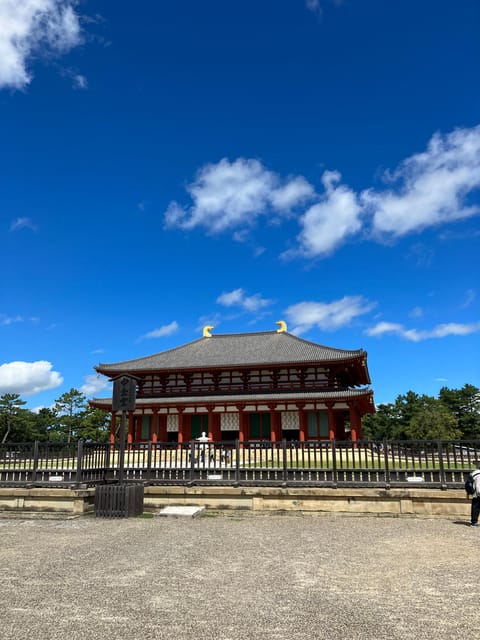
Kofuku-ji receives about 30 minutes of guided attention. Founded in 669, it is one of Nara’s Seven Great Temples and part of the UNESCO-listed historic monuments of ancient Nara.
This stop gives the guide room to explain the religious and political importance of Nara. You will see traditional wooden architecture and learn about cultural treasures connected with the temple. The grounds offer a calmer pause after the shopping street, and the setting helps you understand why Nara is more than a deer park with a famous statue.
A particularly useful part of the guiding is the explanation of temples versus shrines. Masa has helped visitors understand that distinction, which can make the rest of your Japan sightseeing far more meaningful. Without that context, it is easy to treat every old wooden building as simply another photogenic stop.
Thirty minutes is fairly short for a major temple complex. You will get an informed introduction and time for photographs, but not an exhaustive visit to every building or collection. If Kofuku-ji is your main interest, a longer independent visit would give you more freedom.
A completely different kind of day out:
- Kyoto: Tea Ceremony in a Traditional Tea House in Kiyomizu
★ 4.9 · 3,519 reviews - Kyoto: Gion Make Your Own Chopsticks with Engraving Option
★ 5.0 · 3,465 reviews - Kyoto Nara Day Trip │ Kiyomizu-dera Temple + Fushimi Inari-taisha Shrine + Nara Park (Departing from Osaka/Kyoto)
★ 4.7 · 3,408 reviews - Kyoto Geisha Walking Tour: Gion District & Hidden Gems
★ 4.7 · 3,273 reviews
Nara Park puts the deer at center stage
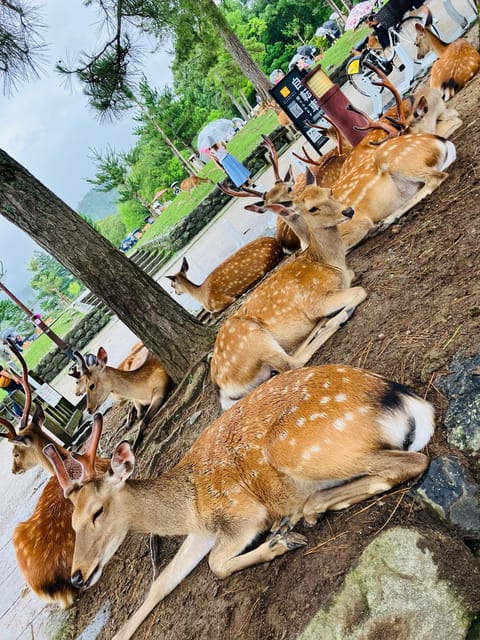
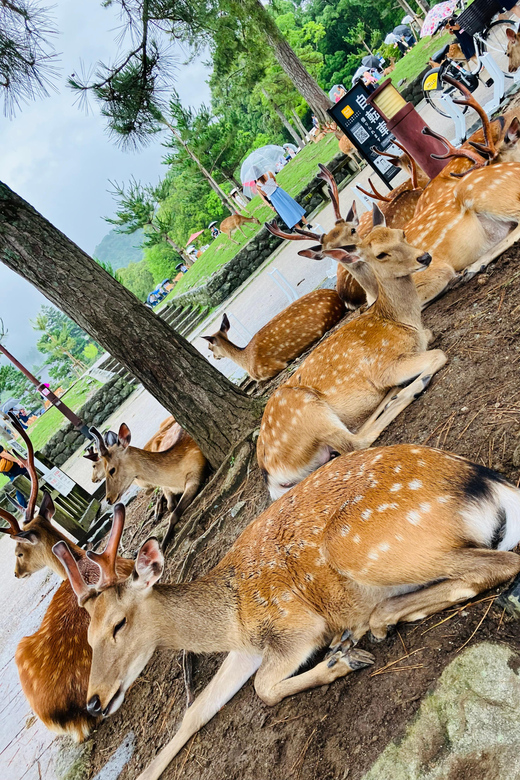
Nara Park is scheduled for about 30 minutes, and this will likely be the most playful part of the day. Free-roaming deer move through the park and have been treated as sacred animals and messengers of the gods for centuries.
You have the chance to feed them and take photographs. The deer are a memorable part of Nara, especially for families and anyone who wants a break from formal sightseeing. I like the contrast here: after learning about temples and history, you are suddenly watching an animal wander past as if it owns the city.
Keep your expectations sensible. Thirty minutes is enough for feeding and pictures, but not for a long walk across the park. The schedule also means you should keep track of your guide and the time. Deer encounters are unpredictable, so you may get a quick greeting or a more lively photo session.
Bring comfortable shoes, water, sunscreen, and a camera. The park is outdoors, and the day involves walking between several sites. The supplied advice does not specify deer-feeding rules beyond the opportunity to feed them, so follow your guide’s instructions at the park.
Lunch adds a needed pause
The route includes one hour at a local restaurant, but lunch and beverages cost extra. That hour matters because the morning includes train travel, walking, sightseeing, and time outdoors.
The restaurant is described as local, but no specific restaurant or menu is guaranteed. You can ask the guide about suitable local dishes, and the private format should make it easier to explain preferences or questions. Do not treat this as a prepaid meal or a formal food tour.
Budget for lunch separately. The price of the meal will depend on what you order, and drinks are also excluded. If you have dietary concerns, raise them with the guide before ordering so the stop works smoothly within the one-hour schedule.
Himuro Shrine offers a quieter religious stop
After lunch, the tour visits Himuro Shrine for about 20 minutes. This is a short stop, but it helps balance the larger temple visits with a shrine setting.
The stop is useful because it gives you another chance to compare Japanese religious traditions. Kofuku-ji and Todai-ji are Buddhist temples, while Himuro Shrine belongs to the Shinto tradition. With a guide explaining the difference, the sequence becomes more than a list of old buildings.
Twenty minutes means a quick guided visit rather than a long period of quiet reflection. If you like gardens, ritual spaces, and smaller religious sites, you may wish the schedule allowed more time here. Still, it works well as a compact change of pace before Todai-ji.
Todai-ji delivers the Great Buddha moment
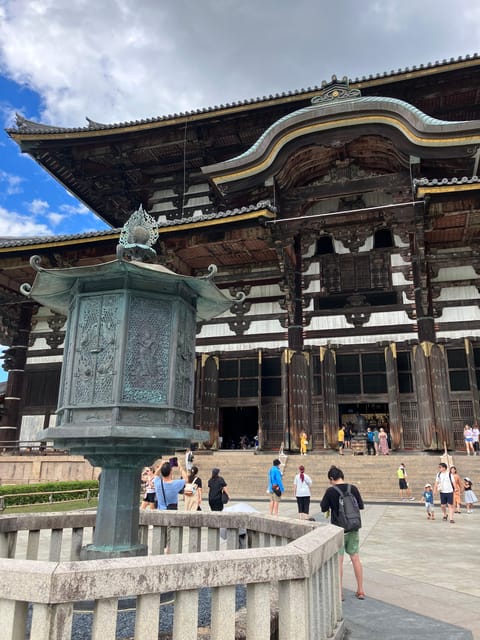
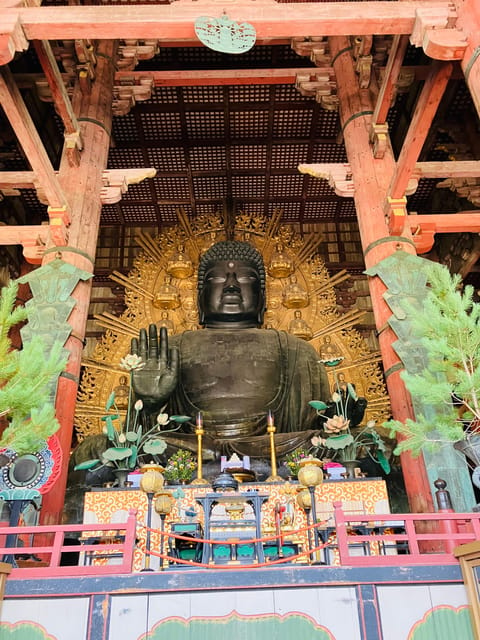
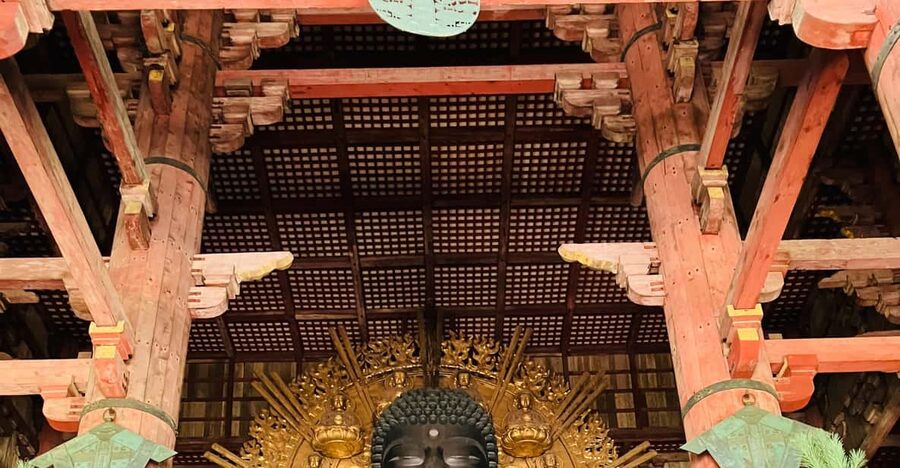
Todai-ji receives the longest guided visit, one hour, and rightly so. The temple is home to the Great Buddha, a bronze statue about 15 meters tall and one of the world’s largest bronze Buddha figures.
This is the tour’s central sight. The scale of the statue and the temple building gives you a strong sense of the ambition of eighth-century Nara, when the city served as Japan’s capital and Buddhism held major national importance. Your guide can connect the building, the statue, and Nara’s role in Japanese history.
I like that the tour does not reduce Todai-ji to a quick photo stop. An hour gives you enough time to take in the main hall, hear the historical explanation, and appreciate the temple grounds. Even so, the visit is not a full study of every part of the complex. The route has one more garden afterward, and the return train is waiting.
The entrance fees to the mentioned sites are included, which makes this part of the day easier to manage. You still need to remember that transportation and food are separate costs.
Yoshikien Garden closes the sightseeing route
Yoshikien Garden is the final guided stop, with about 20 minutes. After the large scale of Todai-ji, a garden gives you a quieter finish.
The short visit is best treated as a final pause for photographs and a calm walk rather than a long garden tour. You can take a breath, notice the traditional design, and let the day’s temple visits settle before heading back to Osaka.
The garden also shows why this tour has a good overall mix. You are not spending all six hours inside major religious buildings. The route moves through a shopping street, open parkland, a shrine, a major temple, and a garden, giving you several different ways to experience Nara.
Returning to Osaka after a full half-day
The return train takes about 70 minutes in the planned schedule. By then, you will have covered a lot, so the ride gives you a natural chance to rest and review photos.
Hotel return with your guide is included, but the exact timing depends on your Osaka hotel and transport conditions. Since the day ends back in Osaka, this tour fits well before an evening meal or other plans, though I would avoid booking anything that requires a tight arrival time.
A six-hour trip can sound generous until you add two long train rides and seven stops. The advantage is efficiency. The disadvantage is that you have limited room for spontaneous detours unless you arrange them ahead of time. The private format helps, but it does not create extra hours.
Is $514 good value for six people?
The price is easiest to justify for a full group of six. At roughly $86 per person before train fares and lunch, you receive hotel meet-up and return, a private English-speaking guide, and entrance fees to the listed sites.
For a couple, the same price becomes a significant splurge. You are paying for personal attention, route planning, language help, and flexibility rather than simply buying admission to Nara’s sights. If those services would reduce stress and help you understand what you are seeing, the price may feel fair.
The guide quality is central to the value. Masa has been praised for clear English, strong preparation, patience, punctuality, and flexibility. He has also answered large numbers of questions and adapted stops to personal interests. Those details matter more than a long list of included attractions because Nara’s history can be hard to understand without explanation.
You should also add train tickets, lunch, drinks, and any optional gratuity to your budget. Gratuity is not required, but it is appreciated. Free cancellation is available up to 24 hours before departure, and you can reserve now and pay later, which helps if your Osaka plans are still changing.
Who will enjoy this Nara tour most?
I would recommend it to families, small groups, first-time visitors to Nara, and anyone who prefers a guide at the major historic sites. It is also a good fit if you want hotel pickup and return rather than handling the train and local route by yourself.
History fans will appreciate Kofuku-ji, Himuro Shrine, and Todai-ji. Nature lovers and children will likely remember the deer most. Food-focused visitors get a one-hour local restaurant stop, but this is not primarily a food experience.
The tour may be less suitable if you want a slow day, long temple visits, extensive shopping, or a great deal of free time. You may also prefer an independent trip if you already know Nara well and feel comfortable arranging transport and admission yourself.
Should you book it?
Book this tour if you want Nara’s essential sights in a well-managed six-hour visit, especially if you can share the $514 price with several people. The strongest reasons are the private setting, hotel meet-up, included site admissions, and Masa’s record of patient, adaptable guiding.
Think twice if you are traveling alone or as a couple on a tight budget. In that case, public transport and self-guided sightseeing will cost less, though you will give up the explanations and easy coordination.
For most first visits, the route makes good sense: Kofuku-ji for history, Nara Park for deer, Himuro Shrine for comparison, Todai-ji for the Great Buddha, and Yoshikien Garden for a quiet finish. Bring good shoes, water, sunscreen, and a camera, then leave room in your budget for lunch and train fares.
FAQ
How long does the private Nara tour last?
The tour lasts six hours, including the train journey from Osaka to Nara and the return trip.
Where does the tour begin?
The guide meets you at your hotel in Osaka. The exact travel time may vary depending on the hotel location.
How many people can join the private group?
The price covers a private group of up to six people.
Is transportation included in the tour price?
No. Transportation fees, including the train journey, are not included.
Is lunch included?
No. The itinerary includes a one-hour lunch stop at a local restaurant, but meals and beverages cost extra.
Which major temples and religious sites are visited?
The tour visits Kofuku-ji, Himuro Shrine, and Todai-ji. Kofuku-ji and Todai-ji are Buddhist temples, while Himuro Shrine is a Shinto shrine.
Can you feed the deer at Nara Park?
Yes. The tour includes the opportunity to feed the free-roaming deer at Nara Park and take photographs.
What languages are available?
The tour offers live guiding in English and Japanese. An English-speaking guide is included, and the guide has provided printed Spanish information for some visitors, but Spanish guiding is not listed as a standard option.
Can you cancel for a full refund?
Yes. You can cancel up to 24 hours in advance for a full refund. You can also reserve the tour and pay later.
Just added in Kyoto
- The “Golden Route” and Ancient Japan by DIAMIR Erlebnisreisen – 14-Day Tour★ 2.0 · 2 reviews
- Japan: Castles & Cuisine by G Adventures – 6-Day Kyoto to Osaka Tour★ 4.5 · 4 reviews
- Cycle Japan by Explore! – 13-Day Kyoto to Tokyo Tour★ 4.7 · 12 reviews
- Cycle Japan by Intrepid Travel – 11-Day Kyoto to Tokyo Tour★ 4.8 · 2 reviews
- Classic Japan by Intrepid Travel – 11-Day Kyoto to Tokyo Tour★ 4.4 · 14 reviews
- Ancient & Modern Japan 14-Day Tour by Exodus Adventure Travels★ 4.4 · 40 reviews
- 5 Day Cultural Adventure of Kyoto, Nara & Osaka by Tourist Journey★ 2.5 · 2 reviews
- 12 Days Kinosaki Onsen Escape: A Journey Through Japan’s Timeless Towns by UME Travel★ 4.8 · 5 reviews
Kyoto Tours, compared.
![[Kyoto & Nara Day Tour] Sagano Scenic Railway & Nara Park & Fushimi Inari Taisha Thousand Torii Gates & Togetsukyo Bridge & Bamboo Grove & Kimono Forest (Departing from Osaka)](https://media.japanvisits.com/wp-content/uploads/kyoto-nara-day-tour-sagano-scenic-railway-nara-park-fushimi-inari-taisha-thousand-torii-gates-togetsukyo-bridge-bamboo-grove-kimono-forest-departing-from-osaka-k110001-400x257.jpg)
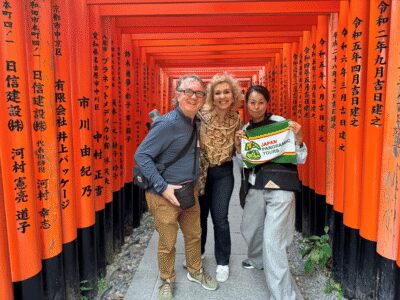
Fushimi Inari, Kinkakuji, Bamboo Grove 1 Day Bus Tour
Read our review →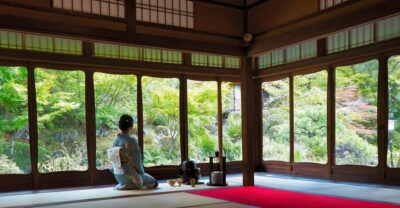
Tea Ceremony in a Traditional Tea House in Kiyomizu
Read our review →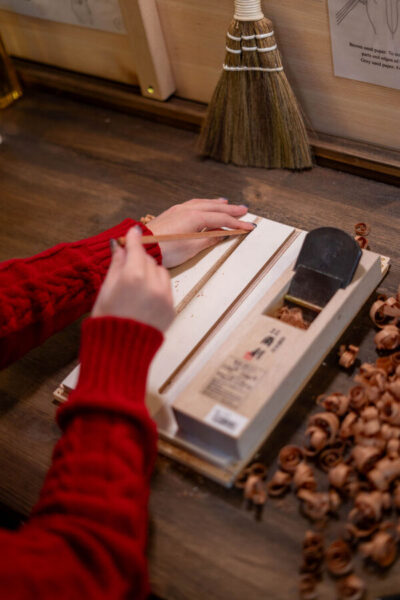
Gion Make Your Own Chopsticks with Engraving Option
Read our review →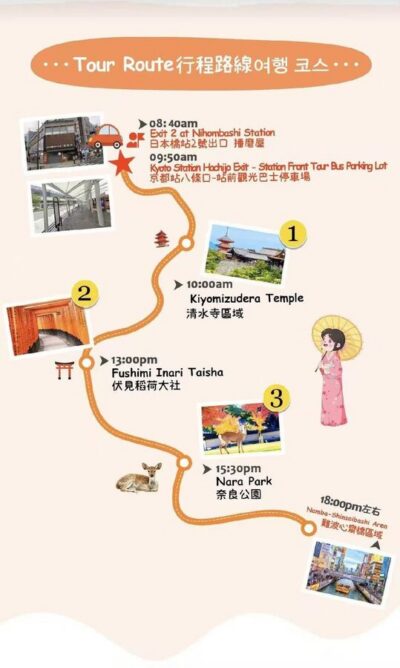
Kyoto Nara Day Trip │ Kiyomizu-dera Temple + Fushimi Inari-taisha Shrine + Nara Park (Departing from Osaka/Kyoto)
Read our review →
Kyoto Geisha Walking Tour: Gion District & Hidden Gems
Read our review →