
Reviewed · COOKING CLASSES
Ramen Making from Scratch +Akihabara Tour –Cooking Class
Start with flour, finish with ramen.
I like that this experience joins two very different sides of Tokyo: Akihabara’s anime and electronics streets and a hands-on Japanese cooking class. I also like the small group limit of six, which should give you room to work with the English-speaking instructor as you prepare fresh noodles, broth, and toppings.
The main drawback is the fixed menu. Vegan and vegetarian options are not available, and the class normally uses pork chashu. You can request chicken instead, but you must do so more than 48 hours ahead. The tour also ends at the kitchen studio, not back at Akihabara Station.
In This Review
- Key points at a glance
- Why this ramen class is more than a cooking demonstration
- Meeting at 11 AM in Akihabara
- A 20-minute walk through electric town
- Seeing ramen ingredients in a local supermarket
- Taking the train from Suehirocho Station
- Cooking at Patia Kitchen Studios
- What Jiro-style ramen adds to the experience
- Price and what the $120 covers
- Who will enjoy this most
- Practical tips before you book
- Should you book the Akihabara ramen class?
- FAQ
- Where does the ramen experience begin?
- How long does the experience last?
- Is the class taught in English?
- How many people can join the group?
- Is transportation to the kitchen studio included?
- Where does the experience finish?
- Are vegetarian or vegan options available?
- Can the pork chashu be changed to chicken?
- What happens if I arrive more than 10 minutes late?
Key points at a glance
- Fresh noodles made from flour: You prepare the noodles yourself instead of simply assembling a prepared bowl.
- A short Akihabara walk first: The experience begins at JR Akihabara Station and includes a look at the area’s famous gadgets, anime, and pop culture.
- Supermarket stop: You see the Japanese ingredients used for the day’s ramen and learn how they fit into the recipe.
- Jiro-style ramen in English: This is presented as the only English-language class offering this particular style of ramen.
- Small group of six or fewer: A compact group makes a practical difference when you are mixing, shaping, and cooking.
- Three-hour schedule: The tour combines sightseeing, transport, and cooking without taking an entire day.
Why this ramen class is more than a cooking demonstration
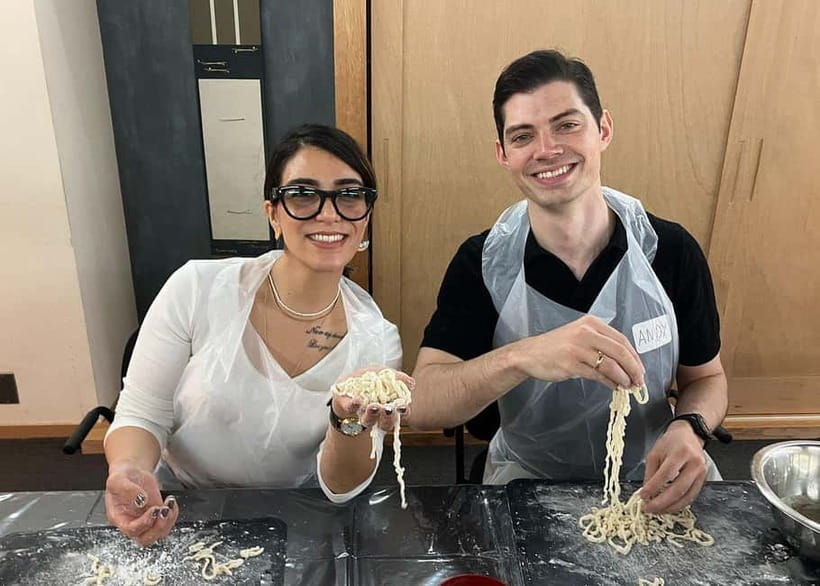
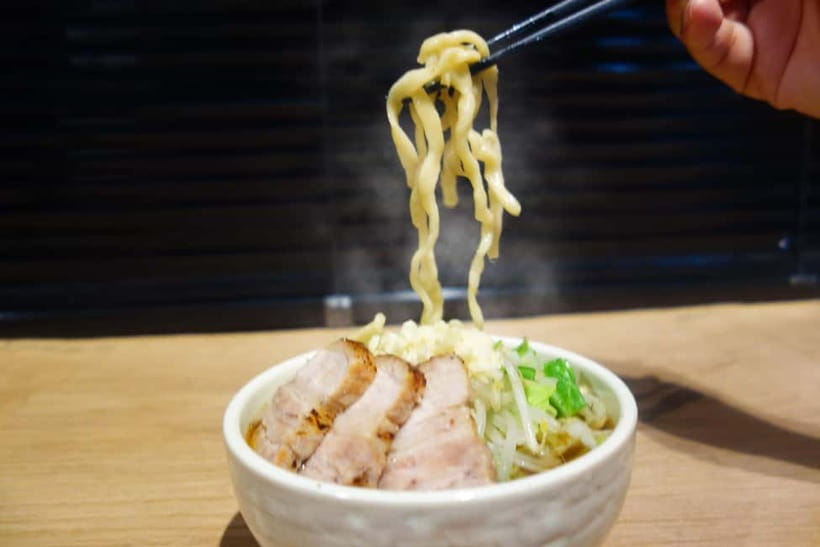
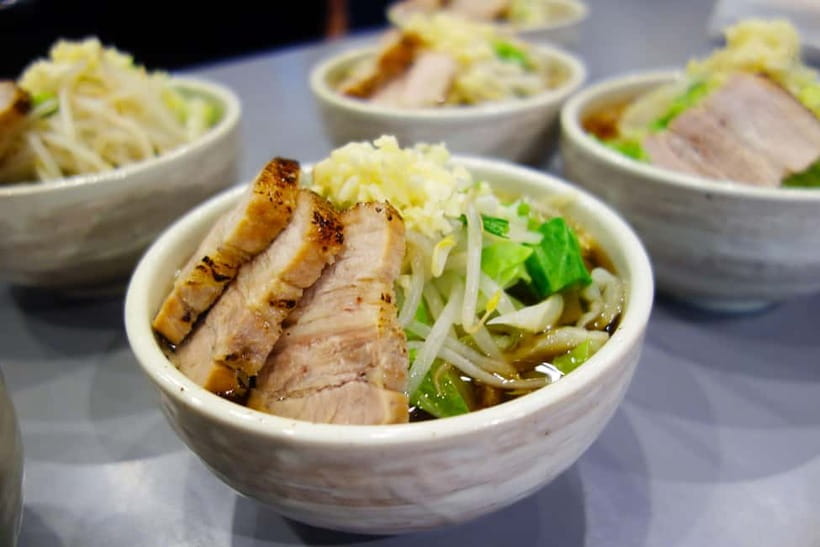
Many food experiences in Tokyo ask you to eat first and ask questions later. This one puts you to work. You make the noodles from flour, help prepare the broth and toppings, and finish with a bowl of Jiro-style ramen that you assembled yourself.
That matters because ramen is not just a finished dish. The noodles, soup, meat, vegetables, and seasoning all have separate roles. You get a better sense of Japanese food culture when you see the ingredients before they reach the cooking studio, then use them in a dish.
I also like the way the tour places the cooking lesson in a wider Tokyo setting. Akihabara is not being used only as a meeting point. You get about 20 minutes to walk through the district before visiting a supermarket, then take a train to the studio. The result is a compact food-and-neighborhood experience rather than a cooking class isolated from the city.
The activity has earned a perfect rating from 25 bookings, with particular praise for the food, the friendly guide and instructor, and the useful explanation of Japanese ingredients. One Canadian participant considered the homemade ramen the best ramen of the entire Japan trip, while visitors from Italy highlighted the guide and chef and the chance to learn the secrets behind Japanese ingredients.
That is strong praise, but you should keep the format in mind. This is a short class, not a long culinary course. You will learn a specific ramen preparation in about 90 minutes rather than study every regional style of ramen in Japan.
More Cooking Classes in Tokyo
- Sushi Making Tokyo Roll and Authentic Japanese Sushi Class
★ 5.0 · 3,971 reviews - Tokyo: Roll and Authentic Sushi Making Class in Asakusa
★ 4.9 · 1,957 reviews - Tokyo Shinjuku Chopsticks Making Class
★ 5.0 · 1,763 reviews
Meeting at 11 AM in Akihabara
The tour begins at 11 AM outside the Central Ticket Gate of JR Akihabara Station. This detail is important. Akihabara Station has several exits and connected areas, so do not treat the station name as enough information. You need to reach the outside of the central gate.
Arrive early. If you are more than 10 minutes late, the group may leave without you. In that case, you are expected to make your own way to the kitchen studio, and there is no refund for missing the departure.
The meeting time also shapes the rest of your day. Since the experience lasts three hours, you should finish around 2 PM, although the exact end may vary with the train ride and class timing. The class ends at the studio, which is different from the Akihabara meeting point. Plan your afternoon from there rather than assuming you will return to the station with the guide.
The activity requires at least two people per booking. Children under five are not accepted, and the class is not suitable for people with back problems or wheelchair users. Baby strollers and smoking are not allowed.
A 20-minute walk through electric town
The first section takes about 20 minutes and introduces Akihabara on foot. This is Tokyo’s famous electric town, known for gadgets, anime, and pop culture. The walk is short, so think of it as an orientation rather than a full neighborhood tour.
That short length is useful. You get context without spending most of the cooking experience on sightseeing. If Akihabara is new to you, the guide can point out the character of the district before the food portion begins. If you have already spent time there, the walk still helps connect the neighborhood to everyday Japanese shopping and cooking.
The contrast is part of the appeal. Akihabara is often associated with bright signs, games, electronics, and anime culture. The next stop is a local supermarket, where the focus shifts to ordinary ingredients and home-style food shopping. Together, the two stops show a modern part of Tokyo from different angles.
Do not expect a long list of major sights. The value here is the transition from famous pop-culture district to practical food lesson. The guide leads you through the area on the way to the supermarket, so the walk serves the larger ramen experience.
Seeing ramen ingredients in a local supermarket
The supermarket visit lasts about 20 minutes. You look at the ingredients selected for that day’s ramen, and the guide explains how they are used in the dish.
This is one of the most useful parts for anyone who wants to understand Japanese food beyond restaurant menus. A supermarket gives you a look at ingredients as people buy them, not only as decorated restaurant dishes. You can connect the packaged and fresh products on the shelves with the broth, toppings, and noodles you will later prepare.
The exact ingredients may vary because the guide explains what is being used that day. That means you should not expect one identical shopping list for every class. The changing selection can be a benefit, since Japanese cooking depends on the relationship between seasoning, soup, noodles, and toppings.
The supermarket stop is also a good place to ask questions. The class is taught in English, and the guide explains the ingredients used for the session. If you are curious about an item, this is the natural moment to ask what it does before you start cooking.
Keep your expectations sensible. You are there for about 20 minutes, not for a full supermarket tour or a dedicated shopping trip. The stop is designed to support the ramen lesson.
A completely different kind of day out:
- Tokyo Disney Resort – Tokyo Disneyland & Tokyo DisneySea Park Tickets
★ 4.8 · 99,488 reviews - SHIBUYA SKY Ticket
★ 4.7 · 46,509 reviews - JR Whole Japan Rail Pass
★ 4.8 · 29,150 reviews - Mt Fuji and Hakone 1-Day Bus Tour Return by Bullet Train
★ 5.0 · 26,383 reviews
Taking the train from Suehirocho Station
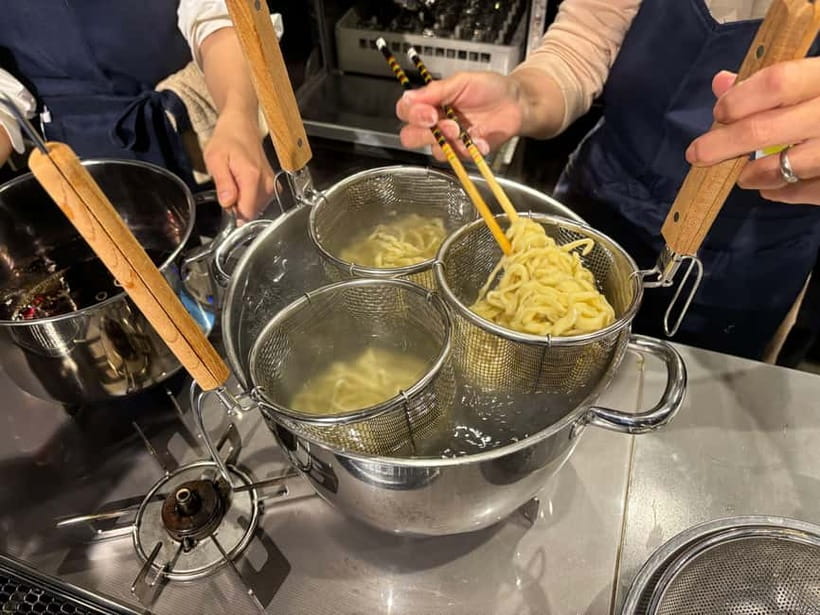
After the supermarket visit, you travel by train to the modern kitchen studio. The ride takes about 15 to 30 minutes, depending on the timing and route.
Transportation from Suehirocho Station to the studio is not included in the tour price. You need to use your own Suica or another IC card. If you do not have one, the guide can help you buy a ticket.
This is a small cost and a small task, but it is worth planning for. Keep your IC card topped up, or have enough yen ready for a ticket. The guide helps with the process, but you should not assume that train transportation is covered.
The train ride also explains why the tour does not end at Akihabara Station. You are moving from the sightseeing portion to Patia Kitchen Studios, a central Tokyo cooking venue located a few minutes from the nearest station.
Cooking at Patia Kitchen Studios
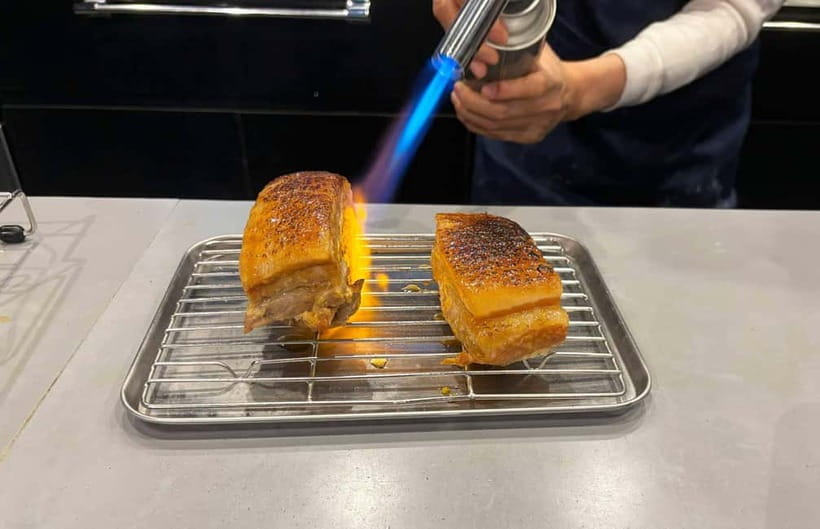
The class takes about 90 minutes at Patia Kitchen Studios. The venue is described as stylish, spacious, and relaxing, and it has been used for Japanese television programs. Those details suggest a more polished setting than a cramped home kitchen, which matters when a small group is making noodles and preparing several parts of a meal.
The English-speaking instructor guides you through the process. You prepare the broth, make fresh noodles, and work on the toppings before bringing the bowl together. The class is not simply a demonstration where you watch a chef do all the important work.
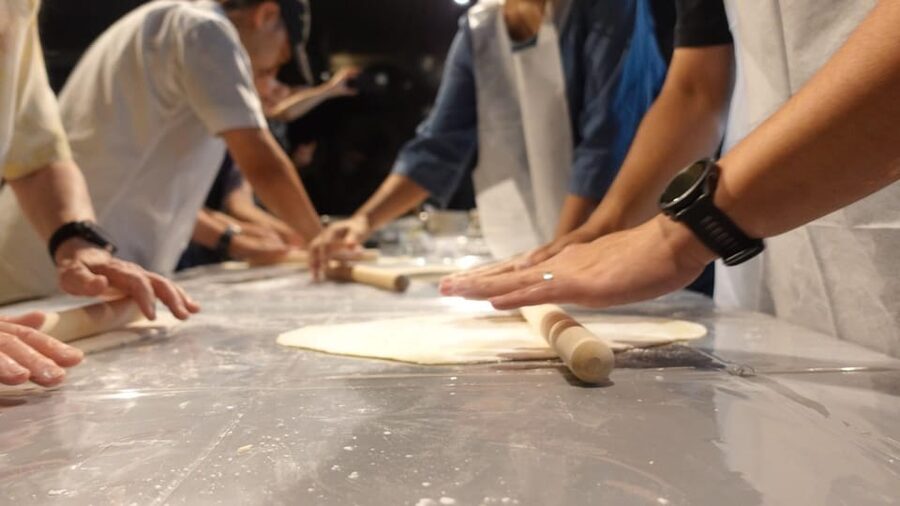
Making noodles from flour is the heart of the experience. You see the basic starting point of the dish and take part in turning it into the noodles served in your bowl. For many visitors, this will be more memorable than learning a list of ingredients because your hands are involved in the result.
The broth and toppings give the class a second layer. Ramen depends on balance, and the lesson lets you see how the separate parts come together. The details of the recipe can vary by session, but the stated focus is Jiro-style ramen made from scratch.
The group size is limited to six participants. That is a good match for a practical class. With fewer people, you have a better chance of following the instructor’s movements and getting help when you need it. The compact group should also make the class feel more personal than a large demonstration.
At the end, you eat the ramen you made. The food is included, along with beverages, so you do not need to budget for a separate meal during the class.
What Jiro-style ramen adds to the experience
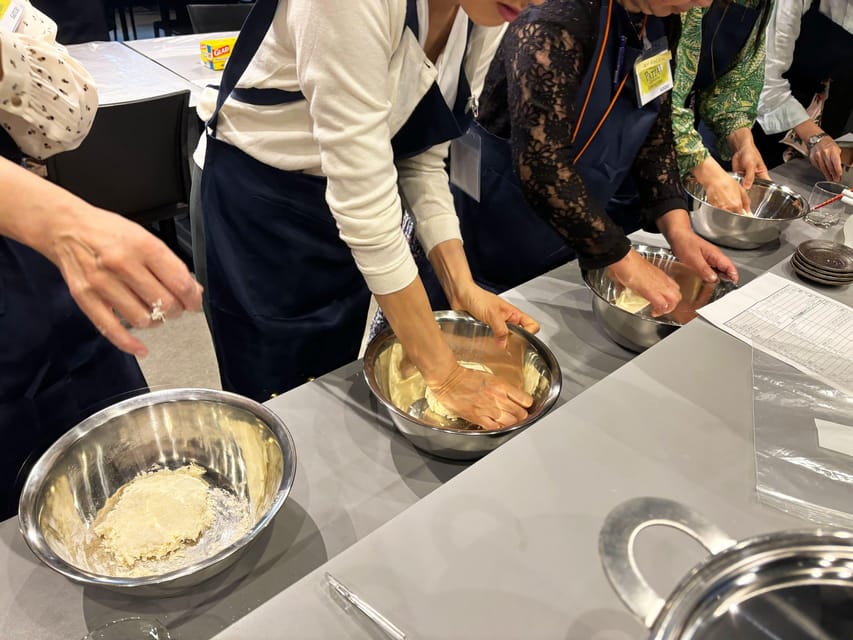
The class focuses on a special Jiro-style ramen, and the operator presents it as the only English-language class where you can learn this style from scratch. That makes the experience more specific than a general ramen lesson.
You should book it because you want this particular style, not because you expect a survey of Japanese noodle dishes. The session concentrates on one bowl and the work required to prepare it. The reward is focus: you learn the ingredients and steps that support this style rather than rushing through several unrelated recipes.
The emphasis on English instruction is equally important. Food classes can become frustrating when you are trying to follow unfamiliar techniques without clear explanations. Here, the instructor teaches in English, and the guide explains the ingredients during the supermarket stop.
The strong feedback focuses on the same points. The guide and chef received praise for being friendly and helpful, and the class was valued for explaining Japanese ingredients. That combination makes the experience a good fit for you if you want more than a photo of a finished bowl.
Price and what the $120 covers
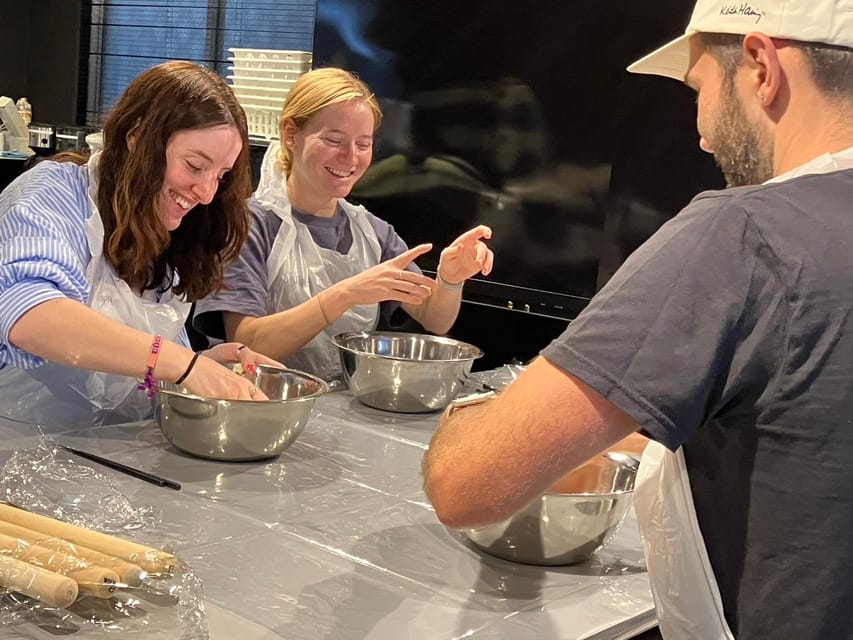
At $120 per person, this is not a cheap lunch. The price needs to be judged as a three-hour activity, not simply against the cost of a bowl of ramen.
You are paying for a guided walk in Akihabara, a supermarket visit, an English-language cooking class, the ingredients, your meal and drink, and downloadable photographs taken during the experience. The group is limited to six, which adds value if you prefer direct help rather than a large class.
The price is easier to justify if you planned to take a cooking class anyway. You get sightseeing and food education in one booking, plus a meal you prepare yourself. It is less attractive if you only want to eat ramen or if you are counting every meal cost during a longer Tokyo trip.
The photographs are a useful extra. They give you a record of the experience without requiring you to stop cooking constantly to take pictures. The class also produces a practical memory: you learn how the noodles, broth, and toppings were made.
You should also remember the train fare from Suehirocho Station to the studio is extra. It is not included in the $120 price.
Who will enjoy this most
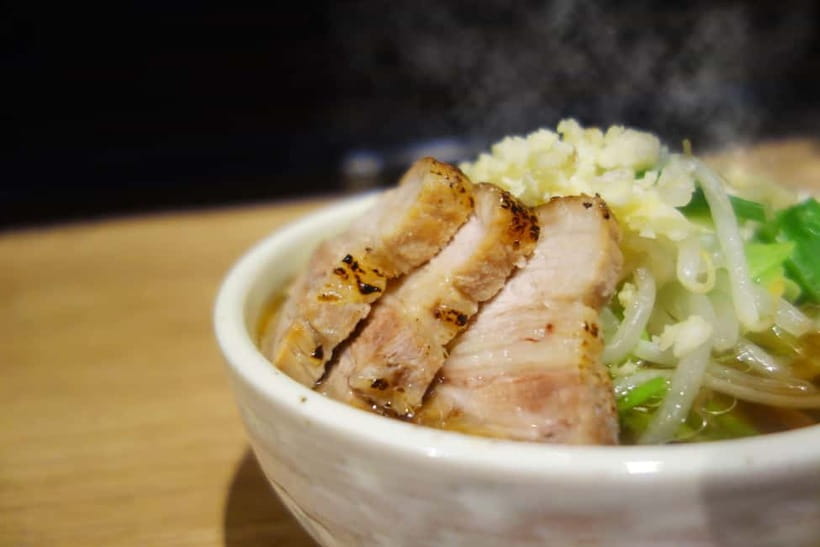
I would recommend this experience to you if you enjoy food, small groups, and hands-on activities. It suits first-time visitors to Akihabara who want a short introduction to the district without giving up half a day. It also suits repeat visitors who have seen the electronics and anime side of the neighborhood and want to connect it with everyday food culture.
It is a good choice for couples and small groups of friends because the minimum booking is two people. The 90-minute class gives you enough time to make the food without committing to a full-day lesson.
The activity is not suitable for vegans or vegetarians. No vegan or vegetarian version is available. The usual chashu is pork, though you can request chicken if you give more than 48 hours’ notice.
You should also think carefully about mobility. The experience involves walking through Akihabara, entering a supermarket, taking a train, and working in a kitchen studio. People with back problems and wheelchair users are specifically advised not to book, and baby strollers are not allowed.
Practical tips before you book
Arrive well before 11 AM and confirm you are outside the Central Ticket Gate, not simply somewhere inside Akihabara Station. The late-arrival rule is strict, and the group may leave after 10 minutes.
Bring a Suica or another IC card if you have one. Since the train fare is separate, make sure you can pay for transportation from Suehirocho Station to the studio. If you need a paper ticket, the guide can help.
Tell the operator about a pork-to-chicken request more than 48 hours before the class. Do not wait until the morning of the experience, since the change cannot be guaranteed at short notice.
Wear clothing that lets you move comfortably in a kitchen, though no special clothing requirement is provided. Since the class includes walking and public transportation, avoid planning it around a tight appointment immediately afterward.
The experience allows free cancellation up to 24 hours before the start for a full refund. You can also reserve now and pay later, which helps if your Tokyo schedule is still changing.
Should you book the Akihabara ramen class?
Book it if you want to make fresh noodles yourself, learn how the ingredients work, and eat a specific Jiro-style bowl in an English-speaking class. The combination of Akihabara, the supermarket, and the studio gives the three hours a clear shape, and the small group makes the $120 price more reasonable.
Skip it if you are vegan or vegetarian, need wheelchair access, dislike public transportation, or only want a quick ramen meal. Also skip it if you expect a long Akihabara sightseeing tour or a broad course covering many ramen styles.
For the right person, this is a smart Tokyo food experience. You leave with a meal, a better understanding of Japanese ingredients, photographs, and the satisfaction of turning flour into noodles.
FAQ
Where does the ramen experience begin?
It begins at 11 AM outside the Central Ticket Gate of JR Akihabara Station.
How long does the experience last?
The full activity lasts about three hours.
Is the class taught in English?
Yes. The instructor teaches the cooking class in English, and the experience is offered in English.
How many people can join the group?
The group is limited to six participants.
Is transportation to the kitchen studio included?
No. You must pay for the train from Suehirocho Station to the studio using your own Suica, another IC card, or a separate ticket. The guide can help you buy a ticket if needed.
Where does the experience finish?
The class ends at the kitchen studio, which is different from the Akihabara meeting point.
Are vegetarian or vegan options available?
No. Vegan and vegetarian options are not available.
Can the pork chashu be changed to chicken?
Yes, but you must request the change more than 48 hours in advance.
What happens if I arrive more than 10 minutes late?
The group may leave before you. You would then need to travel directly to the kitchen studio, and no refund is provided for the delay.
Just added in Tokyo
- A One-of-a-Kind Sushi Experience in a Special Place of Japan★ 5.0 · 15 reviews
- Tokyo Cute Bento Cooking Class – Make a Kawaii Character Lunchbox★ 5.0 · 126 reviews
- Japanese Home Cooking Class & Walk in Todoroki Temple Tokyo★ 5.0 · 88 reviews
- Japan Tokyo Tower Observatory Deck E-Ticket★ 4.0 · 34 reviews
- Catch a Baseball Game in Tokyo with a Local – Tickets Included★ 5.0 · 24 reviews
- JDM Experience with Fast&Furious RX-7 (English speaking Driver)★ 5.0 · 57 reviews
- Tokyo Private Day Tour by Car with English speaking Driver Guide★ 4.0 · 29 reviews
- Japan Classic 10 Day – One Life Adventures★ 5.0 · 129 reviews
Cooking Classes, compared.
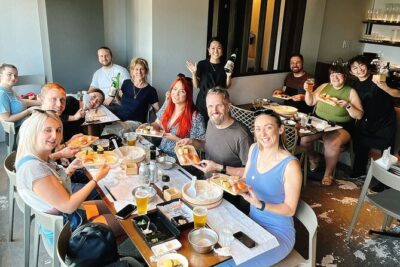
Sushi Making Tokyo Roll and Authentic Japanese Sushi Class
Read our review →
Roll and Authentic Sushi Making Class in Asakusa
Read our review →
Ramen Cooking Class at Ramen Factory in Kyoto
Read our review →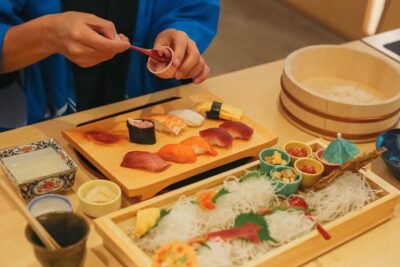
Sushi Making Class in a Happi Coat near a Famous Spot
Read our review →
Sushi Making Osaka Roll and Authentic Japanese Sushi Class
Read our review →
Tokyo Sushi Making Class in Tsukiji with Professional Chef
Read our review →
Ramen & Gyoza Cooking Class in Tokyo with Local Supermarket Visit
Read our review →Browse the lists this tour appears in