Reviewed · KYOTO TOURS
Sacred Pathways: Discover the Philosopher’s Path of Kyoto
Quiet Kyoto rewards slow walking. This four-hour tour follows the Philosopher’s Path, a tree-lined canal route where water, moss, temples, and small shops create a calmer side of the city. I like the unhurried pace and the way the guide adds meaning to gardens and shrines that can otherwise seem hard to read.
I also like that entrance fees are included, so you can leave your wallet in your bag while moving between Ginkakuji and Nanzenji. The main consideration is the 5-kilometre walk. It is not a mountain hike, but you need moderate fitness, and the tour is not suitable for children under 10.
In This Review
- Key points at a glance
- Why the Philosopher’s Path works so well on foot
- Ginkakuji: a silver name with a green setting
- Nanzenji and the unexpected aqueduct
- What a small group changes
- The guides are a major part of the value
- Zen, art, and the value of context
- Is $64 a fair price?
- Timing, fitness, and who should book
- Should you book Sacred Pathways?
- FAQ
- How long is the Sacred Pathways tour?
- How far do you walk?
- Are entrance fees included?
- What languages are available?
- Can children under 10 join?
- Is cancellation available?
Key points at a glance
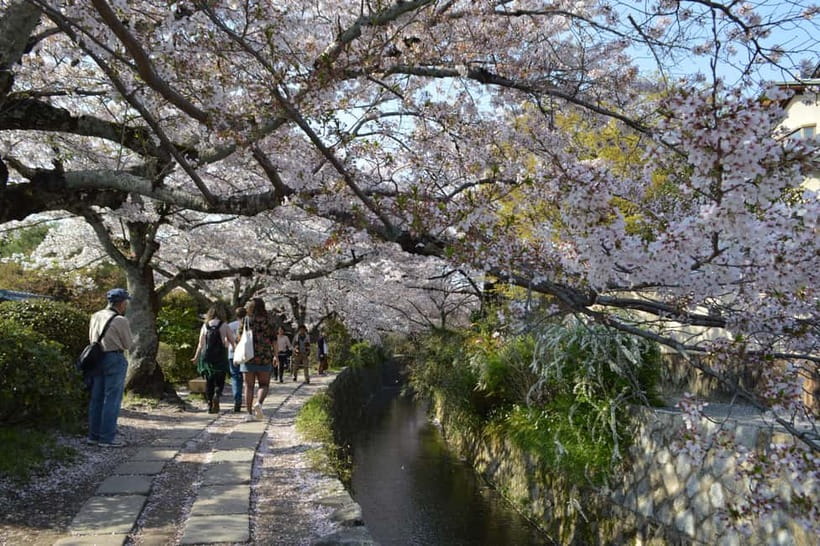
- The Philosopher’s Path is the star: Follow a canal beneath trees and beside gardens at the foot of Kyoto’s eastern mountains.
- Ginkakuji brings the visual drama: Its carefully shaped garden is one of Kyoto’s finest places for seeing Zen design in practice.
- Nanzenji adds scale and architecture: The temple’s imposing aqueduct gives the walk a striking change of mood.
- Small groups keep the tour nimble: Groups never exceed eight people, with no flag, microphone, or bus to slow things down.
- Guides add cultural context: English and French tours explain Zen, Japanese arts, temple history, and local customs.
- The $64 price covers the important extras: Entry fees and a digital city guide are included, though food and drinks are not.
Why the Philosopher’s Path works so well on foot
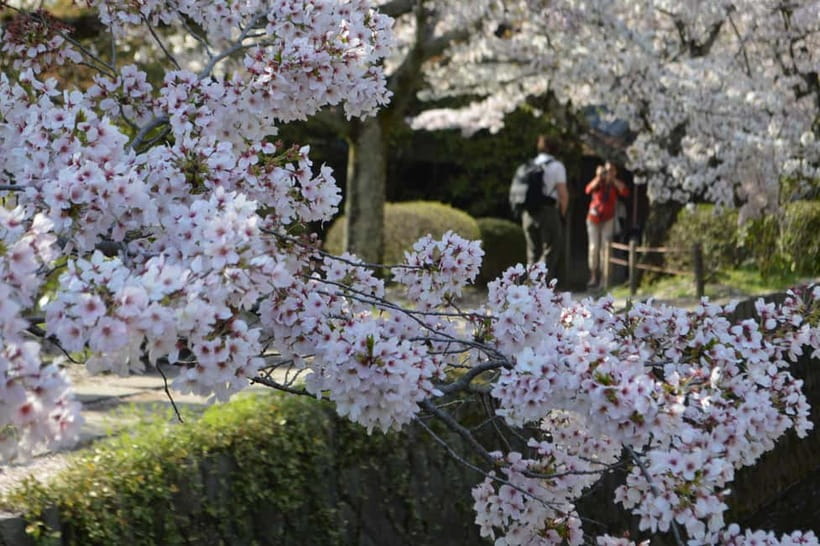
Kyoto has famous sights that can feel crowded and hurried. The Philosopher’s Path offers a useful change of speed. The route follows a canal for about 5 kilometres, with trees overhead and the eastern mountains close by. You walk from one stop to the next rather than spending the morning stepping on and off transport.
That matters because this part of Kyoto is best understood as a sequence of small impressions. You might pause beside the water, notice moss catching the morning light, then turn into a temple garden where gravel and stones have been arranged with great care. The route gives you time to notice those details instead of treating each temple as a quick photo stop.
The path also has cafes and small shops along the way. Food and drinks are not included, but you may have a chance to stop for tea or browse handcrafted goods, depending on the pace and the group. That flexibility is useful. You are not locked into a bus timetable or forced through a long restaurant break.
The route is peaceful, but do not mistake peaceful for effortless. Five kilometres of walking over four hours includes temple visits, standing, and pauses. Wear shoes that you can comfortably walk in, and be ready for the occasional uneven surface around temple grounds.
A few more options to weigh up in Kyoto
- PERFECT KYOTO 1-Day Bus Tour
★ 5.0 · 13,518 reviews - [Kyoto & Nara Day Tour] Sagano Scenic Railway & Nara Park & Fushimi Inari Taisha Thousand Torii Gates & Togetsukyo Bridge & Bamboo Grove & Kimono Forest (Departing from Osaka)
★ 4.9 · 10,942 reviews - Kyoto: Fushimi Inari, Kinkakuji, Bamboo Grove 1 Day Bus Tour
★ 4.8 · 4,316 reviews
Ginkakuji: a silver name with a green setting
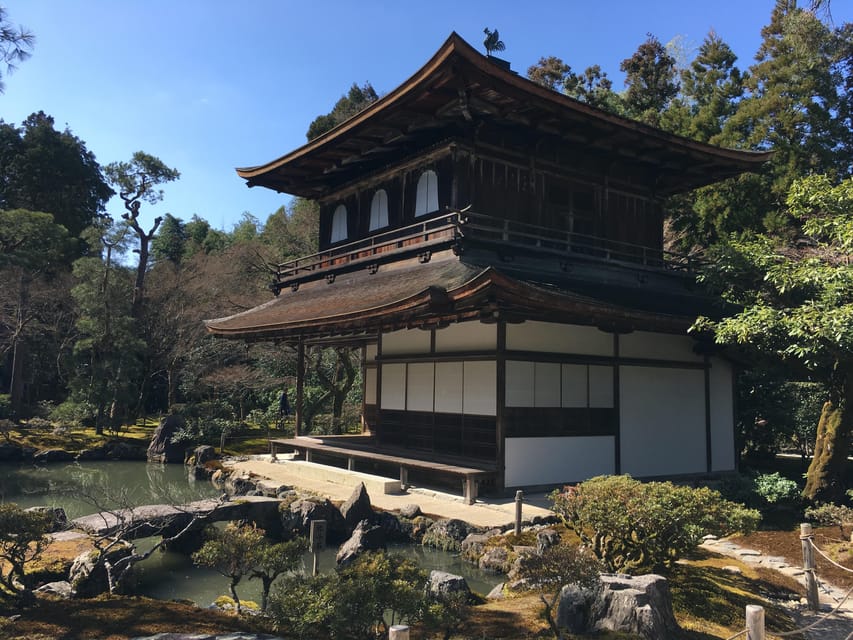
Ginkakuji is often called the Silver Pavilion, though its name can create the wrong expectation. The appeal is not a gleaming metallic building. It is the setting around the temple, especially the garden, where clipped greenery, moss, gravel, stones, and water are arranged to create a controlled sense of nature.
This is one of the tour’s strongest stops because a garden like this can be beautiful without being immediately easy to understand. A guide can explain how Zen ideas influenced the arts, garden design, architecture, and habits of quiet observation. You will get more from the scene when you understand that the arrangement is not random decoration.
I appreciate that the experience does not treat Ginkakuji as a stand-alone monument. The visit fits into a larger walk, so the garden becomes part of a story about Kyoto’s religious and artistic traditions. The sound of the nearby stream and the soft greenery along the route prepare you for the stillness inside the temple grounds.
The garden may be especially appealing if you enjoy photography or careful observation. Light, weather, and season can change its mood. One account of a rainy visit found that the damp conditions gave the garden a different atmosphere and reduced the number of people nearby. You should not count on having it to yourself, but wet weather may bring its own reward.
Nanzenji and the unexpected aqueduct
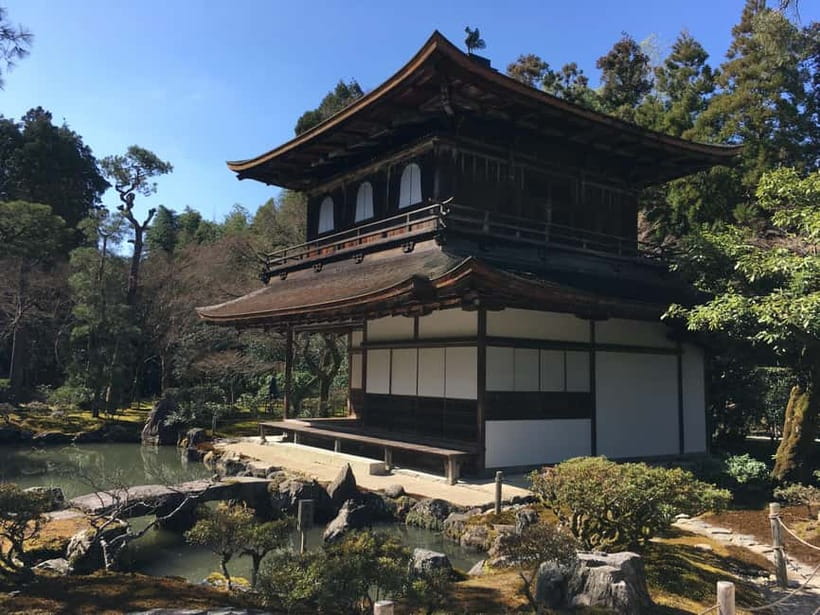
Nanzenji gives the tour a different kind of visual punch. It is one of Kyoto’s major Zen temples, and its scale and architecture feel more imposing than the quiet canal path. The temple grounds offer a useful contrast to Ginkakuji, moving from refined garden composition to grander structures and open space.
The aqueduct is a memorable feature. Its brick arches introduce an unexpected industrial note beside the temple buildings and wooded slopes. It is the sort of detail you might walk past without context, especially if you are focused on the main gate or garden. The guide helps explain why this structure belongs in the story of the area.
This contrast is one reason the tour works better than a simple stroll. You see more than one version of Kyoto. There is the delicate Kyoto of moss, gravel, and tea, and there is the larger Kyoto of temple gates, stonework, and an aqueduct that seems almost out of place until you learn about it.
Nanzenji also gives the guide room to discuss Zen practice and the role of temples in Japanese culture. The point is not to turn the visit into a lecture. The best version of this tour uses the architecture as a prompt, then connects it to ideas you can see in the surrounding gardens and buildings.
What a small group changes
Kyoto Fun keeps groups to eight people or fewer. That is a meaningful limit on a walking route. You can hear the guide without a microphone, ask questions without interrupting a large crowd, and stop for a photograph without bringing an entire procession to a halt.
The company has operated since 2014 and has served more than 20,000 customers. Those details do not guarantee a perfect tour, but they suggest an established local operation rather than a brand-new outfit testing a route.
The small format also helps the group move politely through residential and temple areas. There is no flag to follow, no bus waiting at the curb, and no long bathroom stop built into the morning. You still need to arrive on time, and the meeting point can vary by the option you book, so check your confirmation carefully.
Private tours are available as well as small group departures. A private option may make sense for families with children under 10, since the company asks families in that age group to enquire about a private tour. It may also suit anyone who wants a more personal pace or has specific questions about Zen, gardens, or Kyoto culture.
A completely different kind of day out:
- Kyoto: Tea Ceremony in a Traditional Tea House in Kiyomizu
★ 4.9 · 3,519 reviews - Kyoto: Gion Make Your Own Chopsticks with Engraving Option
★ 5.0 · 3,465 reviews - Kyoto Nara Day Trip │ Kiyomizu-dera Temple + Fushimi Inari-taisha Shrine + Nara Park (Departing from Osaka/Kyoto)
★ 4.7 · 3,408 reviews - Kyoto Geisha Walking Tour: Gion District & Hidden Gems
★ 4.7 · 3,273 reviews
The guides are a major part of the value
A good guide matters particularly in Kyoto. Temple grounds can look calm and attractive even when you do not know what you are seeing. The guide supplies the background that connects a gravel garden, a temple gate, a canal, or an aqueduct to the wider culture.
Kevin receives especially strong praise for being friendly, flexible, and well informed across several subjects. He is described as answering questions easily, adjusting his pace to the group, and offering useful recommendations for the rest of a Kyoto visit. Those are practical strengths, not just pleasant extras.
Craig is also noted for his easygoing manner and long experience living in Kyoto. One guest valued being able to ask many questions in English and learn more because Craig had lived in the city for 13 years. Guide assignments can vary, so you should not assume you will meet either person, but these comments show the kind of local perspective the company aims to provide.
The guide can also help you see details that are easy to miss. One guest felt the walk revealed places they would not have found alone. That is a fair reason to book a guided tour here. The route itself is accessible to independent walkers, but the meaning of the route is less obvious without someone to explain it.
Zen, art, and the value of context
The tour’s theme is not simply temples and gardens. It looks at Zen and its influence on Japanese arts and culture. That broad topic gives the walk more purpose, especially if you have already seen several temples and want to understand how they differ.
I would not expect a formal academic seminar. The appeal is conversational learning while you walk. You can ask about the gardens in front of you, connect the architecture to Japanese history, and get recommendations for places to eat or visit later.
This context is particularly helpful at Ginkakuji. A raked gravel garden may seem minimal at first glance. With a guide, you can think about space, restraint, balance, and the use of natural materials. At Nanzenji, the same cultural thread meets a larger architectural setting.
The digital city guide is another useful inclusion. Its exact contents are not specified, so I would treat it as a bonus rather than the main reason to book. The guide’s live explanations are the heart of the experience.
Is $64 a fair price?
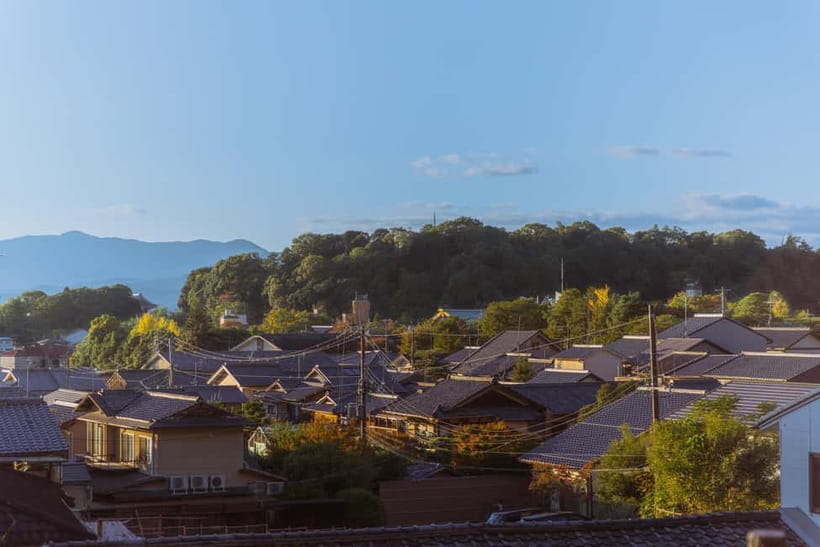
At $64 per person, this is not the cheapest way to walk the Philosopher’s Path. You can follow much of the route independently, and the canal itself costs nothing. The price needs to be judged by what it adds.
You receive four hours with a bilingual guide, entry fees, and a digital city guide. The entry fees remove small but annoying stops at the temples, while the guide gives you historical and cultural context. The small group limit also has real value if you dislike crowded walking tours.
The price is easiest to justify if you are new to Kyoto, interested in gardens and temples, or want a calm orientation to the eastern side of the city. It is harder to justify if you only want a quick scenic walk, already know the area well, or prefer to spend the morning entirely on your own.
Food and drinks are extra. That is not a problem, but budget for your own tea, snack, or cafe stop. One piece of feedback also questioned the extra cost, so price-sensitive visitors should compare the tour with a self-guided visit before booking.
Timing, fitness, and who should book

The tour lasts four hours and covers about 5 kilometres. Starting times vary, so check availability when choosing a date. A morning departure may give you softer light and a quieter feel, but the supplied information does not promise a particular time of day or crowd level.
You should book this if you:
- Want temple visits explained rather than simply photographed
- Prefer a relaxed walk to a rushed sightseeing circuit
- Like gardens, architecture, Japanese culture, and local stories
- Value a small group with time for questions
- Want entry fees handled in advance
- Can comfortably walk about 5 kilometres
You may want another option if you dislike walking, need a fully accessible route, are travelling with children under 10, or want a tour focused mainly on food and shopping. The activity is also listed as unsuitable for people over 95, and no drone use is allowed.
The tour is offered in English or French. Private and small group formats give you some choice, but the meeting point may vary with the option selected. Confirm that detail before setting out, especially if you are planning other Kyoto visits on the same day.
Should you book Sacred Pathways?
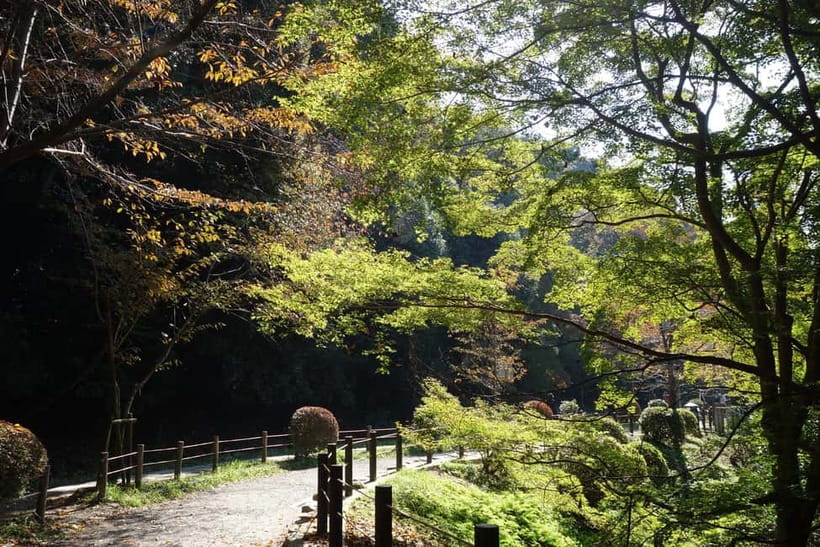
I would book this tour if you want to understand why Kyoto’s temples and gardens look the way they do, not just see them. The strongest features are the slow 5-kilometre route, the small group size, and guides who can connect Zen ideas with the places in front of you.
The tour is not a bargain walk, and you can visit the Philosopher’s Path without a guide. But $64 becomes reasonable when you use the four hours well, visit Ginkakuji and Nanzenji, ask questions, and take advantage of the included entrance fees.
Choose it for a thoughtful introduction to Kyoto’s eastern temples. Skip it if you want a short, low-cost stroll or if moderate walking is not practical for you.
FAQ
How long is the Sacred Pathways tour?
The tour lasts four hours.
How far do you walk?
The route covers about 5 kilometres, or approximately 3 miles, so a moderate level of fitness is required.
Are entrance fees included?
Yes. All entrance fees are included in the tour price.
What languages are available?
Live guided tours are available in English and French.
Can children under 10 join?
Children under 10 are not suitable for the standard tour. Families who want to book with younger children are asked to enquire about a private tour.
Is cancellation available?
Yes. You can cancel up to 24 hours in advance for a full refund. You can also reserve now and pay later.
Just added in Kyoto
- The “Golden Route” and Ancient Japan by DIAMIR Erlebnisreisen – 14-Day Tour★ 2.0 · 2 reviews
- Japan: Castles & Cuisine by G Adventures – 6-Day Kyoto to Osaka Tour★ 4.5 · 4 reviews
- Cycle Japan by Explore! – 13-Day Kyoto to Tokyo Tour★ 4.7 · 12 reviews
- Cycle Japan by Intrepid Travel – 11-Day Kyoto to Tokyo Tour★ 4.8 · 2 reviews
- Classic Japan by Intrepid Travel – 11-Day Kyoto to Tokyo Tour★ 4.4 · 14 reviews
- Ancient & Modern Japan 14-Day Tour by Exodus Adventure Travels★ 4.4 · 40 reviews
- 5 Day Cultural Adventure of Kyoto, Nara & Osaka by Tourist Journey★ 2.5 · 2 reviews
- 12 Days Kinosaki Onsen Escape: A Journey Through Japan’s Timeless Towns by UME Travel★ 4.8 · 5 reviews
Kyoto Tours, compared.
![[Kyoto & Nara Day Tour] Sagano Scenic Railway & Nara Park & Fushimi Inari Taisha Thousand Torii Gates & Togetsukyo Bridge & Bamboo Grove & Kimono Forest (Departing from Osaka)](https://media.japanvisits.com/wp-content/uploads/kyoto-nara-day-tour-sagano-scenic-railway-nara-park-fushimi-inari-taisha-thousand-torii-gates-togetsukyo-bridge-bamboo-grove-kimono-forest-departing-from-osaka-k110001-400x257.jpg)

Fushimi Inari, Kinkakuji, Bamboo Grove 1 Day Bus Tour
Read our review →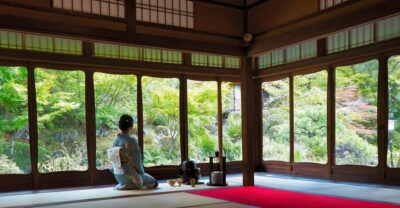
Tea Ceremony in a Traditional Tea House in Kiyomizu
Read our review →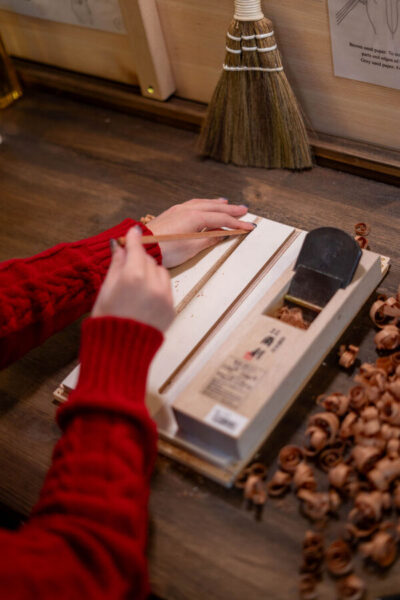
Gion Make Your Own Chopsticks with Engraving Option
Read our review →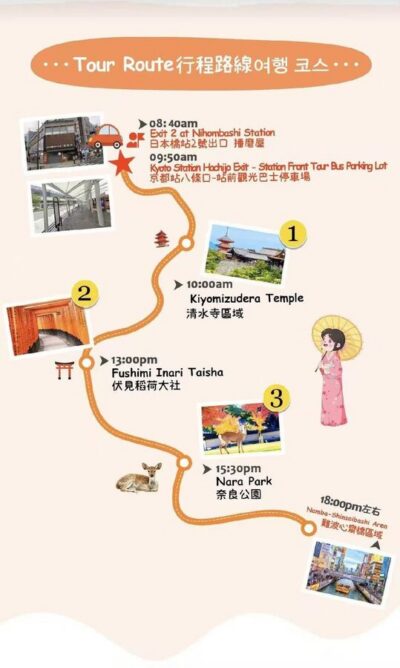
Kyoto Nara Day Trip │ Kiyomizu-dera Temple + Fushimi Inari-taisha Shrine + Nara Park (Departing from Osaka/Kyoto)
Read our review →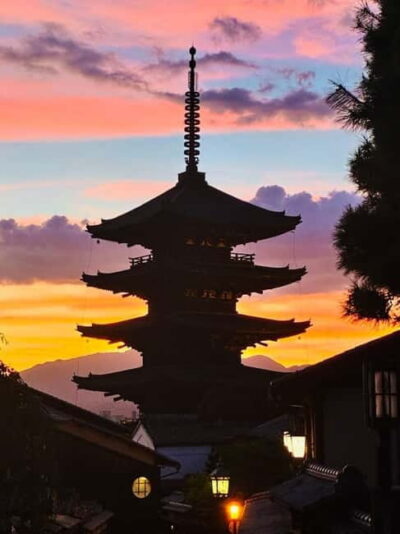
Kyoto Geisha Walking Tour: Gion District & Hidden Gems
Read our review →