Reviewed · KYOTO TOURS
Scenic Green Tea Fields of Hidden Kyoto & Local Tea Exp (Private)
Tea country is Kyoto’s best-kept surprise. This private outing leaves the city behind for Wazuka and Ujitawara, where carefully planted tea fields climb the hills in neat green waves. I like the mix of quiet countryside and major sights, especially the contrast between Byodo-in’s famous Phoenix Hall and the smaller rural temples.
I also like the flexible private format. Daiki, the guide most often named in the feedback, is praised for his warmth, patience, history knowledge, and willingness to adjust the day. The main drawback is the driving: with five and a half hours covering several distant stops, this is a road-based sightseeing day, not a slow tea workshop. Admissions and tea purchases cost extra, too.
In This Review
- Key reasons to consider this private Kyoto tea tour
- Why Kyoto’s tea country is worth the drive
- Byodo-in Phoenix Hall and the 10-yen coin
- A local tea cafe in Wazuka
- Ishitera and Ujitawara tea fields
- Shoju-in and the famous heart window
- A guide who shapes the day
- Van or convertible Mini Cooper?
- Is $250.38 good value?
- Who will enjoy this day most?
- Timing, weather, and practical advice
- Should you book Scenic Green Tea Fields of Hidden Kyoto?
- FAQ
- How long does the tour last?
- What time does the tour start?
- Is pickup included?
- What vehicle is used?
- Are admission fees included?
- Is tea or coffee included?
- Can children or most adults participate?
- Can the itinerary change?
Key reasons to consider this private Kyoto tea tour
- Byodo-in Phoenix Hall: See the temple printed on Japan’s 10-yen coin and connect Kyoto’s tea country with Buddhist art and architecture.
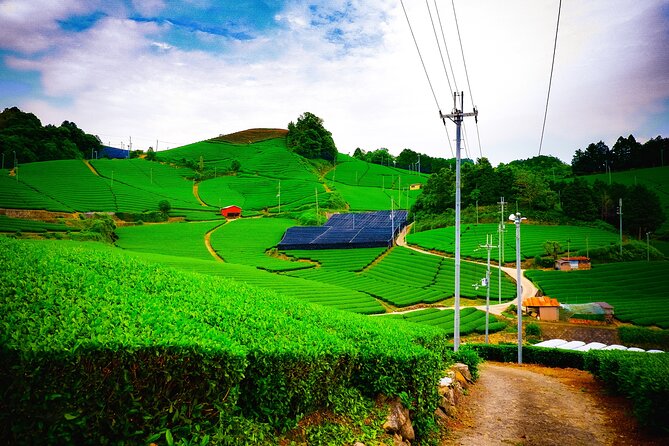
- Wazuka’s tea fields: Visit the famous Ishitera plantations, where geometric rows rise across the hills and make excellent photographs.
- Local tea and matcha: Stop at a farmer-supplied cafe for tea and matcha sweets, then shop for premium tea at prices described as far below those in Kyoto’s city center.
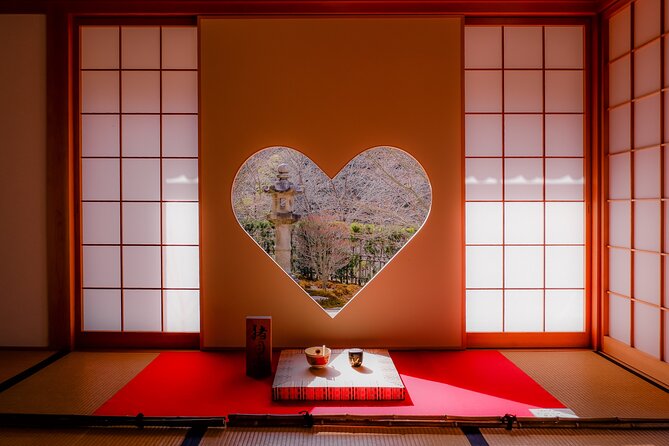
- Shoju-in’s heart-shaped window: Reach a quiet countryside temple known for its distinctive tea-room window.
- Private transport: Ride in an air-conditioned Nissan van for groups of two to six, or a convertible Mini Cooper if you are traveling alone.
- Flexible pickup: Pinpoint pickup and drop-off are offered, with the option to begin and end in different places.
Why Kyoto’s tea country is worth the drive
Central Kyoto gives you grand temples, crowded lanes, and easy access to famous tea shops. Wazuka and Ujitawara offer something different: working tea country, long mountain roads, cedar groves, small shrines, and broad views that are difficult to reach by public transport.
The tea fields are not wild. Their beauty comes from order. Rows of tea bushes follow the curves of the hills, creating strong lines and repeating patterns. In good weather, the effect is almost unreal. The tour description presents these views as attractive all year, including winter, when the evergreen plants still provide color.
I like this setting because it gives tea a proper sense of place. You are not simply buying matcha in a polished shop. You are seeing the hills where the crop is grown and visiting a cafe supplied by local farmers. That connection makes the tea tasting feel more meaningful.
The trade-off is distance. The tour begins at 1:00 pm and lasts about five and a half hours, so the schedule depends on road conditions, traffic, closures, and the time spent at each stop. You will see a lot, but you should not expect long, unhurried visits at every location.
A few more options to weigh up in Kyoto
- PERFECT KYOTO 1-Day Bus Tour
★ 5.0 · 13,518 reviews - [Kyoto & Nara Day Tour] Sagano Scenic Railway & Nara Park & Fushimi Inari Taisha Thousand Torii Gates & Togetsukyo Bridge & Bamboo Grove & Kimono Forest (Departing from Osaka)
★ 4.9 · 10,942 reviews - Kyoto: Fushimi Inari, Kinkakuji, Bamboo Grove 1 Day Bus Tour
★ 4.8 · 4,316 reviews
Byodo-in Phoenix Hall and the 10-yen coin
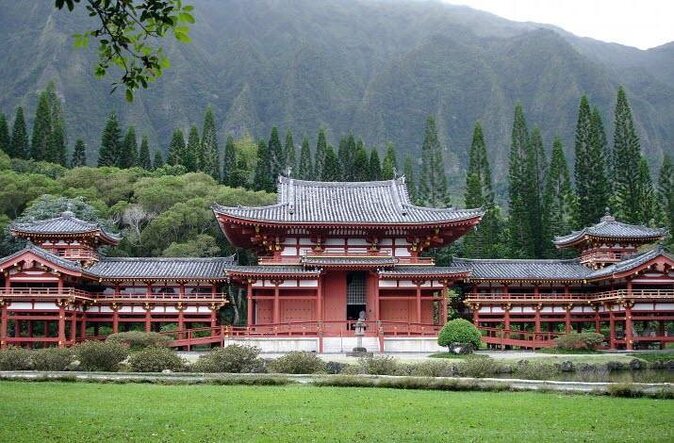
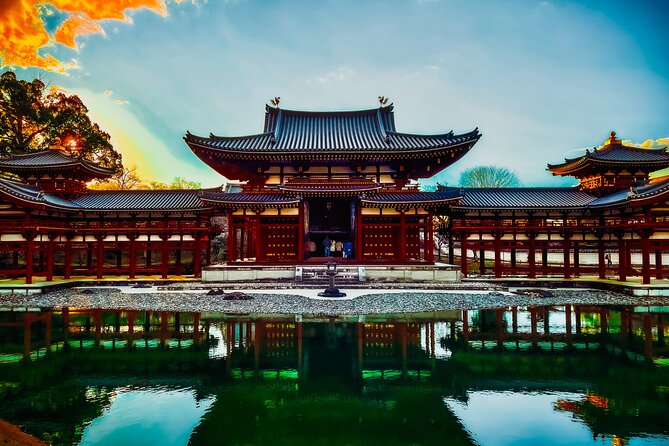
The day begins at Byodo-in Temple, one of Kyoto’s most recognizable Buddhist sites. Its Phoenix Hall is shown on Japan’s 10-yen coin, and seeing the real building gives that familiar piece of currency a new meaning.
The hall was built to represent the Buddhist Pure Land, or paradise, on earth. Its graceful form and position beside the water make it one of Japan’s most memorable temple views. The building has also survived centuries of war and upheaval, which adds weight to the visit without requiring a long museum lecture.
You have about two hours here, the longest single stop on the tour. That allows time to see the temple grounds at a reasonable pace and take photographs. It also gives Daiki room to explain the links between Buddhist practice, samurai culture, monks, and the development of tea in Japan.
The admission fee is not included. The listed cost is ¥600 per person. That is a modest extra for one of Japan’s major cultural sights, but you should include it in your budget, especially if everyone in your group wants to enter.
A local tea cafe in Wazuka
After Byodo-in, the tour moves into Wazuka tea country. The planned cafe stop lasts about one hour and has no admission fee, though your own tea, coffee, and food purchases are separate.
This is where the tour’s central theme becomes more than scenery. You can taste Japanese green tea and matcha in the area associated with high-grade production. The experience also includes matcha desserts, giving you a softer and more accessible introduction if strongly brewed tea is not your thing.
The description places special emphasis on Wazuka tea as especially pure and authentic, even when compared with the better-known Uji name. I would treat that as the local focus of the experience rather than a scientific ranking. Uji tea has a famous reputation, but Wazuka gives you direct contact with a producing community and the chance to buy tea closer to its source.
Shopping is part of the appeal. Premium tea is described as costing about one-half to one-third of city prices. Prices can vary by product, so you should still ask about the type and grade of tea before buying. A sealed packet is an easy souvenir, and it is far more useful than another generic Kyoto trinket.
Ishitera and Ujitawara tea fields
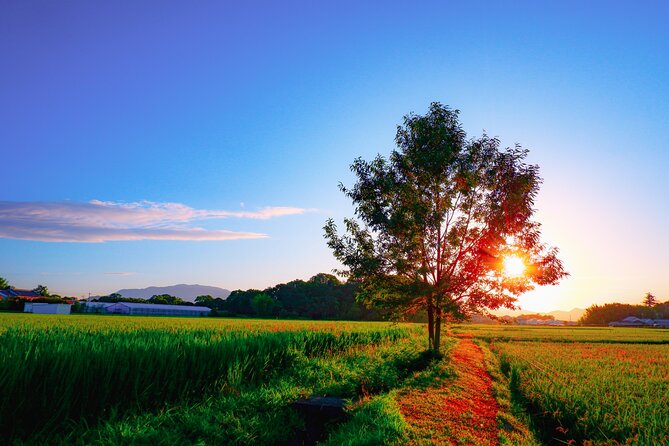
The Ishitera Tea Plantation stop is short, around 30 minutes, but it may be the visual high point of the day. The planted rows are the classic image of Kyoto’s tea country, with the fields appearing to run upward toward the sky.
Bring your camera, but do not spend the entire stop looking through it. The appeal is not one isolated viewpoint. It is the shape of the entire hillside, the clean rows, and the silence of a working agricultural area.
Another 30-minute stop takes you to Ujitawara, a major tea-producing area associated with the invention of Japanese green tea and matcha. You stop at a beautiful tea field where you can walk within one farm and take photographs.
That walking access matters. Many scenic tea views are seen from a road or distant overlook. Here, you have a closer look at the plants and the way the field is laid out. The walk is short, and the tour notes that some stairs and walking are required, so comfortable shoes are sensible.
The short timing also tells you what this tour is designed to do. It gives you a strong introduction to the area, rather than a detailed agricultural lesson. If you want to learn about pruning, harvest dates, shading methods, or tea processing, ask Daiki directly and use the driving time well.
A completely different kind of day out:
- Kyoto: Tea Ceremony in a Traditional Tea House in Kiyomizu
★ 4.9 · 3,519 reviews - Kyoto: Gion Make Your Own Chopsticks with Engraving Option
★ 5.0 · 3,465 reviews - Kyoto Nara Day Trip │ Kiyomizu-dera Temple + Fushimi Inari-taisha Shrine + Nara Park (Departing from Osaka/Kyoto)
★ 4.7 · 3,408 reviews - Kyoto Geisha Walking Tour: Gion District & Hidden Gems
★ 4.7 · 3,273 reviews
Shoju-in and the famous heart window

The final listed stop is Shoju-in, also spelled Seijuin in the supplied information. This countryside temple is about an hour from central Kyoto, and the visit lasts around 90 minutes.
Its best-known feature is a heart-shaped window in the tea room. It is an easy image to remember, but the temple’s setting is equally important. You are reaching a quiet southern part of Kyoto, far from the city’s main temple circuit.
The admission fee is ¥1,000 per person and is not included. That makes this the larger of the two required entrance costs. Together, Byodo-in and Shoju-in add ¥1,600 per person, before any tea, coffee, dessert, or shopping.
The tour notes that seasonal routes may change. During cherry blossom, plum blossom, or autumn-leaf periods, the guide may offer a special course. That sounds appealing, but it also means the exact order or stops may shift with conditions. You should see the advertised route as a strong outline, not an unchangeable promise.
A guide who shapes the day
A private countryside trip depends heavily on the guide. Daiki is the name attached most often to this experience, and his role appears to be a major reason the day works so well.
You can expect plenty of explanation about Japanese culture, tea, temples, monks, samurai, and the old connections between tea and rural life. Just as useful, Daiki is described as patient with photography and considerate about drop-off plans. One unusual practical touch is the ability to finish near a restaurant, allowing you to go straight to dinner rather than returning to the original pickup point.
The private setup gives you more room to ask questions and adjust the pace. A family can spend longer taking photographs. A solo visitor can enjoy a more personal day in the Mini Cooper. A group can use the van as a comfortable base between stops.
There is also evidence that Daiki sometimes adds an extra shrine or changes the route when conditions allow. You should not assume bonus stops are guaranteed, but the format leaves room for local judgment. That is more useful than a rigid bus schedule when roads, crowds, or closures affect the day.
Van or convertible Mini Cooper?
Transport is included, along with fuel and highway fees. Groups of two to six use an air-conditioned Nissan van. Solo participants use an open-air convertible Mini Cooper.
For most people, the van is the practical choice. It gives a small group room to spread out and offers protection from heat or rain. One account specifically describes the vehicle as comfortable for three American-sized men and one woman, which is helpful if you worry about cramped seating.
The Mini Cooper is a different experience. It is a fun option for a solo visitor who enjoys the road as part of the day, though the open-air design may be less appealing in poor weather. The vehicle choice is not just a transport detail. It changes the mood of the tour.
Pickup and drop-off are described as pinpoint services, and different start and end points can be arranged. The exact pickup area should be confirmed when booking, but this flexibility can save time and make the tour easier to fit around dinner plans.
Is $250.38 good value?
The listed price is $250.38 per group of up to six, not per person. That makes a major difference.
For six people, the base cost works out to roughly $42 per person before admissions and personal purchases. For two people, it is about $125 each. For a solo visitor, the full group price is much harder to justify, although the convertible Mini Cooper and private attention add something distinctive.
The price includes a private vehicle, driver-guide service, fuel, highway fees, and pickup and drop-off. You are paying for access to places that would be awkward to connect by train and bus in a single afternoon. You are also paying for the time saved by having someone else handle the roads.
The value is strongest for groups of three to six, families, and anyone who wants countryside sights without renting a car. It is less compelling if your main goal is simply to taste matcha, since Kyoto has many tea shops that cost far less.
Add ¥600 per person for Byodo-in and ¥1,000 per person for Shoju-in. Your own cafe orders are extra, and tea shopping is entirely optional. The tour remains reasonably priced for a full private vehicle, but the final cost should include these add-ons.
Who will enjoy this day most?
I would choose this tour if you have already seen several central Kyoto temples and want a change of pace. It suits people who value scenery, local tea, photography, and a flexible guide more than a tightly scripted educational workshop.
It is especially useful for:
- Families who need private transport and an adjustable pace
- Small groups splitting the vehicle price
- Solo visitors who like the Mini Cooper format
- Tea fans who want to see producing areas
- Photographers seeking unusual views outside central Kyoto
- Visitors who cannot easily manage several rural train and bus connections
You should think twice if you dislike car rides, need a fully accessible route, or want to spend most of the day sitting for a formal tea ceremony. Short walks and stairs are part of the experience, and the schedule covers a wide rural area.
Most participants can take part, and service animals are allowed. Still, the supplied details do not promise step-free access at every temple or tea field, so ask before booking if mobility is a concern.
Timing, weather, and practical advice
The 1:00 pm start makes this easy to fit into a Kyoto morning. You can visit a central sight, eat lunch, then meet the vehicle for the countryside portion. The day finishes around 6:30 pm if it follows the advertised five-and-a-half-hour duration, though road conditions can affect the schedule.
Wear shoes suitable for short walks and stairs. Carry water, a phone charger, and room in your bag for tea. A camera with a wide view is useful at the fields, while a small umbrella or light rain layer is sensible because the tour runs in changing weather.
Keep some flexibility around dinner. The guide may be able to drop you near a restaurant, but you should not plan a reservation so tight that a traffic delay causes trouble. The same advice applies to evening trains or shows.
The tour has a 4.9 rating from 32 published ratings and a 97 percent recommendation rate. Those numbers suggest strong satisfaction, but the real pattern is more useful: the praise centers on Daiki’s energy, patience, local explanations, comfortable driving, and the chance to reach places that are hard to see without a car.
Should you book Scenic Green Tea Fields of Hidden Kyoto?
Book it if you want tea country rather than another city temple, and if your group can share the private vehicle cost. The strongest parts are the Ishitera and Ujitawara fields, the local tea stop, and the freedom to connect distant sights in one afternoon.
For a solo visitor, the price requires more thought, but the private Mini Cooper option gives the day a special character. For two people, it is a pleasant splurge. For four to six, the value becomes much better.
Skip it if you want a slow, single-location tea ceremony or if long drives are not your idea of fun. Otherwise, this is one of the more practical ways to see Kyoto’s rural tea-growing country, especially with Daiki’s personal guidance and the option to finish near dinner.
FAQ
How long does the tour last?
The tour lasts approximately five hours and 30 minutes.
What time does the tour start?
The scheduled start time is 1:00 pm.
Is pickup included?
Yes. Pinpoint pickup and drop-off are included, and a different starting point and ending point can be arranged.
What vehicle is used?
Groups of two to six use an air-conditioned Nissan van. Solo participants use an open-air convertible Mini Cooper.
Are admission fees included?
No. Byodo-in admission is listed at ¥600 per person, and Shoju-in admission is listed at ¥1,000 per person.
Is tea or coffee included?
No. Your own coffee, tea, cafe orders, and tea purchases are not included.
Can children or most adults participate?
Most participants can take part. The tour includes short-distance walking and stairs.
Can the itinerary change?
Yes. The route may change because of unexpected closures, road conditions, crowd levels, or seasonal offerings such as cherry blossoms, plum blossoms, and autumn leaves.
Just added in Kyoto
- The “Golden Route” and Ancient Japan by DIAMIR Erlebnisreisen – 14-Day Tour★ 2.0 · 2 reviews
- Japan: Castles & Cuisine by G Adventures – 6-Day Kyoto to Osaka Tour★ 4.5 · 4 reviews
- Cycle Japan by Explore! – 13-Day Kyoto to Tokyo Tour★ 4.7 · 12 reviews
- Cycle Japan by Intrepid Travel – 11-Day Kyoto to Tokyo Tour★ 4.8 · 2 reviews
- Classic Japan by Intrepid Travel – 11-Day Kyoto to Tokyo Tour★ 4.4 · 14 reviews
- Ancient & Modern Japan 14-Day Tour by Exodus Adventure Travels★ 4.4 · 40 reviews
- 5 Day Cultural Adventure of Kyoto, Nara & Osaka by Tourist Journey★ 2.5 · 2 reviews
- 12 Days Kinosaki Onsen Escape: A Journey Through Japan’s Timeless Towns by UME Travel★ 4.8 · 5 reviews
Kyoto Tours, compared.
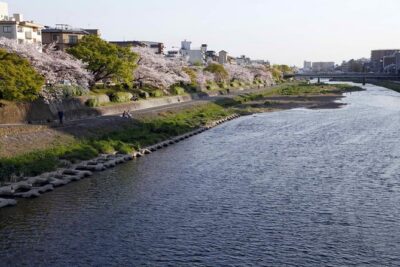
![[Kyoto & Nara Day Tour] Sagano Scenic Railway & Nara Park & Fushimi Inari Taisha Thousand Torii Gates & Togetsukyo Bridge & Bamboo Grove & Kimono Forest (Departing from Osaka)](https://media.japanvisits.com/wp-content/uploads/kyoto-nara-day-tour-sagano-scenic-railway-nara-park-fushimi-inari-taisha-thousand-torii-gates-togetsukyo-bridge-bamboo-grove-kimono-forest-departing-from-osaka-k110001-400x257.jpg)
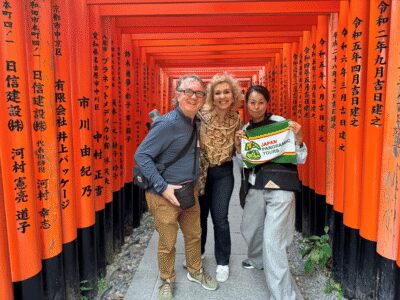
Fushimi Inari, Kinkakuji, Bamboo Grove 1 Day Bus Tour
Read our review →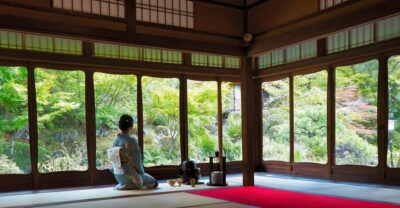
Tea Ceremony in a Traditional Tea House in Kiyomizu
Read our review →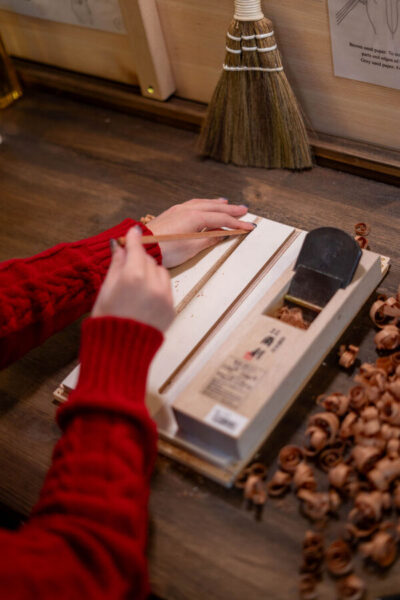
Gion Make Your Own Chopsticks with Engraving Option
Read our review →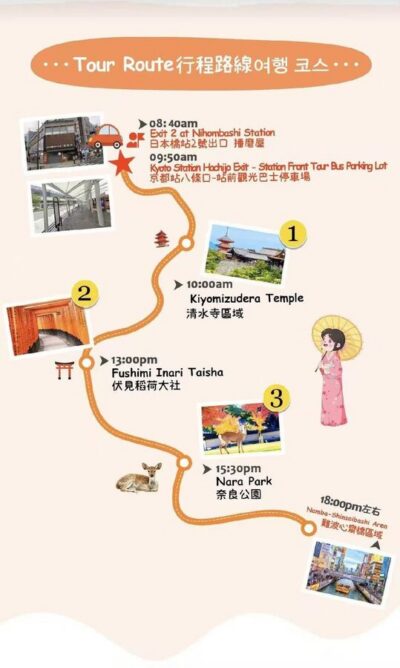
Kyoto Nara Day Trip │ Kiyomizu-dera Temple + Fushimi Inari-taisha Shrine + Nara Park (Departing from Osaka/Kyoto)
Read our review →
Kyoto Geisha Walking Tour: Gion District & Hidden Gems
Read our review →