Reviewed · KYOTO TOURS
SHIRAKAWA Japanese Culture Experiences with private English staff
Kyoto gets personal here. This three-hour experience brings you into Furukawacho Shopping Arcade, a local market lined with lanterns, small shops, and everyday food culture. I like the choice of hands-on activities, especially learning knife sharpening from an artisan with 26 years of experience and cooking obanzai with chef-owner Nishimura.
I also like the private format. Your group of two to six people has its own English-speaking staff member, so you can ask questions without trying to follow a large class. The main drawback is that you must choose only two workshops, and your preferred choices depend on availability. The $98.53 price is fair for a private English-supported session, but it is not a bargain if you prefer to simply watch rather than take part.
In This Review
- Key points at a glance
- Entering Furukawacho Shopping Arcade
- Choosing two workshops from three
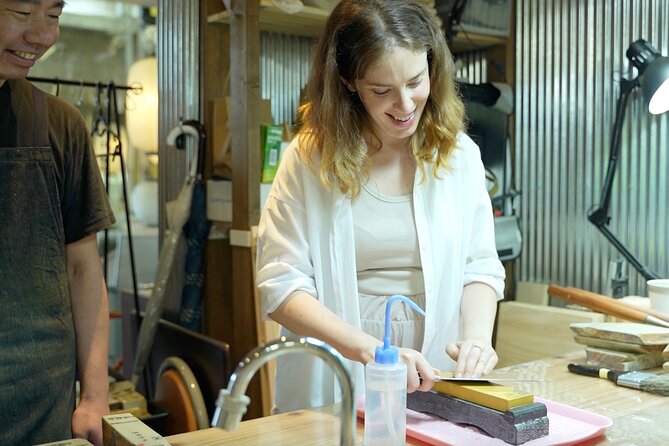
- Knife sharpening with a 26-year artisan
- Obanzai cooking with Kyo-gohan Nishimura
- Calligraphy and your one-of-a-kind hanging scroll
- Why the private English staff matters
- Is $98.53 a fair price?
- Timing, booking, and the group limit
- Who should book this Kyoto experience?
- Final verdict: a small Kyoto experience with real substance
- FAQ
- Where does the experience take place?
- How long does the experience last?
- How many workshops can I take?
- How long is the knife sharpening workshop?
- How long is the obanzai cooking workshop?
- How long is the calligraphy workshop?
- Is English assistance provided?
- How many people can join?
- Is transportation included?
Key points at a glance
- A real local setting: Furukawacho Shopping Arcade is described as the kitchen and daily base of the Shirakawa community, not a purpose-built tourist venue.
- Three distinct workshop choices: Pick two from knife sharpening, obanzai cooking, and Japanese calligraphy.
- Private English support: An English-speaking staff member attends every workshop for your group.
- A rare artisan lesson: The knife session is taught by a craftsperson with 26 years of sharpening experience.
- Small group limit: The activity accepts groups of two to six people only.
- Plan your choices early: The experience is booked about 39 days ahead on average, and workshop availability can affect your selection.
Entering Furukawacho Shopping Arcade
The experience begins at Furukawashuzo, at 546-1 Furukawachō in Kyoto’s Higashiyama Ward. The activity takes place in and around Furukawacho Shopping Arcade, a covered shopping street in the Shirakawa area.
The arcade’s theme is Retro and Modern. That idea makes sense here: lanterns hang from the roof, while the shops continue to serve the practical needs of local residents. You are not being led through a stage set made only for tourists. You are spending time in a place tied to food shopping, home cooking, and neighborhood life.
I like this setting because it gives the workshops a useful backdrop. Knife sharpening connects to the cooking tools used in Japanese kitchens. Obanzai connects directly to the ingredients sold nearby. Calligraphy offers a quieter look at a Japanese art form, but you still begin and end in a working neighborhood.
The meeting point is near public transportation, though private transportation is not included. You will need to make your own way to the arcade. The experience finishes back at the meeting point, which makes it easier to continue exploring the Higashiyama area afterward.
A few more options to weigh up in Kyoto
- PERFECT KYOTO 1-Day Bus Tour
★ 5.0 · 13,518 reviews - [Kyoto & Nara Day Tour] Sagano Scenic Railway & Nara Park & Fushimi Inari Taisha Thousand Torii Gates & Togetsukyo Bridge & Bamboo Grove & Kimono Forest (Departing from Osaka)
★ 4.9 · 10,942 reviews - Kyoto: Fushimi Inari, Kinkakuji, Bamboo Grove 1 Day Bus Tour
★ 4.8 · 4,316 reviews
Choosing two workshops from three
You can select two of the three activities. The choice matters because each one gives you a different kind of contact with Kyoto culture.
Knife sharpening is practical and craft-focused. Obanzai cooking is food-centered and tied to household traditions. Calligraphy is slower and more personal, with a finished hanging scroll to take with you.
You should communicate your preferred choices by message. The booking is subject to availability, so you may not receive both of your first choices. If a chosen workshop cannot be arranged, the prepaid fee for that unavailable option is refunded to the card used for payment. The activity provider contacts you after booking, with confirmation subject to availability.
The two workshop durations do not all match. Knife sharpening and calligraphy take about 90 minutes each, while obanzai cooking takes about 70 minutes. Since the full experience lasts around three hours, allow time for moving between activities and getting set up.
Knife sharpening with a 26-year artisan
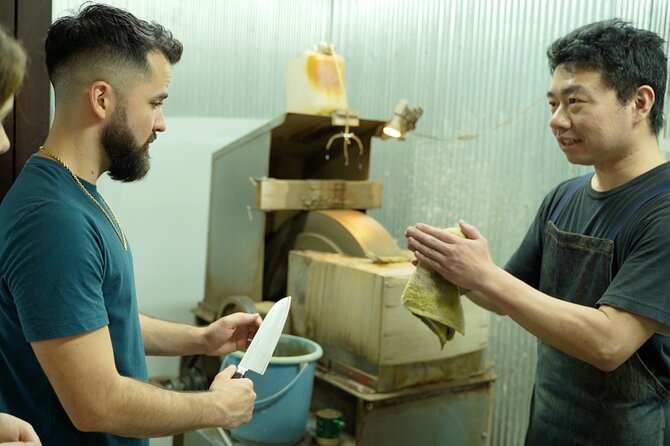
The knife sharpening workshop lasts about 90 minutes. You learn at a shop specializing in sharpening cutting tools on a whetstone, under the direction of an artisan with a 26-year career.
This is one of the most unusual choices. Many Japanese cultural activities focus on food, tea, or clothing. Here, you learn about the care of a tool that sits at the center of cooking. The lesson is not just about seeing a traditional skill. You are taught how to sharpen a knife properly, with the aim of making your own cooking more enjoyable afterward.
That practical result gives this workshop good value. You leave with a skill rather than only a photograph or a short performance. If you cook at home, the lesson may continue to be useful long after your Kyoto visit.
The session also fits the arcade’s local character. A specialist sharpening shop is part of the working life of a shopping street. You get a look at a trade that supports ordinary kitchens, not only ceremonial culture.
This choice may suit you best if you enjoy crafts, tools, and clear instruction. It may be less appealing if you want a completely relaxed activity with little hands-on work. The supplied details do not state whether you sharpen your own personal knife or use a workshop knife, so do not assume you can bring one from home.
Obanzai cooking with Kyo-gohan Nishimura
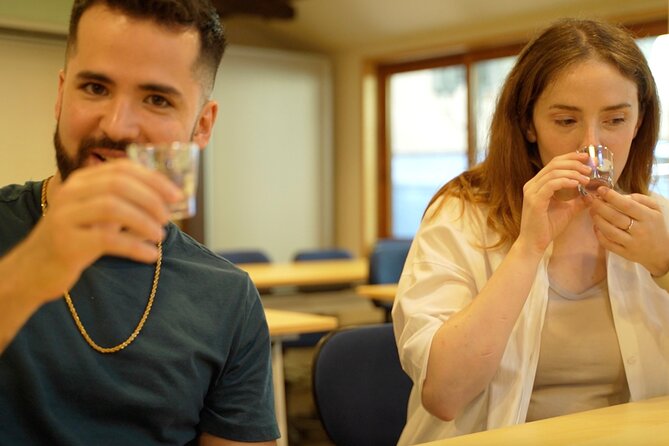
The obanzai workshop takes about 70 minutes and is led by the chef-owner of Kyo-gohan Nishimura, an obanzai shop in the arcade.
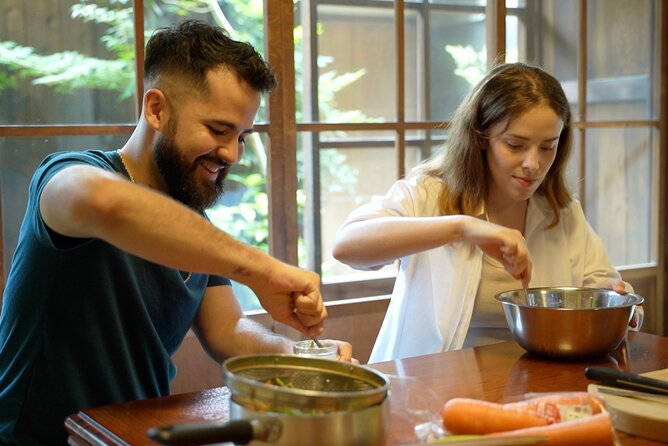
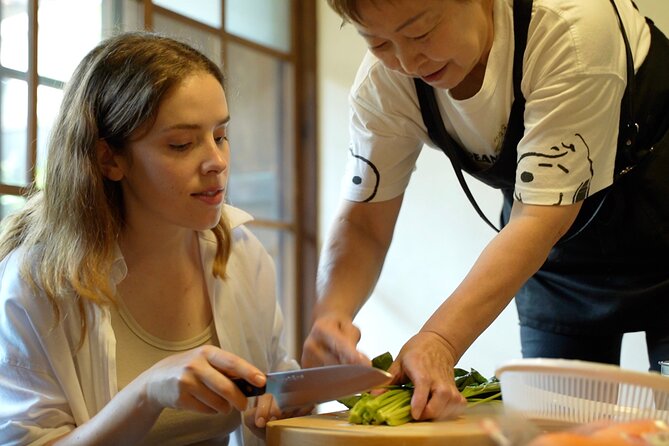
Obanzai is a Kyoto term for home-cooked dishes based on recipes passed through families. That description is important. This is not presented as a formal restaurant tasting or a generic Japanese cooking class. You buy ingredients from shops in the arcade, then prepare obanzai dishes with the chef-owner.
I like the way this activity connects shopping, cooking, and local food customs in one short session. You first see where ingredients come from, then learn how they become everyday dishes. The market is not just scenery around the class. It is part of the lesson.
Cooking with the chef-owner also gives the workshop a personal angle. Family recipes are often the most useful way to understand a food tradition because they show how people actually eat at home. You should expect a modest, practical food experience rather than an elaborate restaurant production.
This is the best choice for you if food is one of your main reasons for visiting Kyoto. It may also be the easiest workshop for families and mixed-age groups, though the activity does not specify age requirements. The session is short, so you should not expect to prepare a large menu or spend most of the afternoon cooking.
A completely different kind of day out:
- Kyoto: Tea Ceremony in a Traditional Tea House in Kiyomizu
★ 4.9 · 3,519 reviews - Kyoto: Gion Make Your Own Chopsticks with Engraving Option
★ 5.0 · 3,465 reviews - Kyoto Nara Day Trip │ Kiyomizu-dera Temple + Fushimi Inari-taisha Shrine + Nara Park (Departing from Osaka/Kyoto)
★ 4.7 · 3,408 reviews - Kyoto Geisha Walking Tour: Gion District & Hidden Gems
★ 4.7 · 3,273 reviews
Calligraphy and your one-of-a-kind hanging scroll
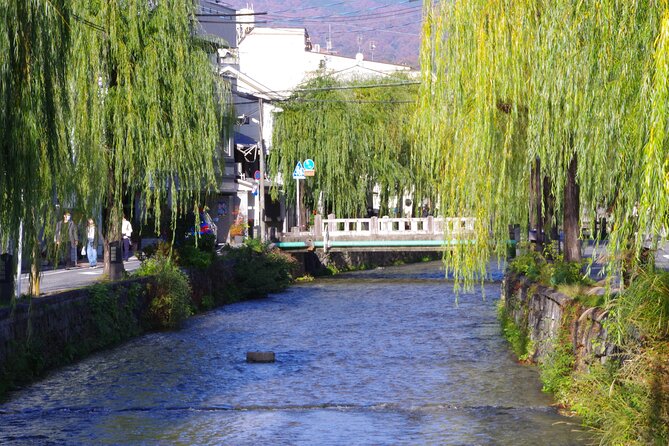
The calligraphy experience takes about 90 minutes. You learn the form of kanji and how to use the brush, ink, and suzuri, the traditional inkstone used to prepare ink.
After the instruction, you try writing kanji with a brush. You can ask the instructor how to write your name in kanji, then complete a one-of-a-kind hanging scroll.
This gives the workshop a clear keepsake. Instead of buying a mass-produced souvenir, you create something tied to the lesson and your own name. The finished scroll may be especially appealing if you want a quiet activity or a gift with a personal connection to Japan.
Calligraphy also asks for patience. Brush writing is controlled and deliberate, and the activity is more about learning form and handling materials than producing perfect art. I would choose it if you enjoy focused crafts and want a slower change of pace from sightseeing.
The description does not specify the size of the scroll, the exact number of characters, or whether all materials are included, so you should ask the English-speaking staff if those details matter to you.
Why the private English staff matters
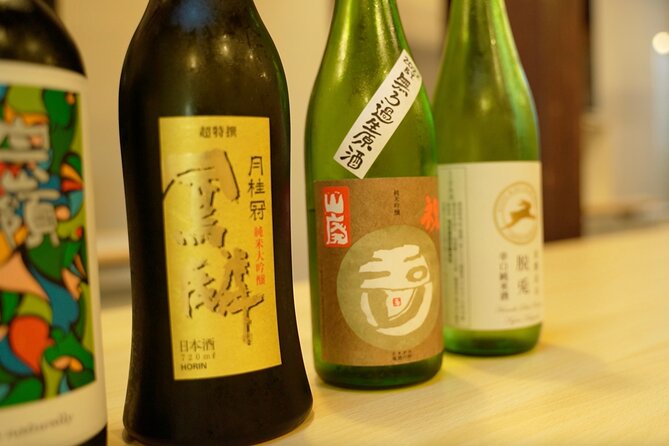
An English-speaking staff member attends all the workshops for each group. This is more useful than simple translation at the start and end of a class.
Knife sharpening involves technique. Obanzai involves ingredients, preparation, and family cooking customs. Calligraphy involves the shape of kanji and the handling of brush, ink, and inkstone. In each case, the chance to ask a question at the right moment can make the difference between merely copying an action and understanding it.
The private format also keeps the mood personal. Only your group takes part, with a limit of two to six people. You do not have to share the class with a large mixed group or wait for several unrelated parties to finish.
There is a small catch. The experience requires at least two people, so it does not suit a solo booking. It is also not designed for a large family reunion or a big group of friends. For couples, families, or a few companions, the size limit is a plus.
Is $98.53 a fair price?
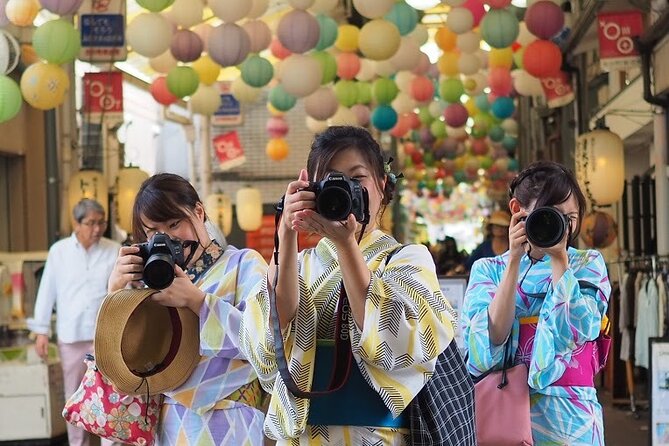
At $98.53 per person, this is not the cheapest way to spend three hours in Kyoto. You can walk through a shopping arcade or browse a local market for free. You can also find larger group workshops at lower prices.
The value here comes from the combination of two workshops, private participation, and English support. You are paying for instruction, not just entry. The knife session includes guidance from a specialist with 26 years of experience. The obanzai class includes shopping for ingredients and cooking with the chef-owner of Kyo-gohan Nishimura. The calligraphy class includes instruction and a personal hanging scroll.
I consider the price reasonable if you take an active interest in the activity you choose. It is less convincing if you mainly want a quick cultural photo opportunity. The more you ask questions and take part, the more the private format works in your favor.
The price does not include private transportation. Since the meeting point is near public transportation, that is usually manageable, but you should budget for your own route to and from Furukawachō.
Timing, booking, and the group limit
The experience lasts approximately three hours and ends where it begins. That makes it easy to fit into a Kyoto day, especially before or after time in Higashiyama.
It is booked about 39 days ahead on average, which suggests that you should not leave it until the last morning of your trip. The activity accepts groups of two to six only. Confirmation is sent within 48 hours of booking, subject to availability, and the provider also says it will contact you by email or message within three business days after payment.
Because your workshop choices are not guaranteed until availability is checked, I would decide on a first and second choice before booking. If you care most about one particular activity, such as knife sharpening, send that preference clearly in your message.
The cancellation terms are strict. The experience is non-refundable and cannot be changed for any reason after cancellation or an amendment request. That makes it wise to confirm your Kyoto schedule before paying.
Who should book this Kyoto experience?
I would recommend this activity to you if you want a small, hands-on introduction to Japanese culture in a neighborhood setting. It is especially well suited to:
- Couples or families looking for a private class
- Food-minded visitors choosing obanzai cooking
- Home cooks interested in knife care
- Anyone wanting a handmade calligraphy souvenir
- People who prefer local shops and practical traditions over major sights
I would think twice if you are traveling alone, need a flexible last-minute plan, or want to choose all three workshops. The strict cancellation rule also makes this a poor fit for an uncertain itinerary.
The best choice depends on your interests. Pick knife sharpening for a useful craft, obanzai for Kyoto food culture, and calligraphy for a calm activity with a personal object to take home.
Final verdict: a small Kyoto experience with real substance
This is a strong choice for a short cultural session because it links the place, the people, and the activity. You shop for cooking ingredients in the arcade, learn a family-style Kyoto recipe, work with a specialist knife sharpener, or practice calligraphy with personal guidance. Those connections make the experience feel more grounded than a standard demonstration.
I like the private English support and the small group limit most of all. You get room to ask questions, and the setting gives you a look at a local shopping street rather than a purely staged attraction.
Book it if you can commit to a group of two to six and accept some flexibility in your workshop choices. At $98.53, it earns its price through personal instruction and hands-on time. For a quick, authentic-feeling change from Kyoto’s major temples, this is worth considering.
FAQ
Where does the experience take place?
It takes place at Furukawacho Shopping Arcade in the Shirakawa area of Kyoto. The meeting point is Furukawashuzo, at 546-1 Furukawachō, Higashiyama Ward, Kyoto, 605-0026, Japan.
How long does the experience last?
The full experience lasts approximately three hours.
How many workshops can I take?
You can choose two workshops from three options: knife sharpening, obanzai cooking, and calligraphy.
How long is the knife sharpening workshop?
The knife sharpening workshop lasts about 90 minutes.
How long is the obanzai cooking workshop?
The obanzai cooking workshop lasts about 70 minutes.
How long is the calligraphy workshop?
The calligraphy workshop lasts about 90 minutes.
Is English assistance provided?
Yes. A private English-speaking staff member attends all workshops for your group.
How many people can join?
The experience accepts groups of two to six people only.
Is transportation included?
No. Private transportation is not included. The meeting point is near public transportation, and the activity ends back at that meeting point.
Just added in Kyoto
- The “Golden Route” and Ancient Japan by DIAMIR Erlebnisreisen – 14-Day Tour★ 2.0 · 2 reviews
- Japan: Castles & Cuisine by G Adventures – 6-Day Kyoto to Osaka Tour★ 4.5 · 4 reviews
- Cycle Japan by Explore! – 13-Day Kyoto to Tokyo Tour★ 4.7 · 12 reviews
- Cycle Japan by Intrepid Travel – 11-Day Kyoto to Tokyo Tour★ 4.8 · 2 reviews
- Classic Japan by Intrepid Travel – 11-Day Kyoto to Tokyo Tour★ 4.4 · 14 reviews
- Ancient & Modern Japan 14-Day Tour by Exodus Adventure Travels★ 4.4 · 40 reviews
- 5 Day Cultural Adventure of Kyoto, Nara & Osaka by Tourist Journey★ 2.5 · 2 reviews
- 12 Days Kinosaki Onsen Escape: A Journey Through Japan’s Timeless Towns by UME Travel★ 4.8 · 5 reviews
Kyoto Tours, compared.
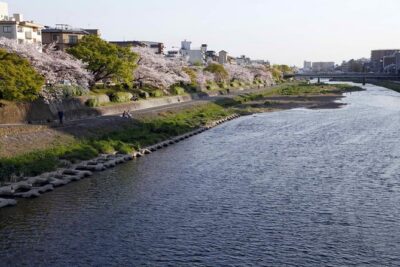
![[Kyoto & Nara Day Tour] Sagano Scenic Railway & Nara Park & Fushimi Inari Taisha Thousand Torii Gates & Togetsukyo Bridge & Bamboo Grove & Kimono Forest (Departing from Osaka)](https://media.japanvisits.com/wp-content/uploads/kyoto-nara-day-tour-sagano-scenic-railway-nara-park-fushimi-inari-taisha-thousand-torii-gates-togetsukyo-bridge-bamboo-grove-kimono-forest-departing-from-osaka-k110001-400x257.jpg)
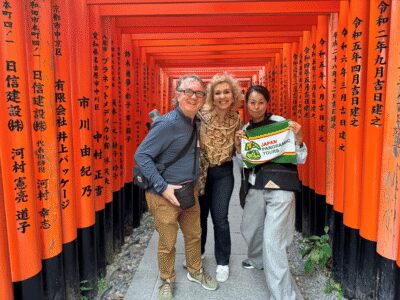
Fushimi Inari, Kinkakuji, Bamboo Grove 1 Day Bus Tour
Read our review →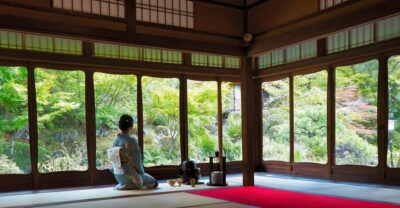
Tea Ceremony in a Traditional Tea House in Kiyomizu
Read our review →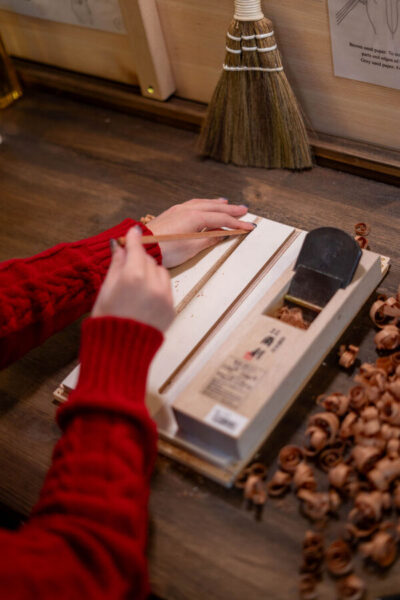
Gion Make Your Own Chopsticks with Engraving Option
Read our review →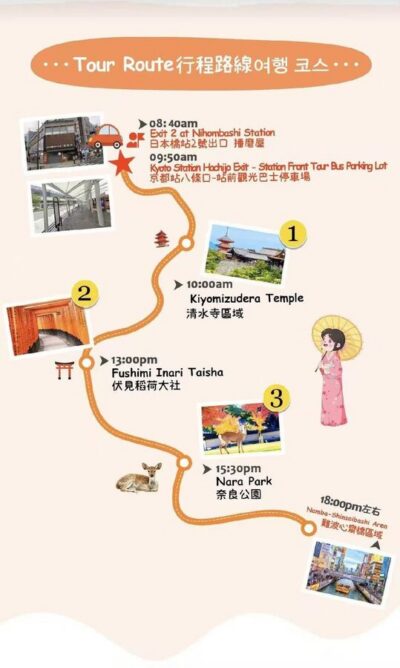
Kyoto Nara Day Trip │ Kiyomizu-dera Temple + Fushimi Inari-taisha Shrine + Nara Park (Departing from Osaka/Kyoto)
Read our review →
Kyoto Geisha Walking Tour: Gion District & Hidden Gems
Read our review →