
Reviewed · COOKING CLASSES
Small-Group Osaka-Style Okonomiyaki Cooking Class
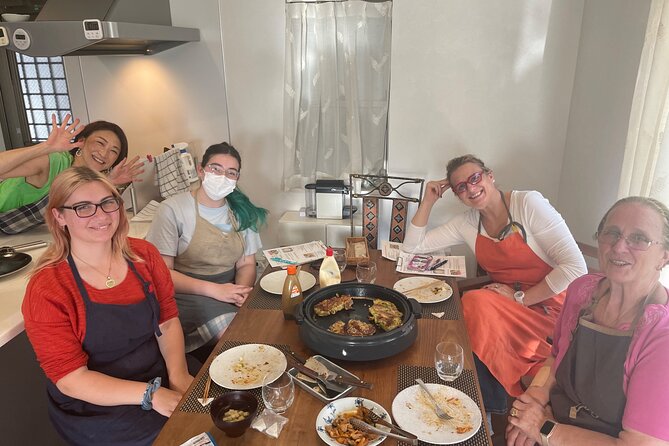
Come hungry, leave with a recipe. This two-hour class takes you to a local home near Asagaya, where Eri teaches you to make fluffy Osaka-style okonomiyaki rather than watching a formal kitchen demonstration. I like the five-person limit, which keeps the lesson personal, and I like the practical advice on ingredient substitutes, since you can recreate the dish after returning home. The main drawback is the price: at $150 per person, this is a costly two-hour activity, especially if you are comparing it with a casual meal in Tokyo.
The class also includes stir-fried pork and kimuchi while your okonomiyaki cooks, so you get more than one dish and a proper sit-down meal at the end. Vegetarian and vegan adjustments are available, but you should explain your needs when booking so the ingredients can be planned.
In This Review
- Key points at a glance
- Meeting Eri at Asagaya Station
- Learning the ingredients behind the batter
- Mixing, layering, and flipping your own okonomiyaki
- Making stir-fried pork and kimuchi while the pancake cooks
- Why the home setting changes the experience
- Vegetarian, vegan, and other dietary needs
- Is $150 a fair price for two hours?
- Timing, group size, and the pace of the visit
- Who should book this cooking class?
- Practical booking advice before you go
- Should you book the Asagaya okonomiyaki class?
- FAQ
- Where does the okonomiyaki cooking class meet?
- Where does the cooking take place?
- How long does the experience last?
- How many people can join?
- What food will I make?
- Can I choose the okonomiyaki fillings?
- Are vegetarian and vegan options available?
- Is the class taught in English?
- What is the cancellation policy?
Key points at a glance
- A real home setting: You leave the station area and cook in Eri’s home, giving the class a personal, homestay-like feel.
- Maximum of five people: The small size allows direct help with mixing, flipping, fillings, and toppings.
- Build your own okonomiyaki: You can choose what goes inside, with support from the instructor.
- Useful cooking advice: Eri explains dashi, sauce, texture, and substitutions for ingredients that may be difficult to find outside Japan.
- Extra dishes included: While the okonomiyaki cooks, you prepare stir-fried pork and kimuchi.
- Vegetarian and vegan options: Dietary adjustments can be made with advance communication.
Meeting Eri at Asagaya Station
Your meeting point is NewDaysJapan outside the ticket gates at JR Asagaya Station. The listed location is on the second-floor outside concourse at Asagayakita 3-chome, Suginami City, Tokyo, postal code 166-0004.
This is an ordinary station meeting point, not a major sightseeing landmark. Pay close attention to the exact instructions, since Asagaya is a neighborhood station and the meeting area may feel less obvious than a large central Tokyo terminal. The activity is near public transportation, which makes it practical to reach by train.
From the station, the class takes place at Eri’s home. One participant described the ride as short, while another needed a pickup and return because the house was a little farther from the station. That means the final transfer can vary, so confirm the meeting instructions and transport arrangement before the day of the class.
The move from station platform to private home is important. You are not entering a purpose-built cooking studio designed for a steady flow of tourists. You are being welcomed into someone’s everyday setting. That can make the experience warmer and more personal, though it also means you should expect a home environment rather than a polished commercial classroom.
More Cooking Classes in Tokyo
- Sushi Making Tokyo Roll and Authentic Japanese Sushi Class
★ 5.0 · 3,971 reviews - Tokyo: Roll and Authentic Sushi Making Class in Asakusa
★ 4.9 · 1,957 reviews - Tokyo Shinjuku Chopsticks Making Class
★ 5.0 · 1,763 reviews
Learning the ingredients behind the batter
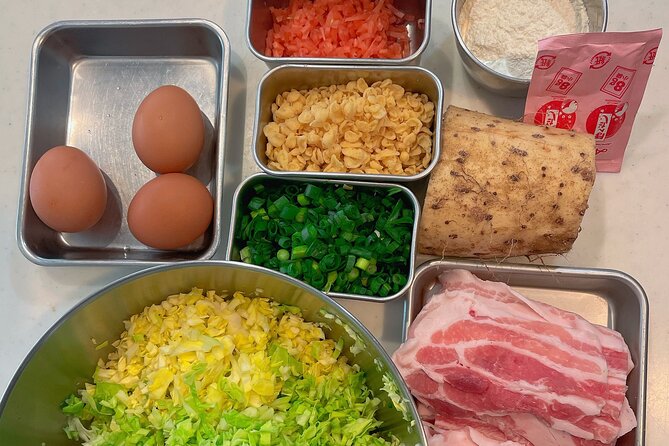
The lesson begins with an explanation of Japanese ingredients used in okonomiyaki. Dashi and sauce receive particular attention, along with the ingredients that give the pancake its savory taste.
This is where the class offers value beyond a simple meal. Okonomiyaki looks easy at first glance, but texture depends on how you combine and cook the mixture. Eri explains ways to make it fluffy and points out common mistakes. One participant discovered that several steps used at home were not quite right, which is useful if you have already tried making okonomiyaki yourself.
You also learn about substitutions. That matters because some Japanese ingredients can be difficult to find once you leave Japan. Eri explains how to adjust the recipe when you cannot locate the exact item in your own country. I would pay close attention here and take notes, especially if your main reason for booking is to cook the dish again at home.
The word okonomiyaki roughly suggests cooking ingredients as you like, and the class follows that idea. You choose the fillings with Eri’s help instead of receiving one fixed recipe. This gives you room to think about flavor, texture, and dietary needs while still having guidance close by.
Mixing, layering, and flipping your own okonomiyaki
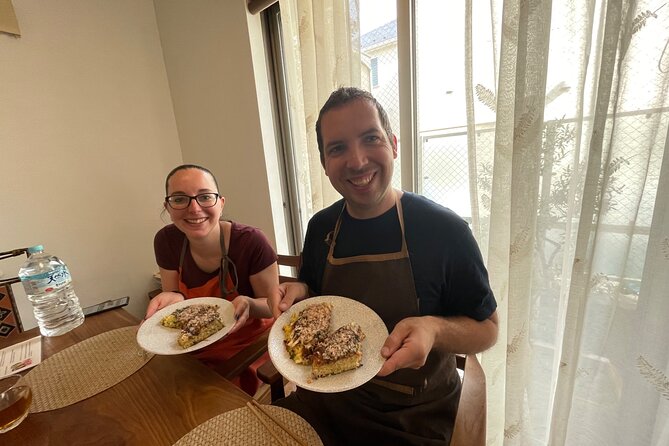
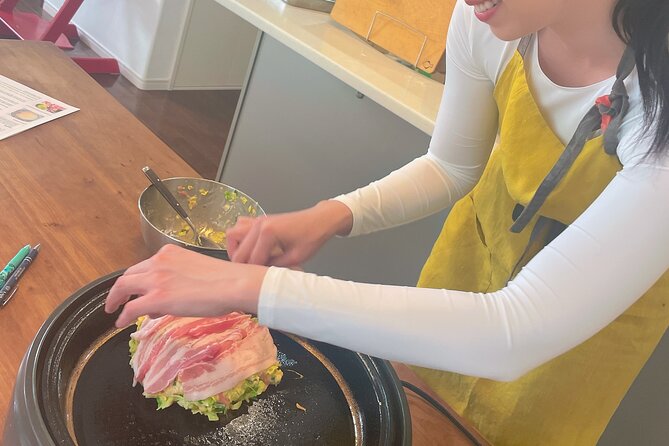
The hands-on part is the heart of the activity. You layer the ingredients, cook the pancake, turn it over, and add toppings once it is ready.
Flipping is the moment that can make a home cook nervous. Eri gives you support, so you are not left to guess when the pancake is ready or how to turn it without breaking it apart. That direct help is one reason the five-person limit matters. In a larger class, you could spend much of the lesson waiting for an instructor to reach your cooking surface.
The format also suits people with different levels of kitchen confidence. If you are new to Japanese cooking, you can follow a clear demonstration and receive help as you go. If you already make okonomiyaki, you can use the lesson to correct your technique and compare your usual method with Eri’s approach.
Fillings are flexible, but the supplied details do not specify a full ingredient menu. I would not assume every possible filling is available. Instead, think of the choice as guided flexibility: you can enjoy the dish according to your preferences, with adjustments made where possible.
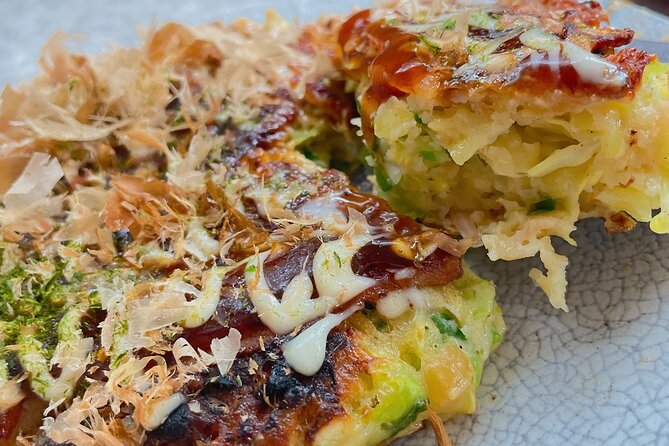
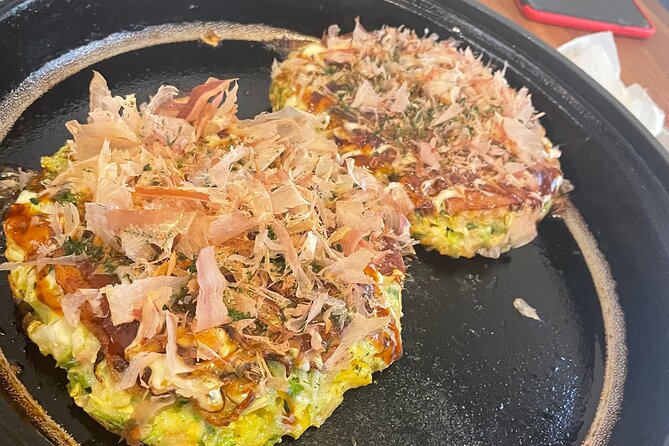
Once the okonomiyaki is cooked, you add toppings and sit down to eat. The familiar finishing touches are part of the fun, since the dish changes from a plain pancake into a colorful, savory meal at the table.
Making stir-fried pork and kimuchi while the pancake cooks
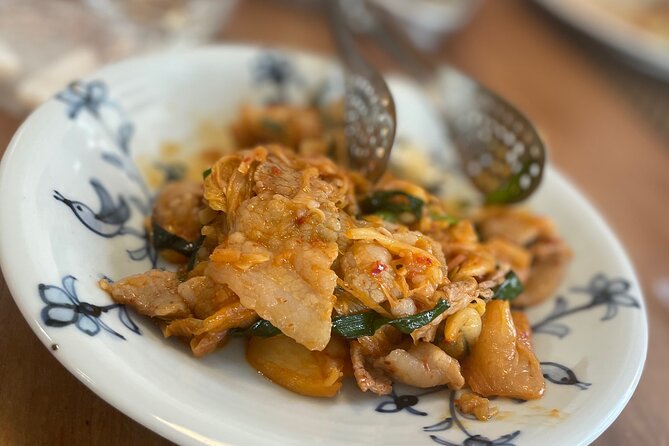
Okonomiyaki needs cooking time, so the lesson uses that pause well. While you wait, you prepare stir-fried pork and kimuchi.
This extra dish adds a second flavor profile to the meal. The pork is described as savory, while the kimuchi brings a sharper, fermented note. It also gives you something active to do instead of simply watching the okonomiyaki on the cooking surface.
The additional recipe makes the $150 price easier to understand, though it does not remove the fact that this is an expensive short activity. You are paying for instruction, a very small group, a home visit, ingredients, and a shared meal, not just for two hours of kitchen time.
At the end, you say itadakimasu and eat what you have prepared. That small tradition helps turn the class into a meal rather than a technical lesson. You are not rushing off immediately after flipping the pancake. The food you make is the payoff.
A completely different kind of day out:
- Tokyo Disney Resort – Tokyo Disneyland & Tokyo DisneySea Park Tickets
★ 4.8 · 99,488 reviews - SHIBUYA SKY Ticket
★ 4.7 · 46,509 reviews - JR Whole Japan Rail Pass
★ 4.8 · 29,150 reviews - Mt Fuji and Hakone 1-Day Bus Tour Return by Bullet Train
★ 5.0 · 26,383 reviews
Why the home setting changes the experience
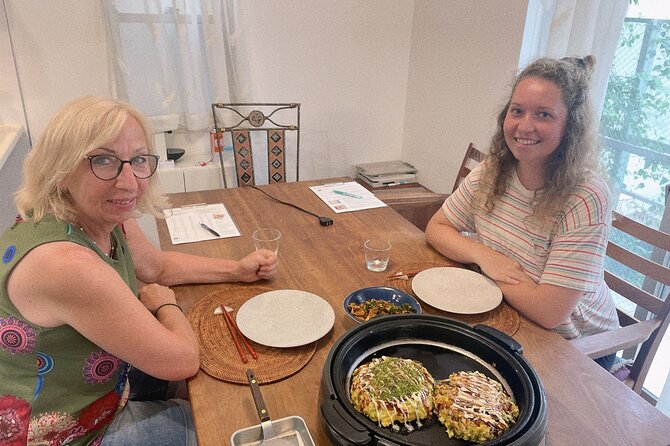
A home cooking class has a different rhythm from a studio class. Eri welcomes you into her daily life and enjoys talking with people from other countries. Her English is described as good enough for questions and instruction, so you can ask about ingredients, methods, and substitutions during the process.
That personal contact is a strong reason to choose this activity. One participant brought a grandmother and found Eri patient and attentive with both of them. Another received a second recipe as a bonus after discussing how to make okonomiyaki at home. These details suggest that Eri adapts her teaching to the people in front of her rather than delivering a rigid speech.
Still, the home format is not for everyone. If you prefer a professional studio, a formal chef-led demonstration, or a large menu of set dishes, this may feel modest. The appeal lies in conversation and direct participation, not in a flashy venue.
The small group also means the experience can feel more like being invited into a household than joining a standard sightseeing activity. That is a plus if you want contact with ordinary Tokyo life. It is less useful if you only want a fast introduction to okonomiyaki before moving on to another attraction.
Vegetarian, vegan, and other dietary needs
Vegetarian and vegan options are available, and other dietary adjustments can be made. You should communicate those needs in advance rather than waiting until you arrive.
This point matters because dashi, sauces, pork, and kimuchi may contain ingredients that do not fit every diet. The supplied information confirms that adjustments are possible, but it does not provide a full list of substitutions or guarantee that every restriction can be handled.
If you are vegetarian or vegan, ask specifically how the dashi, sauce, kimuchi, and cooking ingredients will be changed. Eri has experience discussing vegetarian cooking, so the conversation should be useful, but clear advance communication is still the sensible move.
The flexible filling system is helpful here. You can choose what goes into your okonomiyaki with Eri’s support, rather than being locked into a single meat-based version.
Is $150 a fair price for two hours?
The listed price is $150 per person. That is high for a two-hour cooking activity in Tokyo, so the value depends on what you want from the experience.
If you judge it only by food quantity, it is not a bargain. A restaurant meal costs far less. The price makes more sense if you value the private-home setting, a maximum of five people, direct instruction, ingredient explanations, help with substitutions, and the chance to cook several items yourself.
You also receive more than a demonstration. You make okonomiyaki, prepare stir-fried pork and kimuchi, and eat the finished food. The practical lesson can continue paying off after your trip if you use Eri’s tips at home.
Group discounts are listed, though no discount amount is provided. If you are booking with family or friends, check the final price before committing. For a solo participant, the full cost may feel harder to justify. For a small group that wants a personal food experience, the price may be easier to accept.
The strongest value comes for people who genuinely want to learn. If you simply want to taste Osaka-style okonomiyaki, choose a restaurant. If you want to understand the batter, learn how to get a fluffy texture, and carry the method home, the class offers something a meal cannot.
Timing, group size, and the pace of the visit
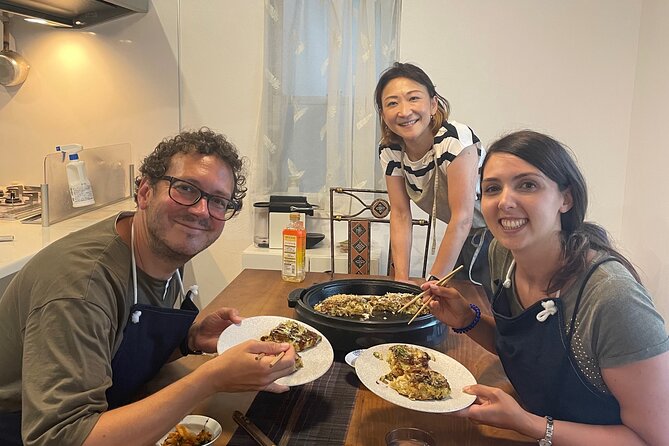
The activity lasts about two hours and accepts no more than five people. That is enough time for an introduction, cooking, the extra pork and kimuchi dish, and eating together.
Two hours is a comfortable length for a focused food lesson. It is short enough to fit into a Tokyo sightseeing day, but long enough to include hands-on work and a meal. You should not book it directly before a time-sensitive train or attraction, since the home transfer and cooking pace can vary.
A group of five is small enough for questions and personal correction. You can expect more direct attention than in a class built for a dozen or more people. The tradeoff is that the experience may feel less anonymous. If you like to quietly observe, a private home and small table may put you more in the center of the activity.
The tour returns to the meeting point at the end. The pickup and return arrangements may depend on the distance between the station and the home, so confirm those details when you receive your booking information.
Confirmation is normally sent at booking. If you book within nine hours of the start time, confirmation is sent as soon as possible, subject to availability. Since the class is often booked about a week ahead, arranging it early is wise, especially if your dates in Tokyo are fixed.
Who should book this cooking class?
I would recommend it most strongly to you if you fit one of these profiles:
- You want a small, personal food activity instead of a large group class.
- You have tried making okonomiyaki and want to improve your technique.
- You care about learning substitutions for cooking at home.
- You enjoy conversation and a local home setting.
- You need vegetarian, vegan, or other dietary adjustments.
- You are traveling with a family member who benefits from patient, hands-on instruction.
It can also work well for a family visit. The experience with a grandmother shows that the class can suit different ages when the group is comfortable with home cooking and conversation.
I would hesitate to recommend it if your budget is tight, your schedule is packed, or your main goal is simply to eat okonomiyaki. At $150, this is an experience purchase, not a cheap lunch.
Practical booking advice before you go
Book roughly a week ahead if possible, since the activity is commonly reserved several days before the date. The five-person maximum means available spaces can disappear faster than those on a large group tour.
Give Eri clear information about dietary restrictions when you book. Ask about the meeting instructions if the station address seems confusing, and confirm whether a pickup or drop-off arrangement applies for your session.
Service animals are allowed. The activity is near public transportation, but you should still allow a little extra time to find the correct area outside the JR Asagaya ticket gates.
Cancellation is free up to 24 hours before the start time for a full refund. Cancellations or changes made within 24 hours are not refunded or accepted, and the cut-off uses Tokyo local time.
Should you book the Asagaya okonomiyaki class?
Book this class if you want to learn a dish properly, meet an English-speaking local host, and eat in a real home rather than a tourist studio. Eri’s patient teaching, practical substitution tips, flexible fillings, and small group size are the main reasons to choose it.
Skip it if you only want the cheapest way to try okonomiyaki. The $150 cost is steep for two hours, but it is easier to defend when you value the personal setting and plan to use the recipes after Japan. For a food-focused visit, a small group, or a family activity, this is a thoughtful and useful choice near Asagaya.
FAQ
Where does the okonomiyaki cooking class meet?
It meets at NewDaysJapan outside the JR Asagaya Station ticket gates, on the second-floor outside concourse in Asagayakita, Suginami City, Tokyo, postal code 166-0004.
Where does the cooking take place?
The class takes place at Eri’s local home, a short distance from the station area.
How long does the experience last?
The activity lasts approximately two hours.
How many people can join?
The class has a maximum of five participants.
What food will I make?
You will make Osaka-style okonomiyaki and prepare stir-fried pork and kimuchi while the okonomiyaki cooks.
Can I choose the okonomiyaki fillings?
Yes. Okonomiyaki fillings are flexible, and you can choose what to include with Eri’s support.
Are vegetarian and vegan options available?
Yes. Vegetarian, vegan, and other dietary adjustments can be accommodated.
Is the class taught in English?
Eri speaks English well enough to answer questions and explain the cooking process.
What is the cancellation policy?
You can cancel at least 24 hours before the start time for a full refund. Cancellations or changes made less than 24 hours before the experience are not refunded or accepted.
Just added in Tokyo
- Manga Lesson with a Professional Japanese Manga Artist in Nakano★ 5.0 · 77 reviews
- Making a bento box with cute character look in Japan★ 5.0 · 15 reviews
- Tokyo/Ikebukuro Manga drawing workshop by pro-Manga artists★ 5.0 · 65 reviews
- Luxury Tokyo Sake, Cocktail, Whisky and Pairing Tour★ 5.0 · 18 reviews
- Tokyo Ueno Food & Nature & Localtown Tour: 10Dishes+ Drinks★ 5.0 · 34 reviews
- Make Your Own Bonsai with a Professional Bonsai Artist in Tokyo★ 4.5 · 18 reviews
- Make Traditional Nerikiri Sweets & Matcha experience in Shibuya★ 5.0 · 130 reviews
- Daikoku Parking Tokyo Drift & APIT Car Meet JDM Culture Tour★ 5.0 · 79 reviews
Cooking Classes, compared.
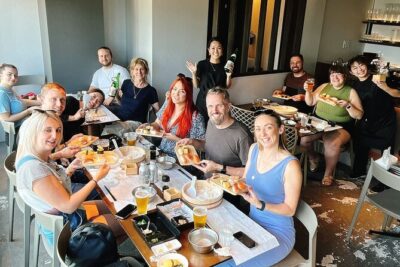
Sushi Making Tokyo Roll and Authentic Japanese Sushi Class
Read our review →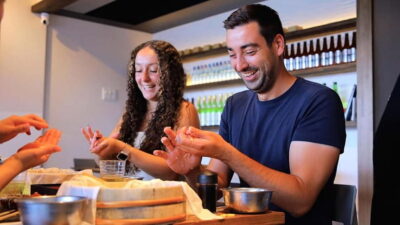
Roll and Authentic Sushi Making Class in Asakusa
Read our review →
Ramen Cooking Class at Ramen Factory in Kyoto
Read our review →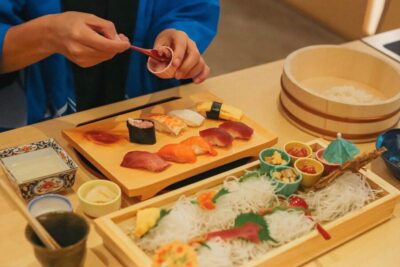
Sushi Making Class in a Happi Coat near a Famous Spot
Read our review →
Sushi Making Osaka Roll and Authentic Japanese Sushi Class
Read our review →
Tokyo Sushi Making Class in Tsukiji with Professional Chef
Read our review →
Ramen & Gyoza Cooking Class in Tokyo with Local Supermarket Visit
Read our review →Browse the lists this tour appears in