
Reviewed · COOKING CLASSES
Sushi Making Tokyo with Traditional Rickshaw Ride Tour in Asakusa
Sushi and old Tokyo fit nicely together. This 3.5-hour Asakusa experience pairs a hands-on sushi class with a traditional rickshaw ride through one of Tokyo’s most atmospheric districts. I like the chance to make and eat sushi rather than simply watch a chef, and I like that the rickshaw adds local stories, street views, and a slower look at the area.
The tour is conducted in English, with food ingredients and the meal included. The main caution is the price, $156.77 per person, which is a serious outlay for a short activity. You also need good weather, and the group may include up to 30 people, so this is best for visitors who value a packaged cultural experience over a quiet, private outing.
In This Review
- Key points to know before booking
- Why this Asakusa combination works
- Starting at Kaminarimon in Asakusa
- Making sushi instead of just eating it
- Seeing Edo-era Asakusa by rickshaw
- The guides make the difference
- Is $156.77 a fair price?
- Who will enjoy this experience most?
- Timing, weather, and practical planning
- How this compares with exploring Asakusa alone
- Should you book this sushi and rickshaw tour?
- FAQ
- How long does the tour last?
- What is the price?
- Is the sushi meal included?
- Is the tour conducted in English?
- Where does the tour begin?
- Where does the tour end?
- How many people can join?
- What happens if the weather is poor?
Key points to know before booking
- Two classic Asakusa experiences in one outing: You make sushi and see the district by traditional rickshaw.
- English-language instruction: The class and guiding are conducted in English.
- About three and a half hours: The experience includes roughly 1 hour 50 minutes for the cooking portion and 1 hour 30 minutes for the rickshaw ride, although the published stop times do not add up perfectly.
- A local guide adds personality: Guides such as Shogo and Hero have been praised for their kindness, humor, and storytelling.
- Food is included: The ingredients for the class and the meal are part of the price.
- Weather matters: Poor weather can lead to a date change or full refund, and cancellations made at least 24 hours ahead qualify for a full refund.
Why this Asakusa combination works
Asakusa is one of the best parts of Tokyo for seeing an older side of the city. It has a strong connection to the Edo period, when Tokyo was still called Edo, and its streets and traditional attractions give the area a different feel from the glass towers and busy shopping zones elsewhere in the capital.
A rickshaw ride is a practical way to take in that atmosphere. You sit back while a local staff member guides you through the district, rather than trying to read a map while crossing crowded streets. The pace gives you time to look around, take photographs, and hear stories about the places you pass.
The sushi class adds something the rickshaw cannot: participation. You are not only seeing Japanese culture, you are working with it. The class gives you a chance to learn how sushi is made, then enjoy the food prepared during the session.
I like this pairing because the two parts balance each other. The cooking class is hands-on and social. The rickshaw ride is calmer and more scenic. If you want an activity that mixes food, local history, and a bit of fun without committing to a full-day tour, the format makes sense.
More Cooking Classes in Tokyo
- Sushi Making Tokyo Roll and Authentic Japanese Sushi Class
★ 5.0 · 3,971 reviews - Tokyo: Roll and Authentic Sushi Making Class in Asakusa
★ 4.9 · 1,957 reviews - Tokyo Shinjuku Chopsticks Making Class
★ 5.0 · 1,763 reviews
Starting at Kaminarimon in Asakusa
The meeting point is 2-chōme-17-9 Kaminarimon, Taito City, Tokyo 111-0034. This puts you in a well-known part of Asakusa, near public transportation and within an area that is easy to combine with other sightseeing.
Arrive with enough time to find the exact meeting point. Tokyo addresses can be confusing because they do not always work like street addresses in North America or Europe. A mobile ticket is provided, so keep your booking details easy to access on your phone.
The tour ends back at the same meeting point. That is useful if you are planning a meal, temple visit, or shopping nearby afterward. It also means you do not need to arrange a separate return journey across Tokyo.
The group can reach a maximum of 30 people. That is not a private tour, and the class may feel social rather than intimate. If you like meeting people and learning in a lively room, that can be a plus. If you want one-on-one instruction or a quiet ride, the group size is worth considering before you pay.
Making sushi instead of just eating it
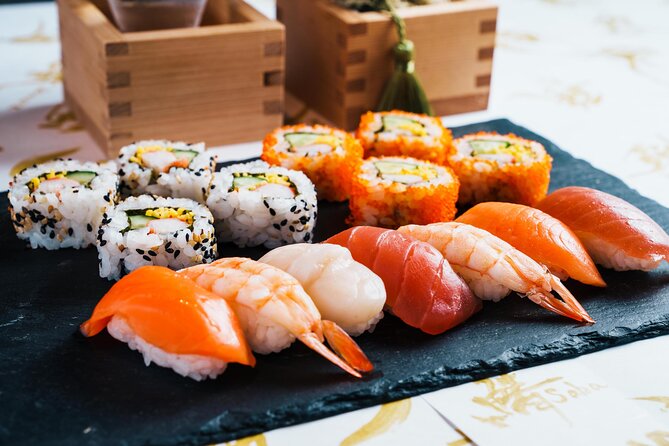
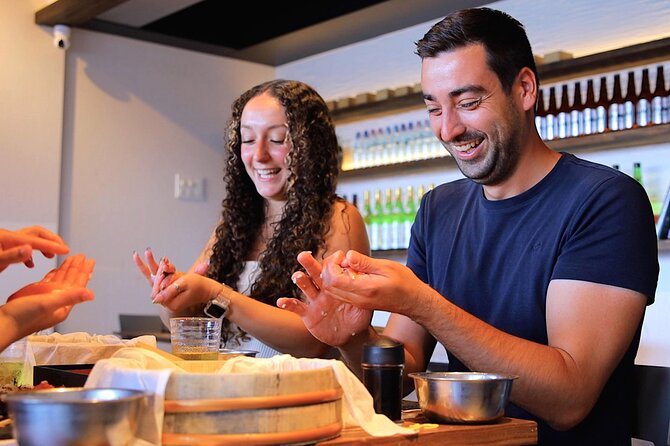
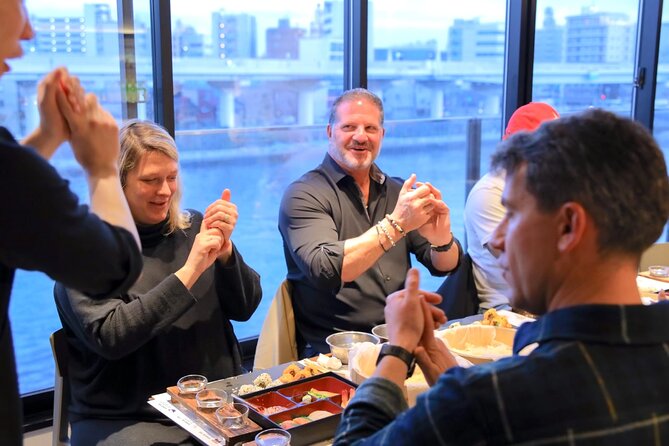
The cooking class is the heart of the food side of the experience. An English-speaking instructor leads the session, and the ingredients and resulting meal are included. That makes the price easier to judge, since you are paying for instruction, food, and an organized cultural activity rather than only a short demonstration.
The available details do not specify the exact sushi styles, number of pieces, or recipes. You should not book this expecting a full professional sushi apprenticeship. Think of it as an accessible introduction, designed to let you try the basic craft and enjoy what you make.
The strongest part is the sense of achievement. The class gives you a direct connection with the meal, and several comments describe the food as fresh and enjoyable. One person called the process educational and satisfying, while another said the sushi was fun to make and worth doing again.
That kind of response makes this a good choice for first-time visitors who want a clear activity rather than an open-ended food tour. It also suits families and mixed groups, provided everyone can take part in a cooking class. The additional information says most people can participate, but no specific accessibility details are provided.
The English instruction is important. You do not have to guess what to do from gestures or copy someone at the next station. The instructor and local staff are expected to explain the process in English and keep the mood friendly.
Do keep your expectations in check. The word mastery belongs to a professional sushi chef, not a single tourist class. You will get a taste of the technique and a meal, not years of training condensed into one afternoon.
Seeing Edo-era Asakusa by rickshaw
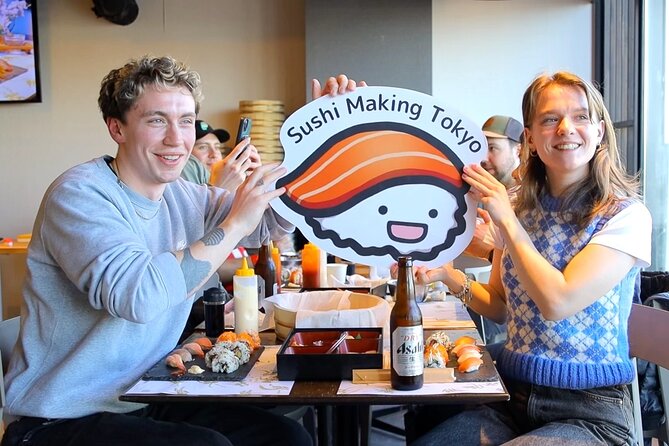
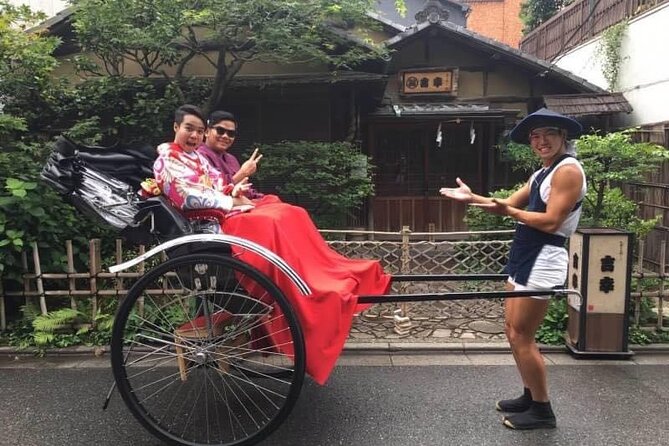
The rickshaw ride lasts about 1 hour 30 minutes, according to the timing provided. A local staff member guides you around Asakusa and points out the district’s older character.
This is more than a quick photo ride. At that length, you have time to settle into the seat and look beyond the main attractions. The guide can give context to the streets and historic corners, helping you understand why Asakusa feels different from many other parts of Tokyo.
The ride is also where the guides’ personalities matter most. Shogo received warm praise for an excellent ride, while Hero was described as kind and eager to make people happy. The staff are presented as having international experience, which should help when explaining local customs and history in English.
The best way to approach this part is as a moving introduction to Asakusa. It will not replace a detailed museum visit or a specialist history walk. It does give you a comfortable overview and a chance to see the district without rushing from one point to another.
Rickshaws are open to the weather, so the condition of the day matters. The tour requires good weather, and poor conditions can lead to a new date or a full refund. That policy is sensible, but you should keep some flexibility in your schedule if rain is forecast.
The ride may also be less appealing if you dislike sitting in a fixed position for a long stretch or want complete control over your route. This is a guided experience, not a private rental. The benefit is that someone else handles the route and provides the commentary.
A completely different kind of day out:
- Tokyo Disney Resort – Tokyo Disneyland & Tokyo DisneySea Park Tickets
★ 4.8 · 99,488 reviews - SHIBUYA SKY Ticket
★ 4.7 · 46,509 reviews - JR Whole Japan Rail Pass
★ 4.8 · 29,150 reviews - Mt Fuji and Hakone 1-Day Bus Tour Return by Bullet Train
★ 5.0 · 26,383 reviews
The guides make the difference
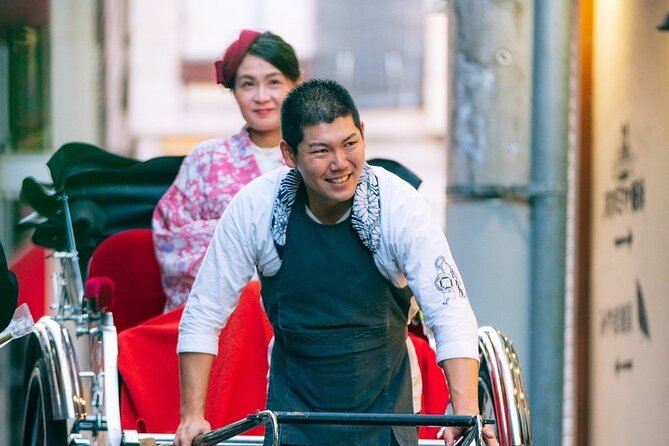
The most consistent praise centers on the staff. The cooking team is described as friendly, welcoming, and entertaining. The rickshaw guides are praised for their warmth and ability to share stories about Asakusa.
That matters because this kind of experience depends on human contact. Sushi preparation can feel mechanical if the instructor simply gives instructions and watches the clock. A rickshaw ride can feel like a slow taxi trip if the driver says little. The comments about Shogo and Hero suggest that the staff add energy to both parts.
You may also appreciate the international outlook of the local team. Staff members with experience overseas are likely to understand the questions first-time visitors ask about Japanese food and customs. The activity is designed to introduce Japanese culture to an international audience, not assume that you already understand it.
Still, guide quality can vary from one departure to another. The strong feedback is encouraging, but it should not be treated as a promise that you will have the same person. The clearest advice is to enjoy the interaction, ask questions, and let the guide shape the experience.
Is $156.77 a fair price?
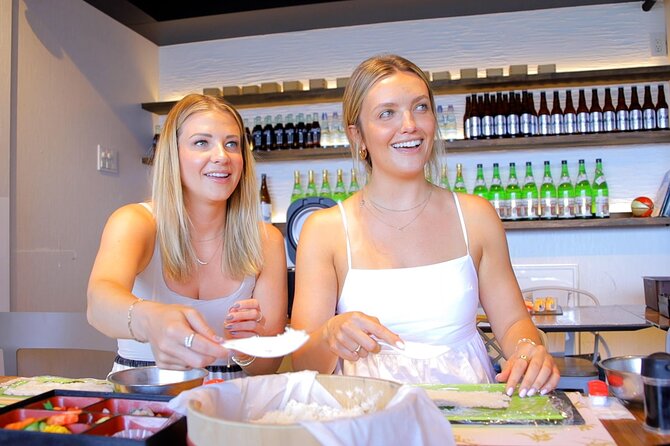
At $156.77 per person, this is not a budget activity. You can eat sushi for much less in Tokyo, and you can walk around Asakusa without paying a tour fee. The value comes from combining instruction, ingredients, a meal, an English-speaking instructor, a 90-minute rickshaw ride, and local guiding in one booking.
That bundle will appeal to you if convenience matters. You do not need to research a cooking school, find a separate rickshaw operator, or work out how to connect the two activities. You meet at one location and return there at the end.
The price is easier to justify for a first visit or a special occasion. It gives you a structured way to see Asakusa while doing something memorable. It is also useful for a small group with different interests, since food lovers can enjoy the class and sightseers can look forward to the ride.
The value is weaker if you are traveling on a tight budget, already have a sushi class booked, or prefer independent exploration. Asakusa’s streets are free to visit, and you could spend the same amount on several meals and museum admissions.
I would judge the cost by asking one simple question: do you want a meal, or do you want an activity built around a meal? If you want the activity, the price has a reasonable basis. If you only want sushi, choose a restaurant instead.
Who will enjoy this experience most?
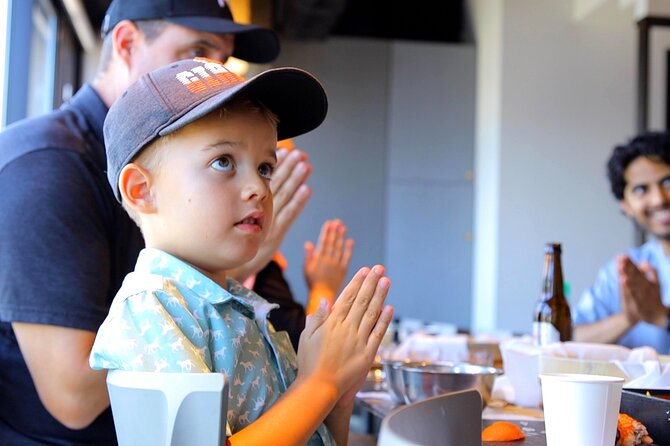
This tour is a strong fit for first-time visitors to Tokyo who want a simple introduction to Japanese food and Asakusa. You get a clear meeting point, English instruction, included food, and a return to the same location.
It also suits couples, families, and groups of friends looking for something more active than a standard sightseeing walk. The cooking gives you something to do with your hands, while the rickshaw ride provides a relaxed change of pace.
Food lovers will appreciate the chance to prepare sushi, even if they are complete beginners. People interested in local culture will enjoy the old Tokyo setting and the guide’s stories. The combination also works well for anyone who wants photographs and a memorable afternoon without arranging every detail alone.
I would be more cautious if you want an advanced cooking lesson. The available information does not promise specialist techniques, a small class, or a professional kitchen experience.
You should also think about the group limit of 30. That number is manageable for a commercial activity, but it may feel large compared with a private tour. Ask yourself if you are comfortable with a social class and a shared sightseeing experience.
Timing, weather, and practical planning
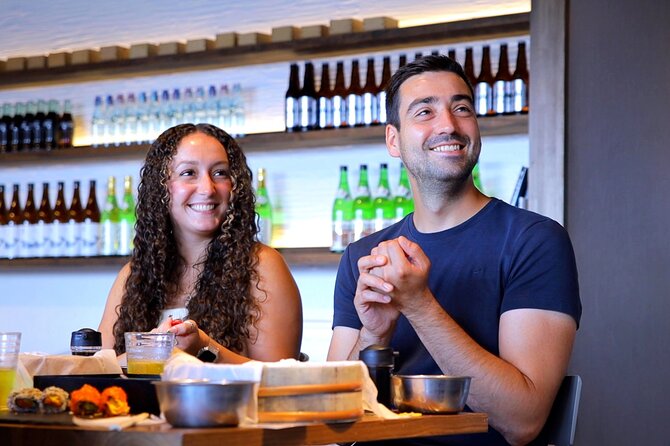
The total duration is approximately 3 hours 30 minutes. The stated timings are about 1 hour 50 minutes for the cooking class and 1 hour 30 minutes for the rickshaw ride, though those figures add up to slightly more than the advertised total. Allow room around the activity rather than booking a tightly timed train or restaurant immediately afterward.
The tour begins and ends at the Kaminarimon address. Hotel pickup and drop-off are not included, so you need to make your own way there and back. The area is near public transportation, which makes that fairly straightforward, but you are still responsible for your Tokyo transit plans.
Confirmation is sent within 48 hours of booking, subject to availability. If your dates are fixed, book with enough notice. The average booking lead time is 23 days, which suggests that this is not always a last-minute activity.
The cancellation terms are friendly if you plan ahead. Cancel at least 24 hours before the local start time for a full refund. Changes or cancellations inside that 24-hour window are not accepted for a refund.
Because the rickshaw ride depends on good weather, check the forecast before setting aside the day. If the operator cancels because of poor weather, you can choose another date or receive a full refund.
How this compares with exploring Asakusa alone
Independent sightseeing gives you more freedom and costs less. You can set your own pace, stop whenever you like, and choose your own restaurant. That approach works well if you enjoy planning and already know what you want to see.
This tour gives you structure and a local point of view. The rickshaw ride lets you see more comfortably, while the cooking class gives you a planned meal and an activity. You also avoid the uncertainty of finding an English-language sushi lesson on your own.
The trade-off is control. You follow the class format and the rickshaw route, and the group may be sizable. You are paying for ease, instruction, and the guides’ energy.
For many visitors, the best plan is to use this experience as one part of an Asakusa day. Since the tour returns to Kaminarimon, you can continue exploring afterward. The exact opening times and admission details for nearby sights are not provided, so check those separately before planning the rest of your day.
Should you book this sushi and rickshaw tour?
Book it if you want a friendly, English-language introduction to Japanese food and old Tokyo in one organized outing. The strongest reasons are the hands-on sushi class, the long rickshaw ride through Asakusa, the included meal, and the staff members who bring humor and warmth to the experience.
Skip it if $156.77 feels too high for a short activity, if you want a private tour, or if you prefer to explore Asakusa without a fixed schedule. The weather requirement also matters, especially during a rainy period.
For the right person, this is a memorable way to connect food with place. You make sushi, then see the district where traditional Tokyo still has a strong presence. That pairing gives the afternoon more substance than either a basic cooking class or a quick sightseeing ride alone.
FAQ
How long does the tour last?
The experience lasts approximately 3 hours and 30 minutes. The provided timing lists about 1 hour and 50 minutes for the cooking class and 1 hour and 30 minutes for the rickshaw ride.
What is the price?
The listed price is $156.77 per person.
Is the sushi meal included?
Yes. The cooking class ingredients and the meal are included in the tour price.
Is the tour conducted in English?
Yes. An English-speaking instructor leads the cooking class, and the entire tour is conducted in English.
Where does the tour begin?
The meeting point is 2-chōme-17-9 Kaminarimon, Taito City, Tokyo 111-0034, Japan.
Where does the tour end?
The activity ends back at the original meeting point.
How many people can join?
The tour has a maximum group size of 30 people.
What happens if the weather is poor?
The experience requires good weather. If it is canceled because of poor weather, you will be offered a different date or a full refund. You can also receive a full refund for a voluntary cancellation made at least 24 hours before the start time.
Just added in Tokyo
- Mount Fuji Full Day Sightseeing Tour from Tokyo★ 4.5 · 101 reviews
- Mt Fuji Customizable Private Tour English Speaking Driver Pick-up★ 5.0 · 69 reviews
- From Tokyo Kamakura, Hachimangu Shrine and Enoshima Full Day Tour★ 4.5 · 36 reviews
- Tokyo: Harajuku Meiji Shrine to Shibuya Crossing Guided Tour★ 5.0 · 27 reviews
- Discover the Art of Ikebana in Tokyo’s Historic Yanaka District★ 5.0 · 60 reviews
- Shinjuku Food and Drink Walking Tour★ 5.0 · 13 reviews
- Freely set up plans Guided Private Tours in Tokyo★ 4.5 · 130 reviews
- Flavors of Japan Food Tour in Tokyo★ 5.0 · 39 reviews
Cooking Classes, compared.
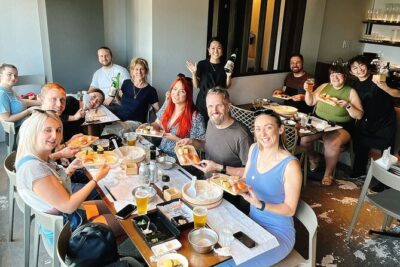
Sushi Making Tokyo Roll and Authentic Japanese Sushi Class
Read our review →
Roll and Authentic Sushi Making Class in Asakusa
Read our review →
Ramen Cooking Class at Ramen Factory in Kyoto
Read our review →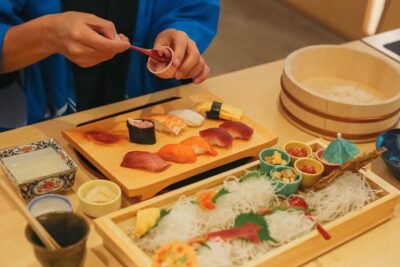
Sushi Making Class in a Happi Coat near a Famous Spot
Read our review →
Sushi Making Osaka Roll and Authentic Japanese Sushi Class
Read our review →
Tokyo Sushi Making Class in Tsukiji with Professional Chef
Read our review →
Ramen & Gyoza Cooking Class in Tokyo with Local Supermarket Visit
Read our review →Browse the lists this tour appears in