Reviewed · KYOTO TOURS
TAIKO, Japanese Drum Experience from Kyoto
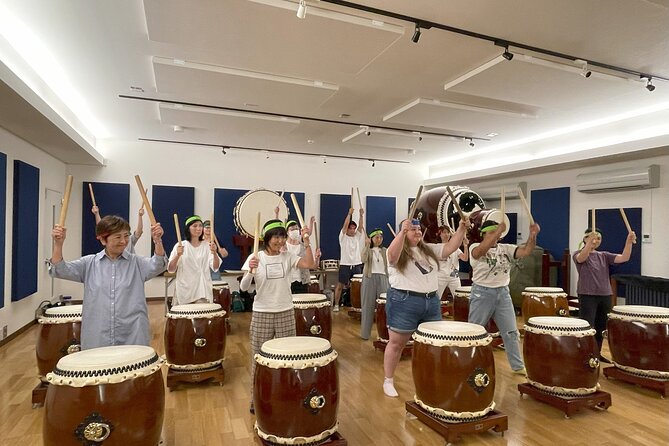
Feel the rhythm beyond the temples. This 2.5-hour outing takes you from Kyoto Station to a professional taiko studio near Takatsuki, where you learn basic Japanese drumming, hear the instrument’s cultural story, write on a traditional headband, and perform a short piece with the group. No musical experience is needed, and the lesson is adjusted to your ability and fitness level.
I especially like the small-group format, which gives you useful access to the instructor instead of leaving you lost in a crowd. I also like the full shape of the session: history, calligraphy, a professional demonstration, hands-on practice, and a final performance photo. The main drawback is the strict meeting time. Kyoto Station is large, the train will not wait, and late arrivals cannot join or receive a refund.
In This Review
- Key points at a glance
- Why this taiko class is different from sightseeing
- Getting from Kyoto Station to the studio
- The cultural introduction and hachimaki calligraphy
- Watching the professional taiko demonstration
- Learning the basic movements and rhythms
- Playing a complete piece with the group
- The final costume photograph
- Price, timing, and overall value
- Who will enjoy this experience most
- What to know before you book
- Should you book the Kyoto taiko experience?
- FAQ
- Where does the taiko experience begin?
- How long does the experience last?
- How do I reach the taiko studio?
- Is transportation included?
- Do I need previous drumming experience?
- Is the activity taught in English?
- What else happens besides drumming?
- Can children join the class?
- Can I attend without playing?
- What happens if I arrive late?
- What is included in the price?
- Can I cancel for a refund?
Key points at a glance
- A real hands-on lesson: You learn basic taiko movements, rhythms, and techniques before playing a short piece with the group.
- A professional demonstration: The instructor performs before the lesson, giving you a clear sense of the power and precision behind the instrument.
- More than drumming: You write your wishes in simple calligraphy on a hachimaki, then wear the headband for a commemorative photograph.
- A guided trip outside central Kyoto: The route includes a roughly 12-minute JR train ride to Takatsuki and a taxi transfer to the studio.
- Friendly English support: Guides such as Michiko, Kumi, Akemi, and Akiko have helped participants follow the explanations and feel included.
- A firm timing rule: Arrive 15 minutes early at Kyoto Station, and check the exact meeting place before the day of the activity.
Why this taiko class is different from sightseeing
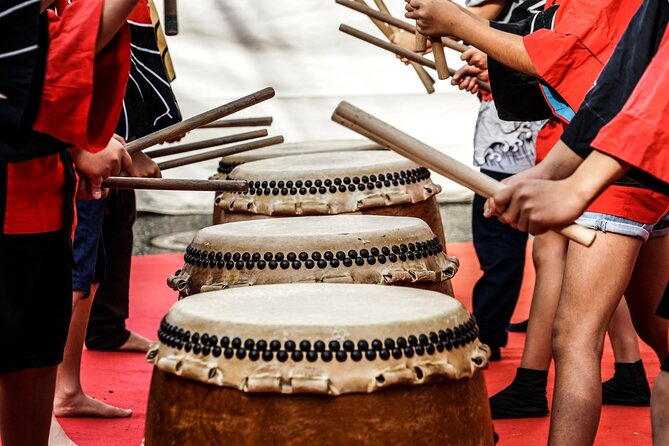
Kyoto can fill your day with shrines, gardens, and polished wooden lanes. Those sights matter, but they mostly ask you to look and listen. This experience asks you to use your arms, follow a beat, and make a little noise.
That change is valuable. Taiko is not treated here as a quick photo prop. You receive an introduction to the instrument’s role in Japanese culture, watch an expert play, and then work through the basics yourself. The lesson gives you a modest skill to take away, even if your final rhythm is not concert-ready.
The session is designed for beginners. You do not need to read music or have played drums before. One participant who already enjoyed drums appreciated the connection to musical notes, while others with no musical background were able to follow the instruction. That is a good sign for mixed groups.
The class also has a creative side. You write simple calligraphy on a hachimaki, the traditional Japanese headband. It is a small activity, but it gives you something personal to wear during the final photograph and adds a quiet moment before the louder part of the lesson.
A few more options to weigh up in Kyoto
- PERFECT KYOTO 1-Day Bus Tour
★ 5.0 · 13,518 reviews - [Kyoto & Nara Day Tour] Sagano Scenic Railway & Nara Park & Fushimi Inari Taisha Thousand Torii Gates & Togetsukyo Bridge & Bamboo Grove & Kimono Forest (Departing from Osaka)
★ 4.9 · 10,942 reviews - Kyoto: Fushimi Inari, Kinkakuji, Bamboo Grove 1 Day Bus Tour
★ 4.8 · 4,316 reviews
Getting from Kyoto Station to the studio
The meeting point is at Kyoto Station, and you should arrive at least 15 minutes before the stated start time. This is not a suggestion to treat casually. Kyoto Station has several large entrances and ticket areas, and the meeting instructions stress the central exit, not the Shinkansen central ticket gate.
If you get turned around, ask station staff for the central exit. Checking the station layout before your appointment is wise, especially if you are carrying luggage, traveling with children, or arriving during a busy part of the day.
From Kyoto Station, the journey uses a JR train to Takatsuki Station. The train ride takes about 12 minutes, though the exact total timing depends on the departure schedule. A taxi then takes you to the studio. Transportation arrangements include a one-way JR ticket and a car to and from the studio, with about four people able to share one taxi. The stated taxi cost is approximately 2,000 yen for the vehicle.
This route is far more sensible than taking a taxi directly from Kyoto. A direct cab can take more than an hour, cost much more, and run into traffic. The train keeps the transfer practical and gives the experience a short change of scenery outside central Kyoto.
Your English-speaking guide meets you at the station and helps manage the transfer. Several guides are named in the feedback, including Michiko, Kumi, Akemi, and Akiko. Their role is more useful than simply pointing toward the studio. They explain details along the way, translate during the session, and help people feel comfortable before the drumming begins.
The cultural introduction and hachimaki calligraphy
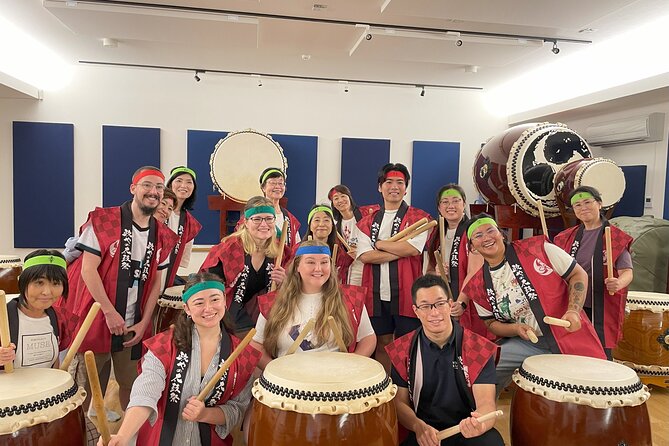
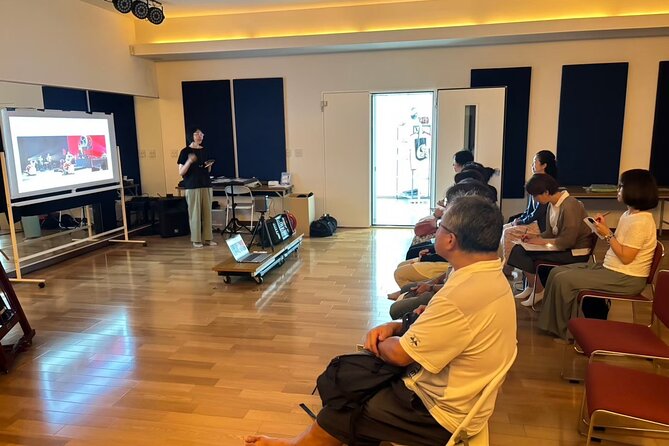
At the studio, the first stage is a short explanation of taiko and its importance in Japanese culture. The word taiko refers to Japanese drums, and the class uses this introduction to explain the instrument before asking you to play it.
I like this order. Without context, the activity could feel like a simple rhythm game. The background talk gives the lesson a reason and helps you understand why taiko carries such a strong physical and cultural presence.
You then write simple calligraphy on a hachimaki. The activity is not presented as an advanced calligraphy lesson. It is a beginner-friendly chance to put your own wishes or chosen words on the headband.
This part suits families and mixed-age groups particularly well. It slows the pace, gives you a personal souvenir, and makes the final photograph feel less generic. The hachimaki is included, so you do not need to buy one separately for the activity.
Watching the professional taiko demonstration
Before you attempt the drums, a professional instructor gives a demonstration. This is one of the strongest parts of the experience because it shows the gap between simply hitting a drum and playing with control.
Expect a powerful performance with clear movement and force. Aoi is named as one of the musicians who has performed for the class, and other feedback highlights instructors such as Mr. Sakurai. The demonstration has been described as impressive, though one account notes that it included one live drummer alongside a recorded drummer. That detail is worth keeping in mind if you expect an entirely live ensemble.
Even so, watching first helps. You see the posture, arm movement, timing, and energy before trying to copy the basic actions. It also gives you a moment to enjoy the instrument without worrying about your own performance.
A completely different kind of day out:
- Kyoto: Tea Ceremony in a Traditional Tea House in Kiyomizu
★ 4.9 · 3,519 reviews - Kyoto: Gion Make Your Own Chopsticks with Engraving Option
★ 5.0 · 3,465 reviews - Kyoto Nara Day Trip │ Kiyomizu-dera Temple + Fushimi Inari-taisha Shrine + Nara Park (Departing from Osaka/Kyoto)
★ 4.7 · 3,408 reviews - Kyoto Geisha Walking Tour: Gion District & Hidden Gems
★ 4.7 · 3,273 reviews
Learning the basic movements and rhythms
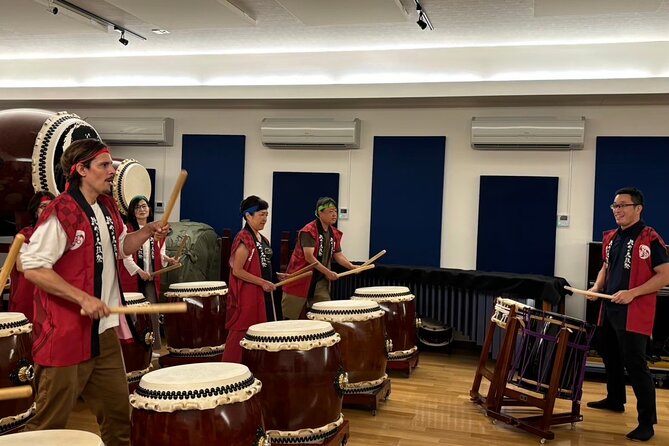
The lesson then shifts to you. A friendly instructor teaches the basic movements and techniques step by step. The teaching is adapted to your skill and fitness level, which matters because taiko is physical. You use your arms repeatedly, maintain a strong stance, and concentrate on keeping time.
You do not need to be a drummer. The class has worked for people who had never played before, and the instruction is described as patient and encouraging. One participant specifically praised Mr. Sakurai for taking the group through the basics carefully. Another said the staff made sure everyone could take part.
The class can also provide a light cardiovascular workout if you drum with energy and continue for long enough. That does not make it a fitness session, but you should avoid arriving in clothing that restricts movement. Comfortable clothes and shoes are the practical choice.
The group maximum is 15 people. That is not a private lesson, but it is still limited enough to give the instructor room to watch the group and offer guidance. The small size is one of the activity’s better features, particularly for first-timers who may need a rhythm repeated or a movement clarified.
Playing a complete piece with the group
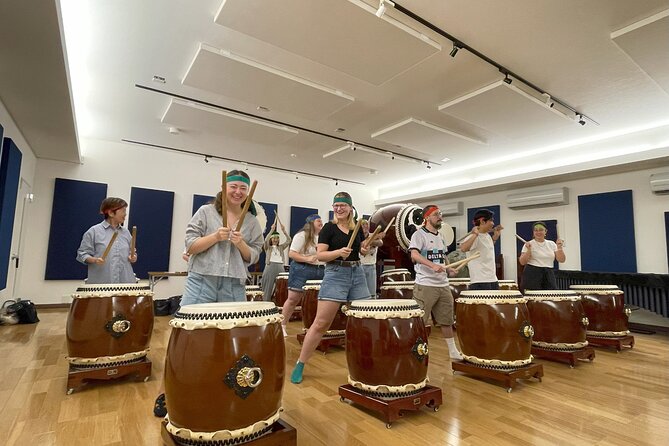
The goal is not to send you onto a stage for a difficult performance. After practicing the basic patterns, you play a simple piece with the other participants.
This group performance is where the lesson pays off. The rhythm becomes easier to understand when everyone plays together, and the shared beat takes some pressure off individual mistakes. You can concentrate on listening, watching the instructor, and staying with the pattern.
I would choose this activity for people who want participation rather than a passive cultural presentation. You are not just watching an expert and posing in costume. You make a real attempt to play, and the final piece gives the class a clear ending.
That said, perfection is not the point. If you want a serious technical drum lesson, this short introduction will not take you far enough. It is best understood as a lively cultural class with genuine instruction, not a multi-day music course.
The final costume photograph
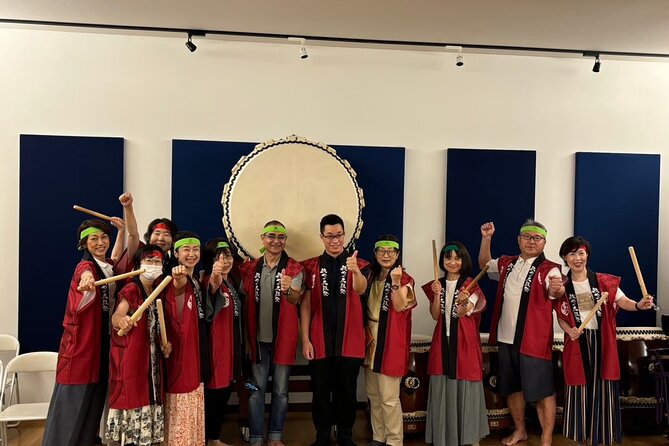
At the end, you pose for a commemorative photo wearing traditional clothing that includes a happi and hachimaki. The headband you decorated earlier makes the image more personal.
This closing photograph is a useful touch for families, couples, and friends. It also marks the shift from observer to participant. You leave with a record of the activity rather than only a memory of a studio visit.
The costume element is lighthearted, but it does not replace the lesson. The strongest value comes from the time spent learning and playing. The photograph works because it follows that hands-on work instead of being the entire point.
Price, timing, and overall value
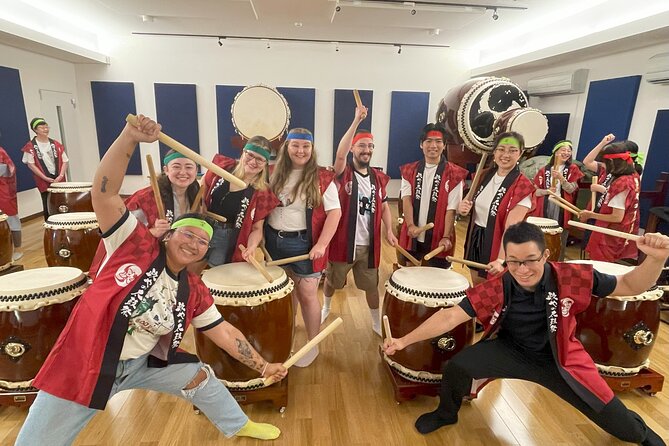
The listed price is $115.62 per person. That is not a budget activity, but the cost covers more than access to a drum. You receive English guidance, the JR trip to Takatsuki, taxi transfers to and from the studio, the taiko session, the hachimaki, instruction from a taiko teacher, and the final photograph in traditional dress.
You also save the trouble of arranging the route yourself. A direct taxi from Kyoto is specifically discouraged because of its time and cost, while the organized train and taxi connection keeps the outing manageable.
The experience lasts about two hours and 30 minutes, including transfers. In practice, you should allow about two and a half to three hours before you are back at Kyoto Station. Do not schedule a temple reservation, meal, or long-distance train immediately afterward. Train timing can shift the return slightly, and leaving the class early is not recommended.
Observers who do not participate in the drumming pay 9,000 yen per person in cash at the studio. You must notify the operator in advance if anyone will observe, because transportation may not be arranged without notice. For most people, participating is the better value. The class is built around doing, and watching from the side would remove the main reason to book it.
On some dates, a solo booking is not available. A single participant may need to reserve and pay for two places. This is an important cost detail if you are traveling alone, so check the booking conditions for your chosen date before making plans.
Who will enjoy this experience most
I would recommend the class to:
- First-time visitors who want an activity beyond temples and museums
- Families with children aged seven and older
- Couples and friends looking for a shared cultural activity
- People who enjoy music but have no formal training
- Anyone curious about Japanese instruments and performance
- Visitors staying in Kyoto who can spare a half-day including transfers
Children under seven cannot participate. Older children have enjoyed the class, including children aged eight and 11, but the activity still requires attention, movement, and the ability to follow instructions.
It also suits people who like a structured outing. The guide handles the meeting, train, taxi, studio arrival, and translation, so you do not need to figure out the route while trying to keep an appointment.
I would be more cautious about recommending it to anyone with a very tight Kyoto schedule. The experience returns you to the station after roughly 2.5 to three hours, and the strict departure time means you need to plan carefully from the start.
What to know before you book
The cancellation policy allows a full refund if you cancel at least 24 hours before the start time. Cancellations or changes made less than 24 hours before the activity are not refunded or accepted. The operator also says the experience requires good weather, and a weather cancellation brings the choice of another date or a full refund.
The biggest practical warning is lateness. You must be at the meeting point 15 minutes early, and calling ahead will not make it possible for the train or group to wait. Kyoto Station is confusing enough that I would arrive early, locate the central exit, and then find the exact meeting spot without rushing.
The activity is offered in English, and confirmation is provided when you book. It is near public transportation, and most people can participate. The group can include up to 15 people, so the class has some social energy without being a huge production.
Should you book the Kyoto taiko experience?
Yes, if you want to take part in Japanese culture rather than simply photograph it. The combination of cultural explanation, calligraphy, professional performance, beginner instruction, group drumming, and costume photo gives you a well-shaped experience for the price.
Book it with realistic expectations. You are learning the foundations, not becoming a taiko musician in one afternoon. The journey outside Kyoto, firm meeting time, and possible solo booking surcharge also require attention.
For me, the best reason to choose this activity is its balance of instruction and fun. Guides such as Michiko and Kumi help with the practical details, while instructors such as Aoi and Mr. Sakurai provide the musical focus. Arrive early, leave room in your schedule, and take part fully. If you do, this is a memorable way to add sound, movement, and a little personal calligraphy to a Kyoto visit.
FAQ
Where does the taiko experience begin?
The activity begins at Kyoto Station in Kyoto, Japan. The meeting point is in the Higashishiokoji Kamadonocho area of Shimogyo Ward.
How long does the experience last?
The advertised duration is about two hours and 30 minutes. You can expect to return to Kyoto Station about 2.5 to three hours after the start time, depending partly on the train schedule.
How do I reach the taiko studio?
You take a JR train from Kyoto Station to Takatsuki Station, a journey of about 12 minutes, followed by a taxi ride to the studio.
Is transportation included?
The experience includes a one-way ticket to JR Takatsuki Station and a car to and from the studio. The car costs about 2,000 yen and can carry up to four people in one taxi.
Do I need previous drumming experience?
No. The class is designed for all levels, including people who have never played taiko or another musical instrument.
Is the activity taught in English?
Yes. English-speaking guide services are offered, and the guide can help translate and explain the activity.
What else happens besides drumming?
You receive a short explanation of taiko’s cultural importance, write simple calligraphy on a hachimaki, watch a professional demonstration, and take a commemorative photo in a happi and hachimaki.
Can children join the class?
Children under seven years old are not allowed to participate. The activity information says most people can participate, and children aged eight and 11 have taken part.
Can I attend without playing?
Yes, but observers must pay 9,000 yen per person in cash at the studio. You must notify the operator in advance, or transportation may not be arranged.
What happens if I arrive late?
The group cannot wait because of the train schedule. You may not be able to participate if you are late, even if you call, and no refund will be issued. Arrive at least 15 minutes early.
What is included in the price?
The price includes taiko drumming, the hachimaki headband, an English-speaking guide, a taiko instructor, the JR ticket to Takatsuki, and car transportation to and from the studio.
Can I cancel for a refund?
You can cancel at least 24 hours before the start time for a full refund. Cancellations and changes made less than 24 hours before the start time are not accepted or refunded. If poor weather causes the operator to cancel, you can choose another date or receive a full refund.
Just added in Kyoto
- The “Golden Route” and Ancient Japan by DIAMIR Erlebnisreisen – 14-Day Tour★ 2.0 · 2 reviews
- Japan: Castles & Cuisine by G Adventures – 6-Day Kyoto to Osaka Tour★ 4.5 · 4 reviews
- Cycle Japan by Explore! – 13-Day Kyoto to Tokyo Tour★ 4.7 · 12 reviews
- Cycle Japan by Intrepid Travel – 11-Day Kyoto to Tokyo Tour★ 4.8 · 2 reviews
- Classic Japan by Intrepid Travel – 11-Day Kyoto to Tokyo Tour★ 4.4 · 14 reviews
- Ancient & Modern Japan 14-Day Tour by Exodus Adventure Travels★ 4.4 · 40 reviews
- 5 Day Cultural Adventure of Kyoto, Nara & Osaka by Tourist Journey★ 2.5 · 2 reviews
- 12 Days Kinosaki Onsen Escape: A Journey Through Japan’s Timeless Towns by UME Travel★ 4.8 · 5 reviews
Kyoto Tours, compared.

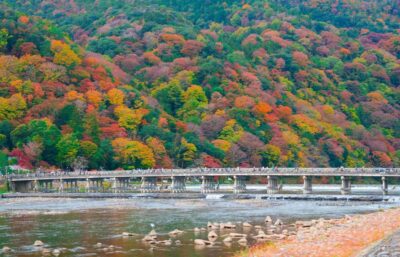
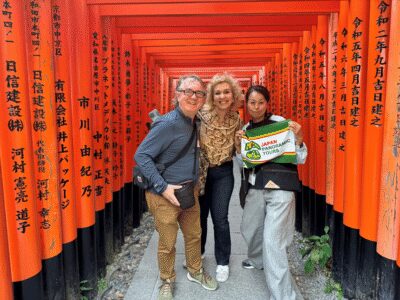
Fushimi Inari, Kinkakuji, Bamboo Grove 1 Day Bus Tour
Read our review →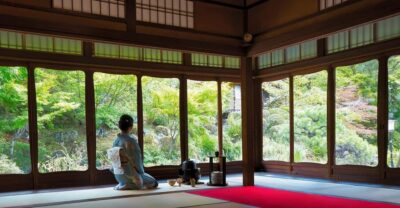
Tea Ceremony in a Traditional Tea House in Kiyomizu
Read our review →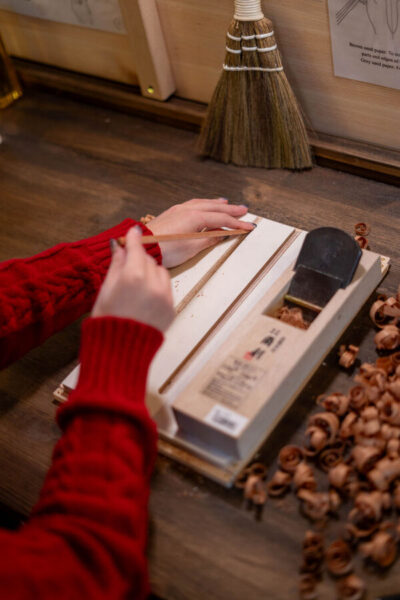
Gion Make Your Own Chopsticks with Engraving Option
Read our review →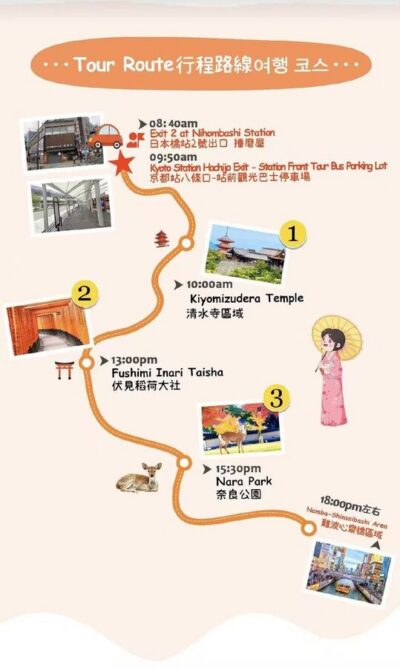
Kyoto Nara Day Trip │ Kiyomizu-dera Temple + Fushimi Inari-taisha Shrine + Nara Park (Departing from Osaka/Kyoto)
Read our review →
Kyoto Geisha Walking Tour: Gion District & Hidden Gems
Read our review →