
Reviewed · COOKING CLASSES
Taisho Sushi Making Class in Tokyo
Sushi skills begin with your hands. Taisho Sushi Making gives you a brisk, hands-on lesson in preparing nigiri, maki, and gunkan sushi, then lets you eat what you make. I like the practice-first format, which uses models before real fish and rice, and I like that vegetarian and vegan options are available. The main consideration is timing: the tour summary lists about one hour, while the detailed class description says 90 minutes, so you should confirm the exact length when booking.
This is a good pick if you want more than a meal but less than a full cooking course. You arrive at the Tokyo meeting point with no equipment, ingredients, or prior experience required. The class also works well for families and larger groups, with a maximum of 50 participants, though a group that size may feel less personal than a small kitchen lesson.
In This Review
- Key points at a glance
- What makes this Tokyo sushi class different
- Arriving at Kōjimachi in Chiyoda City
- The model practice that makes the class approachable
- Making nigiri with seasonal fish
- Rolling maki and learning gunkan
- Eating your sushi properly
- Is $109.01 a fair price?
- Who should book this experience?
- Booking, timing, and cancellation details
- My verdict on Taisho Sushi Making
- FAQ
- Where does the Taisho Sushi Making class begin?
- Where does the experience end?
- How long does the sushi class last?
- What types of sushi will I learn to make?
- Are vegetarian and vegan options available?
- Do I need to bring cooking equipment or ingredients?
- How many people can join the class?
- Can I cancel for a full refund?
Key points at a glance

- Practice with models first: You repeat the hand movements before handling real fish and rice.
- Three sushi styles are covered: The class teaches nigiri, maki, and gunkan, including fillings such as salmon roe and negitoro.
- You eat your own work: The lesson ends with time to enjoy the sushi you prepare, along with guidance on proper sushi etiquette.
- Seasonal fish shapes the meal: The seafood selection changes with the season, so the exact sushi served can vary.
- Vegetarian and vegan choices are available: Non-fish eaters can take part rather than simply watch.
- Convenient central Tokyo meeting point: The class starts and ends at 1-chōme-4-4 Kōjimachi in Chiyoda City.
What makes this Tokyo sushi class different
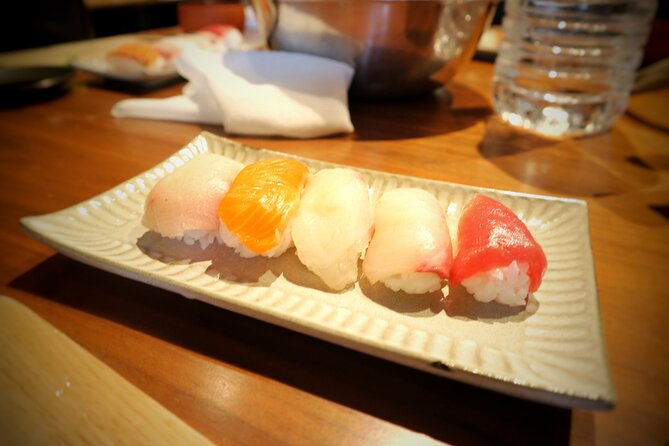
Many food activities in Tokyo put you in front of a finished dish. This one asks you to build the dish yourself. That difference matters because sushi is less about complicated cooking than about controlled hand movements, neat shaping, and knowing how each piece is assembled.
Taisho Sushi Making describes its teaching method as similar to training used in sushi chef schools. You should not take that to mean you are becoming a sushi chef in one short session. You are getting a focused introduction to the basic motions, with more repetition than a simple demonstration.
I especially like the decision to begin with models. Making nigiri with real rice and fish immediately can be awkward. The rice may stick, the fish may shift, and your fingers may not know where to go. Practicing several times with a model lets you learn the grip and shaping sequence before ingredients become part of the lesson.
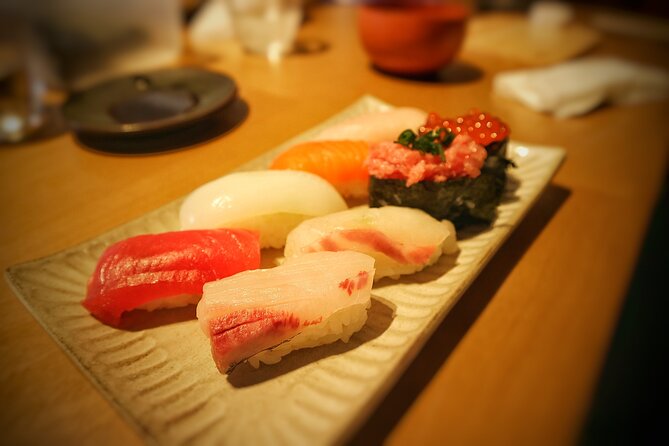
The class also includes more than one sushi type. You work with nigiri, the familiar hand-formed rice topped with fish, then move to gunkan, a rice base wrapped in nori with a topping held inside. Maki, or rolled sushi, is part of the express workshop as well.
That variety gives you a better sense of how sushi is made. It also keeps the hour or 90-minute session moving. You are not repeating one shape from start to finish.
More Cooking Classes in Tokyo
- Sushi Making Tokyo Roll and Authentic Japanese Sushi Class
★ 5.0 · 3,971 reviews - Tokyo: Roll and Authentic Sushi Making Class in Asakusa
★ 4.9 · 1,957 reviews - Tokyo Shinjuku Chopsticks Making Class
★ 5.0 · 1,763 reviews
Arriving at Kōjimachi in Chiyoda City
The meeting point is 1-chōme-4-4 Kōjimachi, Chiyoda City, Tokyo 102-0083, Japan. The activity is near public transportation, which helps if you are fitting the class between sightseeing stops.
The class returns to the same point at the end. That is useful in Tokyo, where a short activity can fit neatly into a busy day without leaving you wondering where the final stop will be.
Your mobile ticket is accepted for the experience, and all equipment and materials are provided. You can arrive empty-handed, which makes this easier to schedule than a cooking lesson that requires special clothing, ingredients, or tools.
Still, give yourself enough time to reach the address. The provided details identify the meeting point but do not include a station name, walking time, or directions from a particular neighborhood. I would use the full address in your map app and avoid planning another reservation immediately afterward, especially since the stated duration varies between approximately one hour and 90 minutes.
The model practice that makes the class approachable
The first important stage is the grip practice. Before you make sushi with real fish and rice, you work with models and repeat the procedure several times.
This is more useful than it may sound. Nigiri requires a light but controlled touch. Press too hard and the rice becomes dense. Press too softly and the piece falls apart. A model gives you a low-pressure way to understand the motion before the ingredients matter.
The class focuses on procedures used in sushi training schools, according to the provider. For you, the practical benefit is repetition. You are not expected to watch a chef form one piece and then copy it perfectly on the first attempt.
I would pay close attention during this part, even if you are eager to start eating. The practice is the part most likely to help you make sushi again at home. The seafood may be seasonal and difficult to duplicate, but the grip, shaping, and rolling ideas are easier to remember.
This opening section should also help families and first-time cooks. Children and adults can try the movements without worrying about wasting fish. The class is not described as a private lesson, so the pace may be shared with other people, but the model stage gives beginners a clear starting point.
Making nigiri with seasonal fish
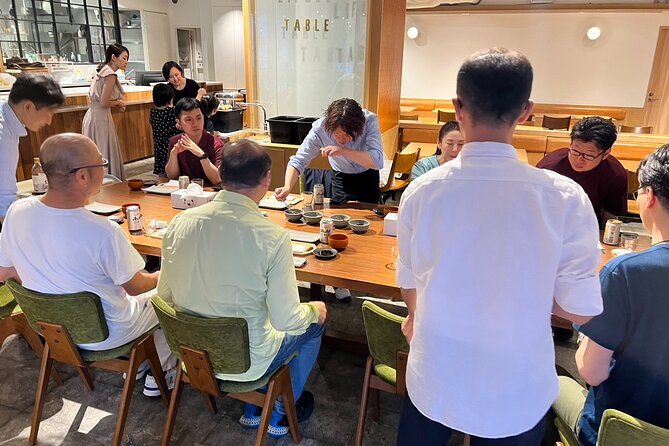
After practicing, you try nigirizushi with real fish and rice. The seafood, called neta in sushi terms, varies by season. That means you should expect the selection to change rather than count on one fixed menu.
The class description emphasizes both variety and quantity. You are meant to have enough sushi to eat until you are full, not just one sample piece to photograph. One published comment also praised the amount of fish and the time provided, which is useful if you are comparing this with short demonstrations that leave you hungry.
This is where the class earns much of its price. At $109.01 per person, you are not paying only for a meal. You are paying for ingredients, instruction, practice materials, equipment, and the chance to shape the food yourself.
The value depends on what you want. If you only want to eat sushi, a restaurant may offer a simpler and possibly less expensive meal. If you want a meal plus a practical lesson in a social setting, this class gives you more to take away.
Do not expect the same precision as a professional sushi counter. The point is to learn the basic process, not to produce flawless pieces. Your early nigiri may look uneven. That is normal, and it is part of the appeal of a hands-on class.
A completely different kind of day out:
- Tokyo Disney Resort – Tokyo Disneyland & Tokyo DisneySea Park Tickets
★ 4.8 · 99,488 reviews - SHIBUYA SKY Ticket
★ 4.7 · 46,509 reviews - JR Whole Japan Rail Pass
★ 4.8 · 29,150 reviews - Mt Fuji and Hakone 1-Day Bus Tour Return by Bullet Train
★ 5.0 · 26,383 reviews
Rolling maki and learning gunkan
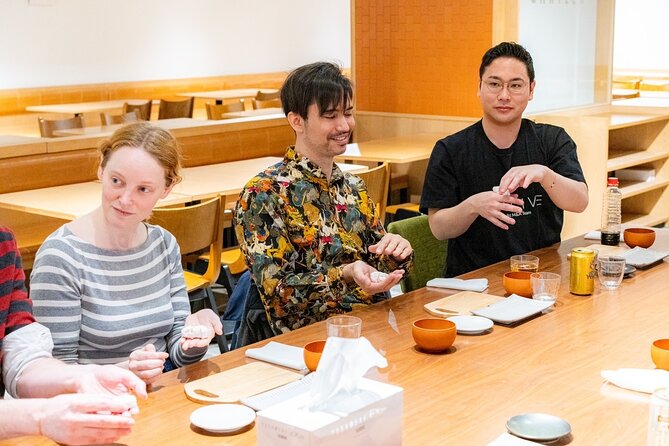
The class also covers maki, or rolled sushi. Rolling requires a different kind of control from nigiri. You need to manage the rice, filling, and nori while keeping the roll firm enough to slice or eat.
The gunkan section adds another useful skill. Gunkan means warship-style sushi, where a strip of nori wraps around the rice and creates a raised edge for the topping. The class uses examples such as salmon roe and negitoro, described as crushed tuna, along with other possible ingredients.
You learn that nori has a front and back side, plus tips for wrapping it correctly. This is the sort of small technical detail that can make home sushi less frustrating. Nori can feel simple, but its texture and shape affect how the finished piece holds together.
Learning three forms also gives you a better meal at the end. Nigiri shows the relationship between rice and topping. Maki teaches rolling. Gunkan shows how nori can act as a container for loose ingredients.
The exact toppings depend on the available ingredients and season. If you have a strong preference or allergy, check with the provider before booking. The supplied information confirms vegan and vegetarian choices, but it does not give a full allergy policy or fixed menu.
Eating your sushi properly
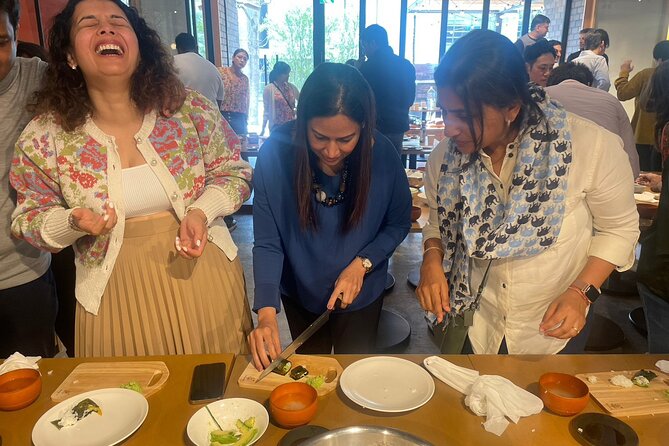
The class finishes with the part everyone is waiting for: eating your creations. You also receive instruction in sushi-eating etiquette.
That can be helpful in Japan, where small details of dining manners may feel unclear. You can learn not just how to form the sushi, but how to handle it once it reaches the plate.
Because you eat what you make, the lesson has a clear payoff. You are not left holding a recipe card and imagining the result. You get an immediate sense of how the rice, nori, and toppings work together.
I also like the social side of this setup. Sushi attracts people who may have very different Tokyo plans, and the shared activity gives you an easy reason to talk. The maximum group size is 50, so this is designed as a social class rather than an intimate private workshop.
That large capacity is both an advantage and a limitation. It makes the activity suitable for families, larger parties, and people who enjoy meeting others. It may be less appealing if you want constant one-on-one attention from an instructor.
Is $109.01 a fair price?
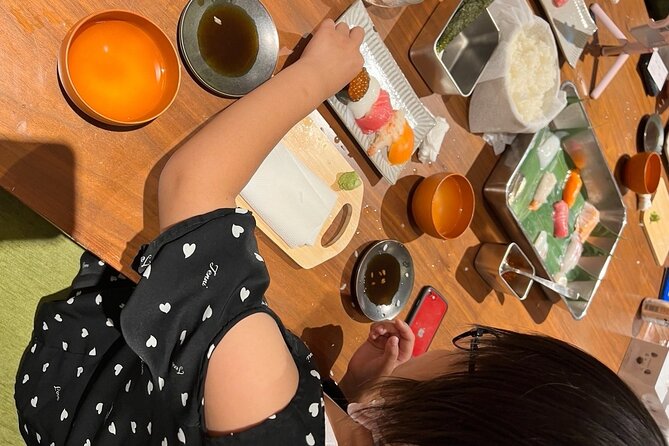
At $109.01 per person, this is a premium short activity. The class is brief, and the exact duration needs clarification because the summary says approximately one hour while the detailed description calls it a 90-minute experience.
The price makes more sense when you count what is included. You receive all equipment and materials, practice with models, instruction in several sushi forms, real fish and rice, a filling meal, and etiquette guidance. The seafood quantity is also presented as generous.
I would book it for the learning experience, not as a bargain lunch. A restaurant meal gives you more control over the menu and pace. Taisho gives you an activity, a meal, and a skill you can try again after your vacation.
The class is particularly good value for someone who already loves sushi and wants a memory tied to the food. It is also practical for a short Tokyo schedule. You do not need to commit half a day to a market tour or long cooking program.
For strict vegetarians and vegans, the availability of alternatives is important. You can participate instead of sitting through a fish-focused class. Since the available details do not name the exact plant-based ingredients, ask what will be served if your diet is strict.
Who should book this experience?
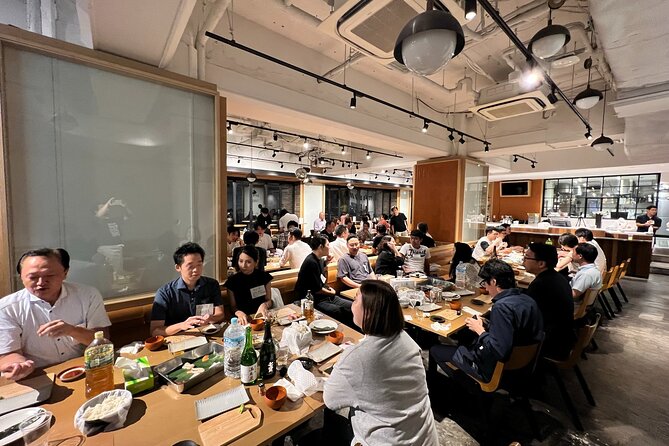
I would recommend this class to first-time sushi makers, families, groups of friends, and food-focused visitors who want an activity with a clear result. It is also a smart choice if you have already eaten sushi in Tokyo and want to understand the work behind the plate.
The model practice makes it friendly to beginners. You do not need to arrive with knife skills or cooking experience. The hands-on format gives you something active to do, which is useful on a trip filled with temples, museums, and train rides.
Larger groups should find the setup convenient. The maximum is 50 people, and one published five-star comment specifically praised the class for larger groups and families. Just keep your expectations realistic: a big session can feel less tailored than a small class.
I would think twice if your main goal is a quiet, high-end sushi tasting. This is a workshop with other participants, not a formal meal at a sushi counter. I would also check the duration before booking if you have a tight schedule.
People who do not eat fish should not automatically dismiss it. Vegan and vegetarian options are offered. People with allergies should request more details before confirming, since the available information does not specify cross-contact procedures or every ingredient.
Booking, timing, and cancellation details
The class is commonly booked about 23 days ahead, so I would reserve before your Tokyo dates are fixed too tightly. Confirmation is sent within 48 hours of booking, subject to availability.
You can cancel for a full refund up to 24 hours before the start time. Changes or cancellations made less than 24 hours before the local start time are not accepted for a refund.
The activity requires a minimum number of participants. If that minimum is not reached and the class is canceled, you are offered another date or experience, or a full refund.
Service animals are allowed. The class is near public transportation, and it begins and ends at the same Kōjimachi meeting point.
My verdict on Taisho Sushi Making
Taisho Sushi Making is a focused, practical way to connect with one of Tokyo’s best-known foods. I like the model-based practice, the mix of nigiri, maki, and gunkan, and the chance to eat a substantial amount of sushi at the end.
The main weaknesses are the unclear one-hour versus 90-minute duration and the possibility that a group of up to 50 may limit personal attention. At $109.01, it is not the cheapest way to eat sushi, but it can be a fair deal if you value instruction and participation as much as the meal.
Book it if you want to make sushi, not simply order it. Choose it for a family outing, a food-centered break in Tokyo, or a first practical lesson that does not demand a full day. Skip it if you want a quiet chef-led tasting, a fixed seafood menu, or a highly private class.
FAQ
Where does the Taisho Sushi Making class begin?
The class begins at 1-chōme-4-4 Kōjimachi, Chiyoda City, Tokyo 102-0083, Japan.
Where does the experience end?
The activity ends back at the meeting point in Kōjimachi.
How long does the sushi class last?
The tour summary lists an approximate duration of one hour, while the detailed class description says 90 minutes. Confirm the exact timing when booking.
What types of sushi will I learn to make?
The class covers nigiri, maki, and gunkan sushi. Gunkan examples include salmon roe and negitoro, with ingredients varying by season.
Are vegetarian and vegan options available?
Yes. Vegan and vegetarian options are available for people who do not eat fish.
Do I need to bring cooking equipment or ingredients?
No. All equipment and materials are provided, so you can arrive empty-handed.
How many people can join the class?
The activity can have a maximum of 50 participants.
Can I cancel for a full refund?
Yes. You can cancel at least 24 hours before the local start time for a full refund. Cancellations or changes made less than 24 hours before the start time are not accepted for a refund.
Just added in Tokyo
- Tokyo The Izakaya tour★ 5.0 · 131 reviews
- The Best Family-Friendly Tokyo Tour with Government Licensed Guide★ 5.0 · 28 reviews
- Highlights & Hidden Gems of the Shibuya District Private Tour★ 5.0 · 48 reviews
- Tokyo Deep Inside Cycle Tour~3 Hours E Bike Tour around Tokyo★ 5.0 · 50 reviews
- Tattoo-friendly open-air Onsen & drink★ 5.0 · 25 reviews
- Tokyo Traditional Tea Ceremony with a Japanese Tea Master★ 5.0 · 40 reviews
- Baseball Professional • Yomiuri Giants★ 4.5 · 13 reviews
- Sushi Making in Tokyo at a Michelin-Listed Restaurant★ 5.0 · 40 reviews
Cooking Classes, compared.
Sushi Making Tokyo Roll and Authentic Japanese Sushi Class
Read our review →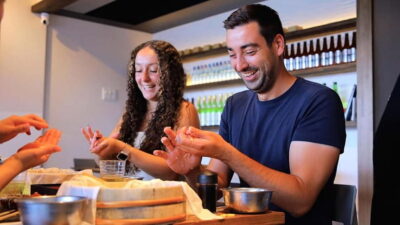
Roll and Authentic Sushi Making Class in Asakusa
Read our review →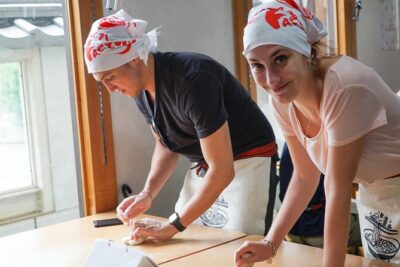
Ramen Cooking Class at Ramen Factory in Kyoto
Read our review →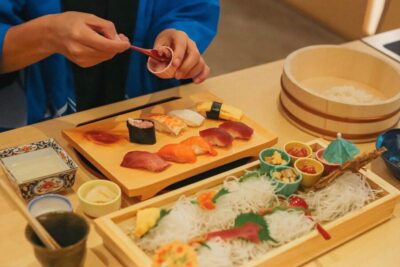
Sushi Making Class in a Happi Coat near a Famous Spot
Read our review →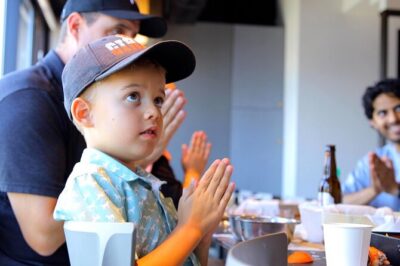
Sushi Making Osaka Roll and Authentic Japanese Sushi Class
Read our review →
Tokyo Sushi Making Class in Tsukiji with Professional Chef
Read our review →
Ramen & Gyoza Cooking Class in Tokyo with Local Supermarket Visit
Read our review →Browse the lists this tour appears in