Reviewed · KYOTO TOURS
The right way to know Kyoto
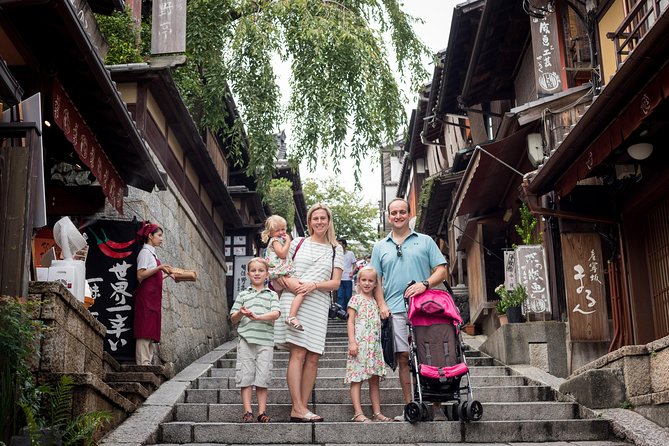
Kyoto rewards a good plan. This private walking tour pairs personalized sightseeing with a guide who can explain Japanese history, religion, and daily customs as you move between temples, shrines, markets, and gardens. I like the freedom to shape the day around your interests, and I like that guides such as Tom, Jose, Laura, Peter, Esteban, Maki, and Cristobal have helped families and first-time visitors get around by train, bus, and taxi.
The strongest part is the human touch: guides adjust the pace, answer questions, take photos, and point out quieter places beyond the usual checklist. The main consideration is time. Six hours is not enough to enjoy every major sight in Kyoto, and transportation between distant areas can eat into the walking time.
In This Review
- Key things to know before you book
- Why a private guide helps in Kyoto
- Starting at Kyoto Station
- Fushimi Inari and its orange torii gates
- Arashiyama’s Bamboo Forest Trail
- Kinkakuji, Kyoto’s Golden Pavilion
- Ginkakuji and the beauty of restraint
- A flexible plan is better than a long checklist
- Walking, trains, buses, and taxis
- What the guides add to the day
- Price and value for a group of six
- Who should book this Kyoto experience
- Should you book it?
- FAQ
- How long does the tour last?
- How many people can join the private tour?
- Is hotel pickup included?
- Are entrance tickets included?
- Is transportation included?
- Can I cancel for a full refund?
Key things to know before you book
- A private day for up to six people: Your group receives the guide’s full attention, with no strangers joining the walk.
- Flexible sightseeing: You can request major temples, shrines, markets, gardens, bamboo groves, or areas away from the main crowds.
- Four major Kyoto stops suggested: Fushimi Inari-taisha, the Bamboo Forest Trail, Kinkakuji, and Ginkakuji each offer a different side of the city.
- Public transportation is part of the practical value: Guides can help you use Kyoto’s trains and buses instead of leaving you to puzzle over routes.
- Expect a full day on your feet: Past tours included long walks, crowded trains, and in one case close to 28,000 steps.
- The price favors groups: At $371.41 for up to six people, the per-person cost becomes much better when shared by four to six people.
Why a private guide helps in Kyoto
Kyoto is not difficult because its sights are obscure. It is difficult because its famous places are spread across the city, each with its own train, bus, walking, and timing puzzle. Fushimi Inari lies south of central Kyoto, Arashiyama and its bamboo grove sit far to the west, and Kinkakuji and Ginkakuji occupy different parts of the northern and eastern city.
I like the private format because you can spend more time on what matters to you. If Japanese religious practice interests you, ask for explanation at Fushimi Inari or Ginkakuji. If gardens are your priority, say so before the day begins. If you are traveling with teenagers, a guide such as Tom can connect history with interests including manga. If you are with an older parent, the pace can be adjusted, with local taxis used when a long stretch of walking becomes too much.
This is not simply a ride from one photo stop to another. The useful part is learning how to behave at shrines and temples, how to make an offering, and how to navigate Kyoto’s public transportation. Esteban even helped one group take part in a shrine offering and explained the details of Shinto practice along the way.
A few more options to weigh up in Kyoto
- PERFECT KYOTO 1-Day Bus Tour
★ 5.0 · 13,518 reviews - [Kyoto & Nara Day Tour] Sagano Scenic Railway & Nara Park & Fushimi Inari Taisha Thousand Torii Gates & Togetsukyo Bridge & Bamboo Grove & Kimono Forest (Departing from Osaka)
★ 4.9 · 10,942 reviews - Kyoto: Fushimi Inari, Kinkakuji, Bamboo Grove 1 Day Bus Tour
★ 4.8 · 4,316 reviews
Starting at Kyoto Station
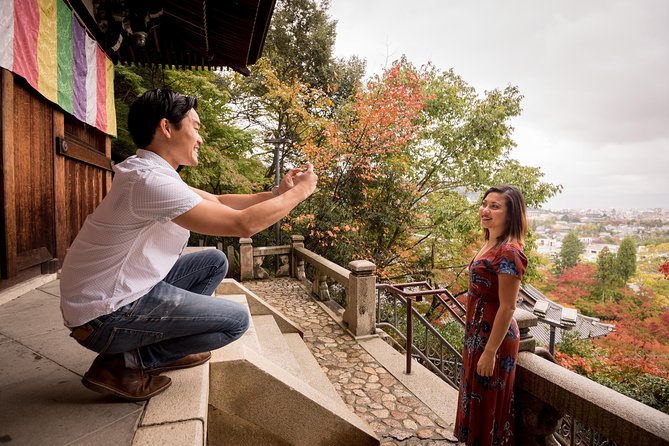
The listed meeting point is Kyoto Station, at Higashishiokoji Kamadonocho. This is a sensible place to begin because it is a major transport center and a natural starting point for a day across the city.
Pickup is offered, but the stated meeting point is Kyoto Station, so confirm the exact arrangement when you book. The tour is scheduled from 9:00 a.m. to 3:00 p.m., with an approximate duration of six hours, and it ends back at the meeting point.
That schedule calls for a clear plan. You cannot casually wander through every corner of Kyoto and still reach all four suggested stops. The most satisfying days are likely to focus on a few areas rather than attempt every famous sight at once.
Fushimi Inari and its orange torii gates
Fushimi Inari-taisha is one of Kyoto’s most memorable sights. Its long path passes beneath thousands of orange torii gates, creating a tunnel-like walk up the wooded slopes behind the shrine.
The suggested visit lasts about one hour, and admission is free. That hour gives you time to see the main shrine grounds and walk beneath a good stretch of gates, though it is not enough for every uphill path on the mountain.
A guide adds real value here because Fushimi Inari is more than a striking backdrop. You can learn about Shinto customs, shrine etiquette, and the meaning of offerings. Esteban’s approach, explaining the religion and showing where to take photos, is exactly the kind of help that turns a quick stop into a more respectful visit.
The drawback is popularity. The lower section can be crowded, and the most famous photographs are not always the quietest moments. Ask your guide to help you find a less congested section, and wear shoes that can handle uneven paths and steps.
Arashiyama’s Bamboo Forest Trail
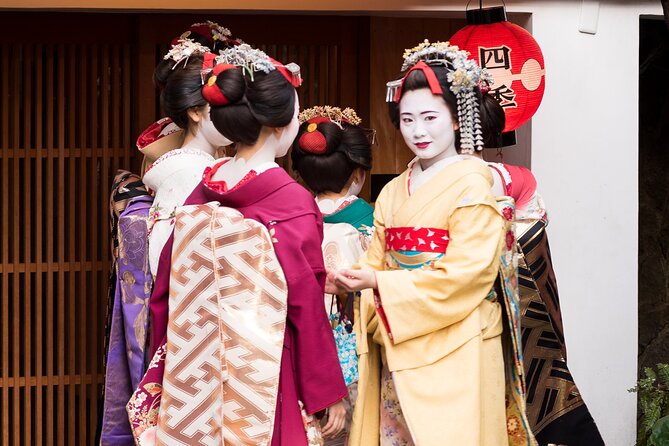
The Bamboo Forest Trail is scheduled for about 45 minutes, with no admission charge for the trail itself. Tall bamboo creates a narrow green corridor that feels very different from the open shrine grounds at Fushimi Inari.
This stop is scenic, but it is also brief. If you want only the classic bamboo walk, 45 minutes may work. If you want to see more of Arashiyama, the suggested itinerary can quickly expand.
One longer Arashiyama day included Nonomiya Shrine, the bamboo grove, Okochi Sanso Garden, Togetsukyo Bridge, Horin-ji Buddhist Temple, and Monkey Park. Okochi Sanso has a small entrance fee, and that extra cost was considered worthwhile because the garden includes tea and a memorial connected with its founder. Monkey Park requires an uphill walk, but provides views and the chance to see monkeys.
You should not expect all of those Arashiyama stops during a six-hour tour that also includes Fushimi Inari, Kinkakuji, and Ginkakuji. If bamboo and western Kyoto are your main interests, ask for an Arashiyama-focused day instead of trying to cover the whole city.
A completely different kind of day out:
- Kyoto: Tea Ceremony in a Traditional Tea House in Kiyomizu
★ 4.9 · 3,519 reviews - Kyoto: Gion Make Your Own Chopsticks with Engraving Option
★ 5.0 · 3,465 reviews - Kyoto Nara Day Trip │ Kiyomizu-dera Temple + Fushimi Inari-taisha Shrine + Nara Park (Departing from Osaka/Kyoto)
★ 4.7 · 3,408 reviews - Kyoto Geisha Walking Tour: Gion District & Hidden Gems
★ 4.7 · 3,273 reviews
Kinkakuji, Kyoto’s Golden Pavilion
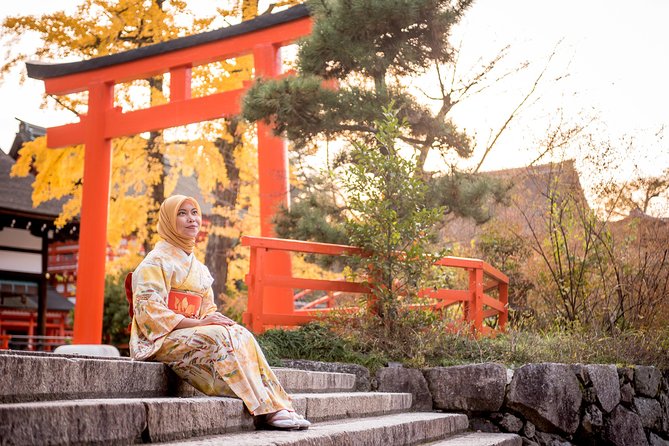
Kinkakuji, commonly called the Golden Pavilion, is scheduled for one hour. The entrance ticket is not included, so budget separately for admission.
The pavilion’s appeal is immediate. Its gold-covered exterior reflects beside a pond, surrounded by carefully arranged gardens. It is one of Kyoto’s most recognizable sights, and a guide can give you the historical and religious context that a quick photograph cannot.
Still, Kinkakuji is a controlled sightseeing experience. You follow a set path, and the most popular viewing area can feel crowded. One hour is enough to see the pavilion and gardens at a reasonable pace, but not enough for a slow, meditative visit if the grounds are busy.
I would ask your guide to explain how Kinkakuji fits into Kyoto’s larger temple tradition rather than treating it as a single postcard stop. That context is one reason this tour may be worth paying for instead of simply arriving by yourself.
Ginkakuji and the beauty of restraint
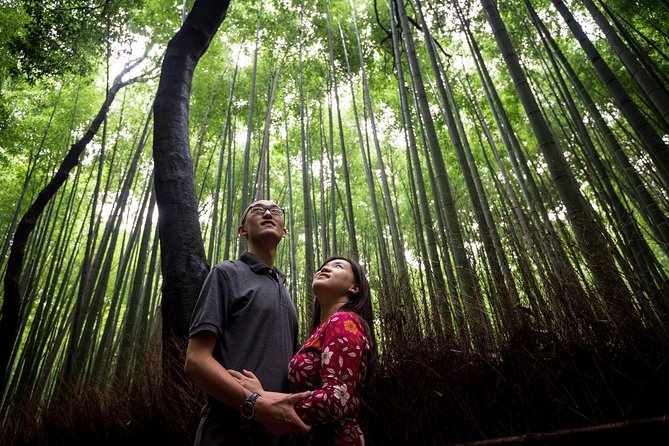
Ginkakuji, the Silver Pavilion, is also allotted one hour, and its entrance fee is not included. Despite its name, the pavilion is not covered in silver. Its lasting appeal comes from its calm Zen gardens and understated design.
This is a useful contrast with Kinkakuji. The Golden Pavilion is flashy and immediate. Ginkakuji is quieter in spirit, with gardens shaped by restraint and simplicity. The visit gives your guide a good opening to discuss wabi-sabi, the Japanese appreciation of imperfection, age, and modest beauty.
If you care about gardens, tell your guide early. Several successful days placed gardens among the favorite stops, and Ginkakuji is a natural place to slow down and look closely rather than rush through for another photograph.
The practical issue is distance. Fushimi Inari, Arashiyama, Kinkakuji, and Ginkakuji are not a compact walking circuit. You will need public transportation or taxis, and the time spent changing locations reduces the time available at the sights.
A flexible plan is better than a long checklist
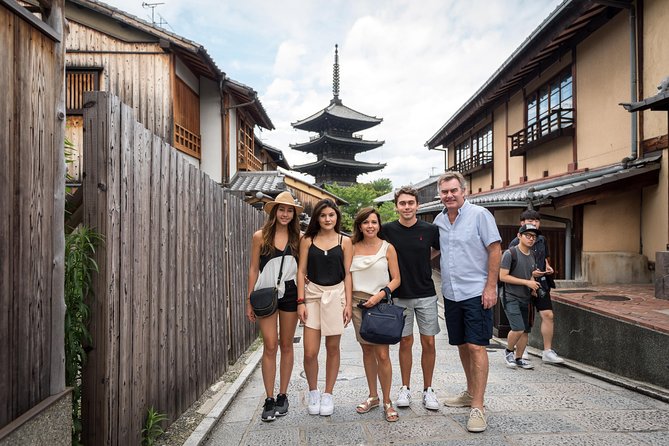
The tour is described as customizable, and that is its central strength. You can request the major sites you most want, then let the guide fill gaps with temples, shrines, markets, streets, or gardens that fit the route.
Several guides have been praised for adapting plans during the day. Jose adjusted routes to suit interests and offered tips for later sightseeing. Peter was appreciated for thoughtful planning and changes along the way. Esteban built a schedule for a same-day visit from Tokyo, allowing a group to see Kyoto before catching an evening train.
That kind of flexibility matters if Kyoto is only one stop on a larger Japan trip. It also helps families, since children and teenagers rarely want a nonstop sequence of temple halls. Tom kept two teenage boys engaged while guiding a group through public transportation and a very long walking day.
The risk is that flexibility can create unrealistic expectations. If you ask to include every major temple, shrine, market, and garden, the day may feel rushed. The most useful question at the start is not What can we fit in? It is What do we most want to understand or experience?
Walking, trains, buses, and taxis
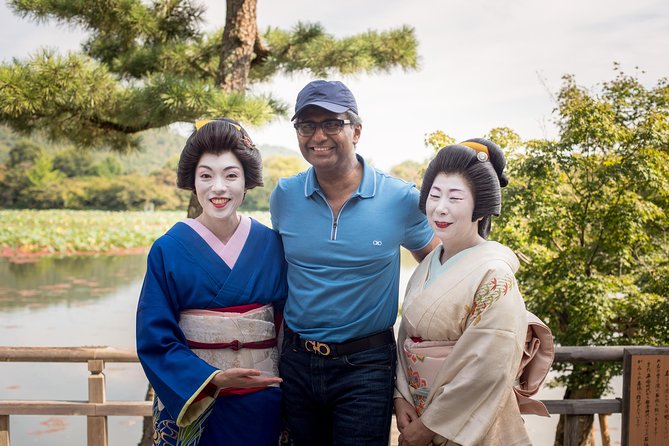
Despite the word walking in the experience description, this is not six hours of walking from sight to sight. Kyoto’s geography makes public transportation part of the day. You may use trains and buses, and some guides have also used local taxis when that suited the group.
That is a major benefit if you are unfamiliar with Kyoto. Cristobal was praised for moving groups through the train system efficiently, while Jose helped visitors gain confidence using public transportation on their own. By the end of the day, you may have a better sense of how to reach other places without a guide.
You should still prepare for substantial time on your feet. One family covered close to 28,000 steps, and another group specifically stressed that crowded public transportation can mean standing. Comfortable shoes, water, and realistic expectations matter.
If someone in your group has limited stamina, tell the guide before the tour begins. A parent in her seventies had a successful day with Tom because he adjusted the pace and combined walking with taxis. The activity says most people can participate, but it does not promise a low-walking route.
What the guides add to the day
The guide quality appears to be the biggest reason people rate this experience so highly. The strongest praise centers on patience, cultural explanation, flexibility, and the ability to make a large city feel manageable.
Different guides bring different strengths. Maki is a Kyoto native who has led enjoyable Arashiyama outings. Tom has been especially effective with families and older visitors. Laura has tailored days around Kyoto history and answered detailed questions. Jose and Jose David have been praised for history, practical help, and personal warmth. Peter has been valued for planning and finding less obvious places.
There is one important caution. A guide’s background and English style may vary. One guest found a guide’s accent difficult to follow and wanted more explanation at the sights. If detailed academic commentary is your top priority, state that clearly when discussing your interests.
The description calls the guide an expert in Japanese culture and history, but your actual experience depends on the person assigned. The good news is that the tour’s private format gives you a chance to ask questions, request more context, and guide the conversation toward what matters to you.
Price and value for a group of six
The price is $371.41 per group of up to six people. Divided six ways, that is about $62 per person. For four people, it is about $93 each, and for two people, about $186 each.
That makes the tour far better value for a family or group of friends than for a solo visitor or couple. Entrance tickets, transportation, and meals are extra, so the advertised price is not the full cost of the day.
I see the value in the time saved and the reduced stress. You are paying for a private guide, route planning, local transport help, historical explanation, and the ability to adjust the pace. If you have only one day in Kyoto, that can be worth more than the cost of separate admissions and a few wrong turns.
If you have several days in Kyoto and enjoy planning routes yourself, you may prefer independent sightseeing. The tour makes the most financial sense when your group shares the cost and you want to see a lot without spending hours organizing trains and buses.
Who should book this Kyoto experience
I would recommend it most strongly to:
- First-time visitors who want an overview without getting lost
- Families with children or teenagers who need a flexible pace
- Groups of four to six who can share the price
- Visitors with one packed day in Kyoto
- People interested in Japanese religion, customs, history, and gardens
- Anyone nervous about using Kyoto’s public transportation
I would be more cautious if you want a slow, single-neighborhood walk. The suggested stops cover distant parts of Kyoto, and six hours can feel rushed when every transfer is included.
Free cancellation is available if you cancel at least 24 hours before the start time. Changes or cancellations inside that window are not accepted for a refund.
Should you book it?
Book this private Kyoto tour if you want a guide to make the city easier, explain what you are seeing, and reshape the day around your interests. It is especially attractive for a group of six, a family, or anyone visiting Kyoto for only a short time.
Before booking, decide on your top two or three priorities. Tell the guide if you prefer gardens, religious history, bamboo, major landmarks, food streets, or quieter neighborhoods. If you try to collect every famous sight in one six-hour stretch, you may spend too much of the day in transit.
For the best result, treat the tour as a personal introduction to Kyoto, not a race through a checklist. With the right guide and a sensible plan, it can give you both memorable sights and the confidence to continue exploring on your own.
FAQ
How long does the tour last?
The tour lasts approximately six hours. Its scheduled hours are 9:00 a.m. to 3:00 p.m., Monday through Sunday.
How many people can join the private tour?
The price covers one private group of up to six people. Only your group participates.
Is hotel pickup included?
Pickup is offered, but the stated meeting point is Kyoto Station. Confirm the exact pickup arrangement when booking.
Are entrance tickets included?
No. Entrance tickets are not included. Kinkakuji and Ginkakuji require separate admission payments, while Fushimi Inari-taisha and the Bamboo Forest Trail are listed as free.
Is transportation included?
No. Transportation is not included in the tour price. The experience may involve public trains, buses, or local taxis, with transportation costs paid separately.
Can I cancel for a full refund?
Yes, if you cancel at least 24 hours before the experience start time. Cancellations or changes made less than 24 hours in advance are not refunded or accepted.
Just added in Kyoto
- The “Golden Route” and Ancient Japan by DIAMIR Erlebnisreisen – 14-Day Tour★ 2.0 · 2 reviews
- Japan: Castles & Cuisine by G Adventures – 6-Day Kyoto to Osaka Tour★ 4.5 · 4 reviews
- Cycle Japan by Explore! – 13-Day Kyoto to Tokyo Tour★ 4.7 · 12 reviews
- Cycle Japan by Intrepid Travel – 11-Day Kyoto to Tokyo Tour★ 4.8 · 2 reviews
- Classic Japan by Intrepid Travel – 11-Day Kyoto to Tokyo Tour★ 4.4 · 14 reviews
- Ancient & Modern Japan 14-Day Tour by Exodus Adventure Travels★ 4.4 · 40 reviews
- 5 Day Cultural Adventure of Kyoto, Nara & Osaka by Tourist Journey★ 2.5 · 2 reviews
- 12 Days Kinosaki Onsen Escape: A Journey Through Japan’s Timeless Towns by UME Travel★ 4.8 · 5 reviews
Kyoto Tours, compared.
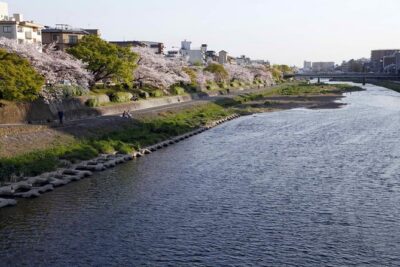
![[Kyoto & Nara Day Tour] Sagano Scenic Railway & Nara Park & Fushimi Inari Taisha Thousand Torii Gates & Togetsukyo Bridge & Bamboo Grove & Kimono Forest (Departing from Osaka)](https://media.japanvisits.com/wp-content/uploads/kyoto-nara-day-tour-sagano-scenic-railway-nara-park-fushimi-inari-taisha-thousand-torii-gates-togetsukyo-bridge-bamboo-grove-kimono-forest-departing-from-osaka-k110001-400x257.jpg)
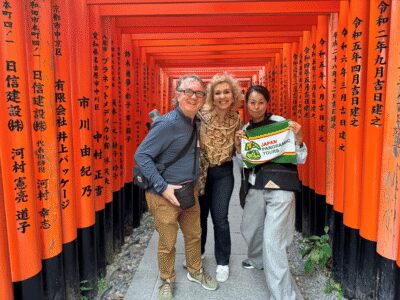
Fushimi Inari, Kinkakuji, Bamboo Grove 1 Day Bus Tour
Read our review →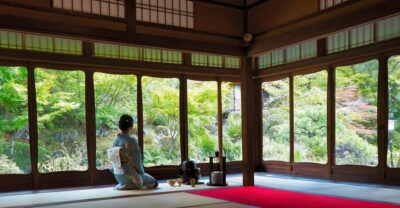
Tea Ceremony in a Traditional Tea House in Kiyomizu
Read our review →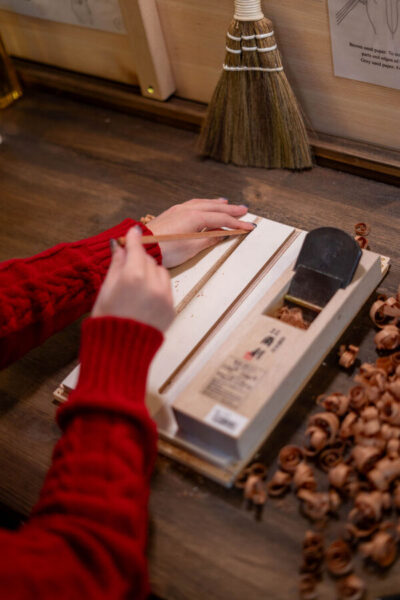
Gion Make Your Own Chopsticks with Engraving Option
Read our review →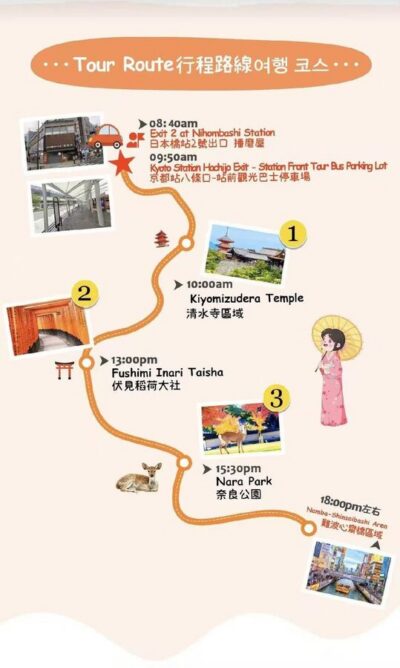
Kyoto Nara Day Trip │ Kiyomizu-dera Temple + Fushimi Inari-taisha Shrine + Nara Park (Departing from Osaka/Kyoto)
Read our review →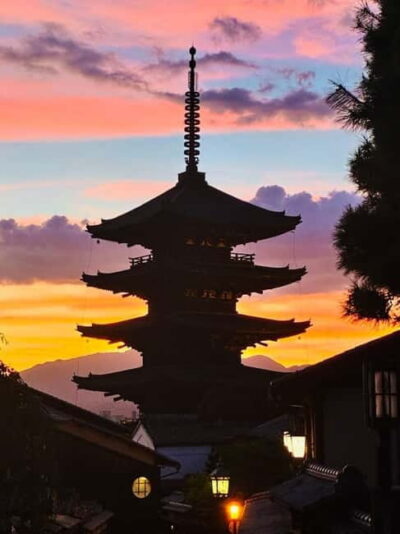
Kyoto Geisha Walking Tour: Gion District & Hidden Gems
Read our review →