
Reviewed · TEMPLES AND SHRINES
The Way of Tea: Kyoto Crafts, Hidden Temples & Wabi-Sabi Walk
Tea, temples, and Kyoto in three hours. This compact walking experience brings together Gion’s old lanes, Kennin-ji Temple, local craft shops, and a matcha ceremony in a traditional Japanese house. I like the way the route connects tea culture with wabi-sabi, the Japanese appreciation of simplicity and imperfection. I also like the small maximum group of seven, which gives you a fair chance to ask questions without chasing a flag through the city. The main concern is the guide experience: one published account found the English difficult to hear and felt that some site explanations were thin.
This is a good choice if you want Kyoto’s cultural highlights without planning several separate admissions and appointments. You should expect a fairly active walk, changing weather, and a firm start time. Miss the meeting time and you cannot join later, reschedule, or receive a refund.
In This Review
- Key points to know before booking
- Starting in Gion with tea on your mind
- Kennin-ji, Kyoto’s oldest Zen temple
- Craft shops and the character of a raku tea bowl
- A quiet temple garden before the ceremony
- Making matcha in a traditional Japanese house
- What $94.45 buys you
- Weather, clothing, and walking demands
- Who will enjoy this Kyoto experience
- Booking, cancellation, and timing tips
- Should you book The Way of Tea?
- FAQ
- Where does the tour begin?
- Where does the tour end?
- How long does the experience last?
- Is the tea ceremony included?
- Are temple entrance fees included?
- Is the tour conducted in English?
- How many people can join?
- Can children join the tea ceremony?
- What happens if I arrive late?
Key points to know before booking
- The route begins in Gion: Meet at the Statue of Izumo-no-Okuni outside Exit 5 of Gion Shijo Station on the Keihan Line.
- Kennin-ji is the main temple visit: The tour includes admission to two temples, with about 30 minutes at Kennin-ji.
- Tea culture shapes the whole walk: You learn about Japanese tea before making matcha under a tea master’s instruction.
- Crafts are part of the story: A tea bowl shop introduces raku ceramics and the idea that each cup has its own character.
- The group is capped at seven: This is a more personal format than a large bus tour, though other participants may join you.
- The experience ends near Kiyomizu: The final tea house is at 4-chōme-172-7 Kiyomizu, not back at Gion Shijo Station.
Starting in Gion with tea on your mind
The meeting point is easy to identify if you follow the instructions closely. Go to the Statue of Izumo-no-Okuni, directly outside Exit 5 of Gion Shijo Station. The guide carries an orange sign marked Magical Trip Tour.
That precise meeting point matters in Kyoto. Gion’s streets can feel confusing, especially when several station exits open into different parts of the district. I would arrive early rather than try to locate the statue at the last moment. The tour starts on time, and late arrivals cannot join the group or move the booking to another date.
The first 30 minutes take you through Gion, where the guide introduces the history of Japanese tea and explains how it is made. You also visit a famous matcha shop. This gives the tour a useful beginning: instead of treating the tea ceremony as an isolated performance at the end, you get some background first.
The Gion portion is relatively short, so you should not expect an exhaustive district tour. Its value is the connection between place and practice. Kyoto’s tea traditions are easier to appreciate when you have already walked through one of the city’s best-known historic areas and seen how tea remains part of its cultural identity.
More Temples and Shrines in Kyoto
- [Kyoto & Nara Day Tour] Sagano Scenic Railway & Nara Park & Fushimi Inari Taisha Thousand Torii Gates & Togetsukyo Bridge & Bamboo Grove & Kimono Forest (Departing from Osaka)
★ 4.9 · 10,942 reviews - Kyoto: Fushimi Inari, Kinkakuji, Bamboo Grove 1 Day Bus Tour
★ 4.8 · 4,316 reviews - Kyoto: Tea Ceremony in a Traditional Tea House in Kiyomizu
★ 4.9 · 3,519 reviews
Kennin-ji, Kyoto’s oldest Zen temple
The next stop is Kennin-ji Temple, where you spend about 30 minutes. The temple has stood for centuries and is presented as one of the historic anchors of the walk.
Admission to two temples is included in the tour price, so you do not need to handle separate tickets during the outing. That is a small convenience, but it helps keep a short tour moving. You can focus on the buildings, grounds, and explanations instead of reaching for your wallet every time you enter a site.
Thirty minutes is enough for a guided introduction, but it is not enough for a leisurely exploration of every corner. If Kennin-ji is high on your Kyoto list, you may want to return on your own later. The tour gives you an organized first look rather than a complete temple visit.
I would pay attention to how the guide links the temple to the tea discussion. The central theme here is not simply famous sights followed by a tea lesson. It is the idea that Japanese aesthetics, religious spaces, handmade objects, and tea practice can be understood together.
Craft shops and the character of a raku tea bowl
The itinerary then turns toward Kyoto’s craft tradition, with about 30 minutes visiting craft shops. This portion should appeal to you if you prefer seeing objects in context rather than buying generic souvenirs.
The most specific craft detail is the visit to a tea bowl shop featuring the raku teacup. Your guide explains how each cup has its own character, history, and meaning. That idea fits naturally with wabi-sabi, where irregularity and signs of human touch can be valued rather than treated as flaws.
You should keep your expectations realistic. The experience includes a craft-shop visit and discussion, but it does not state that a tea bowl or other object is included in the price. Additional food and drinks are also not included. If you find a piece you like, treat any purchase as a separate expense.
This is one of the more thoughtful parts of the route because it helps you notice the physical object used in the final tea ceremony. A bowl is not just a container for matcha. Its shape, texture, color, and imperfections affect the mood of the ritual. Even a short explanation can change how you look at ceramics in Kyoto shops and museums afterward.
A quiet temple garden before the ceremony
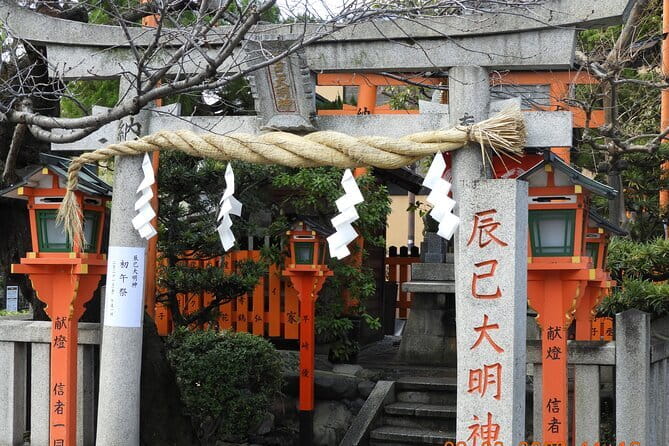
The route includes a hidden temple and garden in Kyoto Prefecture, with about 30 minutes set aside for this part. The supplied details do not name the temple, so you should think of this as a surprise element rather than a stop you can research in advance.
That uncertainty may be part of the appeal. The tour is designed around smaller cultural moments, not only Kyoto’s most famous landmarks. A quieter temple and garden can provide a pause after the more recognizable Gion and Kennin-ji sections.
At the same time, the description does not provide a detailed account of the garden’s size, style, or specific features. I would avoid booking this tour solely because you expect a particular celebrated garden. Its role is to support the wabi-sabi theme and create a slower transition toward the tea house.
The schedule gives each major stop about 30 minutes before the one-hour ceremony. That makes the tour easy to follow, but it also means the guide must keep the group moving. If you like a relaxed pace with plenty of time for photography, the itinerary may feel brisk.
A completely different kind of day out:
- PERFECT KYOTO 1-Day Bus Tour
★ 5.0 · 13,518 reviews - Kyoto: Gion Make Your Own Chopsticks with Engraving Option
★ 5.0 · 3,465 reviews - Kyoto Nara Day Trip │ Kiyomizu-dera Temple + Fushimi Inari-taisha Shrine + Nara Park (Departing from Osaka/Kyoto)
★ 4.7 · 3,408 reviews - Kyoto Geisha Walking Tour: Gion District & Hidden Gems
★ 4.7 · 3,273 reviews
Making matcha in a traditional Japanese house
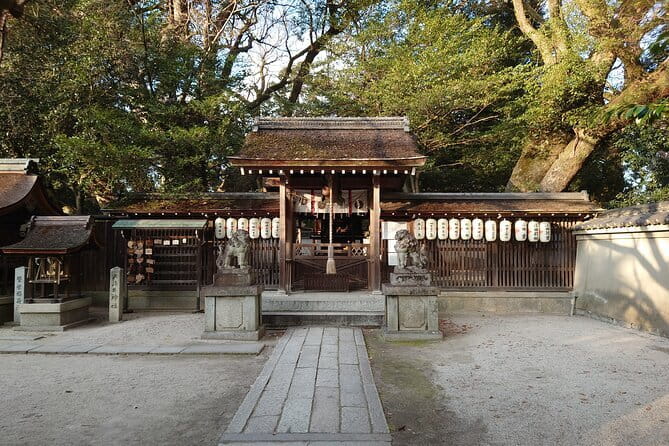
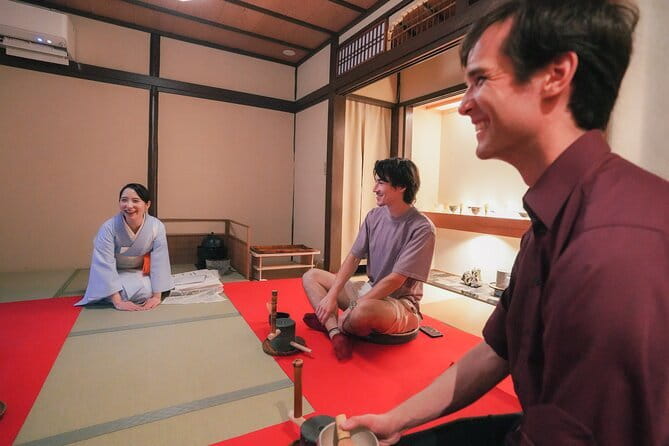
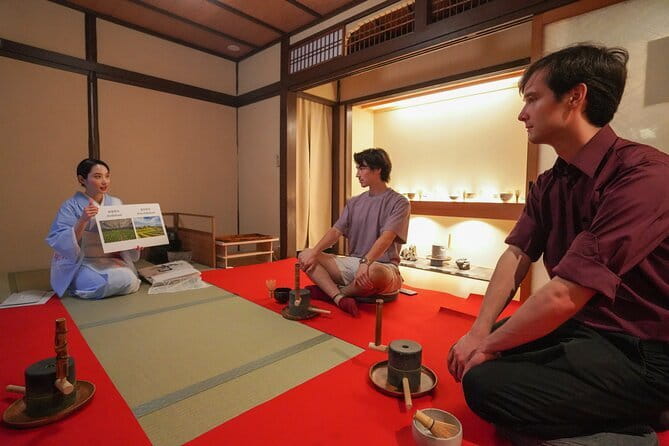
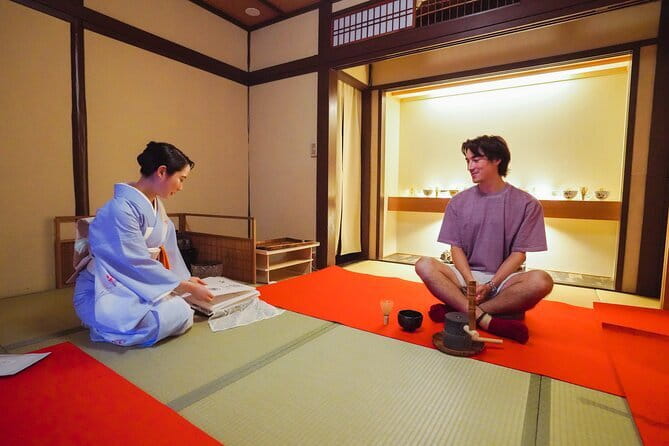
The final stop is the heart of the experience. At Chayu, you take part in a tea ceremony in a real tea house and make matcha under the direction of a tea master. The tea experience lasts about one hour, and admission is included.
For many people, this will be more memorable than simply watching a ceremony. You are given a chance to take part, learn the basic process, and drink matcha in a traditional Japanese house. The setting provides a stronger sense of place than a modern café demonstration.
The tea ceremony also brings together the earlier parts of the walk. The matcha shop introduces the drink. Kennin-ji and the temple garden provide religious and visual context. The craft stop explains the tea bowl. Then the tea house lets you use what you have seen and discussed.
The experience is available only to people aged six and older. Younger children can come to the tour, but one adult must remain outside the tea-house facility with them during the ceremony. That rule is important for families, since the final hour is not an activity that all children can join.
The tour ends at the tea experience location, at 4-chōme-172-7 Kiyomizu in Higashiyama Ward. You are not returned to the starting point. Plan your next stop from the Kiyomizu area, and keep that ending location in mind when arranging transport or dinner.
What $94.45 buys you
At $94.45 per person, this is not the cheapest way to see a temple or drink matcha. The value comes from combining several separate tasks into one guided outing.
Your price includes:
- An English-speaking local guide for about three hours
- Admission to two temples
- A matcha drink
- A tea ceremony in a traditional Japanese house
- Tea master instruction
- Photos taken during the tour
If you tried to arrange the temple visits, craft stop, and ceremony independently, you would need to research locations, work out timing, and make sure the tea activity fits your route. This tour removes that planning work. For a first visit to Kyoto, that can justify the cost.
The small group limit of seven is another part of the value. You do not get a private tour, but the format should make questions easier than on a large group outing. The provider notes that other participants may be present, so you should still expect to share the guide’s attention.
The current public rating is 4.9 out of 5 from 41 ratings, with a 98 percent recommendation rate. That points to strong overall satisfaction, but it should not hide the one practical weakness raised in the published feedback: guide communication can vary. One person found the guide’s English too soft to hear and felt that some explanations lacked detail. I would stand near the guide, ask for repetition when needed, and avoid assuming every guide will deliver the same level of commentary.
Weather, clothing, and walking demands
The tour lasts about three and a half hours and moves between several locations. You should be ready to walk outdoors, enter temple spaces, and spend time in changing conditions.
Kyoto’s weather can be severe. Summer highs may reach 40°C, while winter lows can fall to -5°C. Wear shoes and clothing suited to the season, and prepare for the weather rather than hoping the day stays mild. The tour may be canceled if conditions are unsafe.
The description does not give a detailed route length or explain how much seating is available at each stop. If you need frequent rests, contact the operator before booking. Most people can participate, but the experience is not presented as a private, fully adjustable tour.
A mobile ticket keeps the booking simple. Confirmation arrives when you book, and the experience operates near public transportation. Still, a phone ticket does not solve a late arrival, so allow extra time for finding Exit 5 and the statue.
Who will enjoy this Kyoto experience
I would recommend this tour to you if you want a guided introduction to several Kyoto traditions in one morning or afternoon. It suits first-time visitors who want help with navigation and a clear cultural theme instead of a loose collection of sightseeing stops.
It is also a good fit if you are curious about tea but do not want to commit to a formal, highly specialized ceremony lasting several hours. The one-hour session gives you meaningful instruction without taking over the whole day.
Art and craft-minded visitors should appreciate the raku tea bowl discussion. Families can join, but children must be at least six to take part in the ceremony. The group size is small enough for solo visitors and couples to feel included, though the experience is not completely private.
I would think twice if your priority is an in-depth temple study. The temple and garden stops are each around 30 minutes, and the route covers several themes. You get range and structure, not long, scholarly visits at one location.
I would also be cautious if you find spoken English difficult to follow in noisy outdoor settings. The one published complaint about a soft-speaking guide is specific and worth taking seriously. The experience provider responded that it would work with guides on clearer communication and stronger site information, but guide delivery can still affect your enjoyment.
Booking, cancellation, and timing tips
Free cancellation and rescheduling are available until 24 hours before the start time. Changes made less than 24 hours in advance are not accepted, and the amount paid is not refunded for a late cancellation.
You do not need to pay for the guide’s food or drinks. Food and extra drinks for you are not included, so budget separately if you want anything beyond the matcha provided during the ceremony.
I would book this early if the small group size matters to you. The experience had at least five bookings in the previous month, and the maximum is only seven people. More important, choose a start time that leaves you plenty of room to reach Gion Shijo Station.
Should you book The Way of Tea?
Book it if you want a compact cultural route that links Gion, temples, Kyoto crafts, and hands-on matcha preparation. The strongest feature is the way the final tea ceremony gives meaning to the earlier stops. You see the tea bowl, hear about tea culture, and then take part in the ritual.
Skip it if you want a slow, highly detailed temple tour, a private guide, or a fully flexible schedule. The route is timed, the start is strict, and the quality of the spoken explanations may depend on the individual guide.
For most first-time Kyoto visitors with three and a half hours to spare, the $94.45 price is fair when you value guidance, included temple admission, a small group, and a traditional tea-house experience. Arrive early, prepare for the weather, and treat the walk as an introduction to Kyoto’s tea culture rather than the final word on it.
FAQ
Where does the tour begin?
It begins at the Statue of Izumo-no-Okuni, directly outside Exit 5 of Gion Shijo Station on the Keihan Line. The guide holds an orange sign marked Magical Trip Tour.
Where does the tour end?
The tour ends at the tea experience location at 4-chōme-172-7 Kiyomizu, Higashiyama Ward, Kyoto. It does not return to the starting point.
How long does the experience last?
The tour lasts approximately 3 hours and 30 minutes. The tea ceremony portion lasts about one hour.
Is the tea ceremony included?
Yes. The price includes a tea ceremony, matcha, and instruction from a tea master in a traditional Japanese house.
Are temple entrance fees included?
Yes. Admission to two temples is included in the experience.
Is the tour conducted in English?
Yes. An English-speaking local guide leads the tour.
How many people can join?
The tour has a maximum of seven travelers. Other participants may be part of your group.
Can children join the tea ceremony?
Only children aged six and older can take part in the tea ceremony. Younger children may come on the tour, but one adult must stay outside the tea-house facility with them during that portion.
What happens if I arrive late?
The tour starts on time. If you miss the group, you cannot join the tour later, receive a refund, or reschedule the booking.
Just added in Kyoto
- The “Golden Route” and Ancient Japan by DIAMIR Erlebnisreisen – 14-Day Tour★ 2.0 · 2 reviews
- Japan: Castles & Cuisine by G Adventures – 6-Day Kyoto to Osaka Tour★ 4.5 · 4 reviews
- Cycle Japan by Explore! – 13-Day Kyoto to Tokyo Tour★ 4.7 · 12 reviews
- Cycle Japan by Intrepid Travel – 11-Day Kyoto to Tokyo Tour★ 4.8 · 2 reviews
- Classic Japan by Intrepid Travel – 11-Day Kyoto to Tokyo Tour★ 4.4 · 14 reviews
- Ancient & Modern Japan 14-Day Tour by Exodus Adventure Travels★ 4.4 · 40 reviews
- 5 Day Cultural Adventure of Kyoto, Nara & Osaka by Tourist Journey★ 2.5 · 2 reviews
- 12 Days Kinosaki Onsen Escape: A Journey Through Japan’s Timeless Towns by UME Travel★ 4.8 · 5 reviews
Temples and Shrines, compared.
![[Kyoto & Nara Day Tour] Sagano Scenic Railway & Nara Park & Fushimi Inari Taisha Thousand Torii Gates & Togetsukyo Bridge & Bamboo Grove & Kimono Forest (Departing from Osaka)](https://media.japanvisits.com/wp-content/uploads/kyoto-nara-day-tour-sagano-scenic-railway-nara-park-fushimi-inari-taisha-thousand-torii-gates-togetsukyo-bridge-bamboo-grove-kimono-forest-departing-from-osaka-k110001-400x257.jpg)
Kyushu One-Day Tour: Yufuin no Mori Train & Yufuin Town & Nyoirin-ji Temple & Dazaifu & Hell Hot Springs (Departing from Fukuoka)
Read our review →
Fushimi Inari, Kinkakuji, Bamboo Grove 1 Day Bus Tour
Read our review →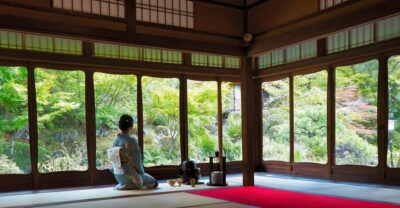
Tea Ceremony in a Traditional Tea House in Kiyomizu
Read our review →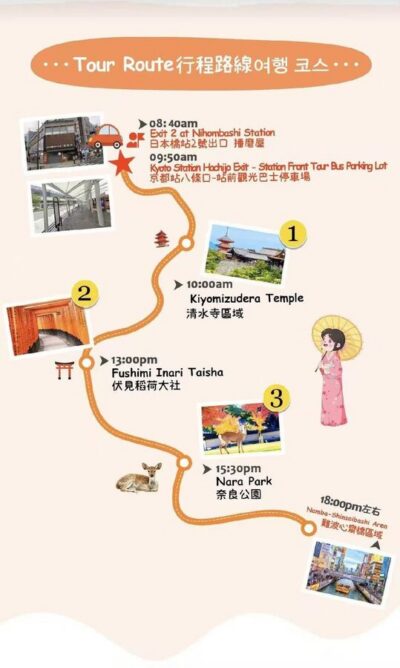
Kyoto Nara Day Trip │ Kiyomizu-dera Temple + Fushimi Inari-taisha Shrine + Nara Park (Departing from Osaka/Kyoto)
Read our review →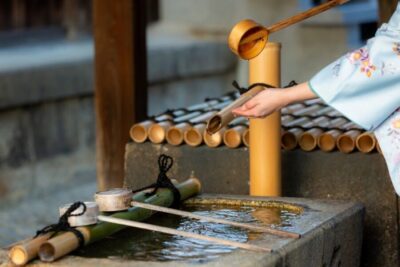
Browse the lists this tour appears in