
Reviewed · TEMPLES AND SHRINES
Tokyo Asakusa Temple & Shrine Walking Tour with Local Guide
Asakusa rewards curious feet. This two-hour walk takes you from Azumabashi Bridge through Kaminarimon, Nakamise Shopping Street, Sensoji Temple, and Asakusa Shrine, with a guide explaining the customs that are easy to miss. I like the small group of no more than eight people, and I like that the walk includes hands-on rituals such as temizu cleansing and omikuji fortune-telling. The main drawback is its short length, so you get the essential sights but not a leisurely exploration of every corner.
The meeting point is Burger King Asakusa Azumabashi, near public transportation, and the tour returns there at the end. At $19.82 per person, it is a modest way to get your bearings in one of Tokyo’s most visited districts, though personal spending on snacks, charms, and souvenirs is extra.
In This Review
- Key points to know before you book
- Why Asakusa works so well for a short walking tour
- Starting at Azumabashi Bridge and the Sumida River
- Meeting Asakusa’s modern side
- Kaminarimon, the red lantern, and the road to Sensoji
- Nakamise Shopping Street, where the temple visit becomes a neighborhood walk
- Hozomon Gate and the approach to the temple grounds
- Sensoji Temple, Tokyo’s oldest Buddhist temple
- Asakusa Shrine and the difference between temple and shrine
- Temizu cleansing, prayer, and omikuji fortune slips
- What the eight-person limit means in practice
- Is $19.82 good value for two hours?
- Who should book this Asakusa walk?
- The best way to use the two hours
- Should you book the Tokyo Asakusa walking tour?
- FAQ
- How long is the Tokyo Asakusa Temple and Shrine Walking Tour?
- What is the price of the tour?
- How many people can join the tour?
- Where does the tour begin?
- Where does the tour end?
- Is admission to Sensoji Temple included?
Key points to know before you book
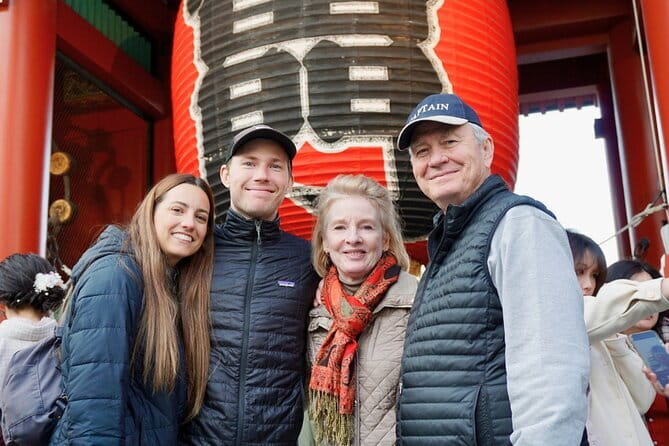
- A compact route through old Asakusa: See Azumabashi Bridge, Kaminarimon, Nakamise, Hozomon, Sensoji Temple, and Asakusa Shrine in about two hours.
- A genuinely small group: The maximum of eight people gives you a better chance to hear explanations and ask questions.
- Rituals are part of the walk: Learn how to cleanse at a temizuya, pray, and use omikuji fortune slips.
- The guide handles the navigation: You can focus on the buildings, stories, and street life instead of constantly checking a map.
- Excellent value for a short introduction: The $19.82 price covers the guided walk and cultural instruction, with no admission charge for Sensoji.
- A guide can make or break the mood: One highly praised guide was a young man from the United Kingdom spending a gap year in Japan, described as very informed and effective even in the busy crowds.
Why Asakusa works so well for a short walking tour
Asakusa gives you a clear meeting point between old and new Tokyo. You have the Sumida River, a major bridge, modern city architecture, a grand Buddhist temple, a Shinto shrine, food stalls, souvenir shops, and daily religious customs all within a manageable area.
That makes this a useful first look at the district. You do not need to spend your first morning deciding which gate comes next or wondering if you are performing a ritual correctly. The guide sets the route and explains what you are seeing as you go.
I especially like the mix of major landmarks and small actions. A photograph of Sensoji is easy to find, but knowing why visitors wash their hands, how they approach a shrine, or what to do with an unlucky fortune slip gives the visit more meaning.
The pace should suit you if you want an introduction rather than a full-day cultural program. Two hours passes quickly in Asakusa, especially with photo stops and time at the temple. You will see the central sights, but you may want to return later for shopping, food, or a slower look at the grounds.
More Temples and Shrines in Tokyo
- Tokyo: Meiji Shrine, Asakusa, Skytree Bus Tour and Cruise
★ 4.7 · 1,986 reviews - Tokyo: Asakusa Walking Tour with Sensoji Temple Visit
★ 4.8 · 1,583 reviews - Nikko: Kegon Falls, Lake Chuzenji & Toshogu Temple
★ 4.6 · 1,577 reviews
Starting at Azumabashi Bridge and the Sumida River
The walk begins with a stop at Azumabashi Bridge. This gives you an early view across the Sumida River toward Tokyo’s skyline and places Asakusa in its wider city setting.
The bridge also helps explain the district’s role as an entry point to old Tokyo. Rather than starting immediately in front of a famous gate, the tour begins with a little geographic context. You see the river first, then move toward the historic center.
I find this a smart opening because it lets you understand the area as more than a collection of temple buildings. The river helped shape movement through this part of Tokyo, while the skyline reminds you that the old neighborhood sits inside a modern capital.
Do not expect a long riverside walk. This is a quick stop within a tightly timed route. If river views are a major priority for you, arrive early or plan extra time after the tour.
Meeting Asakusa’s modern side
The route also includes a stop where you can admire modern architecture while the guide introduces Asakusa’s cultural background. The supplied details do not identify the building by name, so you should think of this as a city-context stop rather than a separate architectural tour.
That contrast is useful. Asakusa is not a preserved museum district frozen in the past. Traditional gates and religious buildings share space with contemporary structures, commercial streets, and the constant movement of Tokyo.
The guide’s role matters here. A building can look impressive without telling you much about the neighborhood. A short explanation helps connect the modern city to the older streets you will soon enter.
Since the walk lasts only two hours, this stop is likely brief. If you prefer a tour focused only on temples, you may see it as a small detour. I see it as a helpful reminder that Asakusa’s character comes from the mixture.
Kaminarimon, the red lantern, and the road to Sensoji
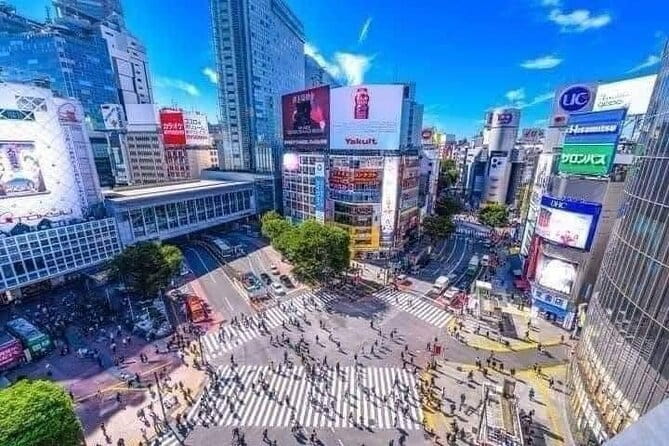
Kaminarimon, or Thunder Gate, is one of Asakusa’s unmistakable sights. The tour explains the name, the gate’s place in Japanese culture, and the famous red lantern, which weighs about 700 kilograms.
The gate has been reconstructed repeatedly because of fires. That detail gives the landmark more depth than its bright red paint and enormous lantern suggest. You learn to see it not only as a photo stop, but also as part of a long cycle of loss and rebuilding.
This is one of the points where a guide adds real value. Without context, you may take a picture and move on. With an explanation, you understand why the gate matters and why so many people pass beneath it on the way to the temple.
Kaminarimon can be crowded, and the tour description specifically notes that the guide navigates through the activity. One account praised a young British guide for staying useful amid the crowds and giving a strong explanation despite not being Japanese. That is a good sign for the practical side of the tour, though the experience will still depend on the guide assigned to your date.
More Walking Tours in Tokyo
- Tokyo Tsukiji Fish Market Food and Culture Walking Tour
★ 5.0 · 3,184 reviews - Tokyo: Imperial Palace and Shogun Historical Walking Tour
★ 5.0 · 2,251 reviews - Tokyo: Shinjuku Local Bar and Izakaya Guided Walking Tour
★ 4.9 · 1,794 reviews - Tokyo: Tsukiji Fish Market Food and Walking tour
★ 5.0 · 1,724 reviews
Nakamise Shopping Street, where the temple visit becomes a neighborhood walk
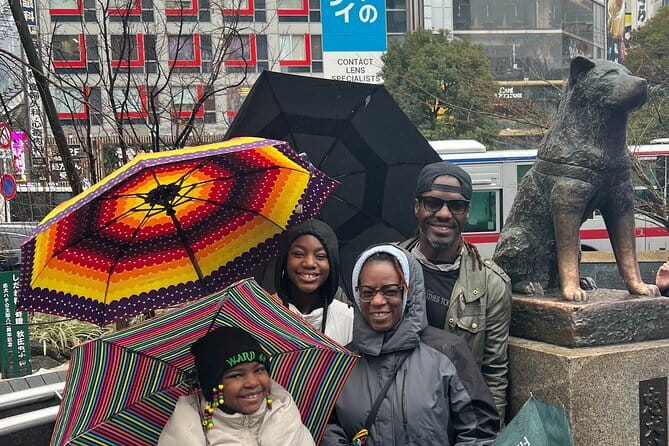
After Kaminarimon, you stroll along Nakamise Shopping Street. This is the commercial approach to Sensoji, lined with traditional shops selling snacks, crafts, souvenirs, and other items connected with temple visits.
The street is more than a place to buy something. It shows how religious sites and local commerce have long worked together. You can watch people heading toward the temple, browse small goods, and pick up a snack if time allows.
Personal purchases are not included, so bring money if you want to shop. The $19.82 covers the guided experience, not food or souvenirs. That is fair, but you should not mistake the low tour price for an all-inclusive outing.
The short schedule may limit browsing. I would resist trying to shop seriously while keeping up with the group. Note anything that catches your eye, then return after the walk if you want a calmer look.
Hozomon Gate and the approach to the temple grounds
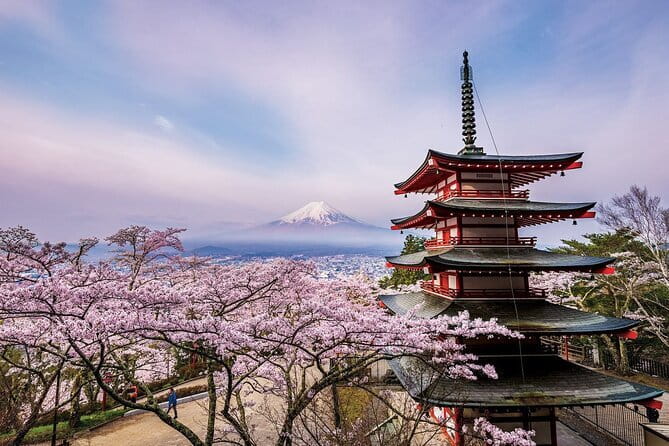
The route continues past Hozomon Gate, an important cultural property that protects the temple grounds. Here, the guide points out architectural details and explains the symbolism of the gate.
Hozomon gives you another chance to compare the grand scale of the complex with the busy shopping approach behind you. The gates are not merely entrances. They shape the movement of the visit and mark the transition from street activity to sacred space.
I appreciate that the tour does not treat Sensoji as one single photo opportunity. Kaminarimon, Nakamise, and Hozomon each have a different role, and the walk helps you notice those layers.
The description repeats Sensoji several times, but the useful takeaway is simple: the temple is the main focus of the walk, and the surrounding gates and street are part of that visit. You will not be rushed straight from the meeting point to one building.
Sensoji Temple, Tokyo’s oldest Buddhist temple
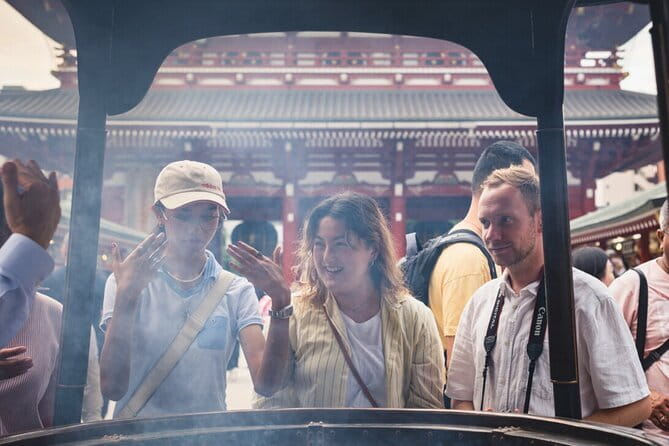
Sensoji is the centerpiece. It is Tokyo’s oldest and best-known Buddhist temple, and the guide explains its past, design, and place in the city.
Admission is free, which keeps the $19.82 price focused on the guide rather than an entry ticket. The value comes from having someone explain what you are looking at, where to pause, and how the temple fits into Asakusa.
Expect a major landmark rather than a quiet retreat. The temple attracts large numbers of people, and the walk takes place in an active public setting. That is part of its appeal, but it means you should not expect the calm of a remote mountain temple.
The guide also explains the blending of Buddhism and Shinto in the area. That distinction is useful for first-time visitors. You are not simply seeing two similar-looking religious sites. You are learning that temples and shrines follow different traditions, even when they appear close together in the same neighborhood.
Asakusa Shrine and the difference between temple and shrine
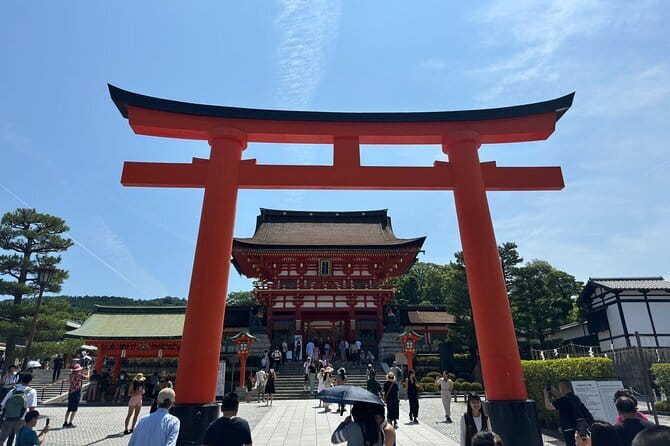
Asakusa Shrine adds the Shinto side of the tour. The walk includes both this shrine and Sensoji, giving you a practical way to compare the two traditions in one outing.
This pairing is one of the strongest reasons to choose the tour. You do not need a long lecture on Japanese religion to benefit from it. A guide can show you the basic customs and explain how shrine and temple practices differ while you are standing in the actual places.
The supplied details specifically include prayer and hand cleansing. These are simple actions, but they can feel awkward if you do not know the order or purpose. Instruction lets you take part respectfully rather than copying the nearest person and hoping for the best.
The tour is not presented as an advanced religious study. It is an accessible introduction, suitable if you want cultural context without committing to a full-day program.
Temizu cleansing, prayer, and omikuji fortune slips
The hands-on customs are the most personal part of the walk. You learn about temizu cleansing, a ritual involving water at a shrine or temple entrance, and the basic way to approach prayer.
You also have the chance to learn about omikuji fortune-telling slips. These fortunes are a familiar feature at Japanese religious sites, but the meaning and handling can be confusing when you first encounter them.
The tour gives you a framework for these practices. You can ask what the steps mean, rather than treating them as decorations or tourist activities. That makes the experience more respectful and more memorable.
Do keep in mind that participation does not mean every personal expense is covered. The tour states that snacks, souvenirs, and other purchases are your responsibility. If an omikuji slip or small purchase requires payment, you should be ready to handle it yourself.
What the eight-person limit means in practice
The maximum group size is eight, which is a strong feature at this price. A small group makes it easier to hear the guide near Kaminarimon and Nakamise, where the street can be crowded and noisy.
It also gives you a better chance to ask about rituals, buildings, and local customs. On a larger walk, explanations can become one-way announcements. With eight or fewer people, the format should feel more personal.
The group size does not guarantee a private tour. You may still share the experience with other participants, and the pace will need to suit the group. Still, the limit is small enough to make a real difference.
One especially useful detail comes from the strongest praise for the experience: the guide was not a Japanese local, but a young man from the United Kingdom on a gap year who was described as very informed and helpful in the crowded setting. That suggests the provider values clear explanations and practical guiding, though guide quality can vary by date.
Is $19.82 good value for two hours?
At $19.82 per person, I consider this a good-value introduction to Asakusa. You get a guide, a planned route, explanations of major sites, and instruction in several customs. Sensoji itself has no admission charge, so the price is paying for interpretation and convenience.
You could walk the same streets for free. That is the fair comparison. If you are comfortable researching Sensoji, understanding shrine etiquette, and finding each stop yourself, you may prefer to explore independently.
The tour earns its price if you want someone to remove the guesswork. You save planning time, avoid getting turned around, and gain context at the exact points where it helps most. For a first morning in Tokyo, that can be worth more than the low ticket price suggests.
The main limitation is depth. Two hours is enough for the highlights, not for a slow temple visit, extended shopping, or a detailed look at every religious building. I would treat this as an orientation walk, then return to your favorite spots later.
Who should book this Asakusa walk?
I would recommend it to first-time Tokyo visitors who want a clear introduction to Asakusa without spending half a day on a formal tour. It also suits you if religious customs feel unfamiliar and you want straightforward guidance.
The small group should work well for solo visitors, couples, and families who prefer a more personal walk. It may also suit anyone who wants a quick cultural activity near public transportation.
You may want another option if you dislike fixed routes, prefer quiet temples, or want substantial free time for shopping. Independent explorers can easily visit the same sights, and serious photographers may prefer to return at their own pace.
The walk is also not the right choice if you expect food tastings or shopping credits. Snacks and souvenirs are not included. You can buy them along the way, but your purchases are separate from the tour price.
The provider offers free cancellation if you cancel at least 24 hours before the start time. Changes or cancellations made less than 24 hours before the start are not accepted for a refund, so keep that cutoff in mind when planning your Tokyo schedule.
The best way to use the two hours
Wear comfortable shoes and arrive ready to walk, though the route is described as a two-hour guided walk rather than a strenuous hike. Keep your camera handy at Azumabashi Bridge, Kaminarimon, and the temple gates, but listen closely when the guide explains the details behind them.
I would avoid making a large shopping plan during the tour. Nakamise is worth browsing, but the guide needs to keep the group moving. Finish the walk back at the Burger King Asakusa Azumabashi meeting point, then return to the street or temple area if you want more time.
The tour ends where it begins, which makes it easy to continue your day in Asakusa. You can also use the walk to decide which places deserve a second visit.
Should you book the Tokyo Asakusa walking tour?
Book it if you want a low-cost, small-group introduction to Asakusa with clear guidance on temples, shrines, and everyday rituals. The combination of Sensoji, Asakusa Shrine, Nakamise, Kaminarimon, and Azumabashi Bridge gives you a solid overview in a short time.
Skip it if you already know Asakusa well or want a slow, unstructured visit. For most first-time visitors, though, $19.82 is a sensible price for saving research time and learning how to approach Japan’s religious sites with confidence.
FAQ
How long is the Tokyo Asakusa Temple and Shrine Walking Tour?
The tour lasts approximately two hours.
What is the price of the tour?
The listed price is $19.82 per person.
How many people can join the tour?
The maximum group size is eight people.
Where does the tour begin?
The meeting point is Burger King Asakusa Azumabashi in Kaminarimon, Taito City, Tokyo, postal code 111-0034.
Where does the tour end?
The activity ends back at the meeting point.
Is admission to Sensoji Temple included?
Sensoji Temple has free admission. The tour includes a guided visit, while personal expenses such as snacks and souvenirs are not included.
Just added in Tokyo
- Tokyo: Shinjuku Bar Hopping & Night Walking Tour★ 5.0 · 53 reviews
- Tokyo:Samurai sword and archery class from a samurai descendant★ 5.0 · 121 reviews
- Tokyo Ultimate Daikoku & JDM Experience (R35 GTR Private Tour)★ 5.0 · 27 reviews
- Authentic Geisha Performance with Dinner in Tokyo★ 4.5 · 101 reviews
- Tokyo: Asakusa Walking Tour with Japanese Comedian★ 5.0 · 43 reviews
- Asakusa: 1400-year history exploration★ 5.0 · 155 reviews
- Asakusa Night Evening Walking Tour with English-Speaking Guide★ 5.0 · 16 reviews
- Asakusa Classic Ramen & Crispy Gyoza Cooking Class★ 5.0 · 83 reviews
Temples and Shrines, compared.
![[Kyoto & Nara Day Tour] Sagano Scenic Railway & Nara Park & Fushimi Inari Taisha Thousand Torii Gates & Togetsukyo Bridge & Bamboo Grove & Kimono Forest (Departing from Osaka)](https://media.japanvisits.com/wp-content/uploads/kyoto-nara-day-tour-sagano-scenic-railway-nara-park-fushimi-inari-taisha-thousand-torii-gates-togetsukyo-bridge-bamboo-grove-kimono-forest-departing-from-osaka-k110001-400x257.jpg)
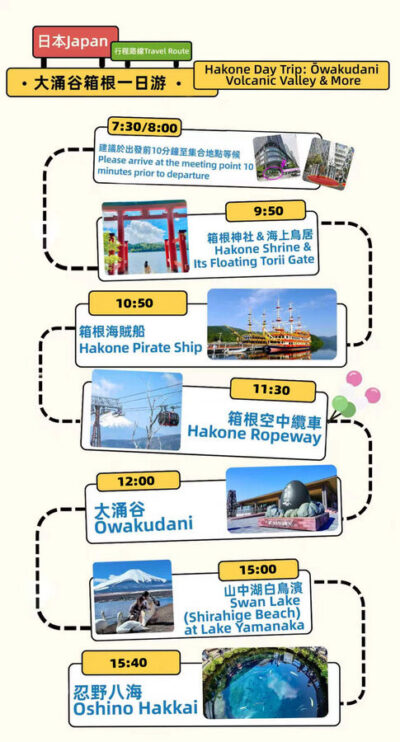
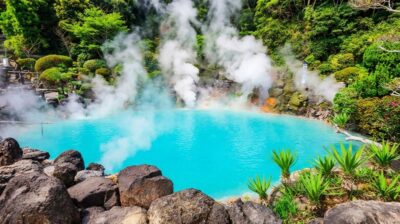
Kyushu One-Day Tour: Yufuin no Mori Train & Yufuin Town & Nyoirin-ji Temple & Dazaifu & Hell Hot Springs (Departing from Fukuoka)
Read our review →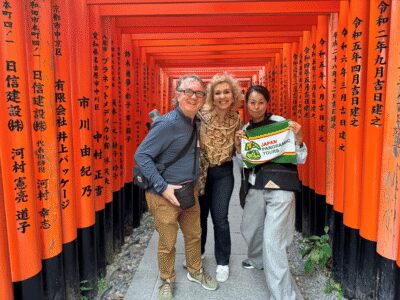
Fushimi Inari, Kinkakuji, Bamboo Grove 1 Day Bus Tour
Read our review →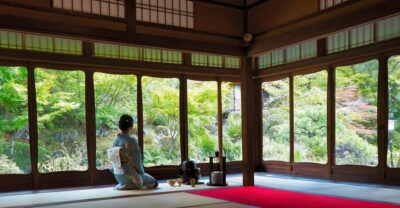
Tea Ceremony in a Traditional Tea House in Kiyomizu
Read our review →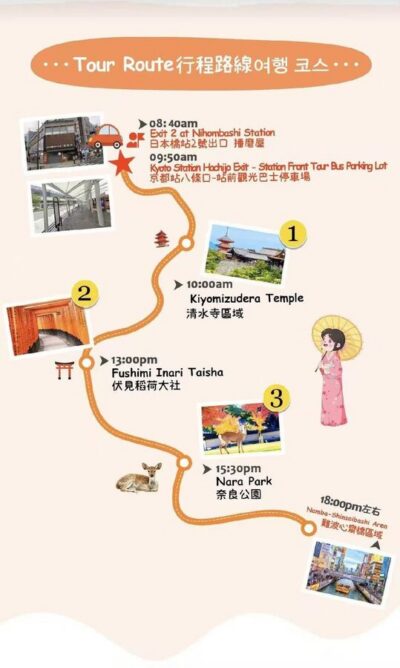
Kyoto Nara Day Trip │ Kiyomizu-dera Temple + Fushimi Inari-taisha Shrine + Nara Park (Departing from Osaka/Kyoto)
Read our review →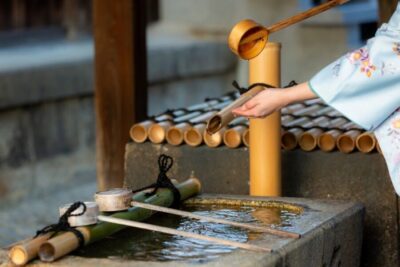
Browse the lists this tour appears in