
Reviewed · TEMPLES AND SHRINES
Tokyo: Asakusa Temple & Shrine Walking Tour with Local Guide
Asakusa explains Tokyo’s old soul. I like the tour’s small groups, capped at eight, and its mix of famous sights with quieter temple and shrine stops. The riverside view of Tokyo Skytree, including the famously nicknamed golden poop building, is a fun opening rather than a dry history lesson. I also like the practical ritual guidance, from hand washing to Buddhist prayer.
The main consideration is the walking. You cover busy streets, gates, shopping lanes, and temple grounds in two hours, often in heat, rain, or crowds. The tour is not suitable for wheelchair users, people with mobility impairments, or anyone with a low level of fitness. Still, guides such as Nicolas, Erik, Nana, and Lino have earned strong praise for their patience, clear explanations, and willingness to answer questions.
In This Review
- Key points to know before booking
- Why Asakusa is a smart place to learn Tokyo
- Azuma Bridge and the golden poop view
- The Asakusa Culture Tourist Information Center viewpoint
- Under the 700-kilogram Thunder Gate
- Nakamise Shopping Street, with help choosing what to buy
- Hozomon Gate and the temple approach
- Sensoji Temple and the rituals you can try
- Asakusa Shrine and the difference between Shinto and Buddhism
- What the guides do particularly well
- Pace, weather, and practical comfort
- Is $30 a fair price?
- Who should book the Asakusa walk?
- Should you book it?
- FAQ
- How long does the Asakusa Temple and Shrine Walking Tour last?
- How much does the tour cost?
- How large is the tour group?
- What languages are available?
- Where does the tour start?
- Which major sights are included?
- Can I take part in temple and shrine rituals?
- Is there a dress code?
- What should I bring?
- Is cancellation available?
Key points to know before booking
- The tour begins with two excellent views: Azuma Bridge gives you a riverside look at Tokyo Skytree, while the Asakusa Culture Tourist Information Center offers a high viewpoint over the temple district.
- You learn how to take part respectfully: Your guide explains temizu hand washing, omikuji fortunes, incense customs, Buddhist prayer, bows, and movement through torii gates.
- The famous sights are only part of the walk: Sensoji Temple and Asakusa Shrine are joined by smaller local religious sites that many first-time visitors pass by.
- Eight people is the maximum: A small group makes it easier to hear your guide and ask about Tokyo, food, shopping, customs, or anything else on your mind.
- The price is $30 per person: That is fair value if you want cultural explanation and hands-on guidance, not just a route between photo stops.
- Come prepared for real city walking: Wear comfortable shoes, carry water, and dress for the weather. The tour runs in rain or shine.
Why Asakusa is a smart place to learn Tokyo
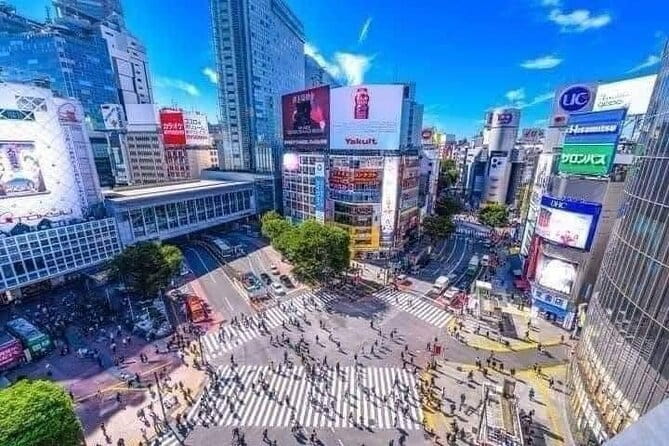
Tokyo can feel like several cities stitched together. Tower blocks, trains, neon, quiet alleys, shrines, and old wooden details all share the same few blocks. Asakusa is one of the easiest places to see that contrast without spending half your day on public transport.
The district is best known for Sensoji, Tokyo’s oldest temple, but the religious story is not limited to one grand building. Buddhism and Shinto have shared space in Japan for centuries, and Asakusa gives you a clear, approachable way to understand that relationship.
I like this tour for first-time visitors because it teaches you what to do, not just what to look at. Once you know how to wash your hands, approach a shrine, pray at a Buddhist temple, and read an omikuji fortune, later visits around Japan become less puzzling.
The experience costs $30 and lasts two hours. That is not the cheapest way to stroll around Asakusa, since you can enter the public temple grounds without paying for a guide. The value comes from the explanation, translation help, photo assistance, and the chance to notice smaller details you could easily miss alone.
More Temples and Shrines in Tokyo
- Tokyo: Meiji Shrine, Asakusa, Skytree Bus Tour and Cruise
★ 4.7 · 1,986 reviews - Tokyo: Asakusa Walking Tour with Sensoji Temple Visit
★ 4.8 · 1,583 reviews - Nikko: Kegon Falls, Lake Chuzenji & Toshogu Temple
★ 4.6 · 1,577 reviews
Azuma Bridge and the golden poop view
The meeting point is at Burger King Asakusa Azumabashi, though the exact meeting arrangement can depend on the option you book. From there, the walk begins near Azuma Bridge, where you get about ten minutes for a riverside view and photographs.
This is a clever starting point. You see Tokyo Skytree rising above the city, along with the gold-colored Asahi building feature that locals call the golden poop. It is silly, memorable, and very Tokyo: polished modern architecture with an unexpected nickname.
The bridge also helps you get your bearings. You are not dropped straight into the crowds at Kaminarimon Gate. Instead, you begin with open space, water, and a broad view before turning toward Asakusa’s older streets.
Your guide can also help with photographs here. That matters if you are traveling alone or want a picture that includes both the river and Skytree. The stop is short, so do not expect a long riverside walk.
The Asakusa Culture Tourist Information Center viewpoint
Next comes the Asakusa Culture Tourist Information Center, with around fifteen minutes for a photo stop and guided explanation. The building is across from Kaminarimon and provides a higher view over the temple approach and surrounding streets.
This viewpoint gives the tour a useful visual lesson. From ground level, Sensoji can feel like one dense stream of gates, shops, incense, and people. From above, you can see how the approach lines up and how the temple area fits into the wider neighborhood.
It is also a good place to ask your guide what you are about to see. The tour’s guides are encouraged to answer general Tokyo questions as well as questions about Asakusa. Past participants especially praised Nicolas and Erik for giving clear answers and offering extra local suggestions after the formal tour.
The viewpoint is one of the best reasons to take the guided route instead of simply wandering down Nakamise Shopping Street. You might walk past the building on your own without realizing what view it offers.
Under the 700-kilogram Thunder Gate
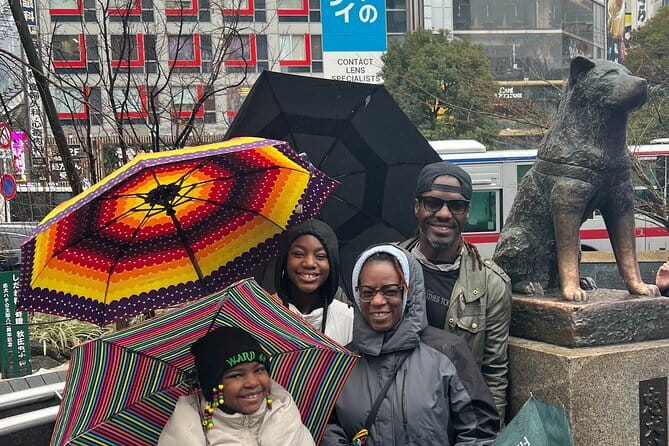
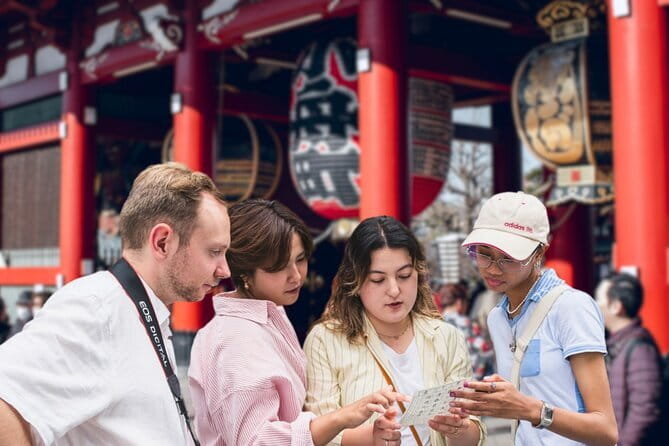
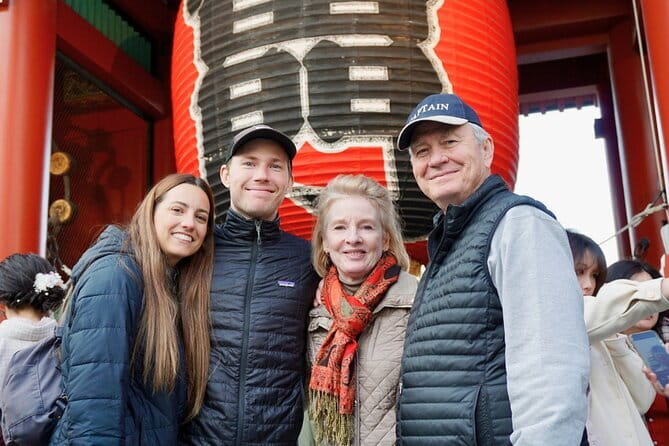
Kaminarimon, or the Thunder Gate, is the grand entrance to Sensoji. The red lantern weighs about 700 kilograms, and your guide explains the story behind both the gate and its name.
This is where the tour shifts from city orientation to cultural detail. A large gate and lantern make an impressive photograph, but the explanation gives the sight more meaning. You learn why the gate matters and how it introduces the temple precinct.
Expect about ten minutes here for sightseeing, photos, and discussion. Kaminarimon can be crowded, so the small group helps. A guide can keep everyone together and suggest a better angle when the front area is packed.
You should also expect pauses. This is not a speed walk from landmark to landmark. The guide stops to explain what you are seeing, which is valuable if you want context, but less appealing if you are trying to cover as much of Tokyo as possible in a short morning.
More Walking Tours in Tokyo
- Tokyo Tsukiji Fish Market Food and Culture Walking Tour
★ 5.0 · 3,184 reviews - Tokyo: Imperial Palace and Shogun Historical Walking Tour
★ 5.0 · 2,251 reviews - Tokyo: Shinjuku Local Bar and Izakaya Guided Walking Tour
★ 4.9 · 1,794 reviews - Tokyo: Tsukiji Fish Market Food and Walking tour
★ 5.0 · 1,724 reviews
Nakamise Shopping Street, with help choosing what to buy
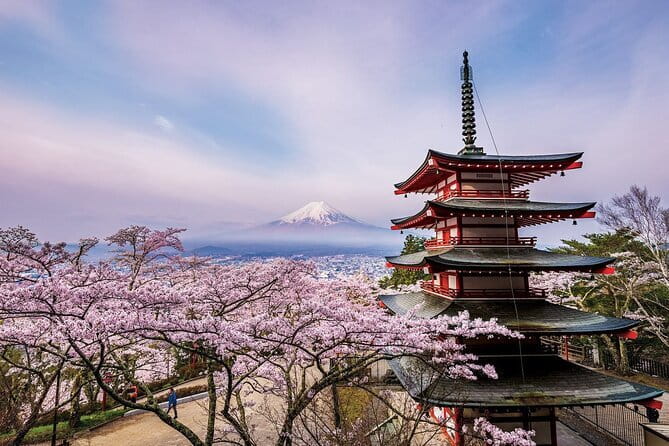
From Kaminarimon, you walk along Nakamise Shopping Street for about fifteen minutes. This is the main approach to Sensoji, lined with stalls selling snacks, sweets, souvenirs, and traditional-looking goods.
The useful part is not simply being shown the street. Your guide explains the cultural background of the treats and souvenirs, then points out where to find the better choices. If you need translation help, you can ask.
That support can save you from buying the first thing you see. It also gives the shopping street a bit more sense. The stalls are part of the approach to the temple, not just a modern commercial strip placed beside it.
You do not need to budget for shopping, and personal purchases are not included in the $30 price. Bring cash or another suitable payment method if you want snacks or souvenirs, but do not feel pressured to buy anything.
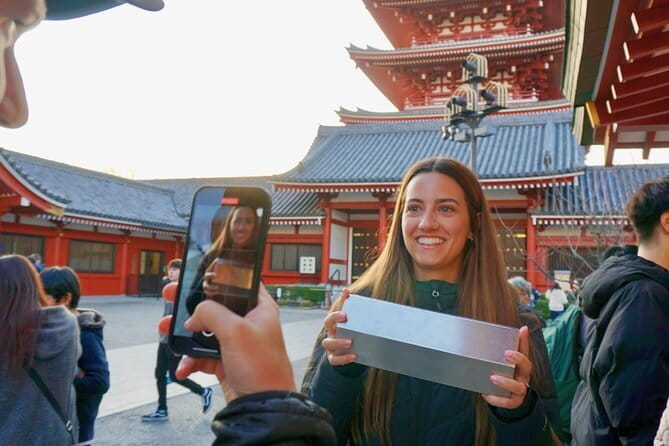
Families may enjoy this section because it breaks up the religious explanations with food and browsing. Erik received praise for keeping children interested with shopping advice and historical details. The lane can be crowded, so keep an eye on young children and stay close to the group.
Hozomon Gate and the temple approach
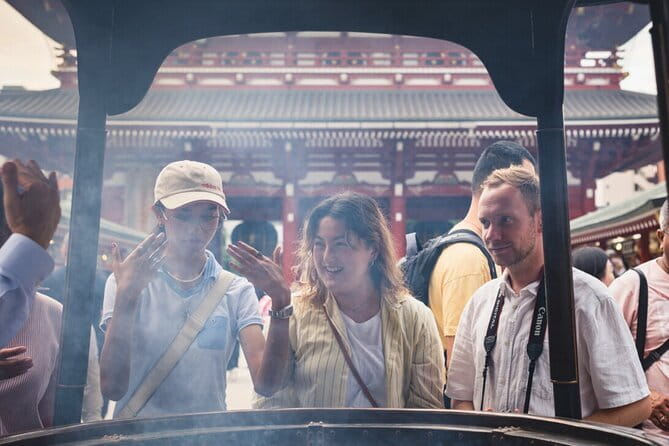
Hozomon Gate is another major entrance on the way to Sensoji. The tour allows around ten minutes for photographs, a visit, and explanation.
The sequence of Kaminarimon, Nakamise, and Hozomon gives you a useful sense of progression. You pass from the city into a commercial approach and then toward the main religious grounds. Without a guide, you may simply see a series of large structures. With one, you get a clearer idea of how each part functions within the temple area.
The route includes two additional stops listed as smaller temples or local religious sites. Their exact names are not specified, so you should think of them as flexible cultural stops rather than guaranteed headline attractions. This is also where the tour tries to show you what most people miss: less famous places that reveal how local religious life works beyond the main gate.
Crowds and weather will affect the pace. The tour operates come rain or shine, and shade may not always be available. Comfortable shoes and water are practical essentials, especially in hot weather.
Sensoji Temple and the rituals you can try
The main visit to Sensoji takes about thirty minutes, making it the longest stop. This is the heart of the tour, and your guide explains the temple’s history, architecture, customs, and proper Buddhist prayer.
You are not merely told to admire the building. You learn how to approach the worship area and what the prayer process means. The tour also covers incense, including the custom of directing its smoke toward yourself for physical and mental healing.
Temizu, or hand washing, is another interactive part. Your guide shows you how to use the water area respectfully before entering the main religious space. Omikuji fortune telling is also explained, so you understand what you are doing rather than treating it as a random vending-machine activity.
These rituals are presented as cultural experiences. You can take part, but you should do so with respect and follow your guide’s instructions. The purpose is not to turn worship into a performance. It is to help you understand customs that can otherwise feel mysterious.
The guides’ explanations are a major strength. Nicolas has been praised for making Buddhist and Shinto ideas easy to follow, while Erik was appreciated for helping a solo participant with temple etiquette and even providing small coins to offer at the temple. That sort of help is especially useful when you have not yet learned the practical details.
Sensoji is also the busiest part of the route. You should expect other people, noise, and moments when the group needs to wait. The advantage of a guide is that someone can explain what is happening while you move through the crowd, rather than leaving you to guess.
Asakusa Shrine and the difference between Shinto and Buddhism
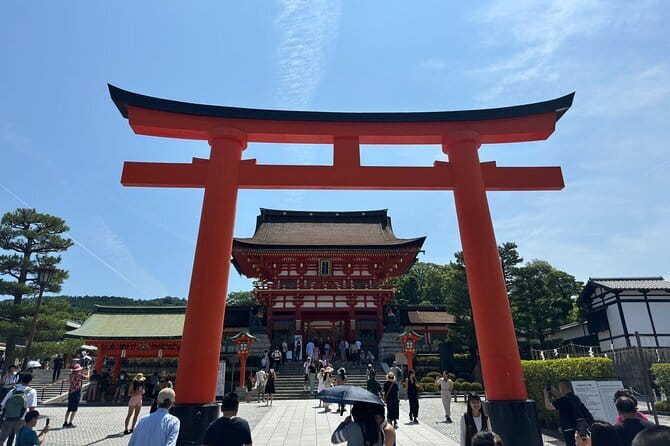
The final main stop is Asakusa Shrine, with about fifteen minutes for sightseeing and instruction. It sits near Sensoji, but it follows Shinto customs rather than Buddhist ones.
This side-by-side setting makes the distinction much easier to understand. Your guide explains how the prayer process differs, how to bow, where to walk near torii gates, and how Shinto and Buddhism coexist in Japan.
You also learn that some customs are not obvious, even to people who grew up in Japan. That does not mean the guide will give you a complete academic course in Japanese religion in two hours. It does mean you leave with a practical framework for recognizing the difference between a temple and a shrine.
I find this the most useful part for the rest of your Japan trip. Once you know the basic etiquette, you can visit other religious sites with more confidence and less worry about making an accidental mistake.
What the guides do particularly well
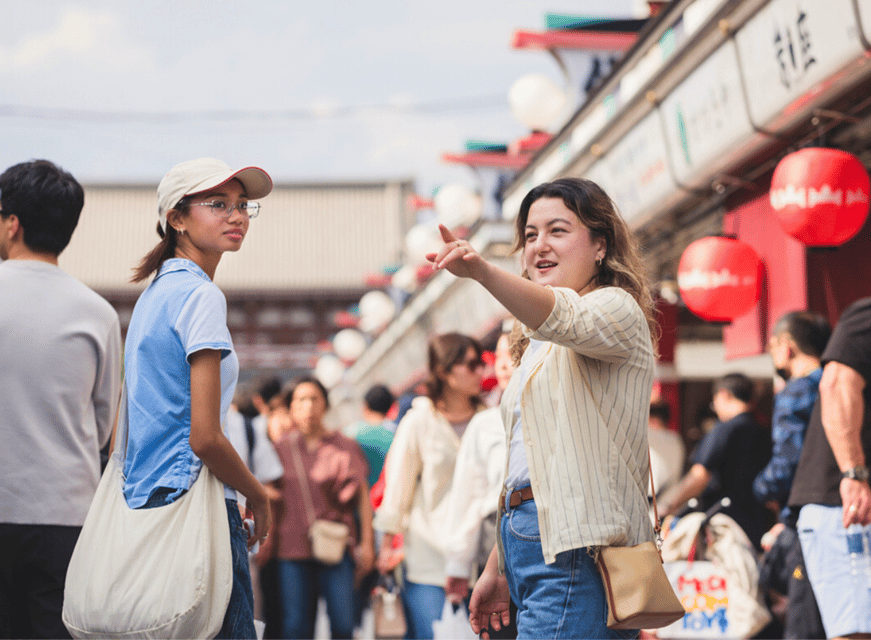
The tour uses different guides, and the individual style will vary. Names praised in the supplied feedback include Nicolas, Erik, Lino, Nana, Diane, Arief, Ayaka, Ariel, Somi, and Joe.
The repeated strengths are patience, friendliness, clear English, and a willingness to answer questions. Nicolas was singled out several times for his explanations of Buddhism, Shinto, and Asakusa’s past. Nana worked well with children aged eight and five, answering their questions in ways they could understand and taking family photographs.
The tone appears relaxed rather than formal. You can ask about food, shopping, Tokyo customs, or what to do next. One guide accompanied a participant toward Kappabashi Street, while another helped with a restaurant recommendation after the tour. These extras are not guaranteed parts of the schedule, but they show how the small-group format can become personal.
English and French are available. Because the group is limited to eight, you should have a reasonable chance to hear the guide and ask questions. If your booking happens to have only one or two people, the outing may feel close to a private walk, though you should not book expecting that result.
Pace, weather, and practical comfort
Two hours is enough time for the main Asakusa sights, but the schedule is active. You will stand for explanations, walk through crowded lanes, and move between outdoor sites.
Wear shoes you can walk in comfortably. Bring water, especially on a hot day, though vending machines are available during the route. Dress for the forecast because the tour continues in rain or sunshine.
There is no dress code, and tattoos are welcome. Smoking, drones, alcohol, and drugs are not allowed. Ask about kimono rental if that interests you, since the operator works with a kimono shop about two minutes from the meeting point.
The tour is not suitable for wheelchair users, people with mobility impairments, or people with a low level of fitness. If you need a slower pace or step-free access, confirm suitability before booking.
Is $30 a fair price?
At $30 per person, this is a reasonable purchase for a two-hour introduction to Asakusa. You can walk through the district for free, but you would need to research the religious customs, find the viewpoint, understand the gate symbolism, and work out the difference between temple and shrine etiquette yourself.
The strongest value comes from the human help. You can ask for translation assistance, learn how to perform the rituals, receive photo help, and get suggestions for food or nearby shopping. For a solo visitor, a couple, or a family visiting Tokyo for the first time, that can justify the fee.
The price is less attractive if you already know Japanese religious customs or prefer to explore at your own pace. You may also find the two-hour limit a little tight if you want serious shopping or detailed photography.
Free cancellation up to 24 hours before the start and reserve-now, pay-later booking make it easier to fit into a changing Tokyo schedule. Since groups are small, advance booking is sensible if your dates are fixed.
Who should book the Asakusa walk?
I would choose this tour if you are new to Tokyo, interested in Japanese customs, or unsure how to behave at temples and shrines. It is also a good first-day activity because it gives you cultural basics that help throughout the rest of Japan.
Families can benefit from the mix of stories, food stalls, photographs, and simple hands-on rituals. Solo visitors get a social setting without committing to a full-day group excursion. Couples who want good photos and a relaxed introduction will also find the format appealing.
I would skip it if you have difficulty walking, dislike outdoor tours in poor weather, or want a long, unhurried visit inside Sensoji. The route is popular and can be crowded, so anyone seeking silence should visit the district independently at a quieter time.
Should you book it?
Book this tour if you want Asakusa to make sense, not just look attractive in photographs. The combination of the Skytree river view, Kaminarimon, Nakamise, Sensoji, Asakusa Shrine, smaller religious sites, and practical rituals gives you a strong two-hour introduction.
The best reason to go is the guide. Nicolas, Erik, Nana, Lino, and others have been praised for making the walk personal, clear, and easy to follow. At $30, it is good value for a first visit, especially if you want etiquette advice and local recommendations. Just bring water, wear good shoes, and accept that crowds and weather are part of the deal.
FAQ
How long does the Asakusa Temple and Shrine Walking Tour last?
The tour lasts two hours.
How much does the tour cost?
The listed price is $30 per person.
How large is the tour group?
The group is limited to eight participants.
What languages are available?
The tour is available in English and French.
Where does the tour start?
The listed starting location is Burger King Asakusa Azumabashi. The meeting point may vary depending on the option booked.
Which major sights are included?
The route includes Azuma Bridge, the Asakusa Culture Tourist Information Center viewpoint, Kaminarimon, Nakamise Shopping Street, Hozomon Gate, Sensoji Temple, Asakusa Shrine, and smaller local temples or religious sites.
Can I take part in temple and shrine rituals?
Yes. The guide explains and demonstrates temizu hand washing, omikuji fortune telling, incense customs, Buddhist prayer, bowing, and appropriate movement through torii gates.
Is there a dress code?
No. The tour states that there is no dress code and tattoos are welcome.
What should I bring?
Bring comfortable walking shoes and water. Vending machines are available during the tour, but water is especially useful on hot days.
Is cancellation available?
Yes. You can cancel up to 24 hours in advance for a full refund. You can also reserve now and pay later.
Just added in Tokyo
- A One-of-a-Kind Sushi Experience in a Special Place of Japan★ 5.0 · 15 reviews
- Tokyo Cute Bento Cooking Class – Make a Kawaii Character Lunchbox★ 5.0 · 126 reviews
- Japanese Home Cooking Class & Walk in Todoroki Temple Tokyo★ 5.0 · 88 reviews
- Catch a Baseball Game in Tokyo with a Local – Tickets Included★ 5.0 · 24 reviews
- Japan Tokyo Tower Observatory Deck E-Ticket★ 4.0 · 34 reviews
- JDM Experience with Fast&Furious RX-7 (English speaking Driver)★ 5.0 · 57 reviews
- Tokyo Private Day Tour by Car with English speaking Driver Guide★ 4.0 · 29 reviews
- Japan Classic 10 Day – One Life Adventures★ 5.0 · 129 reviews
Temples and Shrines, compared.
![[Kyoto & Nara Day Tour] Sagano Scenic Railway & Nara Park & Fushimi Inari Taisha Thousand Torii Gates & Togetsukyo Bridge & Bamboo Grove & Kimono Forest (Departing from Osaka)](https://media.japanvisits.com/wp-content/uploads/kyoto-nara-day-tour-sagano-scenic-railway-nara-park-fushimi-inari-taisha-thousand-torii-gates-togetsukyo-bridge-bamboo-grove-kimono-forest-departing-from-osaka-k110001-400x257.jpg)
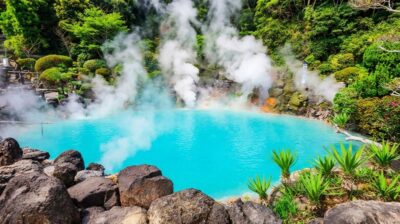
Kyushu One-Day Tour: Yufuin no Mori Train & Yufuin Town & Nyoirin-ji Temple & Dazaifu & Hell Hot Springs (Departing from Fukuoka)
Read our review →
Fushimi Inari, Kinkakuji, Bamboo Grove 1 Day Bus Tour
Read our review →
Tea Ceremony in a Traditional Tea House in Kiyomizu
Read our review →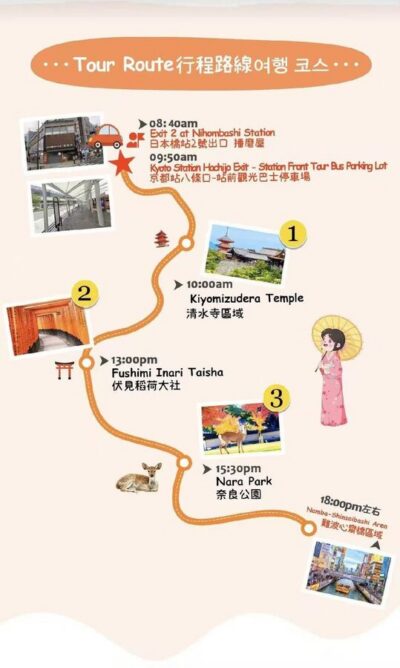
Kyoto Nara Day Trip │ Kiyomizu-dera Temple + Fushimi Inari-taisha Shrine + Nara Park (Departing from Osaka/Kyoto)
Read our review →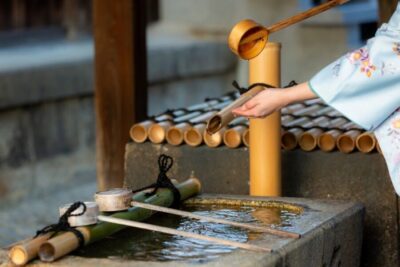
Browse the lists this tour appears in