
Reviewed · COOKING CLASSES
Tokyo Cute Bento Cooking Class – Make a Kawaii Character Lunchbox
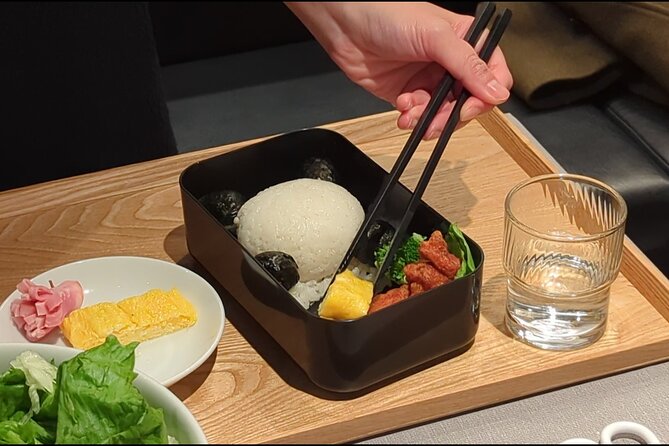
Small food art, big Tokyo memory. The Tokyo Cute Bento class turns lunch into a hands-on Japanese culture lesson, with prepared ingredients, simple tools, and friendly instruction from Kenji, Mami, Saori, and the team. You create a panda, dog, frog, bear, seasonal design, or other small character bento, then photograph and eat your work.
I like the clear step-by-step teaching, which makes the class suitable even if you have never made bento before. I also like the warm, personal feel: instructors help patiently, chat with you, and take photos of your finished creation. The main drawback is practical rather than culinary: the workshop is below street level beneath a ramen shop in Akasaka, and some people have had trouble finding the entrance.
In This Review
- Key points at a glance
- What makes this Akasaka class worth your time
- Finding the workshop below the ramen shop
- The first 15 minutes: bento culture before the crafting begins
- Sixty minutes of making your kawaii character lunchbox
- Why the photo session matters
- The final 30 minutes: eat what you made
- Dietary needs and menu adjustments
- English teaching and the group atmosphere
- What you can take home
- Is $66.07 a fair price?
- Best time to fit it into your Tokyo plans
- Cancellation and booking details to note
- Who should book this bento experience?
- Should you book Tokyo Cute Bento?
- FAQ
- Where does the Tokyo Cute Bento class meet?
- How long does the bento-making class last?
- Is the class taught in English?
- Can vegetarian or vegan participants join?
- Can the class accommodate food allergies?
- How many people can join the class?
- What is the cancellation policy?
Key points at a glance
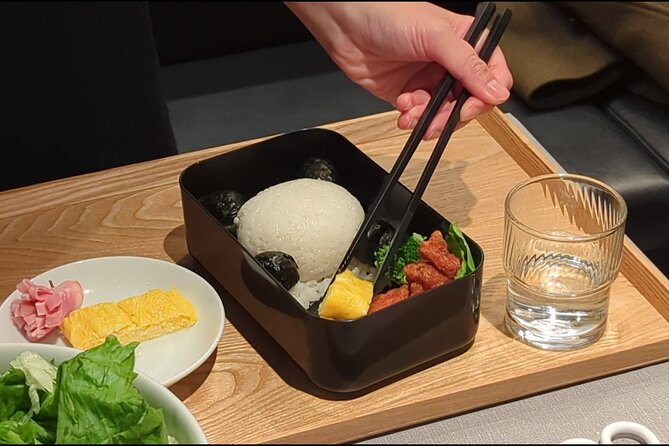
- Make several cute food characters: Panda, dog, frog, bear, hearts, flowers, and other small designs may be part of your bento.
- Learn more than decoration: The opening talk explains Japanese bento culture, while the practical work includes techniques such as rolled omelets.
- English instruction is available: The process is designed for beginners, with prepared ingredients, tools, examples, and patient guidance.
- Dietary requests can be arranged: Vegetarian and vegan menus are available, and allergies such as nuts or milk can be accommodated when reported during booking.
- A photo setup is part of the fun: Backdrops, lights, and progress photos help you record the finished lunchbox.
- Small group, short schedule: The class lasts about two hours and accepts a maximum of 12 people, making it easy to fit into a Tokyo day.
What makes this Akasaka class worth your time
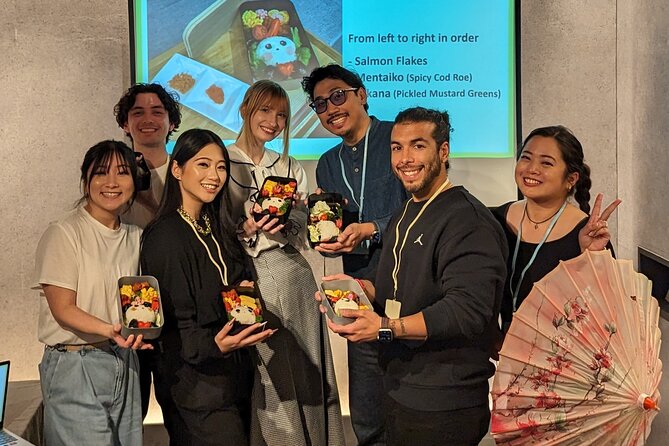
Bento is more than food packed into a box. In Japan, the lunchbox can balance color, shape, portion, and seasonal feeling. A character bento adds another layer: rice, vegetables, omelet, and other ingredients become tiny faces, animals, and decorative pieces.
That makes this class different from a standard cooking lesson. You are not simply watching an instructor prepare lunch. You are shaping the food yourself, learning how small details change its appearance, and seeing how much care goes into an ordinary-looking Japanese lunchbox.
I would not book this class expecting a full restaurant-style meal or a long culinary course. The food is prepared in sets so you can focus on assembly and design. That is a benefit for beginners, but it also means the class is more about food art and practical bento skills than advanced cooking.
The tone is relaxed and friendly. Kenji is repeatedly praised for his patience, humor, and clear teaching, while Mami, Saori, Yuzu, and the rest of the team help with the hands-on steps. You can expect support without having to perform in front of a large room.
More Cooking Classes in Tokyo
- Sushi Making Tokyo Roll and Authentic Japanese Sushi Class
★ 5.0 · 3,971 reviews - Tokyo: Roll and Authentic Sushi Making Class in Asakusa
★ 4.9 · 1,957 reviews - Tokyo Shinjuku Chopsticks Making Class
★ 5.0 · 1,763 reviews
Finding the workshop below the ramen shop
The meeting point is Tokyo Cute Bento at 2-21 Akasaka, Minato City, Tokyo 107-0052. The workshop is on the basement level, beneath a ramen restaurant.
That location gives the class a local, tucked-away feel, but it is also the one part that calls for care. The entrance is not necessarily obvious from the street, and one family had difficulty finding it. I recommend allowing extra time and checking the address closely before the start time. The provider has acknowledged that clearer location information would help.
The venue itself is described as modern and pleasant, with facilities in good condition. It is near public transportation, so the general area is accessible by train or subway, but the supplied information does not name a specific station or walking route. Use the mobile ticket and address together, and do not leave this activity until the last minute if you are unfamiliar with Akasaka.
The basement setting is not presented as a problem for most people, but it may matter if stairs or below-street-level rooms are difficult for you. Service animals are allowed.
The first 15 minutes: bento culture before the crafting begins
The class starts with roughly 15 minutes on Japanese bento culture. This introduction gives purpose to the activity. You learn why the lunchbox is arranged with such care and how presentation fits into Japanese food traditions.
This short talk is especially useful if you are new to bento. Without it, the character shapes could feel like simple edible crafts. With it, you can better understand the balance between food, appearance, convenience, and care.
Do not expect a long lecture. The class is built around doing, so the cultural introduction stays brief. That is the right choice for a two-hour session, particularly if you are attending with children or want an active afternoon rather than a formal lesson.
Sixty minutes of making your kawaii character lunchbox
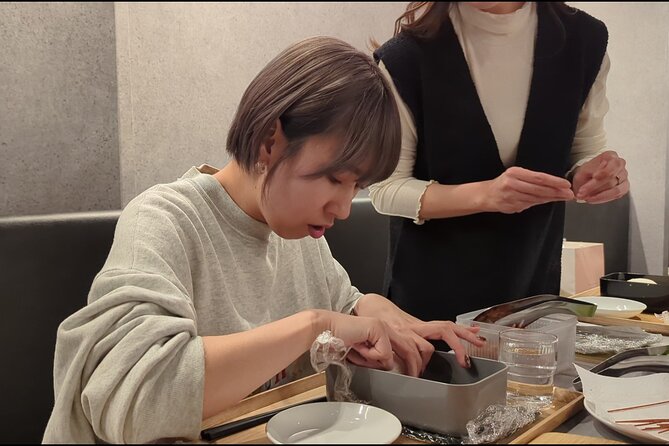
The main part of the experience lasts about an hour. Ingredients and tools are provided, and the instructors guide you through the process with clear examples. Prepared ingredient sets help keep the class moving and reduce the stress of measuring, shopping, or cooking several separate dishes.
You may create a panda, dog, frog, bear, or another themed design. The exact character can vary, but the approach is consistent: shape the main food elements, add small details, arrange the box, and turn simple ingredients into something with a face and personality.
The class is beginner-friendly because the instructors break the work into small stages. Step-by-step photos and examples shown on a screen help you see what the finished parts should look like. If your first attempt at a face looks slightly surprised rather than adorable, Kenji and the team can help you adjust it.
That patient guidance is one of the strongest reasons to book. You do not need artistic talent, Japanese cooking experience, or a polished idea before you arrive. The class gives you a model to follow, then leaves room for personal touches.
The food work can include small decorative pieces such as hearts and flowers. Several participants also learned how to make a Japanese rolled omelet. That is a useful skill to take home because it is practical beyond the character theme, and it gives you a taste of a familiar Japanese bento element.
Still, keep your expectations sensible. This is not a class where you prepare every component from raw ingredients. The emphasis is on shaping, assembling, and presentation. I see that as a good trade for a short, accessible activity, but serious home cooks may want a more detailed lesson.
A completely different kind of day out:
- Tokyo Disney Resort – Tokyo Disneyland & Tokyo DisneySea Park Tickets
★ 4.8 · 99,488 reviews - SHIBUYA SKY Ticket
★ 4.7 · 46,509 reviews - JR Whole Japan Rail Pass
★ 4.8 · 29,150 reviews - Mt Fuji and Hakone 1-Day Bus Tour Return by Bullet Train
★ 5.0 · 26,383 reviews
Why the photo session matters
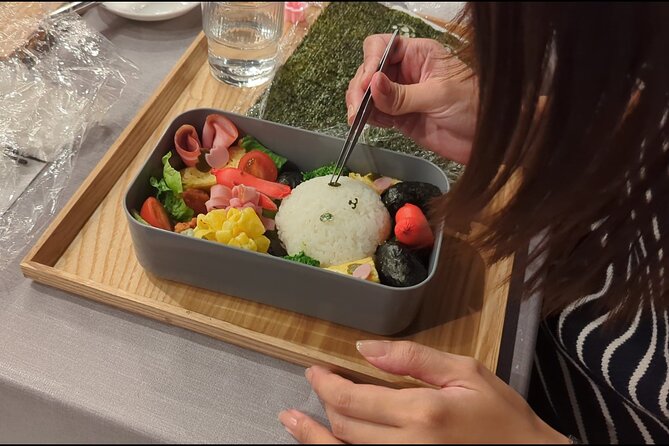
After the making time, about 15 minutes is set aside for photographs. The team has prepared backdrops and lights, and instructors can photograph your bento as you work and after it is complete.
This may sound like a small extra, but it suits the experience perfectly. A character bento takes effort, and you may feel reluctant to eat it immediately after finishing. Good photographs let you keep the result even after the rice, omelet, and decorations are gone.
The photo area also makes the class feel like a shared event rather than a private cooking assignment. You can show the finished panda, dog, frog, or bear against a cleaner background than a crowded table. If you are attending with family or a friend, this is a chance to record the activity as well as the food.
The exact number of photos and delivery method is not specified, so I would not assume a particular photo package. The reliable point is that photography is built into the session and the instructors make time for it.
The final 30 minutes: eat what you made

The last half hour is for enjoying the bento. This is an important part of the class. You see the ingredients differently once you have shaped and arranged them yourself, and the meal becomes a reward for the creative work.
The food is not only decorative. Several comments praise the taste, including one person who was surprised by how good the bento was after concentrating so much on its appearance. That balance matters. Cute food that tastes poor would make a disappointing lunch, but this class aims for both appearance and flavor.
You can eat your creation at the workshop or treat it as a meal to take away, depending on the arrangement that day. The description also presents it as something you can enjoy for breakfast or lunch, or keep as a souvenir in the supplied bento box. Since food safety and packing details are not specified, ask the provider if you plan to carry it around Tokyo after the class.
Dietary needs and menu adjustments
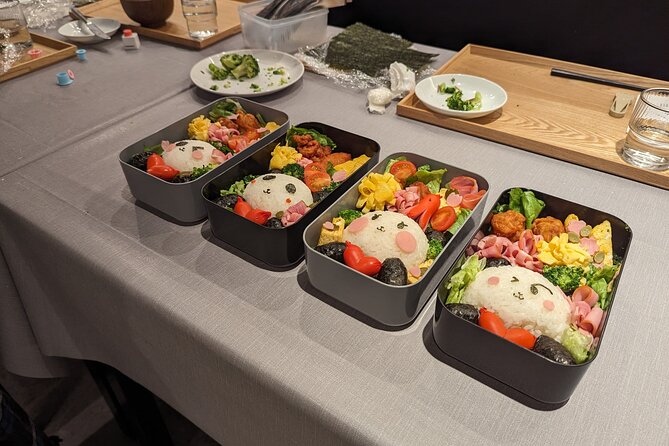
The class can adjust the menu for vegetarian and vegan preferences. Allergies, including no nuts and no milk, can also be accommodated. You must report dietary restrictions at the time of booking.
That advance notice is important. A character bento may contain several prepared components, and the team needs time to plan a safe substitute. Do not wait until you arrive to mention a serious allergy.
The experience is a good option for mixed groups with different diets because the team has already handled vegetarian, vegan, and allergy-related requests. The exact replacement ingredients are not listed, so ask questions by email if you need to confirm a particular product or ingredient.
English teaching and the group atmosphere
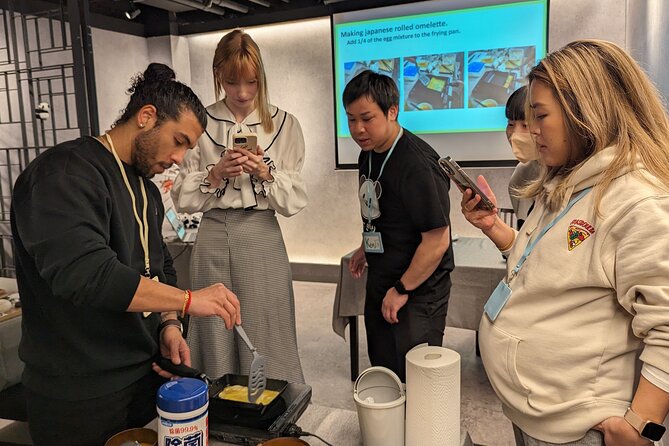
The workshop can be conducted entirely in English. That makes the class easier to follow if you do not speak Japanese, especially during small hand movements that are difficult to understand from a demonstration alone.
The maximum group size is 12 people. That is small enough for the instructors to give individual help, while still offering a social setting if you are attending with other people. Solo participants can also fit comfortably into the format. One person who happened to attend alone described the class as especially intimate and welcoming.
Families are well suited to the activity, particularly with older children, teenagers, and young adults who like crafts or food projects. The class has been described as family-friendly, but one comment advises that it is not ideal for very small children. The reasons are easy to understand: the work requires patience, careful handling, and attention to small details.
Adults should not dismiss it as a children’s activity. The combination of food design, Japanese culture, photography, and a meal gives it enough substance for a couple, solo visitor, or group of friends. You may arrive expecting a cute novelty and leave with a practical lunch-making idea you can use at home.
What you can take home
The most lasting souvenir is the skill. You learn ways to shape food, make simple decorations, arrange colors, and give a lunchbox a clear theme. The instructors encourage you to continue making cute bentos after returning home.
You may also keep the bento box itself. This was specifically appreciated by a parent and daughter, who enjoyed having a physical reminder of the class. The exact box style is not described, so consider it a provided takeaway rather than choosing the design in advance.
The class can also change how you look at everyday lunches. You do not need to recreate an elaborate panda every morning. A flower, heart, simple face, or neatly arranged side dish can bring the same idea into a normal packed meal.
Is $66.07 a fair price?
At $66.07 per person, this is not the cheapest way to eat lunch in Tokyo. You could buy an excellent prepared bento for far less. The value comes from the two-hour activity, instruction, provided ingredients and tools, cultural explanation, photographs, and the meal you make.
I think the price is fair if you want an experience rather than just food. It combines a cooking lesson, an introduction to bento culture, a creative activity, and a souvenir. The small group limit also gives the price more weight because the class is not designed as a mass workshop.
The value is weaker if you are mainly seeking advanced Japanese cooking techniques or a large meal. You are paying for the guided creative process, not for a full menu or professional culinary training.
For families, the cost can add up quickly, but the class gives everyone a shared project and photographs to remember it by. For a solo visitor, it offers a structured, friendly activity that does not require bringing a companion. For a couple, it is a playful break from temples, shopping, and long days on your feet.
Best time to fit it into your Tokyo plans
The class lasts about two hours, so it fits neatly into a half-day plan in and around Akasaka. It is also a smart rainy-day choice or a welcome pause when you need time indoors.
You might schedule it before or after other Tokyo activities, but allow time to locate the basement entrance. The activity ends back at the meeting point, so you do not need to arrange a separate finish location.
Because the class includes eating, photography, and hands-on work, I would avoid booking it when you must rush straight to a distant appointment. A relaxed schedule lets you enjoy the cultural introduction, ask questions, take photos, and eat without watching the clock.
Cancellation and booking details to note
Confirmation is received at booking, and the experience uses a mobile ticket. Free cancellation is available if you cancel at least 24 hours before the local start time.
Cancellations or changes made less than 24 hours before the experience are not accepted for a refund. That rule is worth noting if your Tokyo schedule may change.
Who should book this bento experience?
I recommend it most strongly for:
- Families with school-age children, teenagers, or young adults
- Couples who want a playful food activity
- Solo visitors looking for a welcoming indoor class
- Anyone interested in Japanese food presentation
- Vegetarian or vegan participants who notify the team in advance
- People who enjoy crafts, photography, anime-inspired design, or lunchbox ideas
I would be less likely to recommend it to someone seeking a serious cooking course, a large restaurant meal, or a fully improvised menu. The prepared ingredients keep the session friendly and manageable, but they also limit the amount of cooking from scratch.
Should you book Tokyo Cute Bento?
Book it if you want a cheerful, hands-on Tokyo memory that you can eat afterward. The strongest features are the patient English instruction, the careful setup, the small group size, the photo backgrounds, and the ability to adjust the menu for several dietary needs.
The class has earned a 5.0 rating from 126 reviews, with 100 percent recommending it, and the praise centers on the same practical strengths: Kenji and his team explain each step clearly, help without taking over, and make beginners feel comfortable. That consistency is reassuring.
Just plan extra time to find the basement entrance, mention allergies or dietary needs when booking, and understand that this is character bento-making rather than an advanced cooking course. If you like making things with your hands and want a break from sightseeing, I think the $66.07 fee buys a memorable two hours, a tasty lunch, useful skills, and photographs that will outlast the meal.
FAQ
Where does the Tokyo Cute Bento class meet?
The class meets at Tokyo Cute Bento, 2-21 Akasaka, Minato City, Tokyo 107-0052. The workshop is on the basement level beneath a ramen shop.
How long does the bento-making class last?
The experience lasts approximately two hours. The schedule includes a 15-minute introduction, about 60 minutes of bento-making, a 15-minute photography session, and 30 minutes to enjoy the meal.
Is the class taught in English?
Yes. The workshop can be conducted entirely in English, and the instructors provide clear instructions and demonstrations.
Can vegetarian or vegan participants join?
Yes. Vegetarian and vegan menu options are available. You should report your preference when booking.
Can the class accommodate food allergies?
Yes. Allergies such as nuts and milk can be accommodated when reported at the time of booking. Contact the provider if you need to discuss a specific dietary restriction.
How many people can join the class?
The activity accepts a maximum of 12 participants.
What is the cancellation policy?
You can cancel at least 24 hours before the local start time for a full refund. Cancellations or changes made less than 24 hours before the start time are not accepted for a refund.
Just added in Tokyo
- A One-of-a-Kind Sushi Experience in a Special Place of Japan★ 5.0 · 15 reviews
- Japanese Home Cooking Class & Walk in Todoroki Temple Tokyo★ 5.0 · 88 reviews
- Japan Tokyo Tower Observatory Deck E-Ticket★ 4.0 · 34 reviews
- Catch a Baseball Game in Tokyo with a Local – Tickets Included★ 5.0 · 24 reviews
- JDM Experience with Fast&Furious RX-7 (English speaking Driver)★ 5.0 · 57 reviews
- Tokyo Private Day Tour by Car with English speaking Driver Guide★ 4.0 · 29 reviews
- Japan Classic 10 Day – One Life Adventures★ 5.0 · 129 reviews
- Tokyo Sushi Making Class : Sake Ceremony & Matcha Experience★ 5.0 · 44 reviews
Cooking Classes, compared.
Sushi Making Tokyo Roll and Authentic Japanese Sushi Class
Read our review →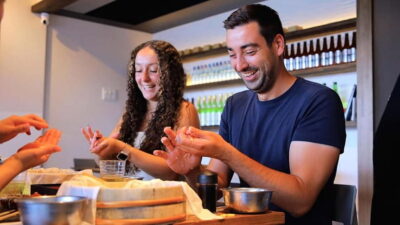
Roll and Authentic Sushi Making Class in Asakusa
Read our review →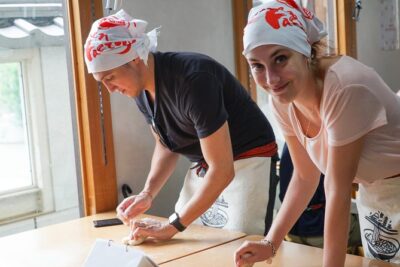
Ramen Cooking Class at Ramen Factory in Kyoto
Read our review →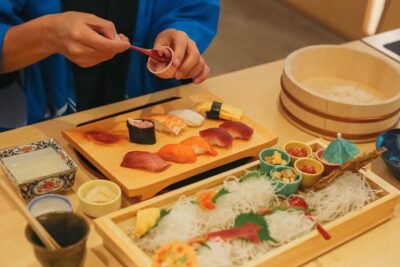
Sushi Making Class in a Happi Coat near a Famous Spot
Read our review →
Sushi Making Osaka Roll and Authentic Japanese Sushi Class
Read our review →
Tokyo Sushi Making Class in Tsukiji with Professional Chef
Read our review →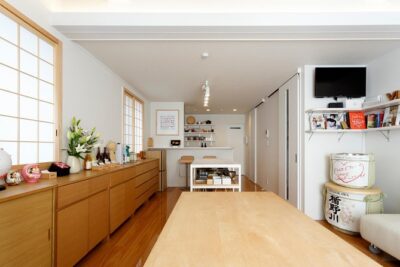
Ramen & Gyoza Cooking Class in Tokyo with Local Supermarket Visit
Read our review →Browse the lists this tour appears in