
Reviewed · COOKING CLASSES
Tokyo: Easy Ramen Cooking Experience in Kabukicho, Shinjuku
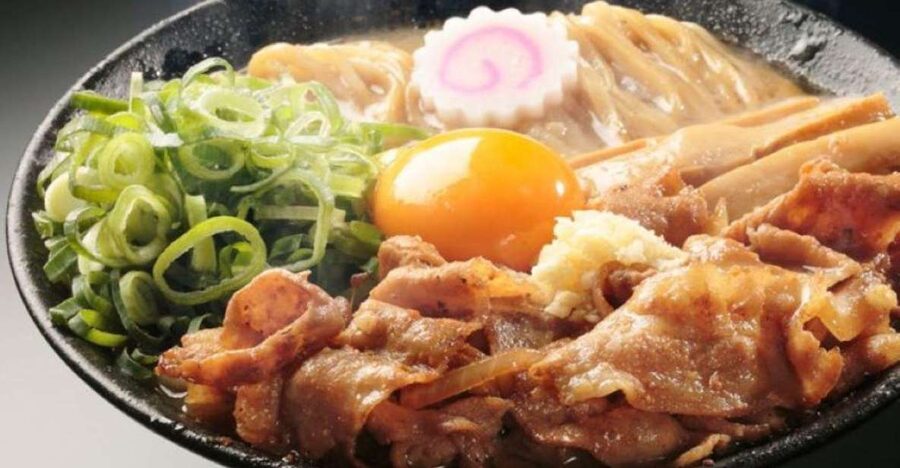
Ramen tastes better when you make the bowl. This one-hour class in Shinjuku is appealing because you cook and eat your own ramen, rather than simply watching a chef work. I also like the short lesson on ramen’s origins and the chance to choose your soup, noodles, and toppings. The main catch is that the full broth and noodle-making process takes much longer than an hour, so this is a shortened hands-on version.
The setting adds character. Shinjuku Ale is a small bar near the Godzilla statue in Kabukicho, and the class takes place upstairs in a private, relaxed room. Guides such as Tak, Hinata, Mikhail, Nina, Kai, and Chihiro have earned praise for friendly teaching and useful Tokyo tips. Still, the broth may contain pork, chicken, and beef, and one participant found it too salty, so this is not a good choice for vegetarians, vegans, or anyone with gluten intolerance.
In This Review
- Key points at a glance
- What the one-hour ramen class really teaches
- Finding Shinjuku Ale in Kabukicho
- The opening lesson: ramen beyond the instant packet
- Choosing soup, noodles, and toppings
- Eating your own ramen in Kabukicho
- The guides make the difference
- A good choice for families and first-time cooks
- What to bring and what to plan around
- Cancellation and booking flexibility
- Who should book this ramen experience?
- FAQ
- How long does the Tokyo ramen cooking experience last?
- Where does the ramen class take place?
- What is included in the $29 price?
- Can vegetarians or vegans join the class?
- Do I make the ramen broth and noodles completely from scratch?
- Can children take part?
- Should you book it?
Key points at a glance
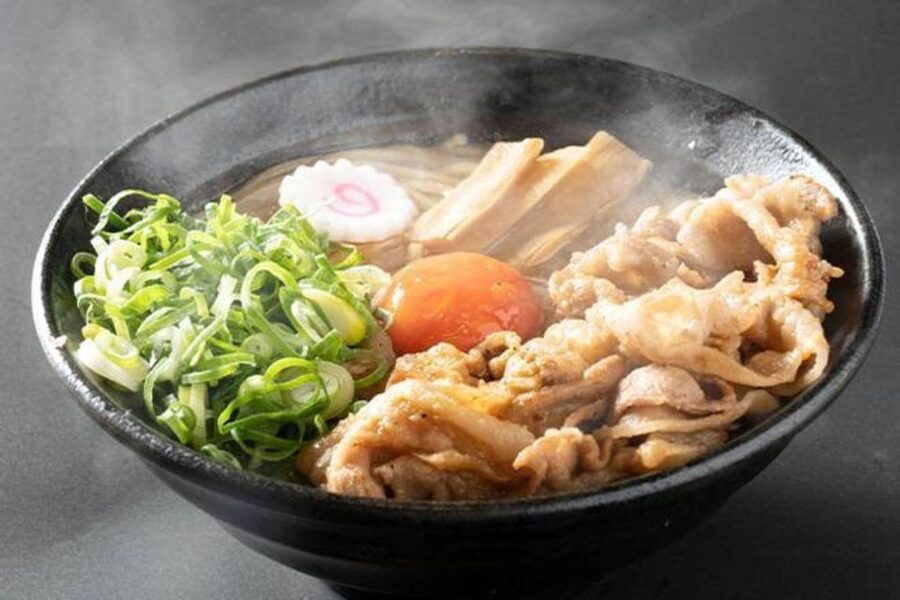
- Your bowl is assembled by you: Choose the soup, boil the noodles, cook or arrange ingredients, and finish the ramen with toppings.
- The full process is explained honestly: You learn why broth and noodles take many hours or days, then follow a practical shortened recipe.
- Small groups keep the class personal: Groups can be as small as one person and are limited to about six participants.
- Kabukicho gives you an easy add-on: The venue is close to the Godzilla statue and other sights in central Shinjuku.
- The $29 price includes a meal: You receive the cooking class and ramen you make, but bottled drinks, extra food, and transport cost more.
- Dietary limits matter: The soup contains pork, chicken, and beef, and the ramen uses wheat noodles.
What the one-hour ramen class really teaches
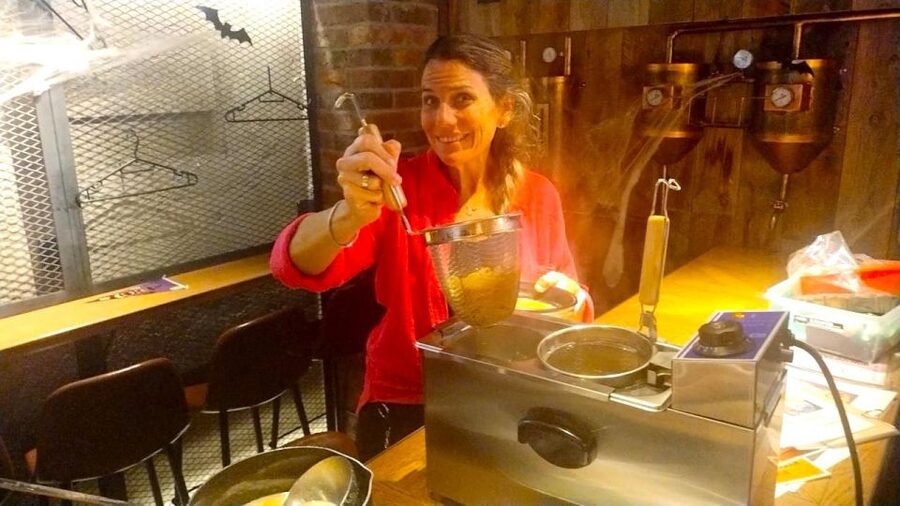
This is not a long culinary workshop where you make every part of ramen from raw ingredients. That would be difficult in one hour. Traditional ramen broth and noodles require preparation over many hours, and sometimes several days.
Instead, the class gives you the useful middle ground. You learn the background, see how the major parts fit together, and take charge of the final cooking and assembly. I think this works well for a short Tokyo schedule because you get enough explanation to understand the dish without spending half a day in a kitchen.
The guide explains ramen as a complete bowl built from several parts: noodles, soup, meat, eggs, vegetables, and other toppings. That simple structure helps you understand why two bowls of ramen can taste so different even when they look similar.
The class is designed for beginners. You do not need advanced cooking skills, and the process is broken into clear steps. Several participants who described themselves as inexperienced cooks still found the class easy to follow. That makes it a good pick if you want something hands-on but do not want a demanding lesson.
More Cooking Classes in Tokyo
- Sushi Making Tokyo Roll and Authentic Japanese Sushi Class
★ 5.0 · 3,971 reviews - Tokyo: Roll and Authentic Sushi Making Class in Asakusa
★ 4.9 · 1,957 reviews - Tokyo Shinjuku Chopsticks Making Class
★ 5.0 · 1,763 reviews
Finding Shinjuku Ale in Kabukicho
The meeting point is Shinjuku Ale, with the Google Plus Code provided by the operator: https://maps.app.goo.gl/WFQbgLjFTVA9bwdL7
You should tell the staff when you arrive that you are making a trial reservation. The class is on the second floor, and there is no elevator. That detail matters if you have limited mobility or are carrying heavy luggage.
Shinjuku Station can be confusing, even if you are comfortable navigating large cities. I would allow extra time to reach the venue, especially if you are coming directly from a train connection. One couple arrived late after struggling with the station and still received a warm welcome, but arriving on time gives you a calmer start.
The location is one of the class’s pleasures. You are in the heart of Kabukicho, close to the famous Godzilla statue and the colorful streets of Shinjuku. One participant even noted the possibility of hearing Godzilla roar nearby. You can easily pair the class with an evening walk around the district.
The room itself has been described as a quirky upstairs bar with a small, intimate feel. Decorative objects, unusual drinks such as habushu, and the cozy setting make it feel less like a formal cooking school and more like a local food activity in a compact Tokyo venue.
The opening lesson: ramen beyond the instant packet
The class begins with an easy explanation of ramen’s background and place in Japanese food culture. You learn that the bowl is not just noodles in a quick soup. Its flavor depends on the relationship between the broth, seasoning, noodles, and toppings.
This introduction gives the cooking a purpose. When you later choose your soup and arrange your toppings, you understand that each part changes the finished bowl.
The guide also explains the work that happens before you arrive. The broth and noodles used for the shortened class are prepared in advance because making them properly is a long process. That is an important point to understand before booking. You will learn about those steps, but you will not spend the session kneading noodles from scratch or simmering broth overnight.
Some earlier class formats may have offered more detailed demonstrations of broth and noodle preparation, and one participant expected to practice those parts. The current description is clearer: this is a shortened recipe intended to produce a bowl within about an hour. I see that as a practical trade-off, but you should book a longer specialist class if your main goal is full scratch cooking.
Choosing soup, noodles, and toppings
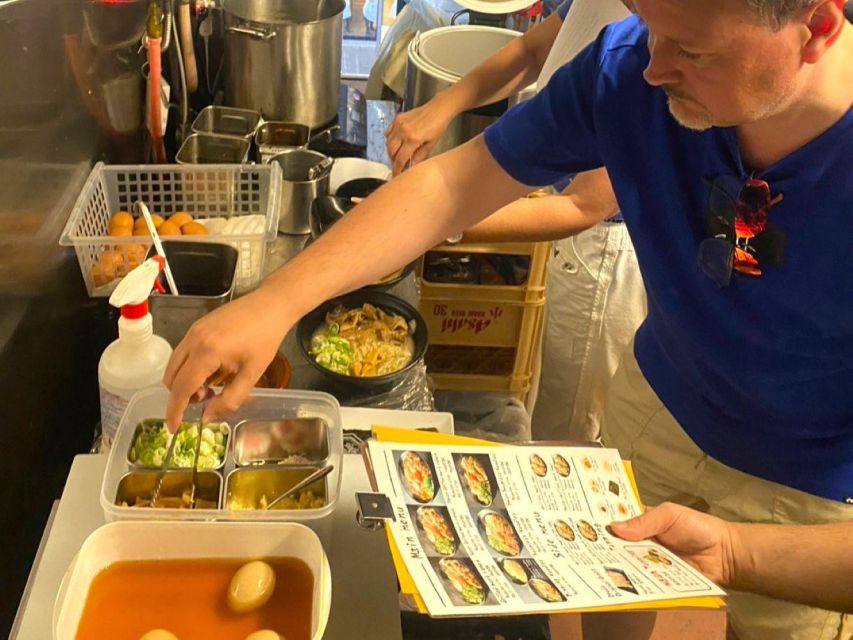
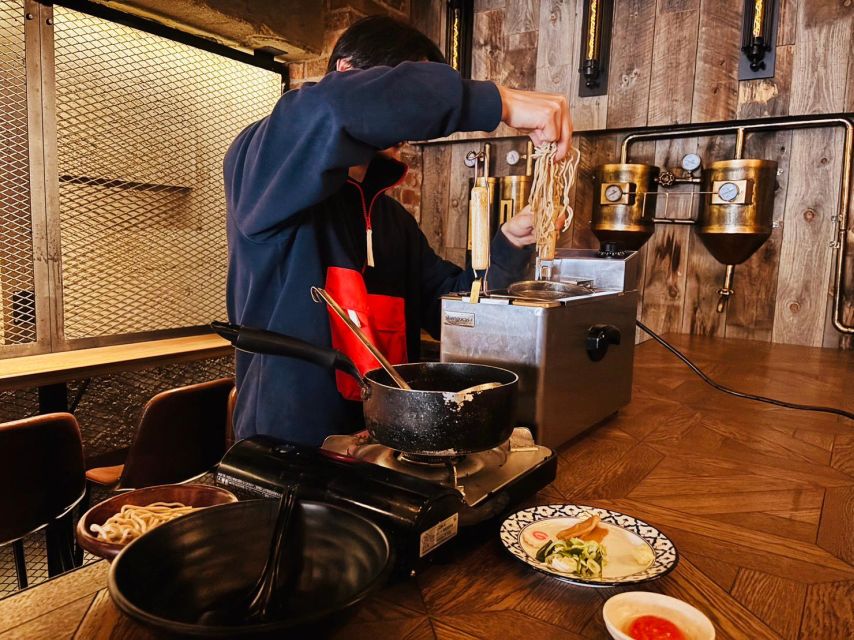
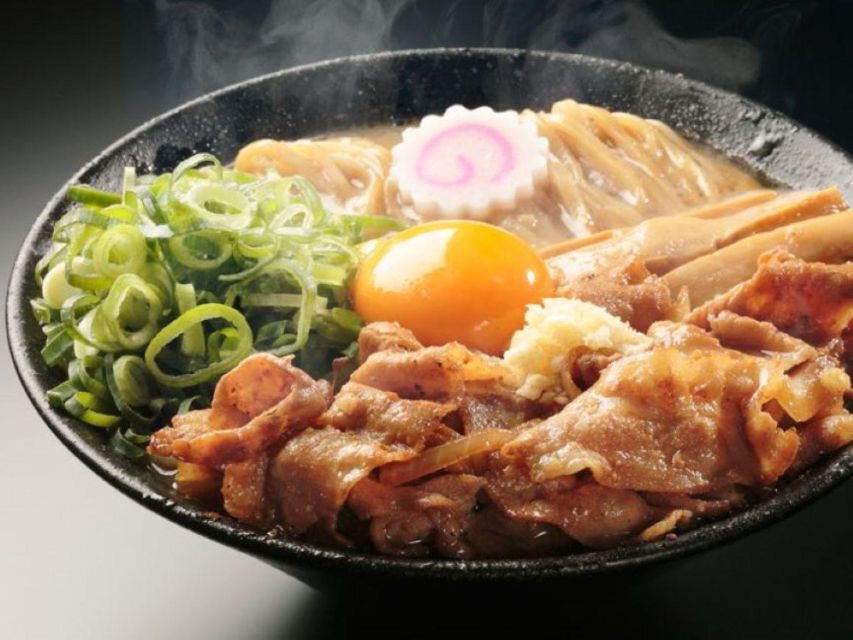
After the introduction, the hands-on part begins. You choose your soup, boil your noodles, and add the ingredients to your bowl. The guide walks you through each step, so you are not left guessing about timing or order.
The ability to customize the bowl is a major strength. You can adjust the final result to your taste, and one participant particularly enjoyed making a spicy ramen. Another appreciated learning which spices and seasonings work well with the dish.
You also get to handle the parts that make ramen feel like ramen. Boiling the noodles correctly matters because texture can change quickly. Adding the toppings gives you a chance to make the bowl look and taste the way you prefer.
The ingredients mentioned in the experience include pork, vegetables, noodles, broth, and other familiar ramen components. The exact selection can vary, and the soup recipe is kept secret. The staff cannot provide the full soup ingredients because it is a house recipe.
That secret recipe is part of the character of the class, but it creates a dietary limitation. The broth contains pork, chicken, and beef, so you should not book this class if you need a vegetarian or vegan meal. It is also unsuitable for people with gluten intolerance.
A completely different kind of day out:
- Tokyo Disney Resort – Tokyo Disneyland & Tokyo DisneySea Park Tickets
★ 4.8 · 99,488 reviews - SHIBUYA SKY Ticket
★ 4.7 · 46,509 reviews - JR Whole Japan Rail Pass
★ 4.8 · 29,150 reviews - Mt Fuji and Hakone 1-Day Bus Tour Return by Bullet Train
★ 5.0 · 26,383 reviews
Eating your own ramen in Kabukicho
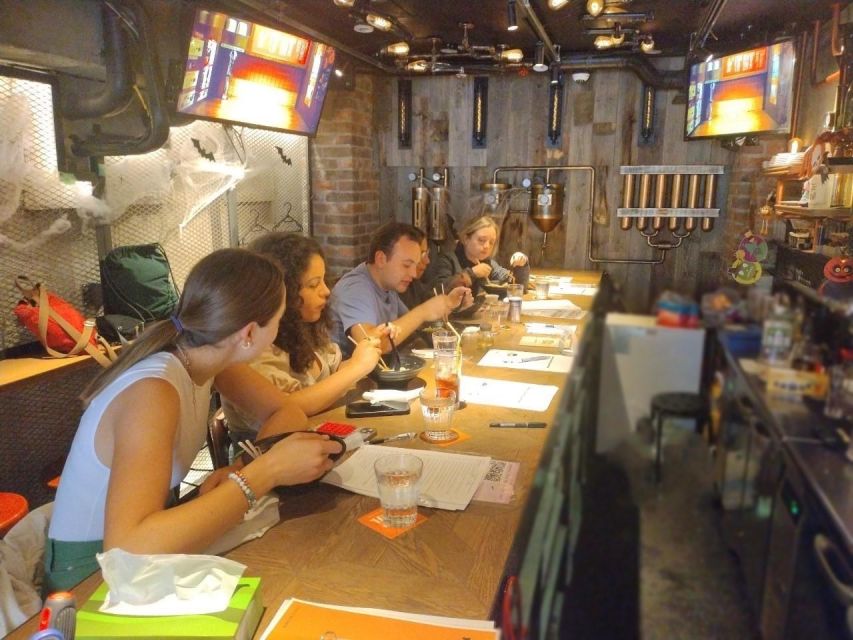
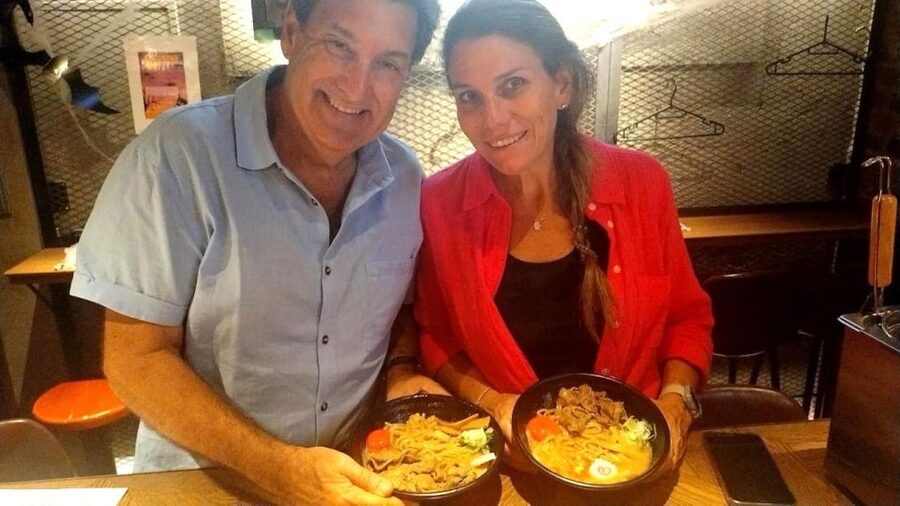
The final step is simple and satisfying: sit down and eat the ramen you have prepared. The experience ends after you finish the meal, so the schedule remains compact.
The finished ramen has received strong praise for taste, not just for the novelty of cooking it yourself. Several people called it delicious, filling, or among the best ramen they had eaten in Tokyo. One participant found the soup too salty, however, which is useful to keep in mind if you prefer mild seasoning.
I like that the meal is included in the $29 price. You are not paying only for a demonstration or a small sample. You receive an activity, instruction, and a proper bowl of ramen at the end. For a one-hour Tokyo experience, that is a fair deal, especially if you value doing something rather than simply visiting another restaurant.
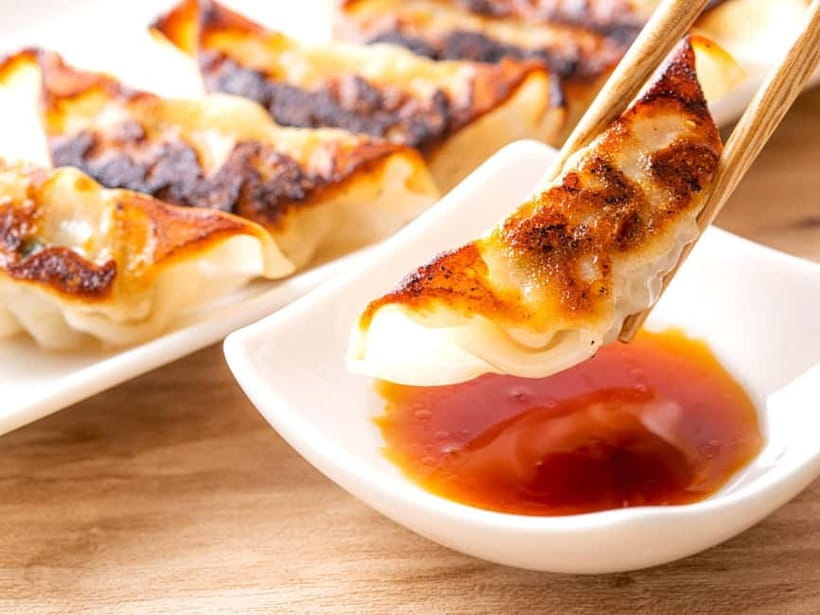
Bottled drinks, extra meals, and transport are not included. Some booking options may offer additions such as gyoza and an alcoholic drink, but you should check the exact option and added cost before paying. One participant wished those extra charges had been clearer, which is good advice for anyone planning tightly around a budget.
The guides make the difference

The class depends heavily on the guide, and the staff names that come up most often include Tak, Hinata, Mikhail, Nina, Kai, Chihiro, and Shuma. The teaching style appears to be warm and practical, with step-by-step help rather than a formal lecture.
Tak was praised for helping a child take part and for offering city recommendations. Hinata carefully explained the difference between the full ramen process and the shortened class. Mikhail was singled out for sharing techniques and showing real enthusiasm for ramen.
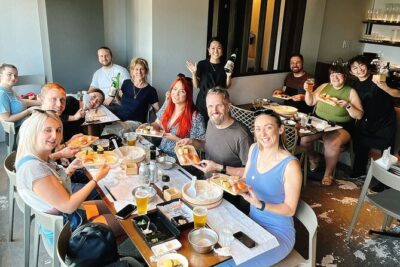
The guides also make the activity social. You can ask questions about Japanese food, other dishes to try, and places to visit in Tokyo. Some sessions have only one participant, while others have four or six people. The small-group format gives you a better chance to ask questions and receive help with the cooking.
English ability can vary. Some instructors speak excellent English, while other staff may use a translation machine. That should not prevent you from following the practical steps, since the recipe is designed to be easy, but you may need patience during more detailed explanations.
A good choice for families and first-time cooks
The minimum age information needs a little care. Children under four are not suitable for the activity, and anyone under 20 must be accompanied by a parent or guardian. Alcohol is prohibited by law for people under 20.
A family with older children can find this a fun shared activity. One 10-year-old took part with help from the guide and enjoyed making ramen. I would still expect the adult to supervise closely around boiling water and kitchen equipment.
The class also suits couples, solo visitors, and small friend groups. One-person sessions can become almost private lessons, while a group of four to six provides more conversation and a lively cooking atmosphere without feeling crowded.
You do not need to be a serious food expert. In fact, the class may be more rewarding if you rarely cook. You get a clear task, immediate results, and a meal that is hard to mess up when the guide is beside you.
What to bring and what to plan around
Bring an ID card. A copy is accepted, so you do not necessarily need to carry your original passport if you have another accepted form of identification.
Wear something comfortable and arrive with enough time to find the building. The meeting place is upstairs, with no elevator, and Shinjuku’s station corridors can take longer to navigate than expected.
The activity lasts one hour, but I would not treat that as a full evening plan. The class itself is short, and you may want extra time afterward to explore Kabukicho, visit the Godzilla statue, or stop for another drink or snack.
If you are looking for a full meal, the included ramen should be enough for many people. If you have a large appetite, remember that additional meals and drinks cost extra. Some participants also received takeaway containers, but you should not assume that every leftover item will be packaged.
Cancellation and booking flexibility
You can cancel up to 24 hours in advance for a full refund. The reserve-now-and-pay-later option is useful if your Tokyo plans are still shifting, especially around flights and train connections.
The operator has shown flexibility when people faced travel delays, but I would not rely on arriving late. Shinjuku is easy to underestimate, and a late arrival can disrupt a small class. Aim to reach the area early rather than racing from the station entrance.
Who should book this ramen experience?
I would recommend it if you want:
- A short, affordable food activity in Shinjuku
- A meal that you help prepare from start to finish
- A beginner-friendly introduction to ramen
- A small group with plenty of guide interaction
- A family activity for children aged four and older
- A convenient experience near Kabukicho’s sights
I would skip it if you need vegetarian, vegan, gluten-free, or fully halal food, since the soup contains pork, chicken, and beef and the recipe is not fully disclosed. I would also choose another type of class if you specifically want to make ramen noodles and broth entirely from scratch.
FAQ
How long does the Tokyo ramen cooking experience last?
The activity lasts one hour, including the explanation, cooking, and eating.
Where does the ramen class take place?
It takes place at Shinjuku Ale in Kabukicho, Shinjuku. The cooking area is on the second floor, and there is no elevator.
What is included in the $29 price?
The price includes the ramen cooking experience and the meal you prepare. Bottled drinks, additional meals, extra drinks, and transport to the meeting point are not included.
Can vegetarians or vegans join the class?
No. The ramen soup contains pork, chicken, and beef, so the experience is not suitable for vegetarians or vegans.
Do I make the ramen broth and noodles completely from scratch?
No. The class explains the longer process, but the broth and noodles are prepared in advance because they take many hours or days. You complete a shortened recipe by choosing the soup, boiling the noodles, and adding the ingredients.
Can children take part?
Children under four are not suitable for the activity. Participants under 20 must be accompanied by a parent or guardian, and alcohol is prohibited by law for anyone under 20.
Should you book it?
For $29, this is a good-value Shinjuku activity if you want food, conversation, and a small amount of cooking in one compact session. I especially like the clear explanation of what you are and are not making. You get the fun parts of ramen preparation without being promised a full multi-day noodle and broth course.
Book it if you enjoy Japanese food and want to turn dinner into an activity. Give yourself extra time to find Shinjuku Ale, check the dietary restrictions carefully, and confirm the price of any gyoza or drink add-ons. If those points work for you, this is an easy, friendly way to spend an hour in Kabukicho, with a bowl of ramen you can honestly call your own.
Just added in Tokyo
- A One-of-a-Kind Sushi Experience in a Special Place of Japan★ 5.0 · 15 reviews
- Tokyo Cute Bento Cooking Class – Make a Kawaii Character Lunchbox★ 5.0 · 126 reviews
- Japanese Home Cooking Class & Walk in Todoroki Temple Tokyo★ 5.0 · 88 reviews
- Japan Tokyo Tower Observatory Deck E-Ticket★ 4.0 · 34 reviews
- Catch a Baseball Game in Tokyo with a Local – Tickets Included★ 5.0 · 24 reviews
- Tokyo Private Day Tour by Car with English speaking Driver Guide★ 4.0 · 29 reviews
- Japan Classic 10 Day – One Life Adventures★ 5.0 · 129 reviews
- JDM Experience with Fast&Furious RX-7 (English speaking Driver)★ 5.0 · 57 reviews
Cooking Classes, compared.
Sushi Making Tokyo Roll and Authentic Japanese Sushi Class
Read our review →
Roll and Authentic Sushi Making Class in Asakusa
Read our review →
Ramen Cooking Class at Ramen Factory in Kyoto
Read our review →
Sushi Making Class in a Happi Coat near a Famous Spot
Read our review →
Sushi Making Osaka Roll and Authentic Japanese Sushi Class
Read our review →
Tokyo Sushi Making Class in Tsukiji with Professional Chef
Read our review →
Ramen & Gyoza Cooking Class in Tokyo with Local Supermarket Visit
Read our review →Browse the lists this tour appears in