
Reviewed · CASTLES AND HISTORIC SITES
Tokyo: Imperial Palace, Sensō-ji Temple, & Tokyo Tower Tour
Tokyo gives you plenty to see, but its famous sights are spread across a huge city. This four-hour Hato Bus tour links the Imperial Palace outer grounds, Sensō-ji Temple, and Tokyo Tower in one tidy afternoon. I like the comfortable hybrid bus and the way an English-speaking guide fills the rides between stops with useful facts about Tokyo and Japanese life. The main catch is simple: you do not enter the Imperial Palace, and time at each stop is limited.
I also like the mix of experiences. You get a quiet walk near Nijubashi Bridge, the lively temple approach and snack stalls of Nakamise Street, then a high city view from Tokyo Tower. At $40 per person, the tour offers solid value if you are short on time, though independent visitors who want long temple visits or the Imperial Palace East Gardens will need a separate plan.
The meeting point is easy to reach, just two minutes from Tokyo Station’s Marunouchi South Exit. Guides such as Junko, Kiki, and Saiko have earned praise for clear English, humor, and helpful advice, but your exact guide will depend on the departure.
In This Review
- What makes this Tokyo afternoon useful
- Starting near Tokyo Station
- Nijubashi Bridge and the Imperial Palace outer grounds
- Sensō-ji and one hour around Nakamise Street
- Tokyo Tower and the 150-meter view
- How the timing works in real life
- What the $40 price really buys
- Guide quality and the human side of the tour
- Who should book this tour?
- My verdict on this four-hour Tokyo route
- FAQ
- Where does the Tokyo tour start?
- How long does the tour last?
- Is the Imperial Palace included?
- Are the Imperial Palace East Gardens included?
- Is Sensō-ji Temple included?
- Can I shop at Nakamise Street?
- Is Tokyo Tower admission included?
- Can I see Mount Fuji from Tokyo Tower?
- Is the tour conducted in English?
- Is the tour wheelchair accessible?
- Are children under six charged?
- Are hotel pickup and food included?
What makes this Tokyo afternoon useful
- Three major sights in four hours: You cover central Tokyo, Asakusa, and Tokyo Tower without arranging several train journeys.
- Nijubashi Bridge is a photo stop, not a palace visit: You see the outer garden, bridge area, and Masashige Kusunoki statue, but not the palace interior or East Gardens.
- Sensō-ji includes free time: Your guide explains the temple, then you can browse Nakamise Street, buy souvenirs, and pay for snacks or a meal.
- Tokyo Tower includes the 150-meter observatory: On a clear day, you may see Mount Fuji from the main observation level.
- The guide adds value between stops: Several guides have been praised for continuing their commentary during the bus rides.
- The pace suits first-time visitors: You see a broad slice of Tokyo, but you will not have time to study every site in detail.
Starting near Tokyo Station
The tour begins at the Hato Bus Tokyo office and boarding point near Tokyo Station. From the Marunouchi South Exit, the walk takes about two minutes, making this a practical choice if you are already sightseeing around the station or arriving by train.
I would allow a little extra time to find the exact office. Tokyo Station is large, and its underground passages can turn a short walk into a small expedition if you take the wrong exit. The supplied meeting point is on the Marunouchi side, not the Yaesu side.
Once aboard, you meet the English-speaking guide and settle into an eco-friendly hybrid bus. This is the tour’s quiet advantage. Instead of changing trains, studying subway maps, and watching the clock, you can look out the window while the guide explains what you are seeing.
Past guides have included Junko, Kiki, Atsushi, Haruhi, Makoto, and Saiko. Their styles vary, but the strongest praise centers on clear explanations, friendly manners, and commentary that continues while the bus moves through Tokyo. That matters because the travel time between the three stops becomes part of the experience rather than dead time.
The bus is not a substitute for walking. You still need to get on and off several times, and the tour includes walks at each stop. A few steps are required when boarding and leaving the bus, so keep that in mind if you use a wheelchair or have trouble with steps. The activity is listed as wheelchair accessible, but the step requirement is worth noting before you reserve.
More Castles and Historic Sites in Tokyo
- Tokyo: Imperial Palace and Shogun Historical Walking Tour
★ 5.0 · 2,251 reviews - Tokyo Castle & Imperial PalaceーShogun Walking Tour
★ 4.7 · 1,068 reviews - Tokyo: Samurai Ninja Museum Guided tour and Experience
★ 4.6 · 1,010 reviews
Nijubashi Bridge and the Imperial Palace outer grounds
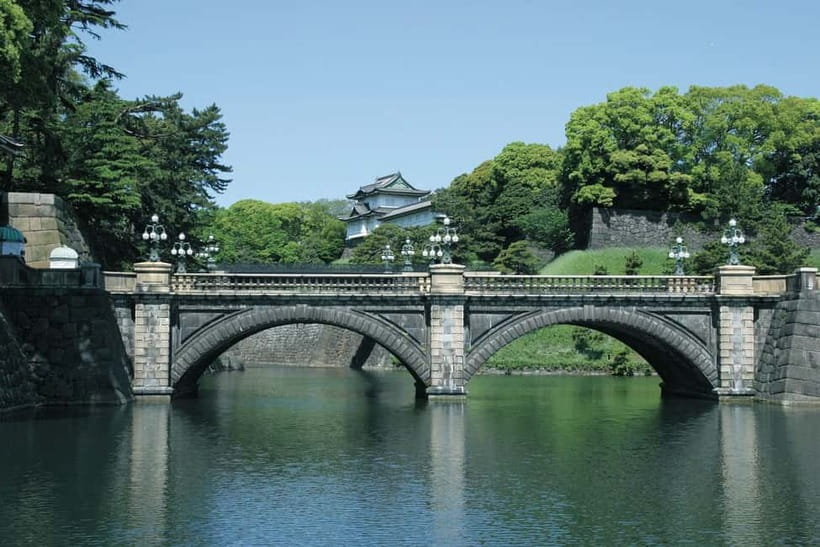
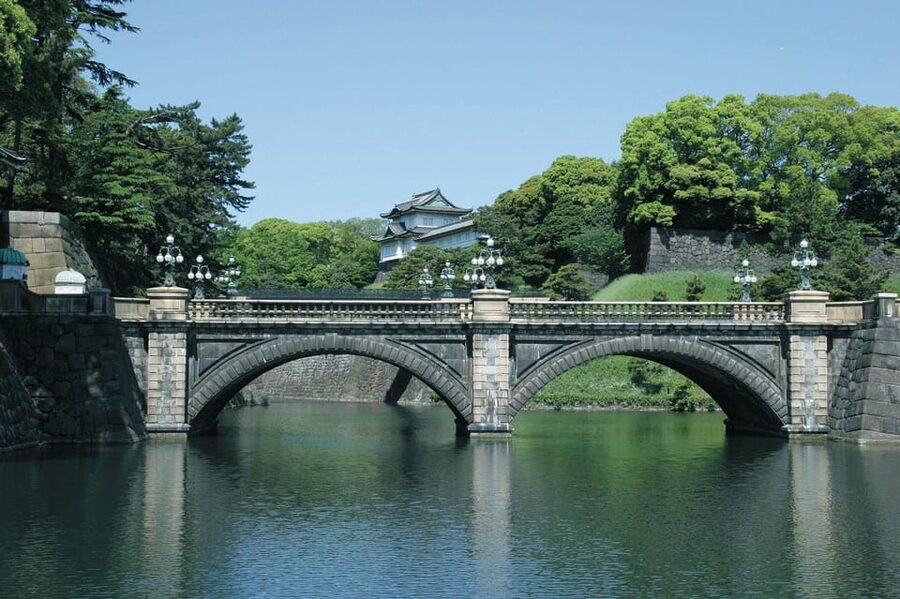
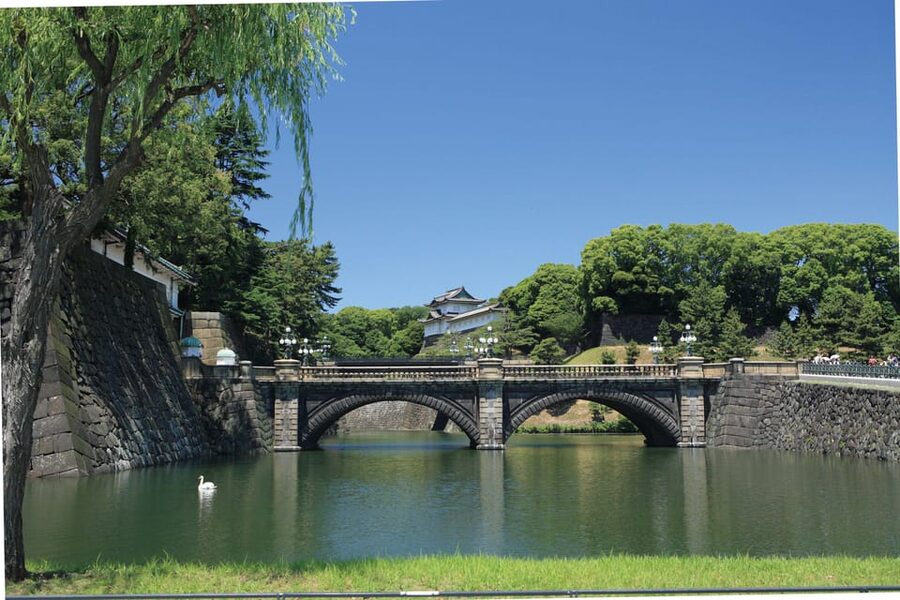
The first stop is the Imperial Palace Outer Area, with about 40 minutes for sightseeing and walking. You see the statue of Masashige Kusunoki and walk around the Nijubashi Bridge area.
Nijubashi is one of the familiar postcard views of Tokyo. The bridge, stone walls, open space, and formal grounds give you a calmer first look at the city. It is a useful contrast to Tokyo’s towers and crowded streets, and the broad setting makes it easy to take photographs.
The important thing to understand is what this stop does not include. You do not enter the Imperial Palace. The East Gardens are also excluded, and this tour does not take you through the palace grounds beyond the designated outer area.
That limitation has caused disappointment for people expecting palace rooms, formal gardens, or a longer garden walk. If the Imperial Palace is high on your list, treat this as an exterior introduction. You see the walls, bridge area, statue, and surrounding grounds, but not a full palace visit.
Still, I think the stop works well in a half-day city tour. You get the historic setting without using a large part of your day. The guide can explain the importance of the area, then you move on before the outing becomes focused on one site.
The 40-minute allocation is enough for the planned walk and photographs. It is not enough for a leisurely exploration. Wear shoes that handle pavement comfortably, and keep an eye on the group’s meeting time.
Sensō-ji and one hour around Nakamise Street
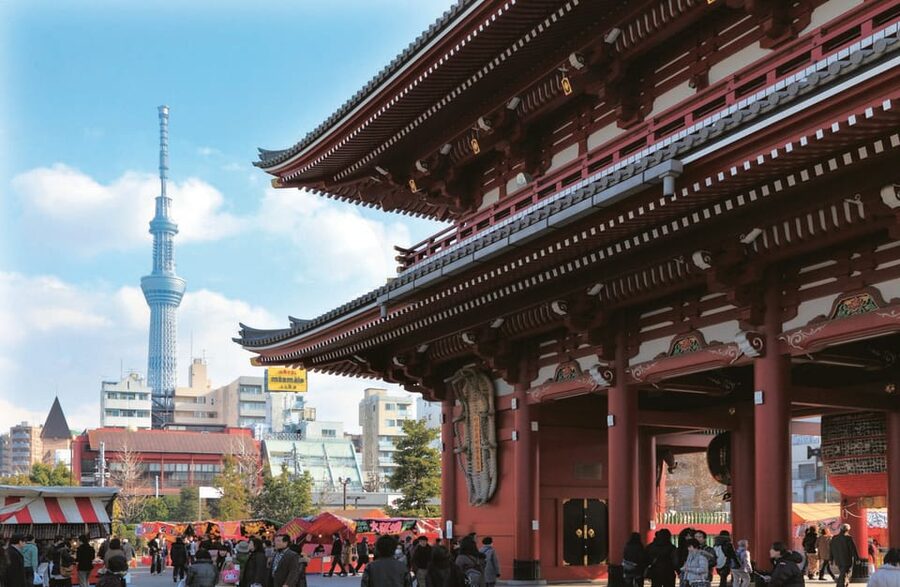
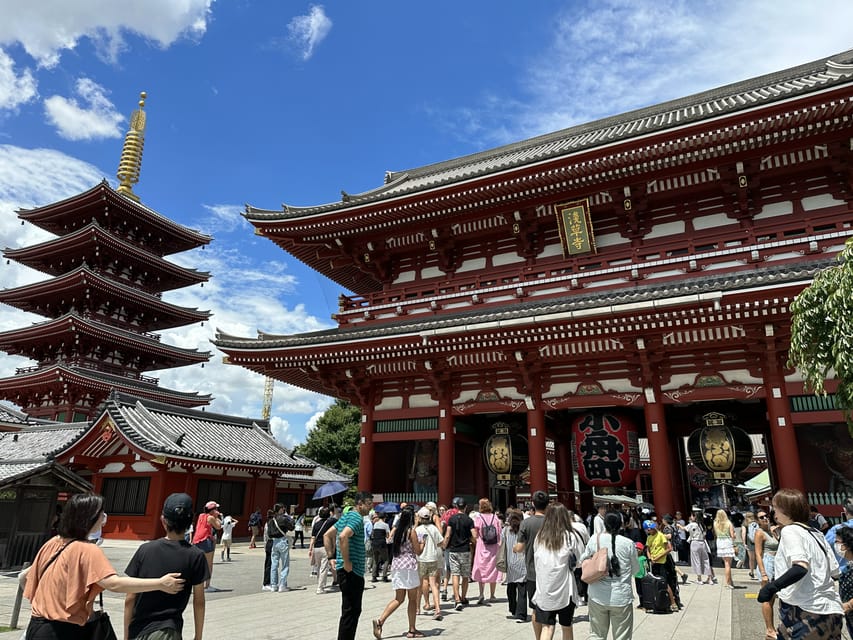
The second stop is Asakusa, where you visit Sensō-ji, also called Asakusa Kannon Temple. This is the oldest temple in Tokyo and the most flexible part of the tour, since the guided explanation is followed by free time.
Your guide introduces the temple’s traditional craftsmanship and key features before you explore on your own. That short explanation helps you read the setting instead of simply taking pictures of a large red gate and moving on.
Nakamise Street is a roughly 200-meter shopping lane leading through the temple complex. It is lined with traditional souvenirs, small gifts, snacks, and places to buy food at your own expense. This is the place to pick up a small Tokyo memento or try a local sweet without committing to a full restaurant meal.
The one-hour stop is useful, but it goes quickly. Sensō-ji has more to see than the timetable allows, and the shopping street can slow you down, especially when it is crowded. One person who enjoyed the tour still wished for more time here, a fair point because Asakusa offers both the temple itself and a lively old-style shopping area.
I would decide in advance what matters most. If you want photographs and the main temple visit, follow the guide’s timing and keep your free time focused. If snacks and shopping are your priority, do not spend too long browsing the first few shops.
Asakusa is also where weather and crowd levels can affect the experience. Rain may make the approach less comfortable, while Sundays can feel especially busy. Even so, Sensō-ji is a strong choice for a short Tokyo tour because it gives you a clear sense of traditional culture alongside the modern city.
Food and drinks are not included. You pay directly for any snacks, meals, or purchases, so carry a payment method that suits your plans.
Tokyo Tower and the 150-meter view
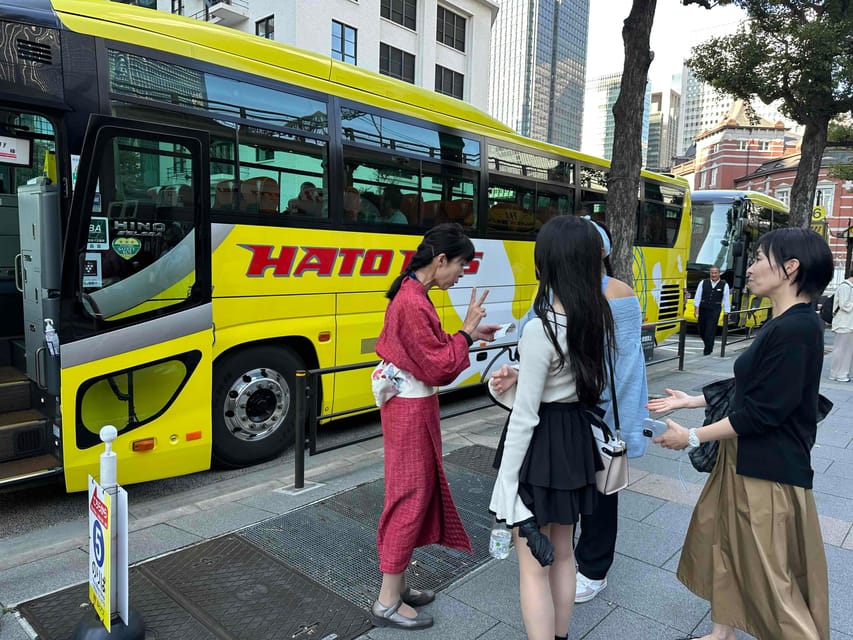
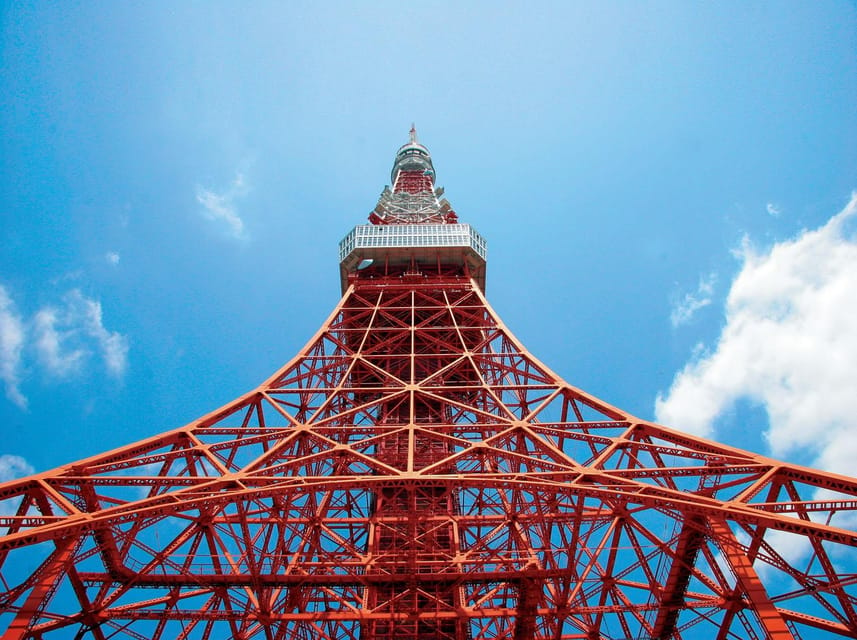
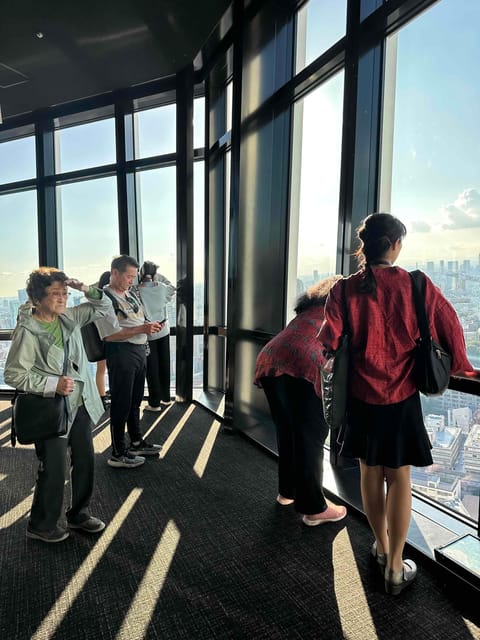
The final major stop is Tokyo Tower, one of the city’s best-known landmarks. Your ticket includes entry to the main observatory at 150 meters, with about 40 minutes for the visit.
This is a quick visit, not an evening spent exploring every level. You go up, take in the view, and return to the bus within the planned schedule. On a clear day, the height gives you a broad look across Tokyo, and Mount Fuji may be visible.
Weather is the key variable. Rain, haze, or low cloud can reduce the view considerably. One afternoon became less impressive because visibility from Tokyo Tower was poor, while another visitor found the stop especially memorable because the sky cleared near Sensō-ji earlier in the day.
If you can choose among available departure times, late afternoon may give you a chance at changing light. One useful tip from a past participant was to reach Tokyo Tower around sunset rather than after the sun has already gone down. The exact timing depends on the departure schedule and season, so do not assume every tour reaches the tower at sunset.
The 40 minutes can feel brief, but the included entry ticket improves the value. You avoid arranging admission separately, and the stop gives the tour a strong finish after the quieter palace grounds and lower-level temple district.
More Temples and Shrines in Tokyo
- Tokyo: Meiji Shrine, Asakusa, Skytree Bus Tour and Cruise
★ 4.7 · 1,986 reviews - Tokyo: Asakusa Walking Tour with Sensoji Temple Visit
★ 4.8 · 1,583 reviews - Nikko: Kegon Falls, Lake Chuzenji & Toshogu Temple
★ 4.6 · 1,577 reviews - Tokyo: Nikko Toshogu Shrine and Kegon Waterfall Tour
★ 4.5 · 1,266 reviews
How the timing works in real life
The advertised duration is four hours, beginning and ending at the Hato Bus Tokyo office. The listed stop times total roughly two hours and 20 minutes, leaving the rest for bus travel between widely separated parts of Tokyo.
That travel time is not a flaw. The Imperial Palace, Asakusa, and Tokyo Tower are not next door to one another, and the bus lets you cover them without navigating several train connections. Tokyo traffic can affect the feel of the afternoon, though the exact impact will vary by day.
I like this format for a first day in Tokyo. You get your bearings across different parts of the city, learn basic context from the guide, and collect ideas for places to revisit independently.
The tradeoff is depth. You will not have a long, quiet temple visit, a full palace garden walk, or extended time in the tower. The tour is built around coverage, not lingering.
Several past participants praised the pacing and organization, while others wanted more time at the attractions. Both reactions make sense. If you value seeing several famous places in one afternoon, the rhythm should suit you. If you prefer one site at a time, public transport and separate admissions may serve you better.
What the $40 price really buys
At $40 per person, the tour is reasonably priced for a four-hour guided outing in Tokyo. The price includes the hybrid bus, an English-speaking guide, the Nijubashi Bridge and outer garden stop, and Tokyo Tower admission.
The value comes from combining transportation and explanation. You are paying not only to reach the sights, but also to avoid planning the route between them. A good guide can make the difference, especially when the bus commentary adds background about Japanese language, daily life, and Tokyo beyond the three headline stops.
You still pay for food, drinks, and shopping. The Imperial Palace East Gardens are not included, and hotel pickup and drop-off are not provided. These exclusions are easy to manage if you know about them before booking.
I would call it particularly good value for a first-time visit, a short stay, or a family that wants a simple afternoon with no complicated transfers. It is less compelling for someone who has already seen the major sights or wants special access to the palace.
The overall rating is 4.5 from 339 reviews, with 85 percent of participants giving the transportation a perfect score. That fits the tour’s strongest feature: it is organized, practical, and easy to follow.
Guide quality and the human side of the tour
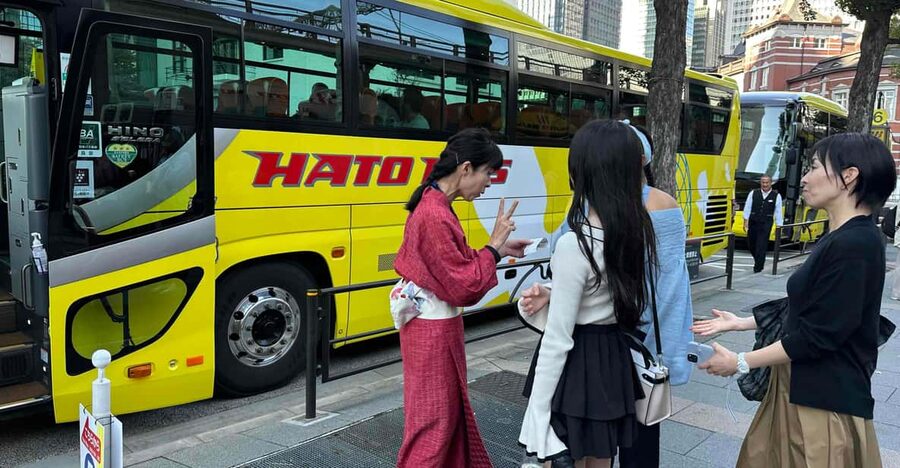
The guides receive the warmest praise. People have singled out Junko for keeping everyone informed and on time, Kiki for clear English and extra information during the bus rides, and Saiko for making the afternoon fun with knowledge and wit.
A guide named Grace was also praised for bringing Tokyo’s history to life, while Cheetusan kept an afternoon comfortable despite hot, humid weather. These comments point to a consistent benefit: the tour depends heavily on the person leading it, and Hato Bus appears to place real weight on guide commentary.
That commentary matters most between stops. At the Imperial Palace and Sensō-ji, you can see plenty without help. On the bus, however, the guide gives the city a voice and helps connect the separate sights into one story.
English is the only listed tour language. The guide is nationally certified and conducts the tour in English, so you should be comfortable listening to spoken English while walking and riding.
Who should book this tour?
I would recommend this tour if you:
- Have only one or two days in Tokyo
- Want to see famous landmarks without planning several train trips
- Prefer a guide’s explanation to exploring every site alone
- Like a blend of architecture, traditional culture, shopping, and city views
- Want a straightforward afternoon after arriving in Tokyo
- Are traveling with family and value an organized route
I would look elsewhere if you want to enter the Imperial Palace, visit the East Gardens, spend several hours at Sensō-ji, or stay at Tokyo Tower until after dark. You could visit the three areas independently and set your own pace, though you would lose the convenience and running commentary.
Children under six can travel free, but no seat is provided for them. That detail matters for families with very young children. The bus is listed as wheelchair accessible, but you should be prepared for some steps when boarding and leaving.
Free cancellation is available up to 24 hours before the activity for a full refund, and you can reserve now while paying later. Those terms are useful when your Tokyo schedule is still shifting.
My verdict on this four-hour Tokyo route

Book it if you want a well-organized first look at Tokyo rather than a deep visit to any one landmark. The bus, the guide, and the three-stop route remove much of the friction from a city that can feel enormous on your first day.
Go in with accurate expectations. The Imperial Palace stop means exterior views, Sensō-ji gets about an hour, and Tokyo Tower depends on clear weather. With that understood, $40 buys a practical afternoon, strong city coverage, and a useful introduction to places you may want to revisit on your own.
FAQ
Where does the Tokyo tour start?
It starts at the Hato Bus Tokyo office and boarding point near Tokyo Station. The meeting point is about a two-minute walk from the JR Tokyo Station Marunouchi South Exit.
How long does the tour last?
The tour lasts four hours and returns to the original Hato Bus Tokyo office.
Is the Imperial Palace included?
The tour includes the Imperial Palace outer area, the Nijubashi Bridge area, and the statue of Masashige Kusunoki. Entry into the Imperial Palace itself is not included.
Are the Imperial Palace East Gardens included?
No. The East Gardens are not part of this tour.
Is Sensō-ji Temple included?
Yes. You visit Sensō-ji, also known as Asakusa Kannon Temple, and receive guided information before having free time to explore.
Can I shop at Nakamise Street?
Yes. Nakamise Street is part of the Sensō-ji complex, and you can browse for souvenirs, snacks, and meals. Purchases and food are at your own expense.
Is Tokyo Tower admission included?
Yes. The tour includes entry to Tokyo Tower’s main observatory at 150 meters.
Can I see Mount Fuji from Tokyo Tower?
You may see Mount Fuji if the weather is clear. Rain, haze, and low visibility can limit the view.
Is the tour conducted in English?
Yes. The tour is conducted in English by an English-speaking guide.
Is the tour wheelchair accessible?
The activity is listed as wheelchair accessible, but you need to manage a few steps when getting on and off the bus.
Are children under six charged?
Children aged zero to under six can travel free, but a seat is not provided for them.
Are hotel pickup and food included?
No. Hotel pickup and drop-off are not included, and food and drinks must be paid for separately.
Just added in Tokyo
- Japanese Home Cooking Class & Walk in Todoroki Temple Tokyo★ 5.0 · 88 reviews
- A One-of-a-Kind Sushi Experience in a Special Place of Japan★ 5.0 · 15 reviews
- Tokyo Cute Bento Cooking Class – Make a Kawaii Character Lunchbox★ 5.0 · 126 reviews
- Japan Tokyo Tower Observatory Deck E-Ticket★ 4.0 · 34 reviews
- Catch a Baseball Game in Tokyo with a Local – Tickets Included★ 5.0 · 24 reviews
- JDM Experience with Fast&Furious RX-7 (English speaking Driver)★ 5.0 · 57 reviews
- Tokyo Private Day Tour by Car with English speaking Driver Guide★ 4.0 · 29 reviews
- Japan Classic 10 Day – One Life Adventures★ 5.0 · 129 reviews
Castles and Historic Sites, compared.
Imperial Palace and Shogun Historical Walking Tour
Read our review →
Tokyo Castle & Imperial PalaceーShogun Walking Tour
Read our review →
Nijo-jo Castle and Ninomaru Palace Guided Tour
Read our review →
Samurai Ninja Museum Guided tour and Experience
Read our review →Browse the lists this tour appears in