
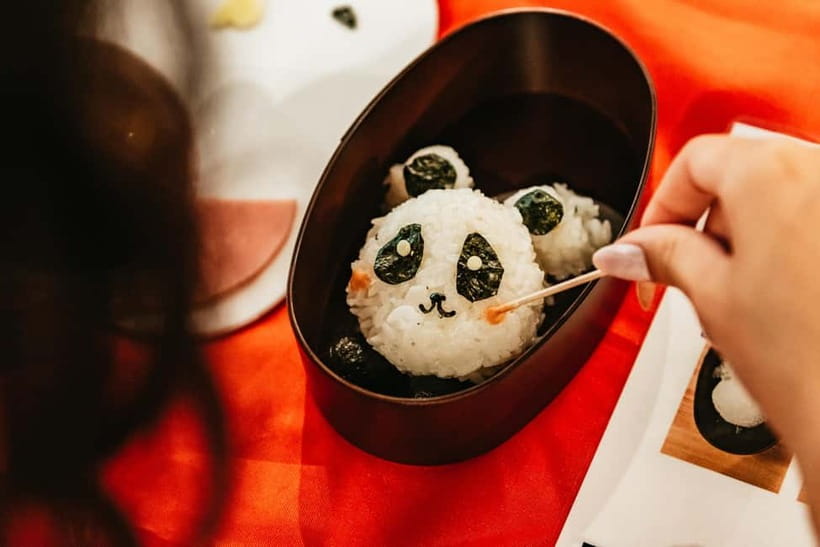
Reviewed · COOKING CLASSES
Tokyo: Kawaii Bento Cooking Class – Cute Character Lunchbox
Cute food, useful skills, and lunch too. This two-hour class turns a Japanese bento box into edible artwork, with English-speaking instructors guiding you through pandas, dogs, bears, and seasonal designs. I like the friendly step-by-step teaching and the large selection of tools that makes the craft easier than it first appears. I also like that you learn why bento matters in Japanese life, rather than simply decorating food without context.
The main consideration is the use of knives and common allergens such as seafood, soy, and sesame. Young children need close supervision, and people with severe allergies or strict diets should contact the provider before booking. The class costs $64 per person, which is fair if you value the meal, instruction, cultural explanation, photographs, recipe, and souvenir as one experience rather than simply buying lunch.
In This Review
- Quick reasons to book
- What makes character bento worth your time
- Finding the basement workshop near Tameike-Sanno
- The first 15 minutes: bento culture before the cooking
- The 60-minute making session: edible art without the stress
- Dietary requests and common allergens
- The 15-minute photo session: save the evidence
- The final 30 minutes: sit down and eat
- What the $64 price includes
- Who will enjoy this class most
- Practical booking advice for a smoother session
- Should you book Tokyo Cute Bento?
- FAQ
- Where is the kawaii bento class held?
- How long does the activity last?
- Is the class taught in English?
- Do I need cooking experience?
- Can children join the workshop?
- Can the bento be adjusted for dietary needs?
- What happens if I need to cancel?
Quick reasons to book
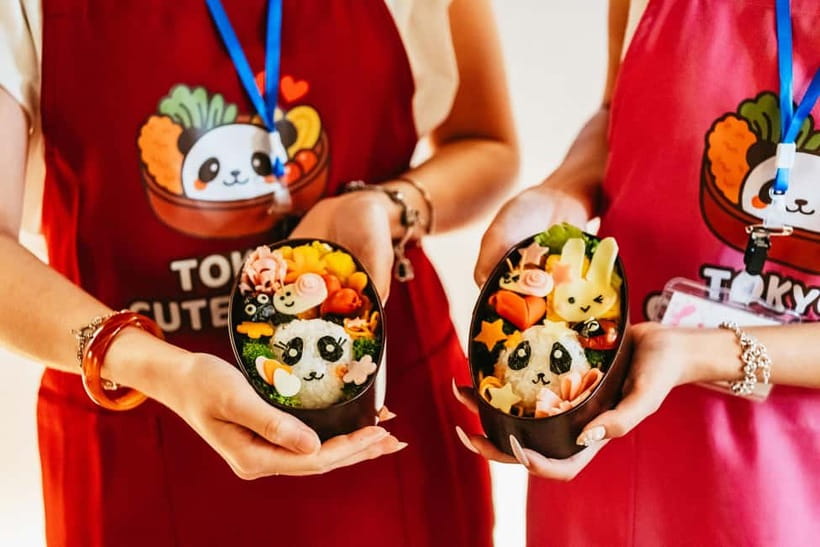
- Make a panda, bear, or seasonal bento: Your design choice is confirmed by email after booking.
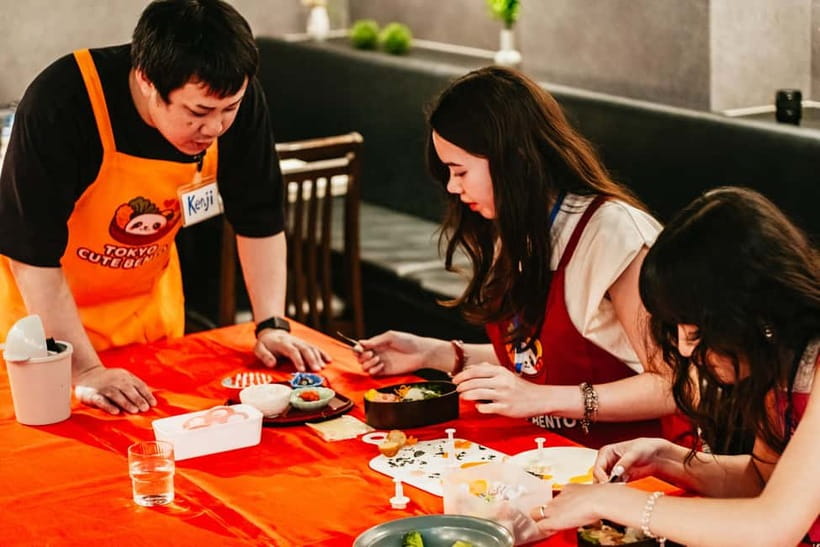
- Learn from Kenji and other local instructors: Clear English guidance keeps the process friendly for beginners.
- Use a wide range of bento tools: Molds and decorating equipment help you create expressive faces without advanced cooking skills.
- Eat what you make: The final 30 minutes are set aside to enjoy your lunch.
- Take home practical ideas: English recipes and a souvenir help you repeat the activity later.
- Convenient in bad weather: The indoor workshop is near Tameike-Sanno Station, with access to central Tokyo areas.
What makes character bento worth your time
A character bento, or kyaraben, is more than a cute lunch box. It shows how Japanese food can be arranged with care, playfulness, and visual balance. Rice, side dishes, vegetables, and small decorative pieces become part of a little scene or face.
That makes this class different from a standard cooking lesson. You are not only learning how to prepare food. You are learning how presentation changes the way a meal feels, especially for children, school lunches, picnics, and family occasions.
I also like the cultural introduction at the start. The first 15 minutes explain the role of bento in Japan, giving the hands-on work a useful setting. You get a better sense of why a compact meal can be carefully divided, decorated, and packed.
The workshop is run by Tokyo Cute Bento, with English instruction. Kenji receives especially warm praise for being patient, kind, and clear, while Kenji and Mari have also taught small groups together. The teaching style appears relaxed rather than formal, which matters when the class includes children or people who rarely cook.
More Cooking Classes in Tokyo
- Sushi Making Tokyo Roll and Authentic Japanese Sushi Class
★ 5.0 · 3,971 reviews - Tokyo: Roll and Authentic Sushi Making Class in Asakusa
★ 4.9 · 1,957 reviews - Tokyo Shinjuku Chopsticks Making Class
★ 5.0 · 1,763 reviews
Finding the basement workshop near Tameike-Sanno
The meeting point is straightforward once you have the right station exit. Leave Tameike-Sanno Station through Exit 7, walk straight, and cross the intersection. The building directly ahead has a panda bento sign, and the class is in the basement, or B1, beneath a ramen shop.
This is useful information to keep on your phone. The sign and ramen shop are better landmarks than a street address, particularly if you are moving through central Tokyo with a family in tow.
The location also makes the class easy to combine with sightseeing. The activity is described as convenient for Tokyo Station, Shibuya, and Asakusa plans, and an optional 30-minute Akasaka walk can be requested in advance after the class. Since the workshop takes place indoors, it is a practical choice during rain or intense summer heat.
The room is wheelchair accessible. Still, you should confirm any specific mobility needs when booking, since the supplied information does not describe the exact route inside the building.
The first 15 minutes: bento culture before the cooking
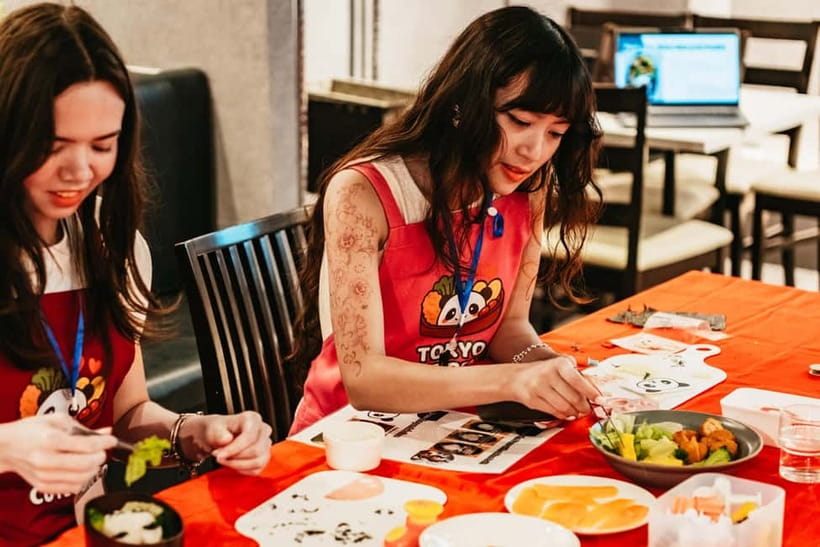
The class begins with a short explanation of bento culture. This is not a long lecture, and that is a good thing. Fifteen minutes gives you enough background to understand the food without using up the best part of a two-hour activity.
You learn why bento is important in Japanese food culture, then see how the character style adds an artistic layer. The introduction helps explain the balance between practical lunch preparation and the desire to make food appealing.
This section is valuable for families. Children may focus on the panda’s face or the finished box, while adults get a clearer look at an everyday Japanese tradition. It also gives solo participants an easy way into the group, since the subject naturally creates conversation.
The class is suitable for complete beginners. You do not need previous cooking experience, and the instructors break the work into small stages. Several children initially worry that the process will be difficult, but the clear instructions and helpful tools make the task manageable.
The 60-minute making session: edible art without the stress
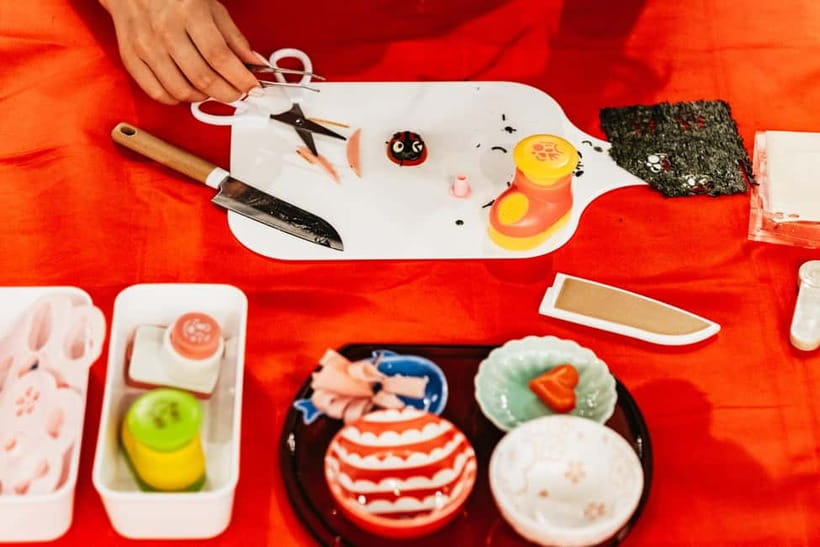
The main hour is spent assembling your character bento. You choose a design such as a panda bento, a brown bear bento, or a seasonal limited-edition option. The exact choice is confirmed by email after booking, so check your messages and make any requests promptly.
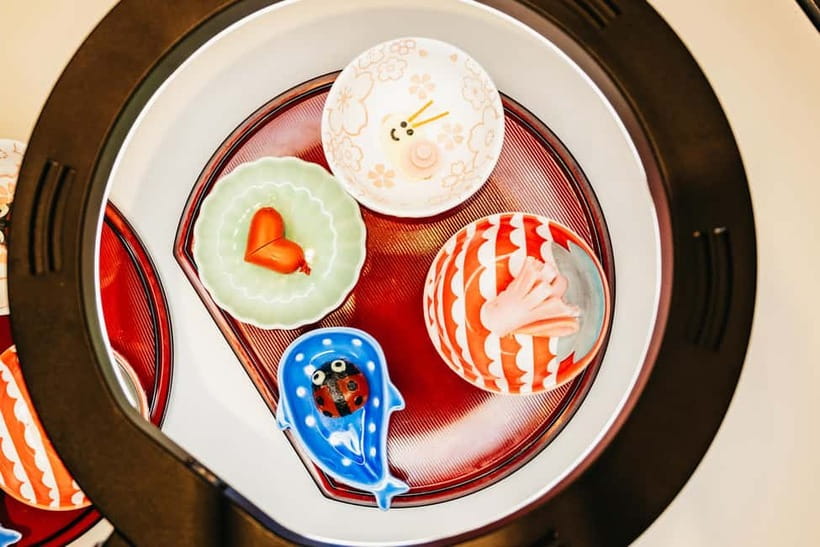
The character comes together through decorated faces and side dishes. You work with the ingredients and tools supplied by the class, following the instructor’s example one step at a time. The large range of bento-making equipment is one of the strongest features here. Small molds and decorating tools give you several ways to shape and finish the food.
That equipment changes the experience for beginners. You do not have to rely entirely on fine knife work or artistic talent. The tools help you produce a recognizable face, so the result can look charming even if your first attempt at food decoration is modest.
The process is creative, but it is not presented as a competition. One person can make a panda while a friend makes a dog, and different designs can come from the same basic lesson. Families can work at a shared pace, while couples or friends can compare their finished characters.
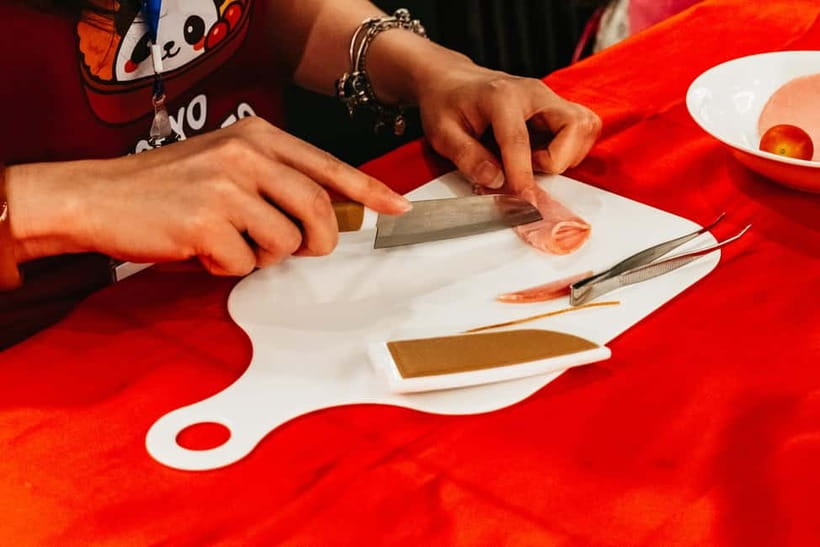
You will use knives and other cooking tools, so younger children need supervision from a parent or guardian. This is an important point, not a footnote. The class is child-friendly, but it is not a no-tools craft session.
The food itself also matters. Several people find the finished bento tasty as well as attractive, with enough food to fill the little box generously. One useful tip is not to assume the meal is only a photo prop. Leave room to enjoy it.
A completely different kind of day out:
- Tokyo Disney Resort – Tokyo Disneyland & Tokyo DisneySea Park Tickets
★ 4.8 · 99,488 reviews - SHIBUYA SKY Ticket
★ 4.7 · 46,509 reviews - JR Whole Japan Rail Pass
★ 4.8 · 29,150 reviews - Mt Fuji and Hakone 1-Day Bus Tour Return by Bullet Train
★ 5.0 · 26,383 reviews
Dietary requests and common allergens
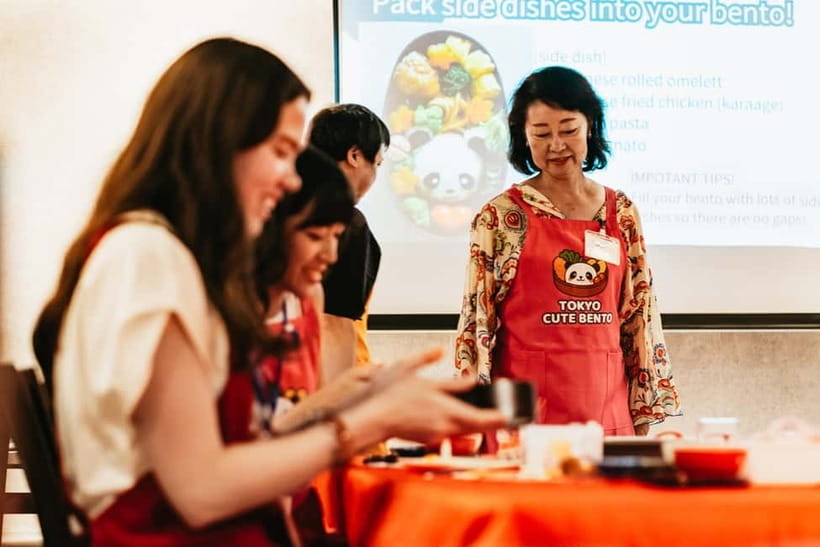
Vegetarian and vegan options are available, and the kitchen can adjust for some allergies, including requests for no nuts or no milk. You must give this information at booking, not when you sit down with your knife and lunch box.
The class uses common allergens such as seafood, soy, and sesame. If you have a severe food allergy, the activity may not be suitable, although advance discussion may allow some changes. Strict dietary requirements may also be difficult to meet fully.
The handling of a pork-free request has worked well, with replacement ingredients prepared ahead of time. That is encouraging, but it is not a promise that every diet can be matched. Contact the provider before booking if your needs are serious or complex.
The 15-minute photo session: save the evidence
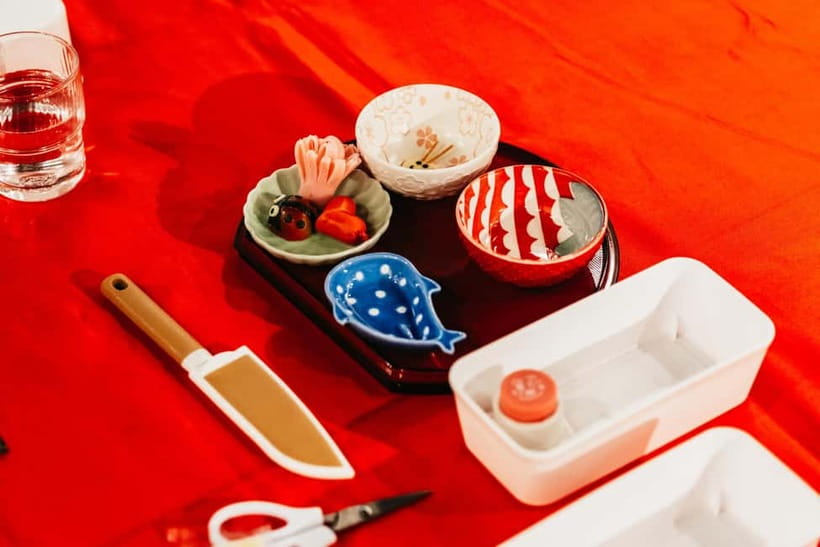
Once the food is assembled, you get a 15-minute photography session before eating. This is a smart part of the schedule because the character faces are at their neatest before lunch begins.
You receive photographs as part of the experience, so you do not have to choose between taking pictures and enjoying the activity. The finished bento also makes a fun travel memory, especially for children who might otherwise forget the details of a cooking class.
The photos are not just decoration. They show the progression from plain ingredients to a finished character lunch, and they give you a model to follow if you want to try the technique at home.
The final 30 minutes: sit down and eat
The last half-hour is reserved for enjoying your bento. This keeps the class from becoming a rushed craft project. You finish the meal in the same setting, with the satisfaction of eating something you shaped yourself.
The food receives steady praise for taste, not only appearance. The box can hold more than expected, so the portion feels generous for a compact lunch. You might also choose to carry the finished bento to another location, as one participant did before eating it at Shinjuku Gyo-en.
That possibility adds flexibility, though you should follow the provider’s food-handling advice if you plan to take it elsewhere. The supplied information confirms that you enjoy the meal as part of the class, so eating on site is the simplest option.
What the $64 price includes
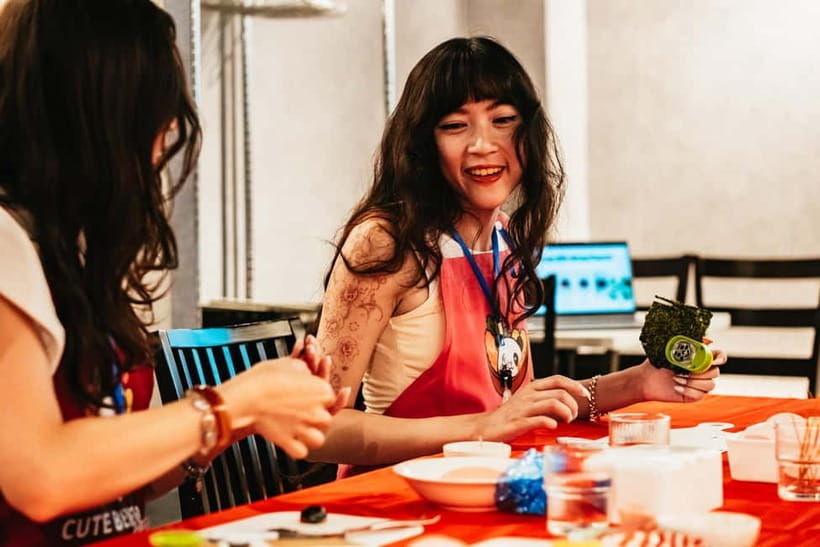
At $64 per person, this is not the cheapest lunch in Tokyo. You can buy a bento from a convenience store for far less. The comparison is not quite fair, though, because this price covers a two-hour activity rather than a prepared meal.
Included are the English-speaking cooking class, all ingredients and tools, cultural explanation, the meal, photography, English recipes, and a souvenir. You also get the chance to make the character yourself, which is the central value.
I would consider the price reasonable for a family or group looking for a shared activity. It also works well for couples who prefer making something together to sitting through another restaurant meal. For a solo participant, the value depends on your interest in hands-on food culture. If you want a quiet, independent lunch, this is not the right purchase. If you enjoy crafts and meeting people through a guided activity, it offers more substance.
Two free add-ons are available by advance request: a 30-minute advanced side-dish preparation session before the workshop, or a 30-minute Akasaka tour afterward. These are useful bonuses, but you should request them ahead of time rather than expect to add them on the day.
Who will enjoy this class most
Families with children are a natural fit. The class offers a clear goal, plenty of visual appeal, and an edible reward at the end. Children aged seven and nine have enjoyed the activity, and teenagers can take part without it feeling like a babyish craft.
Couples and friends also get plenty from the format. You can choose different characters, compare results, and share the meal. The class has a social tone, but it does not require you to arrive with a large group.
Solo participants are welcome. The instructors guide everyone through the same process, so you do not need a partner to make the booking worthwhile. The small-group setting can also make the experience feel more personal when attendance is light.
The class is a good match if you want:
- A rainy-day or hot-weather plan
- A food activity with cultural context
- An easy introduction to Japanese bento
- A creative activity that does not require cooking experience
- A family memory you can recreate at home
It may be less suitable if you dislike food preparation, cannot use knives, or have severe allergies that are difficult to accommodate.
Practical booking advice for a smoother session
Choose your bento design after reading the confirmation email. The panda, brown bear, and seasonal choices may not all be available in the same way at every time of year.
Send dietary information when you book. This gives the kitchen time to prepare replacements, and the experience has already handled pork-free substitutions successfully.
Plan to arrive at the station with enough time to locate Exit 7 and the panda sign. The basement entrance is beneath a ramen shop, so do not keep searching for a large street-level cooking school.
The class lasts two hours, but the schedule is tightly divided: 15 minutes for culture, 60 minutes for making, 15 minutes for photographs, and 30 minutes for eating. If you request an add-on, allow extra time before or after the main session.
Cancellation is free up to 24 hours before the activity for a full refund, and you can reserve now while paying later. That helps if your Tokyo schedule is still changing.
Should you book Tokyo Cute Bento?
Book it if you want a cheerful, hands-on look at Japanese food culture rather than another meal served to you. The strongest points are the patient instruction, the impressive range of tools, the tasty finished lunch, and the chance to repeat the technique at home with the English recipe.
I would especially recommend it for families, couples, friends, and solo participants who enjoy making things. The class has enough cultural explanation to feel meaningful, but enough playful decoration to keep the pace light.
Think twice if you have severe allergies, strict dietary needs, or very young children who cannot safely handle cooking tools. For everyone else, the $64 fee buys a complete two-hour experience with food, instruction, photos, and a souvenir. That is a fair deal in Tokyo, especially when your lunch comes with a panda face.
FAQ
Where is the kawaii bento class held?
The workshop is near Tameike-Sanno Station. Use Exit 7, walk straight, cross the intersection, and look for the building directly ahead with a panda bento sign. The class is in the basement, beneath a ramen shop.
How long does the activity last?
The main workshop lasts two hours. The approximate schedule includes a 15-minute introduction, 60 minutes of bento making, 15 minutes for photographs, and 30 minutes to eat.
Is the class taught in English?
Yes. The instructor language is English, and English recipes are included.
Do I need cooking experience?
No. The instructors guide you through each step, and all ingredients and tools are provided.
Can children join the workshop?
Yes, children are welcome. The activity uses knives and other cooking tools, so parents or guardians should supervise younger children.
Can the bento be adjusted for dietary needs?
Vegetarian and vegan options are available, and some allergies can be accommodated. Inform the provider when booking. The activity uses common allergens including seafood, soy, and sesame, so people with severe allergies should discuss their needs in advance.
What happens if I need to cancel?
You can cancel up to 24 hours before the activity for a full refund. A reserve-now, pay-later option is also available.
Just added in Tokyo
- A One-of-a-Kind Sushi Experience in a Special Place of Japan★ 5.0 · 15 reviews
- Tokyo Cute Bento Cooking Class – Make a Kawaii Character Lunchbox★ 5.0 · 126 reviews
- Japanese Home Cooking Class & Walk in Todoroki Temple Tokyo★ 5.0 · 88 reviews
- Japan Tokyo Tower Observatory Deck E-Ticket★ 4.0 · 34 reviews
- Catch a Baseball Game in Tokyo with a Local – Tickets Included★ 5.0 · 24 reviews
- JDM Experience with Fast&Furious RX-7 (English speaking Driver)★ 5.0 · 57 reviews
- Tokyo Private Day Tour by Car with English speaking Driver Guide★ 4.0 · 29 reviews
- Japan Classic 10 Day – One Life Adventures★ 5.0 · 129 reviews
Cooking Classes, compared.
Sushi Making Tokyo Roll and Authentic Japanese Sushi Class
Read our review →
Roll and Authentic Sushi Making Class in Asakusa
Read our review →
Ramen Cooking Class at Ramen Factory in Kyoto
Read our review →
Sushi Making Class in a Happi Coat near a Famous Spot
Read our review →
Sushi Making Osaka Roll and Authentic Japanese Sushi Class
Read our review →
Tokyo Sushi Making Class in Tsukiji with Professional Chef
Read our review →
Ramen & Gyoza Cooking Class in Tokyo with Local Supermarket Visit
Read our review →Browse the lists this tour appears in