
Reviewed · 3-HOUR EXPERIENCES
Tokyo Like a Local: Private & Personalised Experience (2-3 hours)
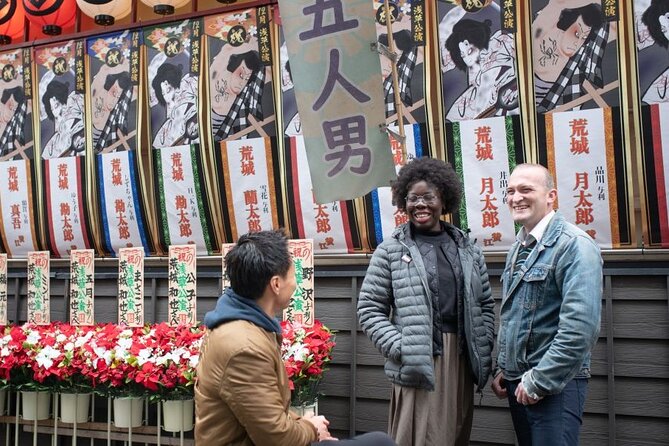
Tokyo gets easier once someone shows you how it works. This private 2 to 3 hour orientation lets you shape the outing around food, history, shopping, temples, nightlife, or simply learning the train system. I like the personal format and the practical help, especially for a first morning in Japan. The main catch is that the tour is short, walking-based, and only as good as the host assigned to you.
I also like that you can ask for famous places such as Shibuya or Asakusa, or steer toward quieter streets and local spots. Hosts including Saito, Shoko, Susumu, Hiroto, and Ayaka have helped visitors find food, use subway ticket machines, understand customs, and plan the rest of their stay. But you should send clear requests before meeting, since one short tour cannot cover much of Tokyo.
In This Review
- Tokyo Like a Local at a glance
- Why this makes a smart first morning in Tokyo
- Your personal host and the pre-tour planning
- Starting at Harajuku and setting your Tokyo rhythm
- Shibuya: Hachiko, the crossing, and city energy
- Asakusa: Senso-ji and the older side of Tokyo
- Food, markets, tea, and everyday discoveries
- Learning Tokyo’s trains without panic
- What the $107.20 price really buys you
- The good and the less certain parts
- Who will get the most from this experience
- Should you book Tokyo Like a Local?
- FAQ
- How long does Tokyo Like a Local last?
- Is this a private tour?
- Is transportation included?
- Where does the tour start and finish?
- Can I choose what to see?
- What happens if I need to cancel?
Tokyo Like a Local at a glance
- A private route built around you: Your group is the only group taking part, and a pre-tour questionnaire helps shape the plan.
- A practical first-day lesson: Your host can show you how Tokyo trains and subway connections work, including ticket buying and transfers.
- Two strong route choices: Shibuya offers modern Tokyo energy, while Asakusa brings temples, snacks, crafts, and older traditions.
- A walking tour with possible transfers: Public transportation or a taxi may be used between areas, with those costs paid separately.
- A useful price for hands-on help: At $107.20 per person, the value is strongest for first-time visitors who want confidence, not a checklist of sights.
- A few planning cautions: Host quality and itinerary planning can vary, so confirm your must-sees and meeting plan in advance.
Why this makes a smart first morning in Tokyo
Tokyo can feel like several cities stitched together by train lines. You may understand the map, yet still hesitate at a huge station, wonder which platform to use, or stand in front of a ticket machine while commuters glide past you.
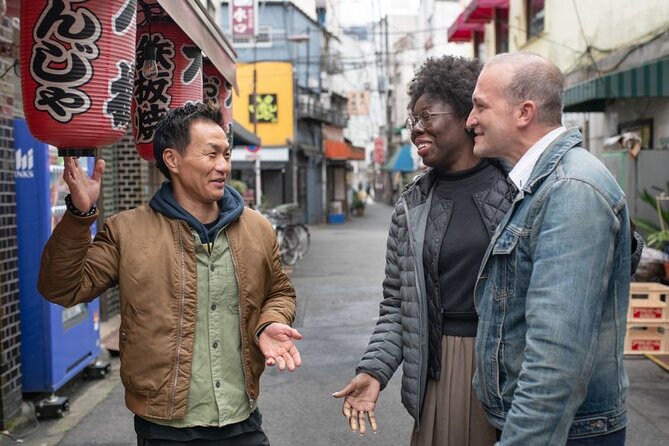
This experience is useful because it teaches you the city as you move through it. Your host can explain how to travel between neighborhoods, help you buy tickets, point out local manners, and suggest places to eat later. That practical knowledge may save more time than another fixed sightseeing route.
The best timing is often your first day or first morning. One family used the outing to help a child get out of the stroller and enjoy the city at a calmer pace. A parent and teenage son used the time to learn how to get around, while another couple used it to combine shopping and food with subway practice.
You should not expect a grand tour of Tokyo in three hours. One visitor made the useful point that a walking tour of a city this large can set the wrong expectation. Think of it as an orientation with sightseeing attached, not a full city tour.
A few more options to weigh up in Tokyo
- Tokyo Disney Resort – Tokyo Disneyland & Tokyo DisneySea Park Tickets
★ 4.8 · 99,488 reviews - SHIBUYA SKY Ticket
★ 4.7 · 46,509 reviews - JR Whole Japan Rail Pass
★ 4.8 · 29,150 reviews
Your personal host and the pre-tour planning
After booking, you receive a short questionnaire about your interests, preferences, and must-see places. Use it carefully. Write down the neighborhoods you want, the food you hope to try, your walking limits, and any practical tasks you need to handle.
This is where you can improve the experience before it begins. If you want anime shops, traditional gardens, family-friendly stops, or a lesson in rail travel, say so clearly. If you have only one afternoon and need to finish near your hotel, include that too.
The format is private, so your host can adjust the pace. That matters if you are traveling with a child, recovering from a long flight, or simply prefer a slow look at one neighborhood. Hosts have also continued sending suggestions after the tour, including links to shops that matched a visitor’s interests.
Still, personalization is not automatic perfection. One disappointing outing involved a closed temple, weak advance planning, and a host who often checked Google for information. Another visitor advised confirming the plan again when you meet. That is sensible. Your host may be friendly and eager to help, but you should not assume every cultural or specialist request has been fully prepared.
Starting at Harajuku and setting your Tokyo rhythm
The stated meeting point is NewDays Harajuku, at the Omotesando Exit area in Jingumae, Shibuya. The experience ends back at the meeting point. Pickup is listed as an option, but the tour is primarily a walking experience, and some people have expected a vehicle when none was provided.
Confirm the exact meeting arrangement after booking. Ask where you will meet, whether your hotel can be used, and which transport costs you will need to cover. Several successful outings began at a hotel, but the formal meeting information gives NewDays Harajuku as the start, so a quick message can prevent a morning scramble.
Harajuku is a useful place to begin because it connects modern shopping streets, major train access, and nearby cultural sights. From there, your host can help you understand how Tokyo’s rail network works in real conditions. You will be learning not just which line to take, but how to think about distances, station exits, and transfers.
The walking itself is part of the lesson. You can ask questions as you go instead of trying to absorb a long explanation from a station map. Hosts have helped people buy tickets, find quicker routes back to their hotels, and make sense of the subway during the first days of a Japan trip.
Shibuya: Hachiko, the crossing, and city energy
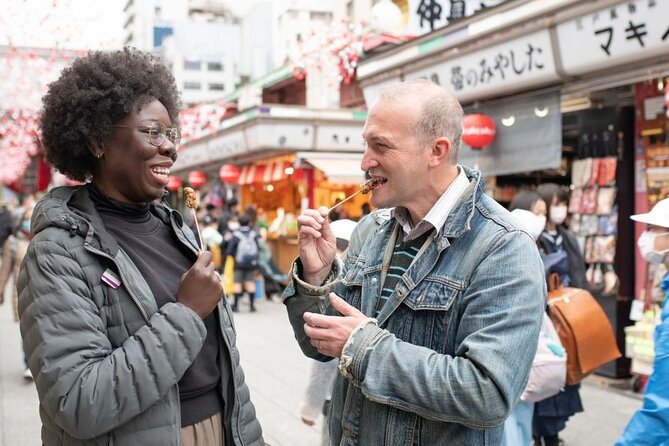
A Shibuya route can begin with the Hachiko statue, the famous symbol of loyalty and friendship. Your host can explain the story and place it in the setting of present-day Shibuya, where pedestrians, department stores, screens, and train passengers all meet within a few blocks.
The nearby Shibuya Crossing is the obvious photo stop, but your host adds value by helping you approach it without feeling lost. You can learn which station exits matter, how to cross the area efficiently, and where to pause for a better view.
Shibuya’s shopping streets then give the route a more everyday feel. Fashion, food, and youth culture shape this part of town, and your host can point you toward places that fit your interests. You might spend time browsing, looking for a particular shop, or simply watching how the neighborhood changes from one street to the next.
The limitation is time. Hachiko, the crossing, and the shopping district can easily absorb the entire 2 to 3 hours, especially if you stop for food. If you also want Asakusa, the Imperial Palace, a fish market, or Akihabara, tell your host early. Those areas are not a short walk from Shibuya, and transport time will reduce your time on site.
A completely different kind of day out:
- Mt Fuji and Hakone 1-Day Bus Tour Return by Bullet Train
★ 5.0 · 26,383 reviews - TOKYO SKYTREE® Ticket
★ 4.7 · 25,136 reviews - teamLab Borderless Tickets: MORI Building DIGITAL ART MUSEUM
★ 4.7 · 24,126 reviews - teamLab Planets TOKYO Ticket
★ 4.7 · 21,663 reviews
Asakusa: Senso-ji and the older side of Tokyo
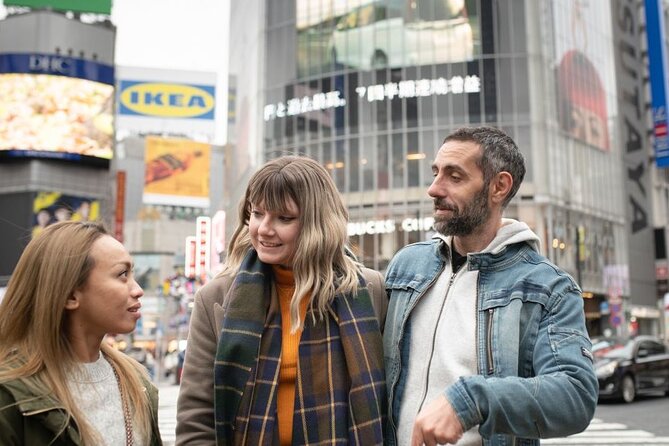
Asakusa gives you a sharp contrast with Shibuya. The focus here is Senso-ji, Tokyo’s oldest and best-known Buddhist temple, along with the traditional streets around it.
A host can explain basic customs and help you notice details that might otherwise pass by. The value is not just seeing the temple gate or taking a photograph. You can ask how to behave at a shrine or temple, what local traditions mean, and how to move through a major cultural site respectfully.
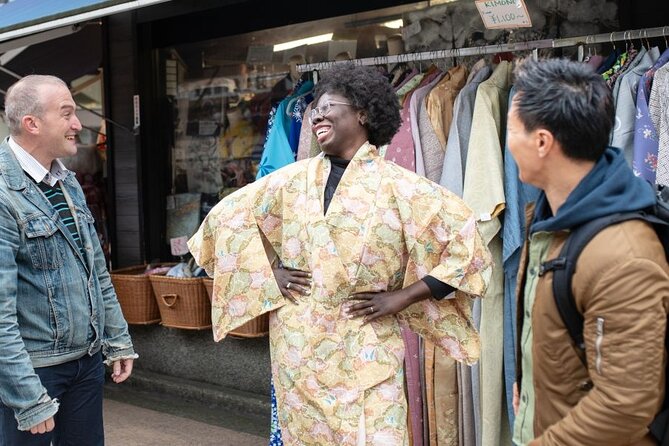
Nakamise, the lively street leading toward the temple, is lined with snacks, crafts, and small souvenirs. It is a good place to try a few foods rather than commit to a long restaurant meal. Hiroto, for example, introduced one family to a dozen new foods while walking around Asakusa and was also able to keep a child engaged.
Asakusa works especially well for visitors who want history, food, and traditional atmosphere in one compact area. It can also be crowded, and the shopping street may feel tourist-focused. Your host’s local suggestions are most useful here if you want to look beyond the first row of souvenir stalls.
If you select Asakusa, ask whether the plan includes time for the temple, Nakamise, a snack, and transport back. With only a few hours, that simple question keeps the route realistic.
Food, markets, tea, and everyday discoveries
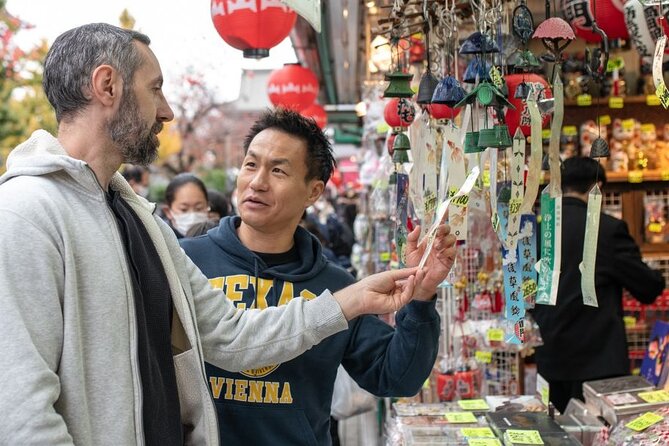
Food requests can make this experience much more personal. The tour does not include meals or drinks, but your host can suggest places, help you order, or guide you through unfamiliar foods.
Ayaka took one visitor to a fish market, where they tried an omelet on a stick, visited the Kabuki theater, and found a tea shop serving special tea with traditional sweets. The outing later expanded to the Imperial Palace gardens after the visitor chose to add time.
Another host helped a family order food, shop for basics at Don Quijote, and choose a lunch spot. That kind of assistance is especially useful when menus, ordering systems, or unfamiliar ingredients make a quick meal feel harder than it should.
You can also ask about food neighborhoods, sushi, snacks, tea, or a particular dietary need, though the supplied information does not promise that every request can be met. Since food is extra, keep cash or another accepted payment method available, and ask your host what the expected cost will be before ordering.
The tour can be extended in some situations, but the listed duration is 2 to 3 hours. Discuss extra time and any additional cost with your host rather than assuming it is included.
Learning Tokyo’s trains without panic
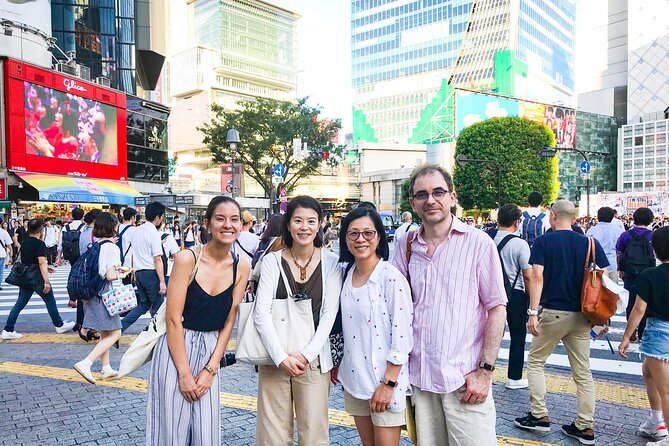
For many people, the best part of this experience is not a famous sight. It is the first successful train ride.
Saito helped visitors buy tickets and understand the subway. Apy patiently guided older visitors through the large rail system. Mariana navigated between temples, a fish market, and other stops. Michael showed a parent and teenager practical ways to get around and find food.
Your host may help with:
- Choosing a route between neighborhoods
- Buying tickets
- Understanding station transfers
- Finding a faster way back to your hotel
- Using public transport during the rest of your stay
- Working out how to reach a restaurant or shop
Transportation is not included. The experience is primarily on foot, but trains, subways, or local taxis may be used between sites. You pay those fares separately, and exact costs can be discussed after the reservation is finalized.
This is an important value point. If you are already comfortable with major city rail systems, you may prefer to spend the full time sightseeing. If Tokyo’s station network feels intimidating, the transport lesson could make every later day easier.
What the $107.20 price really buys you
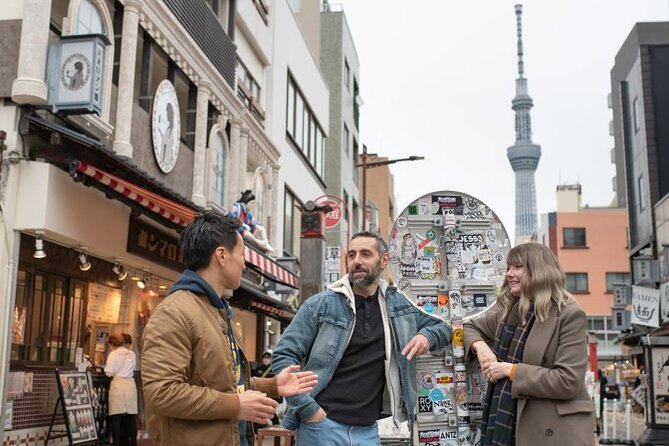
The listed price is $107.20 per person. That is not a bargain if you judge it by the number of attractions checked off. It becomes more reasonable when you view it as private instruction, local advice, and a custom route for your group.
A fixed group tour can cost less per person, but you follow someone else’s schedule. Here, you can focus on the areas and questions that matter to you. A family may need frequent breaks. A food lover may want markets and ordering help. A visitor on a short layover may need a compact route near the hotel.
The value is also higher when you use the host’s advice for the rest of your stay. Suggestions about shops, restaurants, customs, and transport can keep paying off after the meeting ends. Several hosts have helped people plan future days, and Shoko even followed up with store recommendations.
The price does not include food, drinks, attraction tickets, transport, taxis, or gratuities. Add those expenses to your budget. You should also ask about any group discount that may apply to your booking.
The experience is often booked about 55 days ahead, which suggests that advance planning matters. If your dates are fixed, reserve early and complete the questionnaire with care.
The good and the less certain parts
The strongest feature is the human help. The best hosts feel more like an experienced friend than a guide reading a script. Susumu combined practical city skills with sightseeing for a parent and 13-year-old son. Tomo focused on temples, shrines, and customs. Mark adapted to a late-arriving visitor during a short layover.
The second strength is flexibility. Hosts have changed routes for families, added parks during cherry blossom season, visited Akihabara and a maid cafe, and spent extra time on food or shopping. That makes the format more useful than a standard route.
The main weakness is uneven delivery. Most reported experiences were highly positive, but a few involved poor planning, limited subject knowledge, late cancellation, or a host who did not arrive. One illness-related cancellation was especially serious for visitors with only three days in Tokyo. Another booking failed because the host did not collect the group.
The provider responded to those problems, but you should still protect your schedule. Keep confirmation messages, verify the meeting details, and contact the operator promptly if you do not hear from your host. Free cancellation is available up to 24 hours before the start time. A cancellation inside 24 hours is not refundable, and bad-weather cancellations offer a new date or full refund.
Who will get the most from this experience
I would choose this tour for:
- First-time Tokyo visitors
- Families who need a flexible pace
- Older visitors who want help with trains
- People staying only a few days
- Visitors interested in food or local customs
- Anyone arriving after a long flight and wanting a gentle introduction
- Solo visitors who want company without joining a large group
- Short-stay visitors with a layover and a focused neighborhood plan
I would be more cautious if you want a formal lecture, specialist-level history, or a guaranteed vehicle. This is not a private car tour, and the host’s strengths can vary. It is also less useful for someone who already knows Tokyo’s rail system and has a detailed itinerary.
Most travelers can participate, the tour is near public transportation, and service animals are allowed. The route is walking-based, so you should explain mobility needs and preferred pace in the questionnaire.
Should you book Tokyo Like a Local?
Book it if you want to learn Tokyo while seeing it, especially on your first day. The best use of the time is a focused plan: one or two neighborhoods, a few practical transport lessons, and advice for the rest of your visit.
Shibuya suits you if you want modern city life, shopping, Hachiko, and the famous crossing. Asakusa suits you if temples, snacks, crafts, and customs matter more. You can request both, but the journey between them will limit the time available.
Before paying, write a clear list of priorities and confirm the meeting point. Treat the experience as an orientation rather than a complete Tokyo tour. If you do that, $107.20 per person can buy something genuinely useful: confidence to leave the hotel, board the train, order lunch, and explore the city on your own.
FAQ
How long does Tokyo Like a Local last?
The experience lasts approximately 2 to 3 hours. Flexible durations and start times can be selected when booking, and additional time should be discussed with your host.
Is this a private tour?
Yes. Only your group participates in the private activity.
Is transportation included?
No. The experience is primarily a walking tour. Public transportation or local taxis may be used between sites, but those costs are separate.
Where does the tour start and finish?
The stated meeting point is NewDays Harajuku near the Omotesando Exit in Jingumae, Shibuya. The activity ends back at the meeting point.
Can I choose what to see?
Yes. You complete a questionnaire after booking with your interests, preferences, and must-see places. The host then uses that information to plan a personalized route.
What happens if I need to cancel?
You can receive a full refund if you cancel at least 24 hours before the experience start time. Cancellations or changes made less than 24 hours in advance are not accepted for a refund. If poor weather causes the experience to be canceled, you will be offered another date or a full refund.
Just added in Tokyo
- Samurai Experience – Learn Bushido through Kendo, in Tokyo★ 5.0 · 88 reviews
- Tokyo Layover 5 Hours Private Tour★ 5.0 · 40 reviews
- Tokyo: SEGA Joypolis E-Tickets with Optional Tokyo Metro Pass★ 4.0 · 14 reviews
- Experience Big soba knife Soba Making Class in Tokyo Kappabashi★ 5.0 · 71 reviews
- Traditional Japanese Comedy, Juggling & Magic Live Show in Tokyo★ 5.0 · 37 reviews
- Tokyo Ikebukuro Evening Tour Dive into Japanese culture★ 5.0 · 15 reviews
- Imperial Palace Tour: Discover Samurai History with a Local Guide★ 5.0 · 20 reviews
- Tokyo Imperial Palace with Kagurazaka Alley Tour★ 5.0 · 54 reviews
3-Hour Experiences, compared.
3-Hour Kyoto Insider Sake Brewery Tour with Tastings & Pairings
Read our review →

3h Tokyo E-Bike Tour: Hidden Gems, and Local Life with guide
Read our review →
3-hour Guided E-Bike Tour of the City’s Hidden Gems
Read our review →
3-Hour Bike/E-Bike Tour of the City’s Highlights
Read our review →
Browse the lists this tour appears in