
Reviewed · TEMPLES AND SHRINES
Tokyo: Meiji Jingu Shrine and Shinto Culture Walking Tour
Tokyo’s spiritual side begins in the trees. This two-hour walk takes you from busy Harajuku into Meiji Jingu’s calm forest, where a local English-speaking guide explains Shinto customs, shrine etiquette, and the story behind one of Japan’s best-known religious sites. I like the small-group format and the practical teaching, especially the guidance on how to pray properly. I also like that the tour includes the Imperial Garden and the shrine grounds, rather than rushing straight to the main building. The main consideration is pace: two hours gives you a useful introduction, but not enough time for a slow, unhurried look at every corner.
You meet outside the Starbucks closest to Meiji Shrine, at coordinates 35.6705208, 139.7031067. The route includes Meiji Jingu Gyoen, the large torii gate, sake and wine barrels, and Meiji Shrine itself. Guides such as Maya, Minori, Nicholas, Yumi, Hoshi, Ryota, Yota, Andres, and Haydn have received especially warm praise for clear English, patience, humor, and thoughtful answers.
In This Review
- Key points at a glance
- From Harajuku coffee shops to sacred woodland
- Meiji Jingu Gyoen: 30 minutes among the trees
- The Big Torii and the meaning of crossing
- Sake barrels and wine barrels with a cultural twist
- Meiji Shrine: one hour for rituals, history, and questions
- What the guides add to the experience
- Small groups and the chance of a private walk
- Is $19 a fair price?
- Who should book this walk?
- Final verdict: a smart first cultural activity in Tokyo
- FAQ
- How long does the Meiji Shrine walking tour last?
- How much does the tour cost?
- What language is the tour conducted in?
- Where is the meeting point?
- What places are included on the route?
- Is admission to the shrine and garden included?
- Are photos included?
- Is the tour wheelchair accessible?
- Can I cancel for a full refund?
Key points at a glance
- A forest walk in central Tokyo: About 100,000 trees create a striking change from Harajuku’s shops and crowds.
- Shinto explained in plain English: Your guide covers ritual steps, shrine etiquette, symbolism, and the difference between Shinto and Buddhism.
- The Imperial Garden comes early: Meiji Jingu Gyoen receives about 30 minutes, giving you time to appreciate the grounds before reaching the main shrine.
- Sake and wine tell a story: The consecrated barrels offer a memorable lesson in how Japanese tradition blends local custom with outside influence.
- Small groups help with questions: The experience is designed for personal conversation, and some bookings have become private tours when others did not attend.
- Strong value at $19: You receive two hours with a professional English-speaking guide, shrine and garden admission, historical background, and photos taken during the walk.
From Harajuku coffee shops to sacred woodland
The starting point is easy to recognize, but pay attention to the wording: it is the Starbucks closest to Meiji Shrine, not simply any Starbucks in Harajuku. The stated coordinates are 35.6705208, 139.7031067, which can help if your map app sends you toward another branch.
This meeting point works well because Harajuku is one of Tokyo’s busiest arrival areas. You can reach it from a lively shopping district, then quickly shift into a quieter setting. That contrast is part of the appeal. In a few minutes, the visual noise of cafés and fashion shops gives way to broad paths, tall trees, and a more deliberate pace.
I would book this tour early in your Tokyo stay. Several guides, including Andres and Yota, have helped visitors understand shrine manners, Japanese religious traditions, and local places to eat. That makes the walk useful beyond its two-hour route. You can use the information later at other shrines and temples around Japan.
The tour is listed as wheelchair accessible, but it is still wise to confirm the exact route and conditions when booking if you need specific mobility support. The tour is a walking experience through extensive grounds, so comfortable shoes are sensible.
More Temples and Shrines in Tokyo
- Tokyo: Meiji Shrine, Asakusa, Skytree Bus Tour and Cruise
★ 4.7 · 1,986 reviews - Tokyo: Asakusa Walking Tour with Sensoji Temple Visit
★ 4.8 · 1,583 reviews - Nikko: Kegon Falls, Lake Chuzenji & Toshogu Temple
★ 4.6 · 1,577 reviews
Meiji Jingu Gyoen: 30 minutes among the trees
The first main stop is Meiji Jingu Gyoen, identified in the itinerary as the Imperial Garden of Meiji Shrine. You spend about 30 minutes here with your guide, including a photo stop and a guided explanation of the grounds.
The forest is not simply a patch of untouched countryside in the middle of Tokyo. It is a carefully established sacred setting, with roughly 100,000 trees associated with the shrine grounds. That fact helps explain why the forest feels so important. Nature is not just decoration here. It is part of the religious experience.
This is where the tour’s central idea comes into focus: Shinto treats purity, place, and the natural world as closely linked. Your guide can help you notice details that are easy to miss if you walk through alone. The quiet paths, the scale of the trees, and the transition from city to shrine all carry meaning.
Thirty minutes is enough to set the scene, but it is not a long garden visit. If you love gardens and want time for slow photography, you may wish to return on your own. As part of a guided introduction, though, this opening stop works well. It gives you context before the more formal shrine rituals begin.
The Big Torii and the meaning of crossing
The Big Torii receives about 10 minutes of guided attention. It is an impressive entrance, but the guide’s explanation is more useful than a quick photograph alone.
Torii gates mark the shift from an ordinary area into sacred space. Crossing beneath one is not a dramatic ceremony, but it is a clear reminder to change your behavior. Visitors are expected to show respect, keep the approach orderly, and avoid treating the shrine like a simple backdrop for selfies.
This brief stop is especially helpful if you are new to Japanese religious sites. Shinto customs can seem mysterious when you first arrive, but basic actions have a clear purpose. Your guide explains what to do and why, rather than expecting you to copy the person ahead of you.
The short time here also keeps the tour moving. The Big Torii is a place to understand and photograph, not a stop that needs a long lecture. If the area is crowded, your guide’s local experience should help the group stay together and make the most of the space.
Sake barrels and wine barrels with a cultural twist
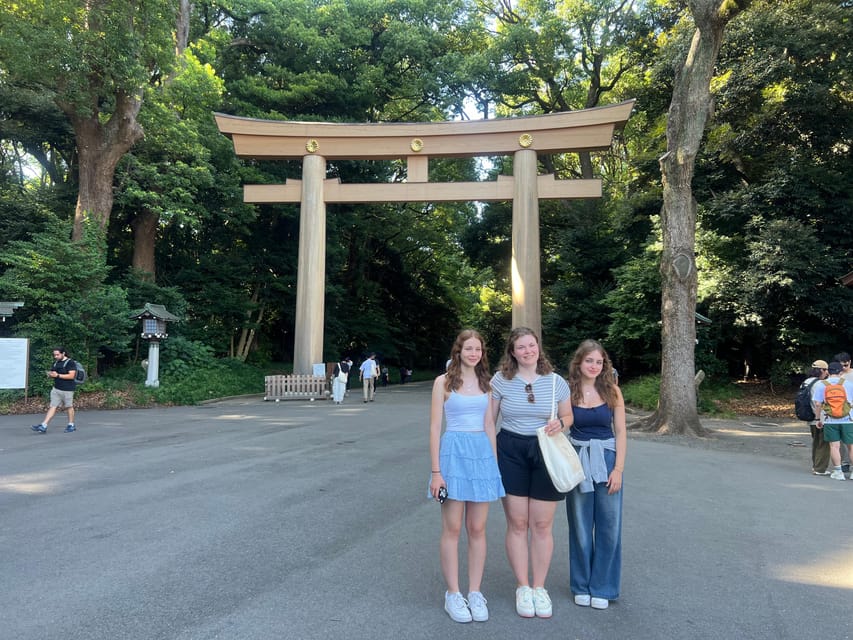
Next come the consecrated sake barrels, followed by the consecrated wine barrels. Each stop is scheduled for about 10 minutes.
The sake barrels are one of Meiji Shrine’s most recognizable sights. They are presented as offerings, and the display connects religious practice with the importance of sake in Japanese culture. Your guide can explain the role of offerings and why these barrels appear at the shrine.
The wine barrels add a surprising detail. They reflect the Meiji period’s interest in international exchange and new influences. Seeing French wine barrels beside traditional sake barrels gives you a compact visual lesson in Japan’s changing relationship with the outside world.
These stops are short, but they are excellent for people who prefer concrete details to broad historical speeches. You get something to look at while learning about religion, custom, and Japan’s modern development.
I would not expect an extended tasting experience. The barrels are a sightseeing and interpretation stop, not a food or drink activity. The value comes from the story attached to them.
More Walking Tours in Tokyo
- Tokyo Tsukiji Fish Market Food and Culture Walking Tour
★ 5.0 · 3,184 reviews - Tokyo: Imperial Palace and Shogun Historical Walking Tour
★ 5.0 · 2,251 reviews - Tokyo: Shinjuku Local Bar and Izakaya Guided Walking Tour
★ 4.9 · 1,794 reviews - Tokyo: Tsukiji Fish Market Food and Walking tour
★ 5.0 · 1,724 reviews
Meiji Shrine: one hour for rituals, history, and questions
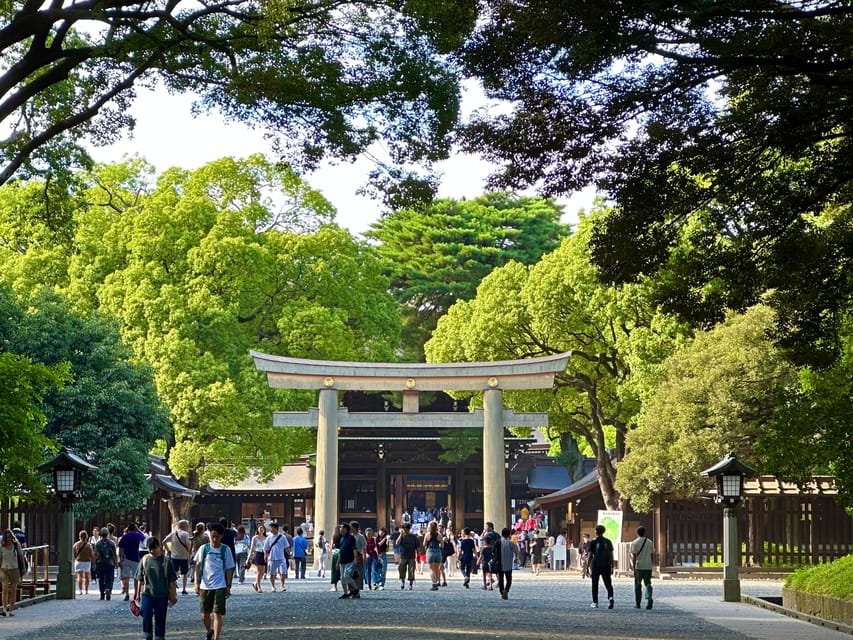
The central shrine visit lasts about one hour, making it the longest portion of the walk. Here, the guide brings together the history of Meiji Shrine, Shinto practice, and the etiquette introduced at the earlier stops.
A major benefit is learning how to approach a shrine respectfully. Guides have shown visitors how to cleanse their hands, how to bow, and how to pray. These instructions are practical, not merely academic. Once you understand the basic sequence, you can visit other shrines with more confidence and less worry about making an accidental mistake.
The tour also explains the difference between Shinto and Buddhism. That distinction matters because Japan’s religious life has developed through both traditions, and many visitors confuse shrine and temple customs. Several people have especially praised guides for making this topic clear and answering detailed questions.
Meiji Shrine is tied to the Meiji period, and the guide places the site within that national story. The result is more useful than a list of dates. You learn why this shrine matters, how it relates to modern Japan, and how religious customs fit into daily life.
Expect some time for photographs. Photos taken during the tour are included, which is a nice benefit for solo visitors and families who want everyone in the picture. Ryota has also been praised for his photography and willingness to take photos at the main locations.
An hour can pass quickly here. If you want to write an ema prayer plaque, collect a stamp, make a personal offering, or browse every available area, you may need extra time after the guided portion. One family particularly enjoyed writing ema with their children and having books stamped, so the visit can work well for younger visitors when the guide keeps the explanation lively.
What the guides add to the experience
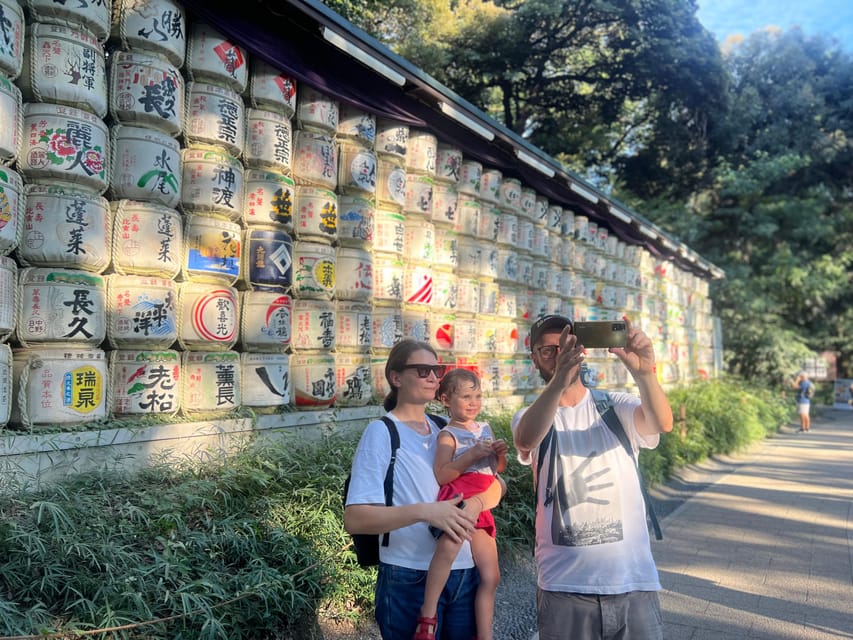
The guide is the main reason to choose this tour instead of walking through Meiji Shrine alone. The grounds are free to explore in spirit, but a well-run explanation changes what you notice.
Maya has been praised for being friendly and thorough. Minori and Nicholas received strong approval for explaining the shrine’s history, Shinto, Buddhism, and local food recommendations. Hoshi, Naruto, Yumi, and Haydn have also been described as engaging and clear.
Andres appears often in the feedback and is praised for patience, excellent English, historical explanations, and practical help. Some groups also appreciated his ability to speak Spanish. Yota and Ryota have been valued for humor, local suggestions, and personal attention, especially when the group was very small.
The names may change with the date, so you cannot request a particular guide with certainty from the information provided. Still, the pattern is clear: the tour depends heavily on guides who welcome questions rather than delivering a fixed speech and moving on.
That personal approach matters most if you are curious about details. You can ask about ritual gestures, Japanese religious customs, the Meiji period, or how shrine etiquette differs from temple etiquette. Families may also appreciate a guide who can keep children involved.
Small groups and the chance of a private walk
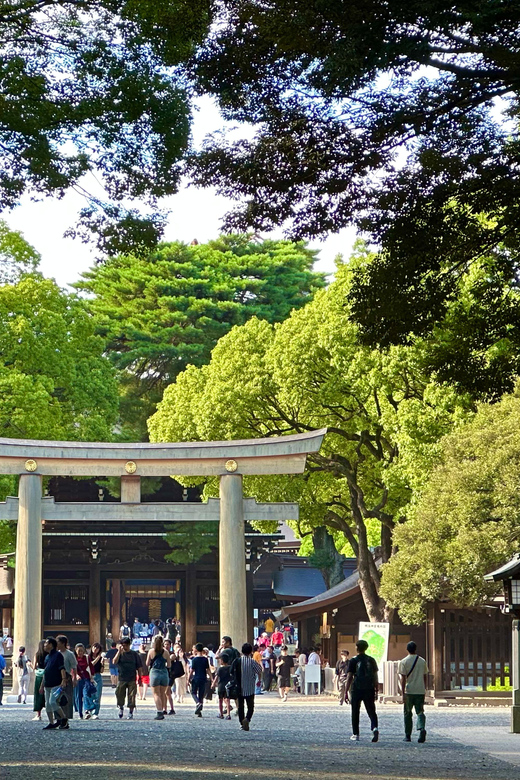
The tour is designed for small groups, with one experience describing a usual group size of up to 12 people. That is small enough for conversation, though it is not the same as a guaranteed private tour.
Some bookings have turned into private walks when other participants did not attend. In those cases, visitors received extra time for questions and more flexibility with photographs and stops. You should treat that as a pleasant possibility, not something promised with every booking.
A small group is particularly valuable inside the shrine grounds. You can hear the guide more easily, ask questions without holding up a large crowd, and stay connected while walking through the forest. The format also feels more human than a large flag-led group.
If you prefer complete independence, the guided structure may feel restrictive at times. The route follows a set plan, and the total time is only two hours. Still, the guide-led format is a good trade for anyone who wants cultural context rather than a silent walk through attractive scenery.
Is $19 a fair price?
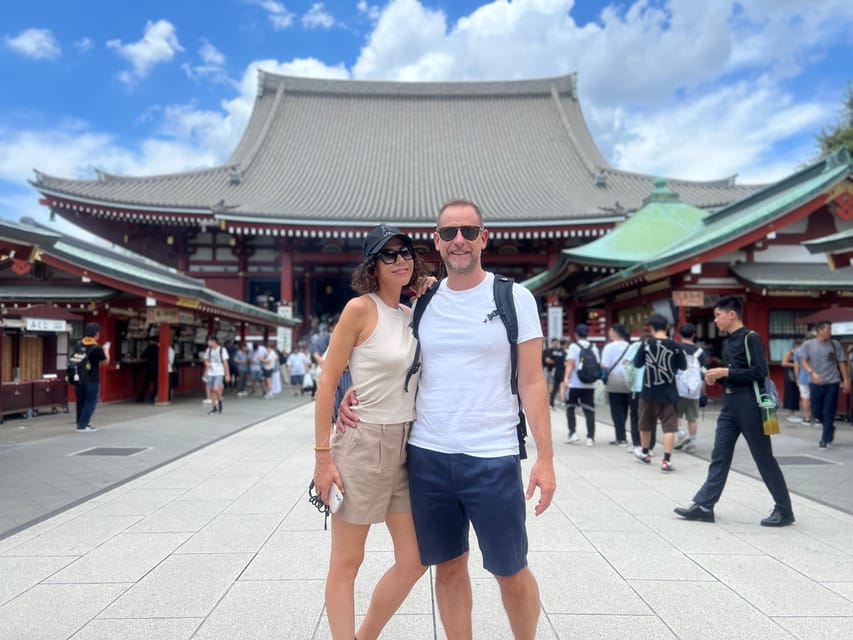
At $19 per person, this is a strong-value introduction to Meiji Shrine. The fee covers a professional English-speaking guide, photos taken during the tour, historical explanations, and admission to Meiji Shrine and the Imperial Garden.
The price makes the most sense if you are visiting Tokyo for the first time or want a clear introduction to Japanese customs. Paying for guidance can prevent the shrine from becoming just another photo stop. You leave with a better sense of how to behave at religious sites and how Shinto fits into Japanese culture.
The value is less obvious if you already know shrine rituals, have read extensively about Meiji Jingu, or prefer to spend hours photographing the forest at your own pace. In that case, the two-hour schedule may feel brisk.
Flexible booking helps reduce the risk. You can reserve now and pay later, and cancellation is free up to 24 hours before the start time for a full refund. Starting times vary, so check availability for your date.
Who should book this walk?
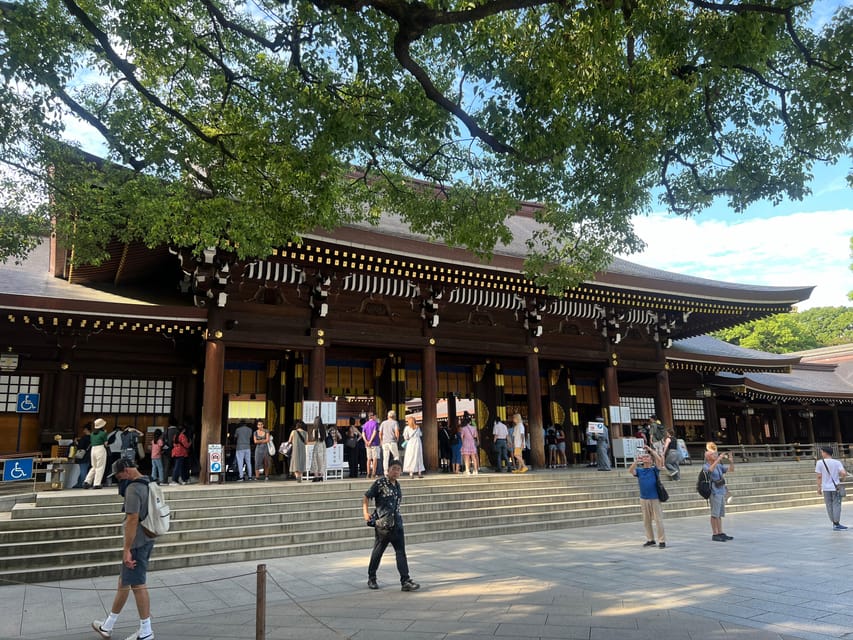
I would recommend it to first-time Tokyo visitors, families, solo visitors, and anyone who wants cultural background without committing to a full-day tour. It is also useful for travelers who feel uncertain about shrine etiquette and want a guide to demonstrate the basics.
The tour suits curious people who like asking questions. The strongest experiences came from guides who took time to explain ideas, answer follow-ups, and offer suggestions for other places to see and eat in Tokyo.
It may not suit you if you want a long garden visit, a food tour, or a private itinerary with many changes. Despite a few comments connected to other Tokyo activities, this experience is focused on Meiji Shrine and its surrounding grounds. Do not book it expecting Tsukiji Market, Senso-ji, ramen, or a broader sightseeing circuit.
Final verdict: a smart first cultural activity in Tokyo
Book this tour if you want to understand what you are seeing at Meiji Shrine, not just photograph it. The forest, torii, offering barrels, Imperial Garden, and main shrine make a well-shaped two-hour route, while the guide adds the context that is difficult to pick up alone.
I especially like it as an early-trip activity. The practical lessons on praying, shrine manners, Shinto, and Buddhism can help throughout the rest of your Japan visit. At $19, with admission and photos included, it offers plenty for the price.
Skip it only if you prefer complete freedom or already have a strong understanding of Japanese religious customs. For most visitors, this is an accessible, low-cost way to meet Tokyo’s quieter spiritual side.
FAQ
How long does the Meiji Shrine walking tour last?
The tour lasts two hours.
How much does the tour cost?
The listed price is $19 per person.
What language is the tour conducted in?
The tour is conducted in English with a live English-speaking guide.
Where is the meeting point?
Meet in front of the Starbucks closest to Meiji Shrine. The listed coordinates are 35.6705208, 139.7031067.
What places are included on the route?
The route includes Meiji Jingu Gyoen, the Big Torii, the consecrated sake barrels, the consecrated wine barrels, and Meiji Shrine.
Is admission to the shrine and garden included?
Yes. Admission to Meiji Shrine and the Meiji Shrine Imperial Garden is included.
Are photos included?
Yes. Photos taken during the tour are included.
Is the tour wheelchair accessible?
Yes, the activity is listed as wheelchair accessible.
Can I cancel for a full refund?
Yes. You can cancel up to 24 hours in advance for a full refund. You can also reserve now and pay later.
Just added in Tokyo
- A One-of-a-Kind Sushi Experience in a Special Place of Japan★ 5.0 · 15 reviews
- Tokyo Cute Bento Cooking Class – Make a Kawaii Character Lunchbox★ 5.0 · 126 reviews
- Japanese Home Cooking Class & Walk in Todoroki Temple Tokyo★ 5.0 · 88 reviews
- Japan Tokyo Tower Observatory Deck E-Ticket★ 4.0 · 34 reviews
- Catch a Baseball Game in Tokyo with a Local – Tickets Included★ 5.0 · 24 reviews
- JDM Experience with Fast&Furious RX-7 (English speaking Driver)★ 5.0 · 57 reviews
- Tokyo Private Day Tour by Car with English speaking Driver Guide★ 4.0 · 29 reviews
- Japan Classic 10 Day – One Life Adventures★ 5.0 · 129 reviews
Temples and Shrines, compared.
![[Kyoto & Nara Day Tour] Sagano Scenic Railway & Nara Park & Fushimi Inari Taisha Thousand Torii Gates & Togetsukyo Bridge & Bamboo Grove & Kimono Forest (Departing from Osaka)](https://media.japanvisits.com/wp-content/uploads/kyoto-nara-day-tour-sagano-scenic-railway-nara-park-fushimi-inari-taisha-thousand-torii-gates-togetsukyo-bridge-bamboo-grove-kimono-forest-departing-from-osaka-k110001-400x257.jpg)
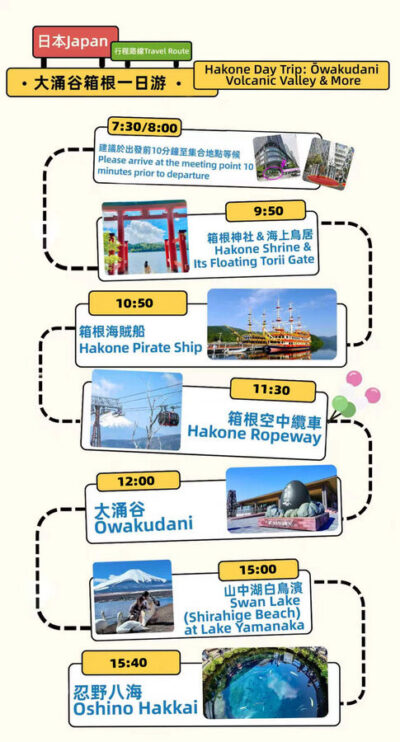
Kyushu One-Day Tour: Yufuin no Mori Train & Yufuin Town & Nyoirin-ji Temple & Dazaifu & Hell Hot Springs (Departing from Fukuoka)
Read our review →
Fushimi Inari, Kinkakuji, Bamboo Grove 1 Day Bus Tour
Read our review →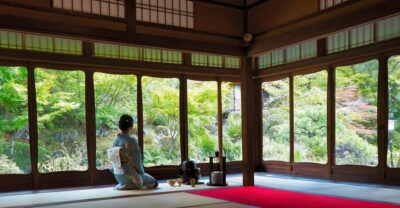
Tea Ceremony in a Traditional Tea House in Kiyomizu
Read our review →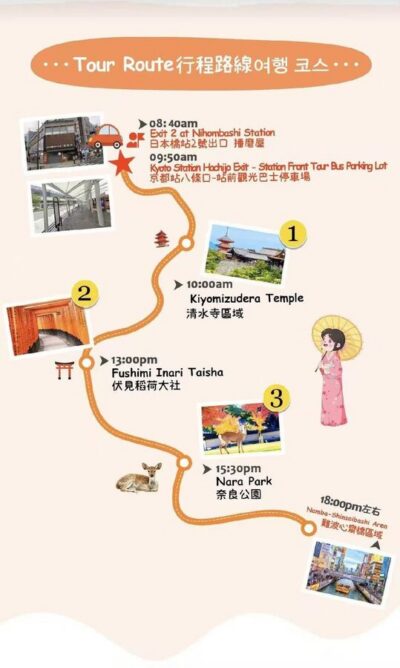
Kyoto Nara Day Trip │ Kiyomizu-dera Temple + Fushimi Inari-taisha Shrine + Nara Park (Departing from Osaka/Kyoto)
Read our review →
Browse the lists this tour appears in