
Reviewed · TEMPLES AND SHRINES
Tokyo: Meiji Shrine and Shinto Culture Walking Tour
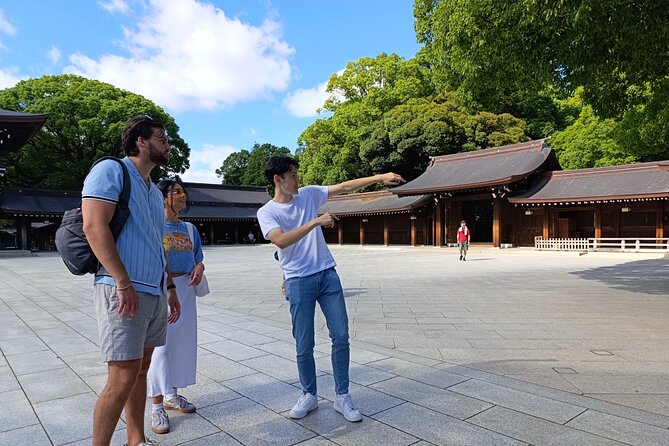
Tokyo hides a sacred forest in plain sight. This two-hour walk through Meiji Jingu gives you a calm break from Harajuku while explaining the Shinto customs that are easy to miss on your own. I especially like the small maximum group of 15 and the low $18 price, which makes guided context affordable rather than a major splurge.
I also like that the tour covers both shrine rituals and the story of Emperor Meiji and Empress Shoken. Guides such as Yumi, Sara, Haydn, Matt, and Benjamin have been praised for clear explanations and friendly help, including practical Tokyo tips. The main consideration is time: two hours is enough for a useful introduction, but not enough for a slow, detailed look at every corner of the grounds.
In This Review
- Key points before you book
- Why Meiji Jingu works so well for a short tour
- Meeting in Harajuku and entering the forest
- The enormous torii and the meaning of arrival
- Understanding Shinto without a lecture
- The shrine dedicated to Emperor Meiji and Empress Shoken
- What the two-hour schedule really gives you
- The value of $18 per person
- Who should book this walking tour
- Booking details worth knowing
- My booking call
- FAQ
- How long does the Meiji Shrine walking tour last?
- What is the price of the tour?
- Is admission to Meiji Jingu included?
- Where does the tour start?
- Where does the tour end?
- How large can the tour group be?
- What does the guide explain?
- Can I cancel for a full refund?
Key points before you book
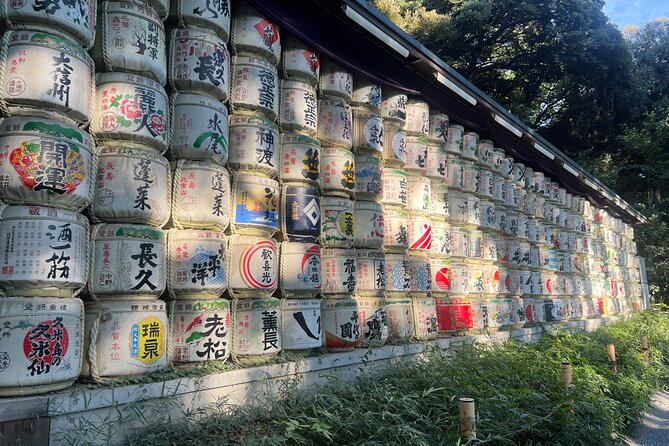
- A giant 12-meter torii opens the experience: The main wooden gate is 17.1 meters wide and gives you an immediate sense of the shrine’s scale.
- The forest is part of the experience: Meiji Jingu sits inside a vast artificial forest covering about 70 hectares, a surprising setting beside Harajuku.
- You learn what to do, not just what to see: Your guide explains bowing, ritual cleansing, and other Shinto practices that can otherwise seem mysterious.
- The group is capped at 15 people: That is small enough to ask questions without paying for a private tour.
- The walk connects religion with modern Japan: The shrine honors Emperor Meiji and Empress Shoken, figures linked with Japan’s modernization.
- The price is unusually reasonable: At $18 per person, you are mainly paying for interpretation and company, not an expensive attraction ticket.
Why Meiji Jingu works so well for a short tour
Meiji Jingu is one of Tokyo’s best places to see how religion, national memory, and city life sit side by side. You leave the Harajuku area, pass through enormous torii gates, and follow a wooded approach toward the shrine. The change is quick but striking.
I like this tour because the setting does much of the work. You do not need a packed schedule of monuments to have a meaningful visit. The long forest path slows you down, while the guide gives you a reason to pay attention to small actions, signs, and structures.
Without guidance, you can still admire the gates and buildings. What you may miss is the logic of the visit. Why do people bow? Why is there a water basin? What is the proper order of a shrine prayer? A guide helps turn these actions from tourist scenery into understandable customs.
The experience is also a good fit if you have only recently arrived in Japan. The explanations offer a first look at Shinto, and the guides have also shared useful advice about getting around Tokyo. That extra practical help can be valuable early in a trip, when every train platform still feels like a small puzzle.
More Temples and Shrines in Tokyo
- Tokyo: Meiji Shrine, Asakusa, Skytree Bus Tour and Cruise
★ 4.7 · 1,986 reviews - Tokyo: Asakusa Walking Tour with Sensoji Temple Visit
★ 4.8 · 1,583 reviews - Nikko: Kegon Falls, Lake Chuzenji & Toshogu Temple
★ 4.6 · 1,577 reviews
Meeting in Harajuku and entering the forest
The tour begins at the Starbucks Coffee at WITH HARAJUKU, at 1-chome 14-30 Jingumae, Shibuya. The meeting point is near public transportation, which makes it practical to combine with time in Harajuku.
You should allow enough time to find the exact Starbucks and arrive ready to walk. The activity begins in an urban shopping district, so the first few minutes may feel ordinary. Then the shrine approach changes the mood almost at once.
The path toward Meiji Jingu is one of the memorable parts of the visit. It is lined with trees and leads you away from traffic, signs, and shop fronts. Since the grounds form a huge artificial forest of about 70 hectares, the shrine feels far removed from its busy surroundings.
That forest also gives the tour a natural rhythm. You are not standing in one place while a guide talks for two straight hours. Instead, explanations can unfold as you move through the approach, stop at important points, and learn how the site functions.
The walking is not described as strenuous, and most people can participate. Still, you should expect a proper walking tour rather than a quick photo stop. Comfortable shoes and weather-ready clothing make sense, especially because one guide received praise for maintaining a good experience despite rain.
The enormous torii and the meaning of arrival
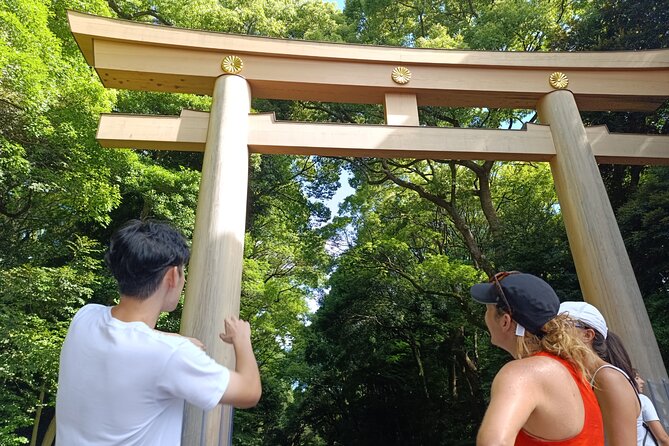
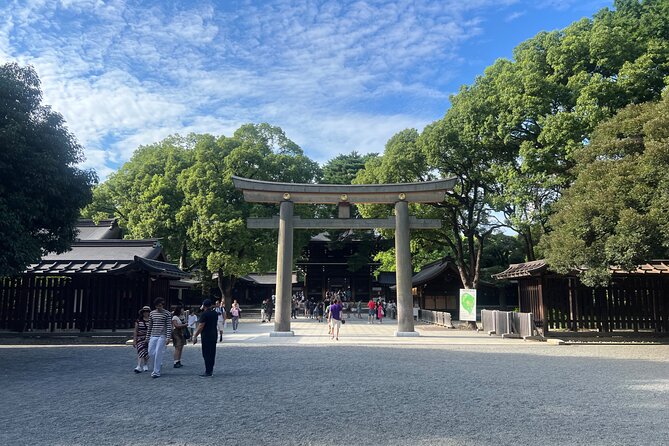
One of the first major sights is the large wooden myojin-style torii. It rises 12 meters high and stretches 17.1 meters across, making it the largest wooden gate of its type in Japan.
The gate is not just an impressive object for photographs. It marks a change from ordinary public space to a sacred area. Your guide can explain the proper behavior at the entrance, including the custom of bowing. This is the kind of small detail that helps you act respectfully without feeling unsure.
I appreciate that the tour treats etiquette as part of the visit rather than a list of rules to memorize. You are not expected to perform a perfect religious ritual. You are being shown how visitors traditionally signal respect and how the shrine’s spaces are arranged.
The scale of the torii also helps explain why Meiji Jingu feels important. The gate, long approach, and forest all create a sense of ceremony before you reach the main shrine buildings. Even if you are more interested in architecture than religion, this gradual arrival is likely to hold your attention.
The practical drawback is that a large entrance can attract plenty of people taking photos. A guide helps you focus on its purpose, but you should not expect complete solitude at such a famous Tokyo site.
Understanding Shinto without a lecture
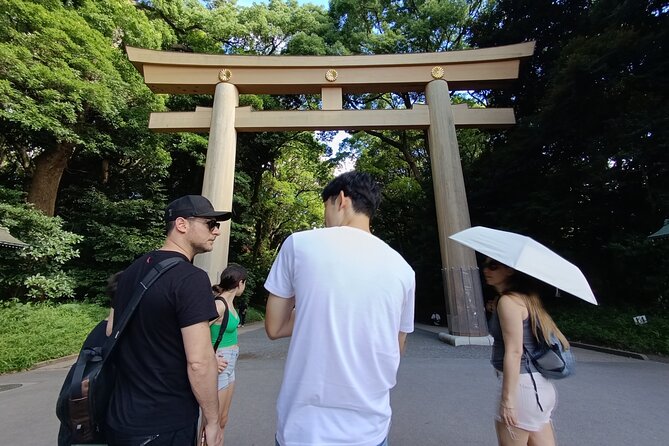
The strongest part of the experience is the explanation of Shinto customs. The guide helps you understand actions such as bowing at the gates and ritually cleaning your hands and mouth before approaching the shrine.
These steps are easy to observe but easy to misunderstand. A self-guided visit might leave you wondering if the water basin is decorative or if there is a particular sequence to follow. The tour gives you the cultural background needed to watch and participate with more confidence.
The guides are also praised for their manner. Yumi has been described as accommodating and helpful with Tokyo advice. Sara is noted for a friendly, interactive approach, while Benjamin was praised for explaining customs with patience and calm. Haydn has been commended for detailed explanations of Shinto culture, and Matt for making the story of Emperor Meiji memorable in wet weather.
Those details matter because a cultural tour depends heavily on the guide. The basic route is simple, but the quality of the conversation shapes the whole experience. A good guide makes room for questions and adjusts explanations for people who know little about Japanese religion.
You should not expect an academic course in Shinto. The experience is a short introduction designed for a shrine visit. That is a strength if you want clear explanations without a heavy load of dates and terms. If you already have a strong background in Japanese religious history, the tour may feel basic.
More Walking Tours in Tokyo
- Tokyo Tsukiji Fish Market Food and Culture Walking Tour
★ 5.0 · 3,184 reviews - Tokyo: Imperial Palace and Shogun Historical Walking Tour
★ 5.0 · 2,251 reviews - Tokyo: Shinjuku Local Bar and Izakaya Guided Walking Tour
★ 4.9 · 1,794 reviews - Tokyo: Tsukiji Fish Market Food and Walking tour
★ 5.0 · 1,724 reviews
The shrine dedicated to Emperor Meiji and Empress Shoken
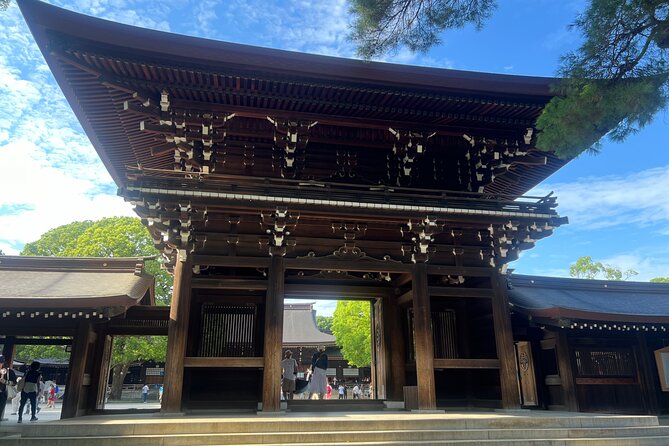
Meiji Jingu is dedicated to the deified spirits of Emperor Meiji and Empress Shoken. The shrine was established in 1920, after the emperor’s death, and its setting connects their memory with a carefully planned forest in central Tokyo.
The tour gives you a way to connect the site with the changes associated with Emperor Meiji. His era is linked with Japan’s move into the modern period, and the guide explains his achievements and the importance of the imperial couple.
I like this historical angle because it keeps the shrine from becoming a collection of attractive gates and wooded paths. You learn why this particular place exists and why it continues to matter. The shrine is not ancient in the same way as some famous Japanese religious sites, yet it has a strong role in modern Japanese identity.
That distinction is worth knowing before you visit. Meiji Jingu looks old because of its traditional design and forested approach, but its establishment dates to 1920. The tour can help you separate the age of the buildings from the age of the traditions they represent.
The visit also gives you a chance to see how a Shinto shrine operates today. You can learn about prayer customs, respectful behavior, and the relationship between the grounds and the people who come to worship. The guide’s presence adds meaning without requiring you to treat the site like a museum.
What the two-hour schedule really gives you
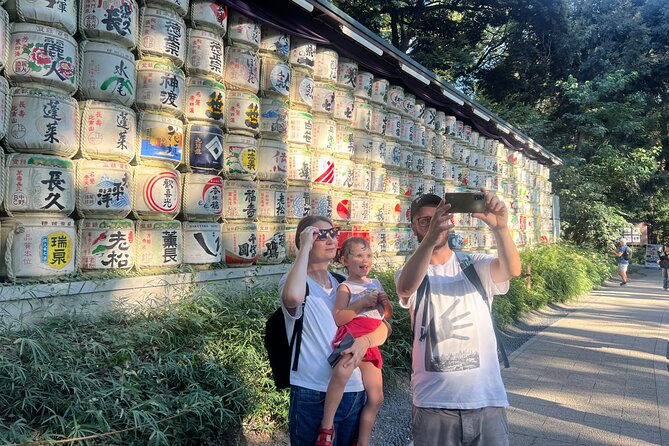
Two hours is a sensible length for this experience. It gives you time to walk from the Harajuku meeting area through the shrine grounds, pause at the large torii, discuss Shinto customs, and visit the main shrine area without taking up half your day.
I would place this tour early in a Tokyo itinerary if you want orientation. Afterward, you can continue exploring Harajuku, or use the guide’s local suggestions to plan your next stops. Because the tour ends back at the meeting point, you are not left on the opposite side of the city.
The schedule is also short enough for families and first-time visitors who may not want a full-day cultural program. A family of four found the guide Sara fun and interactive during a June visit, which suggests the format can work well when different ages need to stay engaged.
There are limits. A two-hour route cannot cover every building, symbol, or aspect of Shinto. You may leave with a clearer foundation rather than a complete understanding. I see that as a fair trade at this price, but you should know what you are buying: a focused introduction, not an all-day study of Meiji Jingu.
Weather may affect the feel of the walk. Rain did not prevent one group from enjoying the experience, but wet paths and umbrellas can make listening and walking less comfortable. Check the forecast and dress for the conditions.
The value of $18 per person
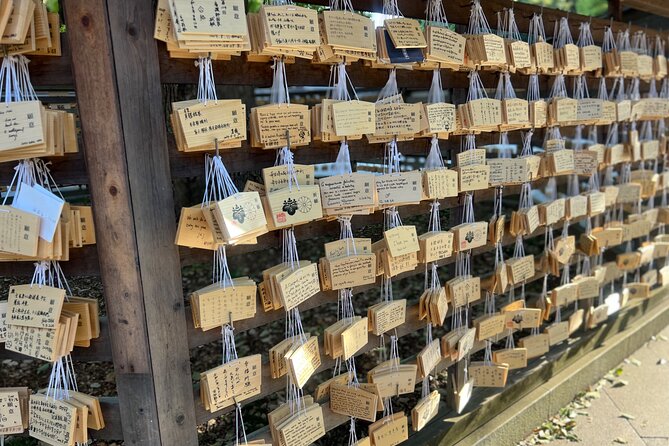
At $18, this is one of the easier Tokyo activities to justify. You are paying for a guide, historical explanation, and a small-group setting. The included admission ticket removes any concern about an extra entry charge, and the tour’s main value comes from understanding what you are seeing.
A private guide would cost far more. A large coach tour might offer less chance to ask questions. This experience sits in a useful middle ground: the fee is low, but the group is limited to 15 people.
The value is highest if you are new to Shinto or unsure how to behave at a shrine. The guide can prevent you from simply walking through, taking a few pictures, and leaving without understanding the place. At the same time, you are not paying a premium for luxury transport, meals, or special access.
Tips are not included. You should treat gratuity as optional and separate from the $18 price. The listed cost also does not include anything beyond the guide, historical insights, and included admission, so plan your own transport to the meeting point.
The perfect score from 225 ratings and a 100 percent recommendation rate indicate very strong satisfaction, but I would still keep expectations sensible. Much of the experience depends on your guide and your interest in cultural explanation. If you only want a quick independent visit, you may prefer to walk through Meiji Jingu on your own.
Who should book this walking tour
I would recommend it most strongly to first-time visitors to Tokyo, families, couples, and solo visitors who want context without committing to a long tour. It also suits anyone who has visited shrines before but has never learned the meaning behind the basic rituals.
The small group is a good compromise for people who enjoy questions and conversation but do not need a private guide. The guides have been praised for being friendly, patient, and willing to offer useful Tokyo advice, which adds a personal touch to a short activity.
You may also like it if you are staying near Harajuku or planning to visit the surrounding area. The meeting point makes it easy to pair the shrine with other nearby plans, and the return to the same point keeps your day simple.
I would think twice if your schedule is extremely tight or if you dislike walking and standing outdoors. The tour is about two hours, and the main appeal is the path through the forest and shrine grounds. It is not a seated presentation.
You may also want to skip the guided option if you already know Shinto customs and the history of Meiji Jingu. In that case, the $18 could be better spent elsewhere. For everyone else, the cost is modest enough that the extra explanation is likely worth it.
Booking details worth knowing
You receive confirmation when you book, and the activity uses a mobile ticket. It is near public transportation, begins at the Starbucks Coffee at WITH HARAJUKU, and ends back at that meeting point.
The group can include up to 15 people. That is not a private walk, but it is small enough for a guide to respond to questions and keep the group together without the feel of a large bus outing.
Free cancellation is available if you cancel at least 24 hours before the local start time. Cancellations or changes made less than 24 hours ahead are not refunded or accepted, so check your plans before the deadline.
My booking call
I would book this tour if I wanted a clear, affordable introduction to Meiji Jingu and Shinto practice. The huge torii, quiet forest, and story of Emperor Meiji provide a strong setting, while the guide helps you understand the customs that many independent visitors simply observe and pass by.
The best reason to choose it is the balance of price, group size, and cultural explanation. The main reason to pass is that two hours cannot cover everything, and a self-guided visit may be enough for you if you already know the basics. For most first-time visitors, though, $18 is a sensible price for seeing Meiji Jingu with much better context.
FAQ
How long does the Meiji Shrine walking tour last?
The tour lasts approximately two hours.
What is the price of the tour?
The price is $18 per person.
Is admission to Meiji Jingu included?
Yes. An admission ticket is included with the experience.
Where does the tour start?
The meeting point is Starbucks Coffee at WITH HARAJUKU, 1-chome 14-30 Jingumae, Shibuya, Tokyo 150-0001.
Where does the tour end?
The activity ends back at the meeting point.
How large can the tour group be?
The maximum group size is 15 people.
What does the guide explain?
The guide explains Shinto religion, shrine rituals, Japanese customs, and historical details about Meiji Jingu and the district.
Can I cancel for a full refund?
Yes, if you cancel at least 24 hours before the experience start time. Cancellations made less than 24 hours before the start time are not refunded.
Just added in Tokyo
- A One-of-a-Kind Sushi Experience in a Special Place of Japan★ 5.0 · 15 reviews
- Tokyo Cute Bento Cooking Class – Make a Kawaii Character Lunchbox★ 5.0 · 126 reviews
- Japanese Home Cooking Class & Walk in Todoroki Temple Tokyo★ 5.0 · 88 reviews
- Japan Tokyo Tower Observatory Deck E-Ticket★ 4.0 · 34 reviews
- Catch a Baseball Game in Tokyo with a Local – Tickets Included★ 5.0 · 24 reviews
- Tokyo Private Day Tour by Car with English speaking Driver Guide★ 4.0 · 29 reviews
- Japan Classic 10 Day – One Life Adventures★ 5.0 · 129 reviews
- JDM Experience with Fast&Furious RX-7 (English speaking Driver)★ 5.0 · 57 reviews
Temples and Shrines, compared.
![[Kyoto & Nara Day Tour] Sagano Scenic Railway & Nara Park & Fushimi Inari Taisha Thousand Torii Gates & Togetsukyo Bridge & Bamboo Grove & Kimono Forest (Departing from Osaka)](https://media.japanvisits.com/wp-content/uploads/kyoto-nara-day-tour-sagano-scenic-railway-nara-park-fushimi-inari-taisha-thousand-torii-gates-togetsukyo-bridge-bamboo-grove-kimono-forest-departing-from-osaka-k110001-400x257.jpg)
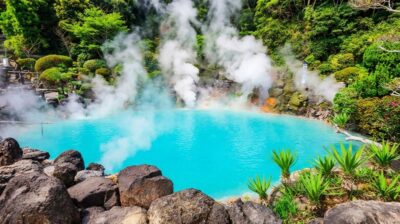
Kyushu One-Day Tour: Yufuin no Mori Train & Yufuin Town & Nyoirin-ji Temple & Dazaifu & Hell Hot Springs (Departing from Fukuoka)
Read our review →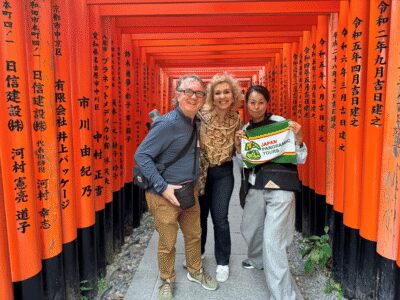
Fushimi Inari, Kinkakuji, Bamboo Grove 1 Day Bus Tour
Read our review →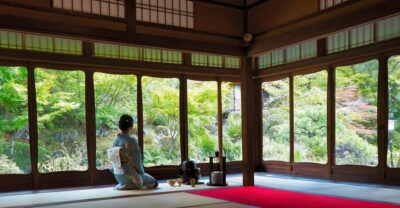
Tea Ceremony in a Traditional Tea House in Kiyomizu
Read our review →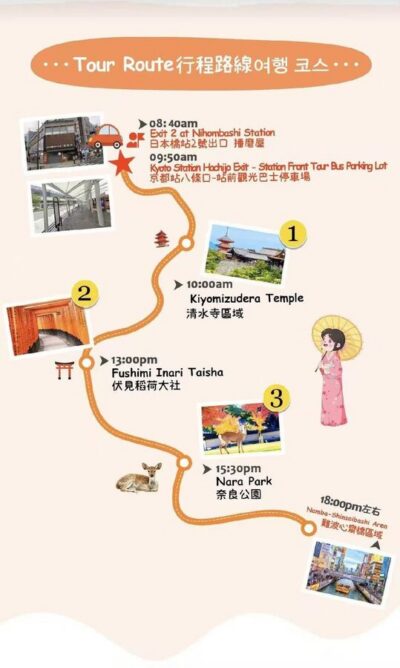
Kyoto Nara Day Trip │ Kiyomizu-dera Temple + Fushimi Inari-taisha Shrine + Nara Park (Departing from Osaka/Kyoto)
Read our review →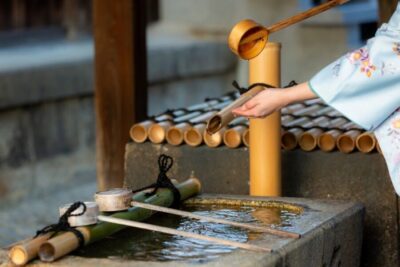
Browse the lists this tour appears in