Reviewed · MORNING
Tokyo: Morning Sightseeing Bus Tour
Tokyo rewards a fast start. This 210-minute morning tour links Meiji Shrine, the Imperial Palace, Akihabara, Ueno, and Asakusa without making you solve Tokyo’s huge transport map first. I especially like the calm forest around Meiji Shrine and the genuine Uji matcha stop in Asakusa. The main tradeoff is time: traffic can force quick visits at some sights.
I also like the excellent English-speaking guides, with Aoi, Taka, Angela, and others earning special praise for clear explanations and good humor. The bus has air conditioning, Wi-Fi, regular ventilation, and multilingual audio support. Still, this is a sightseeing sampler, not a slow neighborhood walk, and you finish in Asakusa without a return transfer.
In This Review
- Key points to know before booking
- Why this 8 a.m. coach tour works for a first Tokyo morning
- Meiji Shrine: forest, ritual, and a quiet reset
- Harajuku, Omotesando, and the National Diet Building from the coach
- The Imperial Palace stop and its two possible views
- Akihabara, Ueno, and Kappa-Bashi on Tokyo’s old and modern sides
- Asakusa: the tour’s best chance to slow down
- The Uji matcha experience, with a sweet alternative
- Guides, audio commentary, and the quality of the ride
- Is $90 a fair price for 3.5 hours?
- Who should book this morning route?
- Should you book the Tokyo Morning Sightseeing Bus Tour?
- FAQ
- How long is the Tokyo morning sightseeing bus tour?
- Where does the tour begin?
- Is hotel pickup included?
- Where does the tour finish?
- Is lunch included?
- Which language is the live tour guide?
- Which languages are available through the audio guide?
- Is matcha included?
- What happens if the matcha store is closed on May 14?
- Can I stay in Asakusa after the tour?
Key points to know before booking
- Meiji Shrine offers a quiet start: Walk through a forested Shinto shrine complex in central Tokyo and learn the proper way to worship.
- The coach covers a lot of ground: You pass Kabukicho, Harajuku, Omotesando, the National Diet Building, Akihabara, Ueno, and Kappa-Bashi.
- The Imperial Palace stop can vary: You visit either the East Garden or Niju-bashi Bridge area, depending on conditions and operations.
- Asakusa is the strongest finish: Shop along Nakamise Avenue, photograph Kaminarimon Gate, visit Senso-ji, and enjoy matcha or matcha gelato.
- The tour ends where the sightseeing gets good: You are free to remain in Asakusa, but no extra drop-off service is provided.
- It suits a first morning in Tokyo: It is especially useful if you have only a short stay or want a broad introduction before exploring independently.
Why this 8 a.m. coach tour works for a first Tokyo morning
The tour begins at 8 a.m. near the Robert Indiana LOVE sculpture in Shinjuku, with a pickup option in Ginza. The exact meeting point depends on the option you book, so check it carefully before setting out. Hotel pickup and drop-off are not included.
The deluxe air-conditioned coach is the practical heart of the experience. Tokyo is spread across many districts, and the route connects places that would otherwise take planning, transfers, and plenty of walking. You can look out at the city while the guide explains what you are seeing.
The route is designed to show you 12 major places and activities, but the wording is best understood as a broad city sampler. Some places are walking visits, some are photo stops, and some are seen from the coach. That distinction matters. You will not get a full tour of every neighborhood listed along the way.
The bus passes through Kabukicho, Tokyo’s famous nightlife and pub-hopping district, before heading toward Meiji Shrine. This opening drive gives you a quick look at the contrast between Tokyo’s neon entertainment quarter and its quieter religious spaces.
Traffic is the wild card. One past tour experience was praised as a useful introduction during a 24-hour stay, but heavy traffic also led to rushed sightseeing at certain stops. If you want long museum visits, extended shopping, or time for detailed photography, plan a separate afternoon.
A few more options to weigh up in Tokyo
- Tokyo Disney Resort – Tokyo Disneyland & Tokyo DisneySea Park Tickets
★ 4.8 · 99,488 reviews - SHIBUYA SKY Ticket
★ 4.7 · 46,509 reviews - JR Whole Japan Rail Pass
★ 4.8 · 29,150 reviews
Meiji Shrine: forest, ritual, and a quiet reset
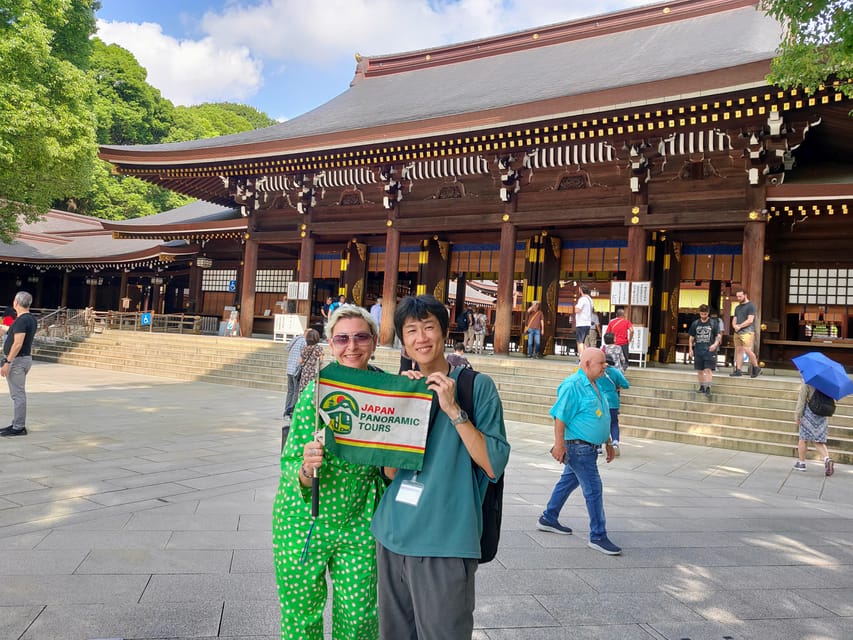
Meiji Shrine is one of the most rewarding stops because it feels far removed from the traffic outside. Built in 1921 for Emperor Meiji, the shrine sits among a broad forested area where the city noise fades. You get a clear sense of why Shinto sites often use trees, gravel paths, gates, and open space to create a change in mood.
Your guide explains the traditional way to visit a Shinto shrine. That usually means learning the basic etiquette before approaching the worship area, rather than simply snapping a photograph and moving on. The point is not to perform a ritual perfectly. It is to understand what you are doing and why.
Take comfortable shoes seriously. The stop involves walking, and the wider tour includes time on shopping streets and at temple grounds. You may find the pace easy enough for most people, but the tour does not describe a dedicated accessibility arrangement. Wheelchairs and strollers must be loaded and unloaded from the coach trunk by the people using them.
Meiji Shrine is also a good reason to choose the morning departure. The schedule brings you here early, when the atmosphere is more reflective. The drawback is that the stop cannot offer the depth of a private shrine tour. You get useful context, a guided visit, and time to look around, but not a long study of every building.
Harajuku, Omotesando, and the National Diet Building from the coach
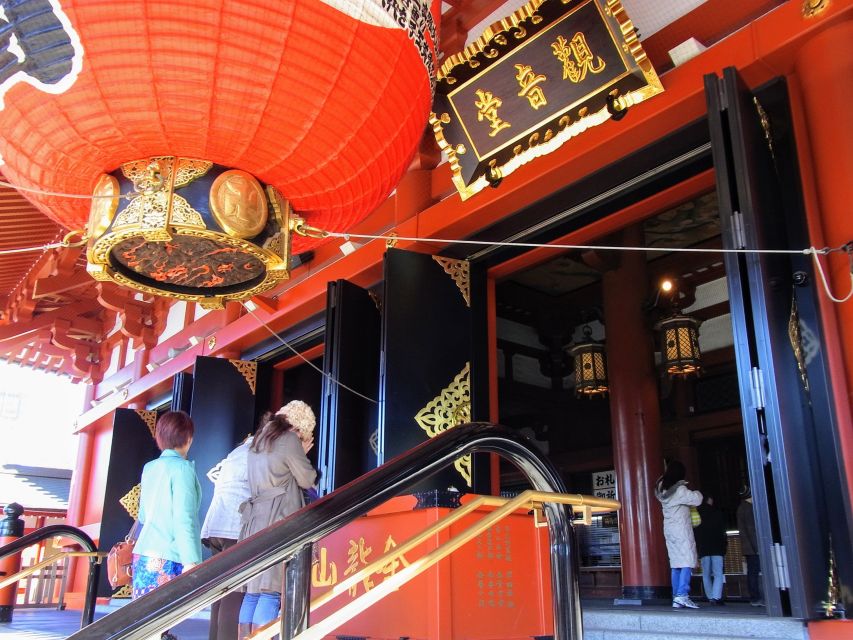
After Meiji Shrine, the bus passes Takeshita Avenue, the famous Harajuku street linked with Japanese youth and pop culture. You also pass Omotesando, a polished shopping district with a very different feel from Takeshita Avenue.
These sections are mainly about orientation. You will not have a shopping break on Takeshita Avenue, so do not book this tour expecting time to browse its stores. Instead, you get a moving introduction to two nearby but contrasting parts of Tokyo.
The coach also passes the National Diet Building, Japan’s parliament. Its symmetrical 1936 design makes it a worthwhile outside view, but it is not listed as a walking visit. Have your camera ready and listen for the guide’s explanation as the bus goes by.
This is one of the tour’s strengths and limits in the same breath. You see a large portion of Tokyo efficiently, but some sights arrive through the window. I find that useful on a first visit, provided you treat it as a preview and return later to the places that catch your interest.
The Imperial Palace stop and its two possible views
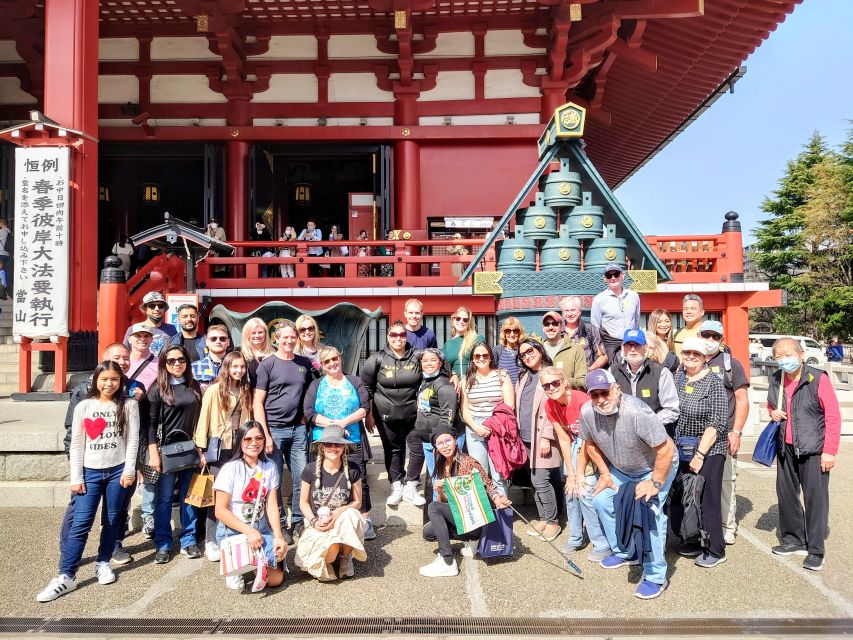
The Imperial Palace area connects present-day Japan with the site of Edo Castle. It is the current residence of the Imperial family, and the surrounding grounds give you an important piece of Tokyo’s political and historical story.
The tour visits either the East Garden or the Niju-bashi Bridge area in the Outer Garden. The East Garden offers traditional Japanese garden scenery and a closer look at the former castle site. Niju-bashi Bridge provides the more familiar palace photograph and a chance to see a historic structure associated with the grounds.
Because the exact visit can change, you should not book this tour for one specific palace view. Traffic, weather, closures, and operational reasons can alter the order or substitute an alternative place. That flexibility helps the operator keep the morning moving, but it means the day is not fully fixed.
The palace stop is described as a photo stop in the basic itinerary. Expect a taste of the setting rather than a long palace tour. If palace gardens are a major priority, return independently with more time. If you simply want to see the area without arranging it yourself, this is a convenient introduction.
A completely different kind of day out:
- Mt Fuji and Hakone 1-Day Bus Tour Return by Bullet Train
★ 5.0 · 26,383 reviews - TOKYO SKYTREE® Ticket
★ 4.7 · 25,136 reviews - teamLab Borderless Tickets: MORI Building DIGITAL ART MUSEUM
★ 4.7 · 24,126 reviews - teamLab Planets TOKYO Ticket
★ 4.7 · 21,663 reviews
Akihabara, Ueno, and Kappa-Bashi on Tokyo’s old and modern sides
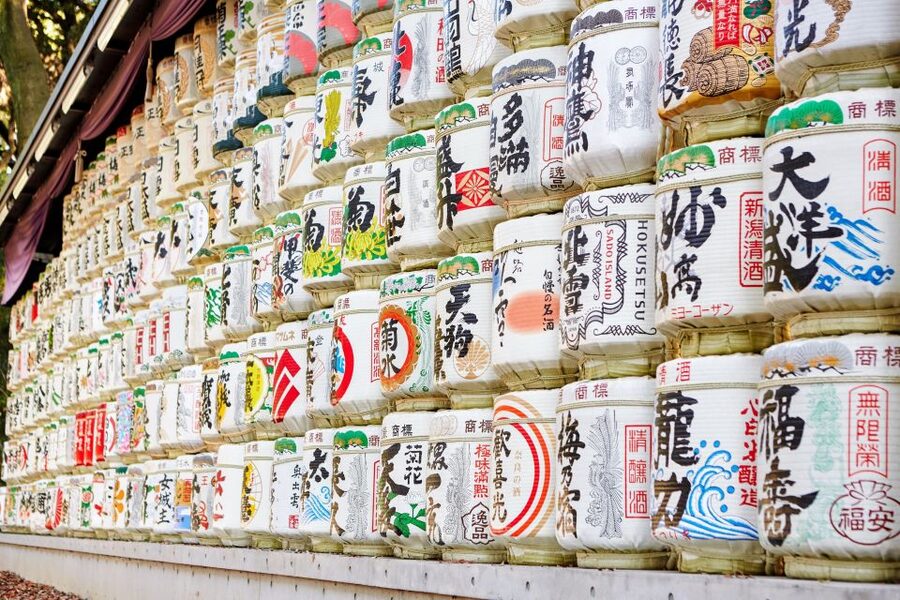
The coach then passes through Akihabara, the center of anime, manga, games, and otaku culture. This is another drive-by section, but it helps place Tokyo’s pop-culture identity on the same route as its shrines and imperial grounds.
Ueno follows, known here as Japan’s oldest park. The route also passes Kappa-Bashi market street, famous for kitchen goods, Japanese dishes, knives, and remarkably realistic food replicas. This detail is especially useful if you enjoy cooking, restaurant design, or odd little shopping districts that do not appear on every first-time itinerary.
You should resist the temptation to treat these areas as included shopping stops. The supplied plan describes them as places the bus passes, not places where you get out and browse. That is a limitation, but it also keeps the tour on schedule.
I like this middle stretch because it shows how varied Tokyo can be within a short distance. You move from sacred woodland to government buildings, then from anime culture to kitchenware shops. It is a city overview in the truest sense.
Asakusa: the tour’s best chance to slow down
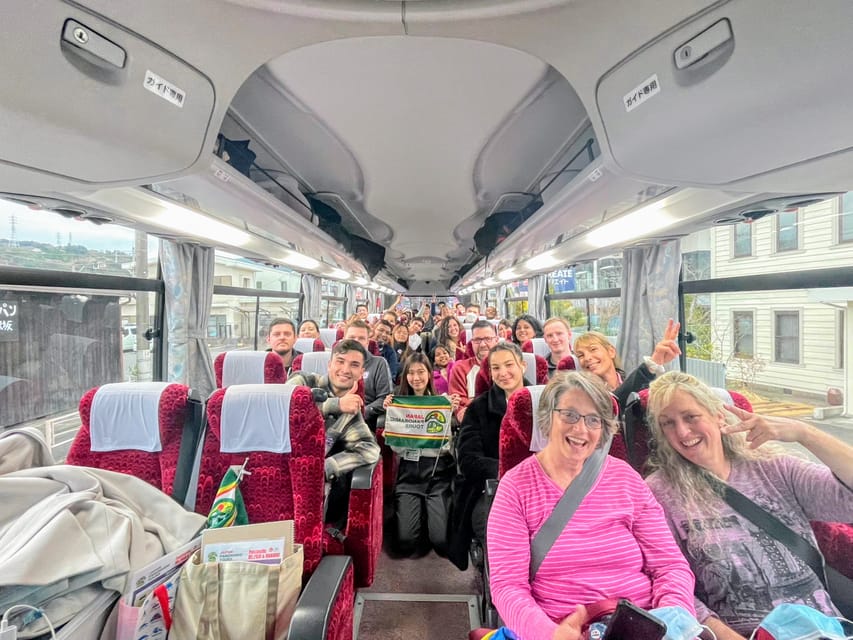
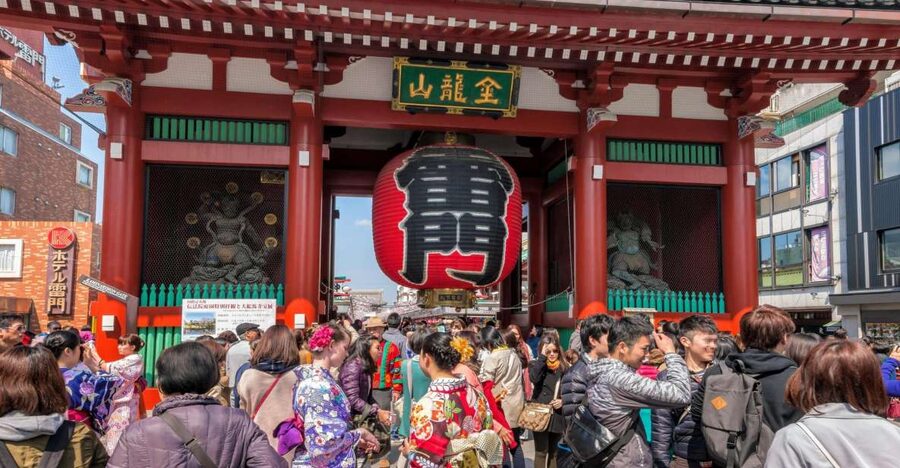
The final major stop is Asakusa, and this is where the experience becomes more personal. You visit Nakamise Avenue, the traditional shopping street leading toward Senso-ji, and get time to photograph Kaminarimon Gate with its huge red lantern.
The area gives you the classic old-Tokyo setting that many first-time visitors hope to find. Shops line the approach, snacks and souvenirs fill the route, and Senso-ji provides the famous temple finish. The tour ends here, so you can remain in Asakusa after the group portion is over.
That ending is a real advantage. You are not rushed back to Shinjuku or Ginza just as the neighborhood becomes worth exploring. You can continue around Senso-ji, browse Nakamise Avenue, find lunch, or make your own way onward. Lunch is not included, so budget for it separately.
Do not confuse a guided morning visit with a full Asakusa day. The tour gives you a strong first look and a convenient stopping point, but the district deserves extra time if you want to explore beyond the main approach.
The Uji matcha experience, with a sweet alternative
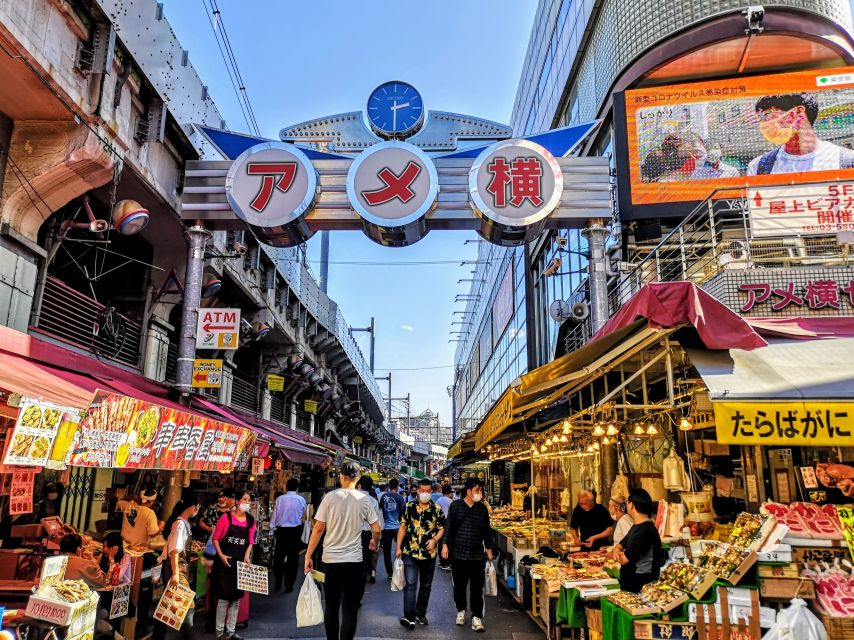
The matcha stop adds something more than another photograph. You taste authentic Uji matcha from Kyoto made with ichibancha, or first-flush tea. The experience is presented as premium matcha that is not overly bitter, which makes it approachable even if you are unsure about powdered green tea.
You can choose matcha drink or matcha gelato, and sweet matcha gelato is a popular option for anyone who prefers dessert to tea. Matcha beer is also listed as an option. The exact selection may depend on the operating day and shop arrangements.
One important date note: the matcha store is closed on May 14, when matcha souvenirs are provided instead. If the tea tasting is a central reason for booking, that date deserves special attention.
The matcha break also gives the morning a useful pause. One particularly positive account described the tour as long but smooth, with time for matcha ice cream and lunch rather than a frantic rush. That will depend on traffic and timing, but the stop helps break up the walking and coach sections.
Guides, audio commentary, and the quality of the ride
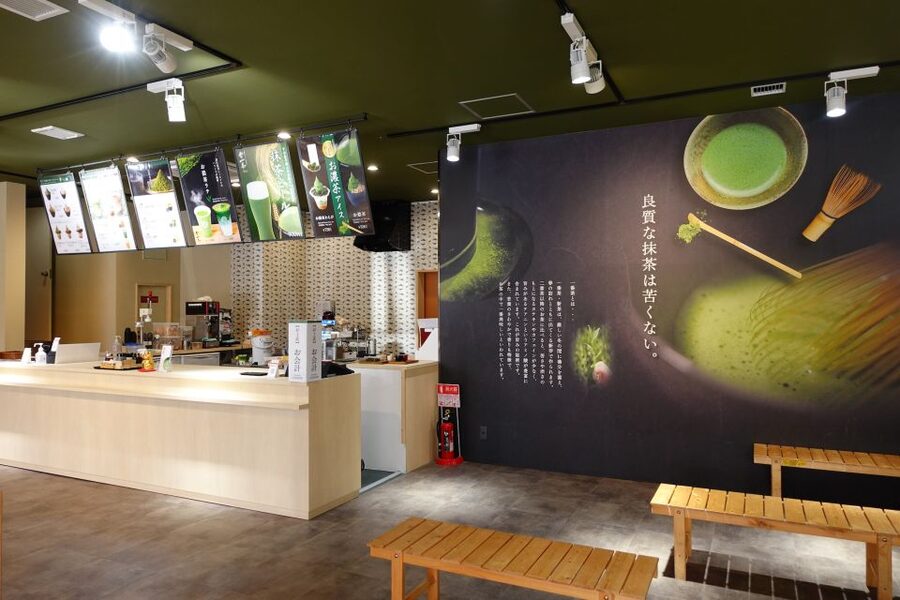
The live guide speaks English. Names praised in past bookings include Aoi, Taka, Angela, Jack, Levin, and other friendly guides. Aoi was singled out for clear English, a cheerful personality, and careful explanations at each segment. Taka was described as both an informative guide and an entertainer, while Angela was praised for making the morning fun and helping with practical questions.
That pattern matters more than any single name. A bus tour can feel mechanical when the guide simply announces stops. Here, the strongest experiences come from guides who explain shrine etiquette, local districts, and the changing character of Tokyo while keeping the group engaged.
Commentary during the coach ride may not be equally detailed throughout. One older booking specifically found the guides polite and friendly but wanted more explanation while the bus was moving. I would treat that as a reminder to use both the live guide and the included audio system.
Audio headsets are available in English, French, Italian, Spanish, German, Portuguese, and Ukrainian. The live tour language is English, so the audio option is helpful if you prefer another language or want extra information during the drive.
The coach includes free Wi-Fi, air conditioning, regular ventilation, and antibacterial coating. These features make a difference on a busy morning, especially when Tokyo’s weather is hot or humid. They do not remove the need for walking shoes, though.
Is $90 a fair price for 3.5 hours?
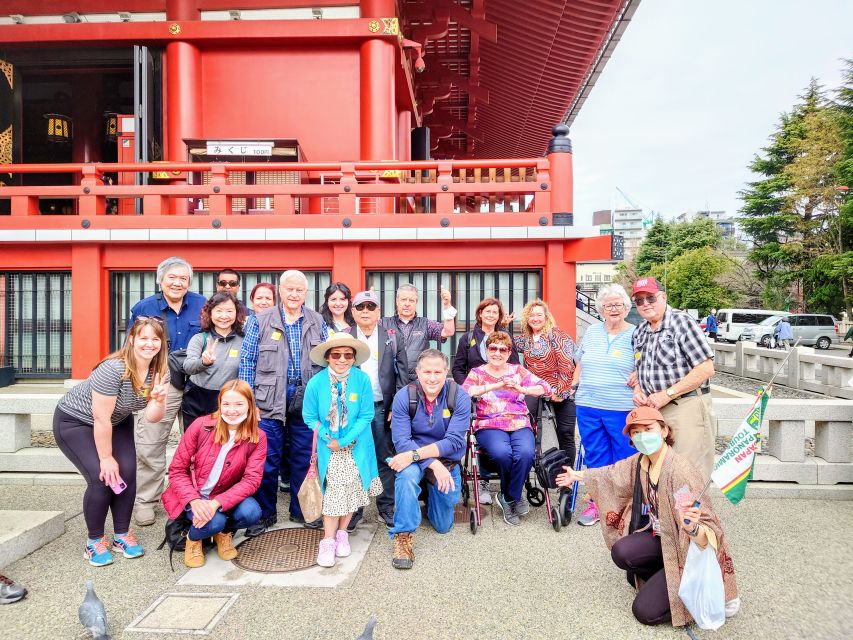
At $90 per person, this is not a bargain walking tour. You are paying for a deluxe coach, a live English guide, transportation between distant districts, the matcha drink or gelato, Wi-Fi, and a tightly arranged route through central Tokyo.
The value is strongest for three kinds of people. If you have only one day in Tokyo, the tour gives you a quick city framework. If you are staying outside the central districts, the coach reduces the effort of connecting Meiji Shrine, the palace area, and Asakusa. If you prefer a guide to explain customs and history, the price may feel reasonable.
The value is weaker if you already know Tokyo’s transport system or want to spend an hour at each stop. You will see several places only from the coach, and the palace visit may be either the East Garden or Niju-bashi Bridge. You also pay for convenience rather than extensive time at any one attraction.
The average rating is 4.4 from 109 reviews, with repeated praise for organization, guide quality, and the chance to see major sights in a half-day. The less favorable points are consistent too: heavy traffic, rushed stops, and occasional wishes for more commentary during the drive.
Who should book this morning route?
I would choose it for a first Tokyo visit, a short stopover, or a morning when you want a guided overview before exploring on your own. It is also a good fit if you like mixing major sights with a small food and drink experience.
Families and older visitors may appreciate the coach, but you still need comfortable shoes and enough mobility for shrine, garden, temple, and shopping-street visits. Anyone bringing a wheelchair or stroller should note that loading and unloading from the trunk is your responsibility.
I would skip it if your main goal is anime shopping in Akihabara, fashion shopping in Harajuku, or a long visit to the Imperial Palace gardens. Those places are mostly viewed from the bus or covered briefly.
Free cancellation is available up to 24 hours before departure, and you can reserve now and pay later. If several separate bookings make up your party, send the booking numbers and total headcount before the tour so the operator can keep the group together.
Should you book the Tokyo Morning Sightseeing Bus Tour?
Book it if you want breadth, guidance, and simple transport in one morning. The best parts are Meiji Shrine’s peaceful setting, the useful shrine etiquette lesson, the comfortable coach, and the Asakusa finish with matcha and Senso-ji nearby.
Do not book it expecting a leisurely tour of every district. Tokyo traffic can compress the stops, and some sights are pass-by views. For a first morning, though, $90 buys a practical introduction and leaves you in one of the city’s most rewarding areas, with the rest of the day still open.
FAQ
How long is the Tokyo morning sightseeing bus tour?
The tour lasts 210 minutes, or three and a half hours.
Where does the tour begin?
One listed starting point is the Robert Indiana LOVE sculpture at 4-chome-1-2 Ginza. The meeting point may vary according to the option booked.
Is hotel pickup included?
No. Hotel pickup and drop-off are not included. Pickup service from Ginza is included for the applicable option.
Where does the tour finish?
The tour finishes at Senso-ji in Asakusa. No additional drop-off service is provided.
Is lunch included?
No. Lunch is not included.
Which language is the live tour guide?
The live guide speaks English.
Which languages are available through the audio guide?
Audio support is available in Spanish, French, Italian, German, Portuguese, and Ukrainian. English commentary is also provided through the tour arrangements.
Is matcha included?
Yes. The tour includes a matcha drink or matcha gelato. Matcha beer is also listed as an option.
What happens if the matcha store is closed on May 14?
On May 14, the store is closed and the matcha experience is replaced with matcha souvenirs.
Can I stay in Asakusa after the tour?
Yes. Since the tour ends in Asakusa, you can spend as much additional time there as you like. You must arrange your own onward transportation.
Just added in Tokyo
- A One-of-a-Kind Sushi Experience in a Special Place of Japan★ 5.0 · 15 reviews
- Tokyo Cute Bento Cooking Class – Make a Kawaii Character Lunchbox★ 5.0 · 126 reviews
- Japanese Home Cooking Class & Walk in Todoroki Temple Tokyo★ 5.0 · 88 reviews
- Japan Tokyo Tower Observatory Deck E-Ticket★ 4.0 · 34 reviews
- Catch a Baseball Game in Tokyo with a Local – Tickets Included★ 5.0 · 24 reviews
- JDM Experience with Fast&Furious RX-7 (English speaking Driver)★ 5.0 · 57 reviews
- Tokyo Private Day Tour by Car with English speaking Driver Guide★ 4.0 · 29 reviews
- Japan Classic 10 Day – One Life Adventures★ 5.0 · 129 reviews
Morning, compared.
Kyoto Early Morning Tour with English-Speaking Guide
Read our review →Early Morning Tour with English-Speaking Guide
Read our review →
World Heritage Shirakawa-go Morning Guided Tour
Read our review →
Nara Early Morning Tour (Kyoto or Osaka Departure Available)
Read our review →
Hiroshima in a Nutshell: Morning Bike Adventure
Read our review →