Reviewed · MORNING
Kyoto: Early Morning Tour with English-Speaking Guide
Kyoto rewards early risers. I like the small group of up to eight and the smart route linking Fushimi Inari, Arashiyama, and Kinkakuji before lunch. I also like having an English-speaking guide handle the trains and buses while explaining the customs behind each place. The main drawback is the early start, plus the tour requires steady walking and does not include transport or the Kinkakuji admission fee.
This is a fast, useful introduction to Kyoto rather than a slow temple morning. Guides such as Aya, Haruki, Hina, Rin, and Hinano have earned praise for clear explanations, friendly help, photo-taking, and restaurant tips. Still, you need to arrive early, carry cash, and accept that public transit can be crowded or delayed.
In This Review
- Key points at a glance
- Why this early Kyoto tour works
- Meeting at Kyoto Station before sunrise
- Fushimi Inari Taisha and the orange torii gates
- Arashiyama and the bamboo grove
- Kinkakuji, Kyoto’s Golden Pavilion
- Trains and buses instead of a tour coach
- The guides make the difference
- Is $101 good value?
- Who should book this Kyoto morning?
- FAQ
- Where does the tour meet?
- How early should I arrive?
- Is this a private tour?
- Does the tour use a private bus?
- How much extra money should I bring?
- Is the tour wheelchair or stroller accessible?
- What languages are available?
- Should you book it?
Key points at a glance
- Fushimi Inari comes first: The famous orange torii gates are usually easier to enjoy early in the morning.
- Three major Kyoto sights in five and a half hours: You visit Fushimi Inari Taisha, Arashiyama, and Kinkakuji before lunch.
- Public transport is part of the lesson: You ride trains and a bus, gaining practice for the rest of your Kyoto stay.
- A small but social group: The tour can include up to eight people, with enough room for questions and conversation.
- Bring extra yen: Transport costs about 1,240 yen, and Kinkakuji charges a separate 500 yen entrance fee.
- Good for first-time visitors: The route covers the sights most people want, but it is not designed for wheelchairs, strollers, or guests who struggle with long walks.
Why this early Kyoto tour works
Kyoto’s famous sights are no secret. Fushimi Inari, Arashiyama’s bamboo grove, and the Golden Pavilion can become shoulder-to-shoulder affairs later in the day. This tour meets at Kyoto Station early, then moves directly to the first major stop.
That timing is the central selling point. You may still encounter other visitors, especially on weekends, holidays, or during snowy weather, but the morning usually gives you more breathing room than a midday visit. One guide met the group at 6:45 a.m., and the group saw crowds begin arriving as it was leaving. That is precisely the advantage you are paying for.
The tour lasts about 330 minutes, or five and a half hours. The advertised schedule is approximate, and the actual finish can vary by roughly 30 minutes. You should therefore avoid booking a tight lunch reservation or a train immediately afterward.
The pace aims to cover a lot without turning the morning into a race. Several guides received praise for keeping the group moving at a comfortable speed, answering questions, and making sure everyone got photographs. You will not have unlimited time at any one site, but you will see three of Kyoto’s most requested sights in one organized morning.
A few more options to weigh up in Kyoto
- PERFECT KYOTO 1-Day Bus Tour
★ 5.0 · 13,518 reviews - [Kyoto & Nara Day Tour] Sagano Scenic Railway & Nara Park & Fushimi Inari Taisha Thousand Torii Gates & Togetsukyo Bridge & Bamboo Grove & Kimono Forest (Departing from Osaka)
★ 4.9 · 10,942 reviews - Kyoto: Fushimi Inari, Kinkakuji, Bamboo Grove 1 Day Bus Tour
★ 4.8 · 4,316 reviews
Meeting at Kyoto Station before sunrise
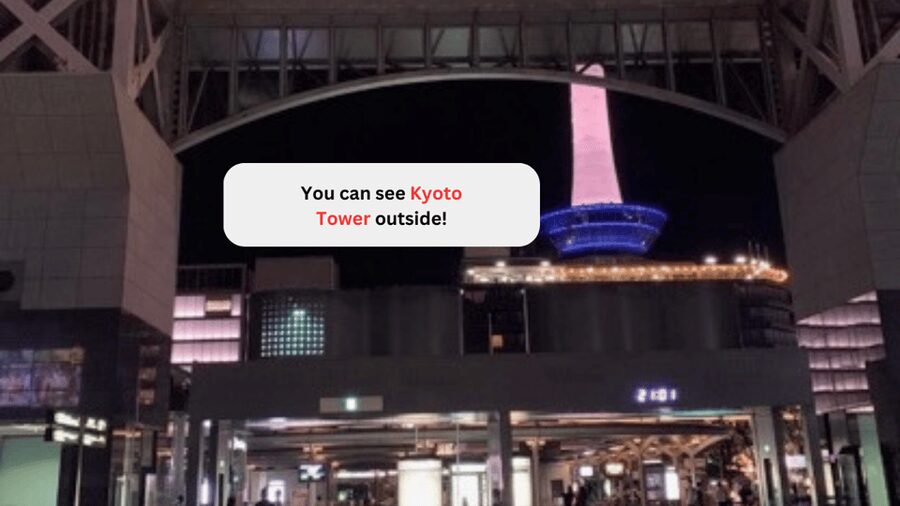
The meeting point is Kyoto Station’s Central Ticket Gate, near the large gate where Kyoto Tower is visible outside. A Seven-Eleven is nearby, and the guide holds a board marked GuideMe Japan.
This sounds simple, but Kyoto Station is large. Give yourself extra time to find the correct gate. The operator asks you to arrive five to ten minutes early, and late arrivals cannot join after the group leaves. That strict rule matters because the tour uses scheduled trains and includes several participants.
You also need WhatsApp installed before the tour. The guide contacts you there with meeting information and pre-tour communication. Provide a Japanese-stay phone number that works on WhatsApp. If you are booking for someone else, use the actual participant’s number rather than a travel agency contact.
Wear shoes suitable for several hours of walking. Carry cash for the transit fares and temple admission. An IC card such as Suica, ICOCA, or PASMO is useful, and a JR Pass can also be brought along. The tour is not a bus excursion with private vehicles waiting outside each attraction. You are using ordinary Kyoto transport.
Fushimi Inari Taisha and the orange torii gates
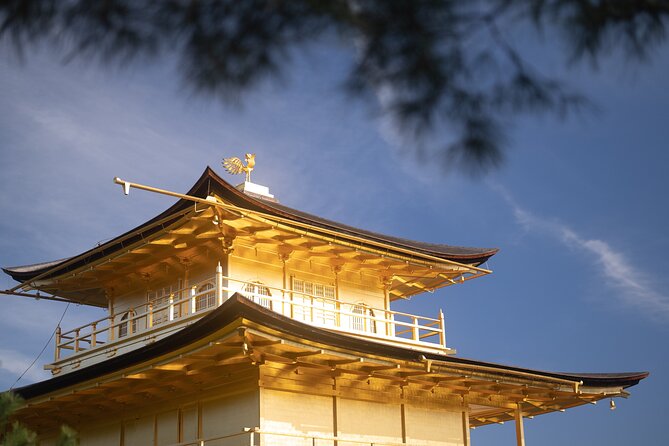
The first train ride takes about ten minutes from Kyoto Station. Starting here is a smart choice because Fushimi Inari tends to become much harder to enjoy as the morning progresses.
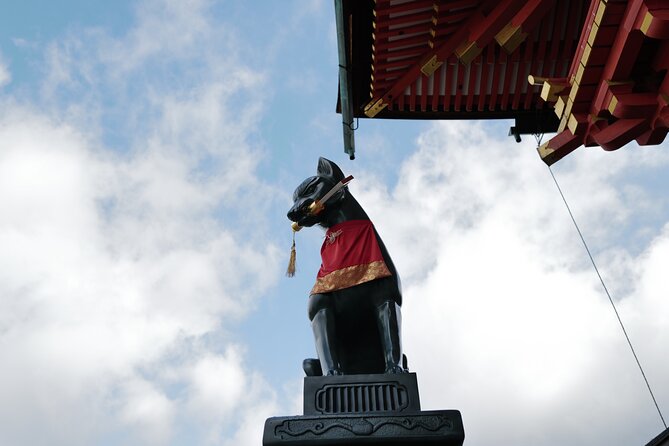
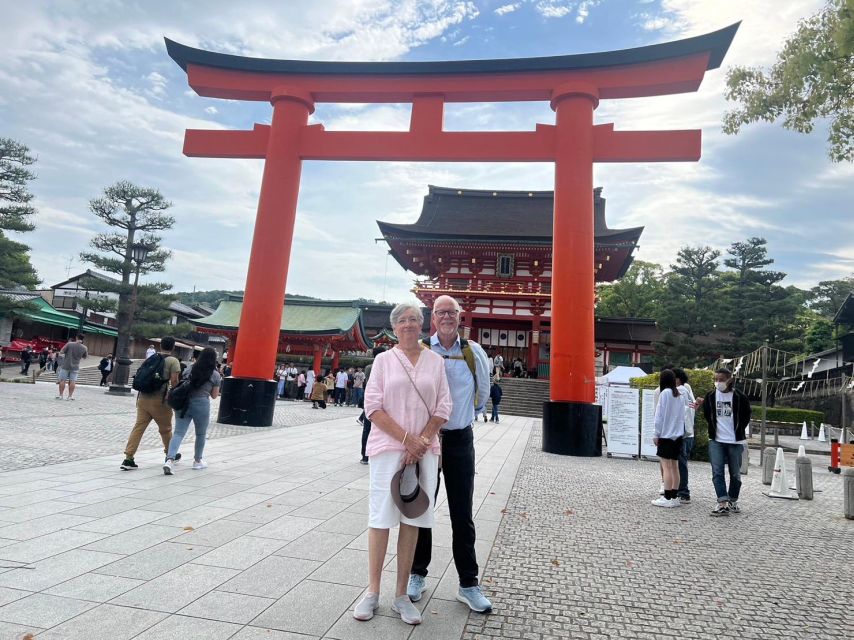
Fushimi Inari Taisha is famous for its long rows of orange torii gates. The gates form shaded corridors that climb through the shrine grounds, creating one of Kyoto’s most recognizable scenes. Your guide can explain the shrine’s religious meaning and the difference between Shinto and Buddhist traditions, something that is easy to miss if you simply arrive, take pictures, and leave.
The planned visit lasts about 70 minutes. That gives you time to walk through the lower shrine area and enter the torii-lined paths without attempting every trail on the mountain. The stop is partly visual and partly reflective. The quiet of the early hour makes it easier to pause, observe shrine customs, and take photographs without constantly stepping around large groups.
The guide’s help is particularly useful here. The paths can feel less obvious once you move beyond the main buildings, and the torii corridors invite you to keep walking even when the schedule says it is time to turn back. A good guide keeps the group together and explains what you are seeing without letting this first stop swallow the morning.
If your main goal is a long hike through the entire Fushimi Inari mountain complex, this tour will feel too brief. The 70-minute visit is designed for a strong first look, not an exhaustive exploration.
Arashiyama and the bamboo grove
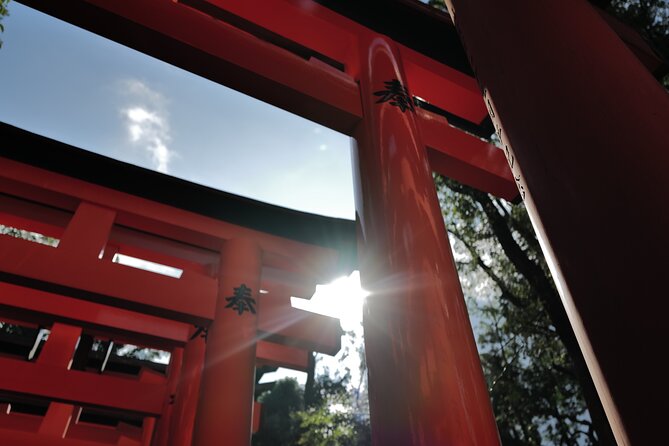
After Fushimi Inari, expect about 30 minutes by train before reaching Arashiyama. This is the longest transfer in the morning, and it gives your feet a short break, though you should not mistake the ride for a leisurely sightseeing interval. The schedule is active, and the group needs to stay on time.
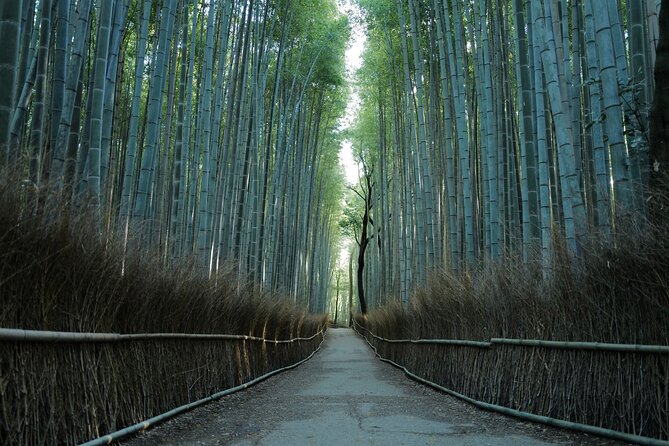
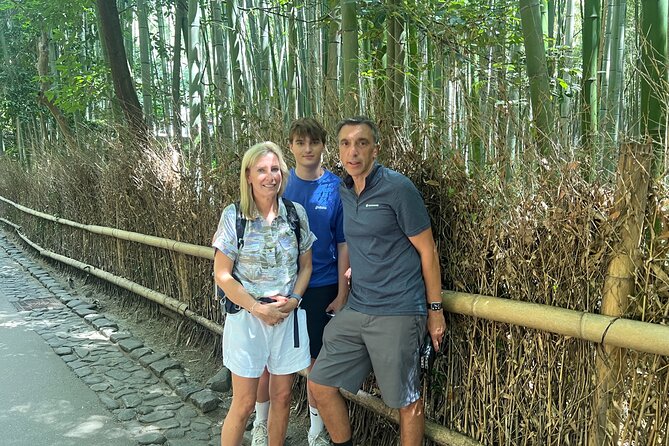
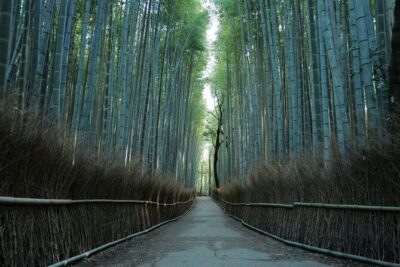
Arashiyama is best known for its bamboo grove, where tall stalks create a narrow green corridor. The setting changes with the season. One January visit found the bamboo forest especially striking under snow, while other cold and wet mornings still allowed the group to enjoy the area before heavier crowds arrived.
The guided portion lasts about an hour. Your guide can point out good photo locations, explain local culture, and help you understand the area beyond the bamboo itself. Several guides were praised for taking photographs, a small service that is genuinely useful when you are traveling alone or as a couple.
Arashiyama can feel busy even early, especially around weekends and popular seasonal periods. The early start reduces the pressure, but it does not create a private forest. Keep your expectations realistic. You will share the path with other people, and the route may include uneven surfaces and a fair amount of walking.
The value here is efficiency. Seeing Arashiyama, Fushimi Inari, and Kinkakuji independently in one morning would require careful planning, accurate train and bus connections, and little patience for wrong turns. The guide takes care of that mental work while giving the stop some cultural context.
A completely different kind of day out:
- Kyoto: Tea Ceremony in a Traditional Tea House in Kiyomizu
★ 4.9 · 3,519 reviews - Kyoto: Gion Make Your Own Chopsticks with Engraving Option
★ 5.0 · 3,465 reviews - Kyoto Nara Day Trip │ Kiyomizu-dera Temple + Fushimi Inari-taisha Shrine + Nara Park (Departing from Osaka/Kyoto)
★ 4.7 · 3,408 reviews - Kyoto Geisha Walking Tour: Gion District & Hidden Gems
★ 4.7 · 3,273 reviews
Kinkakuji, Kyoto’s Golden Pavilion
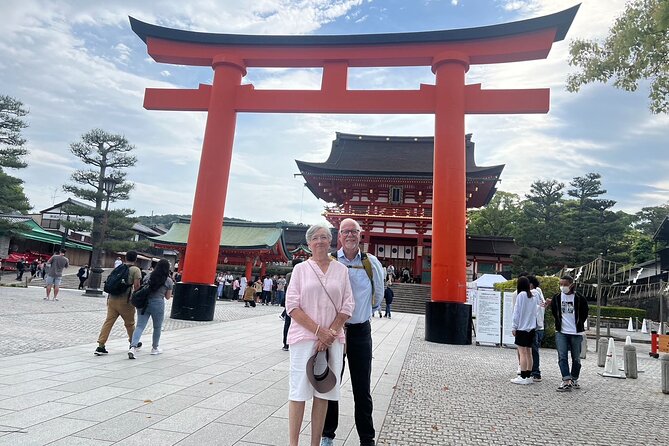
From Arashiyama, the group takes another train for about 15 minutes, followed by a bus ride of roughly 20 minutes. Kinkakuji, also called the Golden Pavilion, is the final major stop.
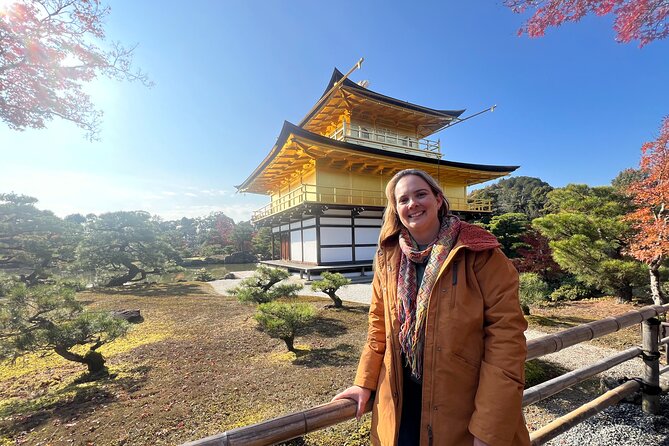
The temple’s gold-covered exterior reflects over a pond, making it one of Kyoto’s most instantly recognizable sights. The visit is planned for about one hour, enough to walk the grounds, see the pavilion from the principal viewpoints, and listen to an explanation of its Buddhist setting.
You pay a separate 500 yen entrance fee. Keep cash ready so the group does not lose time at the gate.
The bus is the least predictable part of the route. Kyoto buses can be slow when roads are crowded, and Sunday service may involve longer waits. One winter visit encountered a bus problem on the way to Kinkakuji, and the guide arranged a taxi so the group could continue. That kind of practical judgment can protect the final stop, but you should understand that a taxi solution may not always be included in the advertised transport estimate.
Kinkakuji is often busy by the time this tour arrives. That is not necessarily a flaw in the route. Fushimi Inari and Arashiyama benefit most from the early start, while the Golden Pavilion is a later stop because of the geography and opening schedule. The tradeoff is a realistic one: you get three major sights, but not every one at its quietest.
Trains and buses instead of a tour coach
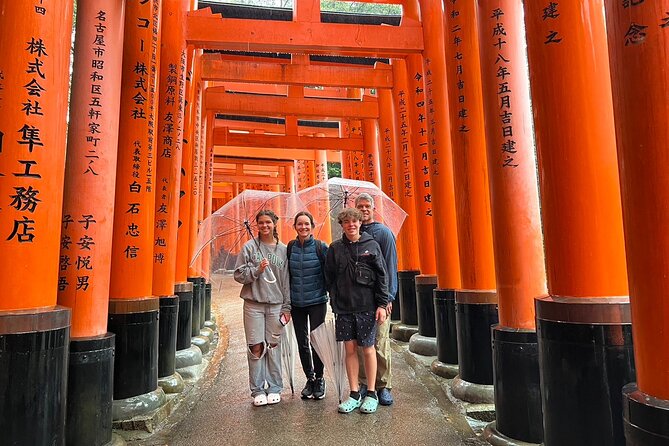
Public transportation changes the character of the experience. You are not sealed inside a coach, watching Kyoto through glass. You walk through stations, board local trains, ride a bus, and see how the city’s transport system works.
That is valuable for the rest of your stay. Guides have helped participants understand how to use trains and buses, giving first-time visitors more confidence after the tour. If you are uneasy about Japanese stations, this first organized outing can provide a practical introduction.
The downside is that transit depends on the real world. Platforms can be busy, buses can run late, and the group must move at the pace of the network. You should expect transfers, walking between stops, and moments when everyone needs to pay attention.
Transportation is not included. The estimated cost is about 1,240 yen, though the exact total can vary with the route used. Bring an IC card if possible, but cash remains important. The listed cost does not include the 500 yen Kinkakuji admission.
The guides make the difference
The guide is the part of the tour you cannot fully predict, but the strongest pattern is clear: friendly, patient explanations matter more than a memorized list of dates.
Aya has been praised for bringing the sites to life and providing restaurant suggestions. Haruki is often noted for humor, strong English, photography, and a respectful approach to Japanese traditions. Hina, Hinano, Rin, Genki, Chihiro, Suzuka, Toshiya, and others have also been singled out for useful cultural background, good organization, and attention to individual questions.
Several guides offered help beyond the scheduled stops, including food recommendations in Kyoto and Osaka, suggestions for the rest of a Japan trip, and directions for participants continuing to another destination. One guide even helped a participant who was short on time reach the next destination safely.
Do not book this expecting a private guide. The group can have up to eight people, although some departures may be smaller. One booking became a tour for just a couple, while other groups included families and solo visitors. The small size gives you a better chance to ask questions than a large bus tour, but the guide still has to serve the whole group.
Is $101 good value?
At $101 per person, this is not the cheapest way to see Kyoto’s headline attractions. You also pay about 1,240 yen for transport and 500 yen to enter Kinkakuji. Lunch is not included, though the tour finishes around lunchtime.
The price makes more sense if you value time and confidence. You are paying for route planning, an English-speaking guide, explanations at three major sights, help with public transport, and a small group. If you have only a short stay in Kyoto, fitting these three places into one morning can be difficult alone.
Independent visitors can spend less, especially with an IC card and careful research. But you will need to plan the route, check train and bus connections, handle the transfers, and learn the cultural background on your own. The tour is strongest for first-time visitors, solo travelers, couples, and families who want a broad introduction without spending a full day in a large group.
I would not choose it if you prefer lingering for hours at one temple, hiking all of Fushimi Inari, or wandering Arashiyama at your own pace. The schedule is efficient, not leisurely.
Who should book this Kyoto morning?
This tour suits you if you want the major sights quickly and prefer a guide to explain what you are seeing. It is also a good choice if public transportation in Japan feels intimidating or if your Kyoto stay is short.
Families can benefit from the structure, though children need to manage walking, transfers, and an early wake-up. One guide made a special effort to include an 11-year-old child, but the tour is not designed around young children.
You should be comfortable walking for several hours. The experience is not wheelchair or stroller accessible, and it is not recommended for people who use a cane. It is also unsuitable for babies under one year, people with heart problems, and anyone over 95.
The early start is the real test. If you can get out of bed on time, you gain a calmer look at Kyoto’s most famous sites and still have the rest of the day available for lunch and further exploring.
FAQ
Where does the tour meet?
The group meets at Kyoto Station’s Central Ticket Gate, near the large gate with a view of Kyoto Tower and close to a Seven-Eleven. The guide holds a GuideMe Japan sign and provides further meeting information through WhatsApp.
How early should I arrive?
Arrive five to ten minutes before the scheduled start. The group leaves on time, and late participants cannot join or receive a refund.
Is this a private tour?
No. It is a small-group tour with up to eight participants.
Does the tour use a private bus?
No. The tour is on foot and uses public trains and buses. You should bring an IC card such as Suica, ICOCA, or PASMO, or a JR Pass.
How much extra money should I bring?
Plan on about 1,240 yen for transportation and 500 yen for Kinkakuji’s entrance fee. Lunch is not included, so bring additional money if you plan to eat afterward.
Is the tour wheelchair or stroller accessible?
No. Baby strollers are not allowed, and the tour is not recommended for wheelchair users or people who use a cane.
What languages are available?
The tour offers live guiding in English and Korean.
Should you book it?
Book this tour if you want three major Kyoto sights before lunch, need help with public transport, and value clear cultural explanations over free-form wandering. The small group, early timing, and frequent praise for guides such as Haruki, Aya, Hina, Rin, and Hinano make it a strong first morning in Kyoto.
Skip it if you dislike early starts, need accessible transport, or want a slow visit with plenty of time at one site. For most first-time visitors with limited time, though, the route delivers a lot in five and a half hours, with the important warning that your feet, your alarm clock, and your cash all need to be ready.
Just added in Kyoto
- The “Golden Route” and Ancient Japan by DIAMIR Erlebnisreisen – 14-Day Tour★ 2.0 · 2 reviews
- Japan: Castles & Cuisine by G Adventures – 6-Day Kyoto to Osaka Tour★ 4.5 · 4 reviews
- Cycle Japan by Explore! – 13-Day Kyoto to Tokyo Tour★ 4.7 · 12 reviews
- Cycle Japan by Intrepid Travel – 11-Day Kyoto to Tokyo Tour★ 4.8 · 2 reviews
- Classic Japan by Intrepid Travel – 11-Day Kyoto to Tokyo Tour★ 4.4 · 14 reviews
- Ancient & Modern Japan 14-Day Tour by Exodus Adventure Travels★ 4.4 · 40 reviews
- 5 Day Cultural Adventure of Kyoto, Nara & Osaka by Tourist Journey★ 2.5 · 2 reviews
- 12 Days Kinosaki Onsen Escape: A Journey Through Japan’s Timeless Towns by UME Travel★ 4.8 · 5 reviews
Morning, compared.
Kyoto Early Morning Tour with English-Speaking Guide
Read our review →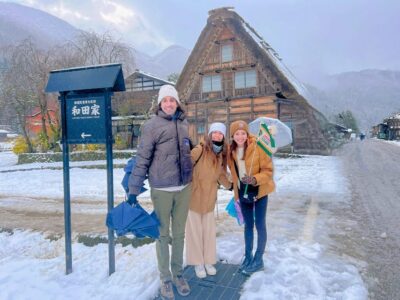
World Heritage Shirakawa-go Morning Guided Tour
Read our review →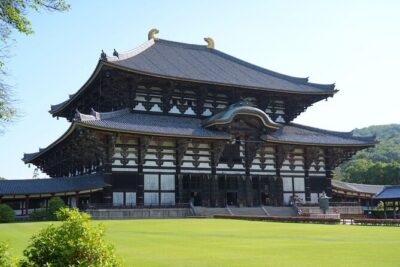
Nara Early Morning Tour (Kyoto or Osaka Departure Available)
Read our review →
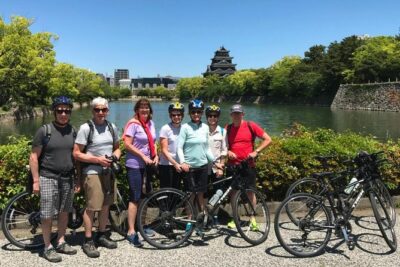
Hiroshima in a Nutshell: Morning Bike Adventure
Read our review →